
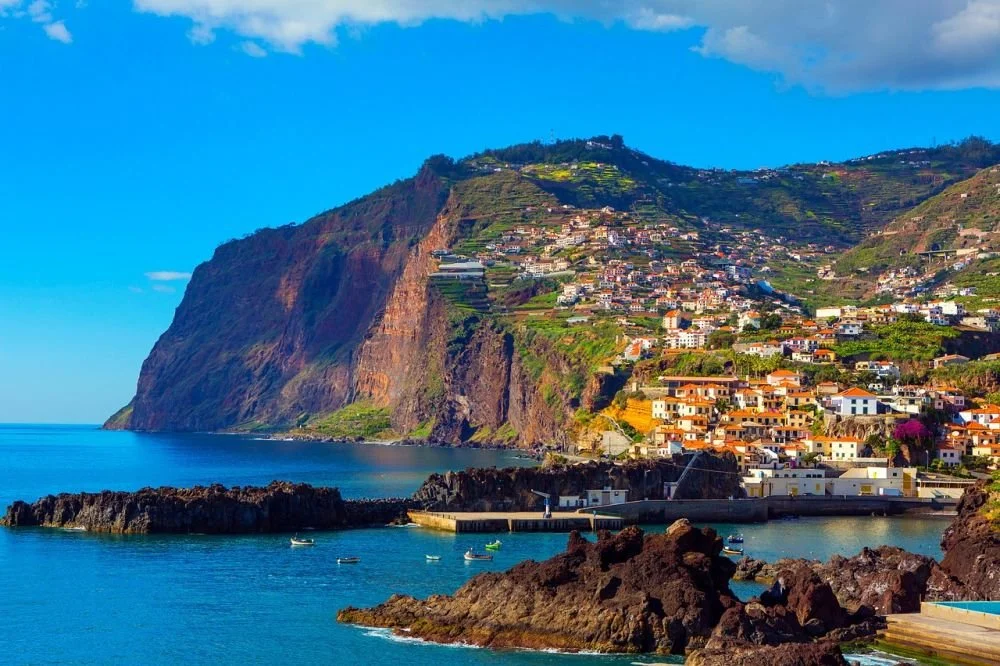
Essential Guide to Madeira - Shuttles, Transfers and Tours
Navigate Your Journey with Confidence and Style
Madeira
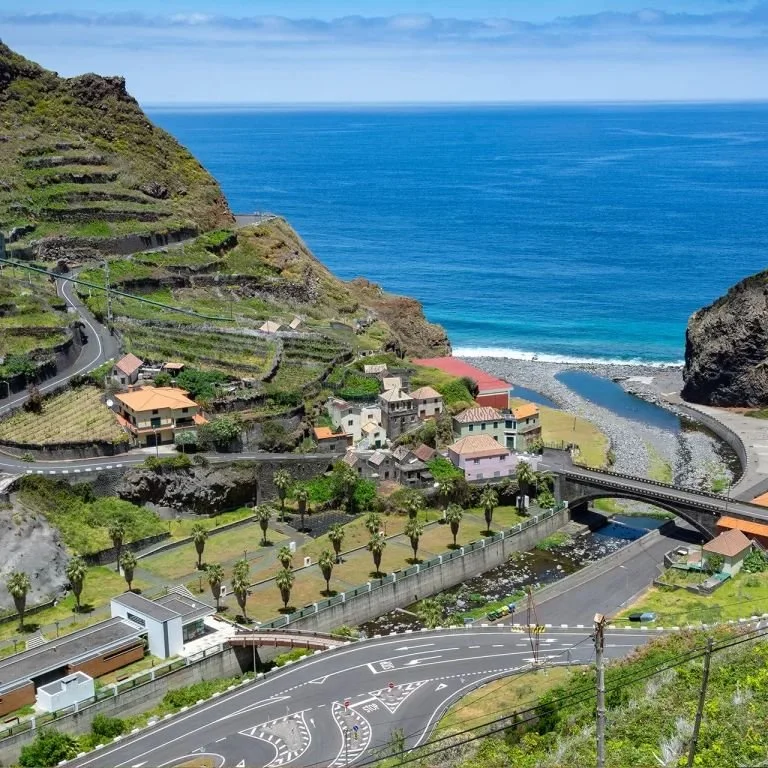
Welcome to Madeira, where the Atlantic shimmers in deep sapphire and silver, volcanic cliffs rise dramatically from the sea, and life unfolds to the rhythm of ocean winds, mountain trails, and timeless island traditions. Wander along levada paths draped in emerald foliage, trace the contours of ancient laurel forests, and wake to the scent of wild fennel, eucalyptus, and salt carried on the morning breeze.
Each corner of the island tells its own story — shaped by seafaring explorers, fertile terraces carved by generations, and a culture proud of its resilience and warmth — inviting you to discover, savour, and linger. More than a destination, Madeira is an experience of elemental beauty and harmony: crystalline natural pools, cloud‑kissed peaks, terraced villages, and a spirit of welcome that stays with you long after you leave its shores.
Bem‑vindo à Madeira, onde o Atlântico brilha em tons de safira e prata, falésias vulcânicas se erguem dramaticamente do mar e a vida segue o ritmo dos ventos oceânicos, dos trilhos de montanha e das tradições intemporais da ilha. Caminhe pelas levadas envoltas em folhagem verdejante, descubra os contornos das antigas florestas de loureiros e acorde com o aroma do funcho selvagem, do eucalipto e da maresia trazida pela brisa da manhã.
Cada recanto da ilha conta a sua própria história — moldada por navegadores, por socalcos férteis trabalhados ao longo de gerações e por uma cultura orgulhosa da sua resiliência e hospitalidade — convidando‑o a explorar, saborear e demorar‑se. Mais do que um destino, a Madeira é uma experiência de beleza primordial e harmonia: piscinas naturais cristalinas, picos envoltos em nuvens, aldeias em socalcos e um espírito acolhedor que o acompanha muito depois de deixar as suas costas.
Madeira — explore shuttles, airport transfers, private drivers, boat trips, tours & sightseeing - Featured partners:

Funchal Airport Transfers
Madeira Airport Transfers
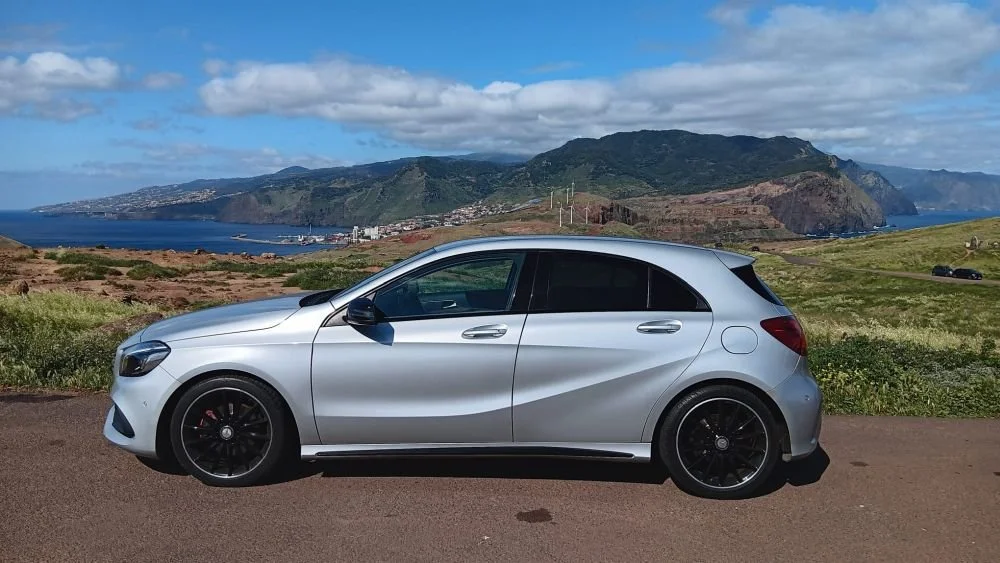
Private Driver & Tours - Madeira
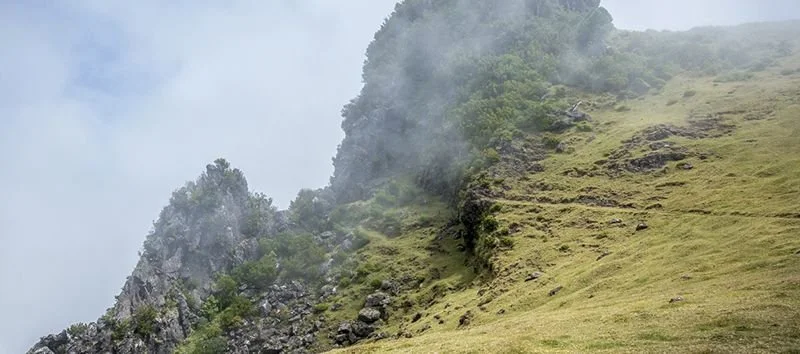
Madeira Levada Walks
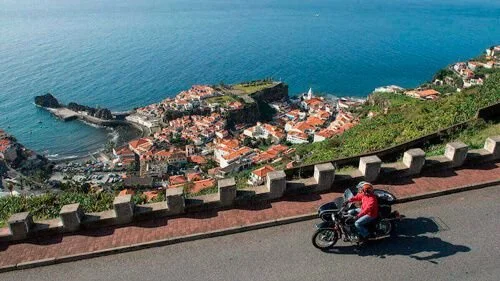
Madeira Sidecar Tours
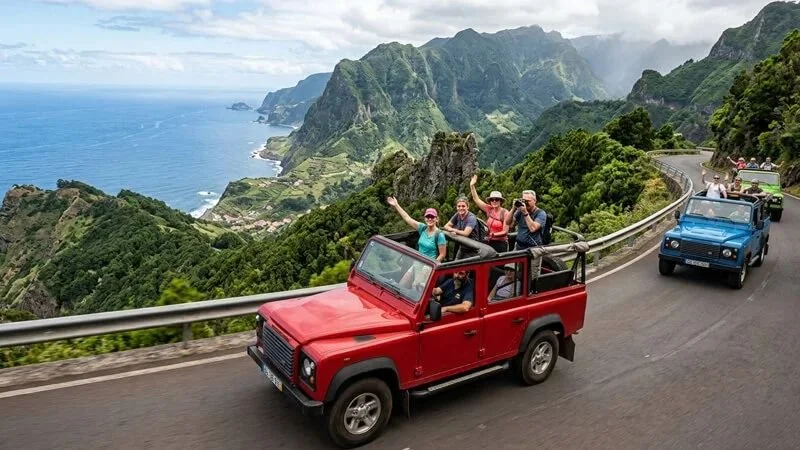
Madeira Free Spirit Walks
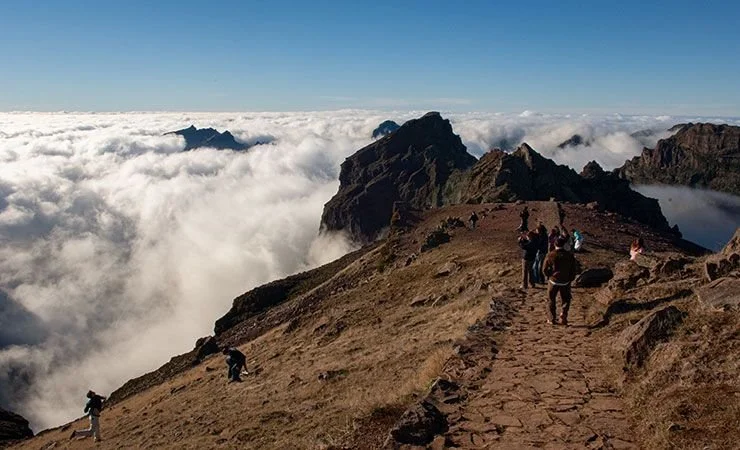
Madeira Taxi Tours
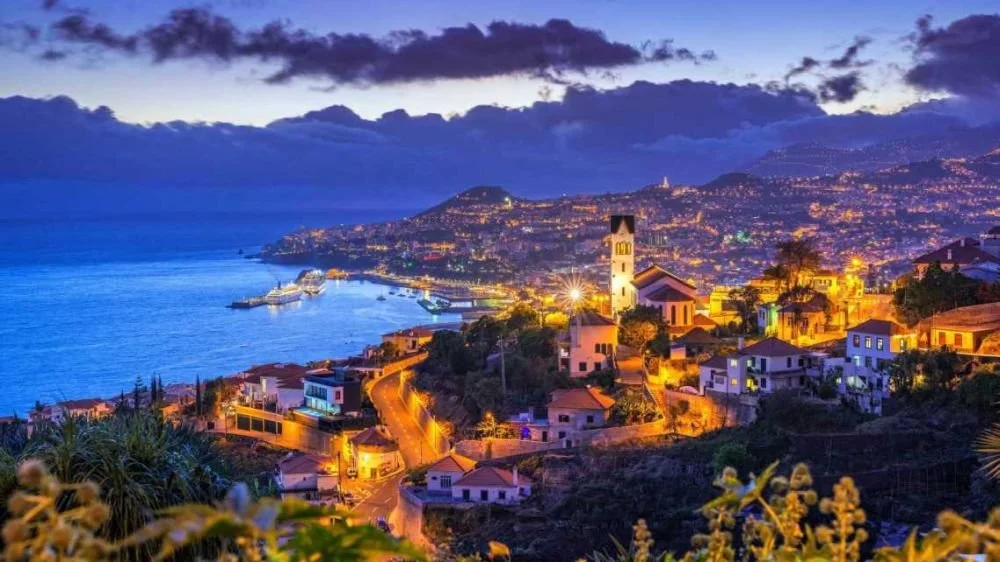
Daniel Madeira Taxis
Getting Around Madeira
Transport, Shuttles, and Practical Travel Tips
Getting around Madeira is wonderfully straightforward, with transport options designed to help visitors move easily between coastal towns, mountain viewpoints, and the island’s lush interior. Whether you prefer the convenience of shuttles, the flexibility of car hire, or the charm of local buses, Madeira’s compact size makes travel smooth and enjoyable.
Shuttles and Transfers
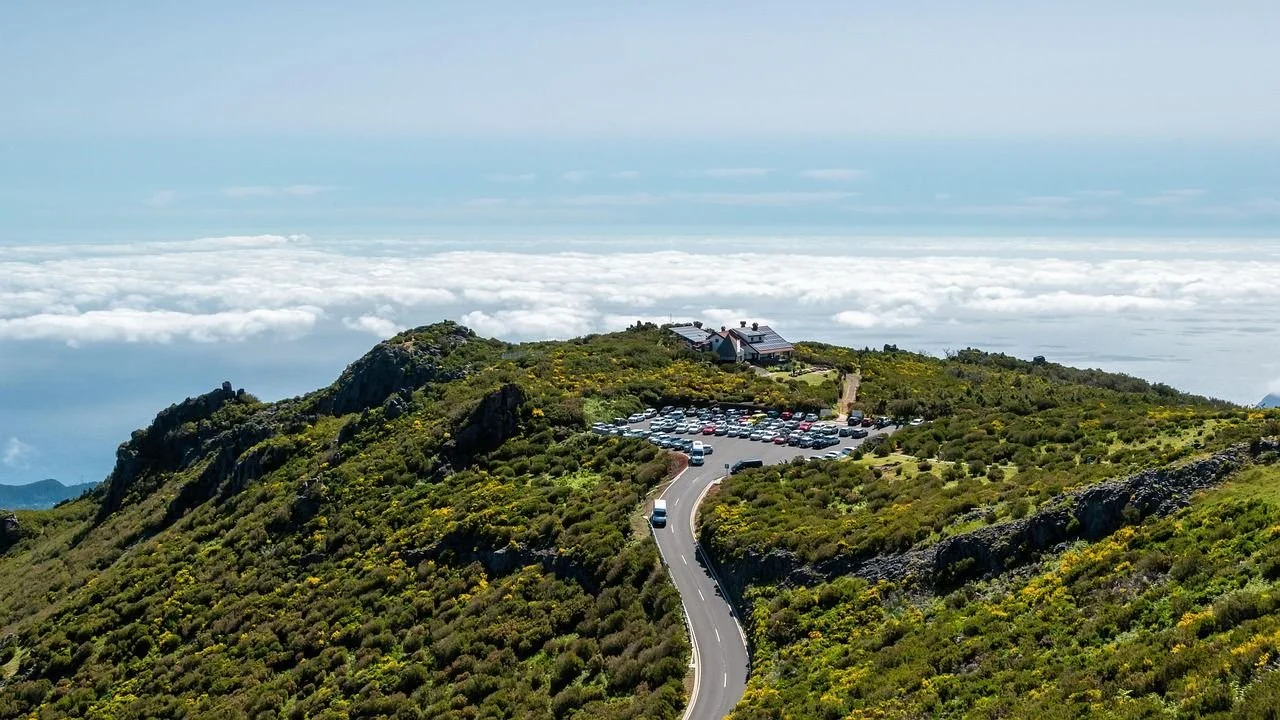
Shuttle services operate between key visitor hubs such as Funchal, Câmara de Lobos, Santana, Porto Moniz, and the airport. These transfers are ideal for travellers who want reliable, pre‑booked transport without navigating steep mountain roads. Many services run daily, offering hotel pick‑ups, small‑group transfers, and direct routes to popular attractions like Cabo Girão, Pico do Arieiro, and the natural pools of Seixal and Porto Moniz.
Local Buses
Madeira’s bus network is extensive and scenic, connecting most towns and villages. Routes often wind through dramatic landscapes, making the journey part of the experience. Timetables can be limited in rural areas, so planning ahead is helpful, but buses remain an affordable and atmospheric way to explore.
Taxis and Ride Services
Taxis are widely available in Funchal and major towns, with fixed fares for common routes such as airport transfers or mountain viewpoints. Many drivers also offer half‑day or full‑day island tours, which can be a comfortable alternative to renting a car.
Car Hire
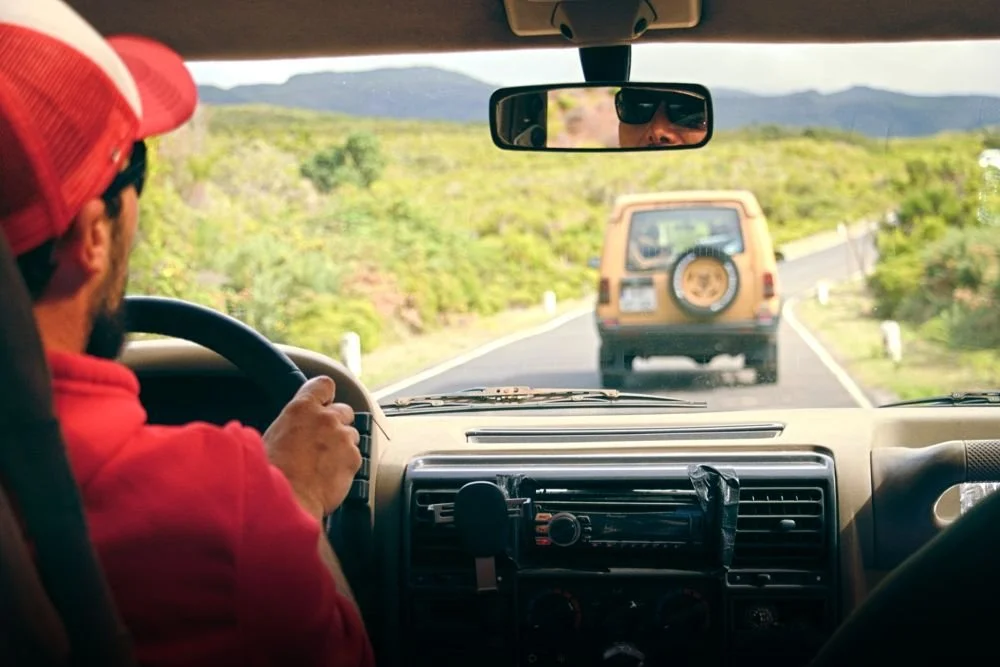
For travellers who want maximum freedom, renting a car opens up Madeira’s most remote corners. Roads are well maintained, though often steep and winding. Look for vehicles with good power and braking, and consider parking availability in older villages. Car hire is especially useful for sunrise trips to Pico do Arieiro, exploring the north coast, or accessing trailheads.
Walking and Levada Trails
Madeira is a paradise for walkers, and many levada and mountain trails begin near towns or bus stops. Some routes require transfers to trailheads, while others can be reached on foot from accommodation. Always check weather conditions and trail closures before setting out.
Practical Tips
Book shuttles early during peak seasons, especially for airport transfers and popular viewpoints.
Carry cash for rural buses or small taxi operators.
Check timetables — mountain routes may run less frequently.
Allow extra time for travel: Madeira’s terrain is beautiful but slow‑moving.
Stay flexible — weather can affect access to high‑altitude areas.
Madeira’s transport network is designed for ease, comfort, and discovery. Whether you’re tracing coastal roads, hopping between villages, or following levadas deep into the forest, getting around the island becomes part of the adventure.
Popular Destinations, Madeira tours and transport: Featured Plus
-
![Madeira Seekers - Funchal]()
Madeira Seekers - Funchal
-
![Madeira Happy Tours]()
Madeira Happy Tours
-
![Madeira Adventure Kingdom]()
Madeira Adventure Kingdom
-
![Hit the Road Madeira]()
Hit the Road Madeira
-
![Madeira Best]()
Madeira Best
ShuttlesA2B - Portugal
ShuttlesA2B - explore Italy
A Story of Madeira
History Woven Through Wind, Stone, and Sea
Long before Madeira appeared on any map, sailors crossing the Atlantic spoke of a misty silhouette rising from the horizon — an island wrapped in cloud, scented with forests, and guarded by cliffs that seemed to rise straight out of the sea. They called it Ilha da Madeira, the Island of Wood, for the dense, ancient laurel forests that covered its mountains like a living tapestry.
When Portuguese explorers reached the island in the early 15th century, they found a place untouched by human settlement. The forests were so thick that the first settlers had to burn sections of them to clear land — a fire said to have lasted seven years, glowing across the mountains like a second sunrise. From that blaze came terraces carved into volcanic slopes, irrigation channels that would one day become the famous levadas, and small stone villages clinging to the hillsides.
Madeira grew from resilience. Sugar cane brought wealth, attracting merchants from Genoa and Flanders. Later, wine became the island’s treasure — a drink so prized that it crossed oceans, toasted treaties, and travelled with explorers to the edges of the known world. In quiet cellars beneath Funchal, barrels aged under heat and time, developing the deep, amber flavours that made Madeira wine legendary.
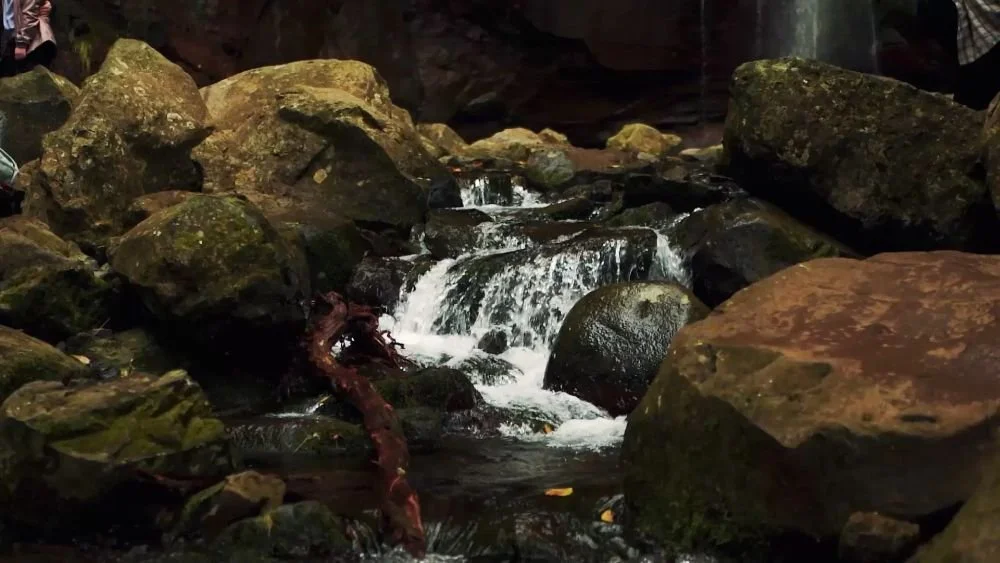
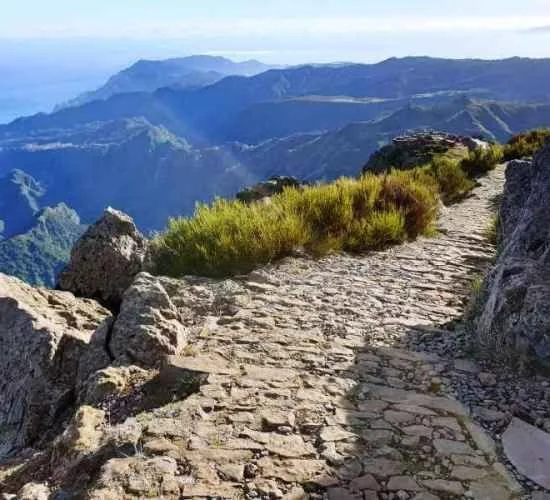
But the island’s true story is written in its landscapes. The Laurissilva forest, older than empires, whispers of a Europe long vanished. The cliffs of Cabo Girão plunge into the sea like the edge of a continent. The mountains of Pico do Arieiro and Pico Ruivo rise above the clouds, where sunlight breaks in gold across jagged ridges. And everywhere, water moves — trickling through levadas, falling in hidden cascades, shaping valleys that feel carved by centuries of wind and rain.
Generations of Madeirans learned to live with the island’s moods: the sudden fog rolling over the peaks, the storms that sweep in from the Atlantic, the quiet mornings when the sea lies flat and silver. Their culture grew from this rhythm — warm hospitality, deep pride, and a sense of endurance that comes from living on a rock in the middle of the ocean.
Today, Madeira is a place where history feels alive. You can walk through Funchal’s old lanes, where explorers once planned voyages; follow levadas built by hands long gone; or stand on a cliff at sunset and feel the same wind that carried caravels across the sea.
Madeira’s story is not just about the past — it’s about continuity. An island shaped by fire, forest, ocean, and human determination. A place where every path, every terrace, every village tells a chapter of a tale still unfolding.