
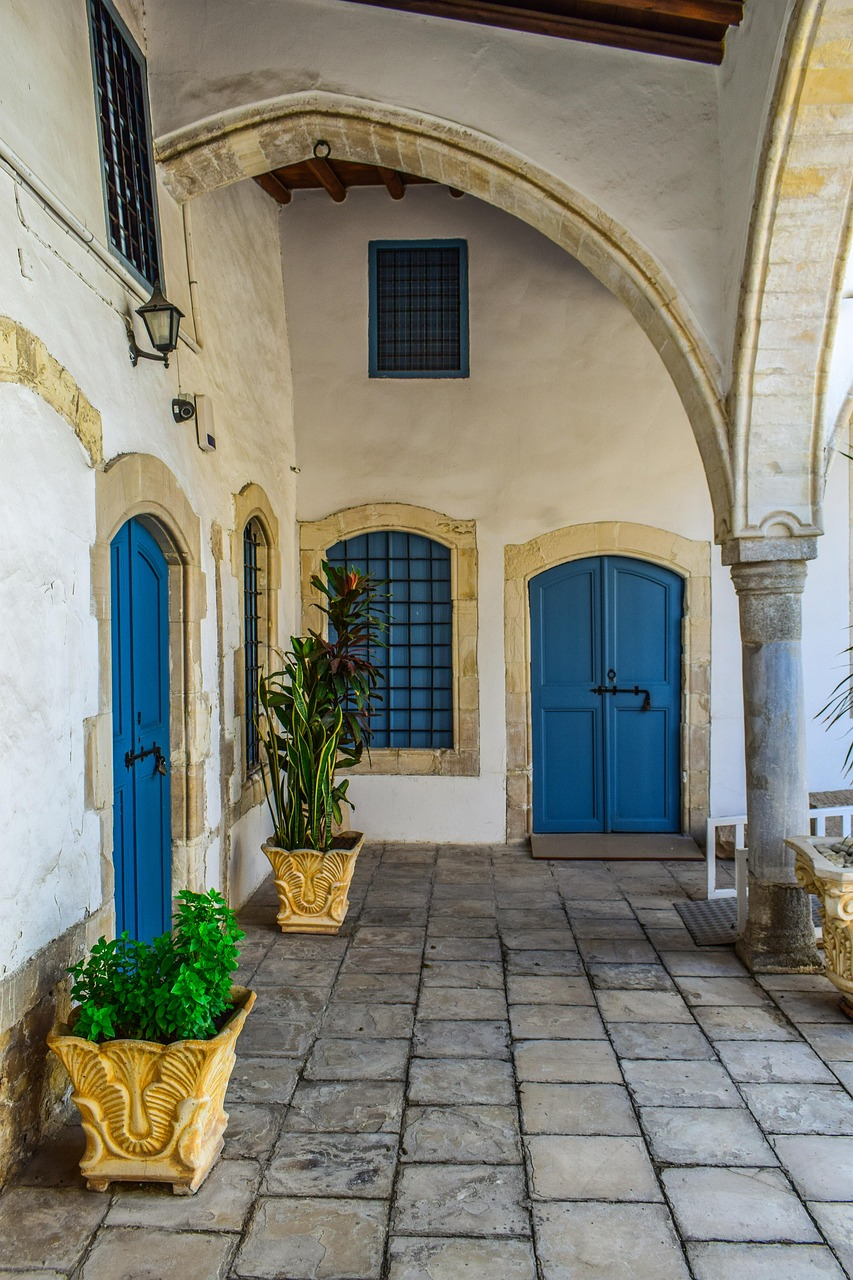
Essential Guide to Cyprus: Shuttles, Transfers & Tours
Navigate Your Journey with Confidence and Style
Visit Cyprus
Cyprus sits at the crossroads of Europe, the Middle East, and North Africa, blending ancient history with an easy Mediterranean rhythm.
Golden beaches, archaeological ruins, mountain villages, and sunlit cities unfold across an island shaped by many cultures.
Warm, welcoming, and endlessly layered, Cyprus offers both relaxation and discovery in equal measure.
Cyprus — explore shuttles, airport transfers, private drivers, taxis, boat trips, and tours - Featured partners:

Kapnos Airport Shuttle, Larnaca, Cyprus

Taxi Nicosia Service Cyprus

Cyprus Elit Transfer

Falak Kibris Transfer - Larnaca / Ercan Airport to Kyrenia

Cyprus Taksi - direct access from the airports in Cyprus to your hotel or desired location

EOS Tours - tour operator and travel agency in Cyprus
Getting Around Cyprus
Transport, Shuttles, and Practical Travel Tips
Cyprus is a compact Mediterranean island — sun-drenched, steeped in history, and culturally divided — where travellers can move from ancient ruins and Byzantine monasteries to beach resorts and mountain villages within a few hours.
In a single trip, you can explore coastal cities like Limassol and Paphos, the cool heights of the Troodos Mountains, and the divided capital of Nicosia (Lefkosia), the last split capital in Europe.
This guide explains how transport works in Cyprus — buses, car hire, taxis, private drivers, airport transfers, and cross-border travel — with realistic travel times, costs, and context.
Transport Options in Cyprus
Car Hire (Highly Recommended)
For most visitors, renting a car is the easiest and most flexible way to explore Cyprus.
• Essential for reaching remote beaches
• Ideal for the Troodos Mountains and rural villages
• Allows freedom to explore beyond main tourist areas
Driving is on the left-hand side, similar to UK.
Typical cost:
€30–70 per day (higher in peak summer)
Distances are relatively short, but winding roads—especially in the mountains—can slow travel times.
Buses in Cyprus
Buses are the main form of public transport and are modern, clean, and affordable.
• Intercity buses connect major cities
• Local buses operate within towns and resort areas
• Limited frequency in rural areas and on Sundays
Typical cost:
€2–10 depending on distance
Buses are practical for routes between major centres but less convenient for remote beaches or inland attractions.
Taxis & Service Taxis
Taxis are widely available and convenient for short trips and airport transfers.
• City taxis use meters
• Rural taxis may require fare negotiation
• “Service taxis” (shared taxis) operate between cities
Typical cost:
€10–25 (short trips)
€40–100 (intercity)
Private Drivers & Transfers
Private transfers are widely available and often used for airport pickups and resort travel.
• Door-to-door service
• Flexible and comfortable
• Ideal for groups or direct routes
Typical cost:
€60–180 depending on distance
Domestic Flights
Cyprus is small, so domestic flights are not necessary.
Main international airports:
• Larnaca International Airport
• Paphos International Airport
Flights connect Cyprus with Athens and major European cities.
Getting Around Cyprus’ Main Areas
Nicosia (Lefkosia)
The capital city is uniquely divided between Greek Cypriot south and Turkish-controlled north.
• Walkable old town within Venetian walls
• Crossing points allow movement between both sides
• No airport — accessed via Larnaca (~40 minutes)
Limassol (South Coast)
A lively coastal city combining beaches, dining, and nightlife.
• Long seafront promenade
• Good local bus network
• Convenient base for nearby attractions
Nearby highlights include ancient ruins and historic sites along the coast.
Paphos (West Coast)
A relaxed coastal region known for archaeology and natural beauty.
• Walkable harbour and tourist areas
• Strong local bus connections
• Good base for exploring the west coast
Ayia Napa & Protaras (East Coast)
Known for some of the island’s best beaches and clear water.
• Accessible by car or bus
• Busy in summer, quieter in shoulder seasons
Troodos Mountains (Interior)
A cooler, scenic region with traditional villages and forested landscapes.
• Car essential
• Slower travel due to winding roads
• Ideal for nature, hiking, and cultural experiences
Crossing Between North and South Cyprus
Cyprus is divided between the Republic of Cyprus (south) and Northern Cyprus.
• Crossing is straightforward at designated checkpoints
• Passport required
• Rental cars may need additional insurance
The main crossing point in Nicosia is commonly used and easy to navigate.
Popular Routes: Travel Times & Costs
Larnaca → Nicosia
• Car: ~40 minutes
• Bus: ~1 hour
Limassol → Paphos
• Car: ~1 hour
• Bus: ~1.5 hours
Larnaca → Ayia Napa
• Car: ~45 minutes
• Bus: ~1–1.5 hours
Paphos → Troodos Mountains
• Car: ~1.5–2 hours
• No direct public transport
Inland Cyprus: Villages & Wine Regions
Away from the coast, Cyprus reveals a quieter, more traditional side.
The interior offers:
• Stone-built villages
• Local wineries and vineyards
• Byzantine churches and monasteries
• A cooler climate in summer
A car is strongly recommended for exploring inland areas.
Top Places to Visit in Cyprus
• Nicosia – Cultural centre and divided capital
• Limassol – Coastal city with modern energy
• Paphos – Archaeology and relaxed atmosphere
• Ayia Napa – Beaches and summer lifestyle
• Troodos Mountains – Nature and traditional villages
Practical Notes for Travellers
• July–August is peak season; book early
• May–June and September–October offer ideal weather
• English is widely spoken
• Public transport is improving but limited in rural areas
Summary
Cyprus is easy to navigate and offers a wide range of transport options. While buses and taxis connect the main centres, hiring a car provides the greatest flexibility—especially for exploring beaches, mountains, and rural villages.
With short distances, good roads, and diverse landscapes, Cyprus is a destination where getting around is simple—and where the journey itself often becomes part of the experience.
Prices shown are approximate and current as of March 2026.
Popular Destinations, Cyprus tours and transport: Featured Plus
-
![https://www.orfanou.com/]()
luxury vehicles available in Nicosia, Limassol, Larnaca, Paphos, and Famagusta
-
![https://smartcyprus.taxi/]()
Larnaca Airport transfer services, to anywhere in Cyprus
-
![https://cyprustaxi.net/]()
affordable transfer services from South Cyprus airports to Northern Cyprus, along with transfer services from Ercan airport to destinations both in North and South
-
![https://ascotcyprus.com/yacht-charter/]()
Cyprus small group & private tours
-
![Creative Tours, Limassol, Cyprus]()
personalized itineraries that showcase the rich culture of Cyprus
-
![Sea Island. - travel and tours in Cyprus]()
experience Cyprus's natural, cultural and historical treasures
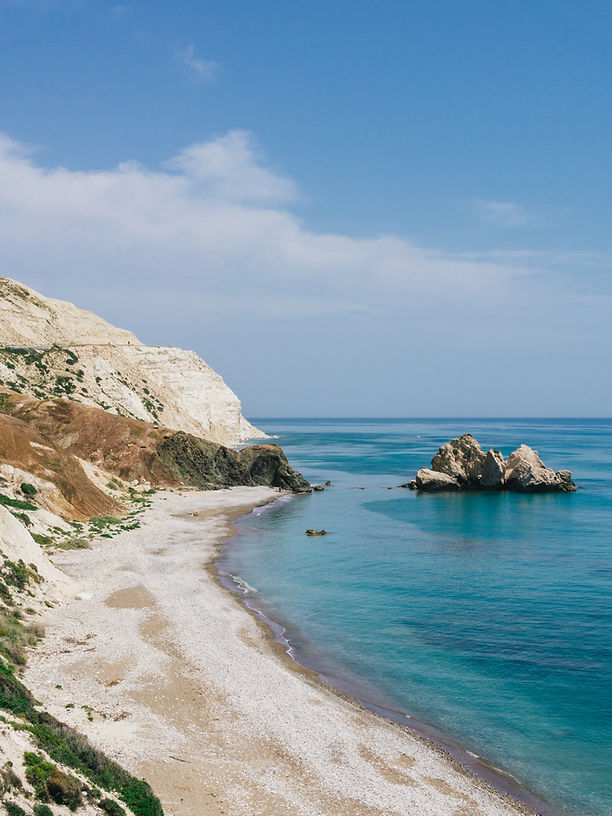

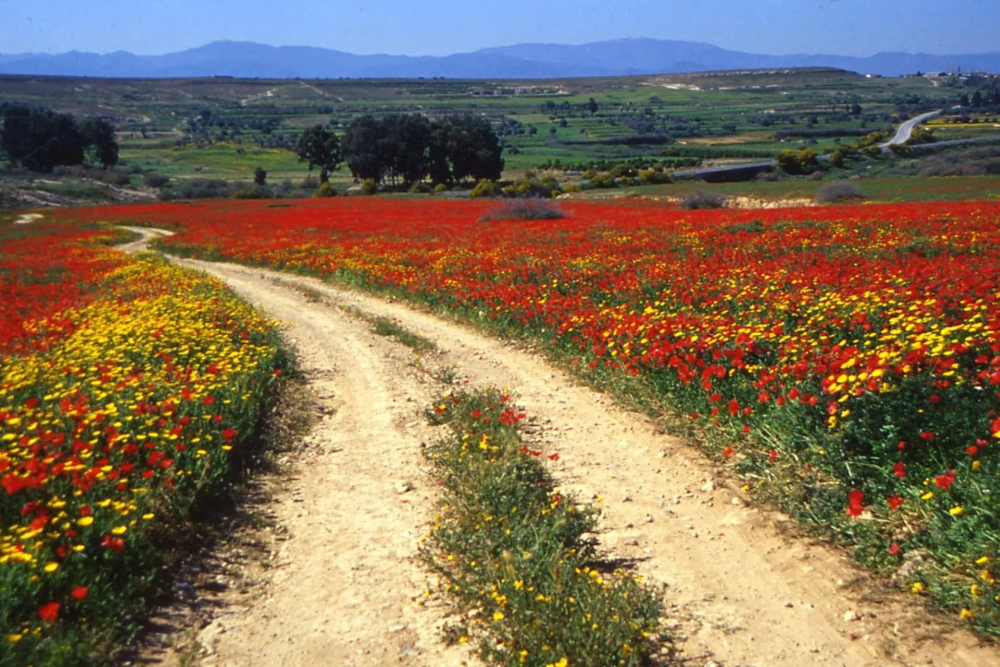


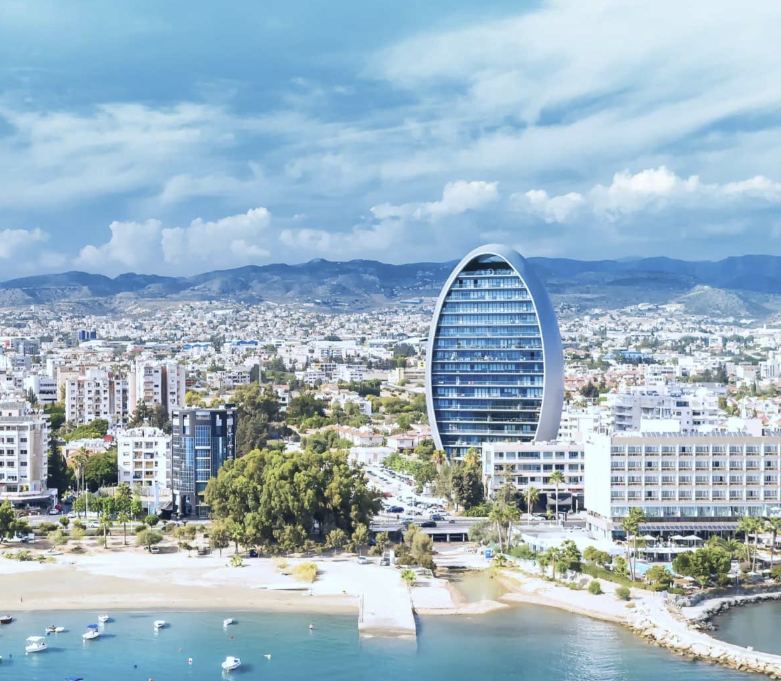
Top Visitor Destinations & Attractions in Cyprus
Cyprus offers a compelling mix of ancient history, clear-water beaches, mountain landscapes, and living culture. From archaeological sites and coastal resorts to traditional villages and protected natural areas, the island rewards both relaxed and exploratory travel.
Paphos and the West Coast
Paphos is one of Cyprus’ most important cultural regions, combining seaside atmosphere with significant archaeological heritage.
Key highlights include the Paphos Archaeological Park, known for its intricate Roman mosaics, and the nearby Tombs of the Kings. The surrounding coastline offers beaches, coastal walks, and access to the wild landscapes of western Cyprus.
Paphos is an ideal base for travellers seeking a balance of history, scenery, and a relaxed pace.
Limassol and the Southern Coast
Limassol is Cyprus’ most cosmopolitan city, known for its long seafront promenade, dining scene, and central location.
Nearby is the impressive Kourion, where a Greco-Roman theatre overlooks the sea, as well as medieval sites such as Kolossi Castle.
Limassol also serves as a gateway to the island’s wine regions and inland villages.
Nicosia (Lefkosia)
Nicosia is the last divided capital in Europe, offering a unique cultural and historical experience.
The old town is enclosed by Venetian walls, with narrow streets, museums, and markets. Visitors can cross the Green Line at checkpoints such as Ledra Street Crossing to experience both the Greek Cypriot south and the Turkish-controlled north.
Nicosia provides insight into the island’s modern history as well as its cultural diversity.
Ayia Napa and Protaras (East Coast)
The eastern coastline is known for some of the clearest and calmest waters in the Mediterranean.
Ayia Napa is famous for beaches such as Nissi Beach, while nearby Protaras offers a quieter atmosphere with spots like Fig Tree Bay.
The Cape Greco area features sea caves, coastal trails, and scenic viewpoints.
This region is ideal for beach-focused stays and water-based activities.
Troodos Mountains and Inland Villages
The Troodos Mountains provide a cooler, greener contrast to the coast.
This region is known for forested landscapes, hiking routes, and traditional villages such as Omodos. It is also home to important religious sites including Kykkos Monastery and a collection of UNESCO-listed painted churches.
The Troodos area is ideal for those interested in culture, nature, and a slower pace of travel.
Akamas Peninsula and Western Wilderness
Akamas Peninsula is one of the island’s most unspoiled regions, with rugged coastline, hiking trails, and limited development.
Highlights include the Blue Lagoon, remote beaches, and the dramatic Avakas Gorge, a narrow limestone canyon popular for walking.
Access is easiest by car or guided tour, and the area rewards travellers seeking quieter, nature-focused experiences.
Larnaca and the Southeast
Larnaca offers a more relaxed and local feel compared to other coastal cities.
Its palm-lined promenade, historic sites, and proximity to the main international airport make it a convenient starting point. The nearby salt lake and surrounding landscapes add variety beyond the beaches.
Larnaca works well as both a short stay and a practical arrival hub.
Northern Cyprus (Optional Exploration)
The northern part of the island offers a different cultural perspective, influenced by Turkish Cypriot heritage.
Highlights include the harbour town of Kyrenia and historic sites such as castles and monasteries in the Kyrenia mountain range.
Crossing from the south is straightforward at designated checkpoints, particularly in Nicosia.
Summary
Cyprus combines archaeological significance, diverse landscapes, and accessible coastal travel within a relatively small area. Visitors can experience ancient ruins, beach resorts, mountain villages, and contrasting cultures all within a single itinerary.
Whether focusing on relaxation, history, or exploration, Cyprus offers a well-rounded and easily navigable Mediterranean destination.
Crossing into Northern Cyprus: Why It’s Worth Considering
For many travellers, crossing from the Republic of Cyprus (south) into Northern Cyprus adds a completely different dimension to the trip. It’s not just a geographic shift—it’s a change in culture, atmosphere, architecture, and historical perspective.
Why Cross into Northern Cyprus?
The north offers a distinct experience that contrasts with the more developed, resort-oriented south.
A different cultural identity, shaped by Turkish Cypriot heritage
A slower, less commercialised feel in many areas
Ottoman architecture, mosques, and different culinary influences
Fewer crowds at major historic sites
A chance to better understand the island’s complex modern history
For travellers interested in culture and context—not just beaches—it’s highly worthwhile.
How Different Is Northern Cyprus?
Although the island is small, the contrast can feel surprisingly noticeable.
Republic of Cyprus (South):
Predominantly Greek Cypriot
Euro (€) currency
More developed tourism infrastructure
Strong EU influence
Northern Cyprus:
Predominantly Turkish Cypriot
Turkish lira (though euros often accepted)
Generally lower prices
More low-key, less polished tourism
Even small details—language on signs, food, architecture—shift as soon as you cross.
Key Places to Visit in Northern Cyprus
Kyrenia (Girne)
The most popular destination in the north.
Kyrenia Harbour – a picturesque harbour lined with cafes and boats
Kyrenia Castle – a large fortress with sea views and a shipwreck museum
Kyrenia combines history with a relaxed coastal atmosphere.
Bellapais Abbey
Bellapais Abbey
A beautiful Gothic monastery set in the hills above Kyrenia, with sweeping views and a peaceful setting. It’s one of the most atmospheric historic sites on the island.
Famagusta (Gazimağusa)
A historically rich and slightly haunting destination.
Salamis – extensive Roman ruins, including baths and a theatre
Varosha – a partially abandoned seaside district frozen since 1974
Famagusta offers insight into both ancient and modern history in one place.
Nicosia (North Side)
Crossing the Green Line in Nicosia allows you to walk between two different worlds.
Ottoman-era buildings, mosques, and markets
A different pace and atmosphere compared to the south
Easy crossing via Ledra Street Crossing
This is the simplest way to experience the contrast, even on a short visit.
A Short History of the Division
Cyprus’ division is relatively recent and still shapes daily life.
Cyprus was under Ottoman rule for centuries, followed by British control from 1878
It gained independence in 1960, with both Greek and Turkish Cypriot communities
Tensions between the two groups escalated during the 1960s–70s
In 1974, a coup backed by Greece aimed to unite Cyprus with Greece
Turkey responded with a military intervention, leading to the division of the island
The result:
The Republic of Cyprus controls the south
The Turkish Republic of Northern Cyprus (recognised only by Turkey) controls the north
A UN buffer zone (the “Green Line”) separates the two
Despite this, crossings today are generally straightforward.
Practical Considerations
Bring your passport to cross
Crossing points are open and easy to use, especially in Nicosia
Rental cars may require additional insurance to enter the north
Day trips are common and easy to arrange
Is It Worth It?
For many travellers, yes—especially if you are:
Curious about history and geopolitics
Interested in cultural contrasts
Looking for less-visited, more atmospheric places
Wanting to see a different side of Cyprus beyond resorts
Even a half-day visit across the border can add depth and perspective to your trip.
Summary
Crossing into Northern Cyprus is not essential for every visitor, but it is one of the island’s most unique experiences. Within a short distance, you encounter a different culture, history, and atmosphere—something rare in such an accessible setting.
For those willing to explore a little further, it transforms a standard Mediterranean holiday into a more layered and memorable journey.

ShuttlesA2B - Greece
ShuttlesA2B - Türkiye