

Essential Guide to Greece Shuttles:
Navigate Your Journey with Confidence and Style
Greece — explore shuttles, airport transfers, private drivers, ferries, tours & sightseeing - Featured partners:

Airport Transfers Kefalonia

Athens Transfer Services
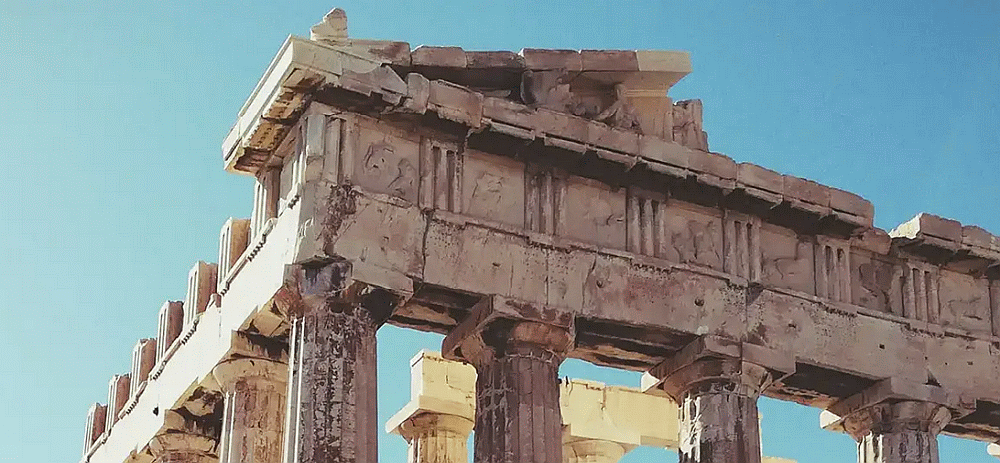
Move Luxury Athens

Taxi Transfers Athens
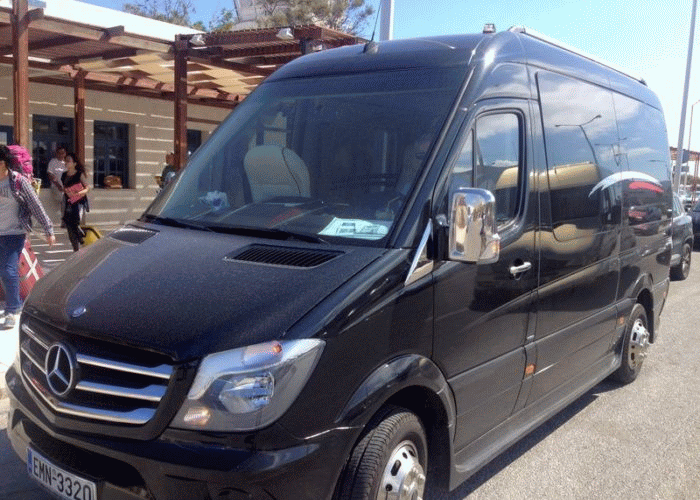
Santorini Airport Shuttle Express

Gold Transfer & More, Mykonos

Prestige Mykonos
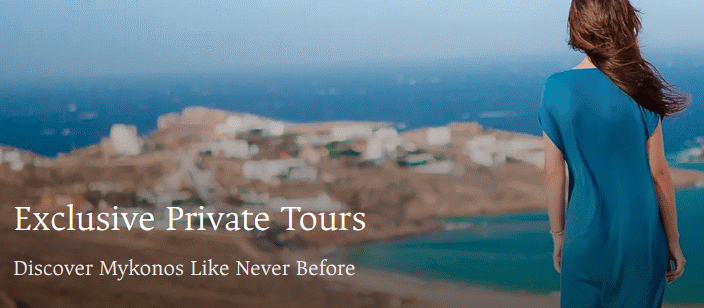
JMK Transfers, Mykonos
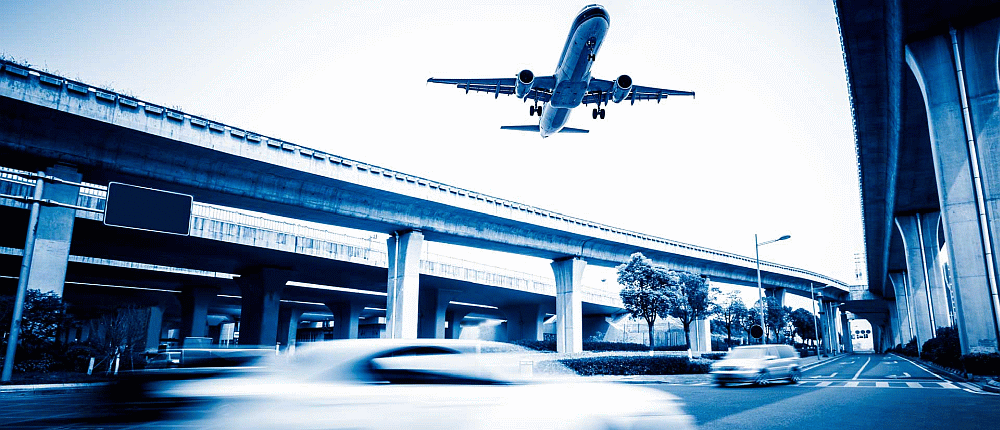
Rhodes Airport Transfers

Rhodian Transfer

Corfu Airport Shuttle

Star Transfers Corfu

Vanakee Private Transfer Services, Corfu

Private Transfer from Thessaloniki Airport to Skopje (Macedonia)
Getting Around Greece
Transport, Ferries, Flights, and Practical Travel Tips
Greece is a country shaped by both land and sea, and getting around reflects that geography. While mainland Greece is well connected by highways, buses, and rail, travel between islands relies on an extensive network of ferries and domestic flights.
In a single journey across Greece, travellers can move from the ancient landmarks of Athens to the monasteries of Meteora, the beaches of Crete, the whitewashed villages of Santorini, and the cosmopolitan energy of Mykonos.
This guide explains how transport works in Greece — ferries, domestic flights, buses, trains, car hire, and local transport — with realistic travel times, costs, and practical context for exploring both the mainland and the islands.
Transport Options in Greece
Ferries (Island Transport)
Ferries are central to travel in Greece, especially for island hopping.
Major operators include:
• Blue Star Ferries
• Hellenic Seaways
• SeaJets
Typical cost:
€30–100 depending on distance and speed (high-speed ferries cost more)
Popular routes:
• Athens (Piraeus) ↔ Santorini
• Athens ↔ Mykonos
• Athens ↔ Crete
Travel times:
• Athens → Mykonos: ~2.5–4 hours (fast ferry) / 4–5 hours (standard)
• Athens → Santorini: ~5–8 hours
• Athens → Crete: ~8–9 hours
Ferries range from large, comfortable vessels with cabins to faster catamarans. They are the backbone of Greek island travel.
Domestic Flights
Flights are the fastest way to reach distant islands or save time during peak season.
Main airlines include:
• Aegean Airlines
• Olympic Air
• Sky Express
Typical flight time:
45 minutes – 1 hour
Typical cost:
€50–150 depending on season and booking time
Popular routes:
• Athens ↔ Santorini
• Athens ↔ Mykonos
• Athens ↔ Heraklion (Crete)
Flights are especially useful for longer routes or when ferry schedules are limited.
Intercity Buses (KTEL Network)
Greece has an extensive and reliable bus system connecting cities, towns, and rural areas.
Operated regionally under the KTEL network.
Typical cost:
€10–40 depending on distance
Examples:
• Athens → Delphi
• Athens → Meteora (Kalambaka)
• Thessaloniki → Halkidiki
Buses are modern, air-conditioned, and often the best option for reaching archaeological sites and smaller towns not served by rail.
Trains
Greece’s rail network is more limited than in countries like Spain, but it connects key mainland cities.
Operated by Hellenic Train.
Main routes include:
• Athens ↔ Thessaloniki
• Athens ↔ Larissa
Typical cost:
€15–50
Travel time:
• Athens → Thessaloniki: ~4–5 hours
Trains are comfortable but generally secondary to buses for flexibility.
Car Hire
Hiring a car is one of the best ways to explore mainland Greece and larger islands.
Driving is ideal in areas such as:
• The Peloponnese peninsula
• Northern Greece
• Crete
• Smaller islands with limited public transport
Typical cost:
€30–70 per day
Greek highways are modern, though some routes have tolls. Mountain roads and island driving can be narrow and winding, requiring confidence.
In Athens, however, driving is usually unnecessary due to traffic and public transport.
Urban Transport (Metro, Trams & Buses)
Major cities in Greece have efficient local transport systems.
Athens has a modern metro system connecting key areas and the airport.
Typical metro ticket cost:
€1.20–2
Cities with good public transport include:
• Athens
• Thessaloniki
Taxis are widely available and relatively affordable compared to many European cities.
Getting Around Greece’s Main Areas
Athens (Mainland Hub)
Athens is the country’s main transport hub and gateway to the islands.
• Major ferry ports (Piraeus, Rafina)
• International airport
• Metro, buses, and trams
Athens International Airport → city centre:
30–40 minutes | €35–45 by taxi
Nearby highlights:
• Delphi – ancient oracle site (~2.5 hours by bus)
• Meteora – dramatic monasteries (~4–5 hours)
• Peloponnese – historical sites and coastal drives
Greek Islands (Cyclades, Crete & Beyond)
Greece’s islands are spread across several groups, each with its own character.
Key destinations include:
• Santorini
• Mykonos
• Crete
• Rhodes
Reached by:
• Ferries from Athens ports
• Domestic flights
Inter-island ferries connect many islands, though routes can be less frequent outside peak season.
Car hire or scooters are often recommended for exploring beyond main towns.
Thessaloniki & Northern Greece
Thessaloniki is the gateway to northern Greece.
• Connected by train and flights
• Good base for exploring the north
Nearby highlights:
• Halkidiki – beaches and resorts
• Mount Olympus – Greece’s highest peak
• Meteora – accessible from the north as well
Driving is particularly useful in this region.
Crete (Large Island Travel)
Crete is large enough to feel like a small country.
• Multiple airports (Heraklion, Chania)
• Long driving distances
• Limited rail (none — buses and cars dominate)
Typical routes:
• Heraklion → Chania: ~2.5–3 hours by car
Car hire is strongly recommended to explore beaches, mountains, and archaeological sites like Knossos.
Popular Routes: Travel Times & Costs
Athens → Santorini
• Ferry: ~5–8 hours
• Flight: ~50 minutes
• Cost: €50–120
Athens → Mykonos
• Ferry: ~2.5–5 hours
• Flight: ~40 minutes
Athens → Thessaloniki
• Train: ~4–5 hours
• Flight: ~50 minutes
Athens → Meteora
• Train/bus: ~4–5 hours
Athens → Crete (Heraklion)
• Ferry: ~8–9 hours
• Flight: ~50 minutes
Top Places to Visit in Greece
• Athens – Ancient history and vibrant city life
• Santorini – Iconic views and sunsets
• Mykonos – Beaches and nightlife
• Crete – Diverse landscapes and history
• Meteora – Unique monastic sites
• Rhodes – Medieval old town and beaches
• Delphi – Mythology and mountain scenery
Practical Notes for Travellers
• Ferries are essential for island travel — book early in summer
• High-speed ferries save time but cost more
• Flights are best for long distances or tight schedules
• Buses often reach more places than trains
• Summer (June–September) is peak season, especially on islands
• Spring and autumn offer milder weather and fewer crowds
• English is widely spoken in tourist areas
Greece may appear fragmented across mainland and islands, but with its well-organised ferry routes, frequent domestic flights, and reliable bus network, travelling between ancient sites, coastal towns, and island landscapes is both practical and rewarding.
Prices shown are approximate and current as of March 2026.
Popular Destinations, Tours and Shuttle Services - Greece
-
![Transfer to Athens]()
Athens Transfer Services
-
![Santorini Day Tours, Greece]()
Santorini Private Tour
-
![Santorini - Round the Island Transfers & Tours, Greece]()
Round the Island - Santorini
-
![Greece Private Transfer - Acropolis]()
Acropolis
-
![Soul Tours Greece]()
Nature, culture and local experiences
-
![Athens Tours Greece]()
Thessaloniki, Delphi, Meteora and more
-
![Transfer SKG - transportation services in Thessaloniki and northern Greecetransportation services in Thessaloniki and northern Greece]()
transportation services in Thessaloniki and northern Greece

Top Visitor Destinations and Attractions in Greece
Greece offers an extraordinary range of visitor destinations, from ancient ruins and mythological landmarks to island villages, monasteries perched on cliffs, and sunlit coastlines shaped by the Aegean and Ionian seas.
Here are some of the top visitor destinations and attractions in Greece, representing different regions and experiences.
Historic Landmarks & Cultural Icons
Acropolis of Athens
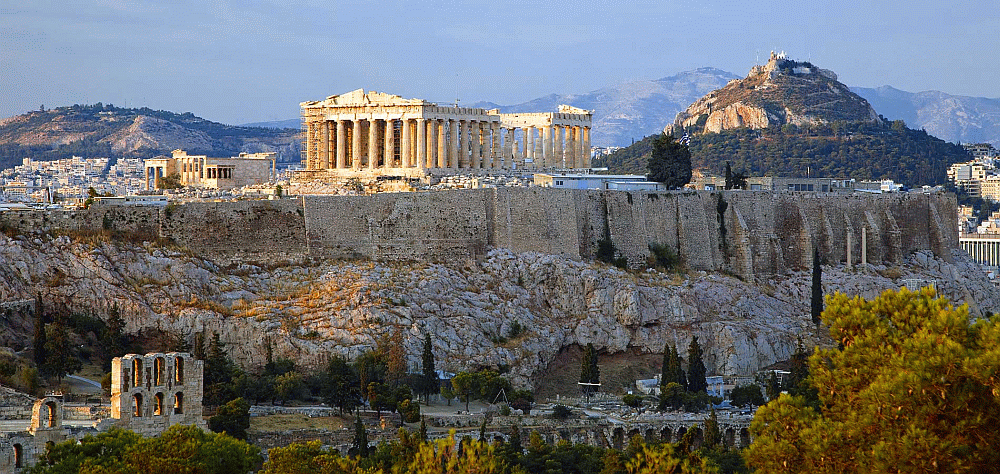
An iconic symbol of ancient Greece, rising above Athens. Home to the Parthenon, it represents the height of classical civilisation and offers sweeping views over the city.
Parthenon
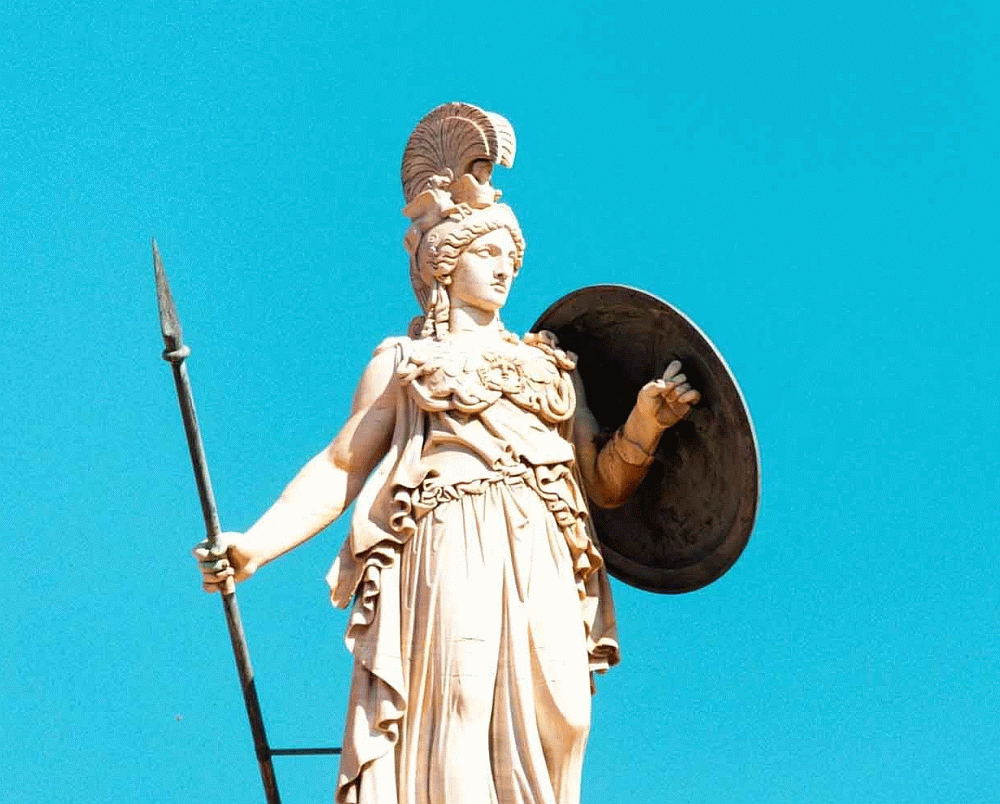
The most famous structure on the Acropolis, dedicated to Athena. Its proportions and columns have influenced architecture for centuries.
Delphi
Once considered the centre of the world in ancient Greek mythology, Delphi was home to the Oracle and remains one of Greece’s most atmospheric archaeological sites.
Temple of Poseidon
Perched dramatically above the sea at Cape Sounion, this temple is renowned for its sunset views over the Aegean.
Palace of Knossos
The largest Bronze Age archaeological site on Crete, associated with the legend of the Minotaur and the Labyrinth.
Monasteries & Sacred Sites
Meteora Monasteries
A UNESCO-listed landscape where monasteries sit atop towering rock pillars — one of the most unique spiritual and visual experiences in Europe.
Mount Athos
An autonomous monastic region with centuries-old Orthodox traditions. Access is restricted, adding to its mystique.
World-Class Museums
Acropolis Museum
A modern museum showcasing sculptures and artefacts from the Acropolis, with views directly back to the Parthenon.
National Archaeological Museum Athens
One of the world’s most important collections of ancient Greek art, including sculptures, pottery, and treasures from across the country.
Heraklion Archaeological Museum
Houses key artefacts from the Minoan civilisation, complementing a visit to Knossos.
Famous City Districts & Streets
Plaka
A charming district at the foot of the Acropolis, known for narrow streets, neoclassical houses, and traditional tavernas.
Monastiraki
A lively area famous for its flea market, street life, and views of ancient ruins blending with modern Athens.
Little Venice Mykonos
A picturesque waterfront neighbourhood where colourful houses sit directly above the sea.
Islands & Coastal Landscapes
Santorini
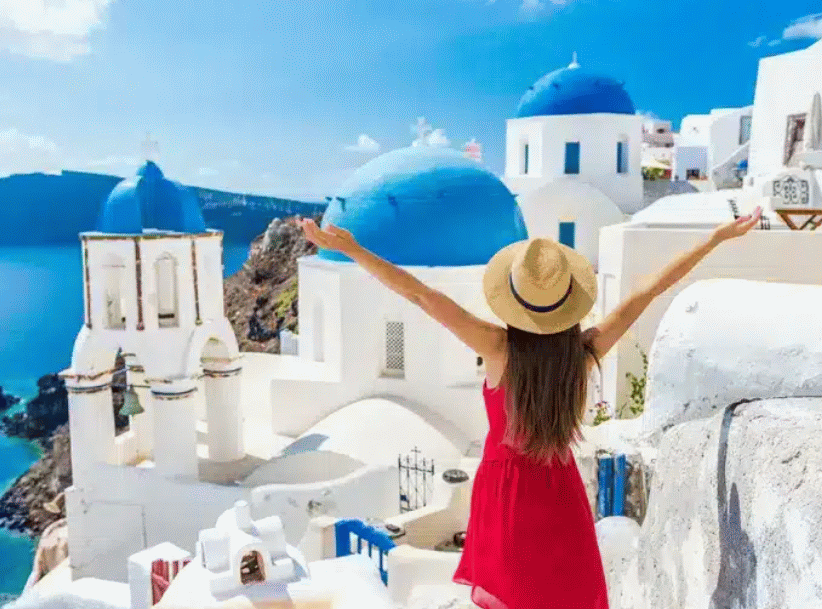
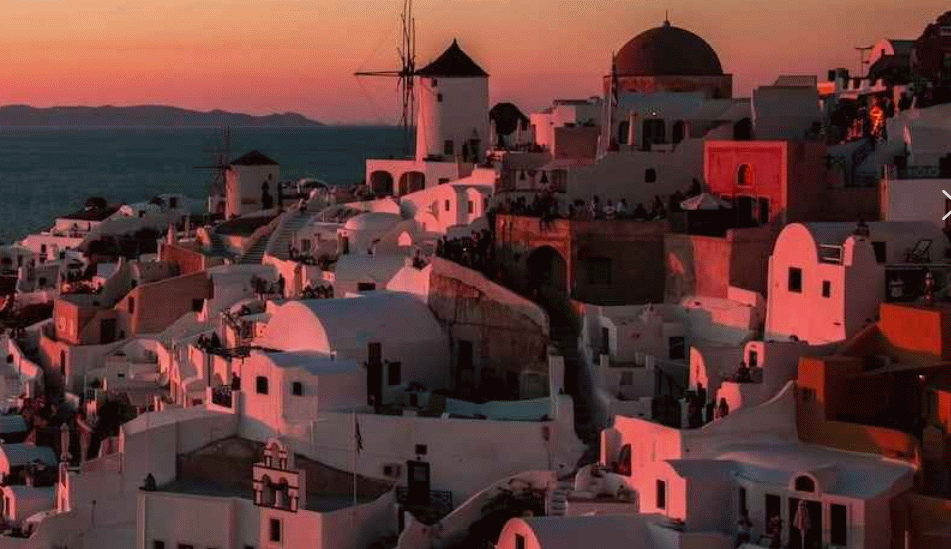
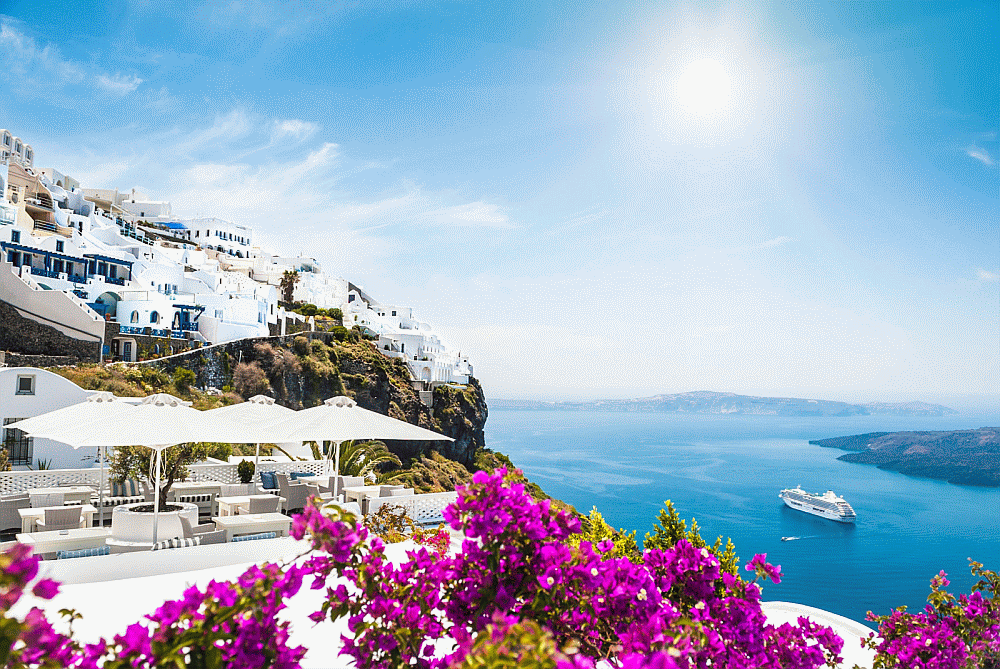
Perhaps Greece’s most iconic island, known for whitewashed buildings, blue domes, and dramatic caldera views.
Mykonos
Famous for beaches, nightlife, and its charming old town.
Crete
A diverse island offering beaches, mountains, and ancient history.
Rhodes
Known for its medieval Old Town and a blend of Greek and Crusader history.
Zakynthos
Home to Navagio Beach (Shipwreck Beach), one of the most photographed coastal scenes in Greece.
Regions & Landscapes
Peloponnese
A region rich in ancient sites such as Mycenae and Epidaurus, along with scenic coastal drives.
Meteora
Beyond the monasteries, the landscape itself is a geological wonder.
Halkidiki
Known for its three “fingers” of coastline, offering beaches and resorts popular with locals.
Other Must-See Attractions
Ancient Theatre of Epidaurus
Famous for its near-perfect acoustics and still used for performances today.
Olympia
The birthplace of the Olympic Games, set in a peaceful valley.
Navagio Beach
A secluded cove with turquoise waters and a shipwreck, accessible mainly by boat.
Summary
In summary, Greece’s most visited attractions combine ancient history, mythology, island beauty, and distinctive landscapes — from the temples of Athens and sanctuaries of Delphi to the monasteries of Meteora and the sunlit islands scattered across the Aegean Sea.
Κορυφαίοι Προορισμοί και Αξιοθέατα στην Ελλάδα
Η Ελλάδα προσφέρει μια εξαιρετική ποικιλία προορισμών, από αρχαία μνημεία και μυθολογικούς τόπους έως νησιωτικά χωριά, μοναστήρια χτισμένα σε βράχους και ηλιόλουστες ακτές του Αιγαίου και του Ιονίου.
Ακολουθούν μερικοί από τους κορυφαίους προορισμούς και αξιοθέατα στην Ελλάδα, που αντιπροσωπεύουν διαφορετικές περιοχές και εμπειρίες.
Ιστορικά Μνημεία & Πολιτιστικά Σύμβολα
Ακρόπολη Αθηνών
Ένα εμβληματικό σύμβολο της αρχαίας Ελλάδας, που δεσπόζει πάνω από την Αθήνα και φιλοξενεί τον Παρθενώνα.
Παρθενώνας
Ο πιο διάσημος ναός της Ακρόπολης, αφιερωμένος στη θεά Αθηνά.
Δελφοί
Θεωρούνταν το κέντρο του κόσμου στην αρχαιότητα και ήταν έδρα του Μαντείου.
Ναός του Ποσειδώνα (Σούνιο)
Γνωστός για τη μοναδική θέα στο ηλιοβασίλεμα πάνω από το Αιγαίο.
Ανάκτορο της Κνωσού
Σημαντικό μινωικό ανάκτορο στην Κρήτη, συνδεδεμένο με τον μύθο του Μινώταυρου.
Μοναστήρια & Θρησκευτικοί Τόποι
Μετέωρα
Μοναστήρια χτισμένα πάνω σε εντυπωσιακούς βραχώδεις σχηματισμούς.
Άγιο Όρος
Μοναστική πολιτεία με μακραίωνη ορθόδοξη παράδοση.
Μουσεία Παγκόσμιας Κλάσης
Μουσείο Ακρόπολης
Σύγχρονο μουσείο με εκθέματα από την Ακρόπολη.
Εθνικό Αρχαιολογικό Μουσείο Αθηνών
Ένα από τα σημαντικότερα μουσεία αρχαίας τέχνης στον κόσμο.
Αρχαιολογικό Μουσείο Ηρακλείου
Σημαντική συλλογή μινωικών ευρημάτων.
Γειτονιές & Δρόμοι
Πλάκα
Παραδοσιακή συνοικία με στενά δρομάκια και ταβέρνες.
Μοναστηράκι
Ζωντανή περιοχή με αγορά και έντονη ατμόσφαιρα.
Μικρή Βενετία (Μύκονος)
Γραφική παραθαλάσσια περιοχή.
Νησιά & Παράκτια Τοπία
Σαντορίνη
Διάσημη για τα λευκά σπίτια και τη θέα στην καλντέρα.
Μύκονος
Γνωστή για τη νυχτερινή ζωή και τις παραλίες.
Κρήτη
Μεγάλο νησί με ποικιλία τοπίων.
Ρόδος
Μεσαιωνική πόλη και ιστορία.
Ζάκυνθος
Γνωστή για την παραλία Ναυάγιο.
Περιοχές & Τοπία
Πελοπόννησος
Ιστορική περιοχή με αρχαιολογικούς χώρους.
Μετέωρα
Εντυπωσιακό φυσικό τοπίο.
Χαλκιδική
Περιοχή με όμορφες παραλίες.
Άλλα Σημαντικά Αξιοθέατα
Αρχαίο Θέατρο Επιδαύρου
Διάσημο για την ακουστική του.
Ολυμπία
Γενέτειρα των Ολυμπιακών Αγώνων.
Παραλία Ναυάγιο
Εντυπωσιακή παραλία με ναυάγιο.
Σύνοψη
Η Ελλάδα συνδυάζει αρχαία ιστορία, μυθολογία, μοναδικά τοπία και νησιωτική ομορφιά — από την Αθήνα και τους Δελφούς έως τα Μετέωρα και τα νησιά του Αιγαίου.

The Ancient Roots of the Olympic Games
The Olympic Games began as a sacred festival in ancient Greece, evolving over nearly three millennia into the global sporting event we recognise today.
Their origins lie in Olympia, a sanctuary in the Peloponnese dedicated to Zeus, where athletic contests were held as part of a religious celebration.
The earliest recorded Games took place in 776 BCE, though archaeological evidence suggests athletic rituals occurred even earlier.
These ancient Games featured events such as footraces, wrestling, boxing, chariot racing, and the pentathlon, and they were so culturally significant that Greek city‑states declared temporary truces—known as the Olympic Peace—to allow safe travel for athletes and spectators.
Over time, the festival became a symbol of shared Hellenic identity, blending sport, religion, and political prestige.
The Games continued for more than a thousand years until they were abolished in 393 CE under Roman rule.
The modern revival emerged in the late 19th century, inspired by growing interest in classical antiquity and the ideal of international cooperation.
French educator Pierre de Coubertin championed the idea of restoring the Olympics as a celebration of physical excellence and global unity.
His efforts led to the founding of the International Olympic Committee (IOC) in 1894 and the first modern Olympic Games in Athens in 1896, deliberately linking the new movement to its ancient Greek roots.
Since then, the Olympics have expanded dramatically, incorporating winter sports, women’s events, and a rotating host‑city model that reflects the world’s cultural diversity.
Today’s Games blend tradition with innovation, carrying forward the ancient Greek belief that athletic competition can elevate both individuals and societies.
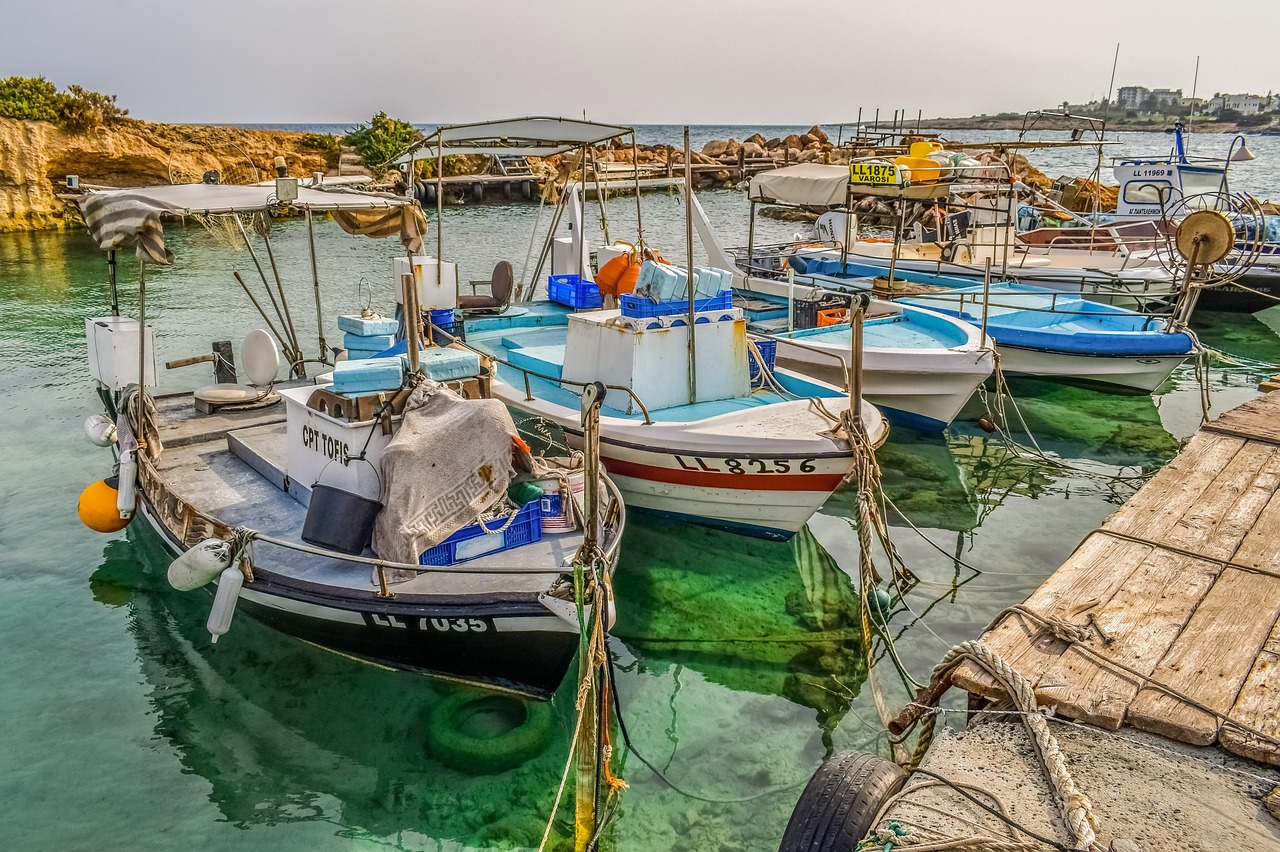
Explore Cyprus with ShuttlesA2B
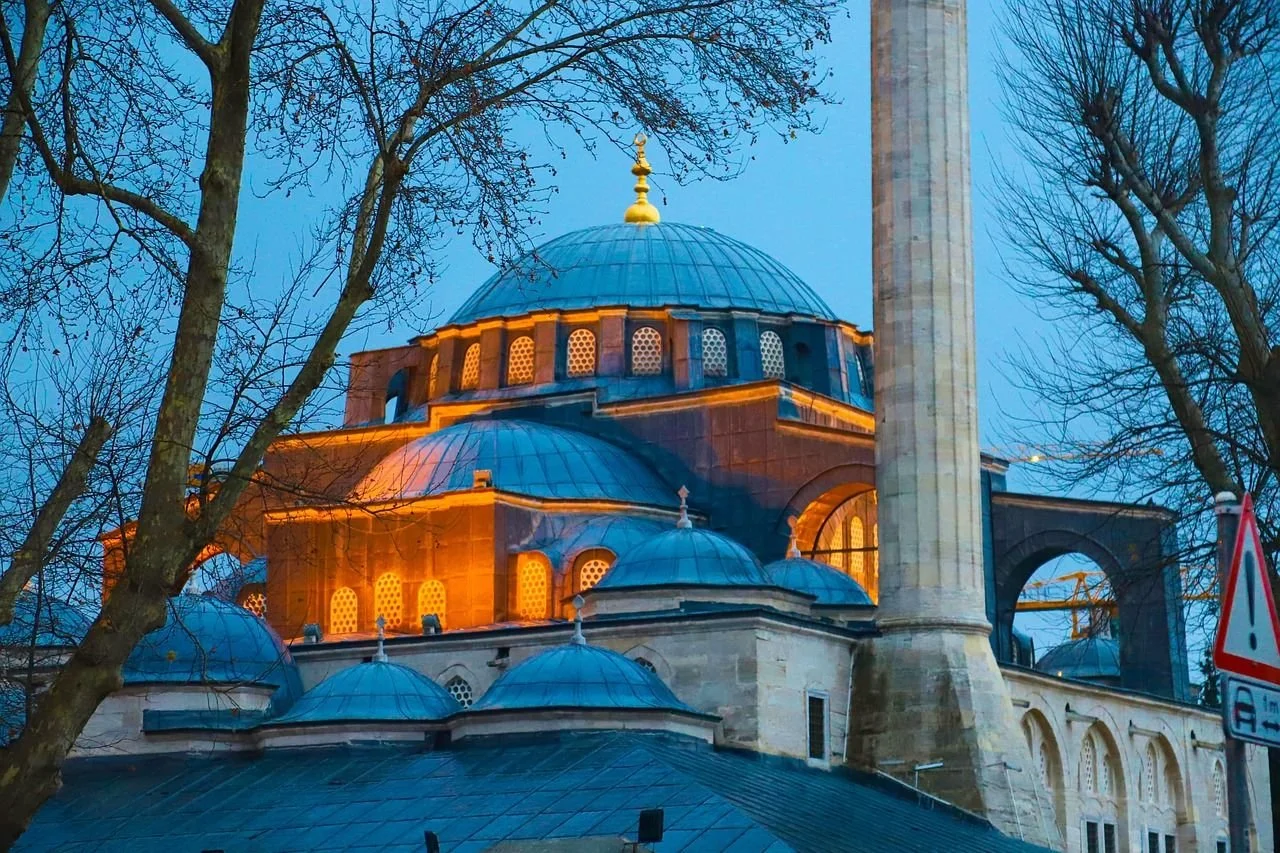
ShuttlesA2B - Türkiye