Essential Guide to the Cook Islands Shuttles, Transfers and Tours:
Navigate Your Journey with Confidence and Style
Cook Islands — explore shuttles, airport transfers, private drivers, lagoon cruises, tours & sightseeing - Featured partners:

Kai Mani Shuttles Rarotonga
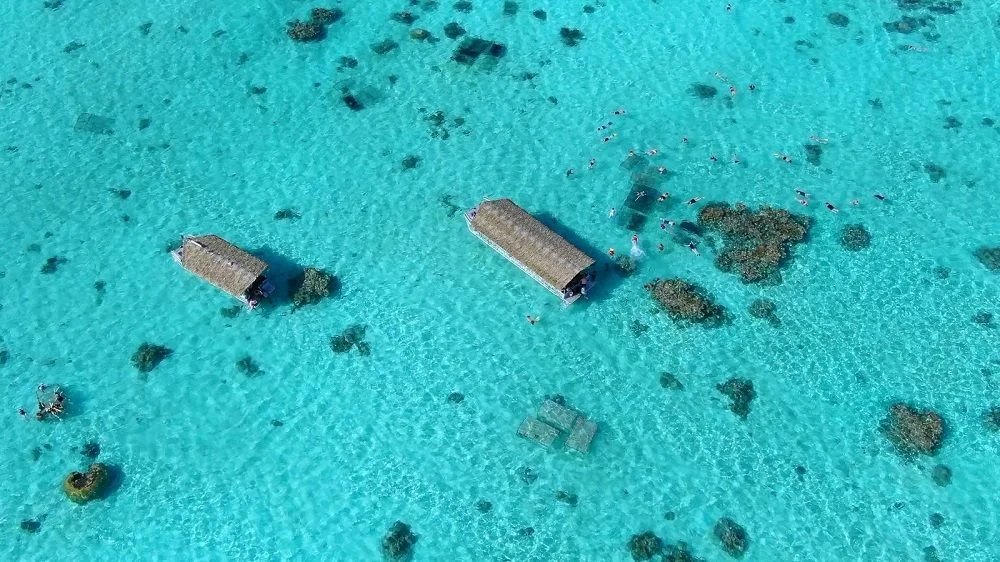
Koka Lagoon Cruises - Glass-bottom boat experience & snorkelling stops on coral gardens

Cook Islands Tours
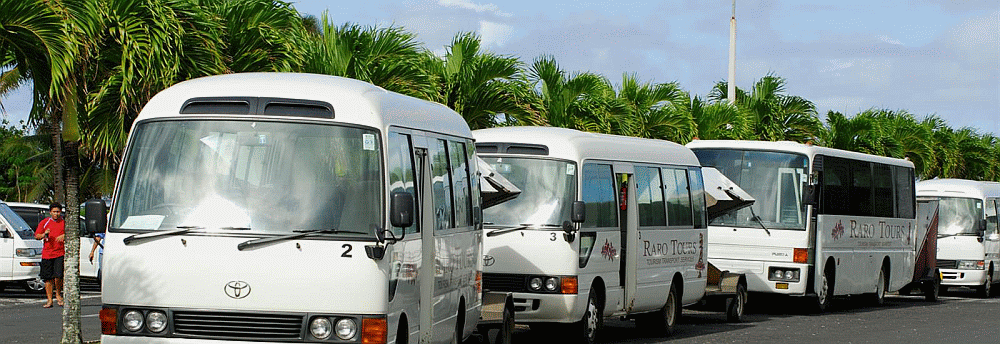
Raro Tours

Yellow Cab Rarotonga
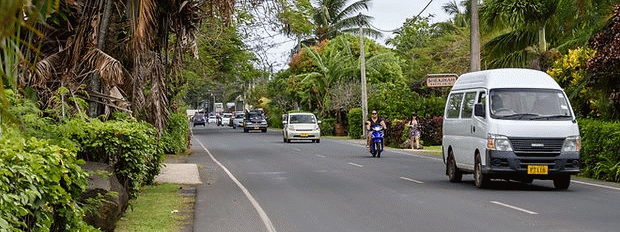
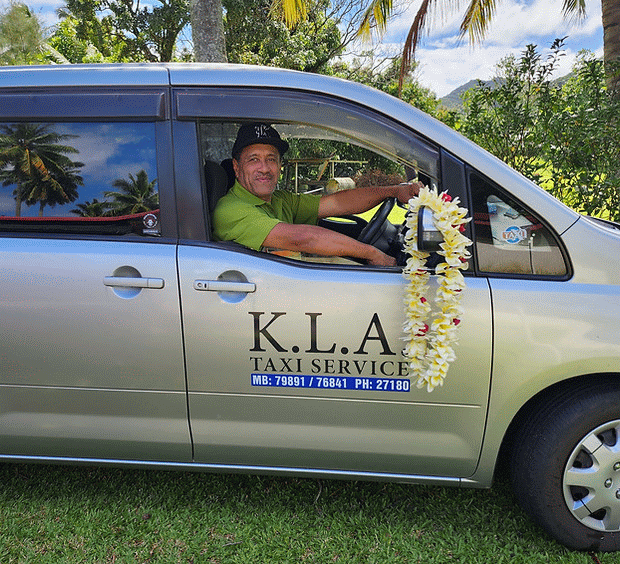
K.L.A Taxi - Airport Transfers & Island Tours, Rarotonga
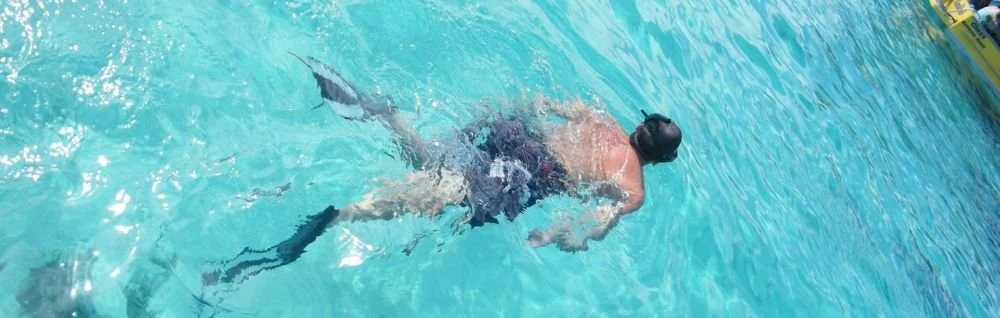
Captain Tamas Lagoon Cruizes - snorkelling in clear, shallow lagoon waters
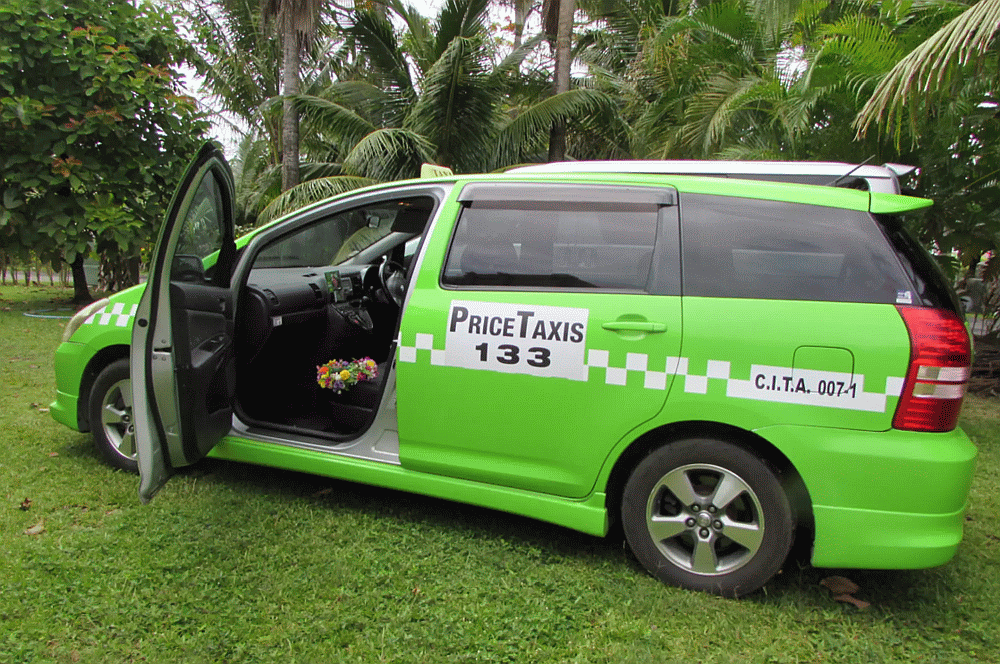
Price Taxis - Cook Islands Taxi Association (CITA), Rarotonga
Visit the Cook Islands
The Cook Islands offer a rare kind of escape — one where turquoise lagoons, palm-fringed beaches, and warm Polynesian culture come together without the crowds or rush of more commercial destinations.
Centred around lush Rarotonga and the breathtaking lagoon of Aitutaki, the islands invite travellers to slow down, reconnect with nature, and experience genuine local hospitality.
Here, days are shaped by the rhythm of the ocean — snorkelling in clear, shallow lagoons, exploring quiet coastal roads, sharing fresh island food, and watching the sun set over the Pacific.
Beyond the natural beauty, it’s the simplicity of life, strong cultural traditions, and welcoming spirit of the people that leave a lasting impression.
Whether visiting for relaxation, adventure, or a deeper connection to island life, the Cook Islands deliver an experience that feels both effortless and unforgettable.
Getting Around the Cook Islands
Transport, Island Travel, and Practical Visitor Tips
The Cook Islands are the definition of relaxed South Pacific travel — a scattering of lush volcanic islands and low-lying coral atolls spread across a vast stretch of ocean.
Life moves slowly here, distances are small, and “getting around” is less about rushing and more about easing into island rhythm.
This guide explains how transport works across the Cook Islands — including how to get there internationally, how to move around Rarotonga, and how to explore outer islands like Aitutaki and beyond.
Getting to the Cook Islands (International Access)
Most travellers arrive by air into:
• Rarotonga International Airport
Main international routes:
• Auckland → Rarotonga (most frequent, ~4 hours)
• Sydney / Brisbane → Rarotonga (direct or via Auckland)
• Los Angeles → Rarotonga (limited but important long-haul link)
• Tahiti → Rarotonga (less frequent, regional connection)
The national carrier Air Rarotonga also plays a key role in inter-island travel.
Flights are not cheap, and schedules can be limited — so planning ahead is important.
First Impressions: Slow Travel, Island Time
The Cook Islands operate on a very different pace to most destinations:
• No traffic lights on Rarotonga
• Minimal congestion
• Friendly, informal transport culture
• Everything runs on “island time”
You’re not here to rush — transport is simple, but not always fast or frequent.
Transport Options in the Cook Islands
Scooter & Car Hire (Most Popular)
The easiest and most common way to get around Rarotonga is by renting:
• Scooters (very popular with visitors)
• Small cars or 4WD vehicles
Typical cost:
• Scooter: NZD $20–35 per day
• Car: NZD $60–120 per day
Why it works:
• The island loop road is only ~32 km
• You can circle the island in under an hour (without stops)
• Ideal for beaches, cafes, and hidden lagoons
Note: A local driving permit is required (easy to obtain on arrival).
Buses on Rarotonga
Rarotonga has one of the simplest bus systems in the world.
Two routes:
• Clockwise
• Anti-clockwise
They loop the island along the coastal road.
Typical cost:
• NZD $5 per ride (cash)
Good for:
• Budget travellers
• Casual sightseeing
Limitations:
• Infrequent service (roughly hourly)
• Not ideal at night
Taxis & Private Transfers
Taxis are available but limited in number.
Typical cost:
• Airport → accommodation: NZD $20–40
Private transfers:
• Often arranged through hotels
• Reliable for arrivals and departures
There’s no rideshare (like Uber), reinforcing the slower, simpler transport system.
Cycling & Walking
• Cycling is popular on flatter coastal areas
• Walking is practical for short distances
However:
• Heat and humidity can be intense
• Roads are narrow in places
Domestic Flights & Island Hopping
To explore beyond Rarotonga, flying is essential.
Operated by:
• Air Rarotonga
Key routes:
Rarotonga → Aitutaki
• ~50 minutes
• Most popular outer island
• Famous for its turquoise lagoon and motus (islets)
Rarotonga → Atiu / Mangaia
• Less visited
• More traditional and untouched
Northern Group (e.g. Penrhyn, Pukapuka)
• Very remote
• Flights are infrequent and expensive
• Travel here requires flexibility and time
Flights can be weather-dependent, and luggage limits are stricter than international flights.
Ferries & Boats
Unlike many island destinations, inter-island ferries are not a major transport option due to vast ocean distances.
Instead:
• Boats are used locally (lagoon tours, fishing trips)
• Aitutaki lagoon cruises are a highlight experience
Getting Around Key Islands
Rarotonga (Main Hub)
The heart of the Cook Islands.
• Circular coastal road (Ara Tapu)
• Easy navigation
• Best explored by scooter or car
Highlights:
• Muri Beach
• Avarua
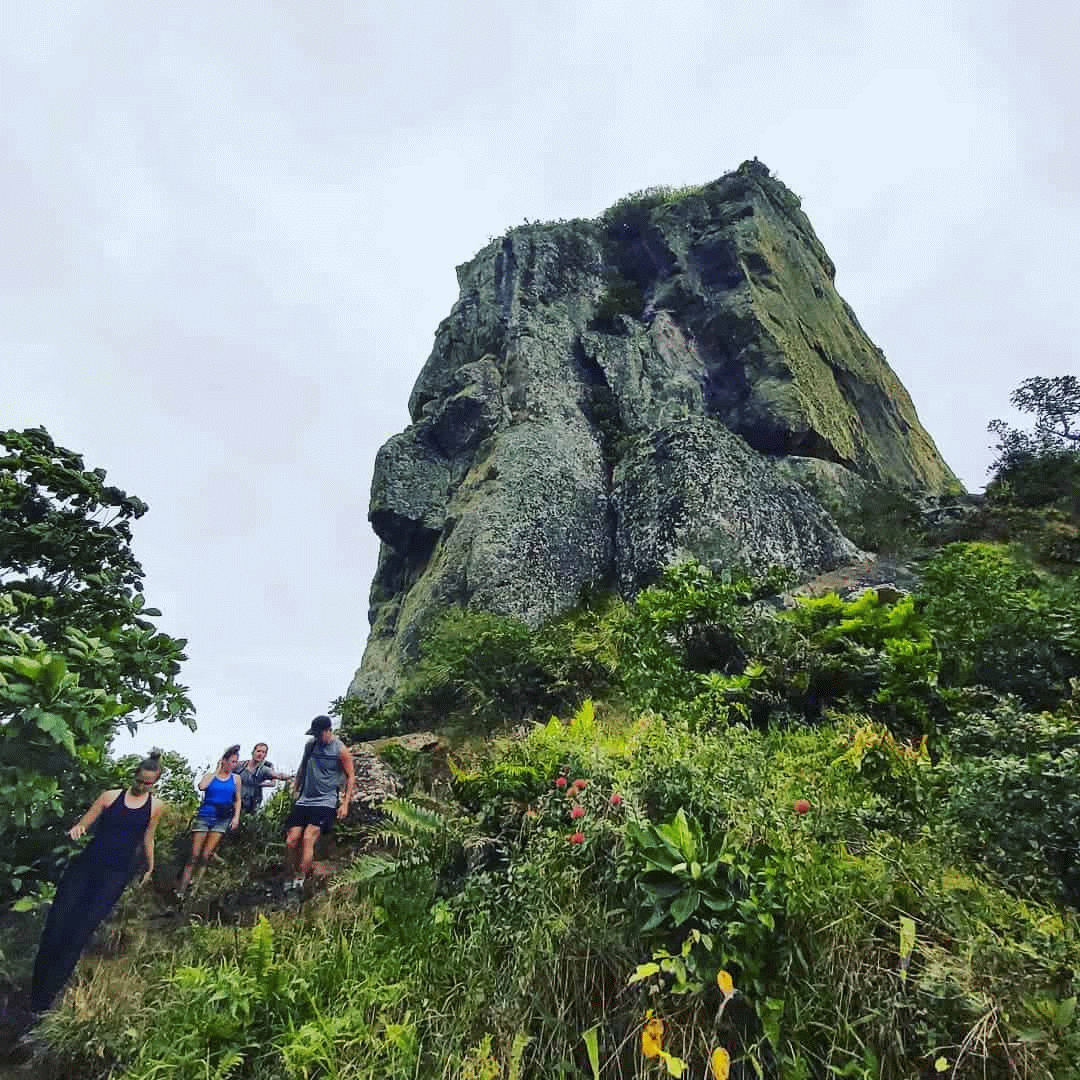
• Te Rua Manga (The Needle)
Aitutaki (Lagoon Paradise)
More remote, quieter, and visually spectacular.
• Small island — easy to explore
• Scooter or bicycle ideal
• Lagoon tours are essential
Highlights:
• Aitutaki Lagoon
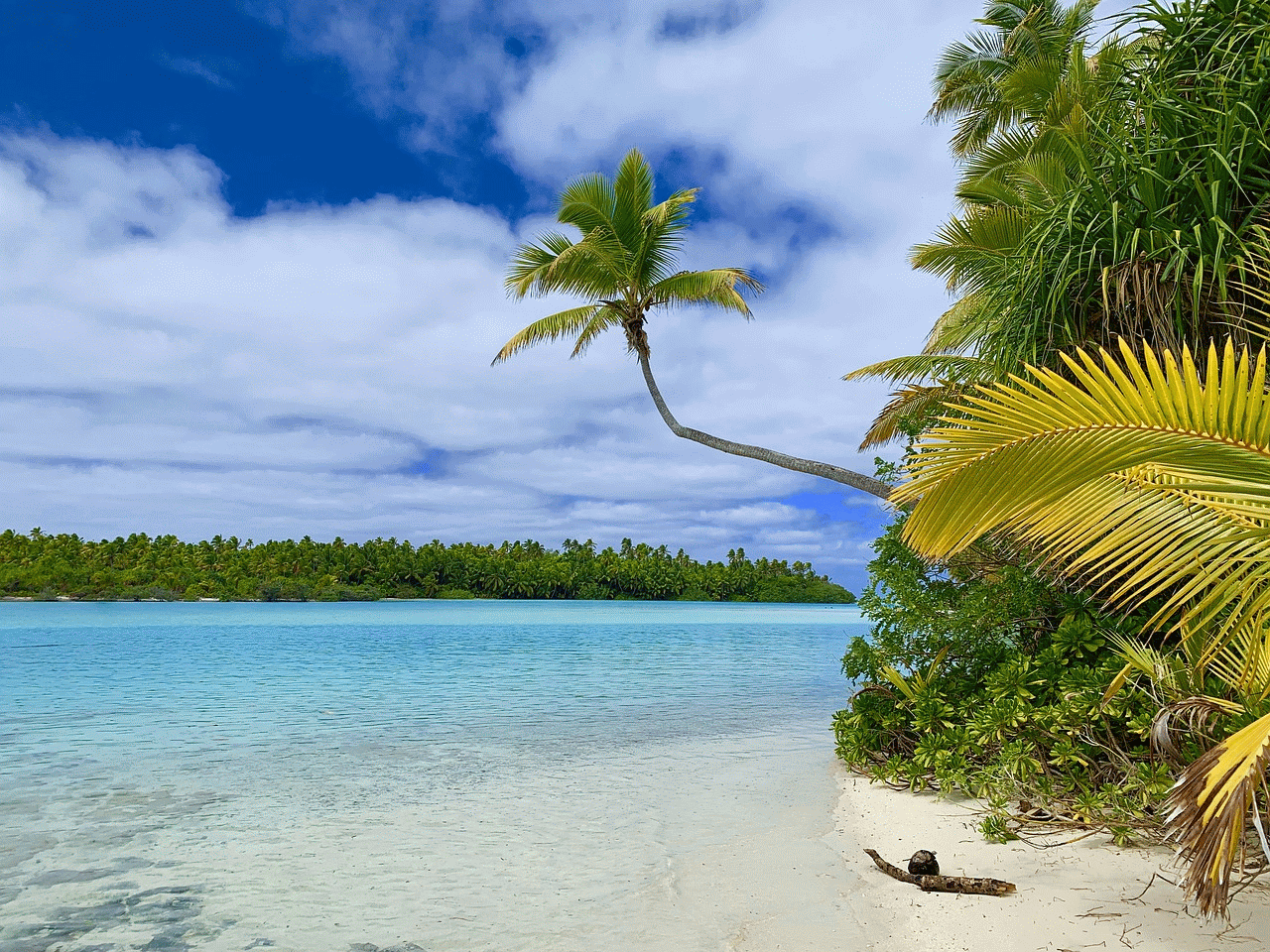
• One Foot Island
Outer Islands (Traditional & Remote)
Places like Atiu or Mangaia offer:
• Caves, birdlife, and traditional culture
• Very limited infrastructure
• Minimal transport — often arranged locally
This is where the Cook Islands feel truly untouched.
Currency, Customs & Practicalities
Currency:
• New Zealand Dollar (widely used)
• Unique Cook Islands coins are sometimes in circulation
Customs & Culture:
• Strong Polynesian culture and Christian traditions
• Sunday is a day of rest — limited activity and transport
• Dress modestly away from beaches
Language:
• English widely spoken
• Cook Islands Māori also used
Popular Travel Routes
Airport → Muri Beach (Rarotonga)
• 15–20 minutes by car or taxi
Around Rarotonga loop
• ~45–60 minutes driving (non-stop)
Rarotonga → Aitutaki
• Flight: ~50 minutes
Island Life Beyond Transport
What makes the Cook Islands special isn’t just how you get around — it’s how little you need to.
• No rush-hour stress
• No long travel days
• Nature is always close
• Time slows down
Many visitors find themselves doing less — and enjoying more.
Top Places to Visit in the Cook Islands
• Rarotonga – Culture, food, and main hub
• Aitutaki – Iconic lagoon and motus
• Muri Beach – Calm lagoon and kayaking
• Atiu – Nature and caves
• Mangaia – Ancient landscapes
• One Foot Island – Remote tropical escape
Practical Notes for Travellers
• Book flights early — limited capacity
• Allow buffer days for inter-island travel
• Bring reef-safe sunscreen
• Cash is useful outside main areas
• Embrace flexibility — schedules can change
The Cook Islands are not about efficiency — they’re about ease.
With a mix of short flights, simple local transport, and small island geography, getting around is straightforward.
The real adjustment is slowing down enough to match the rhythm of the islands.
Prices shown are approximate and current as of March 2026.
Popular Destinations, Tours and Shuttle Services - Cook Islands
-
![Maunga Tours Rarotonga, Cook Islands]()
guided mountain hikes, Rarotonga
-
![K.L.A. Taxi Service, Rarotonga, Cook Islands]()
affordable, and friendly transportation on Rarotonga
-
![Raro Safari Tours]()
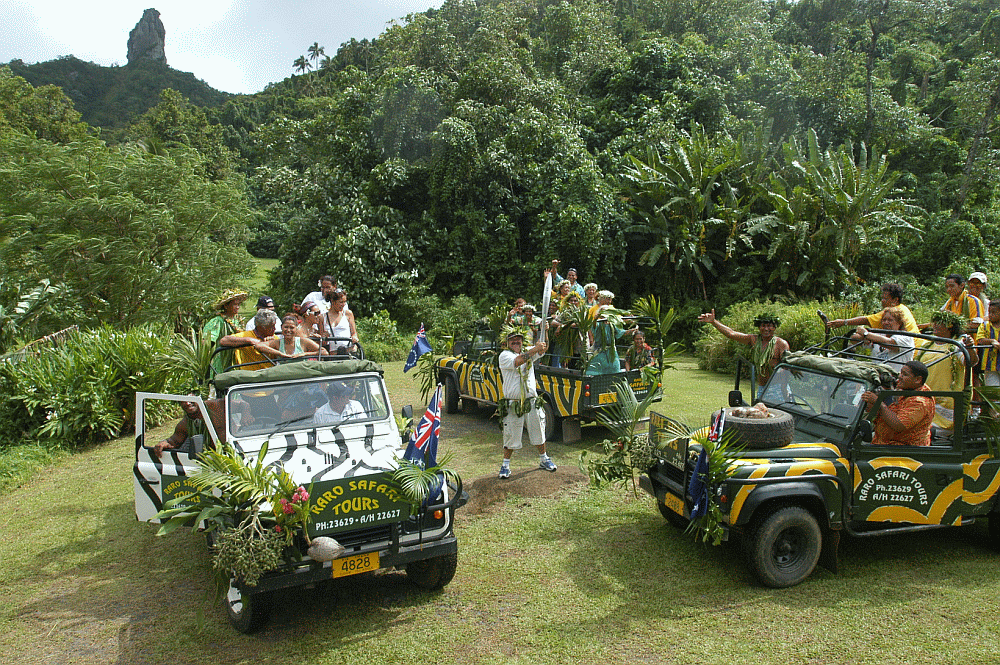
Explore the natural beauty and cultural richness of the Cook Islands
-
![Raro Buggy Tours]()
motor through Rarotonga's roads less travelled
-
![Kutekute Tours & Transfers Aitutaki]()
Aitutaki experiences
-
![Bishop's Lagoon Cruises]()
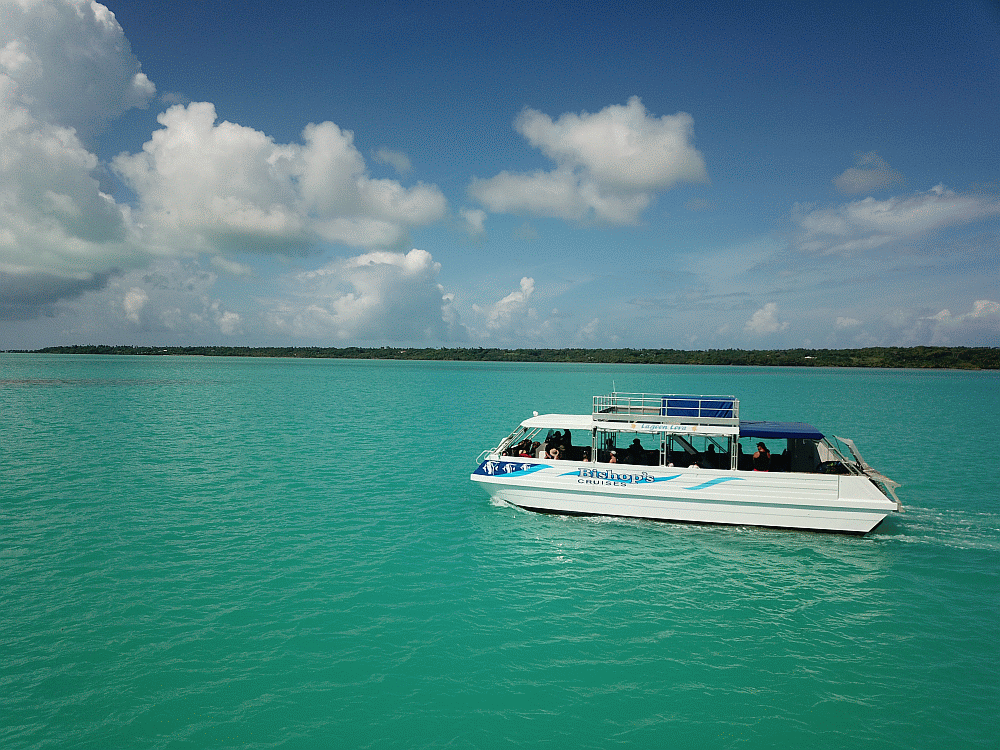
Bishop's Lagoon Cruises, Aitutaki
-
![rarotongaturtletours.co.ck Rarotonga Turtle Tours, Cook Islands]()
turtle encounters inside the lagoon