
Essential Guide to Curaçao Shuttles, Transfers, and Tours:
Navigate Your Journey with Confidence and Style
Visit Curaçao
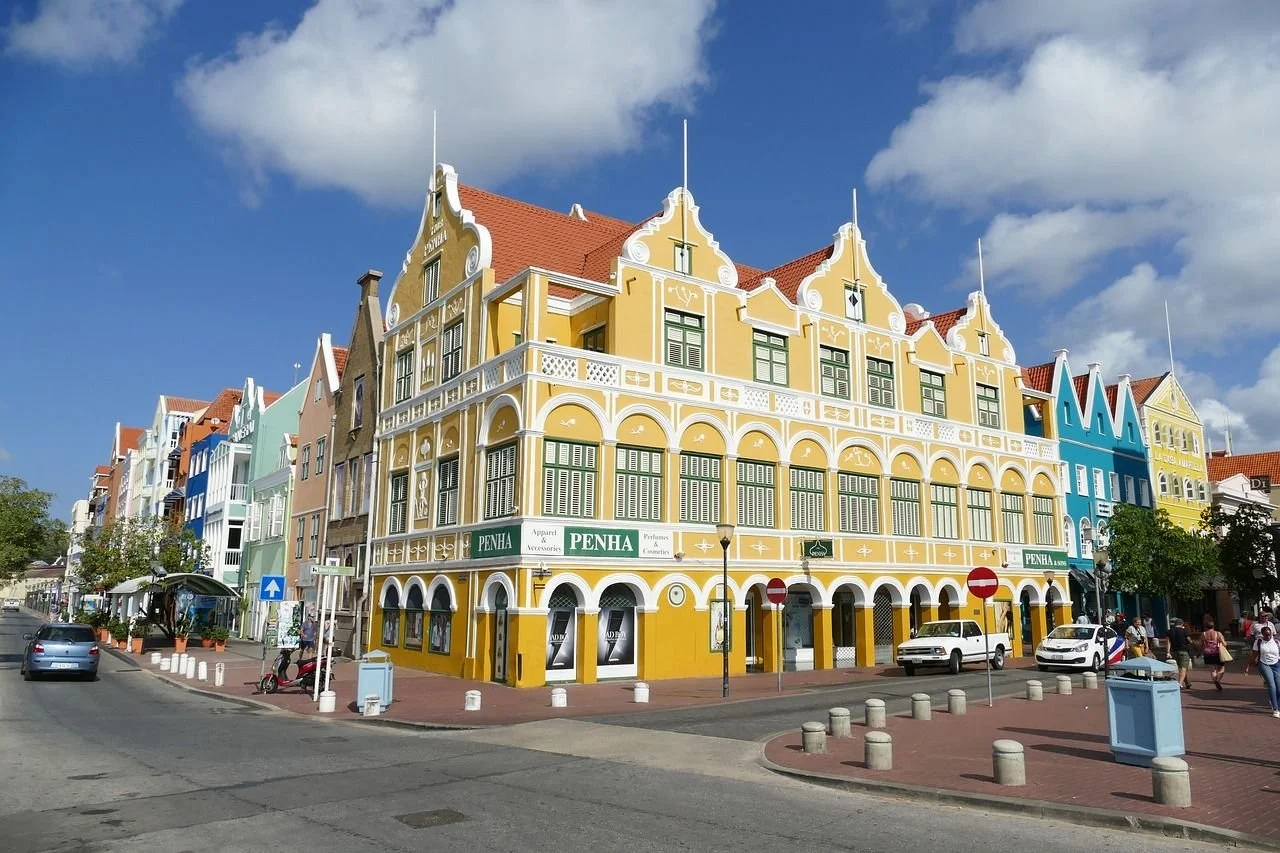
Curaçao is where the Caribbean shows off its colours — turquoise water, sun‑washed cliffs, and the pastel skyline of Willemstad that looks like it was painted just to make travellers smile.
The island blends Dutch influence with Afro‑Caribbean warmth, creating a place that feels both easygoing and quietly sophisticated.
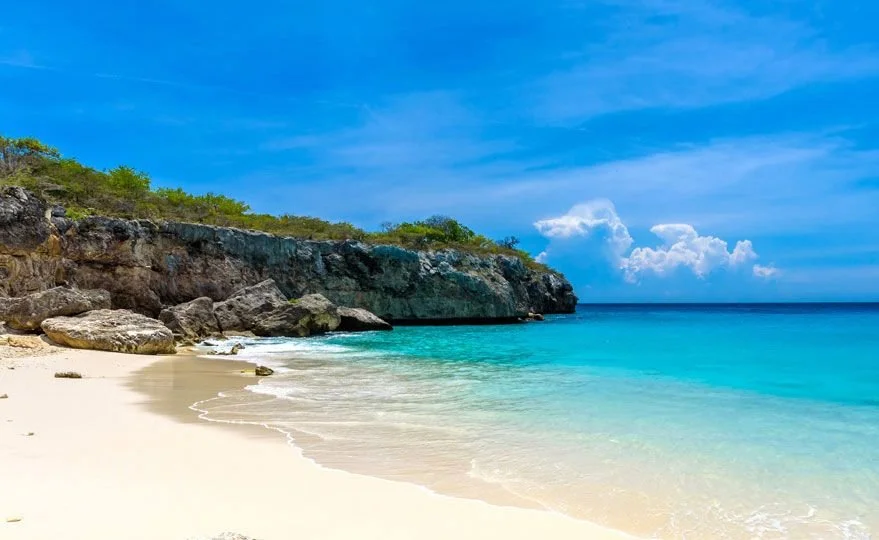
Visitors come for the calm, swimmable beaches tucked into hidden coves, for snorkelling over bright reefs just metres from shore, and for the freedom to wander from wild northern coastlines to lively seaside cafés in a single day.
Curaçao’s multilingual, welcoming culture makes it effortless to settle in, whether you’re exploring its history, tasting its food, or simply letting the island’s slow rhythm take over.
What stays with you long after you leave is the island’s sincerity — a gentle, unhurried charm that invites you to relax, breathe, and enjoy life in full colour.
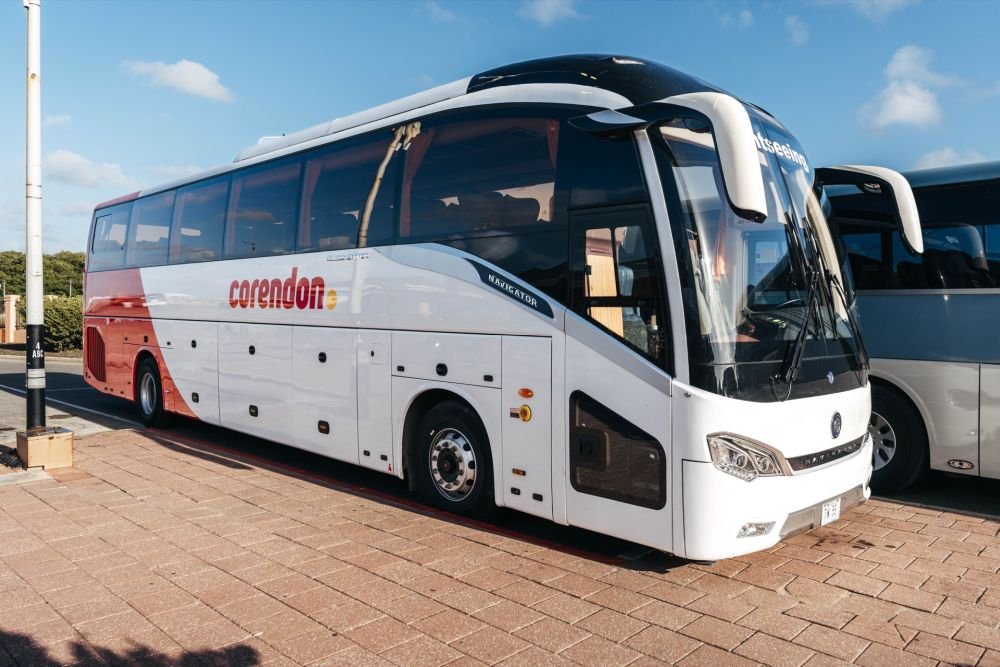
Curaçao — curated listings covering airport transfers, private drivers, boat trips, tours and sightseeing. Featured partners

Friendly Taxi Curaçao - taxi transfers and island tours with multilingual, reliable drivers
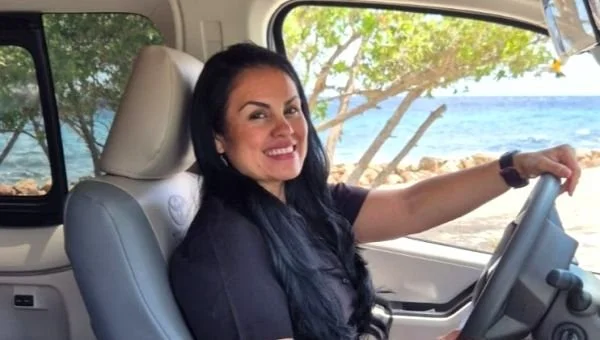
Curaçao Taxi Lady - reliable, friendly private transfers and island tours with women‑led service
24-7 Taxi Curaçao - island‑wide 24/7 transport
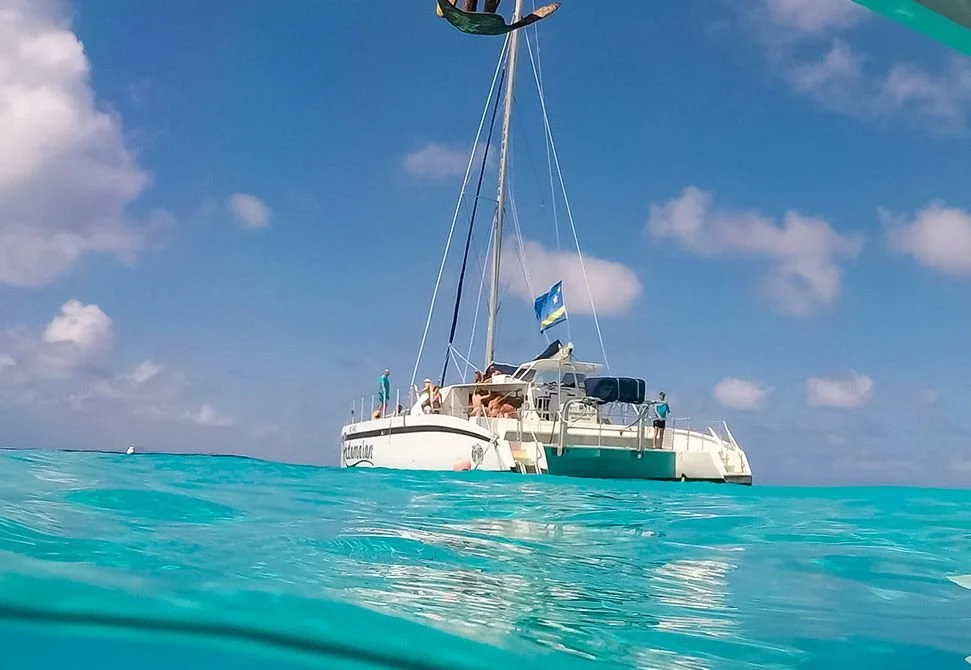
Irie Tours, Willemstad, Curacao - island tours, boat trips, snorkeling, and guided excursions
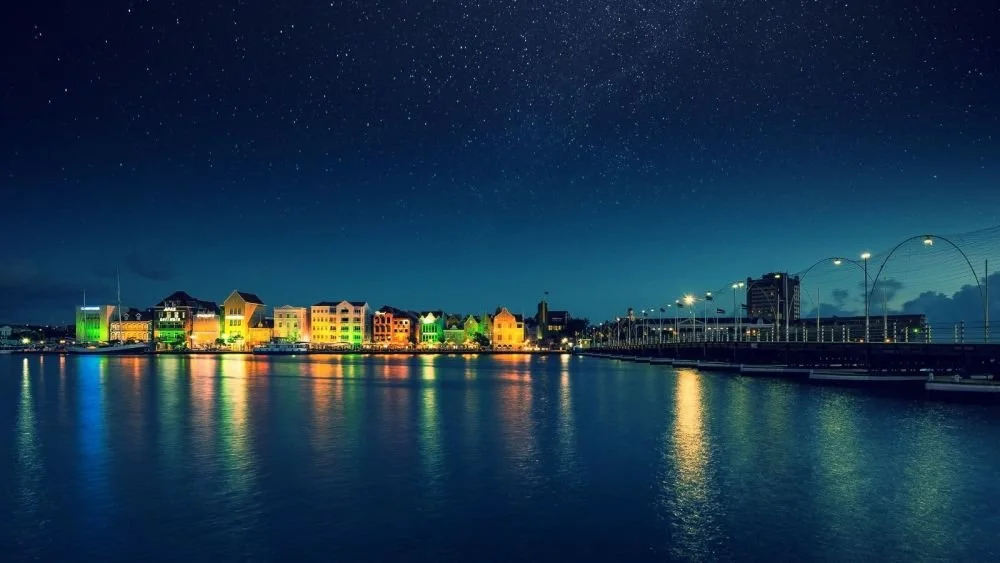
Curaçao Leading Tours and Transfers - private guides
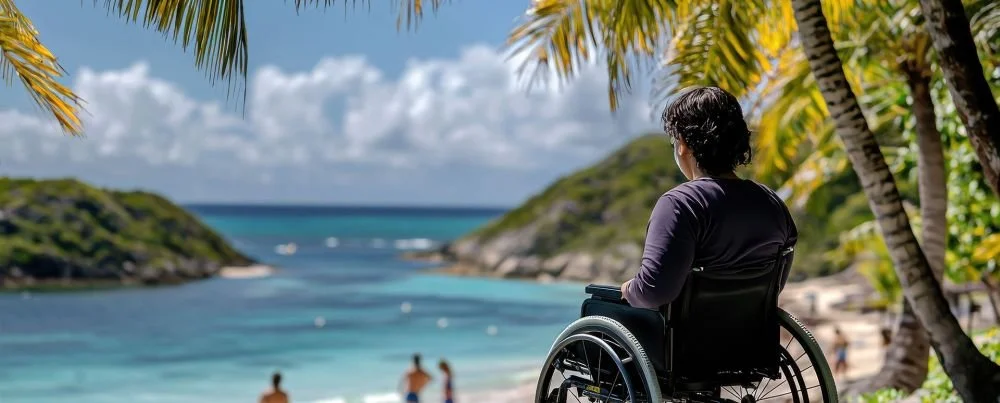
Embrace Care Curacao - accesible tours & airport transfers
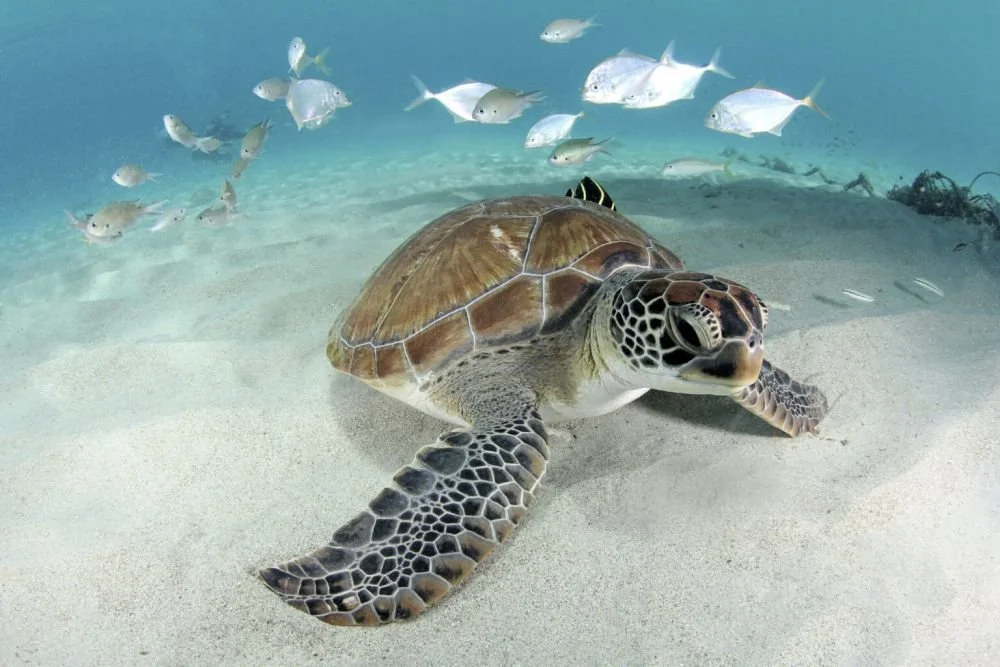
Curacao Dreams Travel - small‑group island tours with turtles, hidden beaches, and personal service
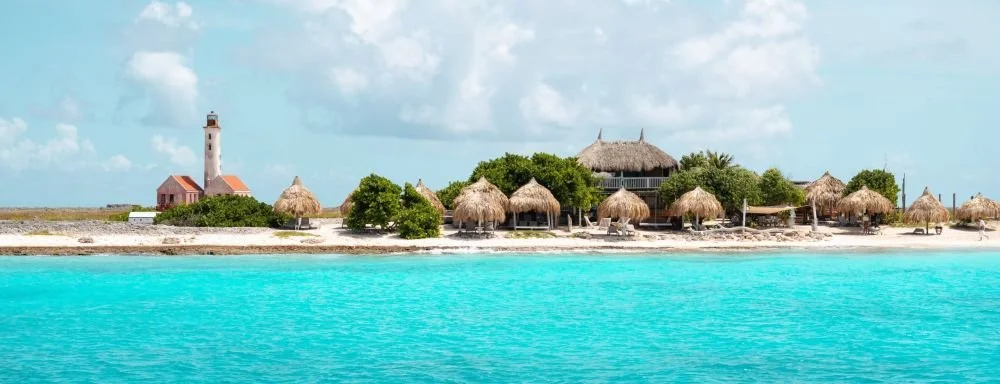
Miss Ann Boat Trips - Klein Curaçao day trips and private boat charters
Getting around Curaçao
Curaçao is compact, colourful, and built for easy movement.
Once you understand how the island flows — Willemstad at the centre, beaches and coves fanning out along the coasts — getting around becomes simple.
You’ll rely on rental cars for freedom, taxis for short hops, minibuses for local routes, and organised tours for the harder‑to‑reach corners.
Transport is generally smooth, especially around Willemstad and the main beach corridors.
How transport works in Curaçao
Distances are short — rarely more than 30–45 minutes end to end — but services are spread out. The island is designed around road travel.
You’ll mostly use:
Rental cars for flexibility and beach‑hopping
Taxis for short, direct trips
Minibuses for local routes between towns
Hotel shuttles for resorts and major beaches
Boat trips for Klein Curaçao and snorkelling sites
Guided tours for national parks and remote coves
Papiamentu helps, but English and Dutch are widely spoken. A few useful words: bon dia (good morning), por fabor (please), danki (thank you).
Airport transfers in Curaçao
Curaçao International Airport (CUR) → Willemstad / Resorts
CUR is small, efficient, and easy to navigate.
CUR → Willemstad / Pietermaai / Otrobanda
Taxi (fixed rates)
15–20 min
ANG 35–45 (USD $20–25)
Private airport transfers
15–20 min
ANG 45–70 (USD $25–40)
Hotel shuttles
Offered by some resorts
Pre‑booking recommended
Taxis use fixed government‑approved pricing. No ride‑hailing apps operate on the island.
CUR → Beach resorts (Mambo, Jan Thiel)
Taxi
25–30 min
ANG 55–75 (USD $30–42)
Private transfers
Similar pricing
Good for late arrivals or groups
After a long flight, a pre‑booked transfer is the simplest option.
Buses & minibuses in Curaçao
Public transport exists but is limited.
Two types of buses
1. Big yellow buses (public service)
Infrequent but inexpensive
Run between Willemstad and major towns
2. Minibuses (vans with route signs)
More frequent
Stop on request
Cash only
Typical routes
Willemstad → Westpunt
45–60 min | ANG 2.50–3.00
Willemstad → Mambo Beach
15–20 min | ANG 2.00–2.50
Willemstad → Jan Thiel
20–25 min | ANG 2.50–3.00
Minibuses are fine for short hops, but not ideal for beach‑hopping with gear.
Rental cars
The most practical way to explore.
Daily rates: ANG 55–110 (USD $30–60)
Driving is right‑hand
Roads are generally good
Parking is easy outside central Willemstad
A car is especially useful for:
Westpunt beaches (Playa Grandi, Kenepa)
Christoffel National Park
Shete Boka
Remote coves and snorkelling spots
Book early in peak season (Dec–Apr).
Taxis & private drivers
Taxis are regulated with fixed fares.
Good for:
Airport transfers
Evenings out in Willemstad
Short hops between beaches
Travellers who don’t want to drive
Private drivers can be arranged for:
Half‑day or full‑day island tours
Beach‑hopping
National park visits
Always confirm the fixed price before departure.
Tours & excursions
Because some areas are remote or require 4WD access, tours are common.
Popular options:
Klein Curaçao day trips
1.5–2 hours by boat
ANG 200–350 (USD $110–190) including lunch
Christoffel National Park guided hikes
Early morning departures
ANG 50–100 (USD $28–55)
Snorkelling & boat tours
Tugboat, Blue Room, Playa Lagun
Tours are reliable and well‑run.
Boats & ferries
Curaçao does not have inter‑island ferries to Aruba or Bonaire.
Boat travel is mainly for:
Klein Curaçao
Snorkelling trips
Sunset cruises
Weather can affect departures, especially in windy months (Jan–Mar).
Willemstad & nearby areas
Willemstad is walkable within each district (Punda, Otrobanda, Pietermaai), but distances between districts can be longer than they look.
You’ll use:
Walking within neighbourhoods
Taxis between districts at night
Hotel shuttles to beaches
The Queen Emma Bridge occasionally opens for ships — allow extra time.
Westpunt & northern beaches
The island’s most beautiful beaches are spread out along the west coast.
Getting there:
Car: 40–50 min from Willemstad
Taxi: expensive for long distances
Minibus: possible but slow
Local transport:
Parking at beaches is easy
Some beaches charge small entry fees
Facilities vary widely
A rental car is the best option here.
Cross‑island distances
Curaçao is small, but roads can be slow.
Typical travel times:
Willemstad → Westpunt: 40–50 min
Willemstad → Jan Thiel: 20–25 min
Willemstad → Mambo Beach: 10–15 min
Willemstad → Christoffel Park: 45–55 min
Flights within Curaçao
None — the island is too small. All domestic movement is by road.
Final notes
Curaçao rewards a relaxed pace. Match your transport to your plans — a rental car for freedom, taxis for simplicity, minibuses for budget travel — and the island opens up easily, one cove and colour‑washed street at a time.
N.B. Prices shown are indicative and reflect typical costs in Curaçao as at May 2026.
Popular Destinations, Tours and Transport - Curaçao - Featured Plus
-
![BlueFinn Charters, Curaçao]()
catamaran trips, Klein Curaçao excursions, and coastal boat tours
-
![Curaçao Tours]()
island tours, beach trips, snorkeling, and guided off‑road adventures
-
![Curaçao Seabob - andymaxadventures.com]()
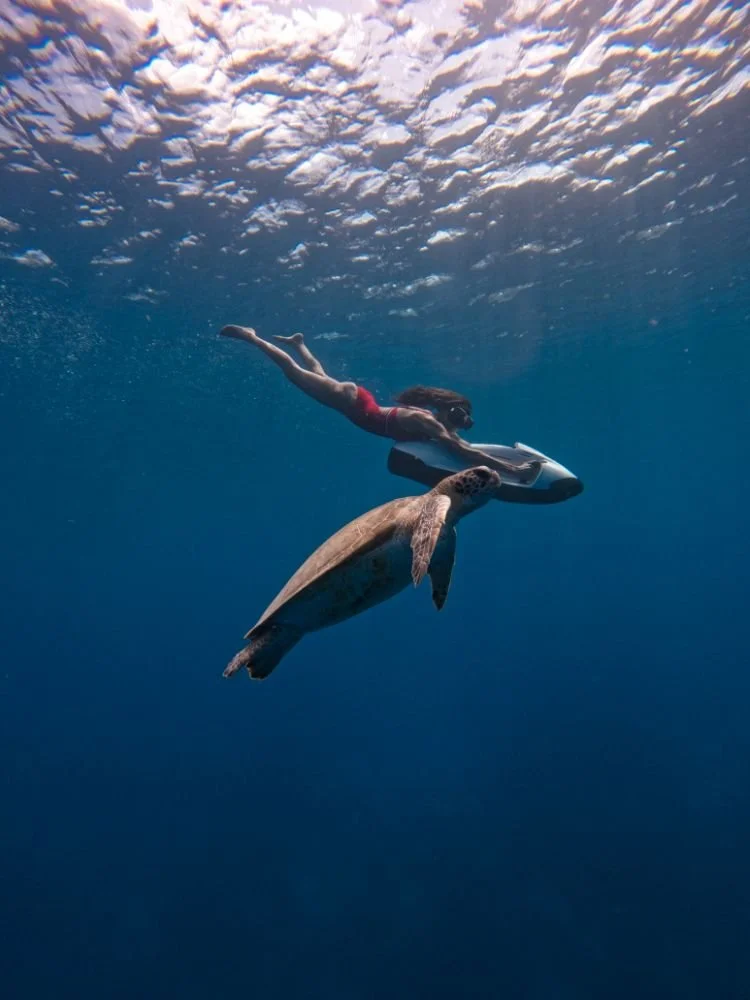
guided Seabob underwater tours exploring Curaçao’s reefs and marine sites
-
![Curacao 360° Private Tours]()
Curacao personalised island tours
-
![Around Curacao Tours, Willemstad]()
guided island tours
Principal Visitor Highlights in Curaçao
Curaçao offers a mix of culture, beaches, and natural attractions that appeal to travellers looking for both relaxation and exploration. The island’s UNESCO‑listed capital, calm cove beaches, and world‑class snorkelling and diving make it one of the Caribbean’s most distinctive destinations.
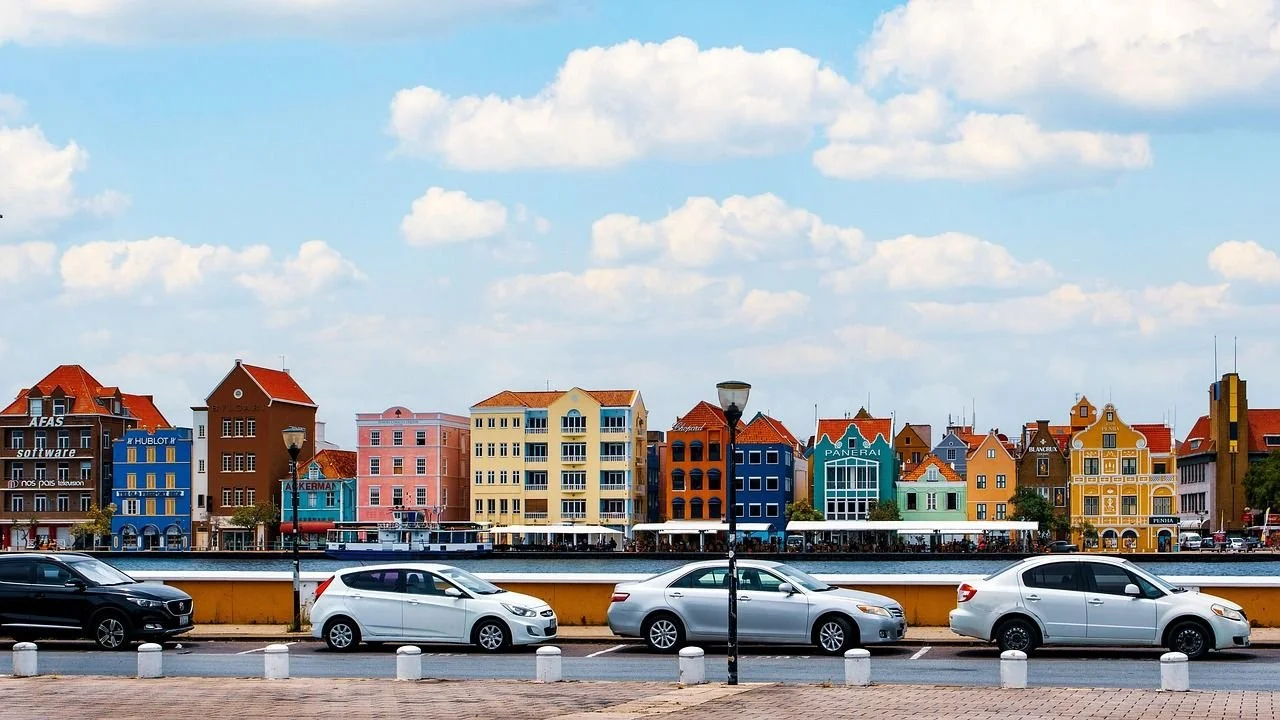
Willemstad Historic Centre Curaçao’s capital is known for its pastel Dutch‑Caribbean architecture, the Queen Emma floating bridge, and walkable districts such as Punda, Otrobanda, and Scharloo. It is one of the Caribbean’s most photogenic and culturally rich urban areas.
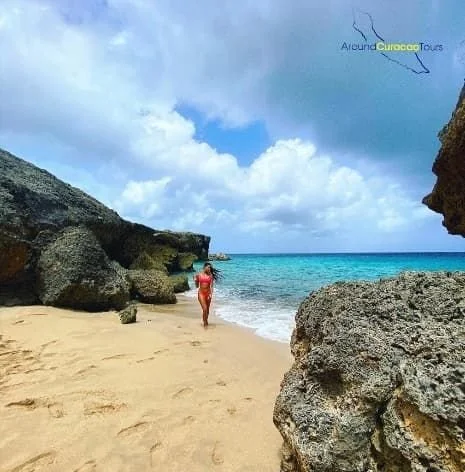
Cove‑Style Beaches The island’s beaches are small, sheltered, and exceptionally clear. Popular options include Playa Kenepa Grandi, Cas Abao, Playa Porto Mari, and Playa Lagun, all ideal for swimming, snorkelling, and relaxing.
Snorkelling and Diving With more than 60 dive sites, Curaçao is a major shore‑diving destination. Highlights include Mushroom Forest, the Blue Room Cave, the Tugboat Wreck, and Director’s Bay. Reefs sit close to shore, making underwater access easy for all levels.
Christoffel National Park The island’s largest nature reserve features the hike up Mount Christoffel, native wildlife, and historic plantation houses. It is the best area for hiking and nature‑based activities.
Shete Boka National Park Located on the rugged north coast, this park offers dramatic scenery, including the Boka Tabla sea cave, the Boka Pistol blowhole, and turtle nesting sites.
Marine and Wildlife Experiences Visitors can explore the Sea Aquarium Park, Dolphin Academy Curaçao, and the Ostrich Farm for family‑friendly activities beyond the beach.
Food, Culture, and Nightlife Curaçao blends Caribbean, Dutch, Latin, and Creole influences. Key experiences include traditional dishes at Plasa Bieu, beach clubs at Mambo Beach and Jan Thiel, and cultural events such as Carnival.
Klein Curaçao A day trip to this uninhabited island offers white sand, clear water, snorkelling with turtles, and a photogenic lighthouse and shipwreck.
How Curaçao Became Dutch and Who Lived There Before Colonisation
The First Inhabitants: The Caquetío (Arawak Peoples)
Long before Europeans arrived, Curaçao was inhabited by Indigenous peoples belonging to the Arawak cultural world.
Over many generations, these communities established coastal villages, cultivated cassava, fished in the surrounding waters, gathered shellfish, and traded with neighbouring islands and the South American mainland.
By the time Europeans reached the island, the Caquetío were the main Indigenous group.
Their pottery, tools, and rock art—still visible in places such as the Hato Caves—show a long and continuous presence.
Spanish Arrival and Control
Spanish explorers claimed Curaçao for Spain soon after their first voyages along the northern coast of South America.
Finding no gold and little agricultural potential, the Spanish considered the island unprofitable and invested very little in it.
Their arrival had a profound impact on the Caquetío. Many Indigenous inhabitants were forcibly removed and taken to other Spanish colonies as enslaved labour.
Only a small number remained on the island. For more than a century, Curaçao existed as a neglected Spanish outpost with minimal development.
The Dutch Takeover
The Dutch West India Company eventually seized Curaçao from Spain during its expansion in the Caribbean.
The Dutch valued the island for its deep natural harbour and its strategic position along regional shipping routes.
Under Dutch rule, Curaçao developed into a major trading centre.
The island became a redistribution point for goods, people, and supplies moving throughout the Caribbean.
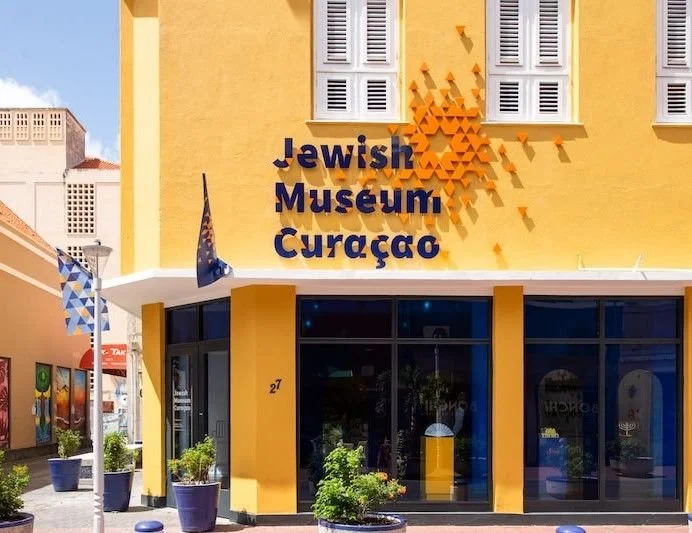
Jewish settlers, particularly those of Sephardic heritage, established a strong commercial presence and helped shape the island’s early economic life.
Curaçao’s Political Path After Dutch Conquest
Over time, Curaçao’s political status evolved within the Dutch realm.
Slavery was eventually abolished, and the island later became part of a semi‑autonomous Caribbean entity within the Kingdom of the Netherlands.
In the early twenty‑first century, Curaçao transitioned into a constituent country within the Kingdom, managing its internal affairs while the Kingdom oversees defence and foreign policy.
Cultural Legacy of These Origins
Curaçao’s modern identity reflects the layers of its past:
Papiamentu, the island’s Creole language, blends African, European, and Indigenous influences.
Willemstad’s architecture shows Dutch design adapted to Caribbean climate and colour.
Music, cuisine, and festivals carry strong African and Indigenous roots.
The Caquetío presence, Spanish disruption, and Dutch maritime era all left lasting marks on the island’s culture.
In Summary
Curaçao became Dutch when the Dutch West India Company captured the island from Spain and transformed it into a strategic trading hub.
Long before European arrival, the island was home to the Caquetío, an Arawak people who lived through farming, fishing, and trade.
Spanish colonisation disrupted Indigenous life, and Dutch rule reshaped Curaçao into the culturally rich island it is today.
Bioluminescent Bays of Puerto Rico (ShuttlesA2B)