
Essential Guide to Italy Shuttles & Sightseeing:
Navigate Your Journey with Confidence and Style
Welcome to Italy, where history lives in every stone, landscapes shift from alpine lakes to sunlit coasts, and daily life unfolds with beauty and ritual. Wander through ancient ruins, drift along quiet canals, and wake to the aroma of espresso in a sunlit piazza.
Each region tells its own story — shaped by empire, artistry, faith, and family — inviting you to explore, savour, and slow down. More than a destination, Italy is an experience of la dolce vita: warmth, flavour, elegance, and a deep sense of connection that lingers long after you return home.
Benvenuti in Italia, dove la storia vive in ogni pietra, i paesaggi spaziano dai laghi alpini alle coste assolate, e la vita quotidiana scorre con bellezza e ritualità. Passeggiate tra rovine antiche, navigate lungo canali silenziosi e svegliatevi con il profumo dell’espresso in una piazza illuminata dal sole.
Ogni regione racconta la propria storia — plasmata da imperi, arte, fede e famiglia — invitandovi a esplorare, assaporare e rallentare. Più che una destinazione, l’Italia è un’esperienza di dolce vita: calore, gusto, eleganza e un profondo senso di appartenenza che vi accompagna a lungo, anche dopo il ritorno a casa.
Italy — explore shuttles, airport transfers, private drivers, tours & sightseeing - Featured partners:

Turin Transfer - chauffeur-driven car service
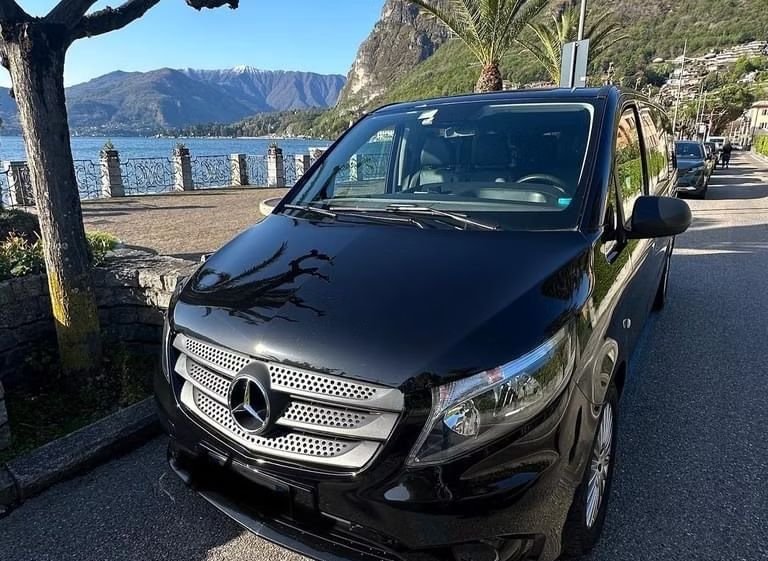
Lake Como Taxi - personalised services
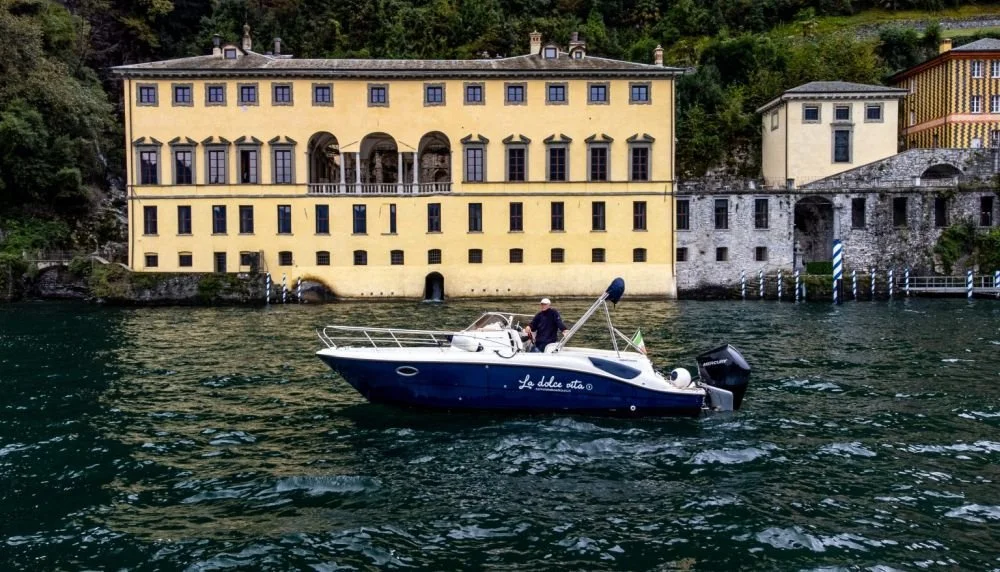
La Dolce Vita - Como Lake private boat tours

Como Driver Services - luxury cars and minivan rentals with a private driver
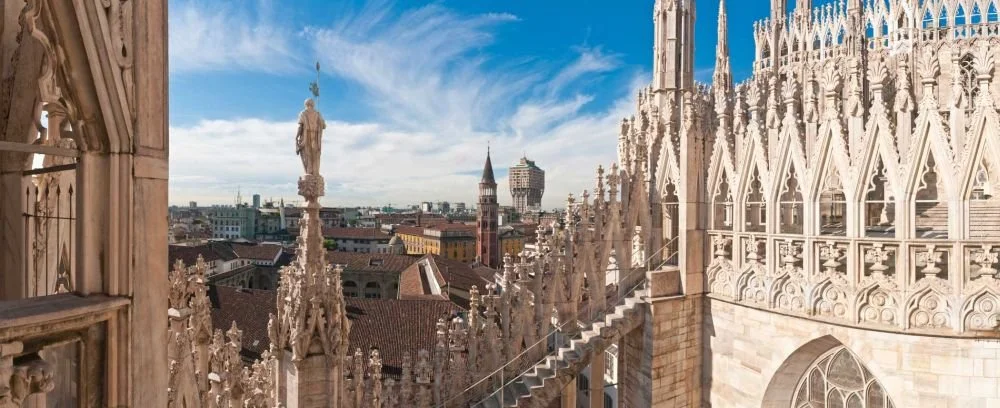
Milan Private Tours - your local guide in Milan
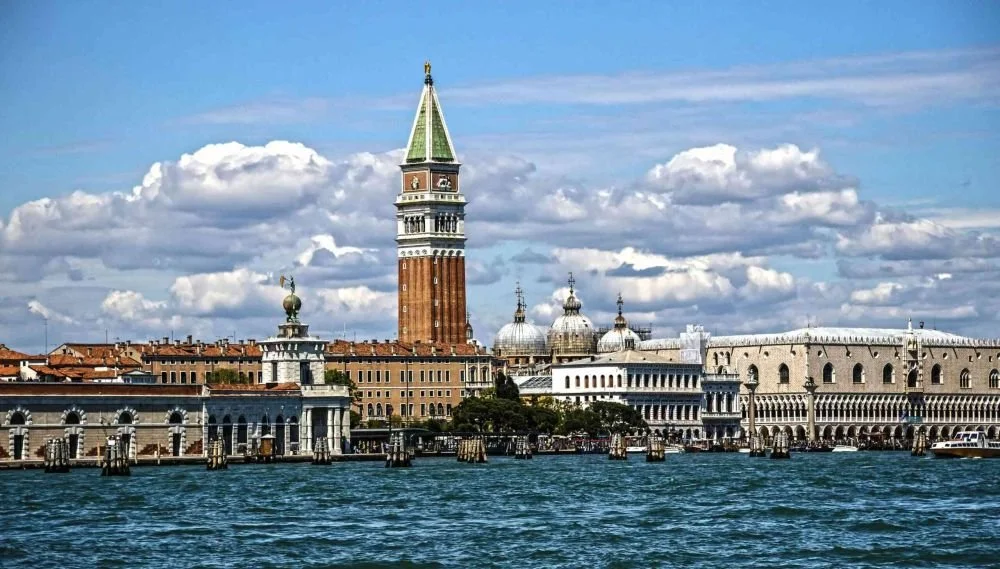
Venice Dream Water Taxi - 24/7 water taxi transportation service & grand canal tour
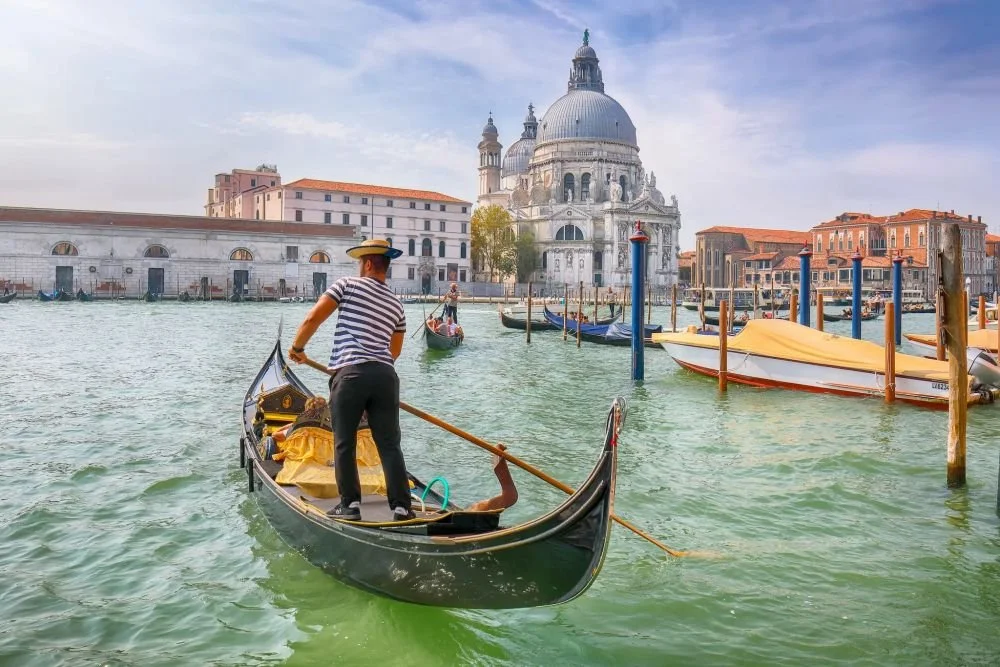
Venice City Tours - tailor-made experiences exploring every corner of Venice
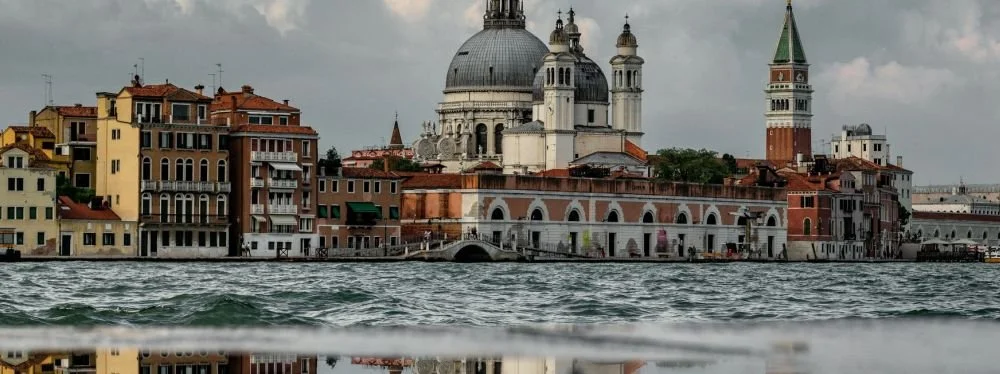
Transfer Venice Airport - land and water transfers to and from Venice and nearby locations
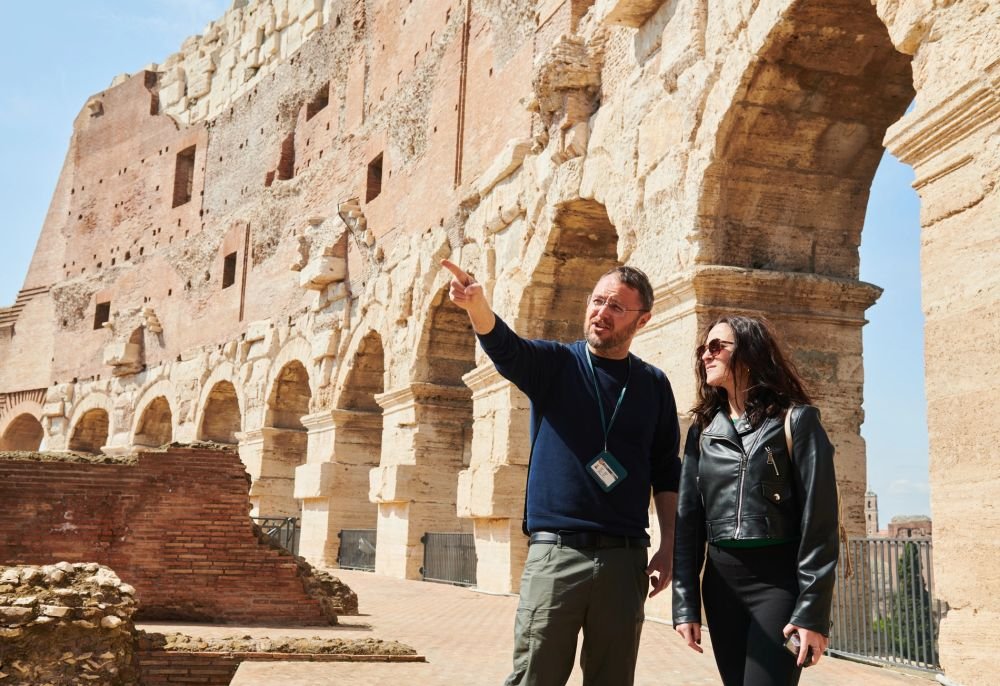
Eyes of Rome - tailor made luxury tours in Italy
Fiumicino Airport Shuttle
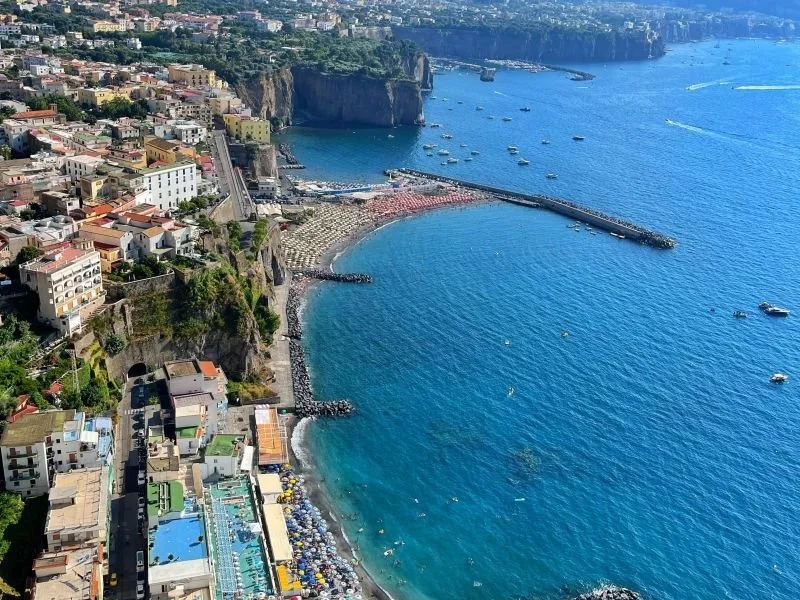
Pompeii Transfer Car - explore Pompeii and Amalfi Coast
Getting Around Italy
Transport, Trains, Shuttles & Practical Travel Tips
Italy is compact by European standards but extraordinarily diverse. In a single trip, travellers can move between alpine lakes, Renaissance cities, Roman ruins, vineyard-covered countryside, dramatic coastlines, and Mediterranean islands.
From the elegance of Milano and Torino in the north to the canals of Venice, the art of Florence, the grandeur of Rome, the cliffs of the Amalfi Coast, and the island landscapes of Sicily — Italy’s transport network makes multi-stop itineraries practical and efficient.
This guide explains how transport works in Italy — high-speed trains, regional rail, buses, ferries, taxis, private drivers, airport transfers, and domestic flights — with realistic travel times, costs, and route context.
Transport Options in Italy
High-Speed Trains (Frecciarossa, Italo)
Italy’s high-speed rail network connects major cities quickly and comfortably.
• Modern, air-conditioned trains
• Reserved seating
• City-centre to city-centre travel
• Operated mainly by Trenitalia (Frecciarossa) and Italo
Typical cost:
€25–€90 depending on distance and booking time
Popular routes:
Milan → Florence: ~1h 50m
Florence → Rome: ~1h 30m
Rome → Naples: ~1h 10m
High-speed rail is usually the best option between major cities.
Regional Trains
Regional trains connect smaller cities and towns.
• Slower but affordable
• No seat reservations
• Frequent departures on key routes
Typical cost:
€5–€25 depending on distance
Essential for reaching:
Lake Como
Verona
Bologna
Parma
Lucca
Siena
Orvieto
Cinque Terre
Buses
Buses fill gaps where rail doesn’t go efficiently.
• Common along the Amalfi Coast
• Useful in Tuscany’s rural areas
• Budget long-distance coach options available
Typical cost:
€10–€40 for intercity routes
Shuttles
Shared and private shuttles are common for:
• Airport transfers
• Amalfi Coast hotels
• Cinque Terre access from nearby cities
• Cruise port transfers
Cost:
€25–€100 depending on distance and group size
Private Drivers
Private transfers are popular for:
• Tuscany wine tours
• Amalfi Coast day trips
• Pompeii and Mount Vesuvius combinations
• Flexible multi-stop countryside itineraries
Typical cost:
€250–€500 per day depending on distance and region
Domestic Flights
Flights are useful for long distances.
• Milan ↔ Sicily: ~1h 45m
• Rome ↔ Sicily: ~1h 15m
• Northern Italy ↔ Southern Italy: 1–2 hours
Typical cost:
€40–€150 one way (booked in advance)
Getting Around Italy’s Main Regions & Cities
Northern Italy
Milan & Lake Como
Milan is well connected by metro, tram, and taxis
Train Milan → Como: ~40–60 minutes
Lake ferries connect lakeside towns
Turin
Compact historic centre
Well served by rail from Milan (~1 hour)
Genoa
Main gateway to Liguria
Good rail links to Cinque Terre
Verona
On the Milan–Venice rail line
Walkable historic centre
Bologna & Parma
Bologna is a major rail hub
Parma is 1 hour from Milan
Easy regional train access
Central Italy
Florence
Compact and walkable
Trains to Pisa (~1 hour) and Siena (~1.5 hours)
Ideal base for Tuscany
Pisa
1 hour from Florence by train
Pisa Airport connects internationally
Tuscany (Region)
Best explored via:
Regional trains (Florence–Siena–Lucca)
Rental car for rural vineyards and hill towns
Lucca & Siena
Connected by regional rail and bus
Slower connections than high-speed corridors
Orvieto
1 hour from Rome by train
Funicular from station to hilltop town
Venice
No cars in the historic centre
Vaporetto (water bus) system
Train connections to Milan (~2h 30m) and Florence (~2h)
Rome & The Vatican
Metro, buses, taxis
Main railway hub of central Italy
High-speed links north and south
The independent city-state of Vatican City is accessible on foot from central Rome.
Rome Airport → City Centre:
~30–40 minutes by train
Southern Italy
Naples
Gateway to Pompeii and Amalfi Coast
High-speed train from Rome: ~1h 10m
Pompeii
Circumvesuviana train from Naples: ~35 minutes
Often combined with Mount Vesuvius visit
Amalfi Coast
Bus and ferry network along the coast
Narrow roads make private drivers popular
Naples or Salerno are main entry points
Sicily
Flights from Milan, Rome, Naples
Main airports: Palermo and Catania
Regional trains connect major cities
Car rental recommended for full exploration
Popular Routes: Travel Times & Costs
Milan → Venice
• High-speed train: ~2h 30m | €25–€70
Florence → Rome
• High-speed train: ~1h 30m | €20–€60
Rome → Naples
• High-speed train: ~1h 10m | €15–€50
Naples → Amalfi Coast
• Train + bus/ferry: 2–3 hours total
Florence → Pisa
• Regional train: ~1 hour | €8–€12
Rome → Orvieto
• Regional train: ~1 hour | €8–€15
Genoa → Cinque Terre
• Regional train: ~1–1.5 hours | €10–€20
Milan → Lake Como
• Regional train: ~1 hour | €7–€15
Rome → Sicily
• Flight: ~1h 15m | €40–€120
Ferries & Coastal Travel
Ferries operate:
• Around Lake Como
• Along the Amalfi Coast
• Between Sicily and mainland Italy
• In the Venetian Lagoon
Coastal ferries often provide scenic alternatives to buses.
Driving in Italy
Car rental is recommended for:
• Rural Tuscany
• Parts of Sicily
• Smaller Umbrian towns
• Flexible Amalfi Coast exploration (with caution)
Not recommended for:
• Venice (no cars)
• Historic centres with ZTL (limited traffic zones)
• Dense urban areas
Top Places to Visit in Italy
• Milan – fashion, design, northern gateway
• Lake Como – alpine lake scenery
• Turin – elegant arcades and chocolate culture
• Genoa – maritime heritage
• Cinque Terre – colourful cliffside villages
• Florence – Renaissance art
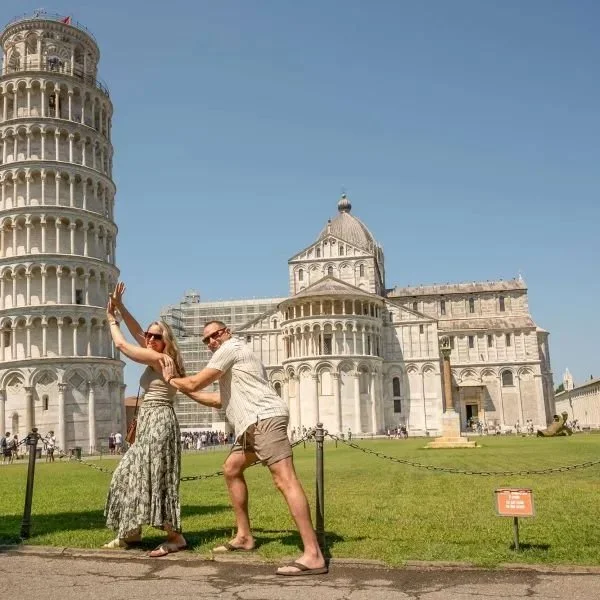
• Pisa – iconic leaning tower
• Siena – medieval square
• Lucca – walled historic centre
• Bologna – food capital
• Parma – culinary heritage
• Verona – Roman arena and romance
• Venice – canals and lagoon
• Rome – ancient empire and modern capital
• Vatican City – St Peter’s and the Sistine Chapel
• Naples – pizza and vibrancy
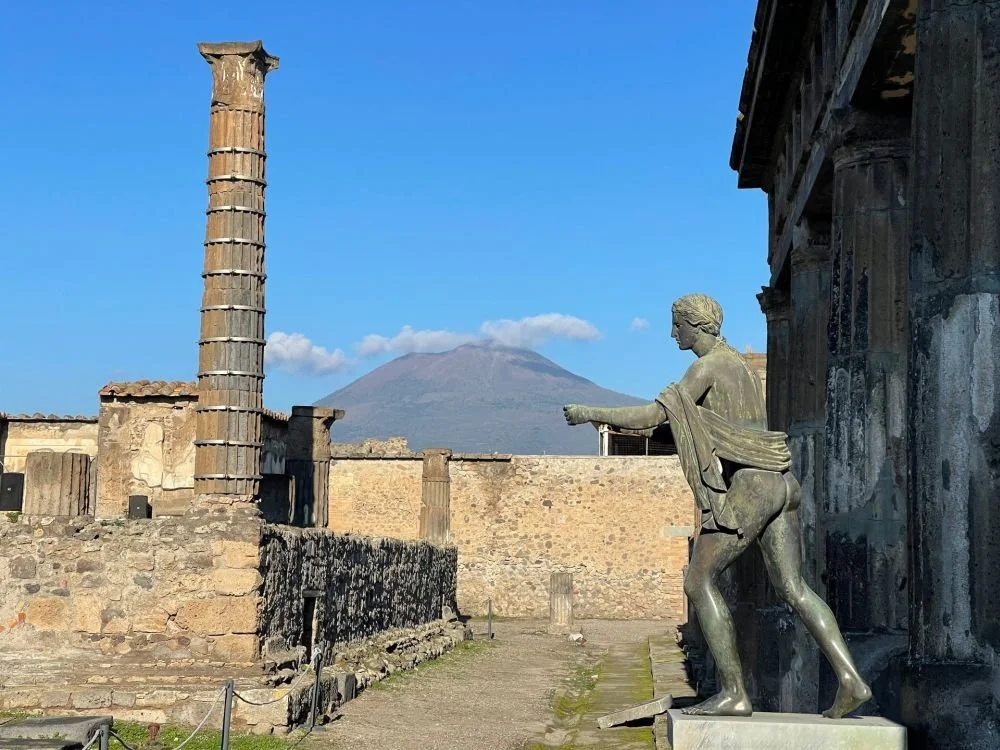
• Pompeii – preserved Roman city
• Amalfi Coast – dramatic coastal drives
• Orvieto – hilltop Umbria
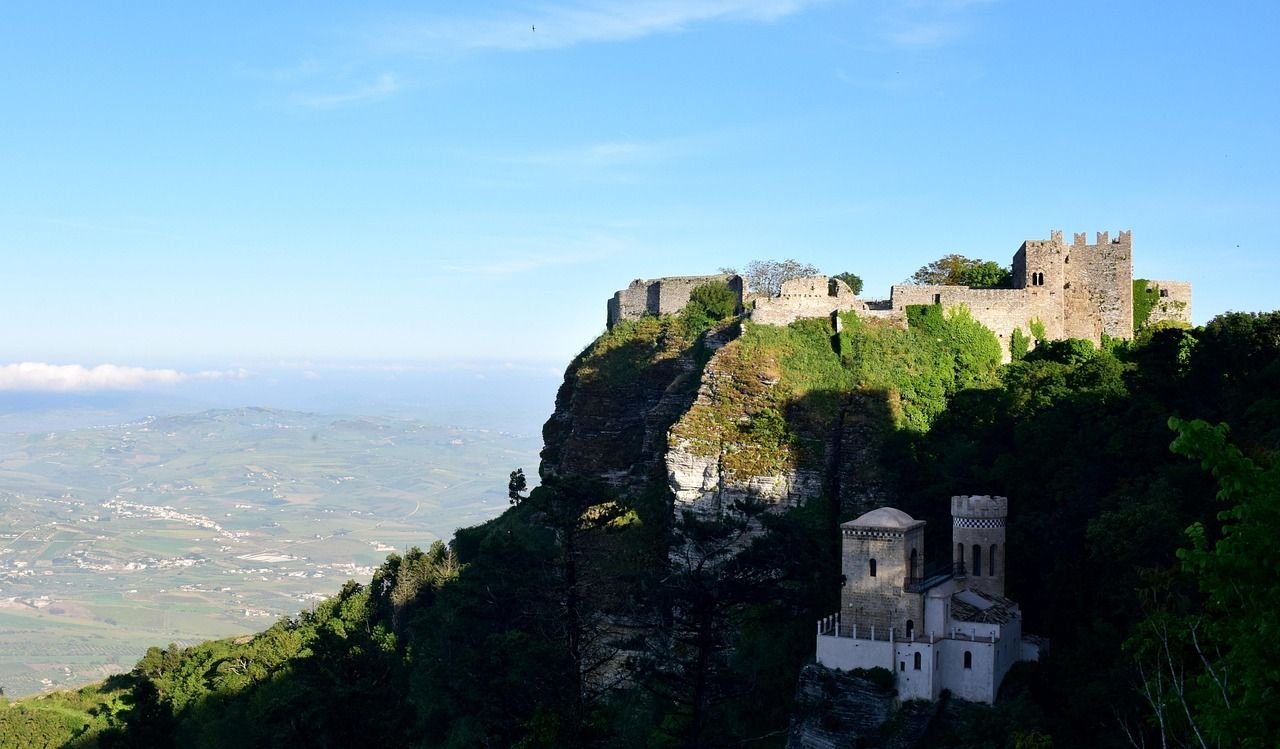
• Sicily – layered Mediterranean history
Italy’s transport system is one of Europe’s most efficient. High-speed rail handles long distances, regional trains connect historic towns, buses serve rural areas, and flights cover the far south.
With thoughtful planning — and a mix of trains, shuttles, ferries, and occasional private transfers — travelling around Italy is straightforward, flexible, and rewarding.
N.B. Prices shown are indicative and reflect typical costs in Italy as at February 2026.
Popular Destinations, Tours and Shuttle Services - Italy
-
![https://cristianrocchigianincc.it/florence-private-driver-ncc/]()
tour to Chianti, Cinque Terre, or Lucca
-
![https://tuscanybygc.com/en/]()
Florence private driver service
-
![https://www.ecoflorencetour.com/]()
discover Florence traveling in completely green electric vehicles
-
![https://www.discoverypisa.com/]()
small group guided tours of Pisa
-
![https://www.sitbusshuttle.com/en/]()
shuttle between Rome, Fiumicino Airport, & Ciampino Airport
-
![https://www.driverinrome.com/]()
Amalfi Coast private day trips
-
![Enjoy Pompeii Tours]()
guided tours of Pompeii




Slow Travel: The Art of Going Nowhere Fast
In a world shaped by checklists, bucket lists, and whirlwind itineraries, slow travel has emerged as a quiet rebellion.
Instead of racing between landmarks, slow travel invites you to stay longer, move less, and experience more. It’s about depth over distance. Presence over productivity. Connection over consumption.
And nowhere embodies this philosophy more naturally than Italy.
What Is Slow Travel?
The modern slow travel movement grew partly from Italy’s own Slow Food philosophy, founded in 1986 by Carlo Petrini in the town of Bra. Slow Food was a reaction against fast food and homogenised global culture. It championed local ingredients, traditional cooking, and time spent at the table.
Slow travel follows the same principle:
Stay longer in one place
Shop at local markets
Learn a few phrases of the language
Walk instead of rushing
Let unscripted moments shape your experience
It’s not about doing less — it’s about noticing more.
Why Italy Is Perfect for Slow Travel
Italy doesn’t reward rushing. It resists it.
1. The Rhythm of Italian Life
Italy runs on tempo umano — human tempo. Meals last hours. Shops close in the afternoon. Conversations unfold slowly. The ritual of la passeggiata — the evening stroll — is not an activity to “fit in.” It is the activity.
In cities like Florence or Bologna, you could spend a week simply moving between café, market, museum, and piazza without ever feeling the need to “cover ground.”
2. Regional Identity Over National Sameness
Italy is less a single culture than a mosaic of regions.
Spending two weeks in Tuscany is entirely different from lingering in Puglia or the hill towns of Umbria.
Each region has:
Its own dialect
Distinct cuisine
Unique architecture
Deep agricultural traditions
Slow travel allows you to absorb these subtleties rather than flatten them into a single “Italy experience.”
3. Italy’s Walkable Design
Before cars, before trains — there were piazzas.
Cities such as Siena, Verona, and Lucca were built for wandering. Streets curve. Corners surprise. Laundry hangs overhead. Bells mark the hours.
Slow travel in Italy often means simply walking without agenda — letting Renaissance churches, bakeries, and tiny wine bars reveal themselves.
Slow Travel Experiences in Italy
Stay in an Agriturismo
An agriturismo — a working farm offering accommodation — is one of Italy’s most authentic slow travel experiences. You wake with the countryside, eat seasonal produce grown on-site, and learn how deeply food and land are connected.
Rent, Don’t Rush
Instead of five cities in ten days, choose one base. For example:
Base yourself in Orvieto and explore surrounding villages slowly.
Stay in Lecce and discover the quieter Salento coastline.
Spend a full week in Parma tasting Parmigiano Reggiano and prosciutto at the source.
Travel by Train — But Fewer of Them
Italy’s rail network makes it easy to move between cities, but slow travel means resisting the urge to constantly relocate. Even iconic routes — say between Rome and Venice — become more meaningful when spaced by days rather than hours.
The Psychological Shift
Slow travel in Italy changes how time feels.
When you sit in a piazza with an espresso and nowhere to be, something recalibrates. You begin to see details: the way light hits terracotta at dusk, the choreography of market vendors, the rhythm of church bells echoing through stone streets.
Instead of returning home exhausted, you return grounded.
Why Slow Travel Is Growing
Modern travellers are increasingly seeking:
Sustainability
Cultural authenticity
Mental reset
Meaningful human interaction
Italy — with its layered history, strong regional identity, and resistance to hurried living — naturally supports this approach.
The Essence of Slow Travel in Italy
You don’t “do” Italy slowly.
You live it.
You linger over wine in a small trattoria. You return to the same café until the barista knows your order. You watch life unfold rather than trying to conquer it.
And somewhere between the morning cappuccino and the evening passeggiata, you realise the most memorable part of Italy wasn’t the monument — it was the moment.
ShuttlesA2B - explore Sicily