ShuttlesA2B - Articles
ShuttlesA2B - Articles
Synopses
The Americas
Nicaragua vs Costa Rica: Why Travelers Are Choosing Nicaragua in 2026
Coffee in Costa Rica: History, Regions, Terroir & Specialty Coffee Culture
Why Is Panama One of the Best Retirement Destinations in Central America?
The Island Where the Caribbean Met Pirates (Dominican Republic)
Europe
Asia
Oceania
Travel Stories & Cultural Insights
ShuttlesA2B exists to help travellers move — between airports, across borders, through cities and landscapes. But movement is only one dimension of travel.
This collection of articles explores another.
Here we look beyond logistics to the deeper character of a place: the myths that shaped it, the histories that still echo through its streets, the cultural rhythms that define everyday life, and the forces that continue to influence it today.
These are not comprehensive travel guides. They are reflections. Essays. Observations. Context.
Some pieces examine defining moments in history. Others explore national identity, artistic influence, migration, slow travel, or the subtle reasons certain destinations draw backpackers, retirees, digital nomads, or global attention.
Together, they form a companion to practical travel — offering insight before departure, perspective during the journey, and understanding that lingers long after returning home.
We provide a glimpse.
The rest is yours to discover.
Teaching English in Ecuador, Retiring, and Life in the Expat Community
Ecuador attracts long‑term visitors ranging from English teachers to retirees and expats seeking an affordable, culturally rich lifestyle. Teaching English is a common entry point for younger travellers, with most jobs in major cities and modest salaries that cover basic living costs.
Retirees are drawn by mild climates, lower expenses, and accessible healthcare, especially in cities like Cuenca and Quito. Expat communities are diverse and spread across the country, offering social networks, language exchanges, and a relaxed pace of life. While bureaucracy and infrastructure can pose challenges, those who adapt easily find Ecuador a rewarding and grounded place to live
Bohemian Valparaíso: Chile’s City of Poets, Painters, and Beautiful Chaos
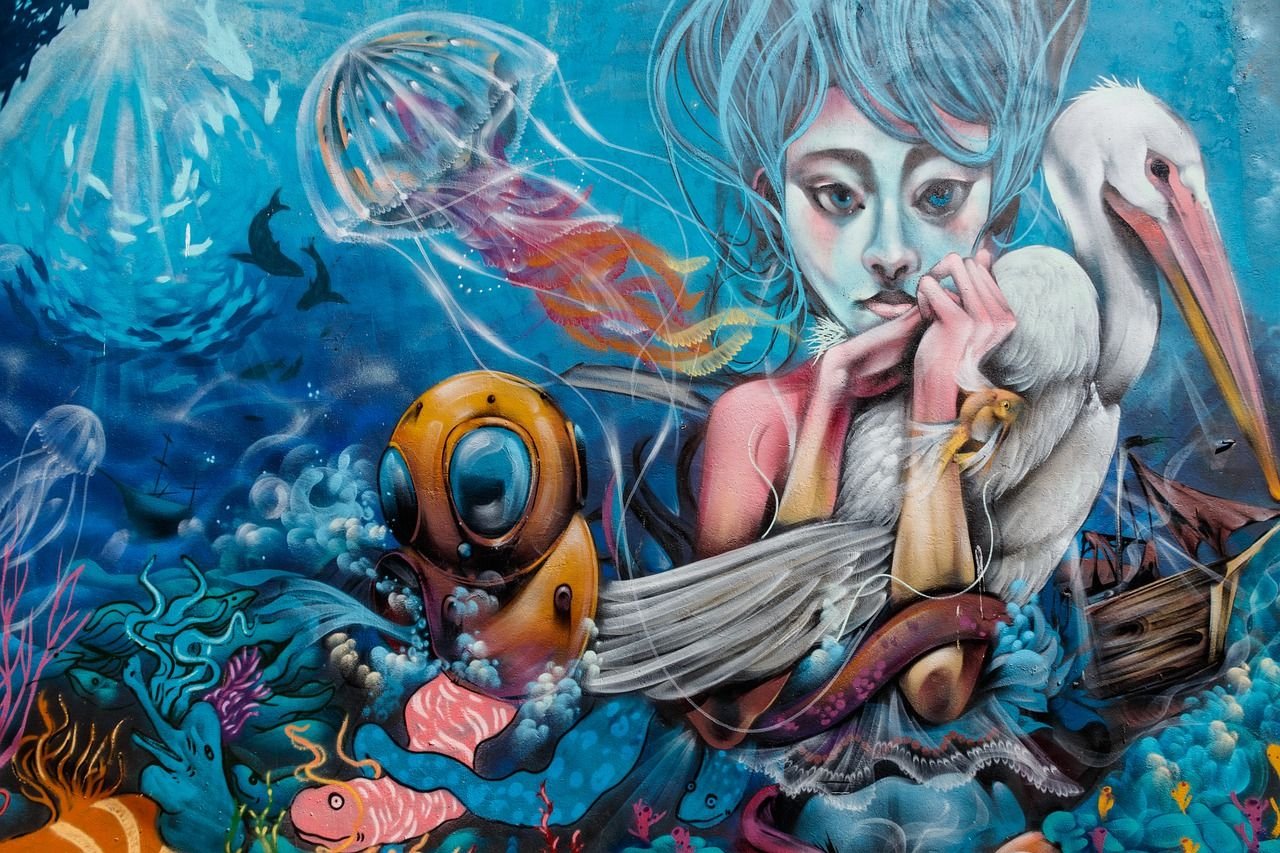
Valparaíso is Chile’s bohemian heart — a chaotic, colourful port city where artists, poets, musicians, and wanderers have shaped its identity for generations. Built across steep hills covered in murals, stairways, and improvised creativity, the city thrives on expression rather than order. Its cafés, bars, and neighbourhoods double as informal cultural spaces, while poetry and street art spill into everyday life. Though rough around the edges, Valparaíso’s beauty comes from its resilience and authenticity. It remains a place for outsiders, dreamers, and anyone drawn to cities with soul rather than polish.
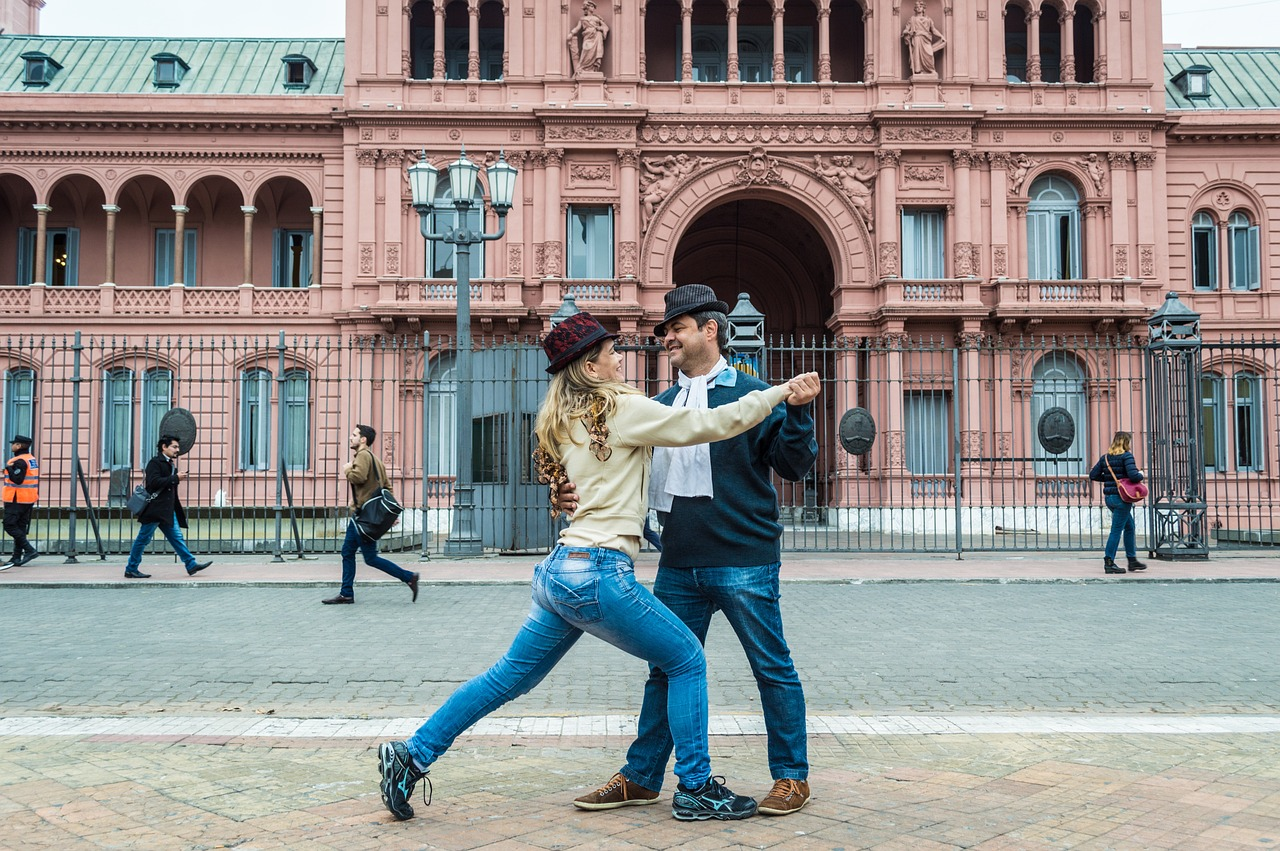
Evita
Eva Perón rose from rural poverty to become Argentina’s most emotionally powerful public figure, transforming from actress to First Lady and the symbolic heart of Peronism in just a few years. Her influence came from empathy and direct connection with the working poor, making her adored by supporters and fiercely criticised by opponents. Her early death at 33 froze her image in myth, and today she remains a deeply felt presence in Buenos Aires — visible in museums, murals, and public memory. Evita endures not just as a political icon, but as a figure who touched Argentina’s identity, passions, and contradictions in a way that still resonates.
Why Backpackers Are Drawn to Caye Caulker
Caye Caulker is one of the Caribbean’s most backpacker‑friendly islands, known for its “Go Slow” lifestyle, budget‑friendly stays, and easy access to the Belize Barrier Reef. Travellers are drawn to its relaxed pace, social atmosphere, affordable snorkelling and diving, and simple island infrastructure that feels safe and manageable for solo visitors.
With no cars, plenty of hostels, casual food spots, and a naturally social vibe centred around The Split, it fits seamlessly into Central America backpacking routes. Its mix of turquoise water, reef adventures, and unpretentious charm makes it a favourite stop where short stays often turn into longer ones.
Travelling Through Mexico and Central America: How Modern Explorers Move, Connect, and Discover
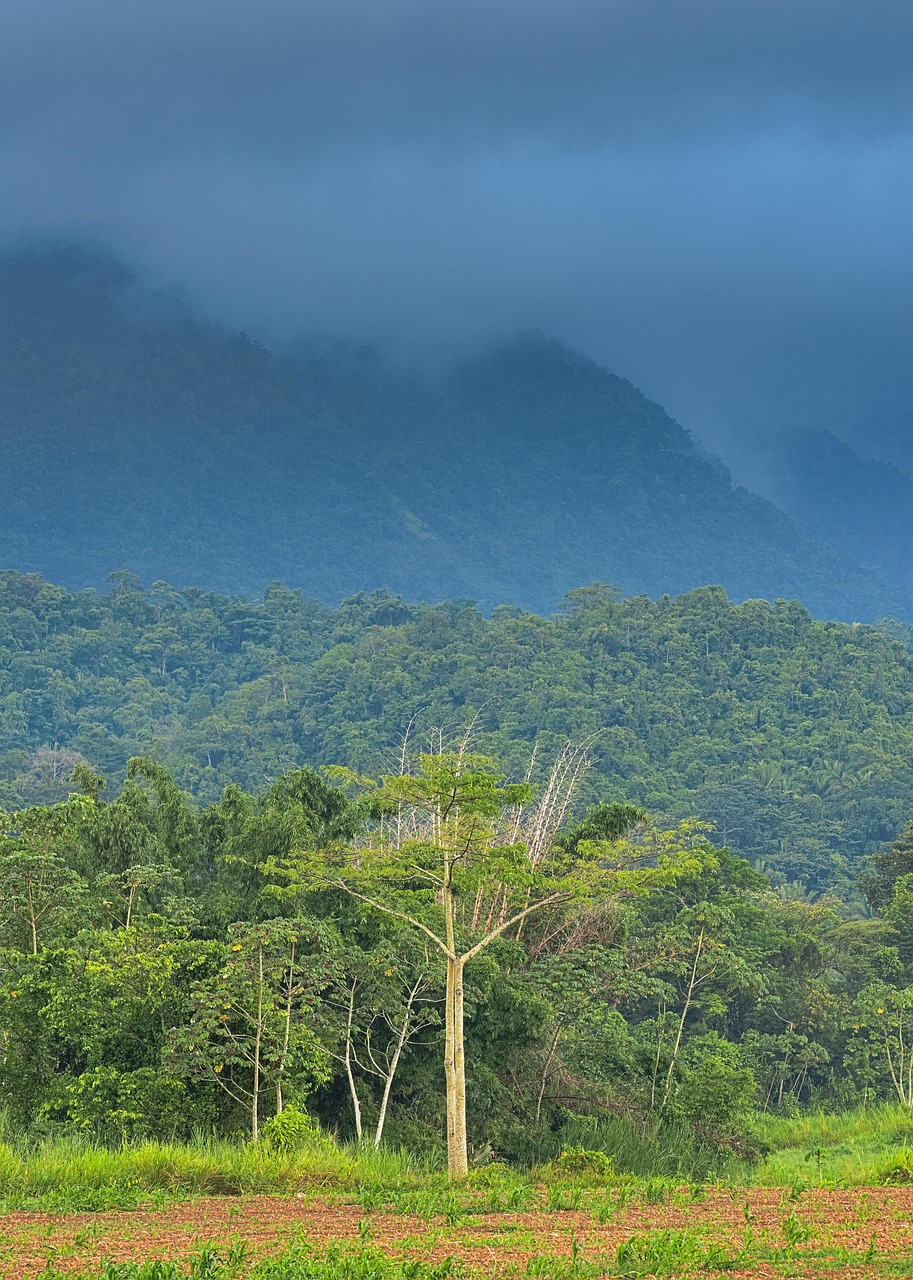
Modern travel through Mexico and Central America is defined by flexibility, overland movement, and strong digital connectivity. Travellers — mostly independent, budget‑minded, and often on long multi‑country routes — move by buses, shuttles, rideshares, and occasional budget flights, adjusting plans as they go. Social media, hostel networks, and messaging apps shape how they research, connect, and organise transport.
Popular stops include Mexico, Guatemala, Costa Rica, Panama, Belize, and Nicaragua, each offering distinct landscapes and cultures. While the Darién Gap prevents continuous overland travel into South America, the region remains one of the world’s great travel corridors, blending history, diversity, and the communal spirit of independent exploration.
Why the Azores is Perfect for Remote Work and Digital Nomads
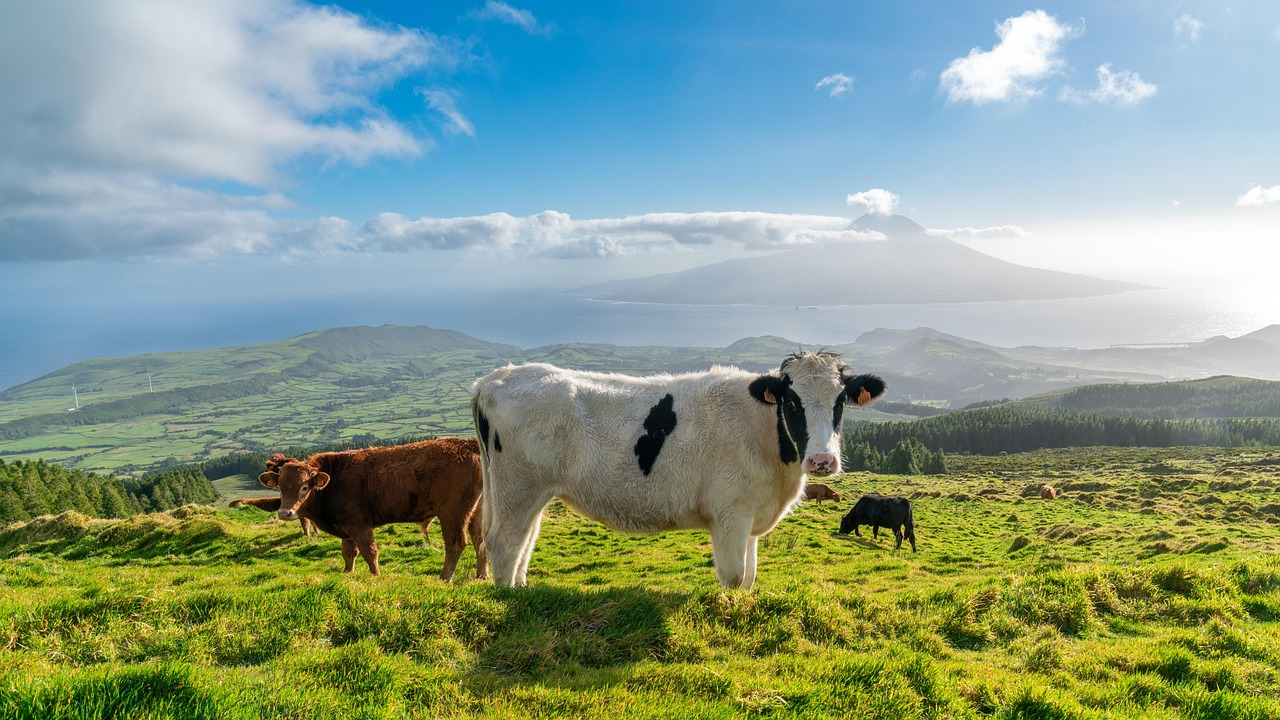
The Azores are emerging as an ideal base for digital nomads thanks to reliable internet, co‑working spaces, and a lower cost of living than mainland Portugal. Remote workers benefit from a high quality of life shaped by volcanic landscapes, crater lakes, and a relaxed island pace that supports focus and creativity.
With easy European flight connections, welcoming communities, and Portugal’s D7 visa enabling long‑term stays, the Azores offer a rare blend of productivity, nature, and affordability — a balanced, inspiring environment for remote work.
The Pillars of Hercules: Where the Ancient World Ended
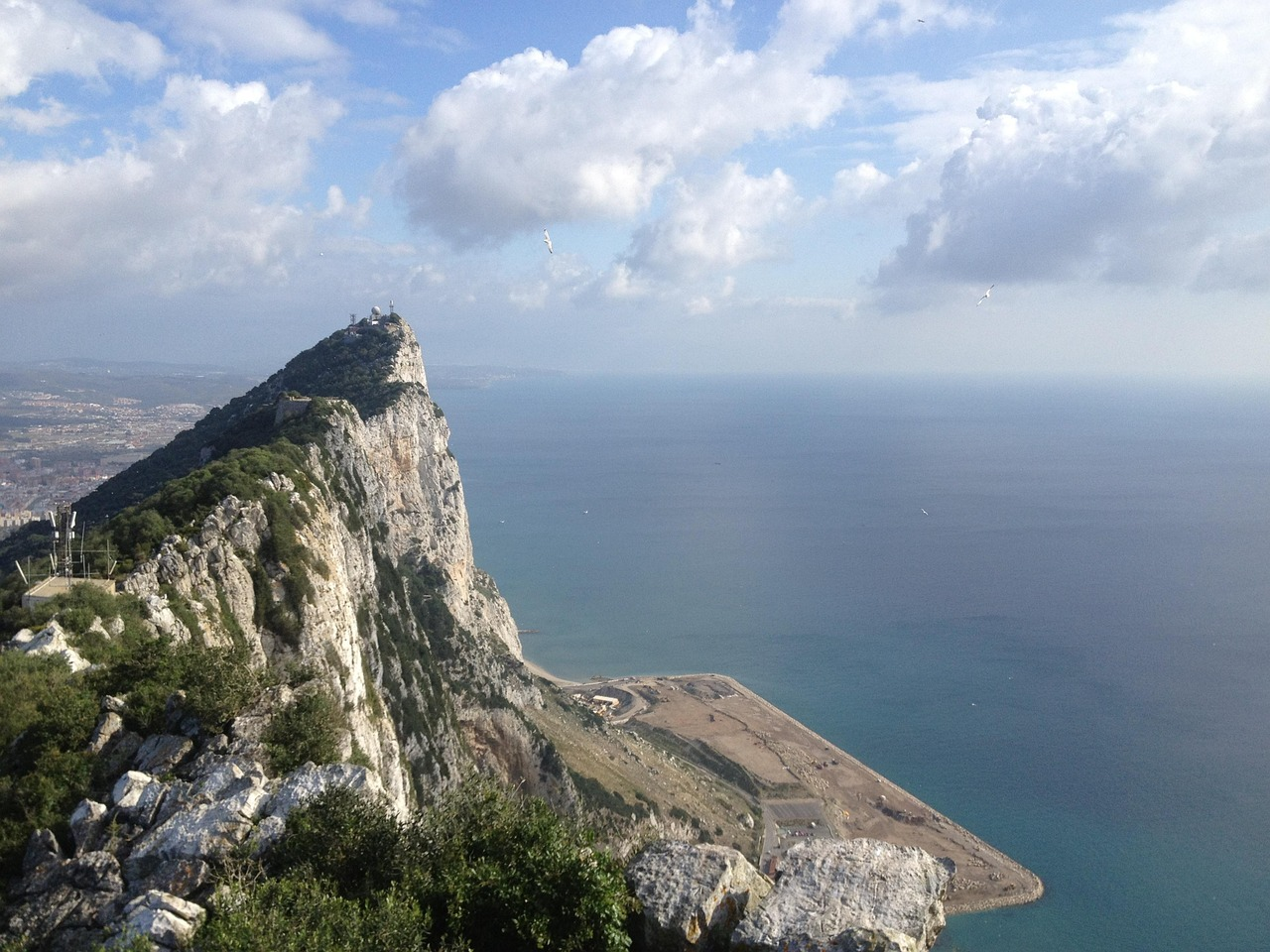
The Pillars of Hercules — the Rock of Gibraltar and Jebel Musa — marked the mythical edge of the ancient world, where the Mediterranean ended and the unknown Atlantic began. Rooted in the legend of Heracles’ tenth labour, the pillars symbolised both a physical gateway and a warning not to venture further. Classical writers treated them as the limits of human reach, a boundary captured in the phrase Non plus ultra.
Over time, the symbolism evolved, especially during Spain’s Age of Exploration, when “Plus Ultra” came to represent pushing beyond old horizons. Today, visitors to Gibraltar can see the strait where myth and geography meet, a reminder of how each era defines — and challenges — its own boundaries.
Coffee in Costa Rica: History, Regions, Terroir & Specialty Coffee Culture
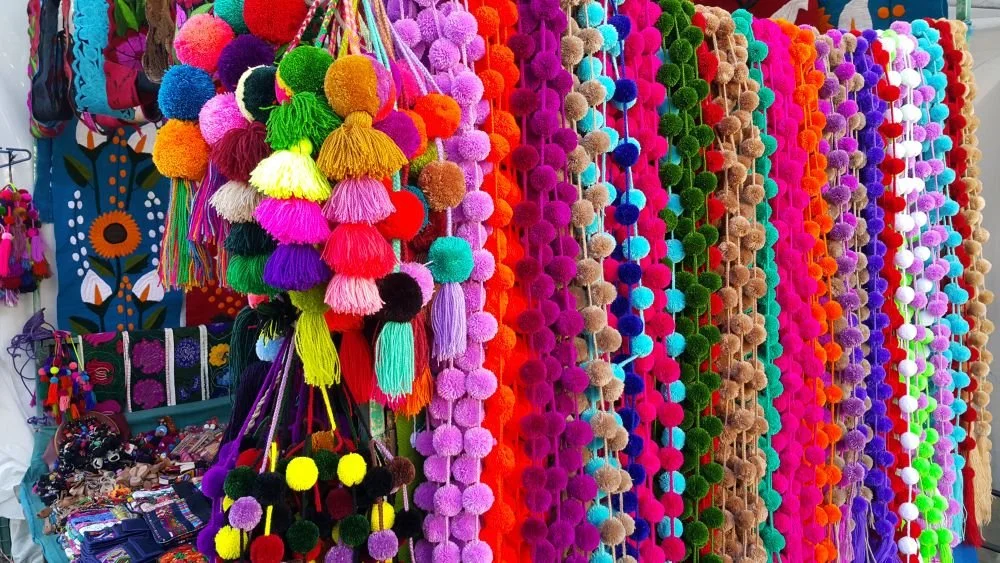
Coffee in Costa Rica is internationally respected for its high-quality Arabica beans, volcanic soils, and innovative processing methods. Introduced in the late 18th century, coffee became the backbone of the economy, shaped by small family farms and a national commitment to quality — reinforced in 1989 when the country banned Robusta cultivation.
Distinct growing regions such as Tarrazú, Central Valley, West Valley, and Tres Ríos produce diverse flavor profiles influenced by altitude and microclimate. While traditionally known for clean washed coffees, Costa Rica has become a leader in honey and natural processing.
With a thriving specialty café scene in San José and strong export markets worldwide, Costa Rican coffee remains a global benchmark for quality, traceability, and innovation.

Frida Kahlo
Frida Kahlo transcended art history to become a global emotional symbol — a painter, survivor, feminist icon, and political thinker whose life was inseparable from her work. Through unflinching self-portraits shaped by illness, injury, love, and loss, she transformed personal pain into powerful visual identity, inviting recognition rather than sympathy.
Though once known mainly within Mexico, Frida’s international rise was fueled by feminist movements, cultural reclamation, and a global search for authenticity. Her image is instantly recognisable, but it is her story — rooted deeply in Mexican history and identity — that sustains her legacy.
In Mexico City, especially in Coyoacán, her presence remains tangible. The Frida Kahlo Museum — her former home, La Casa Azul — feels less like a museum and more like a pilgrimage site, offering visitors an intimate connection to her life. Today, Frida endures not merely as an icon, but as a lasting symbol of resilience, identity, and unapologetic self-expression.
Why Is Panama One of the Best Retirement Destinations in Central America?
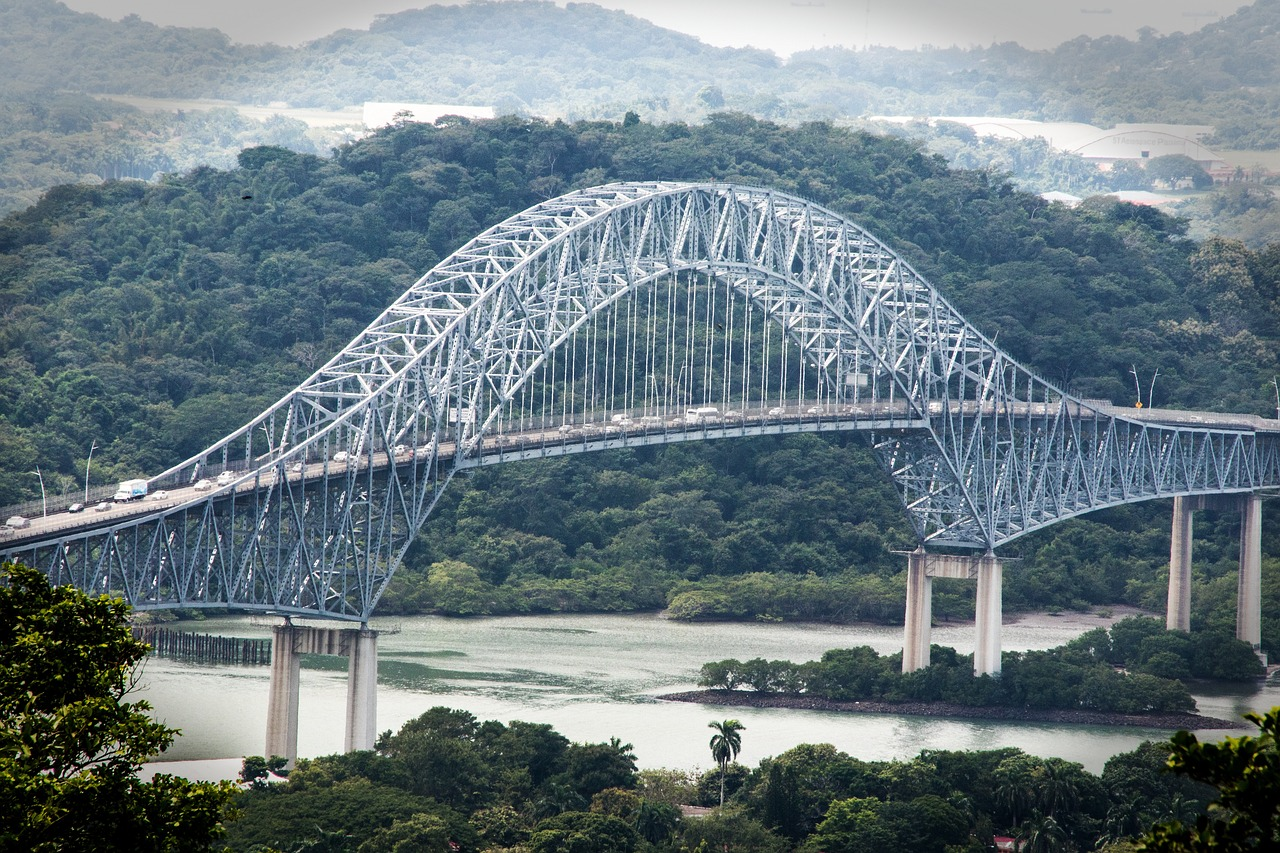
Panama has become one of Central America’s most attractive retirement destinations thanks to its generous Pensionado Visa program, stable dollar-based economy, modern healthcare system and diverse lifestyle options. From cosmopolitan living in Panama City to the cool highlands of Boquete and the beaches of Bocas del Toro, retirees can choose the climate and pace that suits them best.
With permanent residency benefits, significant retiree discounts, a territorial tax system and an established expat community, Panama offers both financial advantages and everyday comfort. For travellers who fall in love with the region, it stands out as a practical, stable and lifestyle-rich option for long-term living in Latin America.
The Story Behind Reggae Music: The Heartbeat of Jamaica?
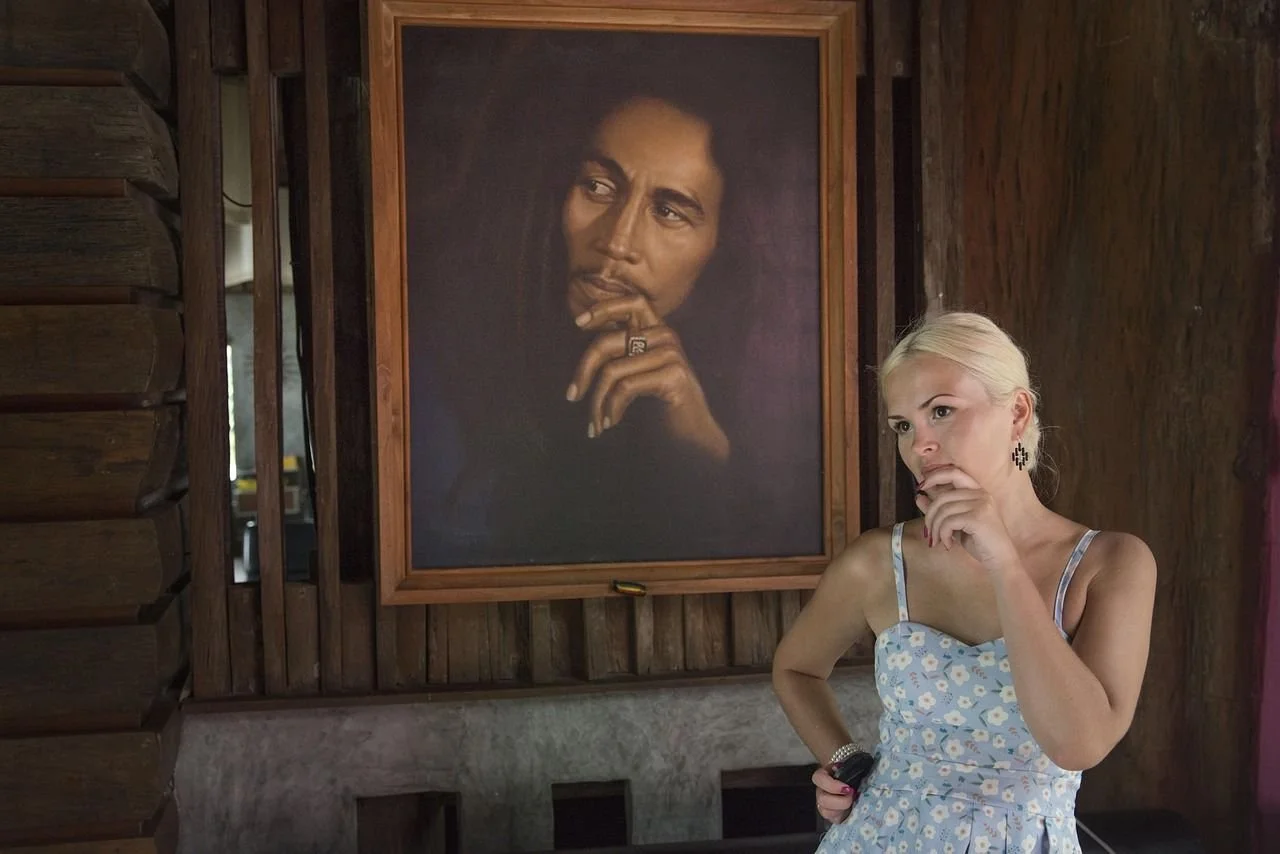
Reggae is more than music. It is the rhythm of Jamaica’s history, struggle, faith, and pride. Born in the late 1960s from the sounds of ska and rocksteady, it became a powerful voice for communities across the island, carrying messages of unity, resistance, and hope.
Deeply connected to Rastafari and shaped in the streets of Kingston, reggae grew from local expression into a global force that influenced generations of artists around the world. Yet nowhere does it feel more alive than in Jamaica itself, where its steady bass line and unmistakable offbeat remain woven into everyday life.
The Mythology Behind the Name Sardinia — With Archaeological Sites You Can Visit Today
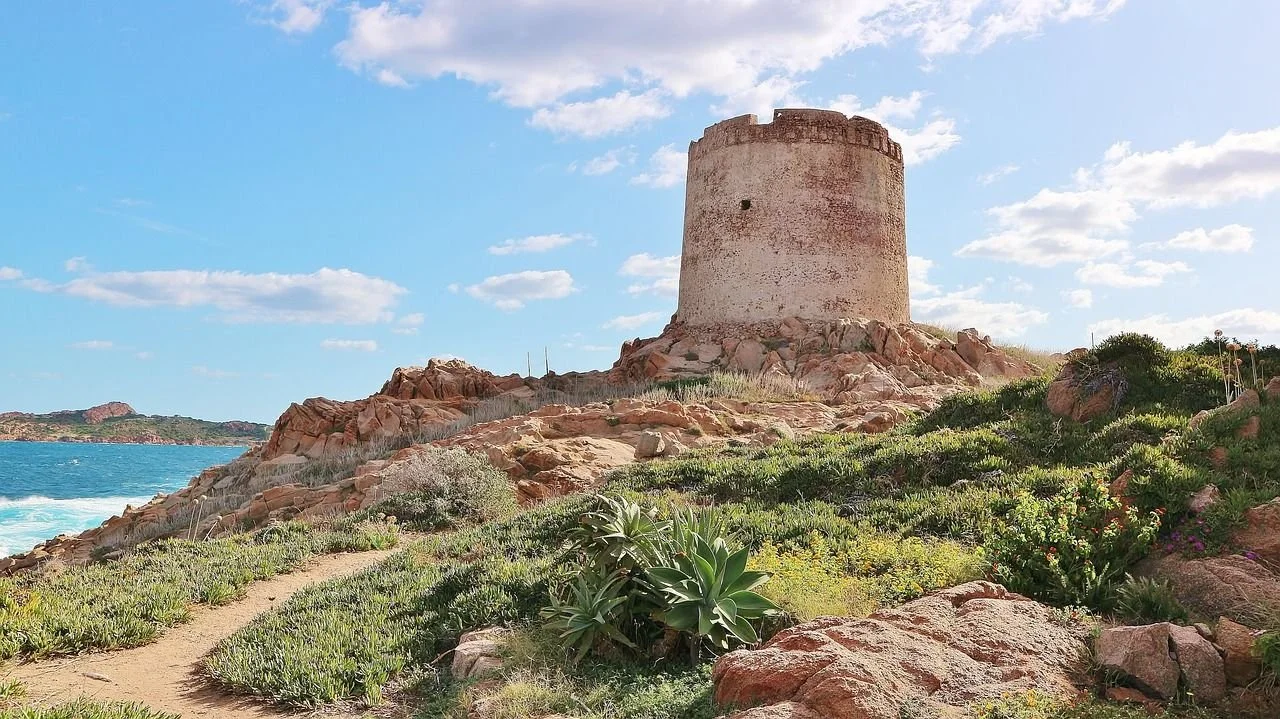
The name Sardinia carries layers of myth, legend, and archaeological memory that stretch deep into the Bronze Age. Linked in ancient tradition to the heroic figure Sardus Pater and possibly to the enigmatic Shardana of Mediterranean lore, the island’s identity is embedded not only in story but in stone.
Across Sardinia, prehistoric and classical sites give tangible form to these origins. From the monumental nuraghe towers of Su Nuraxi di Barumini and Nuraghe Losa, to the village complex of Serra Orrios and the metallurgical sanctuary at S'Arcu 'e Is Forros, visitors encounter the physical remains of a civilisation that shaped the island’s earliest identity. Hidden mountain settlements like Tiscali, Phoenician-Roman ruins at Tharros, and prehistoric tombs at Necropolis of Is Loccis-Santus further reveal how myth, ancestry, trade, and landscape intertwine.
Together, these sites transform the island’s name from a legend into a lived experience — where mythology, archaeology, and Mediterranean history converge in the enduring identity of Sardinia.
Slow Travel: The Art of Going Nowhere Fast — Synopsis
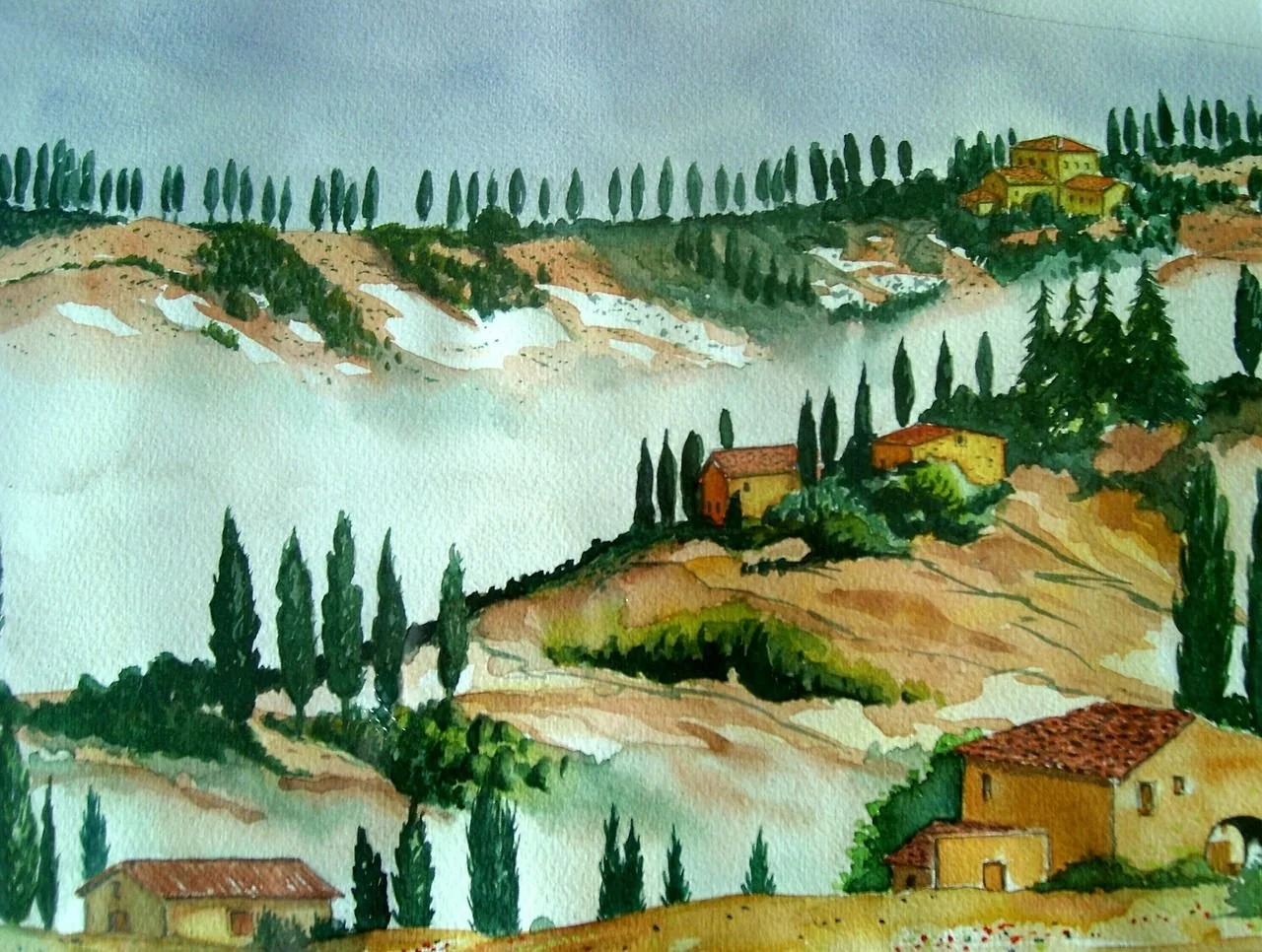
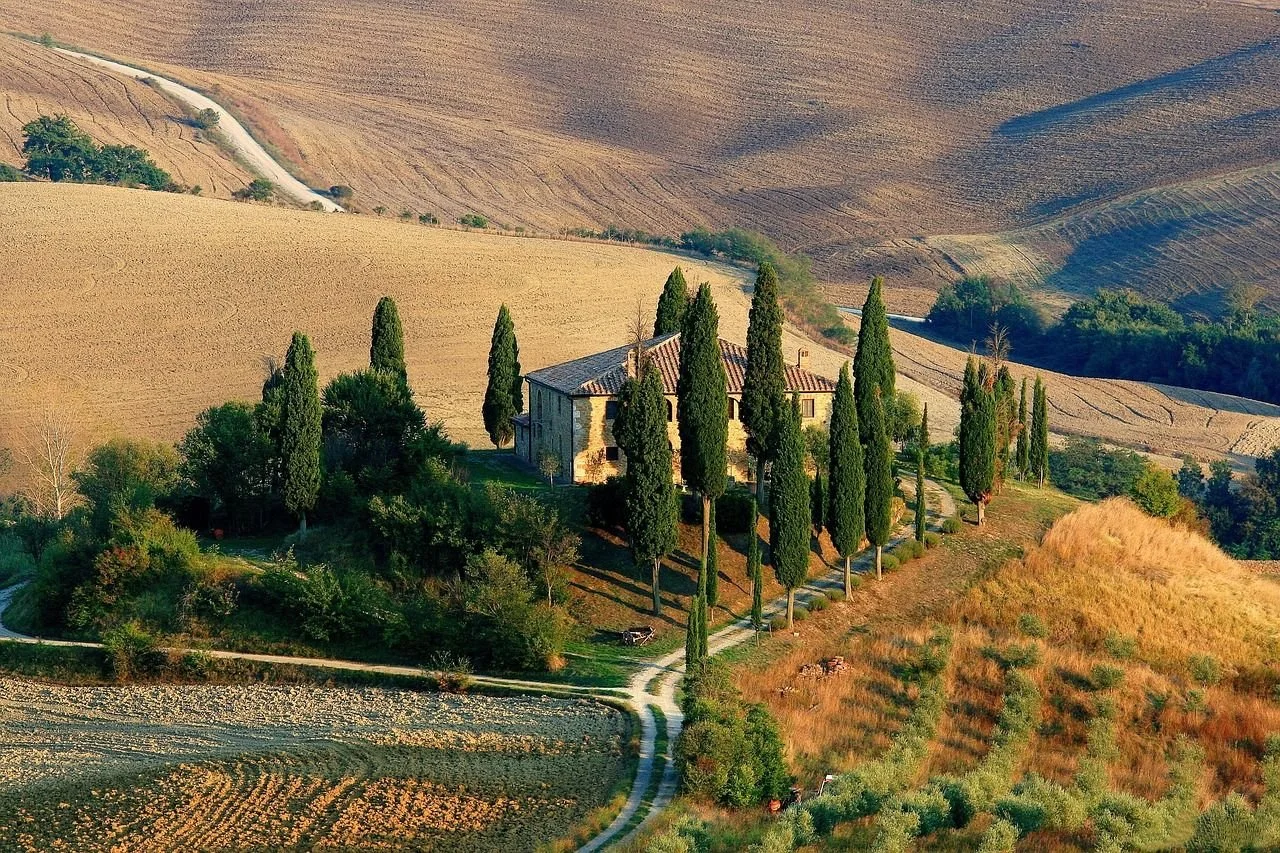
In a culture obsessed with speed and checklists, slow travel offers a different way to experience the world — one rooted in presence, depth, and connection. Inspired by Italy’s Slow Food origins in Bra under Carlo Petrini, this philosophy favours staying longer, moving less, and allowing daily life to unfold naturally.
Italy, with its human rhythm, strong regional identities, walkable historic cities, and traditions like the evening passeggiata, provides the perfect setting for this approach. Whether lingering in a single hill town, staying at an agriturismo, or returning each morning to the same neighbourhood café, slow travel transforms a trip into something more grounded and meaningful.
Rather than conquering destinations, it invites you to live them — discovering that the most lasting memories are often found in unplanned moments between the landmarks.
Sicily in Ancient Times – And the Living Legacy Visitors Can Experience in 2026 — Synopsis
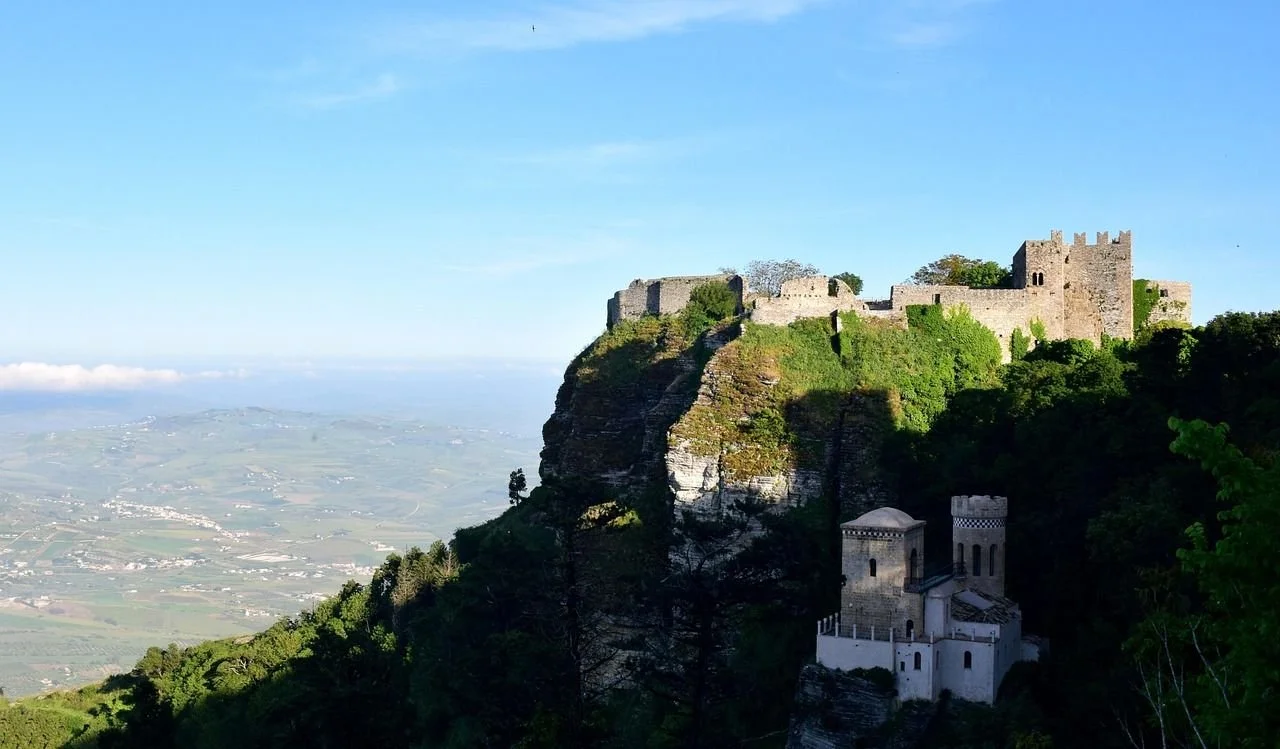
At the crossroads of Europe and North Africa, Sicily has long been shaped by powerful civilisations — and in 2026, that layered history remains vividly accessible. Once part of Magna Graecia, the island flourished under Greek rule, leaving behind extraordinary sites such as the Valley of the Temples in Agrigento and the still-active Greek Theatre in Syracuse.
Successive eras added further depth: Carthaginian strongholds like Mozia, Roman grandeur at Villa Romana del Casale, and the enduring presence of Mount Etna — Europe’s most active volcano — all contribute to Sicily’s remarkable continuity.
What sets Sicily apart is not just the preservation of its ruins, but how seamlessly ancient and modern life intertwine. Visitors can attend performances in classical theatres, walk through cities built on Greek grids, and explore temples that still dominate the landscape. In 2026, Sicily offers more than historic remnants — it offers immersion in one of Europe’s most complete and living ancient worlds.
Swiss Time: Watches, Precision, and a National Obsession with Time
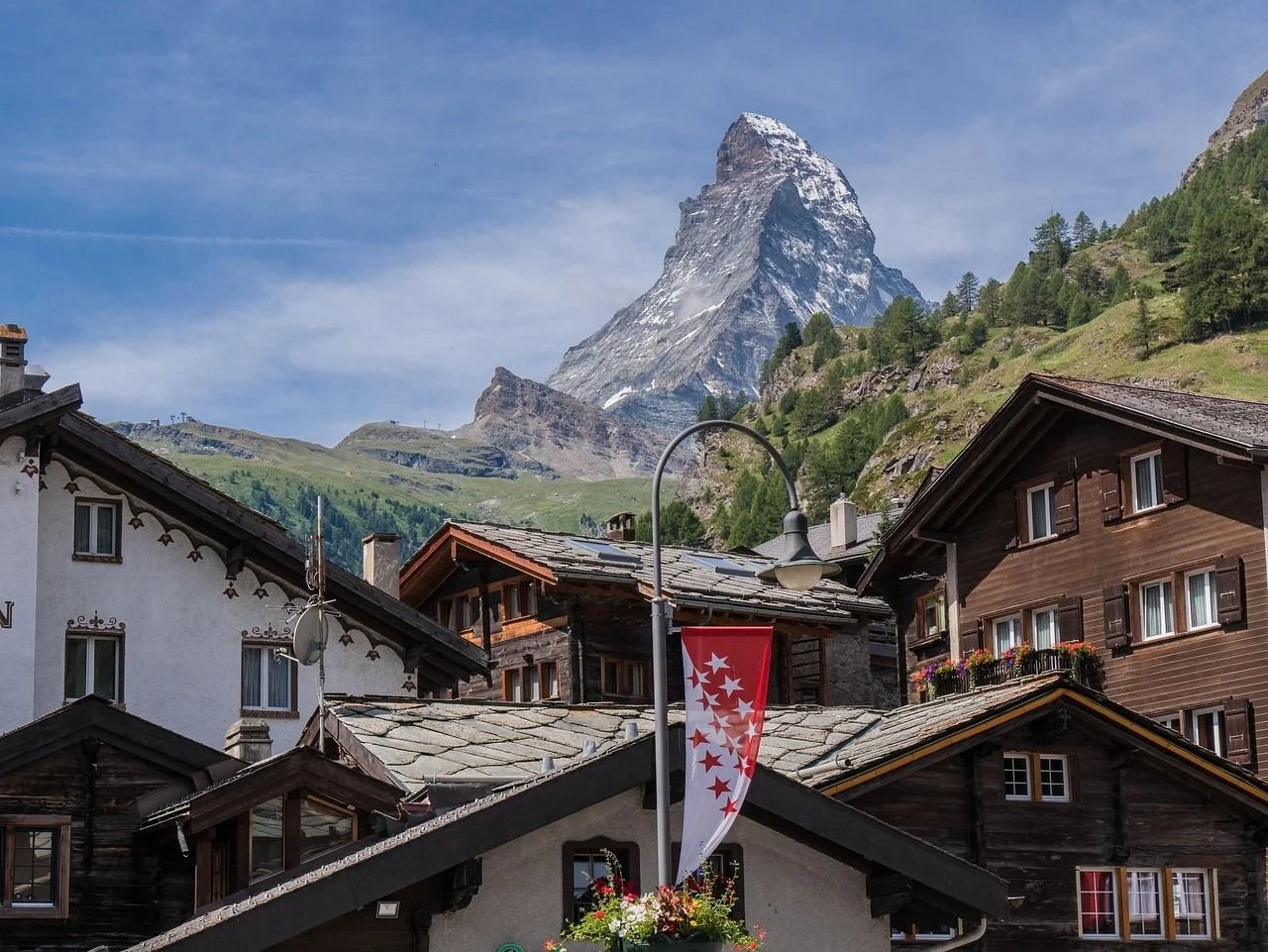
In Switzerland, time is treated as something to be respected rather than rushed. From world-renowned watchmaking centres like La Chaux-de-Fonds, Biel/Bienne, and Geneva to flawlessly coordinated public transport, precision and reliability shape both industry and everyday life. Beyond punctuality, this cultural mindset values balance — structured systems, protected downtime, and time spent in nature. The result is a country that feels calm, intentional, and quietly confident, where time is not chased, but used well.
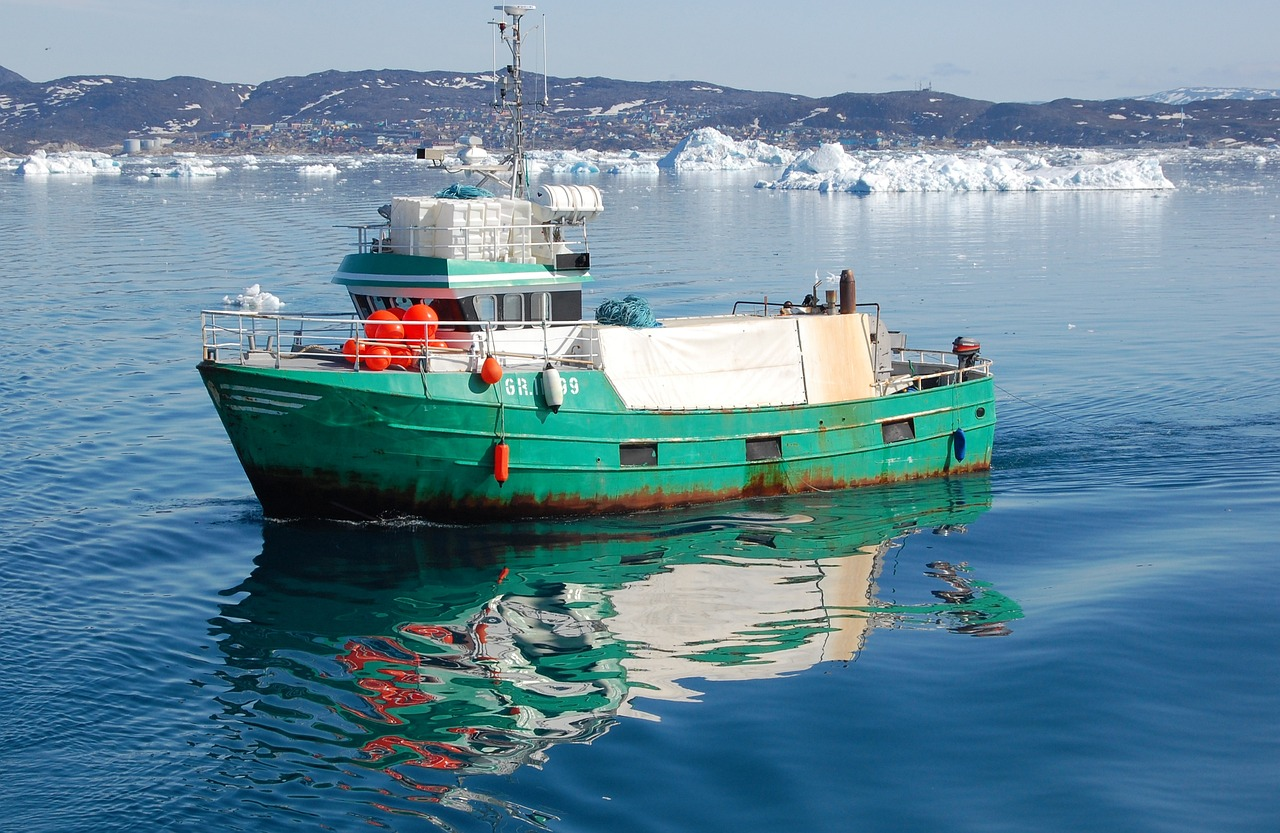
Greenland, Global Attention, and Self-Determination
An autonomous territory within the Kingdom of Denmark, Greenland continues to place self-determination at the heart of its political life, with many citizens supporting the possibility of full independence. Recent remarks by U.S. President Donald Trump about Greenland’s strategic Arctic importance reignited global attention, but Greenlandic leaders responded with a clear and unified message: the island’s future belongs solely to its people. Far from unsettling the nation, international scrutiny has strengthened its resolve to shape its own path — balancing independence, economic development, and global partnerships on its own terms.
Paul Gauguin and the Invention of a South Pacific Dream — Synopsis
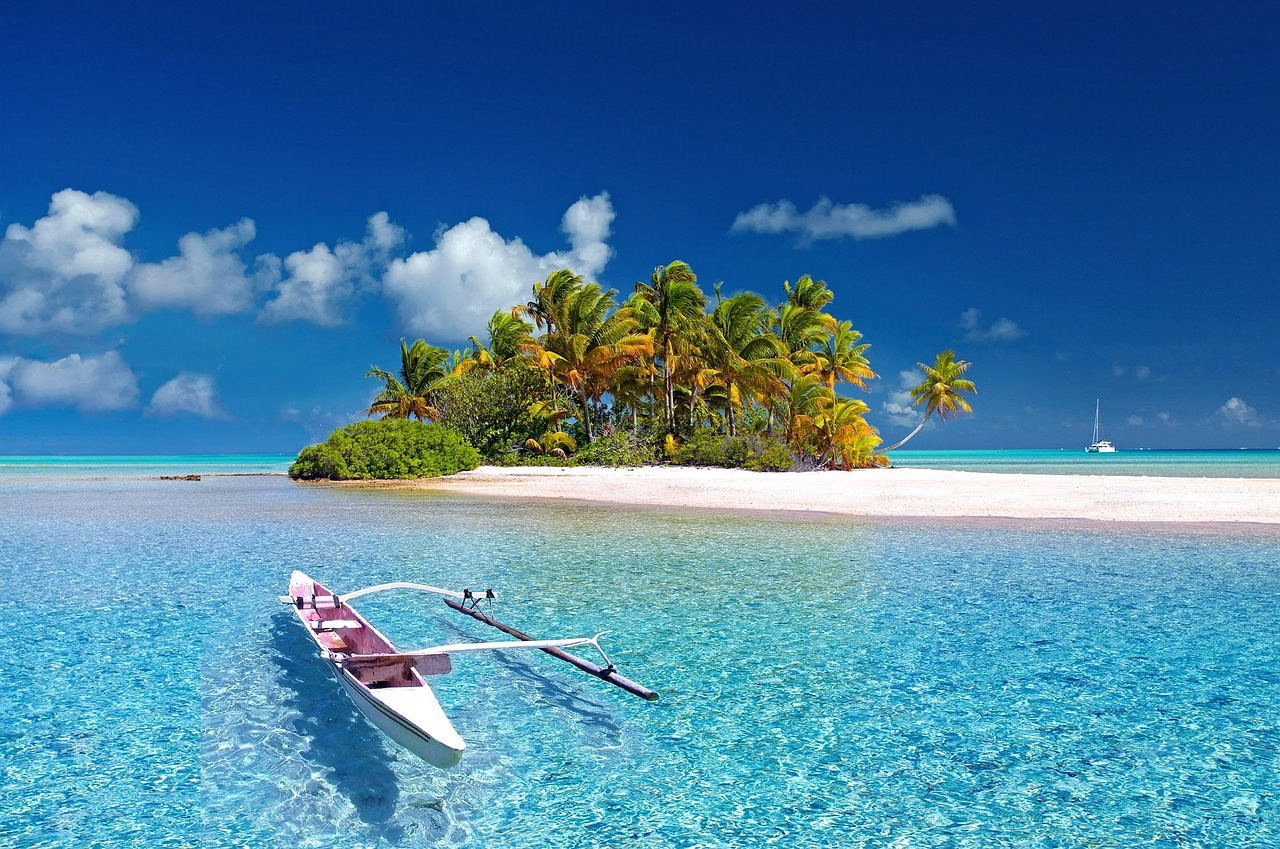
Paul Gauguin profoundly shaped Western perceptions of the South Pacific through his vivid paintings of Tahiti and wider French Polynesia. Seeking escape from Europe in 1891, he portrayed Polynesia as a timeless, sensual paradise, using saturated colour, stylised forms, and spiritual symbolism to create an enduring visual mythology. Although his works were not literal depictions of places like Bora Bora, they helped embed the idea of the tropical Eden in Western imagination — an aesthetic later echoed in tourism imagery, resort branding, and travel fantasy.
Yet Gauguin’s legacy is complex. Modern perspectives highlight the colonial lens, romanticisation, and ethical concerns surrounding his life and representations. His paintings expressed emotional longing more than objective reality, projecting European desires onto Polynesian landscapes and people.
Today, Tahiti and Bora Bora are dynamic, living societies shaped by heritage, globalisation, and tourism — far more nuanced than the dream he painted. Still, Gauguin’s vision of escape, colour, and elemental beauty continues to influence how travellers imagine the South Pacific, revealing how art can shape destinations long before visitors arrive.
Hawaii
Published in 1959, the same year Hawaii became the 50th U.S. state, James A. Michener’s sweeping historical epic introduced millions of readers to the islands’ volcanic origins, Indigenous culture, missionary era, plantation economy, waves of Asian and European immigration, the overthrow of the monarchy, and the path to statehood.
Blending meticulous research with multi-generational fictional families, the novel framed Hawaii as a cultural crossroads shaped by migration and labour history — an interpretation that deeply influenced mainland American and international perceptions. It helped popularise the islands beyond a tropical fantasy, while also reinforcing mid-20th-century narratives of American incorporation and inevitability.
Later adapted into a 1966 Hollywood film, the book became a cultural touchstone, shaping tourism imagery and public understanding for decades. Today, it is viewed both as an ambitious literary landmark and as a product of its era — increasingly read alongside Native Hawaiian scholarship and contemporary perspectives that challenge and expand its portrayal of the islands’ complex past.
Why New Zealand Is a World-Class Film Location:
From Middle-earth to Pandora
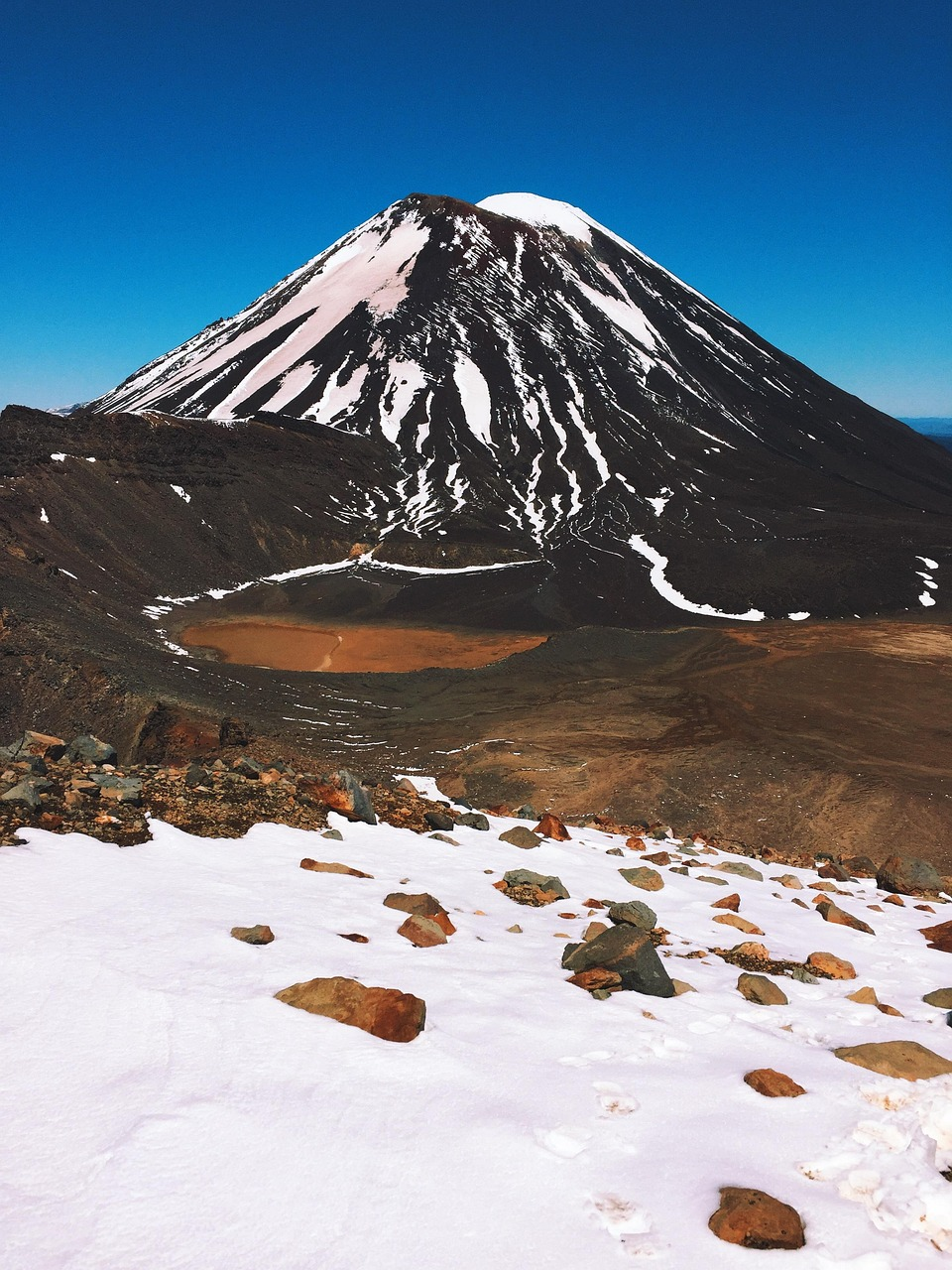
New Zealand has established itself as one of the world’s premier film locations, combining extraordinary natural diversity with advanced production infrastructure and creative expertise. Its mountains, rainforests, lakes, coastlines, and rolling plains provide filmmakers with a versatile backdrop capable of representing multiple worlds within a single country.
The nation rose to global prominence through The Lord of the Rings and The Hobbit, directed by Peter Jackson, which transformed its landscapes into Middle-earth and sparked a surge in film tourism. More recently, Avatar: The Way of Water, directed by James Cameron, has further cemented the country’s reputation as a hub for large-scale, visually ambitious productions.
Supporting this success is Wellington-based Weta Workshop, renowned for its groundbreaking practical effects and design work, and its public-facing Weta Workshop Visitor Centre, which draws film enthusiasts from around the world.
Blending cinematic landscapes with technical innovation and local talent, New Zealand continues to attract global filmmakers while inviting visitors to step into the real-world settings of some of cinema’s most iconic stories.
The Legend of Kaldi and the Dancing Goats — Synopsis
According to Ethiopian folklore, a young goatherd named Kaldi discovered coffee after noticing his goats became lively and sleepless upon eating bright red berries. When monks roasted the discarded berries and brewed them into a drink, they found it helped them stay awake during prayer — giving rise, legend says, to the first coffee.
Though the tale is unverified, coffee’s true origins lie in the highlands of Ethiopia, particularly the Kaffa region. From there, cultivation spread to Yemen and across the Islamic world before reaching Europe. Ethiopia remains the genetic homeland of Coffea arabica, producing celebrated coffees from regions such as Yirgacheffe and Harrar.
Central to Ethiopian culture is the traditional coffee ceremony — a communal ritual of roasting, grinding, and brewing that symbolises hospitality, respect, and spiritual connection. Today, Ethiopia stands at the heart of the global specialty coffee movement, valued both for its wild coffee forests and its distinctive floral, citrus, and fruit-driven flavour profiles.
Whether myth or memory, the story of Kaldi endures as a poetic expression of coffee’s deeper meaning: curiosity, transformation, community, and awakening — all rooted in its Ethiopian birthplace.

The Meaning of Hospitality in Morocco — Synopsis
In Morocco, hospitality is not a performance but a deeply rooted social value expressed through time, presence, and shared ritual. A simple glass of mint tea — prepared slowly, poured with care, and accepted without haste — becomes a quiet acknowledgment of belonging. It signals not just welcome, but recognition: you are here, and that matters.
This unhurried rhythm extends into conversation, family life, craftsmanship, and community. Questions of well-being come before business. Silence is part of listening. Meals are shared from a common dish, offered generously regardless of abundance. In workshops and markets, traditions are passed hand to hand, shaped by patience rather than urgency.
Faith and daily life intertwine through practical generosity — small, visible acts of care embedded in everyday routines. Hospitality becomes less about hosting and more about living with openness.
Through the simple act of accepting tea and time, Morocco reveals a different logic of connection — one where presence outweighs transaction, and where slowing down is itself a form of respect.

Nicaragua vs Costa Rica: Why Travelers Are Choosing Nicaragua in 2026 — Synopsis
Long regarded as Central America’s premier eco-destination, Costa Rica is now facing growing competition from its neighbor, Nicaragua, which is emerging as a top choice for travelers in 2026.
Nicaragua offers many of the same drawcards — volcanoes, rainforests, surf beaches, and colonial towns — but with fewer crowds and significantly lower costs. Destinations such as Granada and Ometepe Island showcase the country’s mix of natural beauty and cultural charm, while adventure activities like volcano hiking, kayaking, and Pacific Coast surfing remain accessible and uncrowded.
Affordability is a major advantage, with accommodation, tours, and dining often available at a fraction of Costa Rica’s prices. At the same time, Nicaragua appeals to travelers seeking authenticity and off-the-beaten-path experiences, offering a stronger sense of discovery.
While visitors should stay aware of infrastructure limitations and occasional political tensions, Nicaragua is increasingly seen as a compelling alternative — delivering adventure, value, and cultural depth for explorers looking beyond the more established Costa Rican tourism scene.
The Island Where the Caribbean Met Pirates
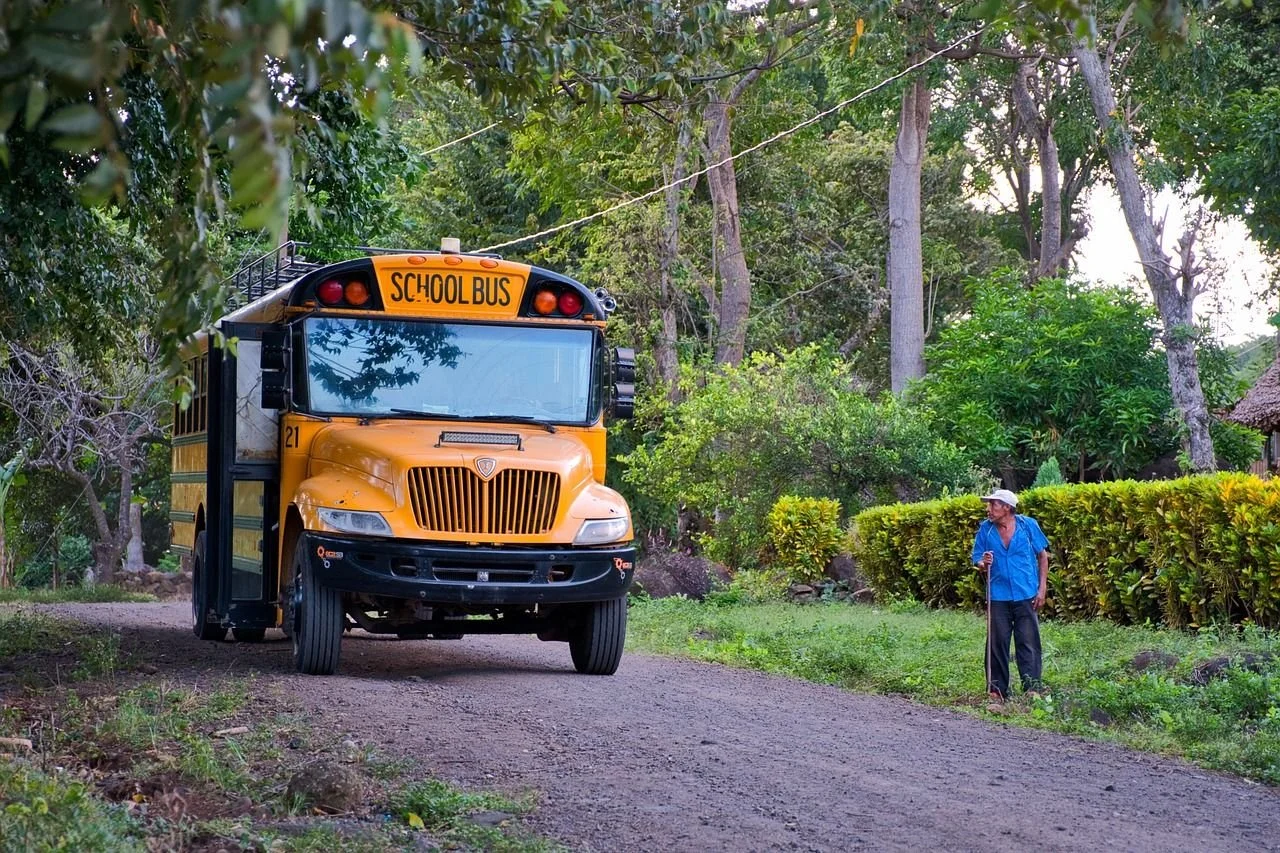
Long before it became a tropical holiday destination, the waters surrounding the Dominican Republic lay at the centre of one of the world’s most dangerous maritime corridors. As part of Hispaniola — Spain’s first major base in the Americas after Christopher Columbus’ arrival in 1492 — the island became a strategic hub for treasure fleets carrying gold, silver, sugar, and rum to Europe. Its position made it a prime target for English, French, and Dutch privateers during the 16th and 17th centuries.
Coastlines now known for tranquil beauty — including Isla Saona and the shores near Santo Domingo — once lay along contested sailing routes vulnerable to ambush. Santo Domingo itself, the first permanent European settlement in the Americas, fortified its harbour with structures such as Fortaleza Ozama to defend against pirate raids and foreign invasion. Nearby Tortuga became one of the Caribbean’s most infamous pirate strongholds during the Golden Age of Piracy.
Today, calm turquoise waters and colonial streets conceal a far more turbulent past. Understanding this pirate-era history reveals the Dominican Republic not just as a resort destination, but as a maritime crossroads where empire, ambition, and survival once collided — and where the Caribbean’s global story was forged.
The Bioluminescent Bays of Puerto Rico: Nature’s Nighttime Light Show
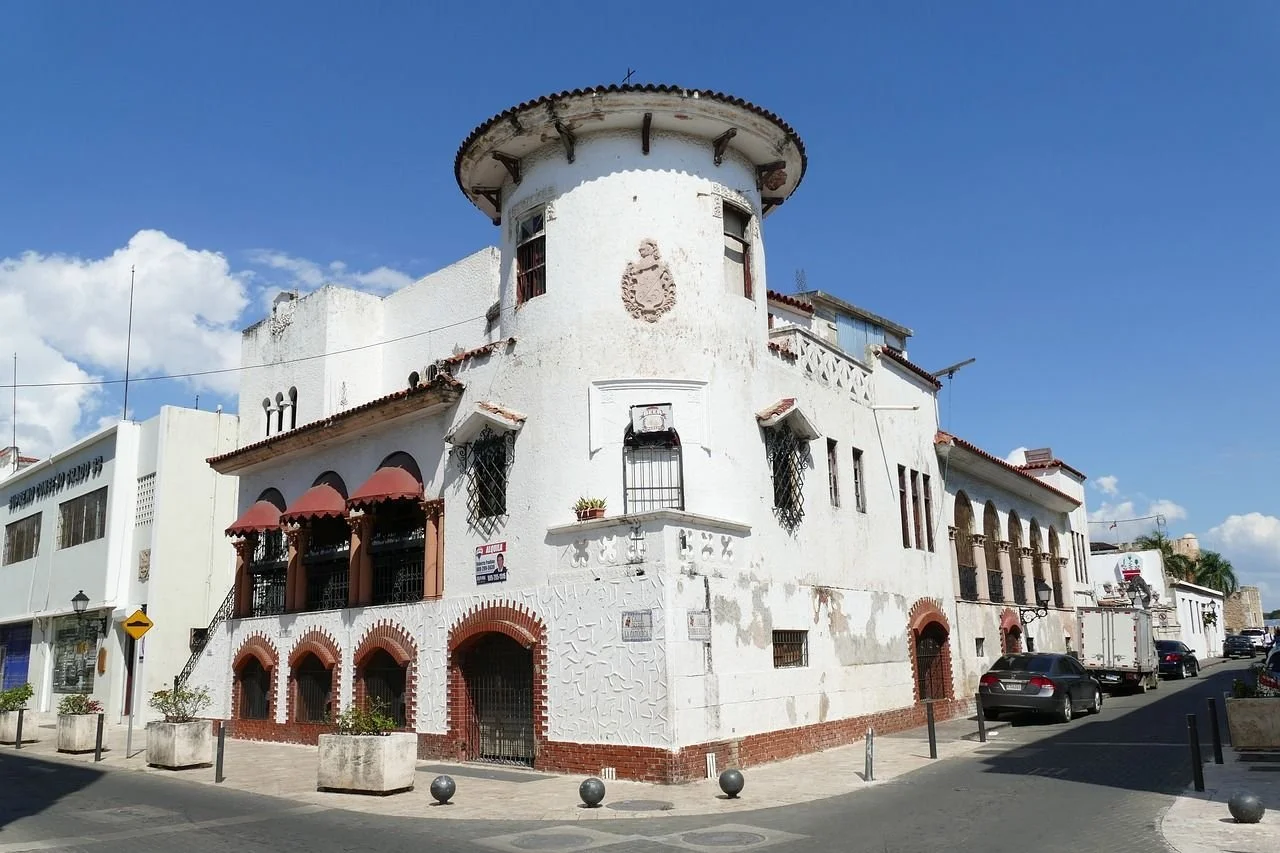
Off the shores of Puerto Rico, three rare lagoons transform the sea into a living constellation after dark. With every paddle stroke or ripple, the water flashes electric blue-green — a natural phenomenon created by microscopic dinoflagellates that emit light when disturbed.
These glowing waters are among the rarest ecosystems on Earth, requiring a precise balance of warm, shallow seas, protected mangroves, and minimal light pollution. Puerto Rico is uniquely home to three of the world’s most remarkable examples.
Mosquito Bay on the island of Vieques is widely regarded as the brightest bioluminescent bay on the planet, famous for its intense, almost surreal glow.
Laguna Grande in Fajardo is the most accessible, reached by kayaking through mangrove-lined channels from the mainland.
La Parguera in Lajas offers the rare chance to swim in bioluminescent waters, where each movement sparks trails of shimmering light.
Best experienced on dark, moonless nights, these bays offer more than spectacle — they are fragile, living ecosystems that depend on careful conservation. Whether gliding silently by kayak or floating beneath a star-filled sky, Puerto Rico’s bioluminescent bays provide one of nature’s most unforgettable nighttime displays.
The Cassowary of Tropical North Queensland
Synopsis
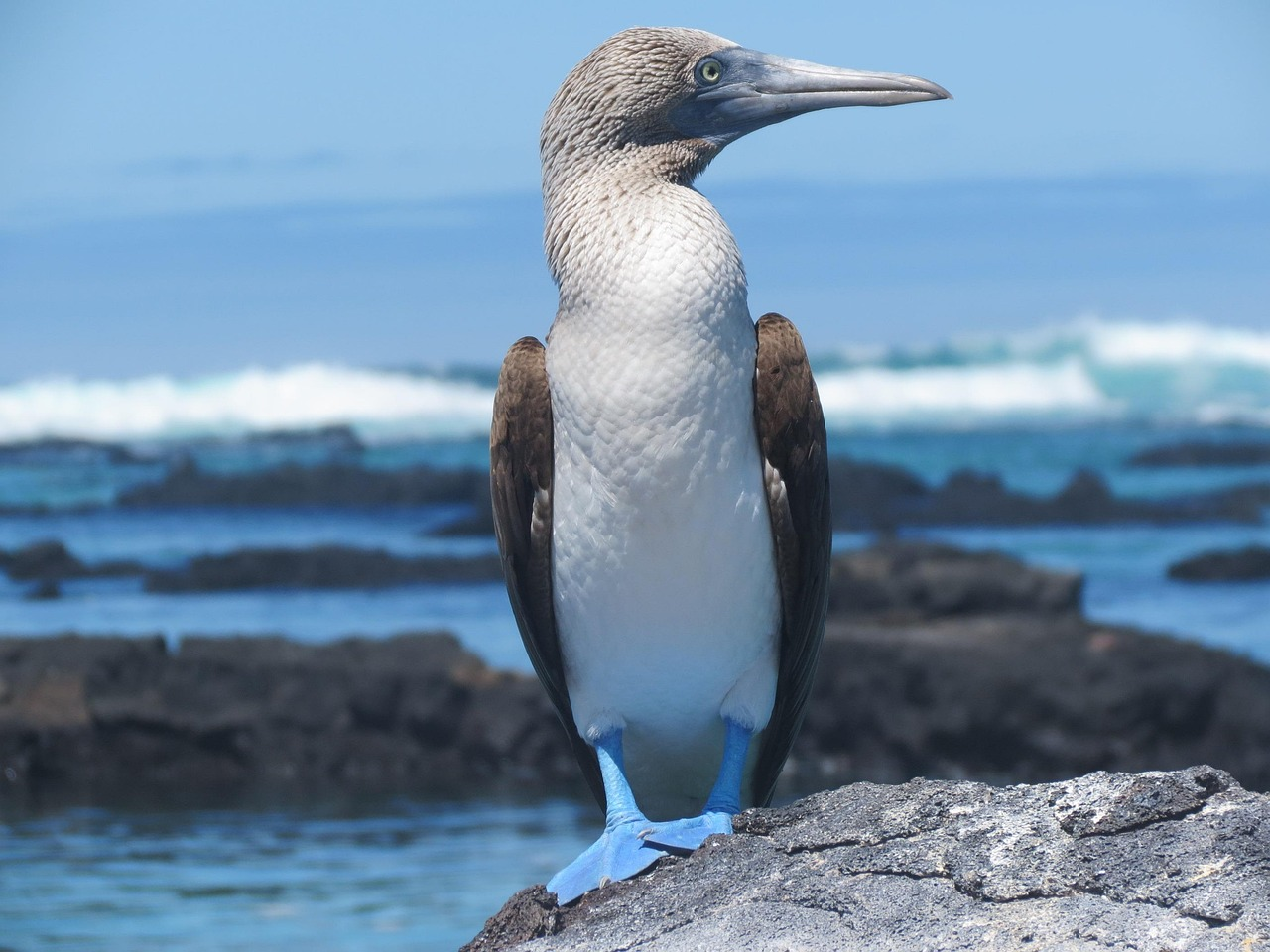
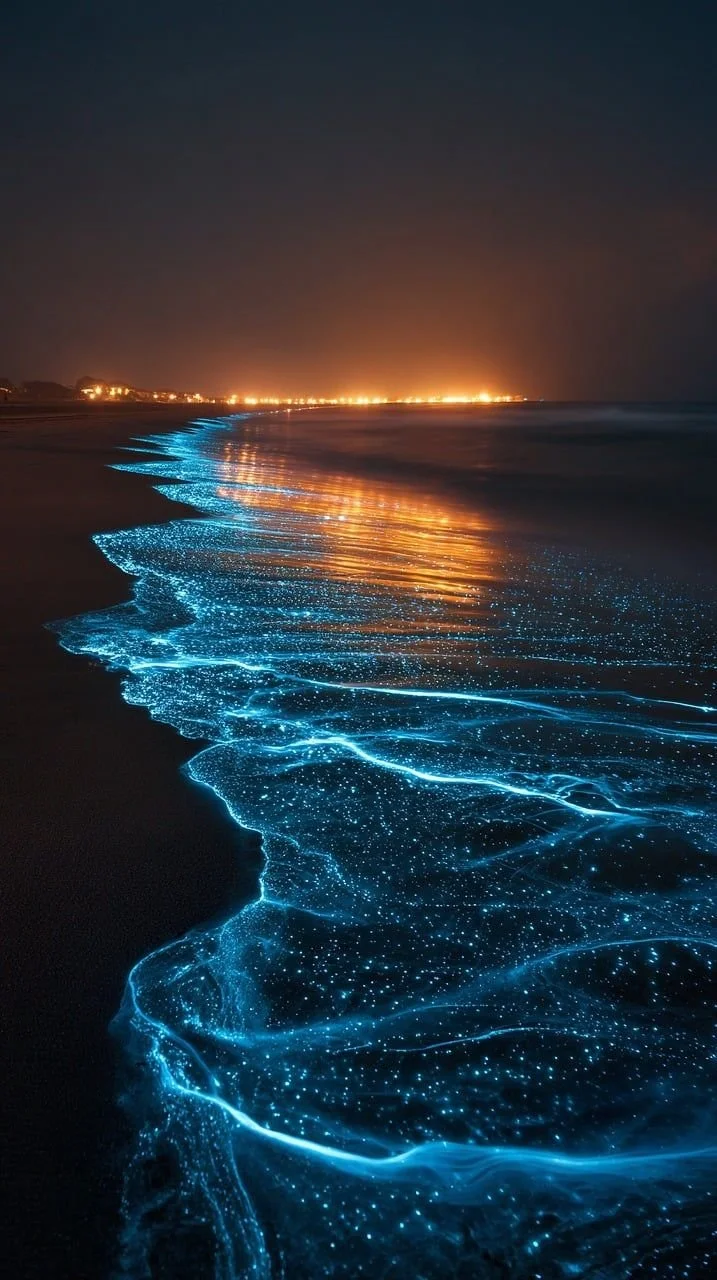
The Southern Cassowary of Tropical North Queensland is one of Australia’s most extraordinary and ancient birds. Towering nearly two metres tall and crowned with a distinctive casque, it moves quietly through the region’s lush rainforests, playing a vital ecological role.
Often called the “gardener of the rainforest,” the cassowary spreads the seeds of hundreds of plant species, helping maintain the diversity of the Wet Tropics ecosystem.
Deeply connected to Indigenous culture and local identity, the cassowary is both a symbol of the rainforest and a species under threat, making its conservation crucial to the survival of one of the world’s oldest living forests.
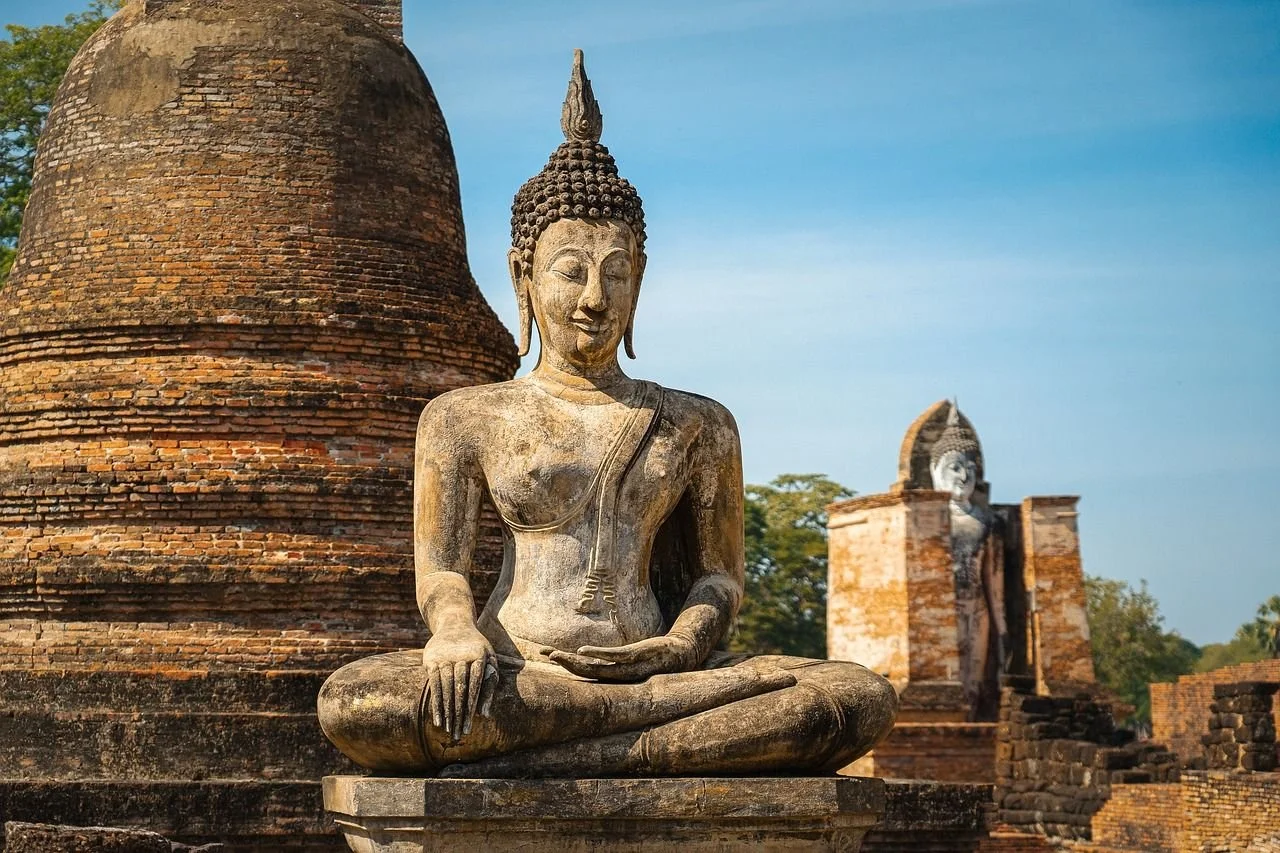
Temples, Trains & Tides: How Movement Shapes Thai Life — Synopsis
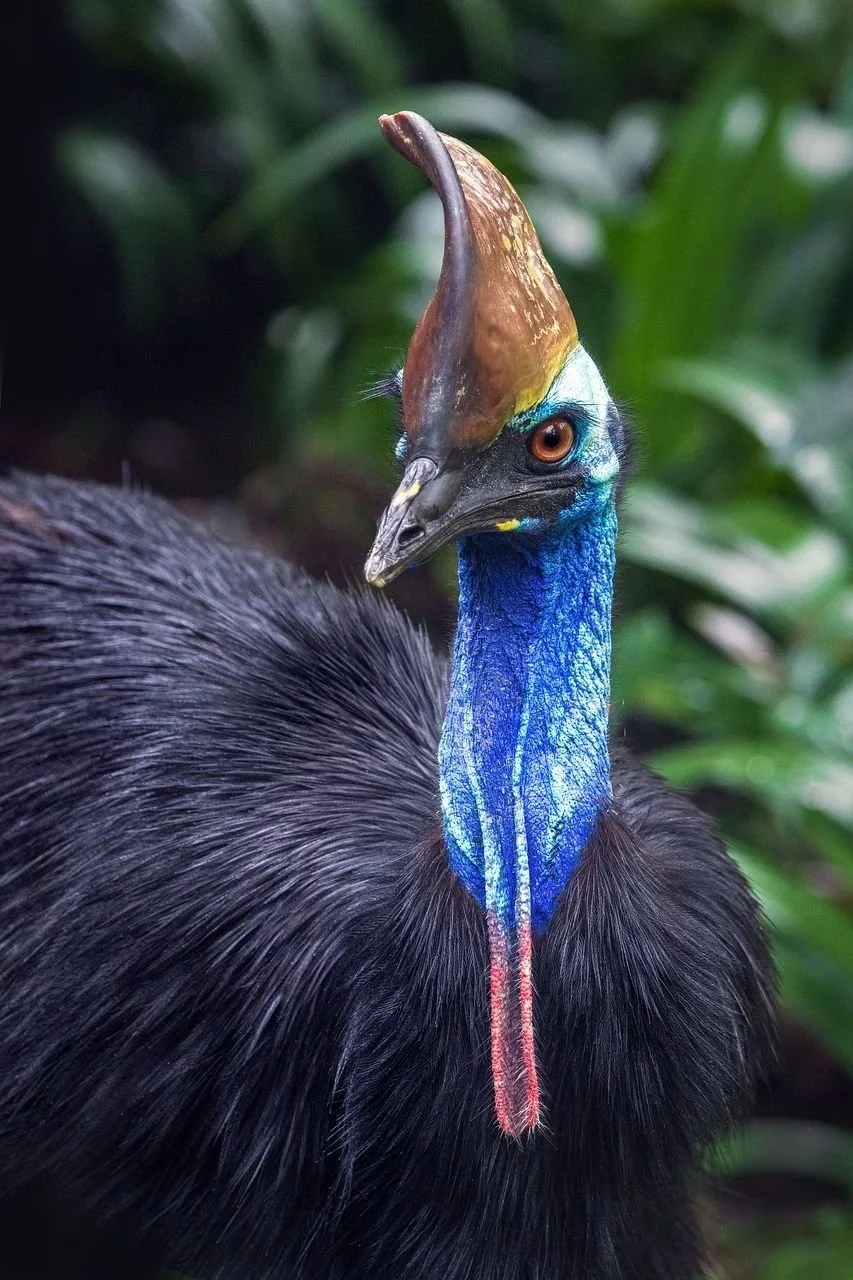
Movement in Thailand has always followed deeper rhythms — rivers, temples, trade routes, and the sea. From canal boats in Bangkok to slow trains crossing the countryside and ferries linking southern islands, transport reflects how Thai society grew around geography, belief, and community. Even with modern highways and flights, these older patterns still shape how people travel today. Understanding this rhythm helps visitors see transport not just as a way to get around, but as a window into everyday Thai life.