
Essential Guide to Mexico Tours, Shuttles, and Transfers:
Navigate Your Journey with Confidence and Style
Getting around Mexico: shuttles, buses, flights & local transport
Mexico is big, varied, and sometimes deceptively slow to move through. The way you get around shapes your experience — whether you’re crossing the Yucatán Peninsula, heading into the mountains of Oaxaca, or linking ruins and jungle in Chiapas.
This is a practical look at shuttle services, airport transfers, buses, taxis, private drivers, flights, and border crossings — with route-specific context for places people actually go.
Shuttle services in Mexico (shared & door-to-door)
Shuttle services sit somewhere between buses and private drivers. They’re common in tourist-heavy regions and popular for shorter intercity routes.
You’ll find them most often in:
Cancún & Riviera Maya
Chichén Itzá
Mexico City surrounds
Oaxaca coast
San Cristóbal de las Casas area
Typical features:
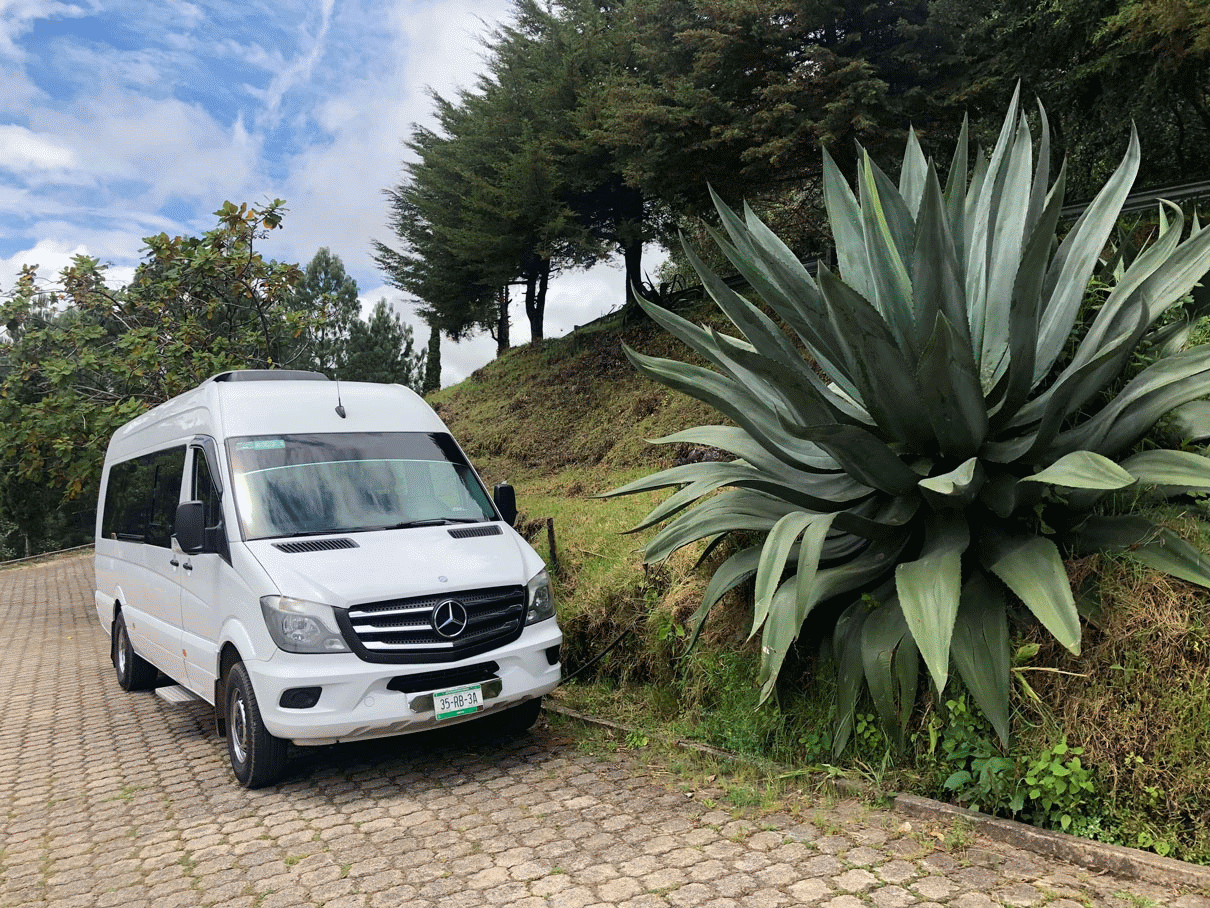
Shared vans (sprinter-style minibuses)
Fixed pickup times
Hotel-to-hotel or central pickup points
Luggage included
When shuttles make sense
You don’t want to drive
You want fewer stops than a bus
You’re travelling between well-trodden routes
Typical prices
Short routes (1–2 hrs): MXN $500–900
Medium routes (3–5 hrs): MXN $900–1,800
Airport transfers (Mexico City, Cancún, Oaxaca)
Airport transfers are essentially pre-booked taxis or vans. In some cities, they’re more regulated — and safer — than grabbing a cab outside.
Mexico City (CDMX)
Authorized airport taxis only (buy ticket inside terminal)
Private transfers useful for early flights or late arrivals
Typical price to central areas: MXN $300–600
check out our Mexico City Guide
Cancún International Airport
Pre-booked transfers strongly recommended
Hotel shuttles, shared vans, or private cars
Cancún → Playa del Carmen: 45–60 min, MXN $400–1,200
Oaxaca Airport
Short distances, limited transport options
Taxis and transfers are straightforward
Airport → Centro: 20–30 min, MXN $150–300
Private drivers (flexible but not cheap)
Private drivers are common for:
Day trips
Rural or archaeological sites
Families or small groups
They shine where buses don’t:
Guanajuato city (hilly, narrow streets, limited parking)
Chichén Itzá (early access before tour buses)
Palenque ruins & waterfalls
Oaxaca villages
Typical costs:
Half day: MXN $1,500–3,000
Full day: MXN $3,000–5,500
Ask locally, at hotels, or through licensed operators. “¿Tiene chofer con permiso?” is a fair question.
Taxis & ride-hailing
Taxis
Widely used, but prices vary
Negotiate before you get in (“¿Cuánto cuesta?”)
In smaller towns, taxis are often colectivos on fixed routes
Uber / DiDi
Reliable in Mexico City
Available but inconsistent in Cancún
Not legal everywhere — availability can change
Intercity buses (the backbone of Mexico travel)
Mexico’s bus network is excellent and often underestimated.
Main classes:
Primera Clase / Ejecutivo – reserved seats, AC, toilets
Segunda Clase – slower, more stops, cheaper
Well-known operators:
ADO (southeast)
ETN, Primera Plus (central Mexico)
Useful routes & travel times
Mexico City → Guanajuato: 4.5–5.5 hrs | MXN $600–1,000
Cancún → Chichén Itzá: 2.5–3 hrs | MXN $500–800
Oaxaca → Puerto Escondido (new highway): 3–4 hrs | MXN $350–600
San Cristóbal → Palenque: 8–9 hrs | MXN $500–900
Night buses are common — keep valuables close, choose higher-class services when possible.
Minibuses & colectivos (local and cheap)
Colectivos are shared vans or cars running short regional routes.
You’ll see them everywhere:
Mazunte ↔ Puerto Escondido
Oaxaca valleys
Chiapas villages
Pros:
Cheap
Frequent
Local vibe
Cons:
Tight space
No fixed timetable
Limited luggage room
Prices usually range MXN $30–150.
Trains (limited, but growing)
Passenger trains aren’t yet a major way to get around Mexico — but that’s changing.
Tren Maya (Yucatán Peninsula): connects Cancún, Valladolid, Mérida, Palenque (still expanding)
Mostly useful for specific routes, not nationwide travel
For now, buses and flights remain more practical.
Domestic flights (huge time-saver)
Flying makes sense over long distances.
Common routes:
Mexico City ↔ Oaxaca
Mexico City ↔ Cancún
Cancún ↔ Villahermosa (for Palenque)
Flight times:
Usually 1–2 hours
Prices often MXN $800–2,500 if booked ahead
Budget airlines are reliable, but baggage fees add up.
Getting around key destinations
Nayarit
Puerto Vallarta airport serves the region
Buses and colectivos connect beach towns
Private drivers useful for Sayulita, San Pancho
Mexico City
Metro + Uber = best combo
Buses for intercity travel
Avoid driving unless you know the city
Guanajuato City
Walkable historic centre
Buses and taxis for hills
Arrive by intercity bus
Chichén Itzá
Day trips from Cancún, Valladolid, Mérida
Early-morning transport avoids crowds
Private driver or first bus recommended
Oaxaca, Mazunte & Puerto Escondido
New highway makes coastal travel easier
Shuttles and buses run daily
Mazunte is small — everything on foot
San Cristóbal de las Casas
Mountain town, cool climate
Buses and shuttles connect to Palenque
Colectivos for villages
Palenque
Jungle ruins, waterfalls, heat
Reach via bus from San Cristóbal or Villahermosa
Border transport onward is common
Cross-border transport
USA → Mexico
Popular crossings:
San Diego → Tijuana
El Paso → Ciudad Juárez
Laredo → Nuevo Laredo
Options:
Walk across, then taxi/bus
Long-distance buses from US cities
Documentation checks are routine
Mexico → Belize
Chetumal → Belize City / San Ignacio
Water taxis and buses available
Border can be slow — allow buffer time
Mexico → Guatemala
Palenque → Flores (Tikal): shuttle or bus/boat combo
San Cristóbal → Quetzaltenango / Antigua: overnight buses & shuttles
Expect:
Passport checks
Exit/entry fees
Occasional delays
Safety & context notes
Stick to daytime travel when possible
Use reputable bus classes on long routes
Keep valuables on you, not overhead
Border crossings are generally calm but procedural
Ask locally. People will tell you what’s working right now.
Moving around Mexico isn’t difficult — but it rewards a bit of planning. Buses cover most of the country well, shuttles fill the gaps in tourist regions, and flights save serious time on long distances. Mix and match based on comfort, budget, and where you actually want to stop along the way.
México — explore shuttles, airport transfers, private drivers, tours & sightseeing - Featured partners:
OET Oaxaca
Oaxaca Shuttle, Mexico

Taxi en Oaxaca City

DMx Travel -Mexico City
Mexico City Private Driver

Omega Tours - Todos Santos Shuttle, Baja

Eco Baja Tours, Baja California
SDTJ Passport: San Ysidro CA to Tijuana

Pro Shuttle: Transporte Privado Tijuana
Mazatlan Van Tours

AirGo Puerto Vallarta Airport Shuttle

PV Shuttles, Puerto Vallarta
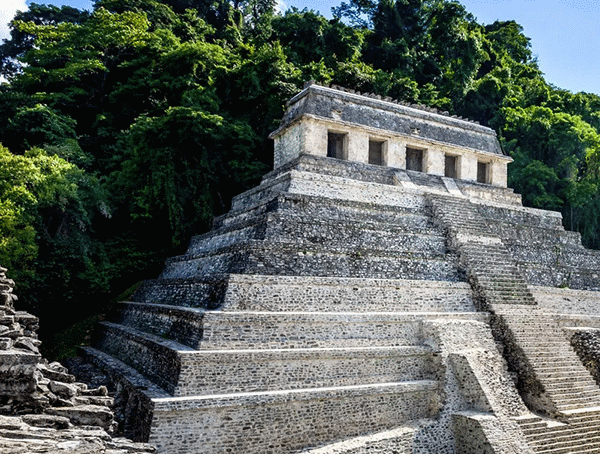
Mayatur Palenque

Viajes Conciencia, Tulum
Authentic Tours Tulum

Happy Shuttle Cancun

Isla Fun Tours - Isla Mujeres Private Shuttle
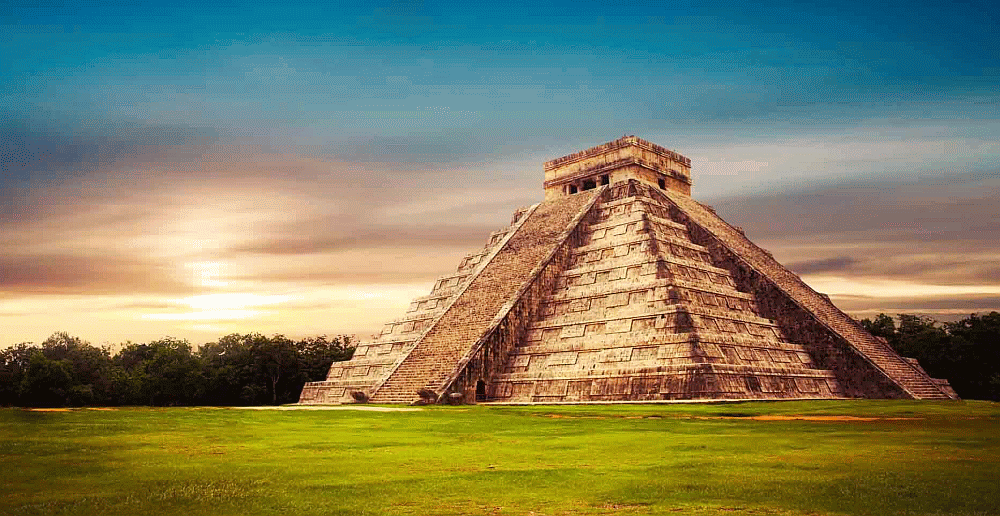
Chichen Itza Tours
Popular Destinations, Tours and Shuttle Services - Mexico
-
![Monte Alban Oaxaca Mexico]()
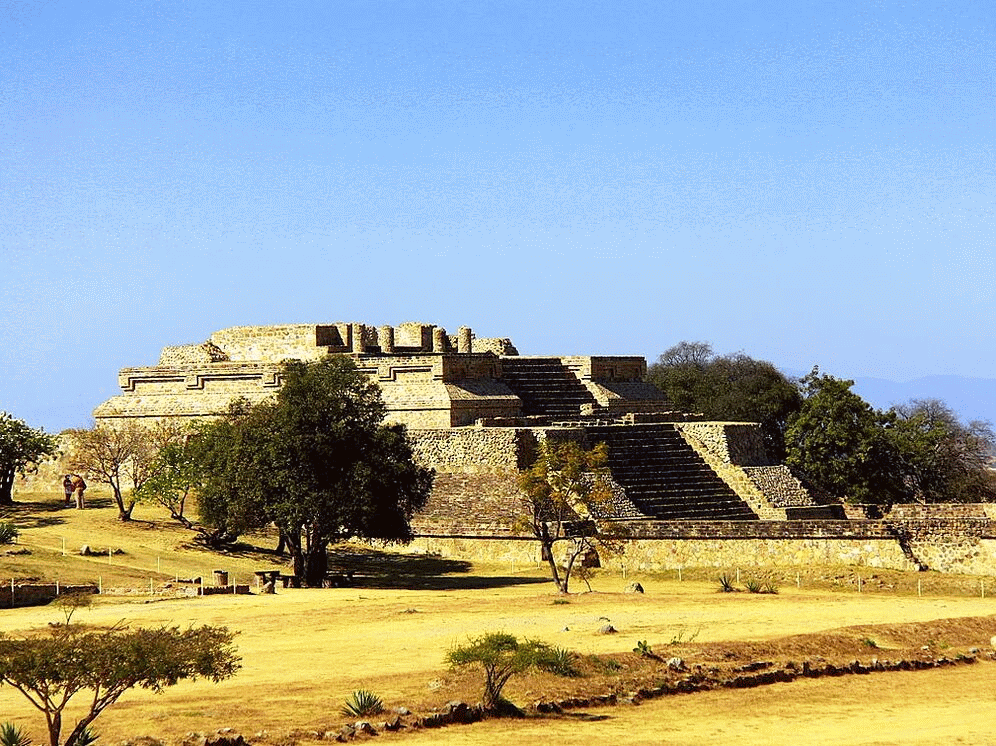
Monte Alban Tour
-
![Oaxaca Experience Tours, Oaxaca, Mexico]()
Oaxaca Airport Transport & Tours
-
![Private tours of Mexico City (CDMX)]()
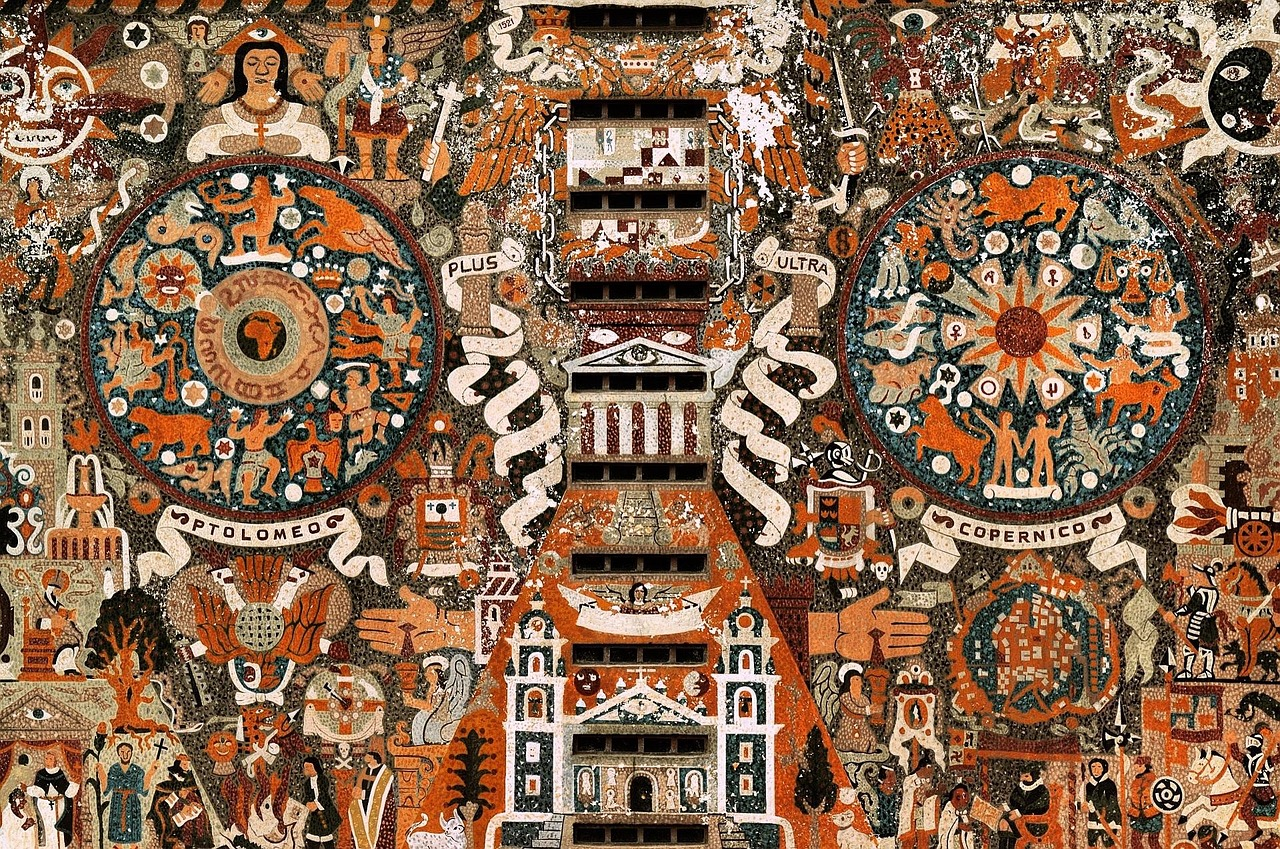
Art & Architecture Tours Mexico City
-
![PV Shuttles, Puerto Vallarta, Mexico]()
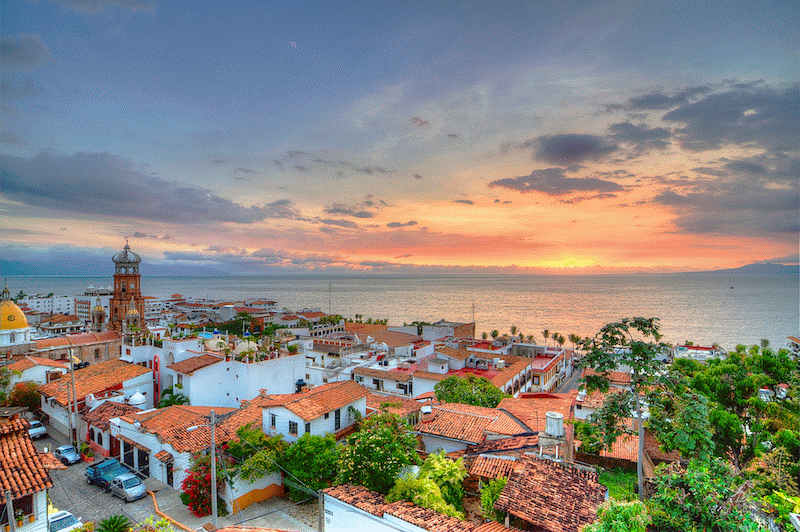
Shuttle Services & Tours Puerto Vallarta
-
![Bioluminicencia Puerto Escondido]()
Bioluminicencia Puerto Escondido
-
![Dolphin Watching Tour, Puerto Escondido, Robert´s Ecotours]()
Dolphin Watching - Puerto Escondido
-
![© Uxmal - meridaelite.com Merida, Mexico]()
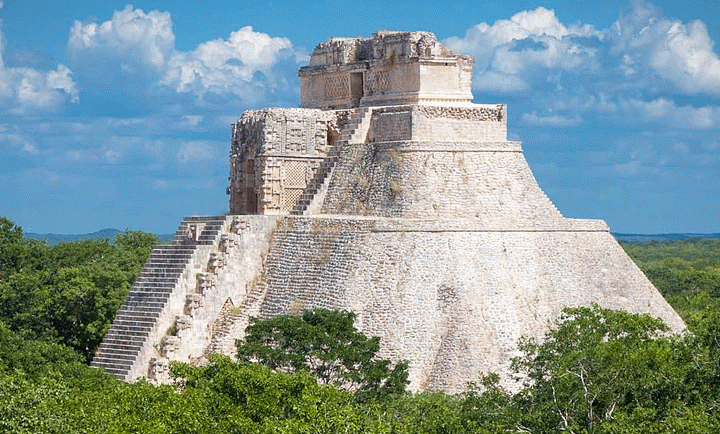
Uxmal
-
![mayatur.com Palenque, Chiapas, México,]()
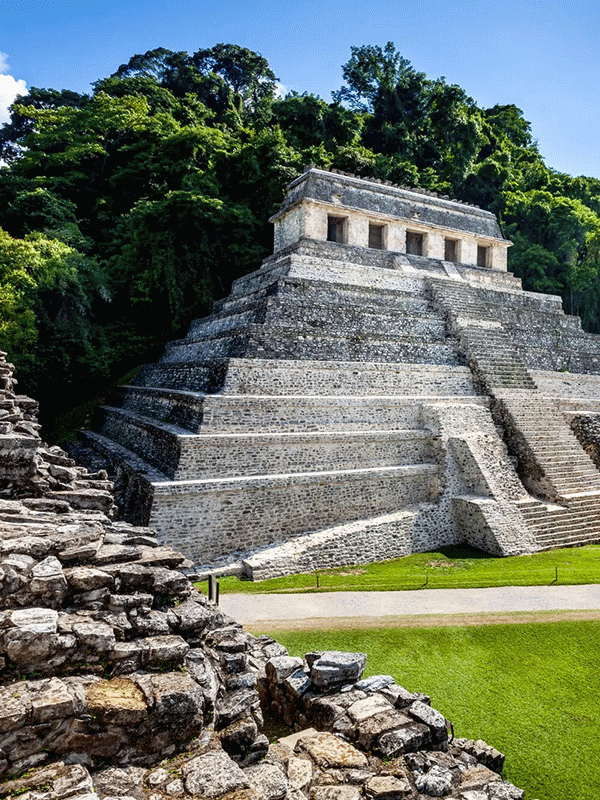
Zona arqueológica de Palenque


Frida
Frida Kahlo has escaped the boundaries of art history and become something rarer: a global emotional symbol. Painter, survivor, political thinker, fashion icon, feminist touchstone — Frida now belongs to the world, yet she remains unmistakably Mexican. Nowhere is that more felt than in Mexico City, and especially in Coyoacán, where her presence is almost tangible.
A life that became the art
Frida’s story is inseparable from her work. Childhood illness, a catastrophic bus accident, chronic pain, miscarriages, turbulent love, political conviction — she painted it all, unfiltered. Her self-portraits don’t ask for admiration; they ask for recognition. She looks straight at you, wounded and defiant, refusing pity.
That honesty is what carried her far beyond galleries. People see themselves in Frida — in her pain, her resilience, her refusal to soften herself for acceptance. Long before social media, she built an identity that was deeply personal and radically public.
From national artist to global icon
For decades, Frida was known mainly in Mexico and among art historians. Her global rise came later, driven by several forces converging at once: feminist movements reclaiming women artists, Latin American voices demanding visibility, disability activism, and a growing hunger for authenticity over perfection.
Her image — the unibrow, the flowers, the embroidered dresses — became instantly recognisable. But unlike many icons, the visual fame didn’t erase the substance. People arrive through the image and stay for the story.
Frida became a way into Mexico itself: its history, its politics, its colours, its contradictions.
Mexico City through Frida’s eyes
Mexico City doesn’t treat Frida as a distant legend. She’s woven into the cultural fabric. Her world still exists in real streets, real rooms, real courtyards.
Coyoacán, once a village on the city’s edge, is the emotional centre of Frida tourism. Cobblestone streets, low houses, markets, and plazas slow the pace. It feels deliberately human — the perfect setting for someone who insisted on lived experience over abstraction.
At the heart of it all is La Casa Azul.
The Blue House: pilgrimage, not museum
Visiting the Frida Kahlo Museum isn’t like walking through a gallery. It feels closer to entering someone’s private life. The cobalt-blue walls hold her kitchen, her bed, her wheelchair, her clothes, her brushes. You don’t just see her work — you see how she lived with pain, creativity, and stubborn joy.
For many visitors, it’s emotional. Quiet. Reflective. People linger. Some cry. Some write notes. It functions less as an exhibition and more as a pilgrimage site.
That emotional weight is why the Blue House has become one of Mexico City’s most visited cultural landmarks — and why advance tickets are essential.
Why people travel for Frida
People don’t travel to Mexico City just to see Frida Kahlo — but she’s often the reason the trip becomes personal.
She offers:
A human entry point into Mexican history and identity
A powerful female narrative rooted in place, not abstraction
A story that resonates across cultures, genders, and generations
A reminder that beauty, pain, politics, and art can coexist without apology
Frida gives meaning to streets, houses, neighbourhoods. She turns Mexico City from a destination into an experience.
Frida’s legacy, alive and complicated
Frida Kahlo would likely be uneasy with her own commodification. Her face on tote bags and murals sits uneasily beside the radical, politically committed woman she was. Yet even that contradiction feels appropriate. She never aimed to be comfortable or tidy.
Her real legacy isn’t the merchandise. It’s the permission she gives people to be whole — wounded, political, cultural, creative — all at once.
That’s why people keep coming. Not just to see where Frida lived, but to feel what she stood for. In Coyoacán, behind blue walls and flowering courtyards, Frida Kahlo is no longer a painting on a wall. She’s a presence — and for many, a turning point in how they see themselves and Mexico.
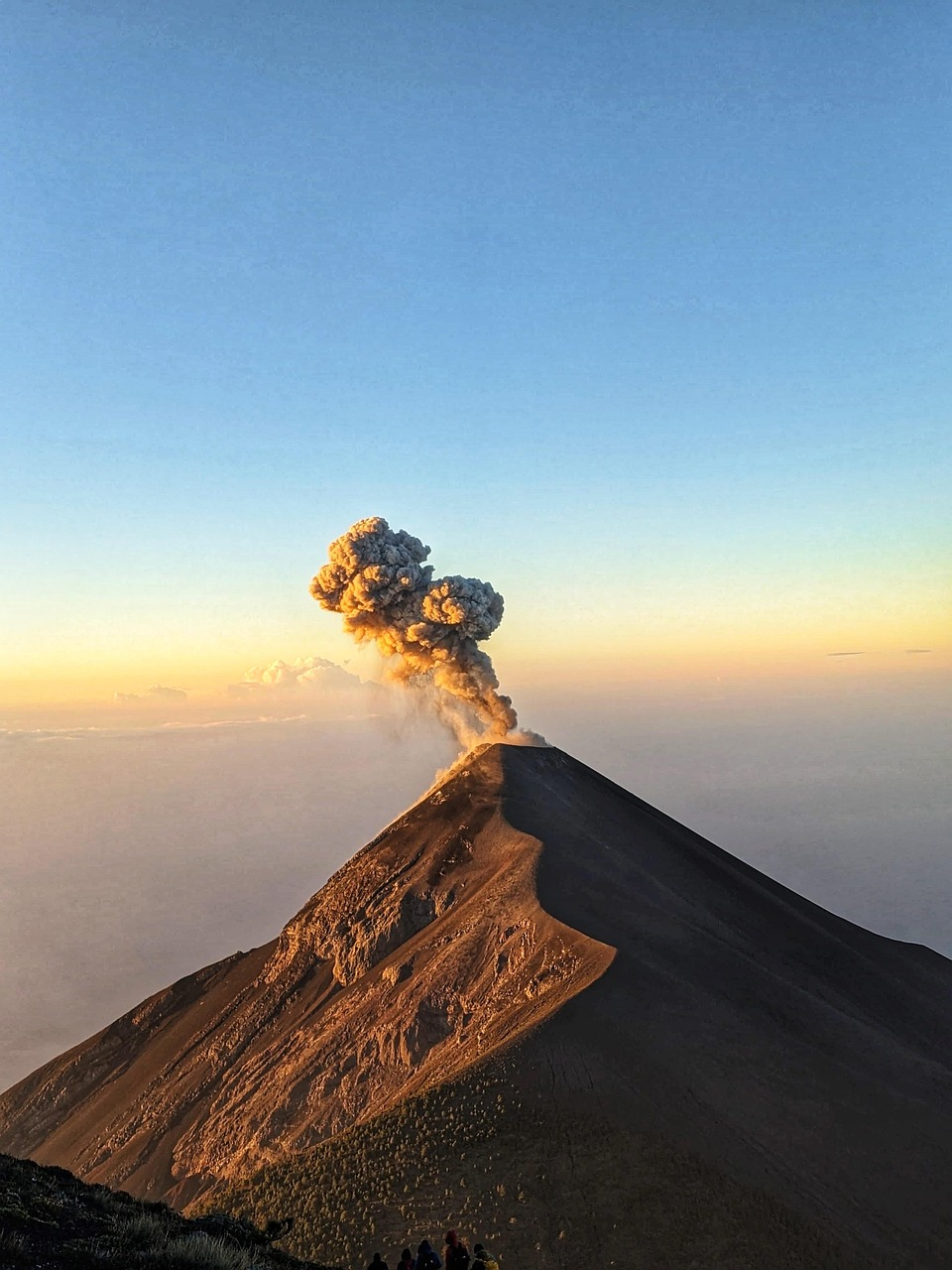
ShuttlesA2B - Guatemala shuttles & sightseeing
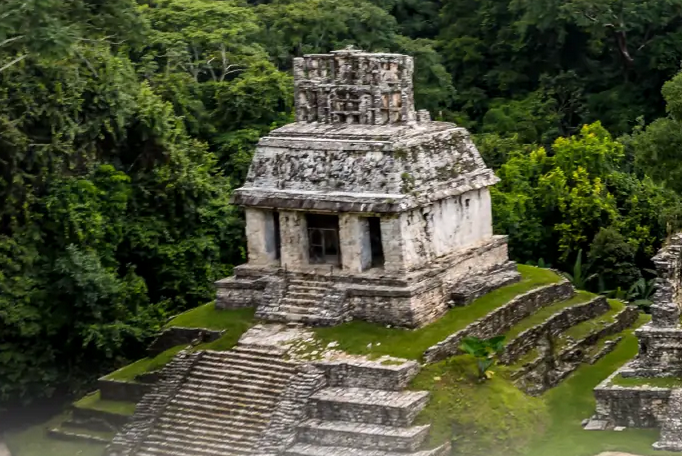
Mexicana de Aviación - fly Mexico City to Palenque