
Essential Guide to Switzerland Shuttles, Transfers, and Tours:
Navigate Your Journey with Confidence and Style
Visit Switzerland
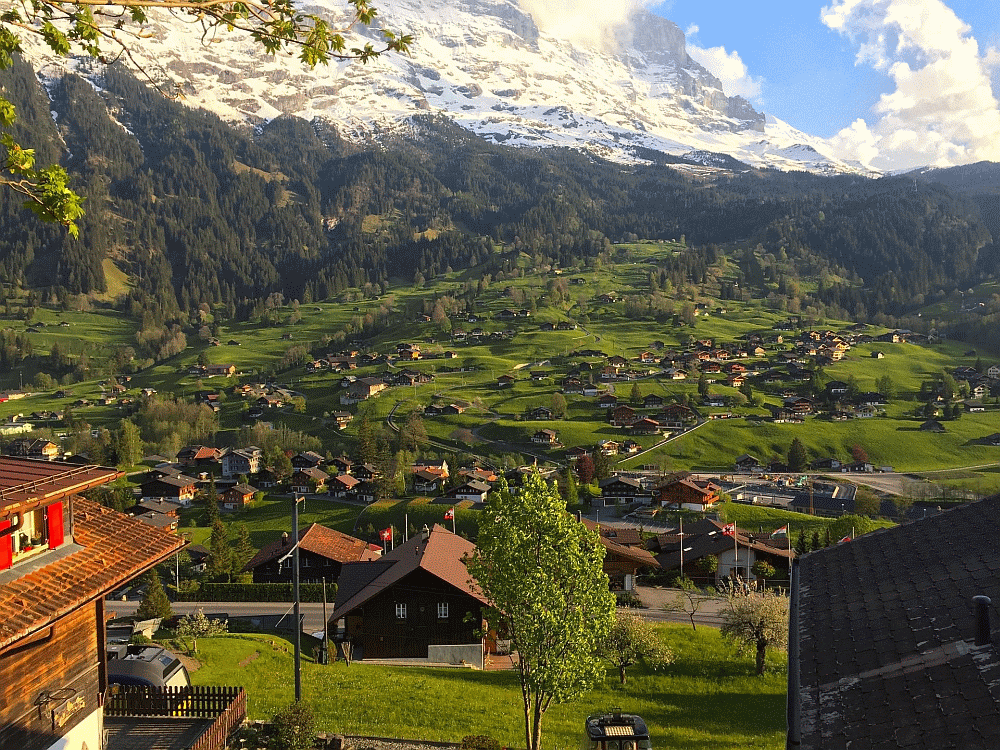
Switzerland is a country where dramatic alpine landscapes meet refined cities and centuries-old traditions.
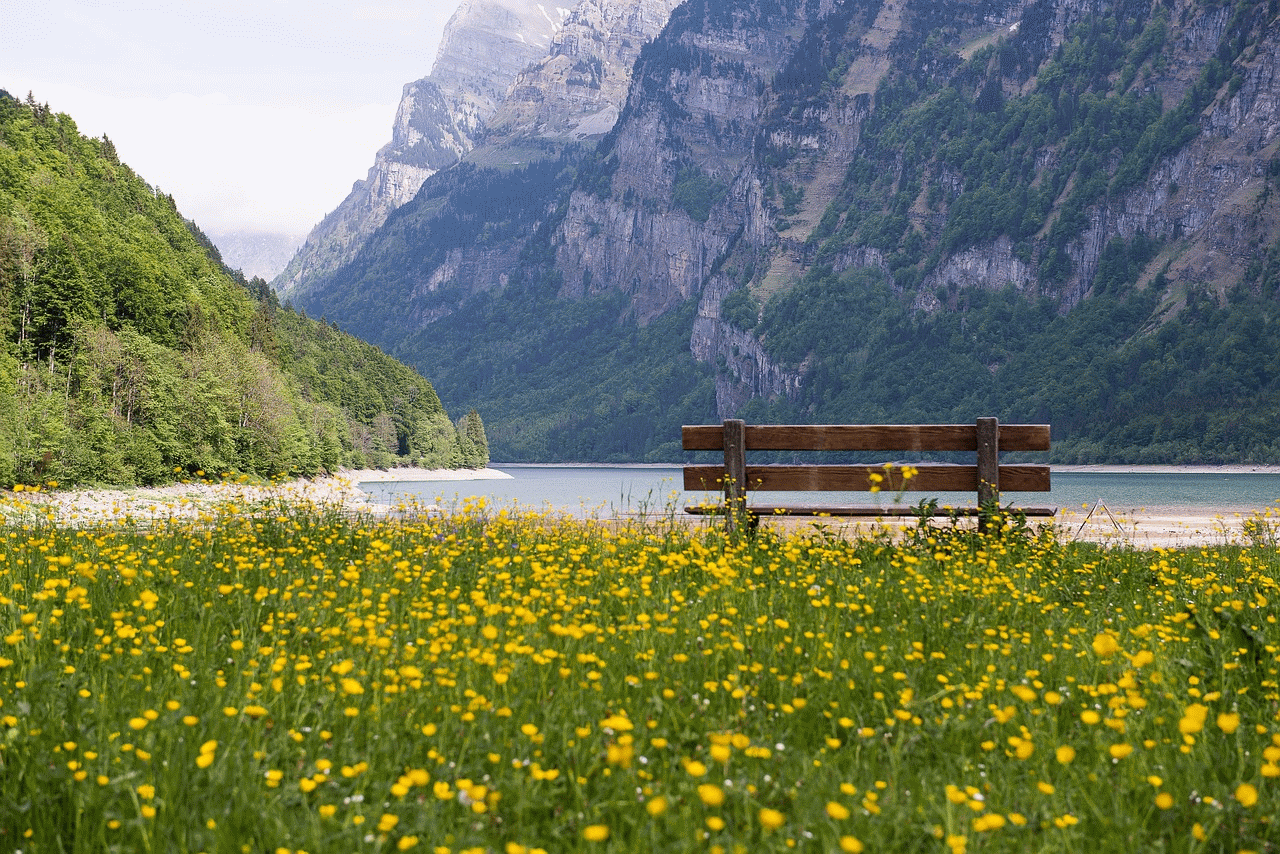
Snow-capped peaks, clear lakes, and storybook villages sit alongside efficient railways, world-class museums, and excellent cuisine.
Visitors come for the mountains — from the Matterhorn and the Jungfrau region to scenic lakes like Lucerne and Geneva — but quickly discover a country that is easy to explore, multilingual, and beautifully organised.
Whether travelling for outdoor adventure, panoramic train journeys, winter sports, or relaxed lakefront towns, Switzerland offers one of Europe’s most rewarding and accessible travel experiences.
Bsuech d’Schwiiz
D’Schwiiz isch es Land, wo eindrücklechi Alpelandschafte uf eleganti Städt und jahrhundertealti Traditione träffe.
Schneebedeckti Gipfel, chlare Seen und märlihafti Dörfer liged näb modernere Bahnverbindige, erstklassige Musee und hervorragendi Chuchi.
Bsuecher chömed vilfach für d’Bärge — vom Matterhorn über d’Jungfrauregion bis zu schöne See wie dr Vierwaldstättersee oder dr Genfersee — entdecke aber schnell es Land, wo mehsprachig, guet organisiert und sehr eifach z bereise isch.
Ob für Outdoor-Abentüür, panoramischi Zugreise, Wintersport oder entspannti Städt am Seeufer — d’Schwiiz bietet eini vo de lohnendste Reiseerfahrige in Europa.
Switzerland — explore shuttles, airport transfers, private drivers, lake ferries, tours & sightseeing - Featured partners:
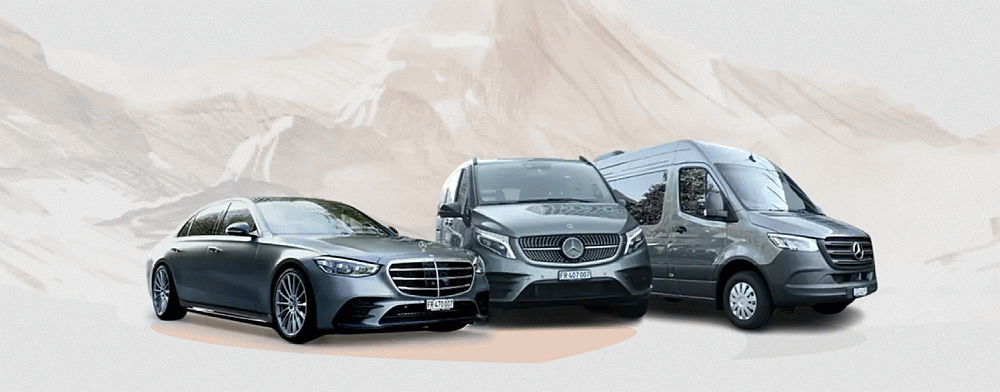
AlpTransfer.com
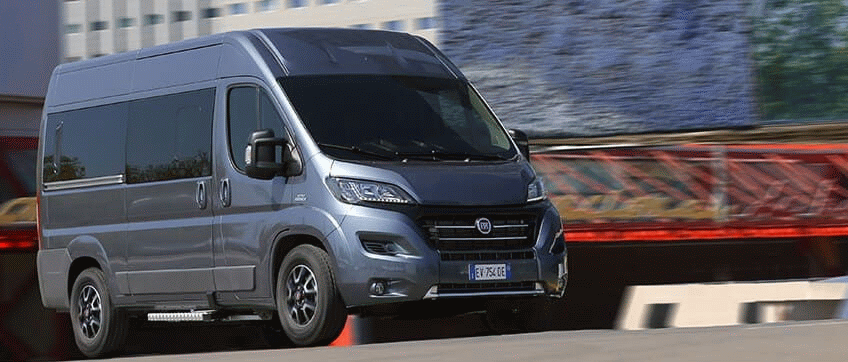
swiss-shuttle - Shared Geneva–Lausanne Shuttle

Comfort Taxi - airport transfer services in Switzerland
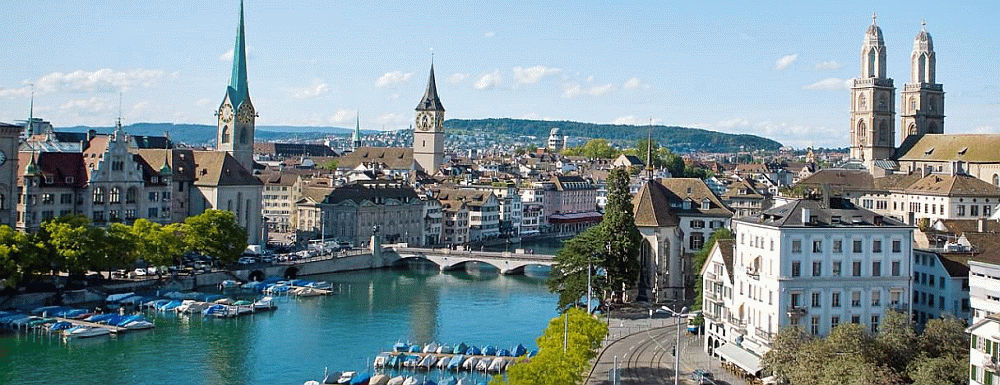
SwIss Transfer Services
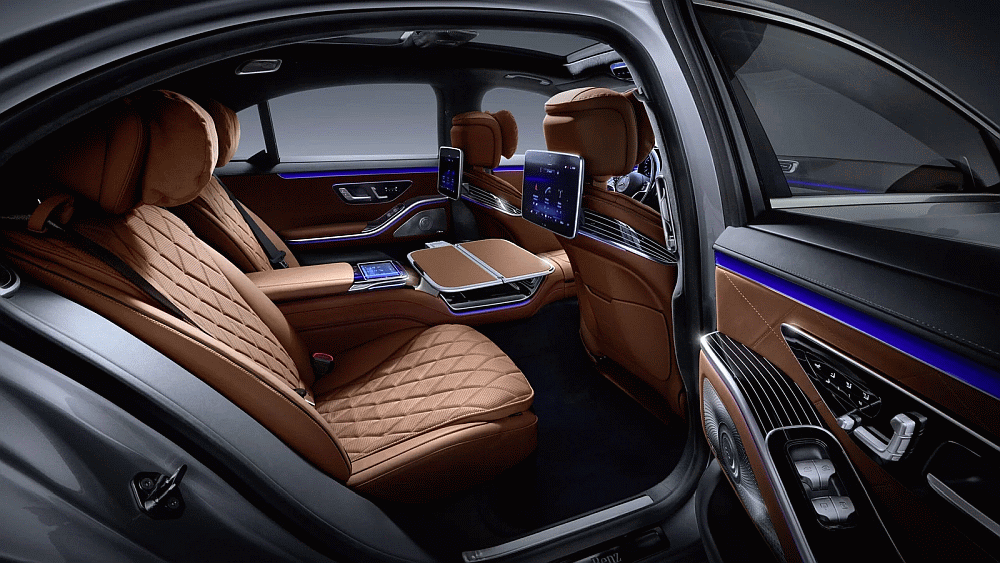
Swiss Elite Transfers - Luxurious Transfers Across Switzerland
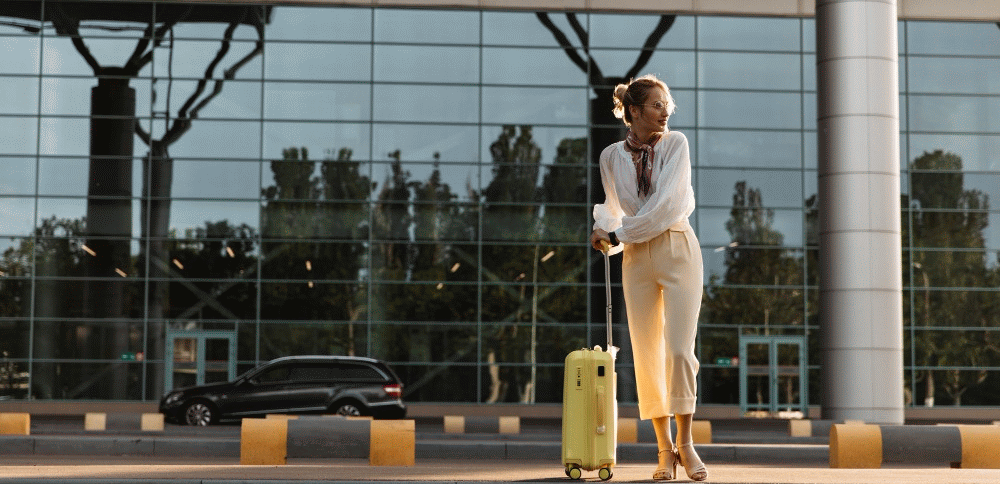
Swiss Airport Taxis - Geneva Airport, Zurich Airport, and Basel Airport

Swiss Express Shuttle - "Door-to-Door" Service from/to Zurich-Airport
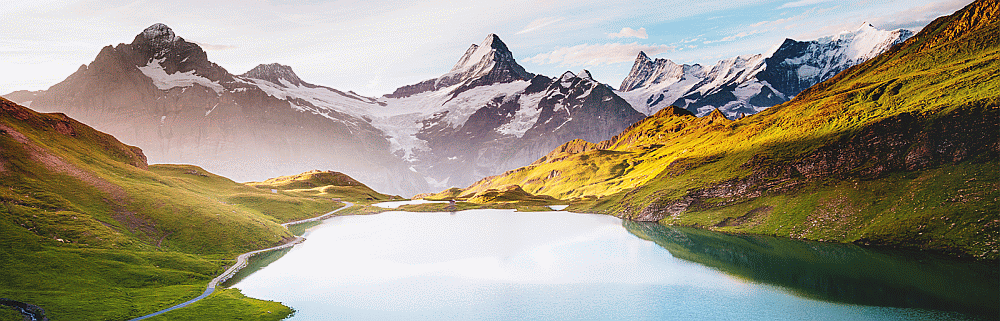
Typically Swiss Tours
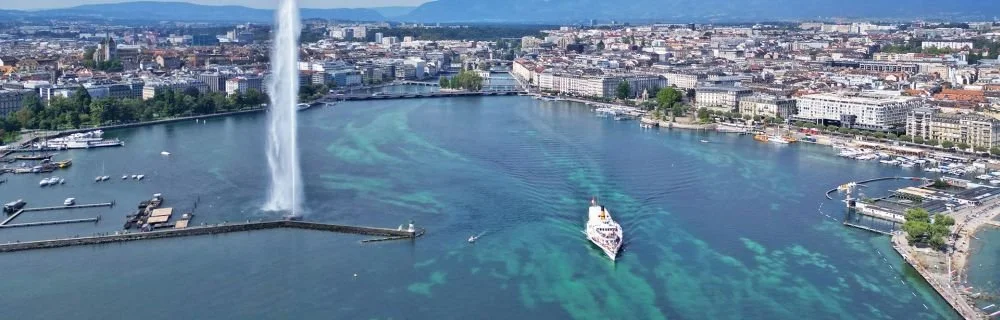
CGN (Compagnie Générale de Navigation sur le Léman) - cruise Lake Geneva
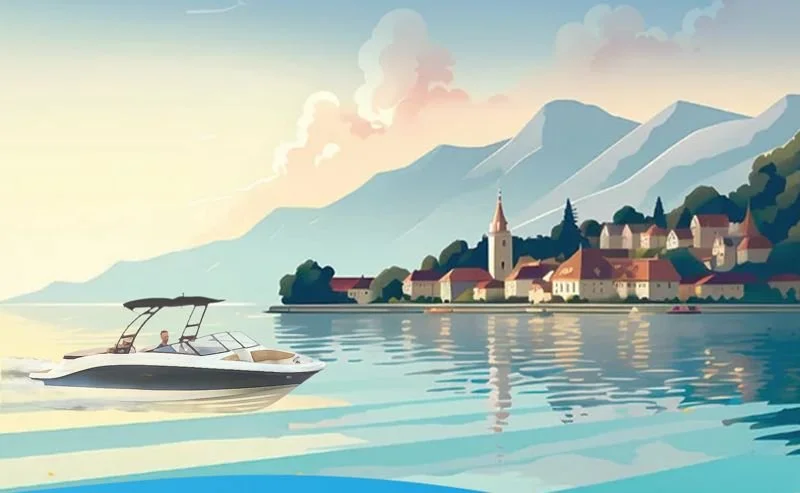
Alpes Limousine - luxury speedboat transfers around Lake Geneva
Getting Around Switzerland
Switzerland is compact, precise, and exceptionally well connected. Once you understand how the system works, travelling around the country becomes almost effortless.
You’ll mostly combine trains, local buses, mountain railways, and lake ferries. Timetables are tightly integrated, connections are smooth, and public transport reaches even small alpine villages.
Transport in Switzerland is among the most reliable in the world, especially across the main rail network.
How transport works in Switzerland
Distances are relatively short, but terrain is mountainous. The transport system is designed to connect valleys, lakes, and alpine towns efficiently.
You’ll mostly use:
Trains for intercity travel
Regional trains & buses for alpine villages
Cable cars, funiculars & mountain railways in the Alps
Lake ferries for scenic connections
Private transfers for ski resorts and late arrivals
Cross-border trains to France, Italy, Germany and Austria
A few useful German words you may see on signs:
Bahnhof – train station
Gleis – platform
Billet / Fahrkarte – ticket
Direkt – direct
Umsteigen – change trains
English is widely spoken in tourist areas.
Airport transfers in Switzerland
Zurich Airport (ZRH) → Zurich city
Zurich Airport is directly connected to the national rail network.
Train
10–15 minutes
CHF 7–12
Departures every 10–15 minutes
Taxi or private transfer
20–25 minutes
CHF 60–90
For most travellers, the train is the fastest and simplest option.
Zurich Airport → Lucerne
Train
1–1.25 hours (often one change)
CHF 25–40
Private transfer
~1 hour
CHF 180–250 per vehicle
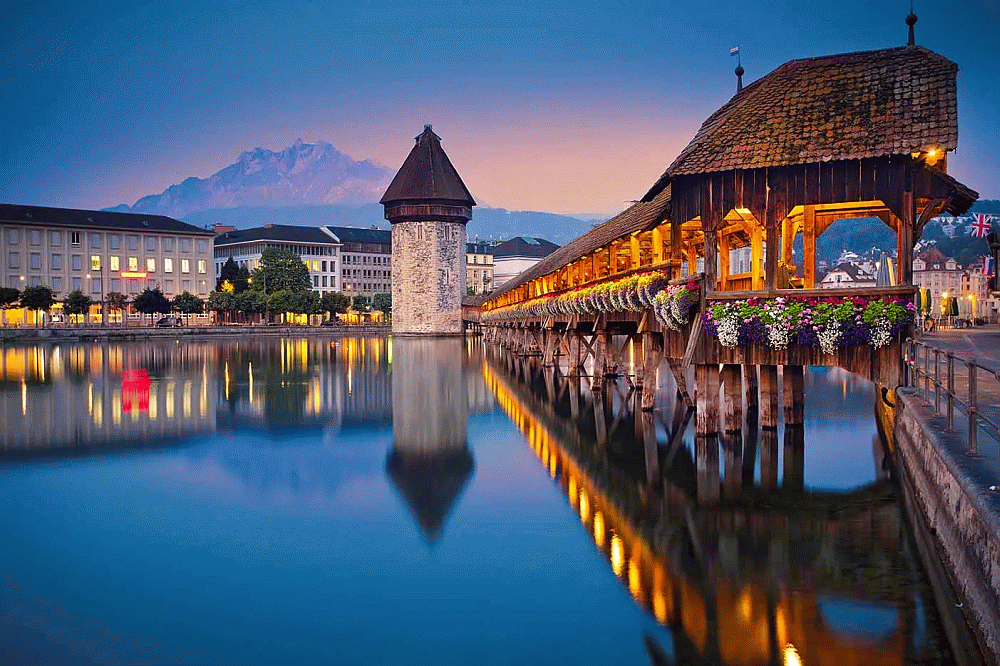
Lucerne is one of the most common first stops in Switzerland.
Geneva Airport (GVA) → Geneva city
Train
7 minutes
CHF 5–10
Taxi
15–20 minutes
CHF 35–50
Hotels often provide a free public transport pass for city travel.
Trains in Switzerland
Trains are the backbone of travel in Switzerland. They’re fast, punctual, and frequent.
Major routes run at least hourly, often every 30 minutes.
Common train routes
Zurich → Lucerne
~50 minutes
CHF 20–35
Zurich → Interlaken
~2 hours
CHF 40–70
Lucerne → Interlaken (GoldenPass route)
~2 hours
CHF 35–60
Zurich → Zermatt
3–3.5 hours (via Visp)
CHF 80–130
Geneva → Zermatt
~3.5 hours
CHF 70–120
Trains are extremely reliable and rarely delayed.
The Swiss Travel Pass
Many visitors use a Swiss Travel Pass, which provides:
Unlimited travel on most trains and buses
Free lake ferries
Discounts on many mountain railways
Free entry to some museums
Typical cost:
3 days: ~CHF 244
8 days: ~CHF 389
It’s often worthwhile if you’re travelling between several regions.
Lucerne & the Central Switzerland region
Lucerne is one of Switzerland’s main travel hubs.
Lucerne → Mount Pilatus
Boat + cogwheel railway or cable car
1–2 hours total
Lucerne → Mount Titlis (Engelberg)
Train to Engelberg: ~45 minutes
Cable car ascent
Lucerne → Interlaken
~2 hours via the scenic Luzern–Interlaken Express
The combination of train and boat travel here is particularly scenic.
The Jungfrau Region (Interlaken, Lauterbrunnen, Wengen, Grindelwald)
This is one of Switzerland’s most visited alpine areas.
Access:
Zurich → Interlaken
~2 hours by train
Interlaken → Lauterbrunnen
~20 minutes by train
Lauterbrunnen → Wengen
15 minutes (mountain railway)
Lauterbrunnen → Mürren
Cable car + train combination
The Jungfraujoch railway reaches one of Europe’s highest train stations.
Zermatt & the Matterhorn
Zermatt is car-free and accessible only by train.
Getting there:
Zurich → Visp → Zermatt
~3–3.5 hours
Geneva → Visp → Zermatt
~3.5 hours
From Täsch, the final approach is by shuttle train.
Electric taxis and small electric buses operate within the village.
Scenic train routes
Switzerland is famous for panoramic rail journeys.
Glacier Express
Zermatt → St. Moritz
~8 hours
Bernina Express
Chur → Tirano (Italy)
~4 hours
GoldenPass Line
Lucerne → Interlaken → Montreux
Reservations may be required for panoramic carriages.
Lake ferries
Boats operate on many Swiss lakes and are fully integrated into the transport system.
Common routes:
Lake Lucerne ferries
Lucerne → Vitznau / Weggis
1–2 hours
Lake Geneva ferries
Lausanne → Evian (France)
~35 minutes
Lake Thun & Lake Brienz
Scenic connections around Interlaken
These journeys are slow but spectacular.
Taxis & private drivers
Taxis are reliable but expensive.
Typical fares:
City taxi start: CHF 6–8
Airport → city: CHF 40–90 depending on city
Private drivers are useful for:
Ski resort transfers
Late-night airport arrivals
Remote alpine hotels
Cross-border travel
Switzerland sits at the centre of Europe, making international rail travel simple.
Common routes:
Zurich → Milan
~3.5 hours
Geneva → Paris
~3 hours (high-speed train)
Zurich → Munich
~4 hours
Basel → Strasbourg
~1 hour
Border formalities are usually minimal, though passports should always be carried.
Switzerland rewards travellers who rely on its transport network rather than trying to drive everywhere.
Trains, boats, cable cars, and mountain railways connect almost every valley and village — allowing you to move smoothly through some of Europe’s most dramatic landscapes.
Prices shown are approximate and current as of March 2026.
Popular Destinations, Tours and Shuttle Services - Switzerland
-
![Transferna Switzerland]()
Transferna - reliable transfer services all across Switzerland
-
![Private Tours Switzerland]()
bespoke itineraries
-
![Tours of Switzerland]()
small group tours
-
![Switzerland VIVA Tours]()
Basel City Tours
-
![grindelwaldtours.com]()
Private Walking Tour in Grindelwald

Swiss Time:
Watches, Precision, and a National Obsession with Time ⏱️
In Switzerland, time is not rushed — it is respected.
Minutes matter, but so does patience.
Trains arrive when they say they will.
Meetings begin on schedule. Systems are designed to work not just efficiently, but reliably, day after day, year after year.
This relationship with time runs deeper than punctuality; it is cultural.
Swiss watchmaking is the most visible expression of this mindset. In towns such as La Chaux-de-Fonds, Biel/Bienne, and Geneva, precision became both craft and identity. Watches were never just luxury objects here — they were instruments of trust, built for durability, accuracy, and longevity. Even today, whether through heritage maisons or independent makers, the emphasis remains on doing things properly rather than quickly.
That same philosophy shapes everyday life. Public transport is planned to the minute, with connections designed to flow rather than overlap. A train pulls in, a bus waits, a boat departs — not by chance, but by design. Visitors often notice that moving through Switzerland feels unusually calm, even in busy places. Time is structured in a way that reduces friction.
There is also a quieter side to Swiss time: the balance between work and personal life. Lunch breaks are protected, Sundays are slow, and nature is built into the weekly rhythm. Hiking trails, lakes, and mountain paths are not escapes from daily life, but part of it. Time outdoors is considered time well spent.
Perhaps this is why Switzerland feels so composed. The country does not chase urgency or spectacle. It values continuity, accuracy, and trust — qualities that only make sense over the long term. To experience Switzerland is to move at a pace that feels intentional, where time is neither wasted nor hurried, simply used well.
In the end, Swiss time is not about clocks at all. It is about reliability, balance, and the quiet confidence that comes from knowing things will work — not just today, but tomorrow too.
ShuttlesA2B - Visit Italy
ShuttlesA2B - Czechia