
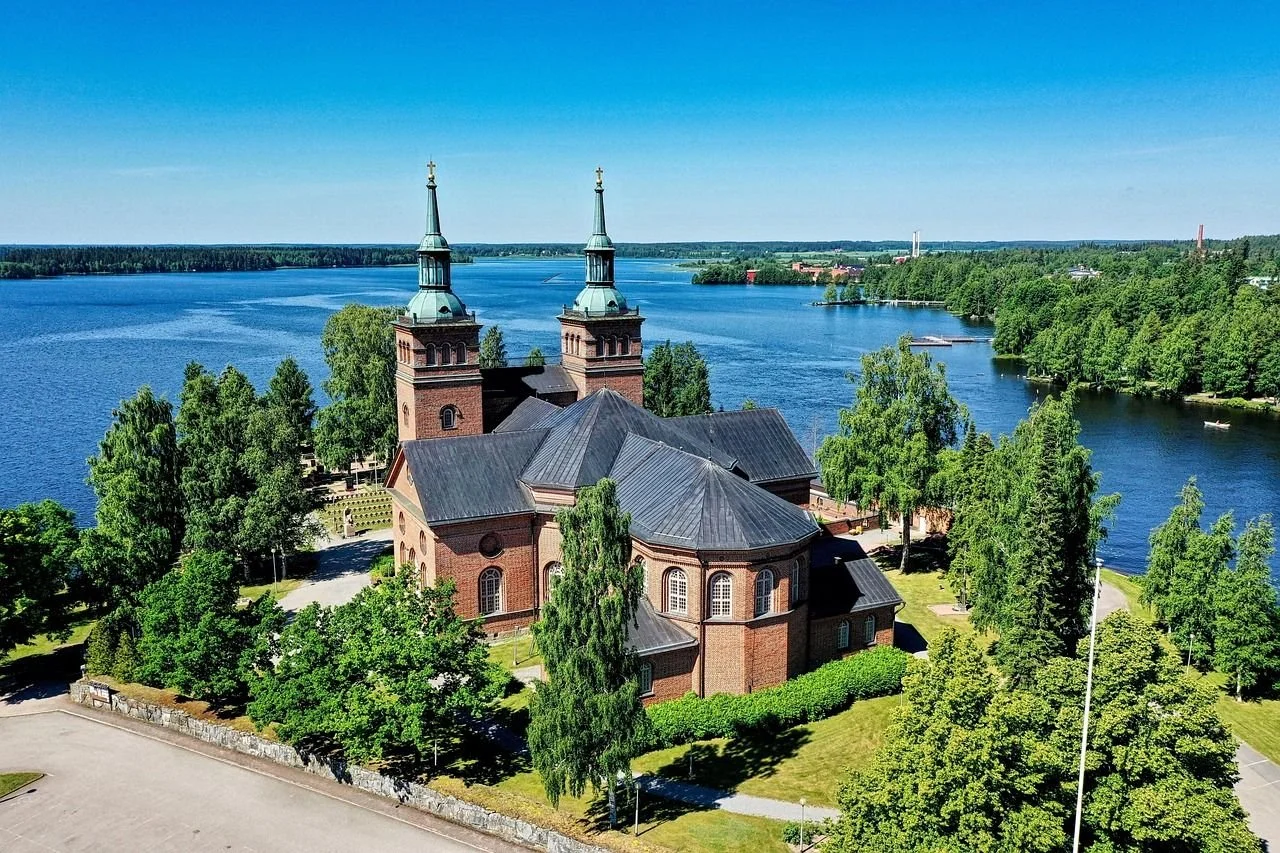
Essential Guide to Finland- Shuttles, Transfers and Tours
Navigate Your Journey with Confidence and Style
Finland – Intro
Discover Finland, a land of pristine forests, shimmering lakes, and vibrant northern cities where modern design meets deep-rooted tradition.
From Helsinki’s coastal charm to the magic of Lapland, Finland offers serene landscapes, rich culture, and unforgettable Nordic experiences.
Suomi – Tiivis esittely
Tutustu Suomeen, maahan jossa puhtaat metsät, kimmeltävät järvet ja eloisat pohjoiset kaupungit yhdistävät modernin muotoilun ja vahvat perinteet.
Helsingin merellisestä tunnelmasta Lapin taikaan Suomi tarjoaa rauhallisia maisemia, rikasta kulttuuria ja unohtumattomia pohjoisia elämyksiä.
Finland (Suomi) — explore shuttles, airport transfers, private drivers, boat trips, tours & sightseeing – Featured partners:

Orex Oy - Airport Transfers | Long Distance Travel VIP Chauffeur - across Finland
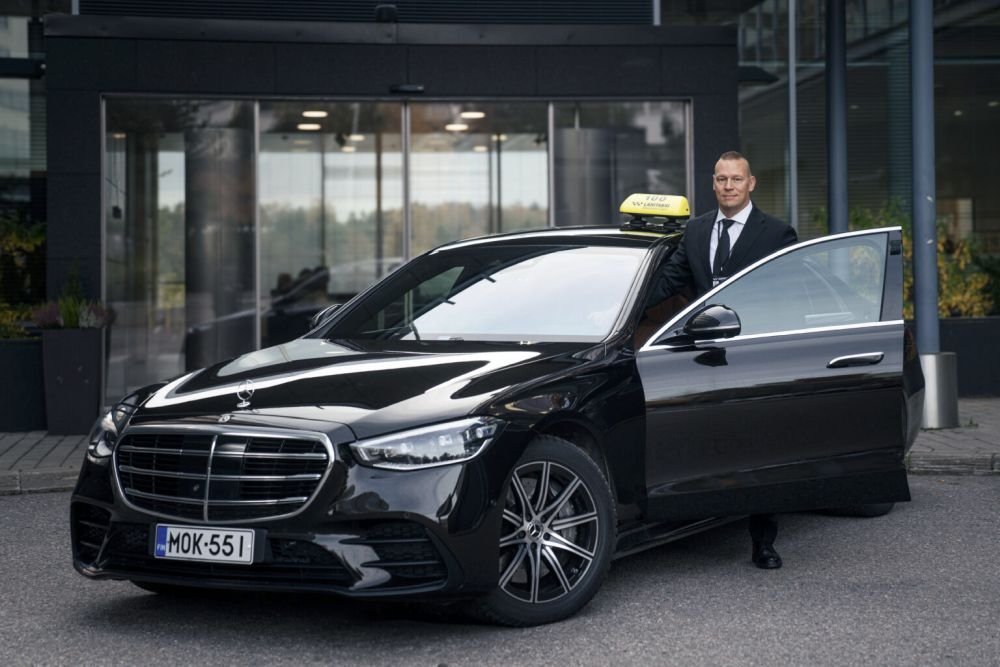
Lähitaksi premium taxi services, Helsinki, Riihimäki and Lapland
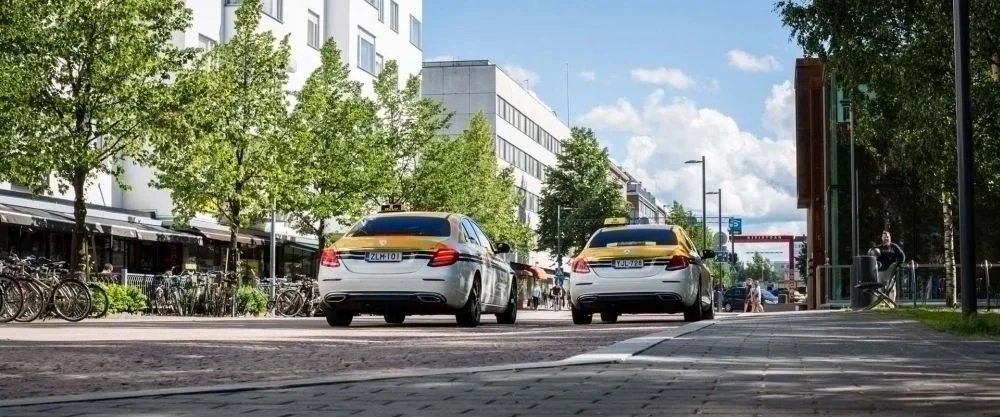
OTAXI - Northern Ostrobothnia, airports: Oulu and Kuusamo-Ruka
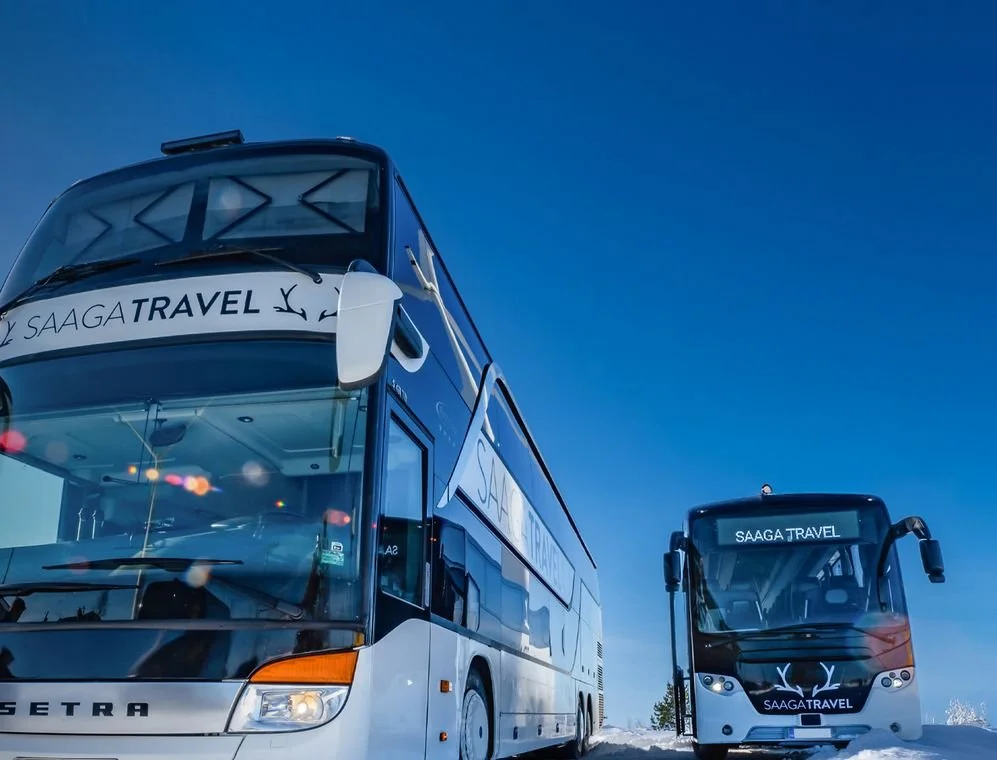
Saaga Travel - full-service charter bus transportation in Northern Finland
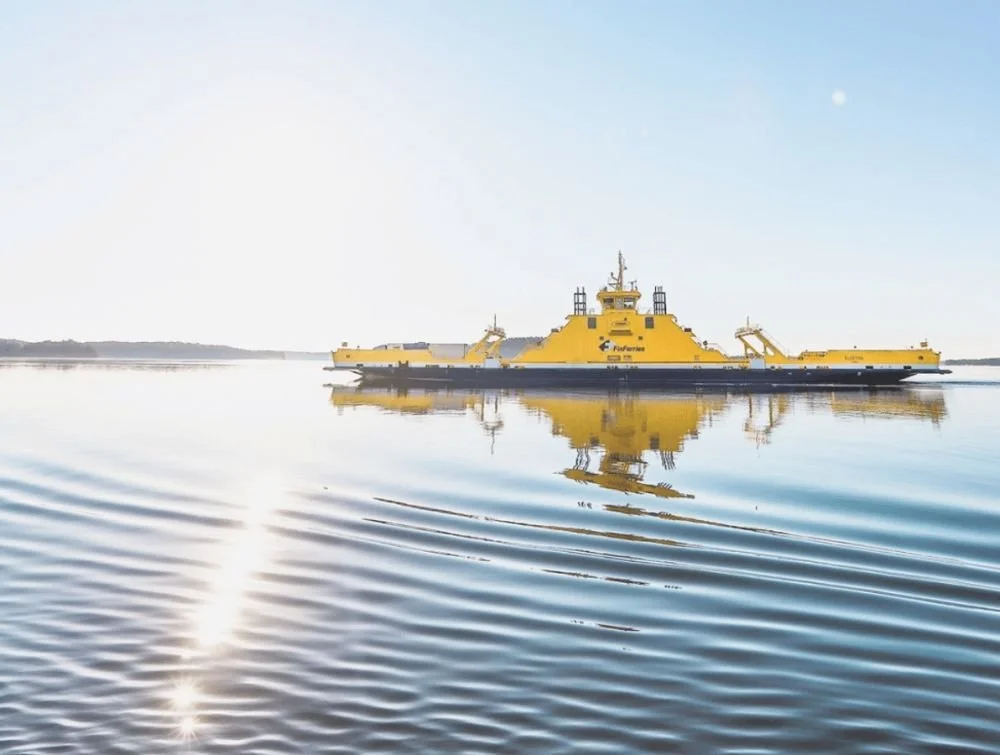
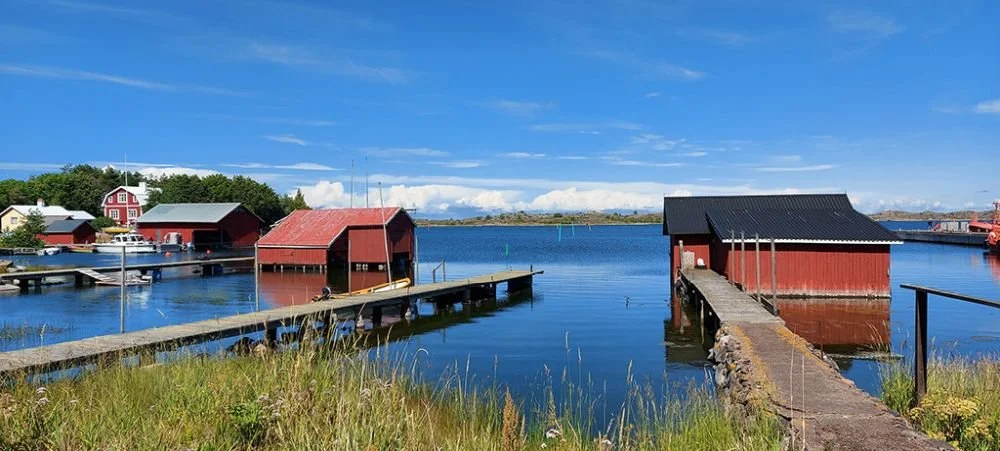
Turun Saaristomatkat - explore Turku archipelago

Helsinki Citycopter - helicopter and private jet flights, Vantaa, Finland
Menevä - Book a taxi, Panimokatu 2A, 00580 Helsinki
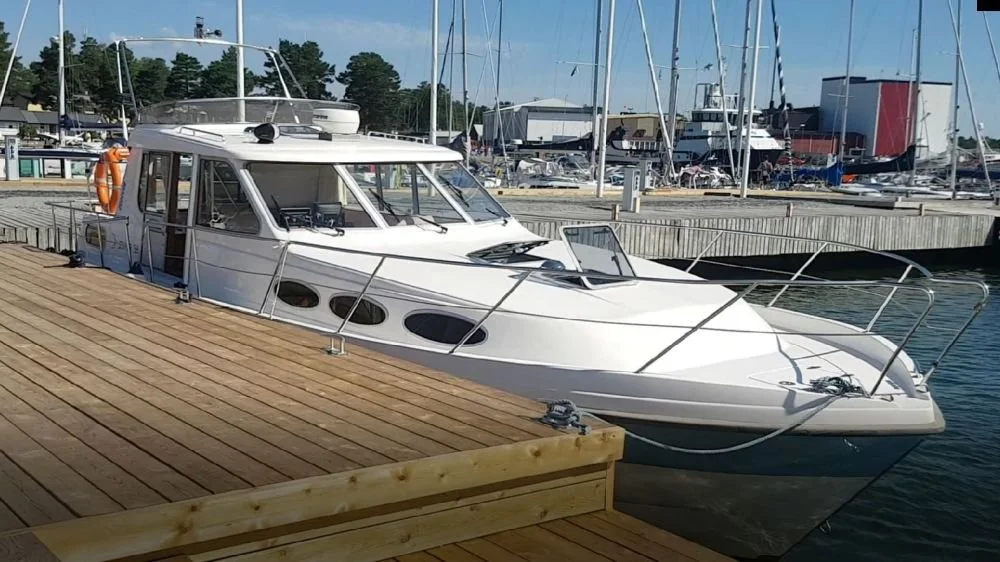
New Taxi Boat Helsinki - New Taksivene Helsinki - fast waterway transport / private charter cruises in the Helsinki metropolitan area
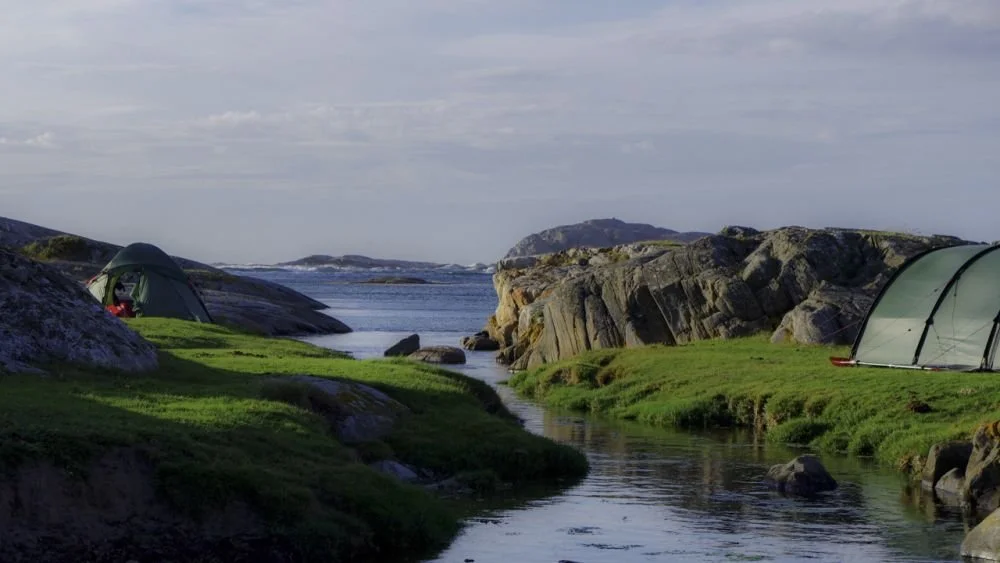
Aavameri Sea Kayaking, Turku Archipelago
Launokorpi - cycling vacations, lighthouse tours in in Turku area
Getting Around Finland
Transport, Trains, Ferries, and Practical Travel Tips
Finland is a vast northern country of forests, lakes, islands, and modern, design‑driven cities.
Distances can be long, especially between the south and Lapland, but transport is efficient, clean, and well‑coordinated.
Travellers can move easily between Helsinki’s urban coastline, the Lakeland region, and the Arctic north.
This guide explains how transport works in Finland — trains, domestic flights, buses, ferries, car hire, and regional systems — with realistic travel times, costs, and practical context for exploring both cities and remote areas.
Transport Options in Finland
Trains (Best Overall Option)
Finland’s rail network is reliable, comfortable, and well‑suited to long distances.
• Operated mainly by VR (Finnish Railways)
• Fast, punctual, and environmentally friendly
• Connects major cities and many regional towns
Main routes:
• Helsinki ↔ Tampere (~1.5 hours)
• Helsinki ↔ Turku (~2 hours)
• Helsinki ↔ Oulu (~5.5–6 hours)
• Helsinki ↔ Rovaniemi (~8–12 hours, including night trains)
Typical cost:
€10–60 depending on distance and booking time
• Book early for cheaper fares
• Night trains are excellent for long northbound journeys (especially to Lapland)
Domestic Flights
Because Finland stretches far into the Arctic, flying is common for long distances.
• Essential for reaching Lapland quickly
• Frequent routes between major cities
Popular airlines:
• Finnair
• Norwegian Air Shuttle
Typical cost:
€40–150
Flight times:
• Helsinki → Rovaniemi: ~1.5 hours
• Helsinki → Oulu: ~1 hour
• Helsinki → Kuopio: ~1 hour
Buses
Buses are modern, comfortable, and often cheaper than trains.
• Extensive national coverage
• Ideal for budget travellers and smaller towns
Main operators:
• OnniBus
• Matkahuolto network
Typical cost:
€5–30
• Slower than trains but very good value
• Wi‑Fi and power outlets common
Car Hire (Best for Rural & Nature Travel)
Renting a car is ideal for exploring Finland’s countryside, lakes, and remote regions.
• Essential for national parks, Lakeland, and Lapland
• Excellent road conditions and low traffic outside cities
Typical cost:
€40–90 per day
• Winter driving requires caution (snow tyres mandatory)
• Distances in Lapland are long — plan fuel stops
Ferries & Archipelago Boats
Finland’s coastline and islands are a major highlight.
• Extensive ferry networks in the south and southwest
• Essential for island hopping in the archipelagos
Key areas:
• Helsinki Archipelago
• Turku Archipelago (20,000+ islands)
• Åland Islands
Operators include:
• Finferries
• Viking Line (regional routes)
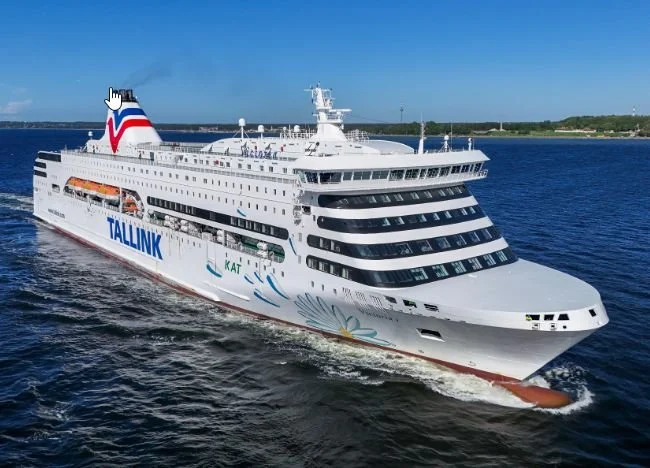
• Tallink Silja (regional routes)
Typical cost:
€5–20 for local ferries
International ferries:
• Finland ↔ Sweden
• Finland ↔ Estonia
• Finland ↔ Germany
Public Transport in Cities
Finnish cities have excellent local transport.
• Integrated systems (bus, tram, metro, commuter rail)
• Contactless payments widely accepted
Example:
• Helsinki Metro (the northernmost metro in the world)
Typical cost:
€2.80–3.50 per single trip
• Day passes offer good value
• Clean, safe, and easy to navigate
Getting Around Finland’s Main Areas
Helsinki
Finland’s capital is coastal, compact, and easy to navigate.
• Efficient metro, trams, and buses
• Walkable central districts
• Helsinki Airport well connected
Airport → City Centre:
30 minutes by train | €4.10
40–50 minutes by bus | €4–7
Nearby highlights:
• Suomenlinna
• Helsinki Archipelago
• Design District
Turku (Southwest Coast)
Finland’s oldest city with strong maritime character.
• Good bus network
• Gateway to the Turku Archipelago
Nearby:
• Naantali
• Archipelago Trail
Tampere (Lakeland)
A lively inland city surrounded by lakes.
• Excellent rail connections
• Easy access to Lakeland nature
Nearby:
• Pyynikki Ridge
• Lake Näsijärvi
Finnish Lakeland (Central & Eastern Finland)
A region of forests, lakes, and quiet towns.
• Best explored by car
• Some rail access from Helsinki and Tampere
Key areas:
• Savonlinna
• Kuopio
• Jyväskylä
Finnish Lapland (Far North)
Remote, Arctic, and unforgettable.
• Best reached by flight or overnight train
• Car useful for exploring remote areas
Key destinations:
• Rovaniemi
• Levi
• Saariselkä
• Inari
Experiences:
• Northern Lights
• Midnight sun
• Reindeer culture
• Arctic wilderness
Popular Routes: Travel Times & Costs
Helsinki → Tampere
• Train: ~1.5 hours €10–25
• Bus: ~2 hours €5–15
Helsinki → Turku
• Train: ~2 hours €10–20
• Bus: ~2.5 hours €5–15
Helsinki → Oulu
• Train: ~5.5–6 hours €20–50
• Flight: ~1 hour
Helsinki → Rovaniemi
• Night train: ~8–12 hours €30–80
• Flight: ~1.5 hours
Turku → Åland Islands
• Ferry: 4–5 hours €10–20
Helsinki → Tallinn (Estonia)
• Ferry: ~2 hours €15–30
Top Places to Visit in Finland
• Helsinki – Design, food, coastal islands
• Turku – History and archipelago gateway
• Tampere – Lakeside culture
• Rovaniemi – Arctic adventure
• Levi & Saariselkä – Skiing and winter activities
• Savonlinna – Castles and lakes
• Åland Islands – Peaceful island landscapes
• Turku Archipelago – Scenic island‑hopping
Practical Notes for Travellers
• Finland is largely cashless — cards accepted almost everywhere
• English is widely spoken
• Winter travel can be slow in the north due to snow
• Summer (June–August) offers long daylight hours
• Book trains early for best prices
• In Lapland, distances between towns can be significant
Finland rewards travellers who embrace its scale. With efficient trains, smooth domestic flights, scenic ferries, and well‑maintained roads, getting around is straightforward — whether exploring stylish cities or venturing deep into the Arctic north.
Prices shown are approximate and current as of April 2026.
Popular Destinations, Finland tours and transport: Featured Plus
-
![Ataman Tours, Helsinki]()
discover Helsinki
-
![Lomatka Travel Company]()
activities and tours across Finland
-
![Green Cap Tours]()
visit Santa's Village (Rovaniemi)
-
![Happy Guide Helsinki]()
experience the real Helsinki
-
![Helsinki - Tallinn]()
Helsinki Tallinn ferry crossings
Top Destinations in Finland — with Easy Cross-Border Trips
Finland blends pristine nature, design-driven cities, and unique Arctic experiences—plus it sits perfectly for seamless travel into neighbouring countries.
Helsinki
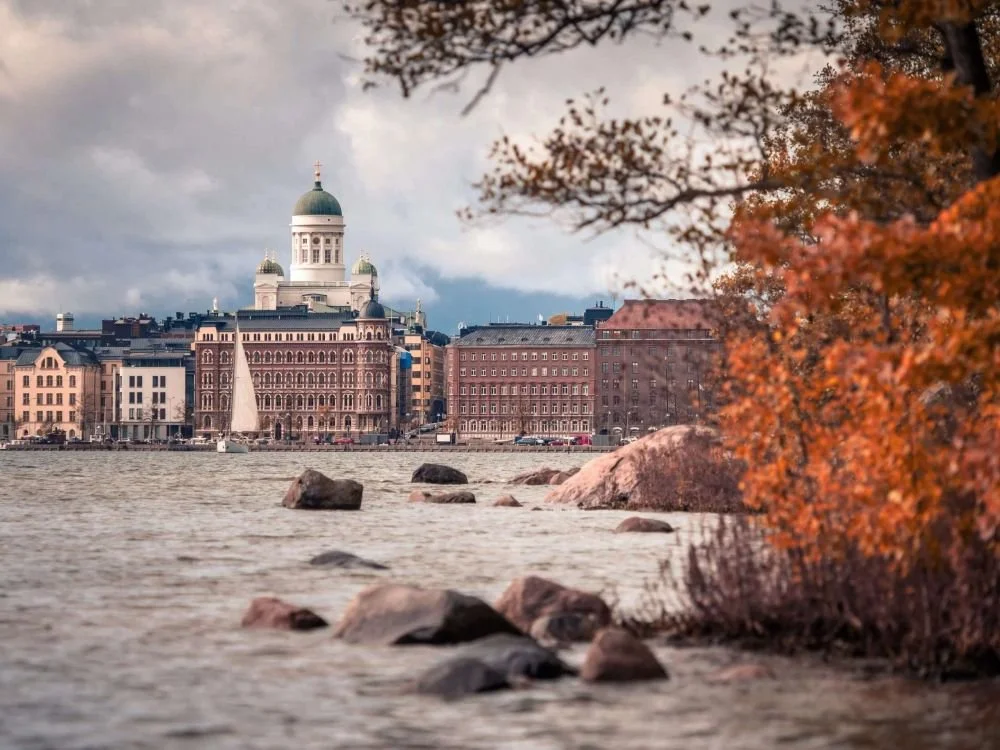
A compact, stylish capital known for architecture, saunas, and waterfront life. Explore the Design District, ferry out to Suomenlinna, and enjoy Nordic cuisine.
Cross-border: Frequent ferries to Tallinn (2 hours), making an easy day or overnight trip.
Finnish Lakeland (Savonlinna, Kuopio, Tampere)
A vast region of forests and lakes—ideal for summer cabins, kayaking, and slow travel. Savonlinna hosts an opera festival in a medieval castle.
Cross-border: Continue east toward Saint Petersburg (note: border conditions vary; check current requirements).
Lapland (Rovaniemi, Levi, Saariselkä)
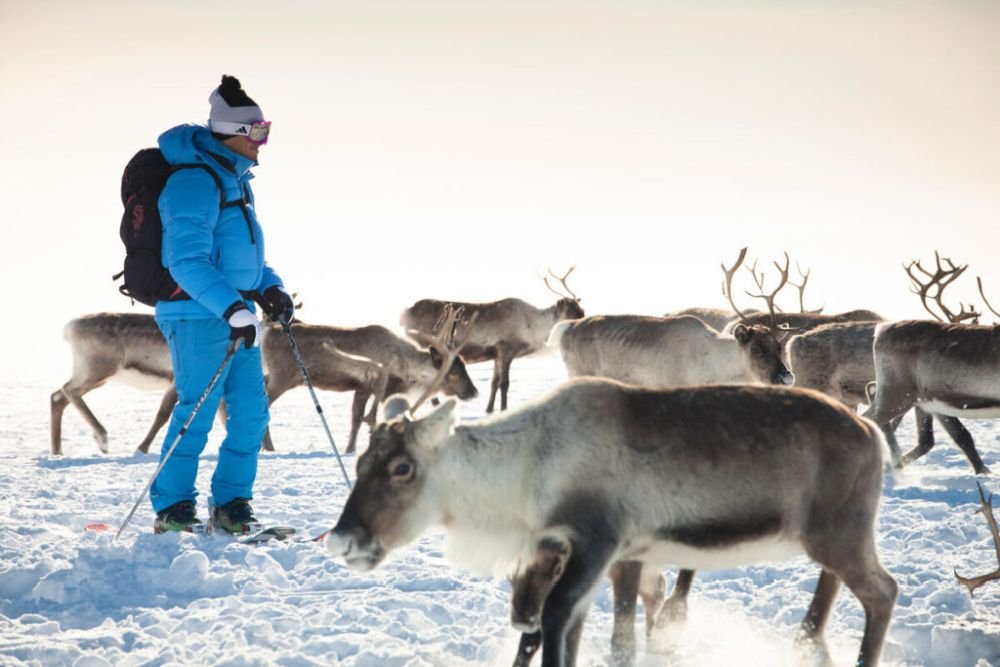
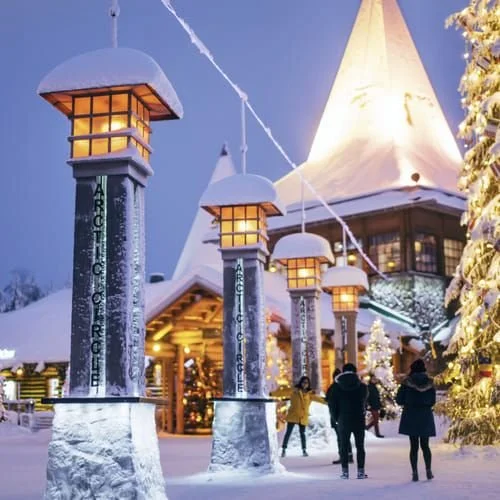
Arctic wilderness, Northern Lights, reindeer culture, and winter sports. Rovaniemi is known as Santa’s hometown.
Cross-border: Drive or join tours into Norway for fjords (via Tromsø) or Sweden for linked ski regions.
Turku & the Archipelago
Finland’s oldest city, with a riverside setting and gateway to thousands of islands. Cycle or ferry through the Archipelago Trail.
Cross-border: Ferries connect to Stockholm—a classic overnight Baltic crossing.
Oulu
A lively tech hub with access to northern nature and the Bothnian Bay. Great for cycling and a less-touristed Arctic feel.
Cross-border: Head west into Sweden’s coastal towns like Luleå, or north toward Lapland routes linking multiple countries.
Åland Islands
A Swedish-speaking island region between Finland and Sweden—quiet, scenic, and ideal for cycling and seaside stays.
Cross-border: Ferries run frequently between Turku/Åland and Stockholm.
Travel Flow Ideas
Helsinki → Tallinn → Stockholm loop via ferry (Baltic capitals in one trip)
Lapland triangle: Finland → Sweden → Norway for Arctic landscapes and culture
Archipelago route: Turku → Åland → Stockholm for slow island travel
Finland’s efficient transport and close neighbours make it easy to combine multiple countries in one seamless Nordic itinerary.

Slow Travel: The Art of Going Nowhere Fast (Italy - ShuttlesA2B)
Greenland, Global Attention, and Self-Determination (ShuttlesA2B)
Finland and Sweden: A Quietly Close Relationship
The relationship between Finland and Sweden is one of the most nuanced in Europe—shaped by centuries of shared history, separation, and ongoing cultural overlap. It’s not loud or sentimental, but it runs deep.
A Shared Past That Still Shapes the Present
For over 600 years, Finland was part of Sweden, and that legacy still shows in institutions, law, and culture. Even after Finland became part of the Russian Empire in 1809 and later independent, the social and cultural ties to Sweden remained strong. Today, the relationship feels less like “neighbours” and more like extended family—familiar, occasionally teasing, but fundamentally close.
Language: Practical, Political, and Personal
Finland is officially bilingual: Finnish and Swedish. Around 5–6% of Finns speak Swedish as a first language, particularly along the coast and in places like Turku and the Åland Islands.
All Finnish students learn Swedish at school (often called “pakkoruotsi” or “compulsory Swedish”), though enthusiasm varies. Many Finns learn it to a functional level, but not all feel a strong personal connection to the language. Still, it plays an important role in national identity and access to Nordic cooperation.
In Sweden, Finnish is recognised as a minority language, and there is a significant Finnish-speaking community, especially in northern regions and cities like Stockholm. However, most Swedes do not learn Finnish—it’s seen as linguistically distant and less immediately useful.
Mutual Perceptions: Respect with a Hint of Rivalry
Finns and Swedes generally like and respect each other, though stereotypes persist in a friendly way. Swedes are often seen by Finns as more polished, consensus-driven, and outwardly social. Finns, in turn, are viewed by Swedes as more reserved, direct, and resilient.
There’s also a long-standing sporting rivalry—especially in ice hockey—that adds a playful competitive edge. But underneath, there is genuine admiration: Finns often respect Sweden’s social systems and global outlook, while Swedes admire Finland’s education system, resilience, and strong national identity.
Mobility and Everyday Interaction
Movement between the two countries is easy, and many people live, work, or study across the border. Ferries between Helsinki and Stockholm are a cultural institution in themselves—less just transport, more a shared social space.
Cross-border families are common, and it’s not unusual for Finns to work in Sweden or vice versa. The countries cooperate closely through Nordic institutions, and there is a high level of trust between their populations.
English: A Shared Strength, with Subtle Differences
Both countries rank among the best non-native English speakers in the world, but there are slight differences in how English is learned and used.
In Sweden, English proficiency is often exceptionally high, with a strong cultural exposure to English-language media (films and TV are rarely dubbed). Swedes tend to speak English fluently and confidently, often with near-native rhythm and vocabulary.
Finns also speak excellent English, supported by a strong education system. However, Finnish is linguistically very different from English, which can make early learning more challenging. As a result, while proficiency is high, Finns may sometimes be slightly more reserved in speaking—though this is changing rapidly among younger generations.
Fondness Without Fuss
There is no dramatic narrative between Finland and Sweden—no deep tension, no overt alliance-building. Instead, there is something more understated: familiarity, ease, and a long-standing habit of cooperation.
They understand each other well, even when they joke about differences. And in a region where geography and history could easily divide, Finland and Sweden remain quietly, consistently close.