
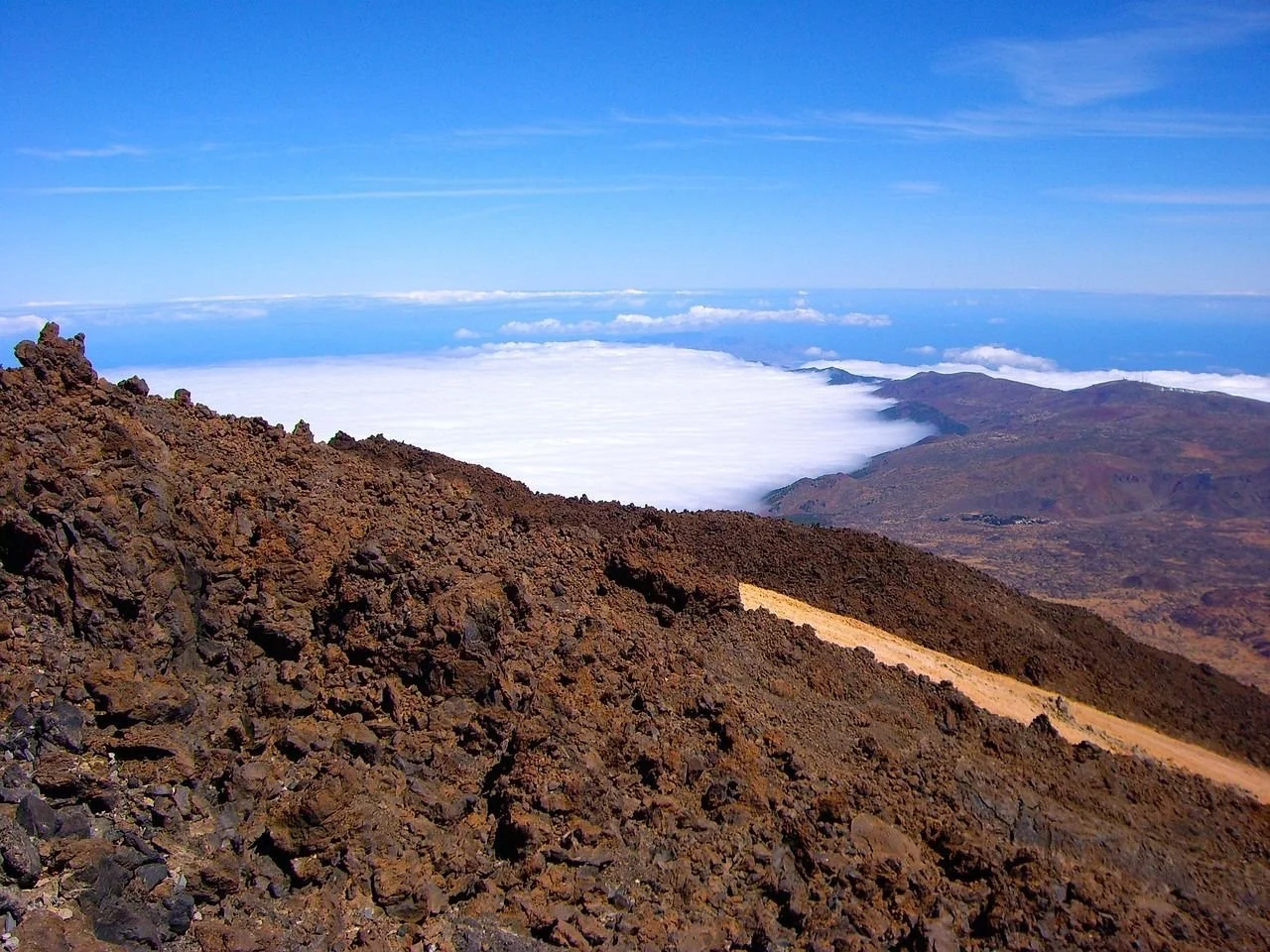
Essential Guide to Tierra del Fuego Shuttles, Transfers, and Tours:
Navigate Your Journey with Confidence and Style
Tierra del Fuego — explore shuttles, airport transfers, private drivers, tours & sightseeing - Featured partners:

Remis Carlitos - servicio de traslado de pasajeros
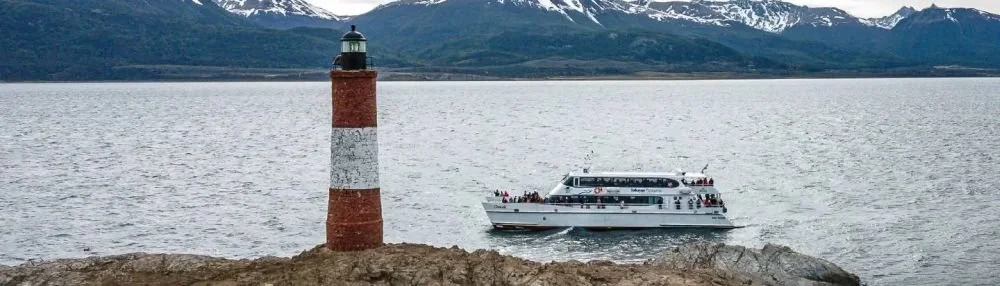
Tolkeyen Patagonia Turismo - Patagonia tours, excursions, and transfers across Ushuaia and Calafate
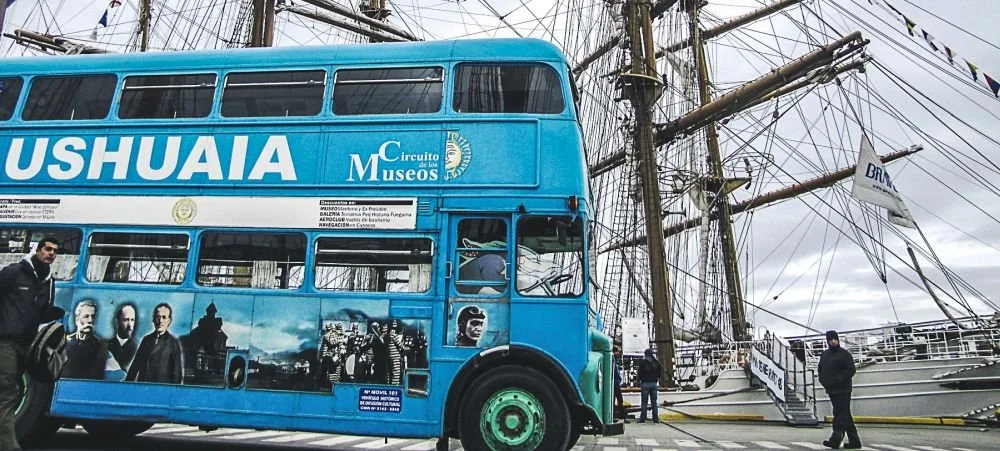
Ushuaia City Tour - view historical landmarks and panoramic coastal views
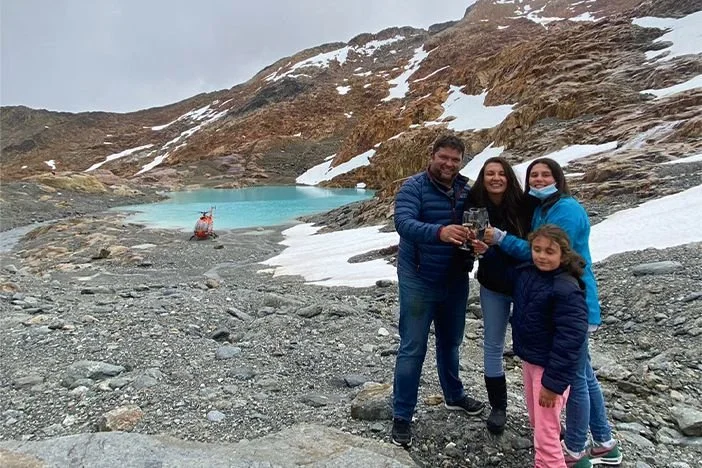
Heli Ushuaia - Ushuaia helicopter tours featuring Andean landings
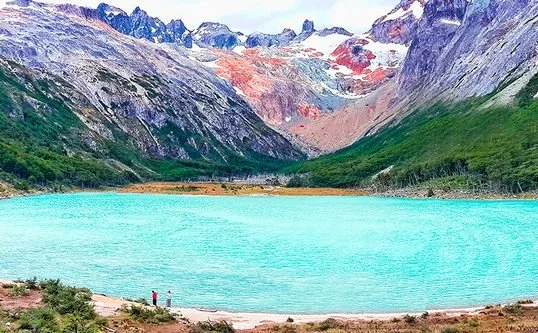
Excursión Austral - guided tours exploring Tierra del Fuego's natural wonders
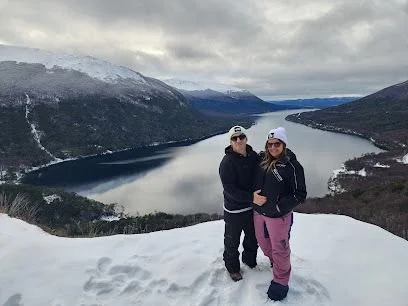
Recorrer Ushuaia - Tierra del Fuego sightseeing and adventures

Bus Sur - Punta Arenas – El Calafate y mas
Getting around Tierra del Fuego
Tierra del Fuego is remote, rugged, and governed by the elements. Once you accept that the wind and the water dictate the schedule, navigating the "End of the World" becomes an adventure in itself.
You’ll move between islands using a mix of ferries, sturdy buses, and small-aircraft flights. Because the archipelago is split between Chile and Argentina, border crossings are a frequent and necessary part of the journey. Transport here is reliable but can be slowed by southern gales or winter snow.
How transport works in Tierra del Fuego
Geography is the boss here. The Strait of Magellan and the Beagle Channel define how you move.
You’ll mostly use:
Ferries to cross the Strait of Magellan
Buses and Shuttles for the long gravel stretches between towns
Regional Flights for quick jumps across the water
Private Drivers for remote trekking trailheads or estancia visits
Zodiacs & Expedition Ships for deep coastal exploration
Basic Spanish is helpful, but "Fuegian" travel involves specific terms: cruce (crossing), transbordador (ferry), ripio (gravel road), and frontera (border).
Key Hubs & Port Transfers
Punta Arenas (PUQ) / Ushuaia (USH) / Río Grande (RGA) These are your primary gateways. Moving between them requires patience and crossing the water.
Punta Arenas → Porvenir (The Chilean Hub) The primary way to reach the Chilean side of the island.
Ferry (Punta Arenas Port)
~2–2.5 hours
CLP $7,000–10,000 (Passenger) / CLP $45,000+ (Vehicle)
DAP Airlines (Small plane)
15 min
CLP $35,000–50,000
Note: Subject to high winds; luggage limits are strict.
The First Narrows (Punta Delgada → Bahía Azul) The shortest ferry crossing (20 mins), used by most buses heading to Ushuaia. It operates on a first-come, first-served basis.
Buses in Tierra del Fuego
Buses are the lifeline for those not renting 4x4s. They are built for the ripio (gravel) and are generally very sturdy.
Common routes
Punta Arenas → Ushuaia
10–12 hours | CLP $40,000–60,000
Includes the ferry crossing and border formalities at San Sebastián.
Ushuaia → Río Grande
~3 hours | ARS $15,000–25,000
Crosses the scenic Paso Garibaldi.
Porvenir → Pampa Guanaco
~4–5 hours | CLP $15,000–20,000
Essential for reaching Karukinka Park.
Pro Tip: Always book international buses (Chile to Argentina) at least 48 hours in advance during summer.
Exploring the Deep South: Karukinka & King Penguins
Getting there
Private Transfer/Rental Car from Porvenir: 1.5–2 hours to the King Penguin Park (Parque Pingüino Rey).
Tours: Most visitors visit the penguins via a full-day tour from Punta Arenas (includes ferry).
Local Transport
Shared Vans: Limited to specific days of the week.
Hitchhiking: Common among backpackers, but "Patagonian waiting times" in the wind can be brutal.
Ushuaia & Tierra del Fuego National Park (Argentina)
Access
Fly into Ushuaia (USH) from Buenos Aires or El Calafate.
Buses from Chile arrive at the central bus terminal.
Local transport
Shuttles (Regulares): Run every hour from the city center to the National Park.
20–30 min | ARS $10,000–15,000 return.
The End of the World Train: A heritage steam train into the park.
Remises (Fixed-price taxis): Best for reaching the Martial Glacier trailhead.
Waterborne Travel: The Beagle Channel
In the far south, the water is the highway.
Catamarans: Daily departures from Ushuaia for wildlife viewing (Lighthouse, Penguins, Sea Lions).
Zodiacs: Used for reaching Estancia Harberton or remote islands.
Cruceros Australis: High-end expedition ships running multi-day routes between Ushuaia and Punta Arenas via Cape Horn.
Cross-border Transport: The San Sebastián Pass
This is the main artery between the Chilean and Argentine sectors of the island.
The Process: You exit one country, drive a few kilometers through "no man's land," and enter the other.
Customs: Strict checks for organic goods (fruit, honey, meat).
Weather: In winter (June–August), the pass can close due to heavy snow or black ice.
Rental Cars & Driving
Renting a car offers the most freedom but requires preparation.
Gravel Roads: Much of the island is unpaved. Wind can catch car doors—hold them tight!
International Permits: If crossing the border, you must have a specific "Permiso Internacional" and insurance (Seguro Obligatorio) arranged by the rental agency 5–7 days in advance.
Fuel: Gas stations are sparse. If you see one in Cerro Sombrero, Porvenir, or Río Grande, fill up.
Tierra del Fuego rewards those who don't watch the clock too closely. Between the ferry crossings and the border checks, the journey is less about the arrival and more about the vast, windswept scale of the landscape.
N.B. Prices shown are indicative and reflect typical costs in Tierra del Fuego as at May 2026.
Popular Destinations, Tours and Shuttle Services - Tierra del Fuego
-
![Rafael Transfers Ushuaia]()
Ushuaia transfers & tours
-
![Ushuaia Extremo]()
Adventure tours, bike rentals, and transfers in Ushuaia
-
![Dave Ushuaia Transfers]()
Airport pickups, hotel transfers, and private transport around Ushuaia
-
![Antarctica21]()
Antarctica21 - fly‑cruise expeditions to Antarctica from Punta Arenas
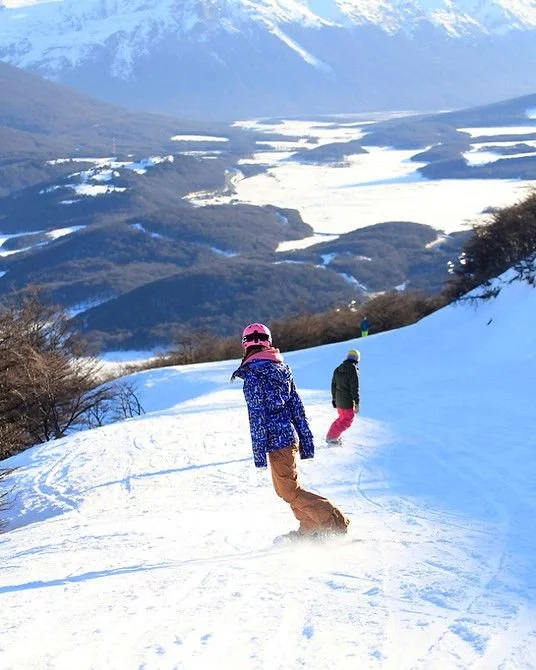

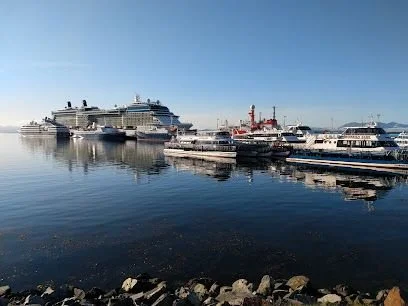
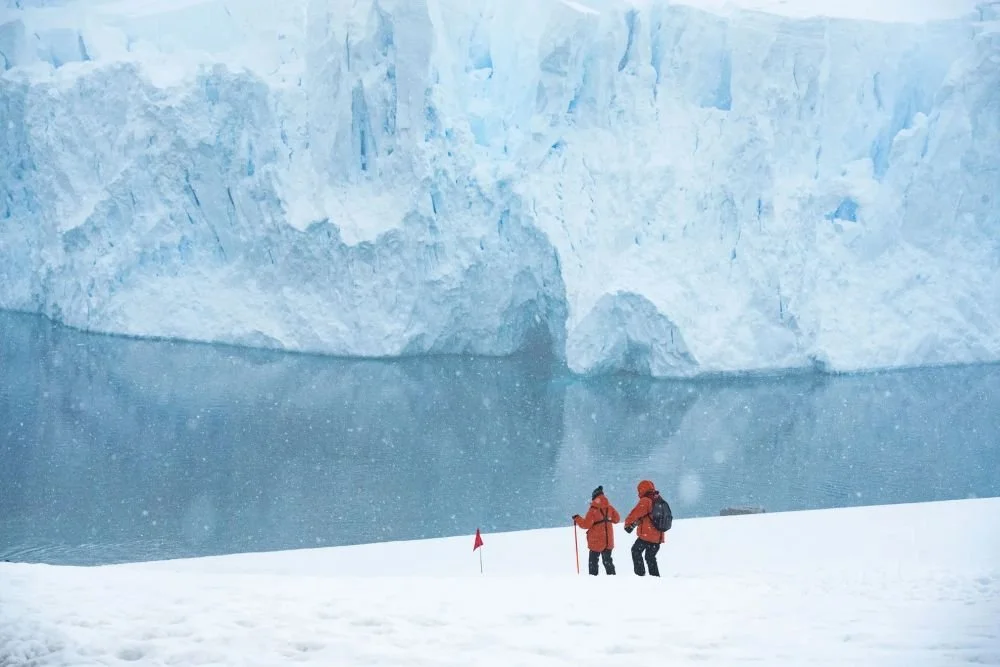
What draws people to Tierra del Fuego?
People are drawn to Tierra del Fuego by the magnetic pull of the "End of the World," a place where the landscape feels raw, final, and profoundly quiet.
This archipelago at the southernmost tip of the Americas offers a sense of isolation that is increasingly rare, characterized by windswept plains, jagged snow-capped peaks, and the legendary waters of the Beagle Channel and the Strait of Magellan.
Adventurers come to trek through the sub-antarctic forests of the National Park, glimpse the rare King Penguin colonies near Porvenir, or set sail from Ushuaia toward the white silence of Antarctica.
What truly captivates visitors is the feeling of standing at the threshold of the unknown—a land of dramatic history, maritime lore, and a wild, untamed beauty that stays with you long after you leave its shores.
Spanish - ¿Qué atrae a la gente a Tierra del Fuego?
La gente se siente atraída por Tierra del Fuego debido al magnetismo del "Fin del Mundo", un lugar donde el paisaje se siente puro, definitivo y profundamente silencioso.
Este archipiélago en el extremo sur de América ofrece una sensación de aislamiento cada vez más inusual, caracterizada por llanuras azotadas por el viento, picos irregulares cubiertos de nieve y las legendarias aguas del Canal Beagle y el Estrecho de Magallanes.
Los aventureros llegan para recorrer los bosques subantárticos de su Parque Nacional, divisar las raras colonias de pingüinos rey cerca de Porvenir, o zarpar desde Ushuaia hacia el silencio blanco de la Antártida.
Lo que realmente cautiva a los visitantes es la sensación de estar en el umbral de lo desconocido: una tierra de historia dramática, leyendas marítimas y una belleza salvaje e indómita que permanece en la memoria mucho después de haber dejado sus costas.

Ecuador - visiting the Auca tribe in the Amazonas (ShuttlesA2B)
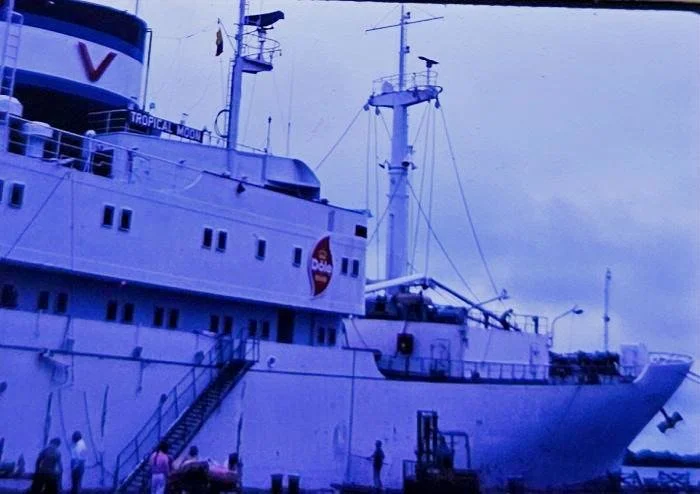
A life‑changing voyage that began in the Port of Montevideo (ShuttlesA2B - Uruguay)