
Essential Guide to Greenland: Flights, Shuttles, Boat Trips & Tours
Navigate Your Journey with Confidence and Style
Greenland - Intro
Vast, wild, and otherworldly, Greenland is the world’s largest island — a land where ice dominates the horizon and nature sets the pace of life.
Located between the Arctic and Atlantic Oceans, it is an autonomous territory within the Kingdom of Denmark, yet culturally and geographically it belongs firmly to the Arctic.
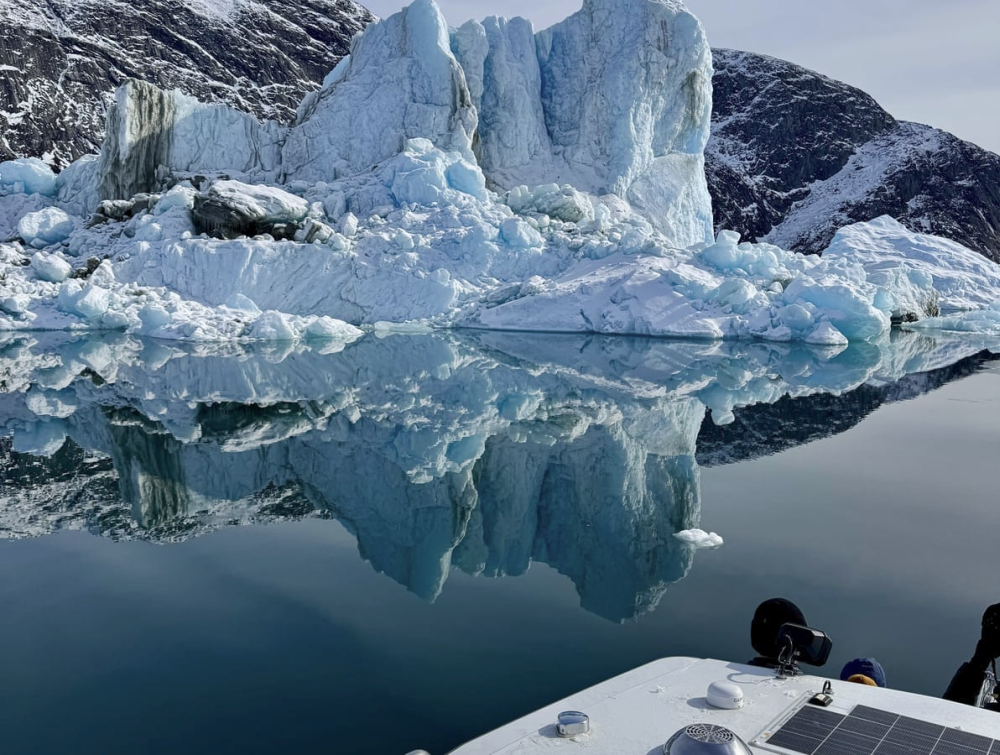
Around 80% of Greenland is covered by the Greenland Ice Sheet, one of the largest bodies of ice on Earth.
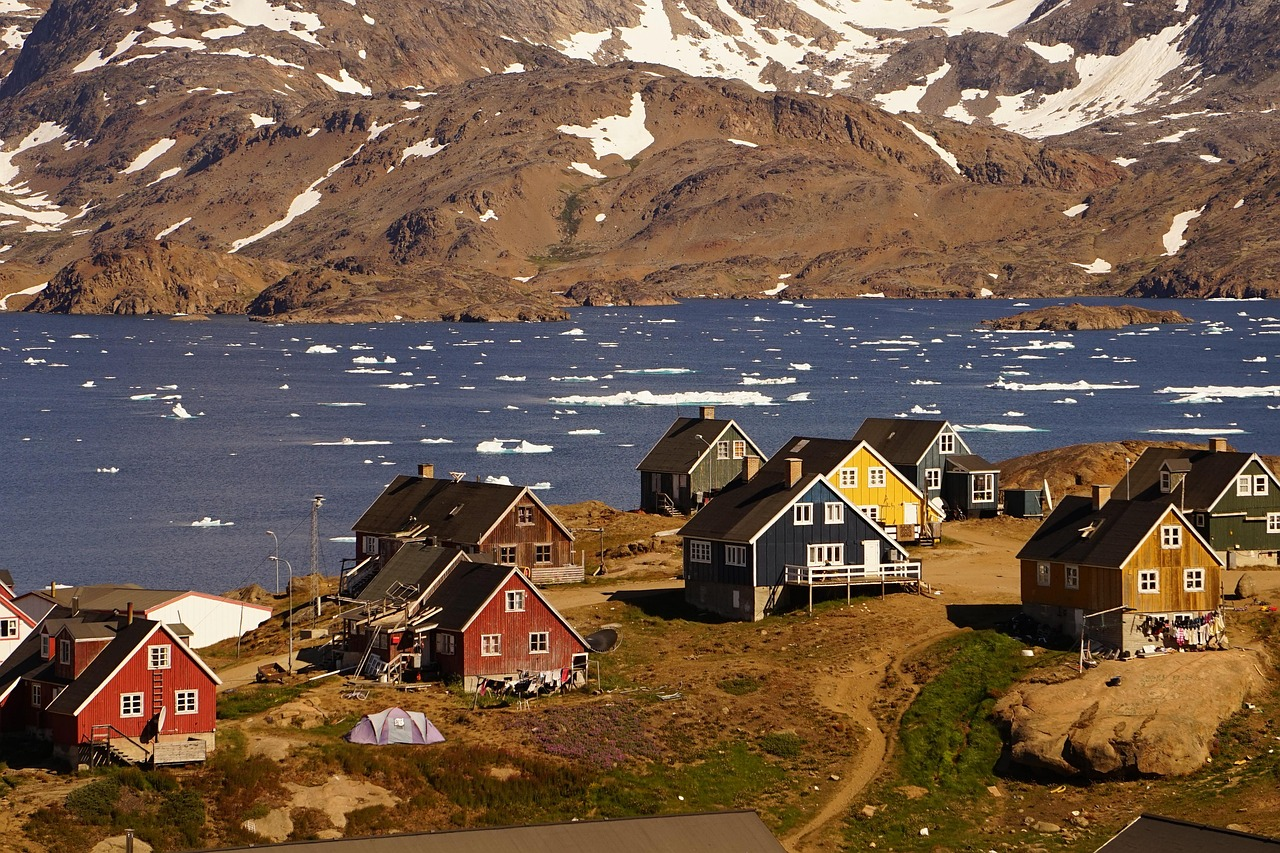
Along its rugged coastline, colorful settlements cling to rocky shores, backed by towering fjords and drifting icebergs. The capital, Nuuk, blends modern Nordic design with deep Inuit traditions.
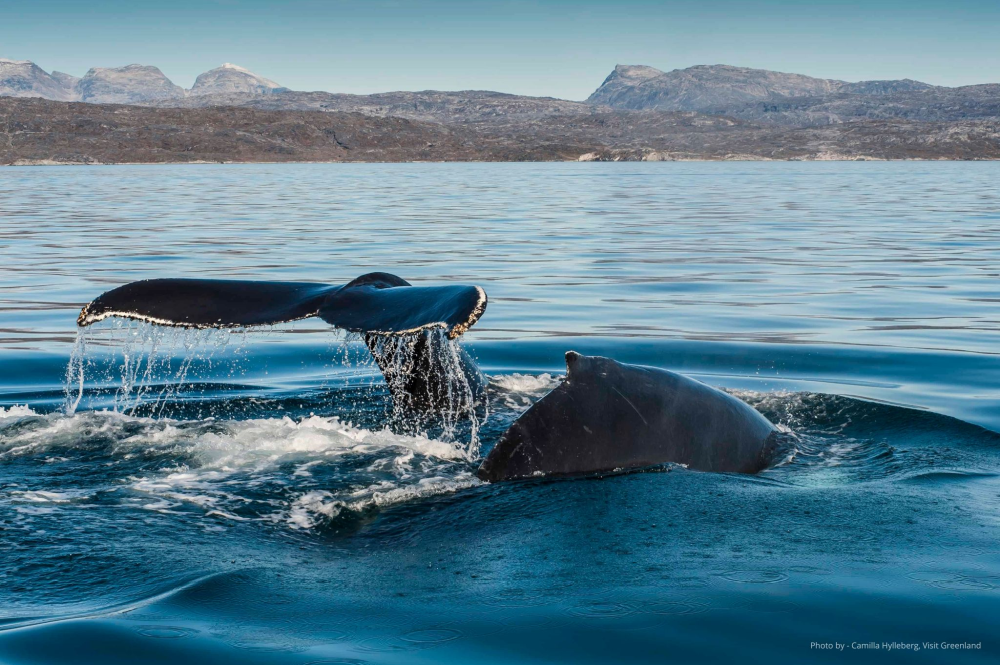
Visitors come for the raw beauty: whale-filled waters, calving glaciers, northern lights in winter, and the midnight sun in summer. But beyond the landscapes, Greenland offers something rarer — silence, space, and a powerful sense of connection to nature and ancient Arctic culture.
Greenland — explore shuttles, airport transfers, private drivers, flights, cruises, boat trips, and water taxis. Featured partners:
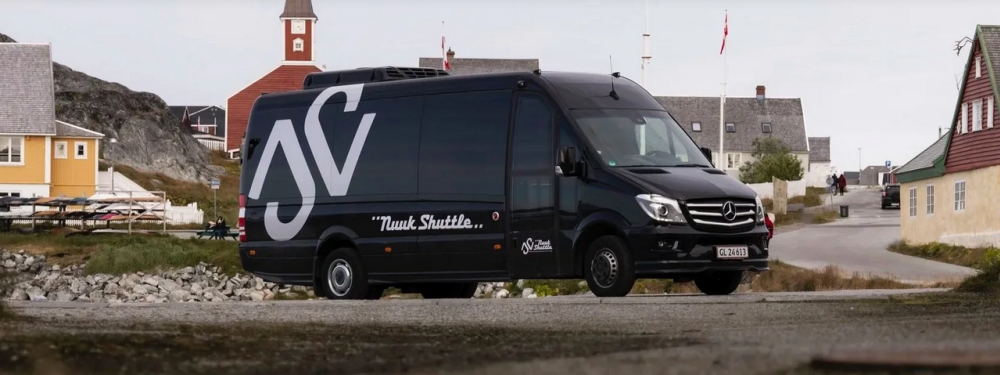
Nuuk Shuttle - easy and stylish travel in Nuuk, the coolest capital
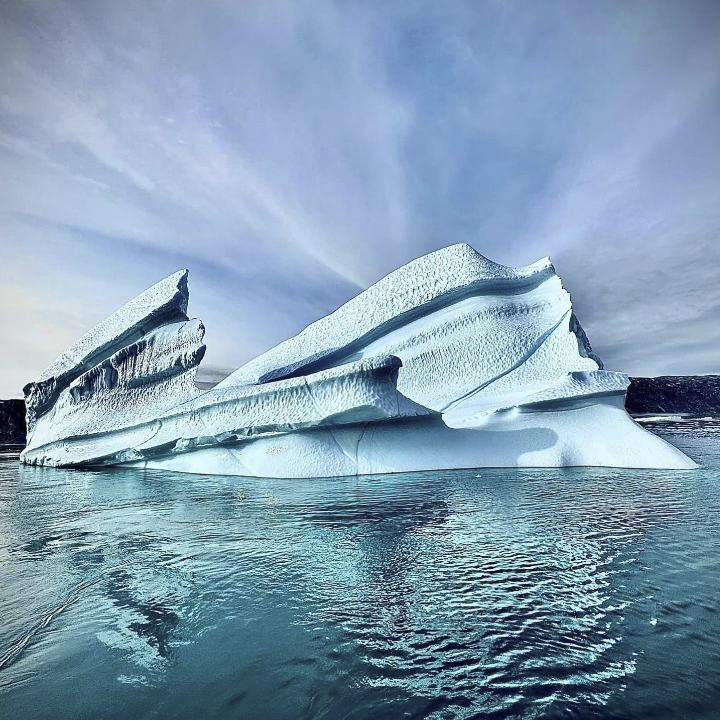
Greenland Cruises - boat tours in Nuuk & Ilulissat
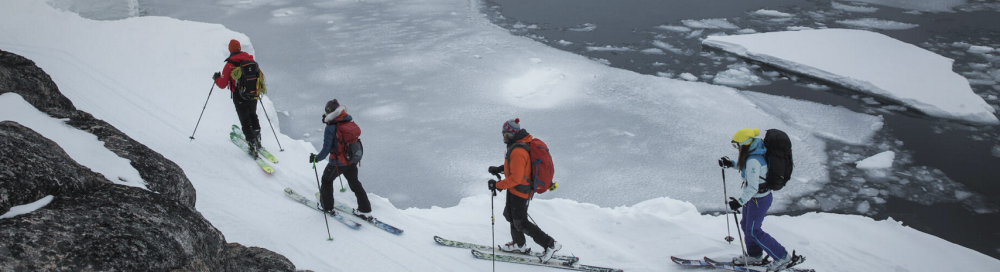
experience Greenland with Arctic Excursions, 3900 Nuuk
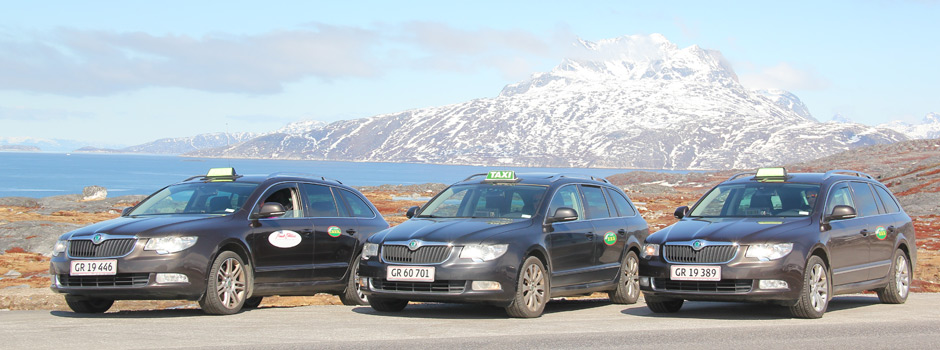
Nuuk Taxi, Greenland
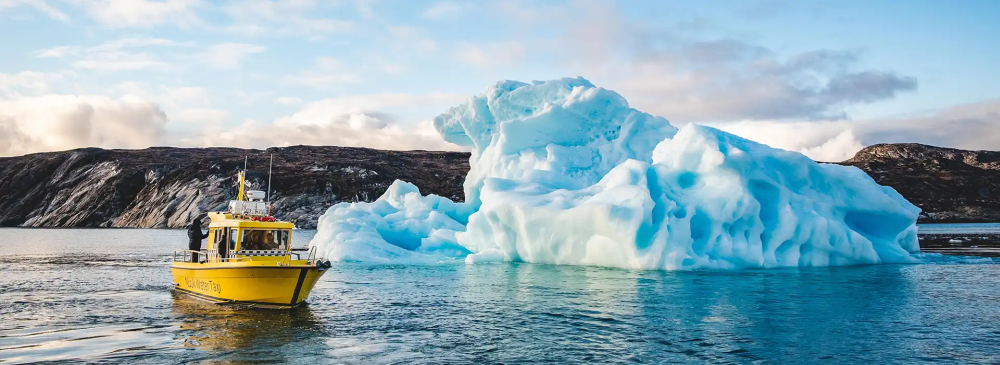
Nuuk Water Taxi - Nuuk city tours | hiking & boat tours
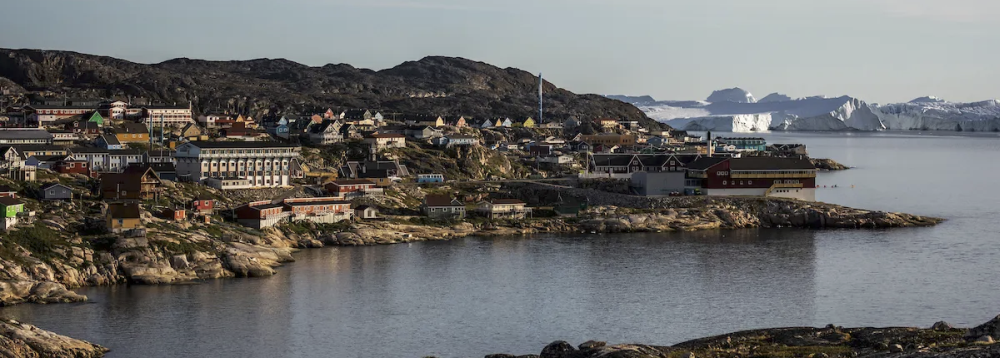
Ilulissat - fly with Air Greenland
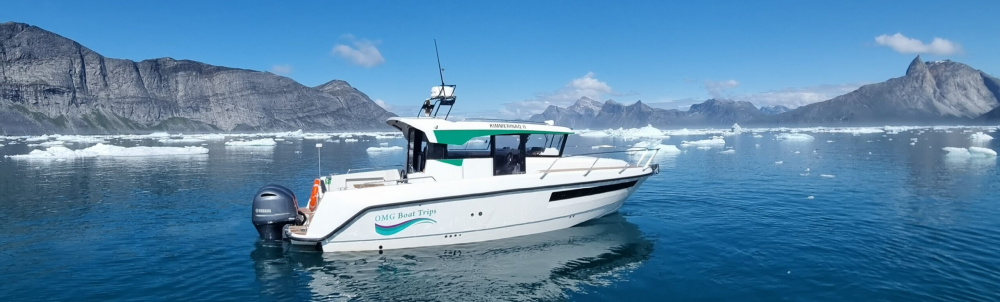
Oh My Greenland - day tours | camping | cabins | fishing
Greenland: how you actually get there, and how you move once you arrive
Greenland is vast, quiet, and shaped by ice and sea. Getting around isn’t difficult, but it is different. There are no roads linking towns, and transport follows the geography: flights, boats, and a small number of airport shuttles and transfers.
If you’re planning to reach places like Ilulissat Icefjord, the Kangerlussuaq ice sheet, Disko Island, or Prince Christian Sound, understanding how transport works is essential.
This is how it all fits together.
How to reach Greenland
Almost everyone reaches Greenland by air, usually via Denmark or Iceland.
Main international routes
Copenhagen → Greenland (year-round)
Reykjavík → Greenland (mostly seasonal, more frequent in summer)
Your arrival airport shapes everything that follows.
Key arrival airports
Kangerlussuaq – historic main hub, close to the ice sheet
Nuuk – capital city and growing international gateway
Ilulissat – direct seasonal flights, gateway to the icefjord
From these airports, onward travel is by domestic flight, boat, or a mix of both.
Airport shuttles and transfers in Greenland
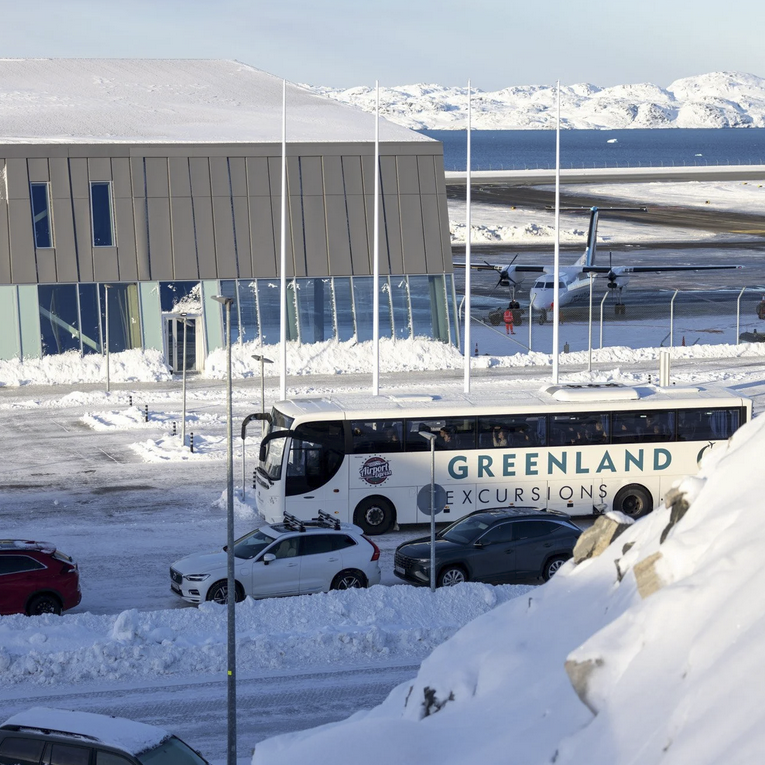
Airport shuttles and transfers in Greenland are simple, local, and practical rather than flashy.
You’ll mainly find:
Hotel shuttles in Nuuk, Ilulissat, and Kangerlussuaq
Pre-arranged airport transfers for tours and excursions
Local taxis in larger towns (limited availability, no ride-hailing apps)
Because flights are often timed around weather, pre-booking airport transfers is common — especially in winter or late at night.
Flights within Greenland
Domestic flights are the backbone of travel in Greenland.
Why flights matter
No roads connect towns
Distances are long
Weather can change plans quickly
Air Greenland operates most domestic routes, linking:
Nuuk
Ilulissat
Kangerlussuaq
Sisimiut
Aasiaat
Smaller regional airports
Flights are often short but scenic, passing over fjords, glaciers, and ice caps. Seats can be limited, so booking ahead is important, especially in summer.
Boat trips: the other way to move around
Boat trips in Greenland aren’t just excursions — they’re transport.
Depending on the season, boats connect:
Coastal towns
Small settlements
Glaciers and fjords unreachable by road or air
Common uses for boat travel
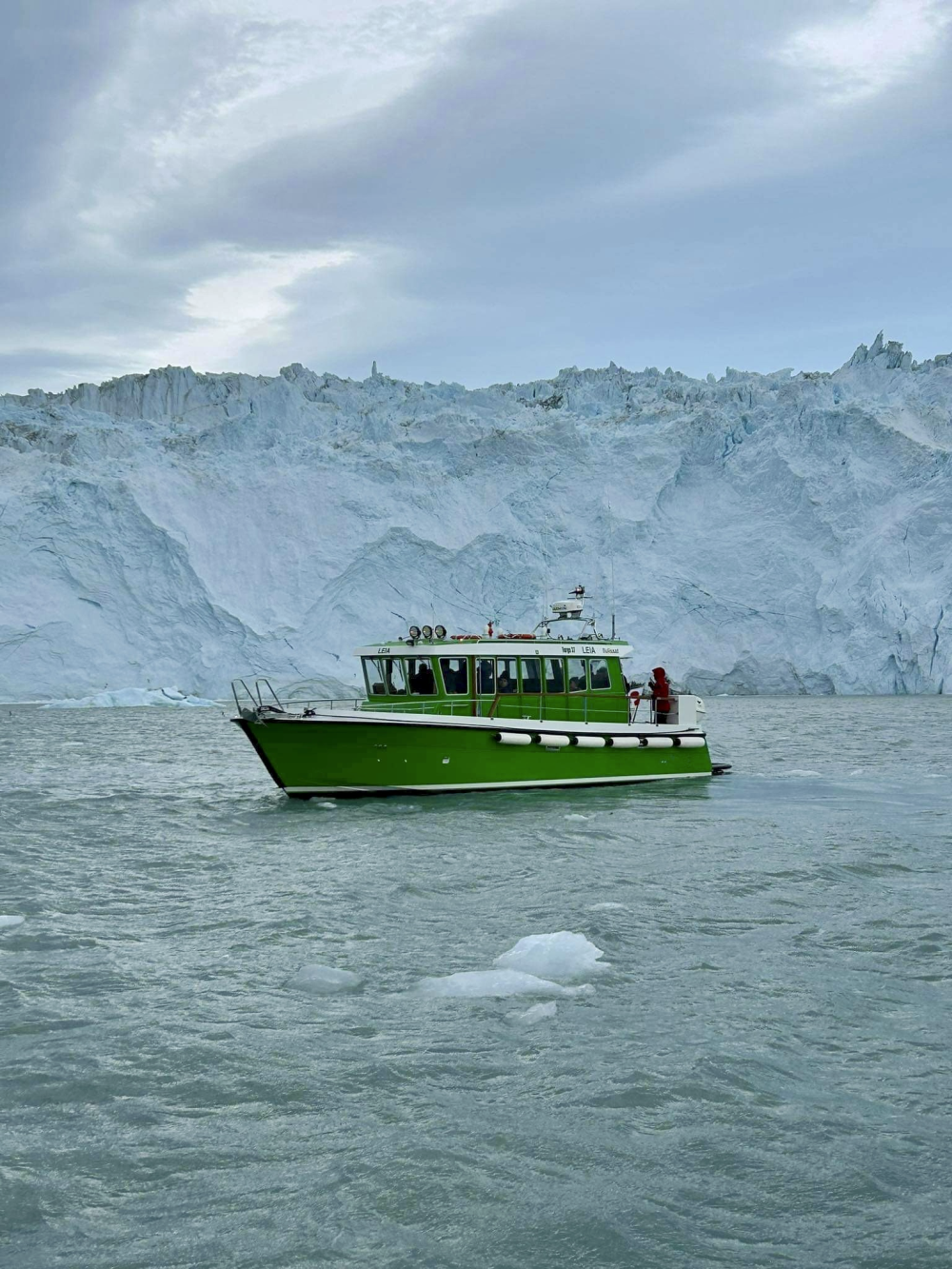
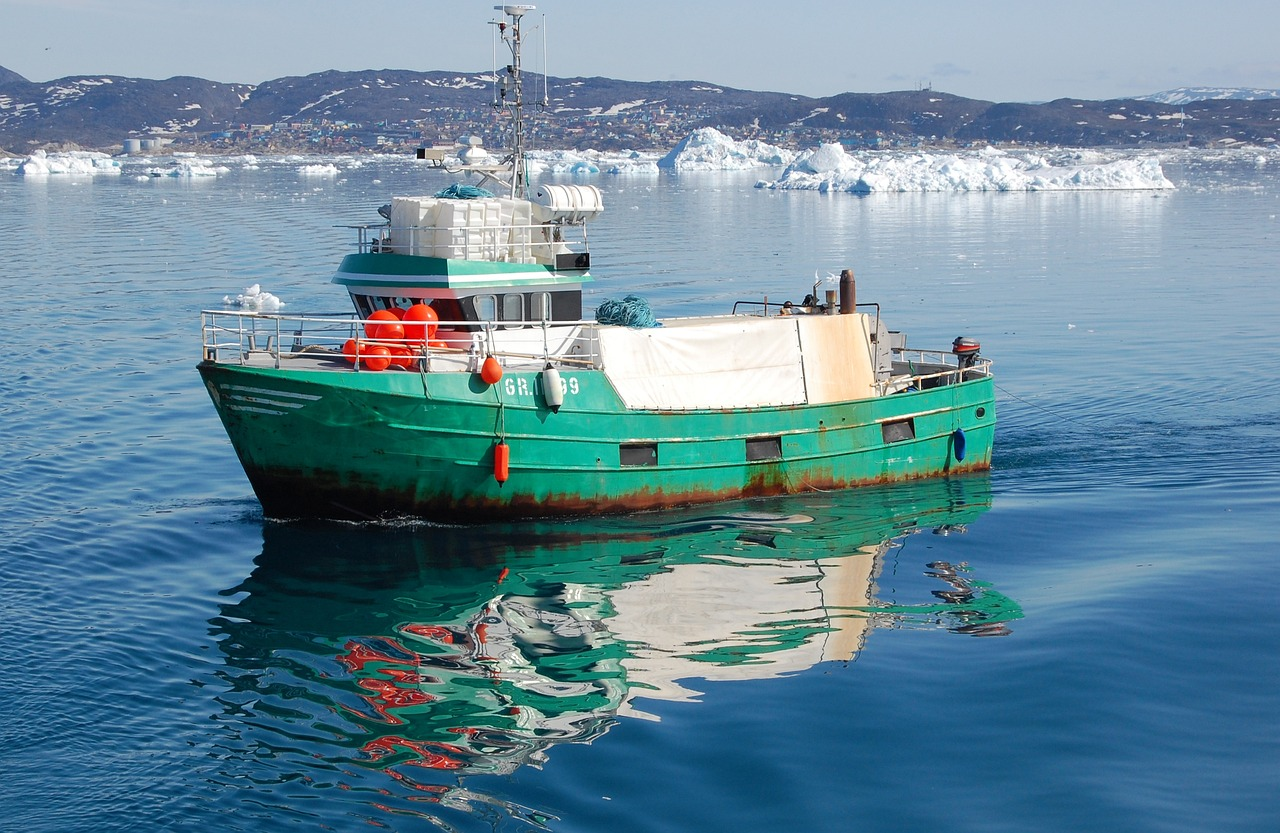
Reaching Eqip Sermia glacier
Visiting Disko Island
Coastal travel in summer months
Scenic transport combined with sightseeing
In winter, sea ice limits boat travel. In summer, boats become one of the most flexible and memorable ways to move.
Reaching Greenland’s most searched destinations
Ilulissat Icefjord
Fly to Ilulissat Airport
Airport transfer or short taxi ride into town
Boat trips and walking trails lead to the icefjord itself
Kangerlussuaq ice sheet
Fly directly to Kangerlussuaq
The ice sheet is reachable by:
Guided 4WD excursions
Shuttle-style transfers
Hiking routes in summer
This is one of the easiest places in Greenland to stand on the ice cap.
Eqip Sermia glacier
Reach Ilulissat
Continue by boat trip (day trip or overnight)
No road access; boats are essential
Disko Island
Fly or boat to Ilulissat
Continue by boat to Qeqertarsuaq on Disko Island
Flights are limited; boats are more common in summer
Prince Christian Sound
Typically accessed as part of:
Coastal ferry routes
Expedition cruises
Travel is weather-dependent and seasonal
Northern lights
Best reached by flying into:
Kangerlussuaq
Ilulissat
Nuuk
Local transfers and short drives take you away from town lights
Winter flights are reliable, but weather buffers are wise
Nuuk
Fly directly from Copenhagen or Iceland
Domestic flights connect Nuuk to most regions
Taxis and hotel shuttles cover local transport
Choosing between flights, boats, and transfers
There’s no single “best” way to get around Greenland — it depends on timing and priorities.
Flights
Fast and reliable year-round
Limited seats
Weather delays possible
Boat trips
Seasonal
Slower but scenic
Essential for glaciers and islands
Airport shuttles and transfers
Simple, local, and practical
Often bundled with accommodation or tours
Best pre-arranged
Most visits combine all three.
A practical note on planning
In Greenland, transport isn’t something you leave to the last minute. Flights sell out, boats follow seasons, and airport transfers are often organised locally rather than through global platforms.
Build a little flexibility into your plans, especially if you’re connecting to glaciers, islands, or northern lights excursions. The pace is slower — and that’s part of the experience.
Greenland rewards patience, preparation, and a willingness to travel the way the land allows.
Popular Destinations, Greenland tours and transport: Featured Plus
-
![Greenland Escape - Greenland Excursions]()
transfer and shuttle service in Nuuk
-
![Malik Marine Tours, Naternanut 28, 3905 Nuussuaq, Greenland]()
icefjord tour
-
![Ilulissat Excursions & Authentic Greenland - Ilulissat 3952, Greenland]()
boat trips, snowmobile tours, and iceberg views with local guides in Ilulissat
-
![https://www.ilulissatlocalguide.com/]()
unique & tailor-made experiences
-
![https://tupilaktravel.com/]()
experience Greenland's icefiords

Greenland, Global Attention, and Self-Determination
Greenland is an autonomous territory within the Kingdom of Denmark, with a long-standing and deeply rooted aspiration among many Greenlanders to determine their own future — including the possibility of full independence.
This commitment to self-determination remains central to political life in Greenland and is widely supported across society.
In recent years, Greenland has attracted renewed international attention, including from the United States under President Donald Trump, who has spoken openly about Greenland’s strategic importance in the Arctic.
These comments have sparked global discussion, but they have also prompted clear and unified responses from Greenlandic leaders and communities.
Across the political spectrum, Greenland’s message has been consistent and unequivocal: decisions about Greenland’s future belong to the people of Greenland alone.
The idea that the island could be acquired, controlled, or directed by any external power has been firmly rejected, with leaders emphasising respect for Greenland’s identity, culture, and democratic institutions.
Rather than weakening Greenland’s position, this moment of global attention has reinforced local resolve.
Discussions about independence, economic sustainability, and international partnerships continue to evolve — grounded in the principle that any future path must be chosen freely by Greenlanders themselves.
For visitors, this context is important. Greenland is not just a place of extraordinary landscapes and adventure; it is a society actively shaping its future with confidence, dignity, and a strong sense of national identity.

ShuttlesA2B - Iceland
ShuttlesA2B - Norway