
Essential Guide to Gibraltar Shuttles & Sightseeing:
Navigate Your Journey with Confidence and Style
Gibraltar — explore shuttles, airport transfers, private drivers, tours & sightseeing - Featured partners:
Blands Travel - Gibraltar experiences
Simply Shuttles - airport shuttle service, Gibraltar Airport - transfers to Marbella and Puerto Banu
Official Rock Tours - visit Pillars of Hercules, St Michaels Cave, Top of the Rock, and more
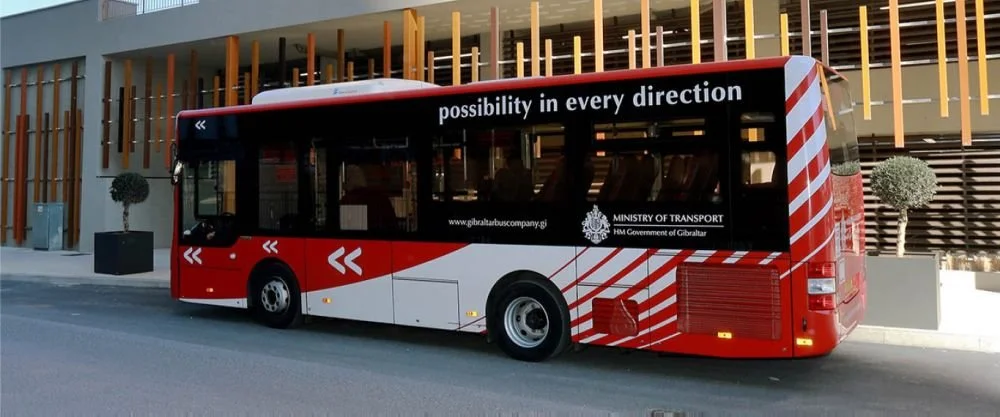
Gibraltar Bus Company
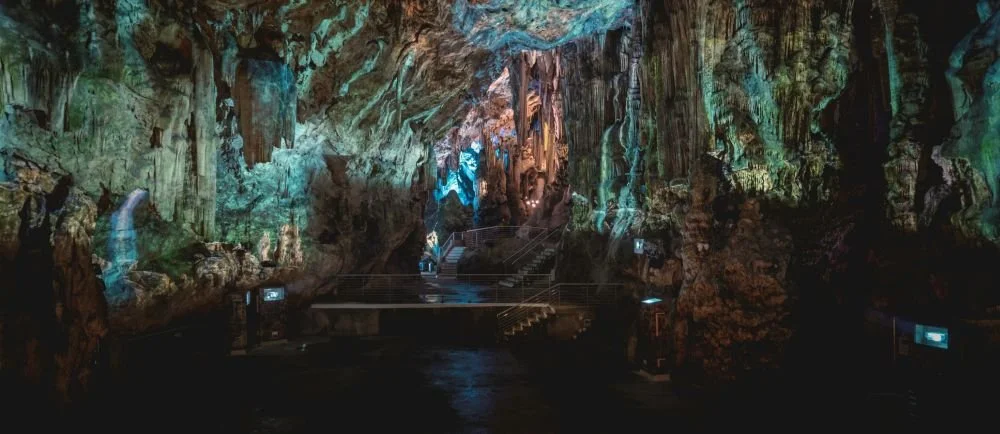
Gibraltar Victory Tours - St Michael’s cave tour
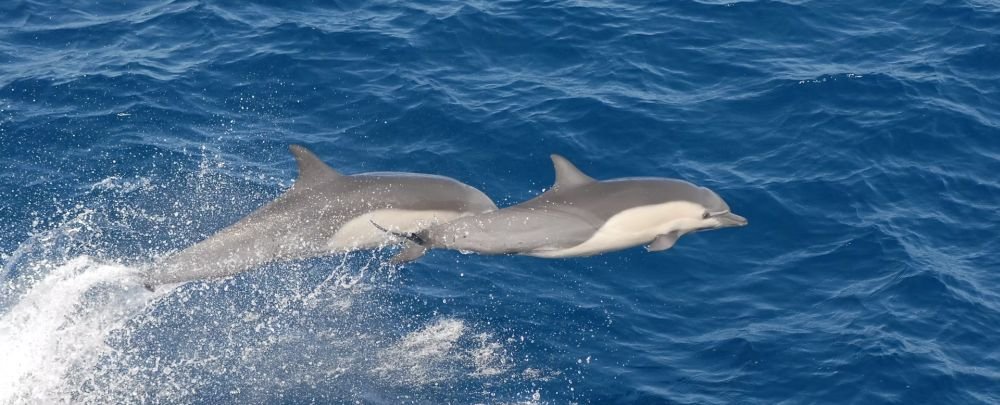
Dolphin Safari, dolphin watching adventure tours in Gibraltar
Getting Around Gibraltar
Transport, Border Crossings, Shuttles & Practical Travel Tips
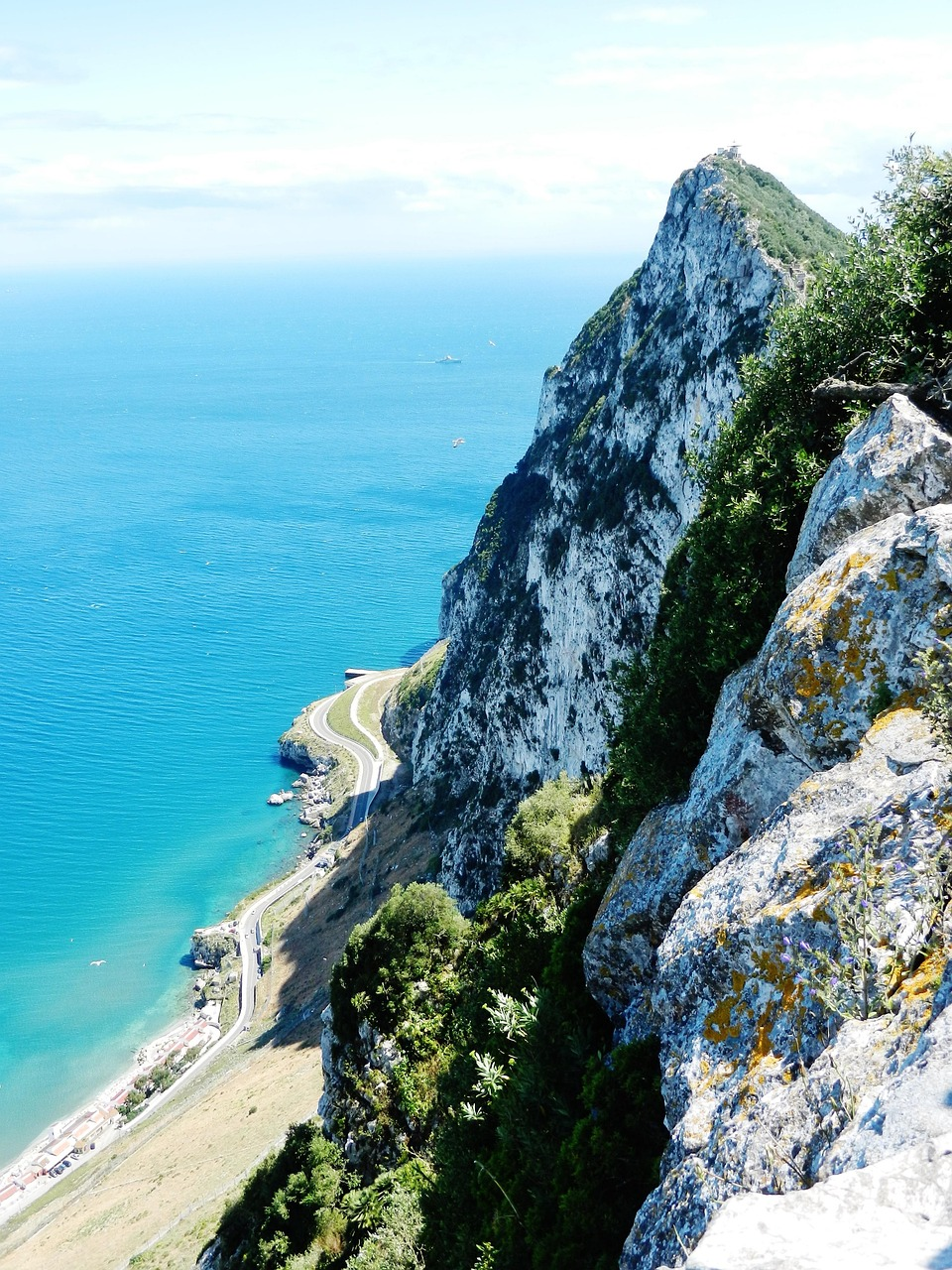
Gibraltar is one of Europe’s most unusual destinations — a compact British Overseas Territory at the southern tip of the Iberian Peninsula, where Mediterranean views meet Atlantic currents and red telephone boxes stand beneath limestone cliffs.
In a single visit, travellers can walk from the runway to the historic centre in minutes, ride a cable car above the Strait of Gibraltar, meet wild Barbary macaques, explore World War II tunnels, and take a boat trip in search of dolphins — all within a few square kilometres.
Because of its small size, getting around Gibraltar is simple. The key logistics focus on border crossings with Spain, airport access, Rock transport options, and cross-border tours.
This guide explains how transport works in Gibraltar — walking routes, taxis, minibuses, cable car access, dolphin-watching departures, airport transfers, and day trips into Spain — with practical timing and cost context.
Transport Options in Gibraltar
Walking
Gibraltar is extremely compact.
• Airport to town centre: ~15–20 minutes on foot
• Main Street to cable car base: ~10 minutes
• Border to town centre: ~10–15 minutes
Most visitors explore the historic centre, marina, and lower Rock on foot.
Public Buses
Gibraltar operates a small but reliable bus network.
• Routes connect the frontier (border), town centre, Europa Point, and cable car base
• Affordable single fares
• Limited coverage on the Upper Rock itself
Typical cost:
£1.80–£3 per ride (approx.)
Taxis & Rock Tours (Minibus Tours)
Taxi tours are one of the most popular ways to explore the Rock.
Drivers operate as licensed guides and take visitors to:
• Upper Rock Nature Reserve
• St. Michael's Cave
• The Great Siege Tunnels
• Skywalk Gibraltar
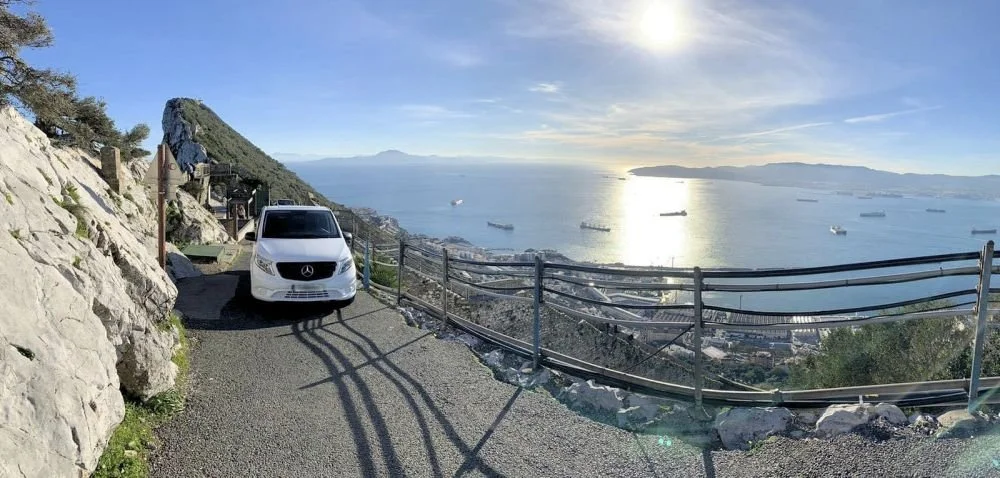
• Pillars of Hercules
Tours typically last 1.5–2 hours.
Typical cost:
£35–£50 per person depending on group size and season.
This is the most time-efficient way to see the major Rock attractions.
Gibraltar Cable Car
The cable car runs from the town centre up to the summit of:
Rock of Gibraltar
• Journey time: ~6 minutes
• Spectacular views over Spain and Morocco
• Access to the Skywalk and walking trails
Typical cost:
£19–£25 return (including Nature Reserve entry, depending on ticket type)
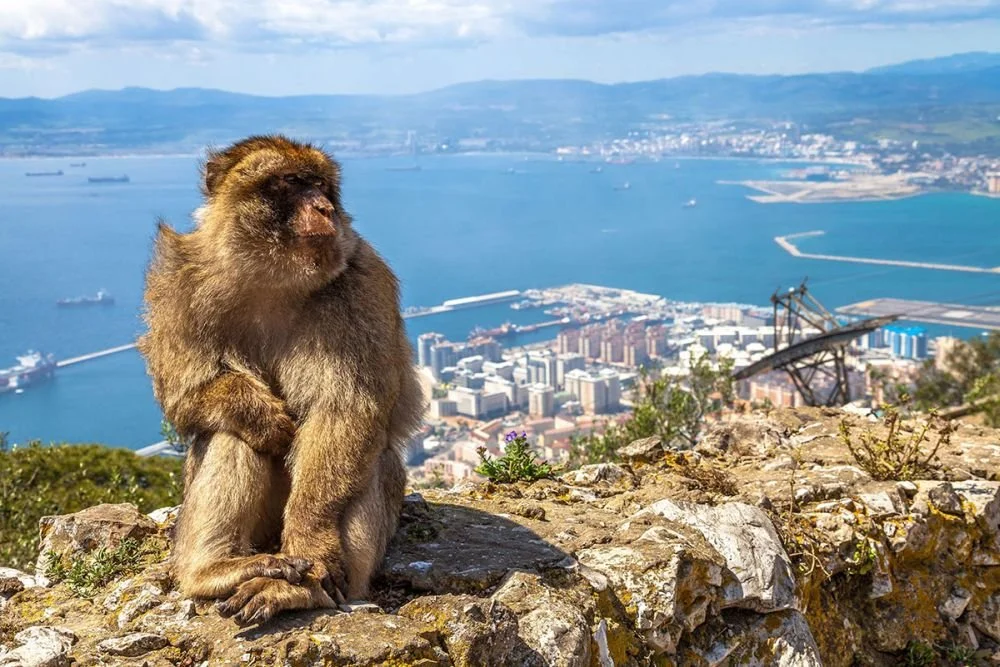
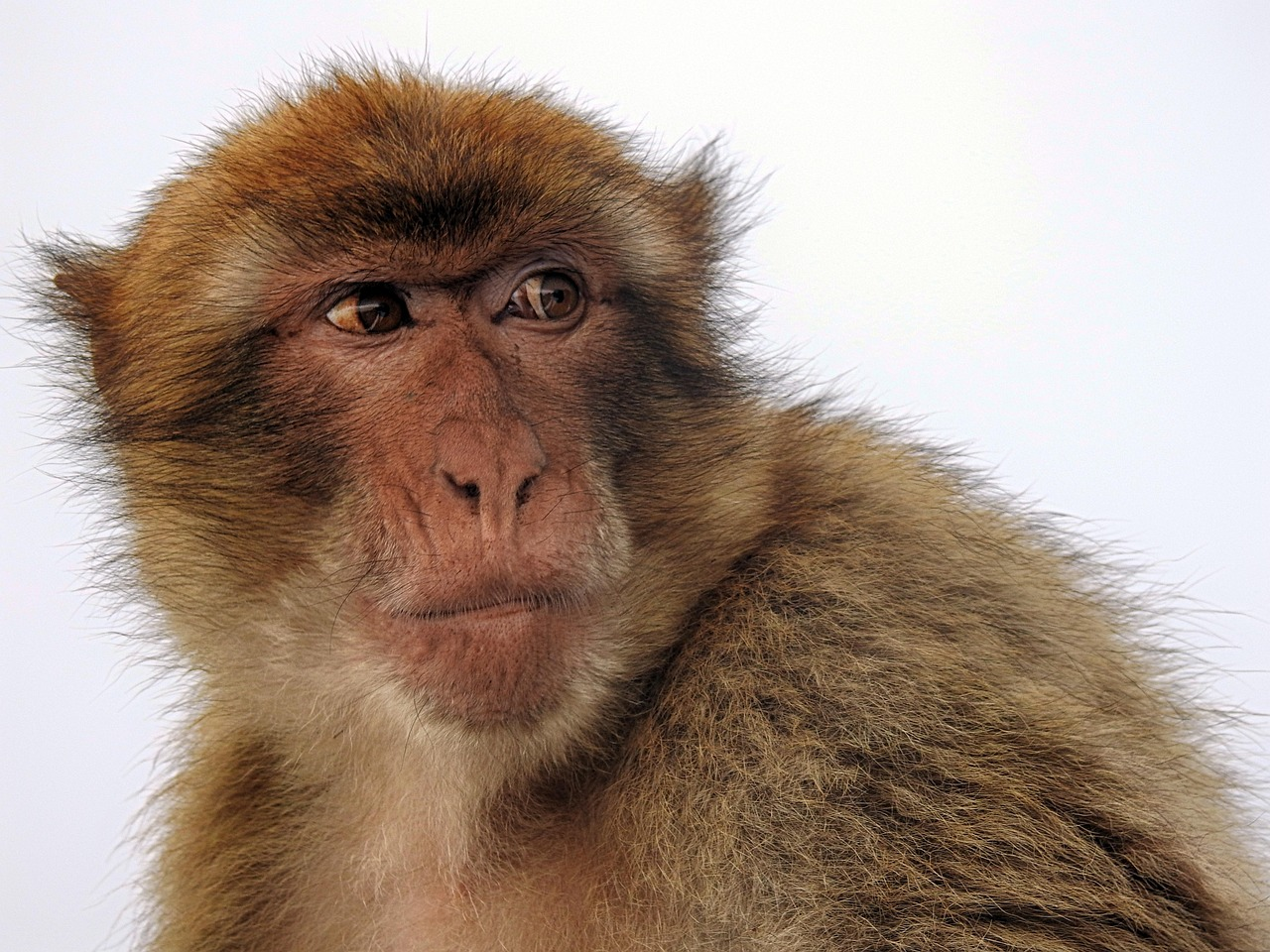
At the top, you may encounter Gibraltar’s famous residents — the only wild monkeys in Europe.
Barbary Macaques – Upper Rock Nature Reserve
The semi-wild Barbary macaques live within the Upper Rock Nature Reserve.
• Free roaming
• Not to be fed or touched
• Best seen near the summit and cable car station
They are Europe’s only wild monkey population and one of Gibraltar’s defining experiences.
Major Attractions on the Rock
St. Michael's Cave
A dramatic limestone cave system with:
• Cathedral-like chambers
• Stalactites and stalagmites
• A modern auditorium used for concerts
Estimated visit time: 30–45 minutes.
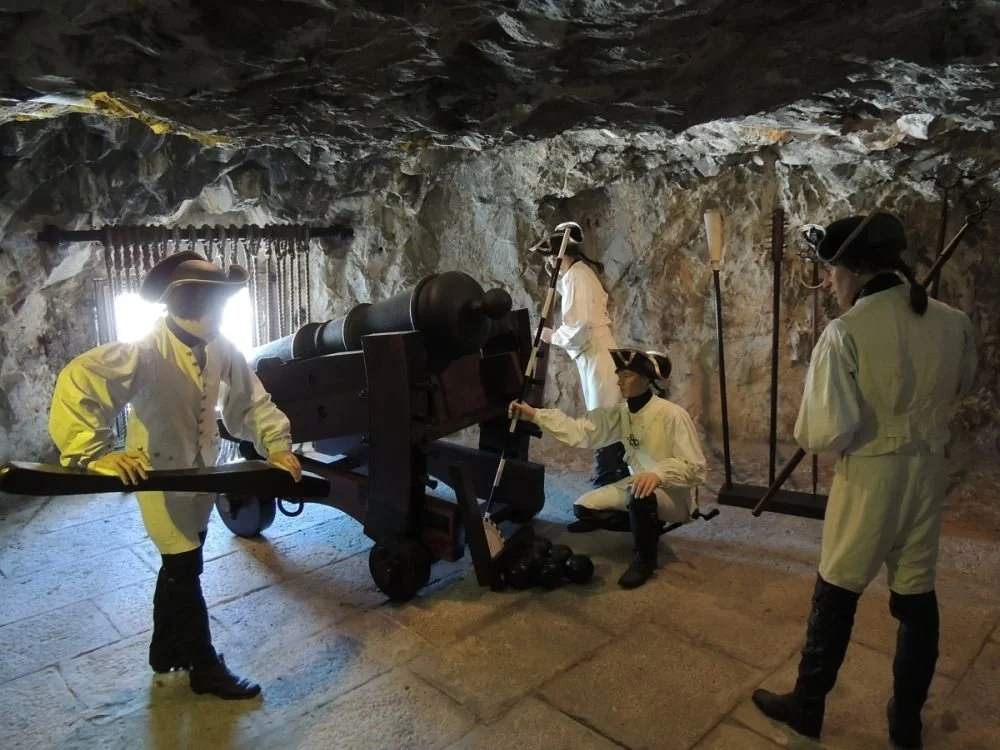
The Great Siege Tunnels
Carved during the 18th-century Great Siege.
• Military history exhibits
• Views across the isthmus into Spain
• Expanded during WWII
Allow 45–60 minutes.
Skywalk Gibraltar
A glass platform projecting from the Rock.
• 360° views
• Spain to the north
• Morocco to the south on clear days
Short visit stop (15–20 minutes).
Pillars of Hercules
Historically linked to ancient mythology marking the edge of the known world.
• View across the Strait of Gibraltar
• Excellent photography location
Dolphin Watching
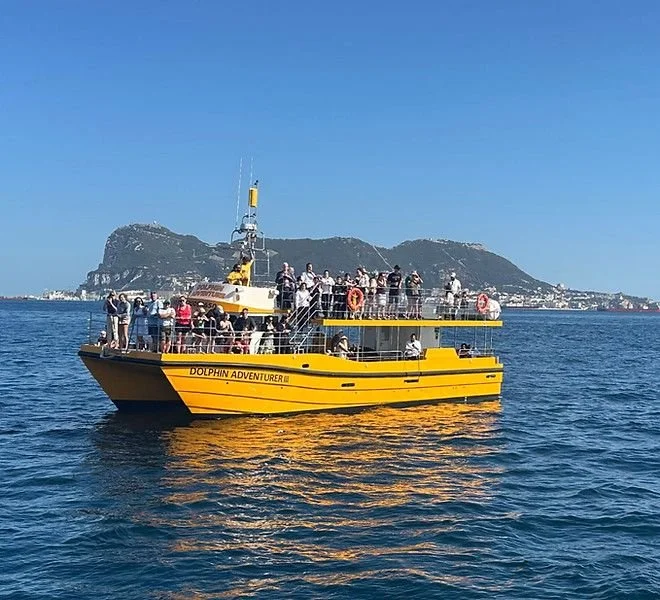
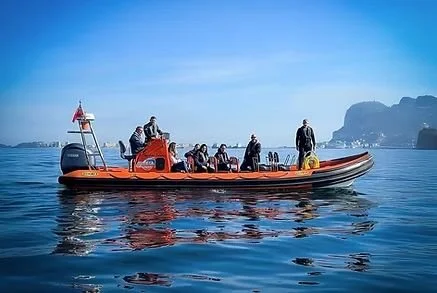
Boat tours depart from Marina Bay and Ocean Village.
Common sightings include:
• Common dolphins
• Bottlenose dolphins
• Striped dolphins
Trip duration: ~1.5 hours
Typical cost: £25–£40
The Strait’s unique meeting of Atlantic and Mediterranean waters creates rich marine conditions year-round.
Cross-Border Travel: Gibraltar & Spain
One of Gibraltar’s unique features is its land border with Spain.
Crossing into Spain
The pedestrian border crossing into La Línea de la Concepción is straightforward.
• Passport required
• Processing times vary (allow extra time during peak periods)
• Open 24 hours
From La Línea:
• Buses connect to Marbella, Estepona, Málaga
• Local buses to Algeciras
• Taxis available immediately outside the frontier
Airport Transfers & Regional Connections
Gibraltar International Airport
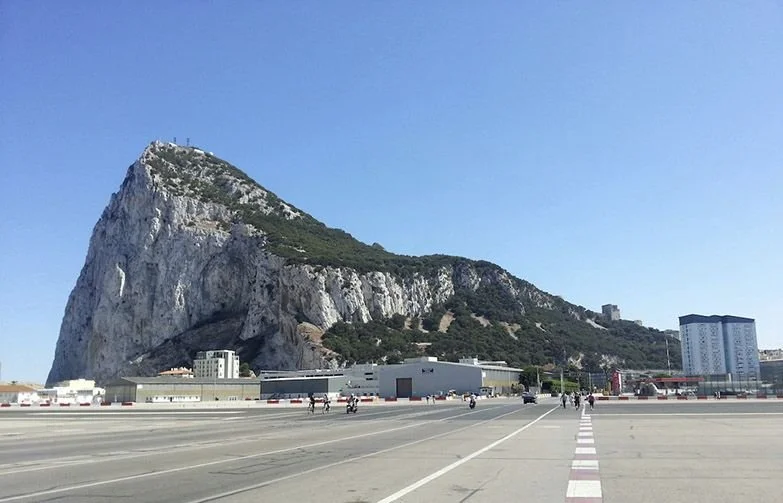
Gibraltar International Airport is located beside the border.
• Flights to the UK
• Small terminal
• Walkable to town
Many travellers also use:
• Málaga-Costa del Sol Airport (~1h 30m drive)
• Jerez Airport (~1h 45m drive)
Private transfers from Málaga to Gibraltar:
• 1h 30m – 2h depending on traffic
• €130–€250 per vehicle
Shared shuttle options are available but less frequent.
Tours into Spain
Gibraltar works well as a base for exploring Andalucía.
Popular excursions include:
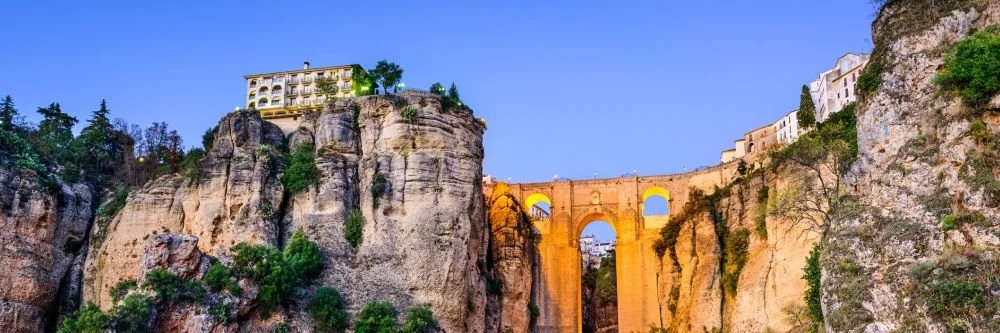
• Ronda – dramatic gorge & white town (~1h 30m)
• Marbella – beaches & Old Town (~1h)
• Tarifa – windsurfing & Africa views (~45m)
• Cádiz – Atlantic history (~1h 45m)
• Seville – cathedral & Alcázar (~2h 15m)
Private drivers and small-group tours operate daily.
Typical day tour cost:
€90–€180 per person depending on destination.
Popular Routes: Travel Times & Costs
Gibraltar Airport → Town Centre
• Walk: 15–20 minutes | Free
Border → Main Street
• Walk: 10–15 minutes | Free
Town → Rock Summit
• Cable car: ~6 minutes | £19–£25
Gibraltar → Málaga
• Private transfer: 1h 30m–2h | €130–€250
• Bus via La Línea: ~2.5–3h | €20–€30
Gibraltar → Ronda
• Private car: ~1h 30m
Dolphin Watching Tour
• 1.5 hours | £25–£40
Driving in Gibraltar
Driving is not necessary.
• Limited parking
• Narrow roads
• Rock access restricted
If renting a car in Spain:
• Confirm cross-border insurance coverage
• Some Spanish rental companies restrict entry into Gibraltar
Top Places to Visit in Gibraltar
• Upper Rock Nature Reserve – macaques & viewpoints
• Rock of Gibraltar – panoramic summit
• St. Michael’s Cave – dramatic limestone chamber
• Great Siege Tunnels – military engineering
• Skywalk – glass platform views
• Pillars of Hercules – mythic viewpoint
• Europa Point – southernmost tip
• Main Street – shopping & British atmosphere
• Marina Bay – dolphin tours
Gibraltar’s compact size makes it easy to explore in one or two days, yet its location — between Europe and Africa — makes it feel strategically and culturally significant.
With thoughtful planning — and a mix of walking, cable car access, guided Rock tours, and cross-border excursions into Spain — visiting Gibraltar is straightforward, distinctive, and surprisingly diverse.
N.B. Prices shown are indicative and reflect typical costs in Gibraltar and southern Spain as at February 2026.
Popular Destinations, Tours and Shuttle Services - Gibraltar
-
![Gibraltar Tours, https://gibraltartours.gi/]()
explore the Great Siege Tunnels
-
![Tours of Gibraltar - https://www.toursofgibraltar.com/https://www.toursofgibraltar.com/]()
visit Gibraltar's famous Barbary macaques
-
![Inside-Out Rock Tours - rocktoursgibraltar.com]()
Gibraltar private tour guide
-
![https://www.dolphin.gi/]()
ocean adventure to sail alongside Gibraltar's playful dolphins
-
![GTA Tours - gtagibraltartours.com/transfers/]()
Gibraltar airport taxi and transfer service
-
![Dolphin Safari, Gibraltar]()
experience dolphins in their natural habitat

The Pillars of Hercules: Where the Ancient World Ended
Few geographical landmarks carry as much mythic weight as the Pillars of Hercules — the legendary boundary of the known world in Greek mythology. For ancient sailors venturing westward into the unknown, these pillars marked the edge of civilisation and the beginning of mystery.
Associated with the hero Heracles (known to the Romans as Hercules), the Pillars symbolised both triumph and warning: a gateway to the Atlantic Ocean and a reminder not to go further.
The Mythological Origin
The story of the Pillars is linked to one of the Twelve Labours of Heracles — his tenth labour, in which he was ordered to retrieve the cattle of the giant Geryon from the far west.
To reach Geryon’s island, Heracles travelled to the very edge of the Mediterranean world. According to myth, he encountered a massive mountain blocking his path. In one version of the legend, he smashed the mountain apart with superhuman strength, creating a passage between the Mediterranean Sea and the Atlantic Ocean. In another, he narrowed an existing channel to prevent monsters from entering the Mediterranean.
That newly formed gateway became the Strait of Gibraltar — and the two headlands flanking it were remembered as the Pillars of Hercules.
Where Are the Pillars?
In antiquity, the Pillars were associated with two promontories on either side of the Strait of Gibraltar:
On the European side: the towering limestone mass of Rock of Gibraltar
On the African side: traditionally identified with Jebel Musa in Morocco
Together, they frame the narrow passage between Europe and Africa — a natural threshold between seas, continents, and civilisations.
For ancient Greeks and Phoenicians, this was the furthest western reach of the mapped world.
“Non Plus Ultra” — Nothing Further Beyond
The Pillars came to symbolise a boundary inscribed with the warning: Non plus ultra — “Nothing further beyond.”
Whether or not this exact inscription ever existed physically, the phrase captured the ancient worldview. Beyond the Pillars lay the vast, unpredictable Atlantic — a realm of fog, storms, and mythic islands.
In later centuries, when Spain began its Age of Exploration, this idea was deliberately inverted. The Spanish royal motto became Plus Ultra — “Further Beyond” — symbolising expansion into the Americas.
Ancient Geography and Classical Writers
Greek and Roman authors referenced the Pillars frequently.
Strabo described them in his geographical works.
Pliny the Elder wrote about them in Natural History.
Pindar used them poetically to describe the limits of heroic achievement.
To the classical imagination, the Pillars marked the edge of human reach — both geographically and metaphorically.
Symbolism Through the Ages
The Pillars of Hercules have remained a powerful symbol for over two millennia:
A boundary between known and unknown
A test of courage and ambition
A metaphor for limits — and the urge to surpass them
They appear on the coat of arms of Spain, where stylised columns flank a banner reading Plus Ultra. The imagery persists in architecture, heraldry, and literature.
Visiting the Pillars Today
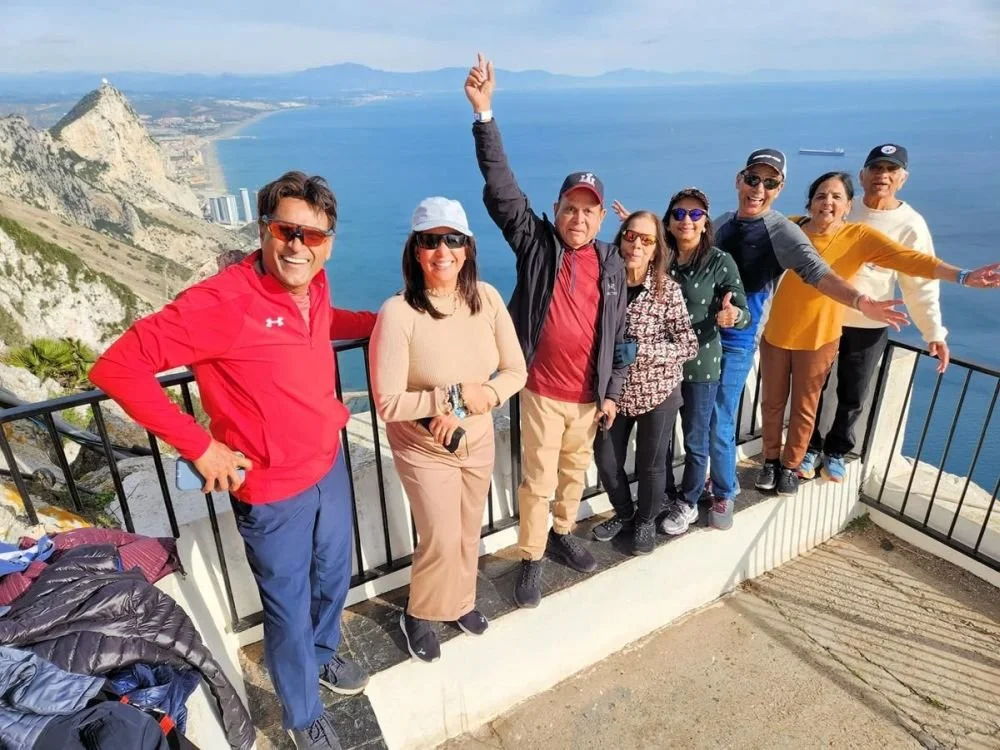
Travellers can stand at the viewpoint known as the Pillars of Hercules within Gibraltar’s Upper Rock Nature Reserve.
From here, you can see:
Spain stretching northward
The Strait of Gibraltar below
Morocco on clear days to the south
It is one of the few places in the world where myth and geography align so visibly. The physical narrowness of the strait — just 14 kilometres at its tightest point — helps explain why ancient sailors imagined a deliberate, dramatic separation between seas.
A Gateway Between Worlds
Long before satellite maps and GPS navigation, the Pillars of Hercules represented the outermost horizon of exploration. They were not merely rocks — they were a conceptual frontier.
Standing at the edge of the Mediterranean, ancient mariners saw the Atlantic as a vast and dangerous expanse. Today, ships pass routinely through the Strait, and flights cross overhead in minutes. Yet the symbolism endures.
The Pillars of Hercules remind us that every age has its boundary — and every boundary invites someone to cross it.
ShuttlesA2B - explore Sicily
ShuttlesA2B - Spain