
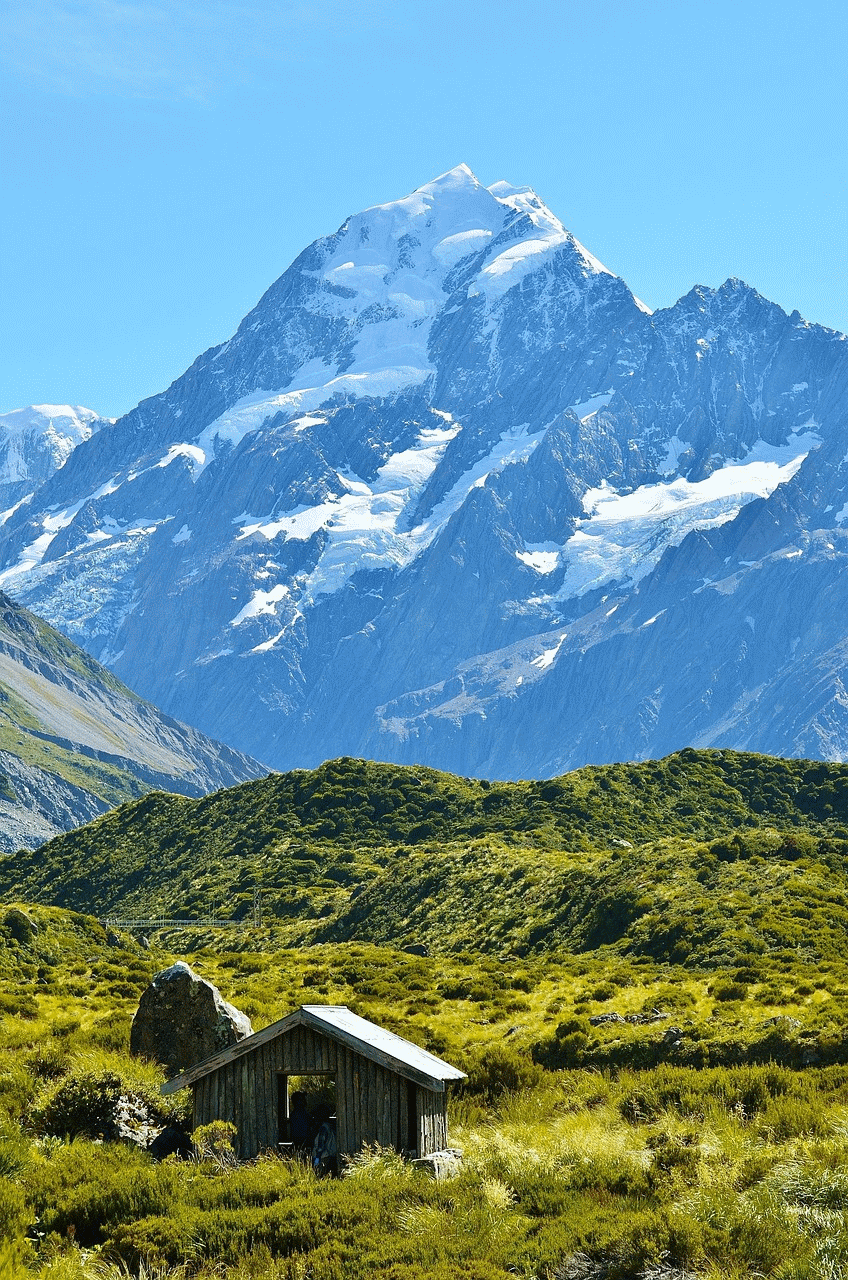
Essential Guide to New Zealand Shuttles:
Navigate Your Journey with Confidence and Style
Aotearoa New Zealand — explore shuttles, airport transfers, private drivers, tours & sightseeing - Featured partners:
ABC Shuttles & Tours - Bay of Islands NZ

Cardrona & Treble Cone Shuttle

Gibbston Valley Shuttle

Go Kiwi Shuttles

Haula VIP Shuttle

Kaikoura Shuttles

Kapiti Coast Shuttles

Luxury Airport Shuttles - Auckland, Hamilton, Rotorua and Tauranga

Mountain Bike Rotorua Shuttles

Otago Shuttles & Tours

Snowman Shuttles - Christchurch to Mt Hutt

Supershuttle New Zealand - Airport Transfers
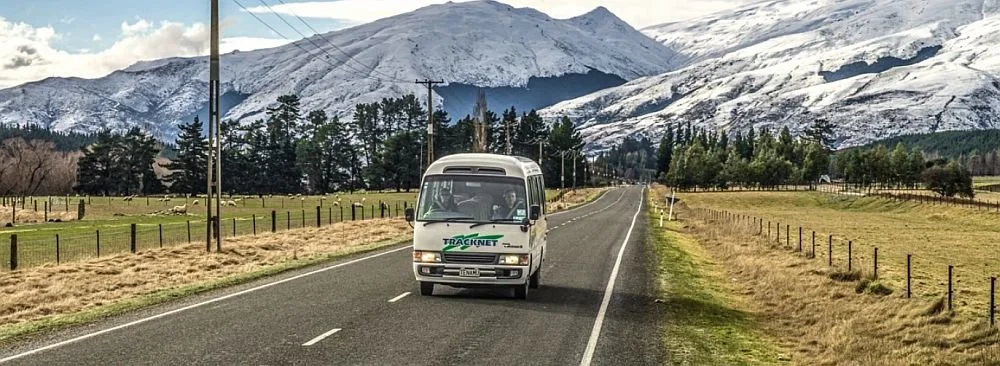
Tracknet - Queenstown & Te Anau Track Shuttle

Waipara Shuttles - Cheeky Wine Tours
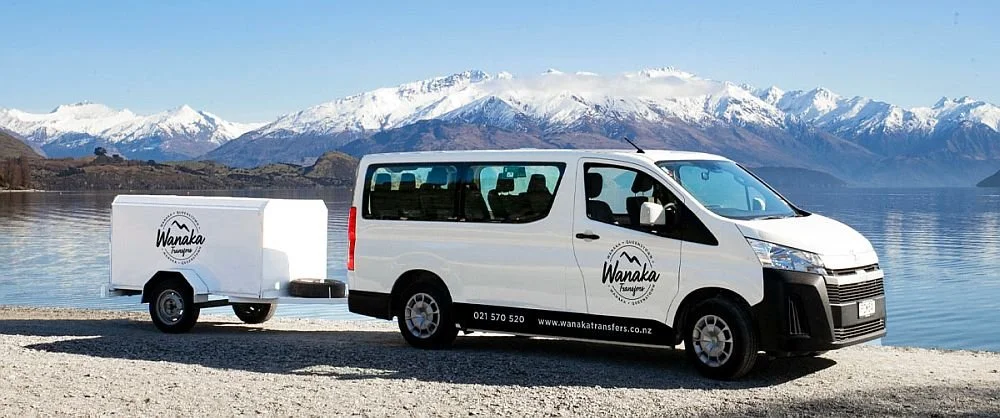
Wanaka Transfers
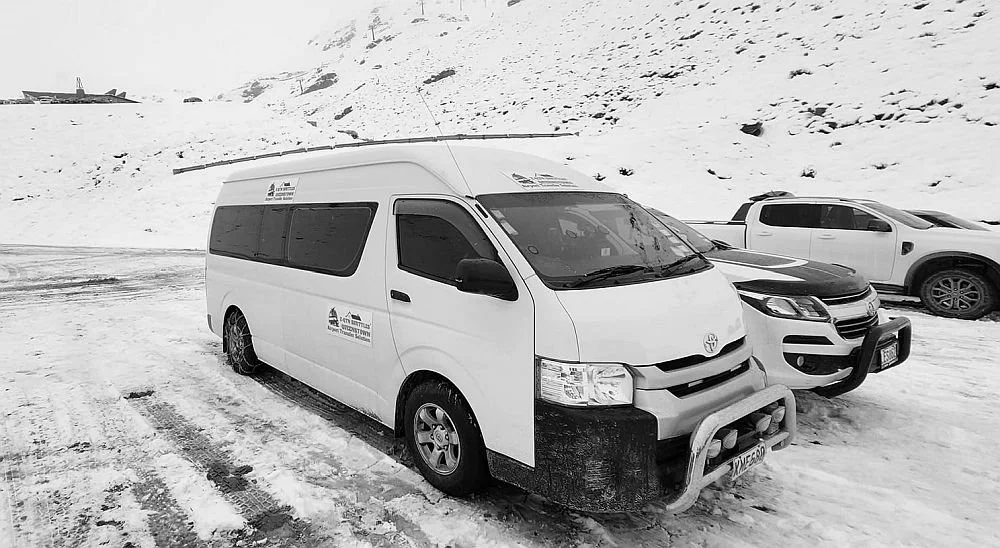
Z-QTN Shuttles - Queenstown
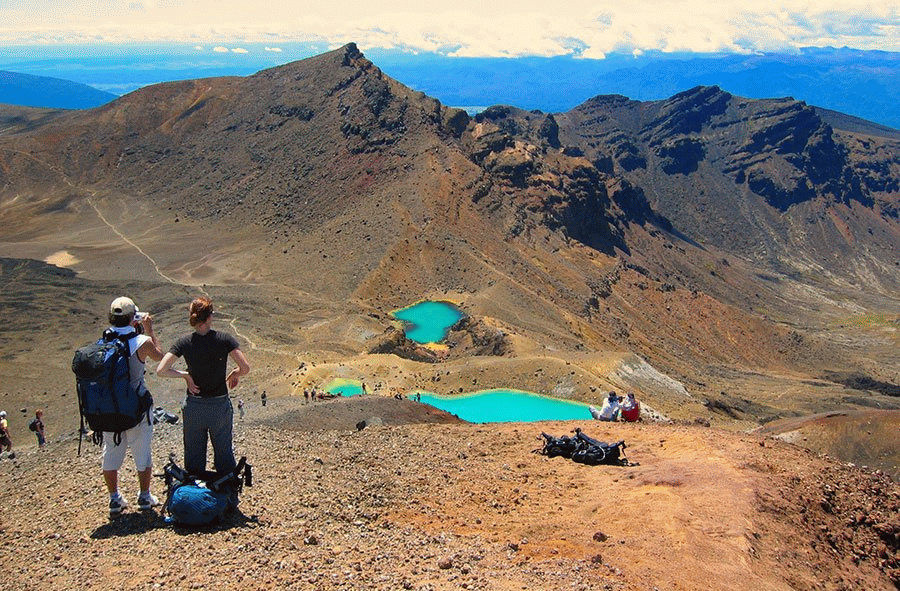
Tongariro Crossing Shuttles

National Park Shuttles - Whakapapa Village, Ski Fields & Tongariro Alpine Crossing
Getting Around New Zealand
New Zealand may look small on the map, but distances, terrain, and ferry crossings make travel more varied than expected. Whether the plan is alpine hikes, coastal drives, or exploring vibrant cities, getting around is straightforward once you understand how the system fits together.
Travel here typically combines self-driving, domestic flights, ferries, and occasional buses or shuttles. Roads are scenic but often winding, and journeys take longer than they appear on a map — part of the experience rather than a delay.
Rental Cars & Self-Drive
Driving is the most popular way to explore both the North and South Islands. It offers flexibility, access to remote areas, and the freedom to stop at viewpoints, beaches, and small towns.
A rental car suits most travellers, while campervans are a favourite for longer trips.
Advantages of self-drive:
Complete flexibility and independence
Access to national parks and rural areas
Easy to adjust plans and stop along the way
Well-maintained roads and clear signage
Things to note:
Driving is on the left
Roads can be narrow and winding
Fuel stations are sparse in remote areas
Allow extra time for distances
Campervans & Motorhomes
Campervans are a classic New Zealand experience and ideal for those wanting accommodation and transport in one.
Freedom camping is allowed in designated areas only
Holiday parks provide powered sites and facilities
Popular routes include circuits around both islands
Best for slow, scenic travel rather than tight itineraries.
Domestic Flights
Flights save significant time, especially between islands or over long distances.
Common routes:
Auckland Airport → Queenstown Airport
~2 hours
Auckland Airport → Christchurch Airport
~1 hour 20 min
Wellington → Christchurch
~1 hour
Airlines like Air New Zealand and Jetstar operate frequent services.
Flights are often affordable if booked in advance, though baggage limits can be strict.
Intercity Buses & Shuttles
Buses connect major towns and cities across both islands.
Companies such as InterCity operate reliable long-distance routes.
Advantages of bus travel:
Budget-friendly
No need to drive
Scenic routes without navigation stress
However:
Less flexible than driving
Fixed schedules
Longer travel times
Shuttle services are useful for:
Airport transfers
Trailheads (e.g. Tongariro Alpine Crossing)
Tourist routes between key destinations
Ferries Between Islands
The Cook Strait crossing links the North and South Islands.
Interislander Ferry
Bluebridge Ferry
Route:
Wellington → Picton
~3–3.5 hours
The journey is scenic, especially through the Marlborough Sounds. Vehicles can be transported, making it easy to continue a road trip across both islands.
Private Drivers & Transfers
Private transfers are available but less common than in smaller countries. They’re typically used for:
Airport transfers
Wine regions (e.g. Marlborough, Hawke’s Bay)
Group travel or luxury itineraries
Advantages:
Door-to-door convenience
Comfort and personalised service
No driving required on long days
Trains
Train travel is limited but scenic.
Famous routes include:
TranzAlpine (Christchurch → Greymouth)
Northern Explorer (Auckland → Wellington)
These are more about the journey than practical transport.
Top Places to Visit in New Zealand
Milford Sound
A dramatic fjord of waterfalls and cliffs. Reached by road from Queenstown or Te Anau, or by scenic flight.
Queenstown
Adventure capital known for skiing, wine tours, and lake views. A hub for South Island travel.
Rotorua
Geothermal activity, Māori culture, and bubbling mud pools. Easily reached from Auckland by car or bus.
Tongariro National Park
Volcanic landscapes and the famous Alpine Crossing. Shuttles operate to trailheads.
Abel Tasman National Park
Golden beaches, coastal walking tracks, and kayak trips. Accessed via Nelson or Motueka.
New Zealand rewards those who slow down and embrace the journey. Distances may look short, but the landscapes invite frequent stops — and that’s exactly how the country is best experienced.
Popular Destinations, Visitor Attractions and Tours - New Zealand
-
![Yellow Eyed Penguin on Otago Peninsula, Dunedin, New Zealand - Elm Wildlife Tours]()
Yellow-Eyed Penguins
-
![The Heaphy Bus theheaphybus.co.nz Heaphy TrThe Heaphy Bus theheaphybus.co.nz Heaphy Track, South Island, New Zealand]()
Heaphy Track Shuttle
-
![Hobbiton Movie Set Tour with Bush and Beach, Auckland, New Zealand]()
Hobbiton Movie Set Tour
-
![Milford Sound Scenic Flights, Queenstown, NZ]()
Scenic flight to Milford Sound from Queenstown, NZ
-
![Nomad Safaris, Queenstown, New Zealand]()
Queenstown 4WD Tours
-
![Weta Workshop, Lord of The Rings, Wellington, NNZ]()
Wētā Workshop Tour
-
![Wai-o-Tapu, Rotorua, New Zealand]()
Waiotapu Thermal Wonderland

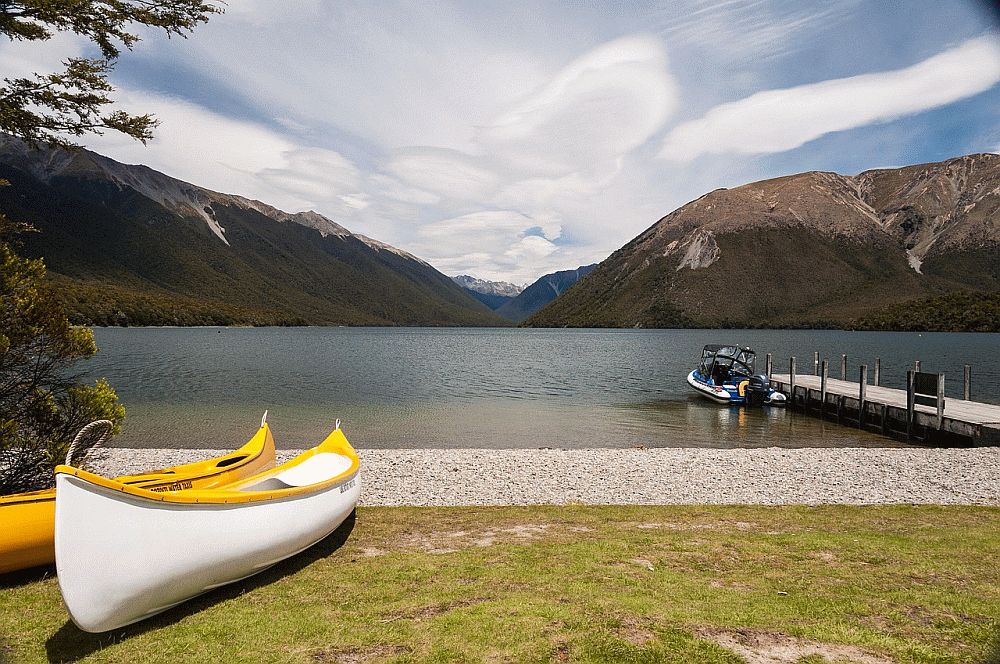


The Seasons of New Zealand Tourism
New Zealand’s tourism scene changes beautifully with the seasons. From snowy mountain adventures in winter to long, sunny beach days in summer, there’s always something new to experience.
Summer – Beaches, Lakes & Long Days (December–February)
Summer is peak season in New Zealand — warm, bright, and full of energy.
It’s the perfect time for beach holidays, hiking (or “tramping”), and anything on or near the water.
Explore the Bay of Islands, Coromandel, or Abel Tasman for swimming, kayaking, and sailing.
Head south to Queenstown or Wanaka for lake adventures, jet boating, and sunny alpine hikes.
Summer is also festival time — expect live music, outdoor events, and vineyard celebrations all over the country.
Autumn – Golden Landscapes & Stonefruit Season (March–May)
Autumn brings a peaceful, golden glow across the country — and nowhere does it better than Central Otago.
The hills and river valleys around Arrowtown, Cromwell, and the Clutha River blaze with gold and amber leaves, making it one of New Zealand’s most photogenic seasons.
This is also stonefruit season. Roadside stalls overflow with sweet, sun-ripened apricots, peaches, nectarines, and cherries — a true taste of Otago’s dry, sunny climate.
Mild days and crisp evenings make this the perfect time for cycling the Otago Central Rail Trail, visiting vineyards, or simply enjoying a scenic drive through the autumn colours.
Winter – Snow, Ski Fields & Alpine Escapes (June–August)
When winter hits, New Zealand’s mountains come alive.
In the South Island, Queenstown, Wanaka, and Methven (Mount Hutt) become winter playgrounds for skiing, snowboarding, and cosy après-ski evenings.
Relax in the hot pools of Tekapo or Hanmer Springs.
Try a helicopter flight over the Southern Alps.
Or hit the slopes of Mount Ruapehu in the North Island’s Tongariro National Park.
Winter is crisp, magical, and full of adventure.
Spring – Fresh, Green & Full of Life (September–November)
Spring is when New Zealand wakes up again — lambs in the fields, flowers in bloom, and waterfalls running strong after winter rains.
It’s a great time to visit if you want fewer crowds and great value.
Wander through the gardens of Christchurch or Hamilton.
Go white-water rafting on snow-fed rivers.
Or just enjoy the sense of new life all around.
A Country for Every Season
Every season in New Zealand has its own personality —
summer for sunshine and energy,
autumn for colour and flavour,
winter for adventure and alpine beauty,
and spring for renewal and freshness.
Whether you’re carving snow in Queenstown, tasting roadside apricots in Central Otago, or walking through golden leaves by the Clutha River, there’s always a new side of New Zealand to fall in love with.
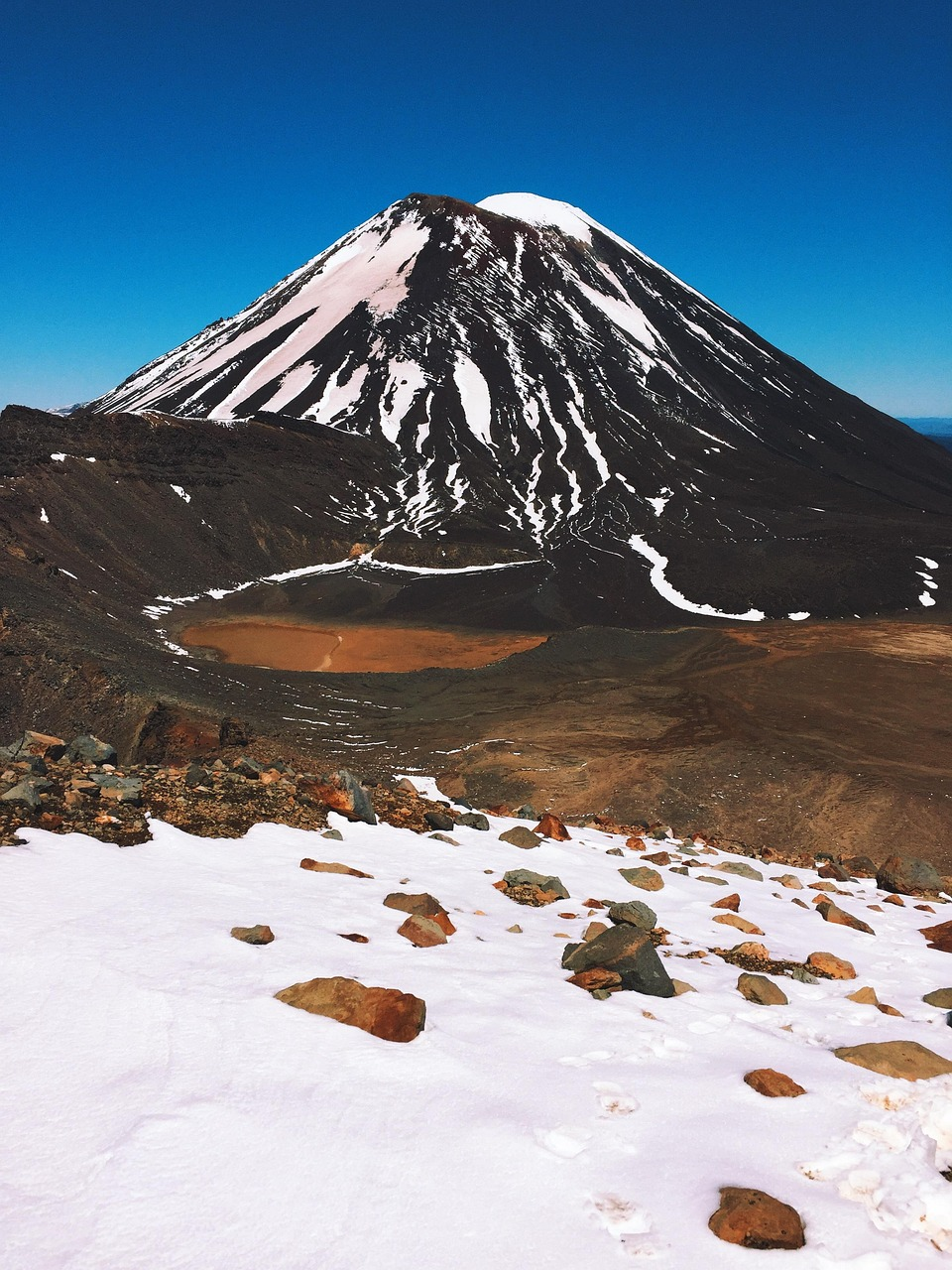
Why New Zealand Is a World-Class Film Location:
From Middle-earth to Pandora
New Zealand has earned its place as one of the most iconic and desirable film locations in the world. With a unique blend of breathtaking natural landscapes, world-class production facilities, and creative talent, this island nation has become a magnet for filmmakers and fans alike.
The Perfect Canvas: Why Filmmakers Choose New Zealand
New Zealand’s dramatic scenery is one of its greatest assets. Within just a few hours’ drive, filmmakers can capture snow-capped mountains, lush rainforests, serene lakes, windswept beaches, and rolling pastoral hills. These diverse landscapes provide an unparalleled backdrop for storytelling, making New Zealand a flexible and cost-effective alternative to multiple international locations.
The country also boasts a well-established film infrastructure, experienced local crews, and supportive government incentives. Together, these elements make New Zealand not just a scenic location, but a highly efficient one for complex and large-scale productions.
Middle-earth Comes to Life: The Lord of the Rings and The Hobbit
Few film series have showcased New Zealand’s landscapes as dramatically as The Lord of the Rings and The Hobbit, directed by Sir Peter Jackson. Filmed across both the North and South Islands, these epic fantasy films turned New Zealand’s remote valleys, craggy peaks, and emerald plains into the legendary realms of Middle-earth, including Hobbiton, Rivendell, and Mordor.
The global success of the Lord of the Rings films sparked massive worldwide interest in New Zealand as a travel destination. What began as scenery for a fantasy world soon became a real-life bucket list for fans, with tourism campaigns capitalising on the films’ popularity and the nation welcoming thousands of visitors each year keen to walk the same landscapes they saw on screen.
Pandora and Beyond: Contemporary Filmmaking in New Zealand
New Zealand’s appeal isn’t limited to Middle-earth. The nation’s landscapes and filmmaking expertise have also drawn major Hollywood productions, such as James Cameron’s Avatar series. The lush, otherworldly forests and expansive vistas featured in Avatar: The Way of Water and its sequels rely not only on digital innovation but also on real-world inspiration and on-location work here in New Zealand.
Contemporary directors continue to choose New Zealand for feature films and series across genres — from dramatic blockbusters to independent projects. The country’s growing reputation as both a creative hub and a cinematic landscape keeps it on the radar of international filmmakers.
Weta Workshop and Weta Cave: Creativity Based in Wellington
One of the jewels in New Zealand’s film industry crown is Weta Workshop, based in Wellington. Founded by Peter Jackson’s longtime collaborators, Weta has become a powerhouse of practical effects, prosthetics, creature design, and physical fabrication — contributing hugely to the visual success of Lord of the Rings, The Hobbit, Avatar, and many other major productions.
Fans and visitors can explore this creative world firsthand at the Weta Workshop Visitor Centre, located in Wellington. The centre offers immersive exhibits, behind-the-scenes insights, and the opportunity to see real props and artwork used in major films. It’s become a must-see destination for film lovers from around the globe.
A Film Industry with Global Reach and Local Heart
The story of New Zealand’s film industry is one of creativity, opportunity, and global inspiration. From stunning natural backdrops to creative innovation, from blockbusters supervised by world-renowned directors to a thriving local filmmaking community, New Zealand continues to shine on the world stage.
Whether you’re a filmmaker seeking the perfect location, a fan chasing the landscapes of your favourite films, or a traveller eager to explore cinematic history in real life — New Zealand offers an unforgettable experience at every turn.
ShuttlesA2B - Cook Islands

ShuttlesA2B - Vanuatu