
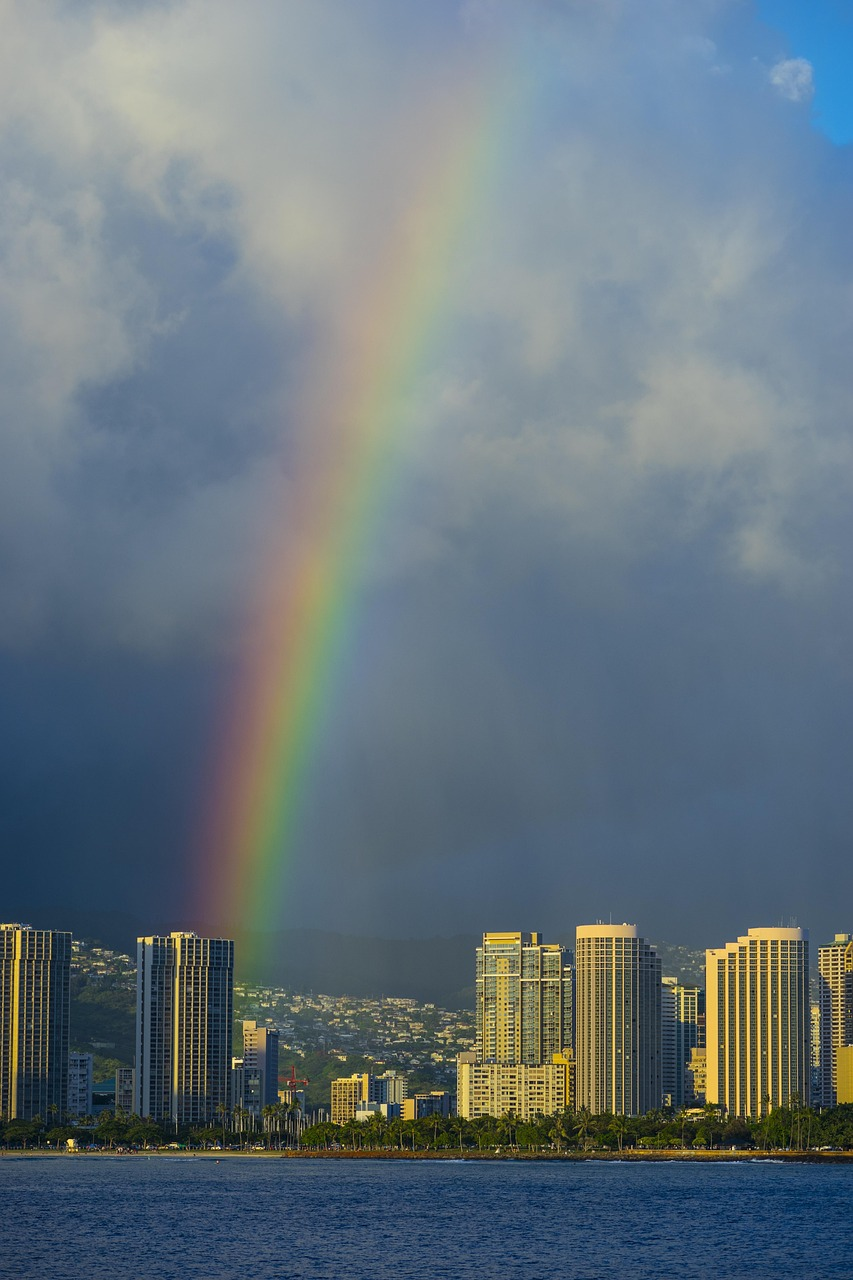
Essential Guide to Hawaiʻi - Shuttles, Transfers and Tours:
Navigate Your Journey with Confidence and Style
Hawaii - Intro
Welcome to Hawaiʻi, where nature is powerful, culture is alive, and time moves a little slower. Swim in crystal-clear waters, walk on volcanic landscapes, and wake to the rhythm of the Pacific.
Each island tells its own story — shaped by fire, ocean, and tradition — inviting you to explore, unwind, and reconnect. More than a destination, Hawaiʻi is an experience of aloha: warmth, authenticity, and a deep sense of belonging that stays with you long after you leave.
Hawaiʻi — explore shuttles, airport transfers, private drivers, boat trips, tours & sightseeing - Featured partners:
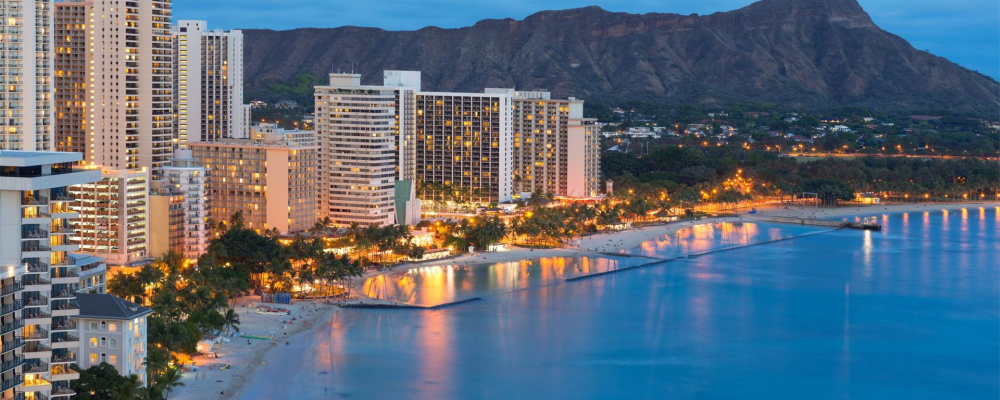
King Airport Shuttle, HNL airport
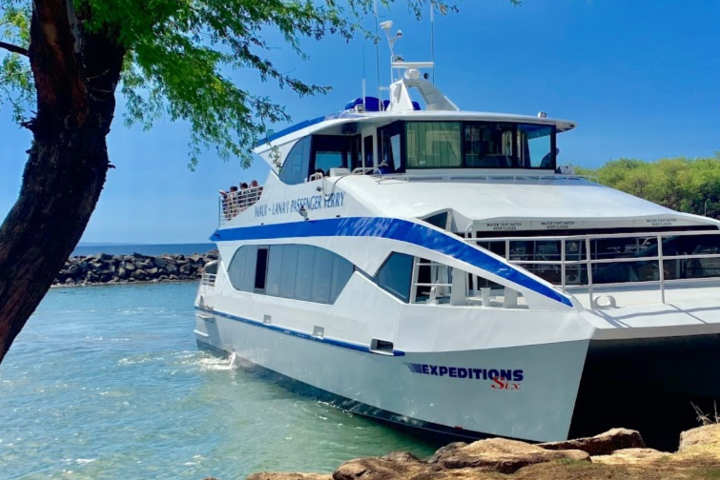
Maui Lana'i Passenger Ferry

IMI Tours - adventure and cultural tours - Oahu, Hawaii Island, and Kauai
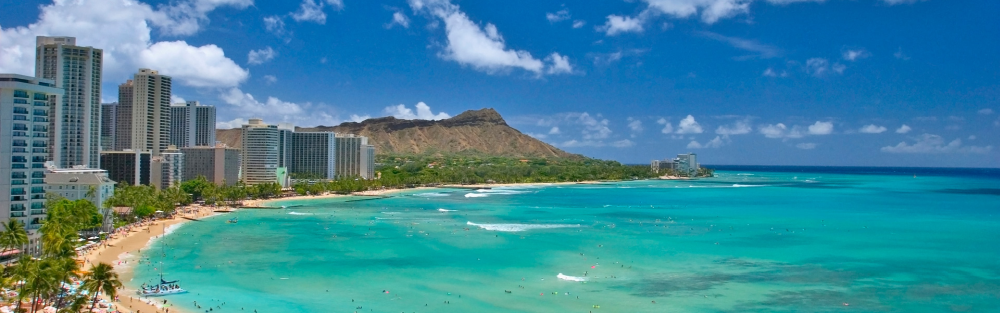
Aloha Airport Shuttle - Honolulu Airport Shuttle
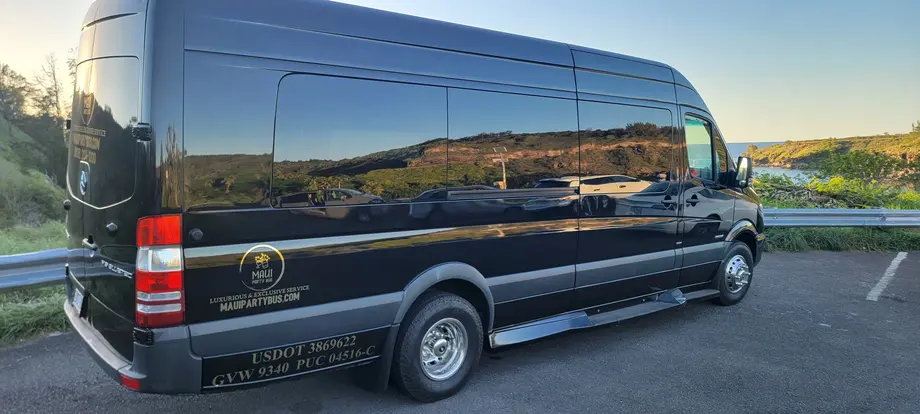
Exclusive Limousine Maui
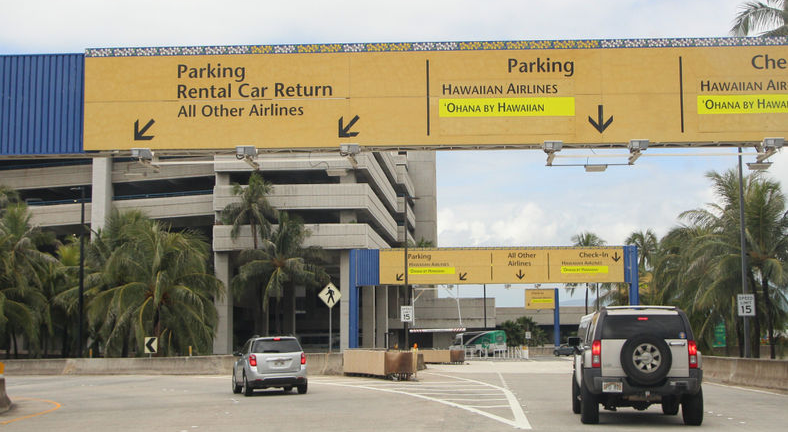
Hawaii Airport Transport - flat rate from Honolulu Airport to your Waikiki hotel
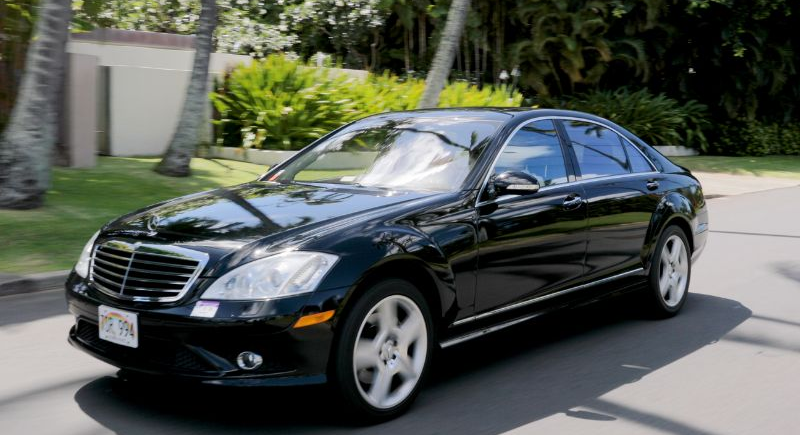
SpeediShuttle - Honolulu airport shuttle & private car service

Top Limousine Service, Honolulu, Hawaii 96817
Getting Around Hawaii:
Transport, Shuttles, and Practical Travel Tips
Hawaii may look compact on a map, but transport here works very differently from mainland USA travel.
The islands are separated by ocean, public transport is limited outside main urban areas, and rental cars can book out quickly in peak season. Travellers typically combine inter-island flights, rental cars, airport shuttles, rideshares, and occasional local buses to move around efficiently.
This guide explains how transport works across Hawaii — including realistic travel times, costs, and what to expect on each island.
Transport Options in Hawaii
Inter-Island Flights
Flying is the only practical way to travel between islands.
Main routes include:
Honolulu (Oʻahu) ↔ Kahului (Maui)
Honolulu ↔ Lihue (Kauaʻi)
Honolulu ↔ Kona (Big Island)
Flight time:
30–50 minutes
Typical cost:
USD $70–200 one way (depending on season and booking time)
Flights operate frequently and are generally reliable. Allow extra time for airport security and baggage.
Rental Cars
For most visitors, renting a car is the simplest and most flexible option.
Best for:
Scenic coastal drives
National parks
Beaches outside resort zones
Early morning or sunset visits
Typical cost:
USD $60–120 per day (higher during holidays)
Cars are especially important on Maui, Kauaʻi, and the Big Island. On Oʻahu, a car is helpful but not always essential if staying in Waikīkī.
Shuttles & Airport Transfers
Shared and private airport transfers operate on all major islands.
Common uses:
Airport → resort areas
Airport → cruise terminals
Group transfers
Typical cost:
USD $20–60 per person (shared)
USD $80–180 (private transfer)
Pre-booking is recommended during peak travel months.
Rideshare & Taxis
Uber and Lyft operate on Oʻahu, Maui, Kauaʻi, and the Big Island.
Good for:
Airport transfers (shorter distances)
Evenings out
Short urban trips
Airport → Waikīkī (Honolulu):
20–30 minutes | USD $30–45
Availability can be limited in rural areas, especially late at night.
Public Buses
Public transport is limited but usable in certain areas.
Oʻahu has the most developed system:
“TheBus” connects Honolulu, Waikīkī, and much of the island.
Very affordable (around USD $3 per ride).
On other islands, buses are infrequent and not designed for tourists with luggage.
Getting Around the Main Hawaiian Islands
Oʻahu
Home to Honolulu and Waikīkī.
Best public transport network in the state
Taxis and rideshares widely available
Rental car useful for North Shore and east coast
Honolulu Airport → Waikīkī:
20–30 minutes | USD $30–50
Maui
Main arrival airport: Kahului.
Rental car strongly recommended
Limited public bus coverage
Popular scenic drives include the famous Road to Hāna
Airport → Lahaina / Kāʻanapali:
45–60 minutes
Kauaʻi
Arrival airport: Lihue.
Small island but limited transport options
Rental car highly recommended
Scenic drives essential for exploring coastline and Waimea Canyon
Airport → Poʻipū:
25–30 minutes
Big Island (Hawaiʻi Island)
Arrival airports: Kona (west side) and Hilo (east side).
Large distances between attractions
Rental car essential
Volcanoes, waterfalls, beaches spread across regions
Kona → Hawaiʻi Volcanoes National Park:
2–2.5 hours by car
Popular Routes: Travel Times & Context
Honolulu → North Shore (Oʻahu)
1–1.5 hours by car (traffic dependent)
Kahului → Hāna (Maui)
2.5–4 hours (scenic, winding road)
Kona → Hilo (Big Island)
1.5–2.5 hours depending on route
Lihue → Waimea Canyon (Kauaʻi)
1–1.5 hours
Traffic can build up during peak beach hours and around Honolulu commuter times.
Reaching Hawaii from Mainland USA
Most visitors arrive via Honolulu International Airport, with direct flights from:
Los Angeles
San Francisco
Seattle
Dallas
Denver
Flight time from the U.S. West Coast:
5–6 hours
Practical Travel Tips for Hawaii
Book rental cars early during school holidays.
Allow extra airport time for inter-island flights.
Fuel stations can be sparse in remote areas.
Sunset drives are popular — plan parking in advance.
Weather varies by island side (windward vs leeward).
Why Transport Planning Matters in Hawaii
Hawaii rewards independent exploration:
Hidden beaches beyond resort areas
Coastal drives with dramatic scenery
Early-morning access to volcanoes and hiking trails
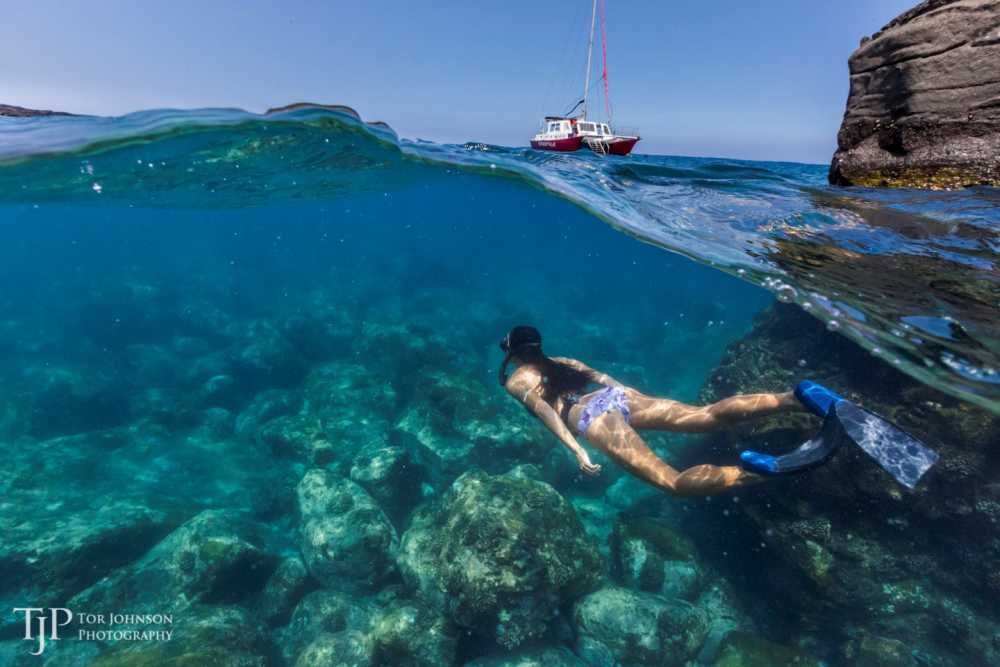
Flexible timing for snorkelling and boat tours
But without a car — especially outside Honolulu — access can be limited.
Combining flights, airport transfers, rental cars, and occasional rideshares makes travel between islands and attractions smooth and manageable.
Top Places to Visit in Hawaii
Honolulu & Waikīkī (Oʻahu)
North Shore (Oʻahu)
Road to Hāna (Maui)
Waimea Canyon (Kauaʻi)
Hawaiʻi Volcanoes National Park (Big Island)
Snorkelling bays and coral reefs across the islands
With inter-island flights, organised airport transfers, rental cars, and local transport options, Hawaii is straightforward to navigate — provided you plan key legs in advance.
N.B. Prices shown are indicative and reflect typical costs in Hawaii as at February 2026.
Popular Destinations, Hawaiʻi tours and transport: Featured Plus
-
![Kona Shuttles, Kailua Kona, HI 96745, USA]()
shuttle to or from Kona International Airport
-
![Kailani Tours, Kailua-Kona, HI 96740, Hawaii, USA]()
experience Hawaii
-
![Visit Pearl Harbor - https://tropicalhawaiiantour.com/]()
visit Pearl Harbor | Visita Pearl Harbor
-
![https://hanatoursofmaui.com/]()
Road to Hana
-
![Honolulu, HI 96819, https://topluxurytransportation.com/]()
Top Luxury Transportation, Honolulu, HI 96819
-
![KONASTYLE, Kailua-Kona, HI 96740, Hawaii]()
ocean adventures in Kona, Hawai’i!

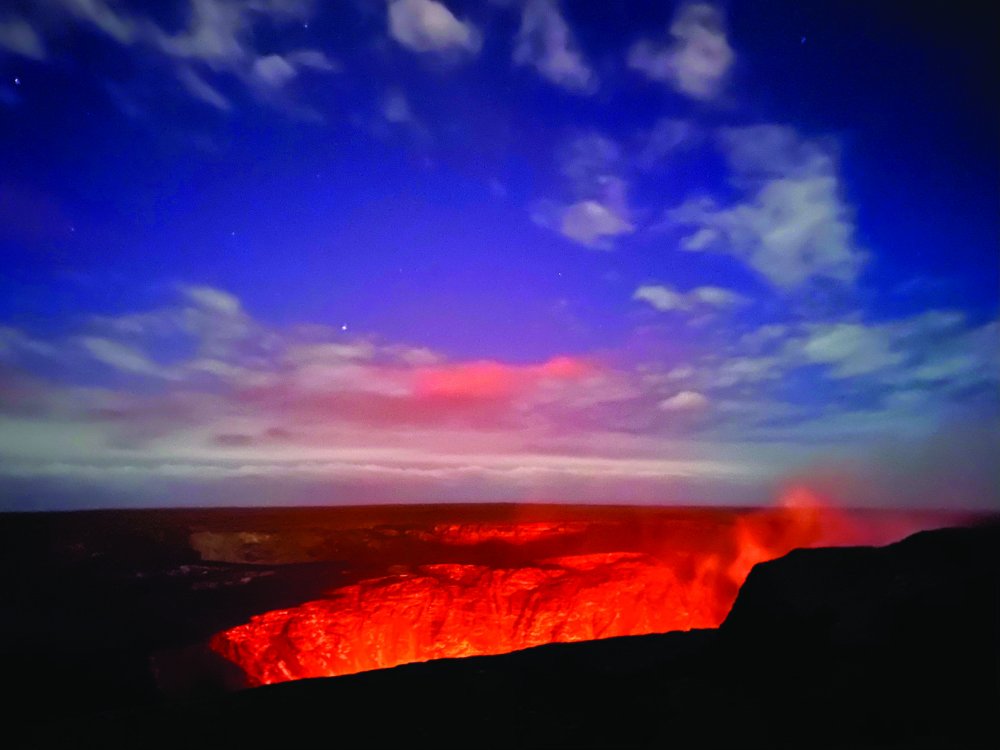

The Hawaiian Islands: Unique Journeys Across Paradise
Ōlelo Hawaiʻi (Traditional Hawaiian)
Nā Mokupuni o Hawaiʻi: Nā Huakaʻi Kū Hoʻokahi ma ke Paradaiso
Hāʻawi nā Mokupuni o Hawaiʻi i nā ʻike like ʻole, a he kū hoʻokahi kēlā me kēia mokupuni no ka poʻe kipa.
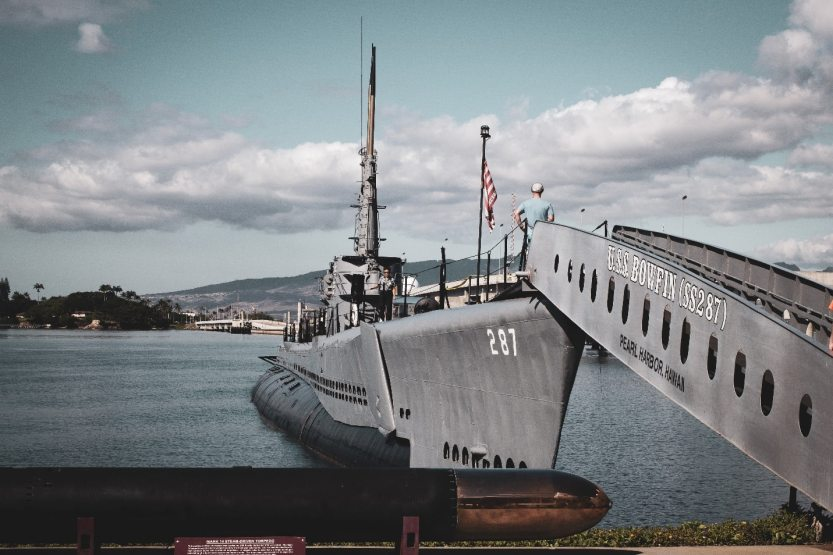
ʻO Oʻahu ka puka komo nui — aia ma laila ʻo Honolulu a me Waikīkī — e hui pū ana nā kahakai kaulana, nā wahi moʻokūʻauhau e like me Puʻuloa (Pearl Harbor), ka ʻai maikaʻi loa, ke kūʻai ʻana, a me ka moʻomeheu heʻenalu.
Hoʻohiki ʻo Maui i ka mālie a me ka nani: nā hōkele hanohano, ka nānā koholā, ke alanui kaulana ʻo Hāna, a me kekahi o nā kahakai kaulana loa o Hawaiʻi.
ʻO Hawaiʻi Nui he mokupuni ʻokoʻa loa nō — mai nā pāhoehoe a me nā kahakai one ʻeleʻele a hiki i ka nānā hōkū ma luna o Mauna Kea a me nā ʻāina ola o ka Pāka Aupuni ʻo Nā Lua Pele o Hawaiʻi.
Kāhea ʻo Kauaʻi, ka “Mokupuni Māla,” i ka poʻe aloha i ke kūlohelohe, me nā pali kiʻekiʻe, nā wailele, nā ala hele wāwae, a me ke ola mālie.
ʻO Lānaʻi, he wahi mālie a kū hoʻokahi, hāʻawi i ka ʻike pilikino me nā ʻāina ʻāhiu a me nā hōkele liʻiliʻi.
Hui pū nā mokupuni a pau e hana i kahi huakaʻi waiwai loa — hiki i ka mea kipa ke koho i ka huakaʻi kūpono loa no ka ʻimi, ka hoʻomaha, a me ka ʻike moʻomeheu — me ka maʻalahi o ka huakaʻi mokupuni-i-mokupuni.
Hawaii by James A. Michener: The Novel That Shaped How the World Sees Hawaii
When Hawaii was published in 1959, it arrived at a pivotal moment — the same year Hawaii became the 50th U.S. state. Sweeping, ambitious, and deeply researched, Michener’s epic historical novel helped introduce millions of readers to the islands’ geological origins, Indigenous culture, missionary era, plantation history, and multi-ethnic society.
For many mainland Americans and international readers, Hawaii became their first detailed “education” about the islands. Its influence on perception, tourism, and even political understanding has been lasting — and sometimes contentious.
What the Book Covers
Unlike a conventional novel, Hawaii reads like a sweeping historical saga.
Michener begins with the formation of the islands from volcanic eruptions, then traces:
The arrival of Polynesian voyagers
The development of Native Hawaiian society
The coming of American missionaries
The rise of sugar plantations
Immigration from China, Japan, Korea, the Philippines, and Portugal
The overthrow of the Hawaiian monarchy
The road to statehood
The narrative structure — following fictional families across generations — gave readers a human lens through which to understand centuries of change.
How Hawaii Shaped Perception
1. It Framed Hawaii as a Cultural Crossroads
The novel emphasized Hawaii as a unique meeting point of East and West — a place where cultures blended, clashed, and ultimately coexisted.
This multicultural framing strongly influenced how mainland audiences began to view Hawaii: not simply as a tropical paradise, but as a complex society shaped by migration and labour history.
That perception still defines much of Hawaii’s identity today.
2. It Popularised Hawaii for American Readers
Published the same year as statehood, Hawaii subtly reinforced the idea of Hawaii as part of the American story.
For many readers in the continental U.S., the book:
Normalised Hawaii’s political incorporation
Romanticised the missionary and plantation eras
Helped fuel interest in visiting the islands
In the decades that followed, tourism expanded rapidly — influenced not only by cheap jet travel but by cultural exposure through literature and film.
3. It Sparked Debate About Colonial Narratives
While widely praised for research and scope, Hawaii has also been criticised.
Some scholars and Native Hawaiian voices argue that:
The book centres Western perspectives
The missionary narrative is portrayed sympathetically
Indigenous Hawaiian sovereignty issues are softened or reframed
The overthrow of the monarchy is contextualised but not deeply critiqued
The overthrow of Queen Liliʻuokalani in 1893 remains a deeply sensitive and politically significant topic in Hawaii today. Critics suggest that while Michener acknowledged injustice, the novel ultimately aligns with a narrative of inevitability and Americanisation.
In modern discussions about Hawaiian sovereignty and decolonisation, the book is often revisited with a more critical lens.
Cultural Impact Beyond the Page
In 1966, Hawaii was adapted into a major Hollywood film starring Julie Andrews and Max von Sydow. The film amplified the novel’s reach and further embedded its interpretation of Hawaiian history into popular culture.
For decades, Hawaii was assigned in schools, discussed in book clubs, and cited in travel writing. It became, in effect, a cultural reference point for understanding the islands.
Even today, many visitors arrive with impressions — romantic, historical, or simplified — that echo Michener’s narrative arc.
Influence on Tourism
Though not a travel book, Hawaii contributed to a broader fascination with:
Polynesian voyaging traditions
Mission-era architecture
Plantation towns
Volcanic landscapes
The blending of Asian and Pacific cultures
As Hawaii developed its tourism infrastructure in the 1960s and 1970s, these themes became part of how the islands were marketed.
The idea of Hawaii as both exotic and familiar — remote yet American — owes something to Michener’s framing.
How the Book Is Viewed Today
Modern readers tend to see Hawaii in two ways:
1. As an ambitious, well-researched epic
Its geological opening chapters remain distinctive, and its attempt to humanise migration history was ahead of its time.
2. As a product of mid-20th-century thinking
The novel reflects the assumptions of 1959 America — particularly regarding colonialism, assimilation, and national expansion.
Today, conversations about Hawaiian history increasingly centre Native Hawaiian scholarship, oral histories, and perspectives that were underrepresented in mainstream publishing at the time Michener wrote.
Its Lasting Legacy
More than 65 years after publication, Hawaii still:
Shapes how older generations understand the islands
Appears on recommended reading lists for visitors
Influences historical curiosity among travellers
Serves as a cultural snapshot of pre-statehood attitudes
It stands as both a literary landmark and a reminder that historical storytelling is shaped by its era.
Reading Hawaii Now
For modern readers and travellers, the book can serve as:
A sweeping introduction to Hawaii’s layered past
A starting point for deeper research
A lens into how mid-century America interpreted the Pacific
But it is best read alongside contemporary Hawaiian voices and scholarship to gain a fuller picture of the islands’ complex history.
Why It Still Matters
Few novels have influenced how a destination is perceived as strongly as Hawaii.
It helped move the image of the islands beyond beaches and palm trees — while simultaneously reinforcing certain narratives that remain debated today.
In that sense, Hawaii is more than historical fiction. It is part of the story of how Hawaii came to be understood — by Americans, by visitors, and by the world.
And that conversation is still evolving.

ShuttlesA2B - New Zealand
ShuttlesA2B - French Polynesia