Essential Guide to Peru Shuttles & Sightseeing:
Navigate Your Journey with Confidence and Style
Peru — explore shuttles, airport transfers, private drivers, trains, tours & sightseeing - Featured partners:
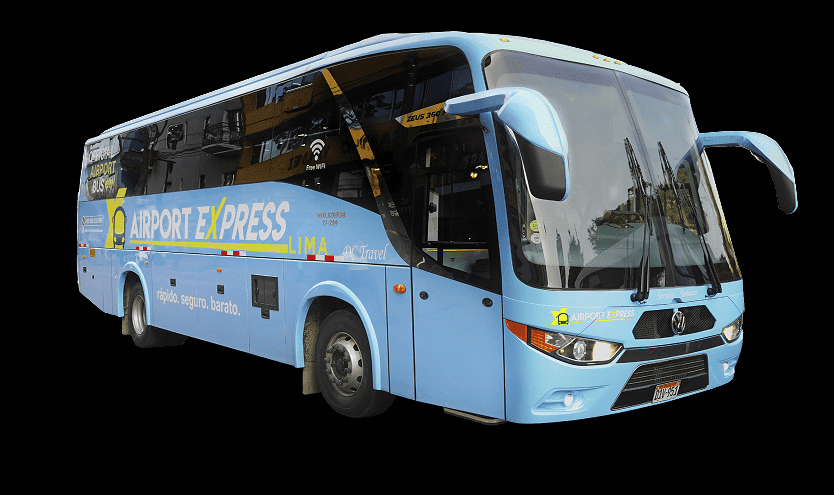
Airport Express Lima
Cusco Airport Shuttle
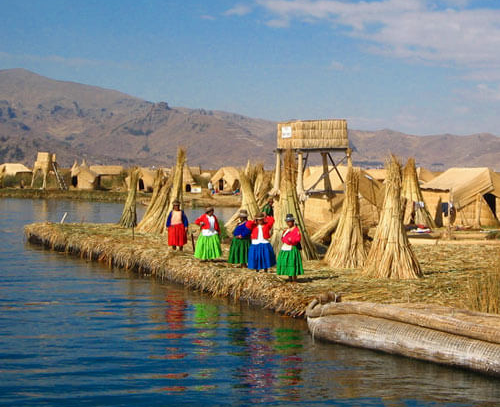
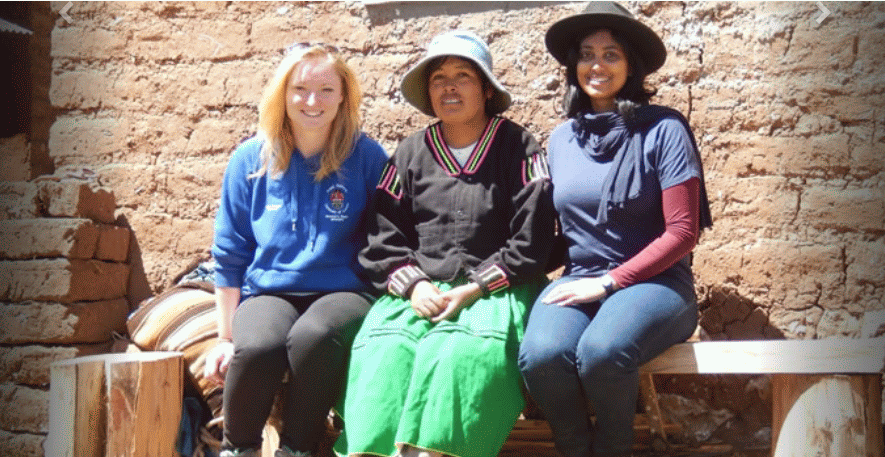
All Ways Travel - unique experiences in Lake Titicaca
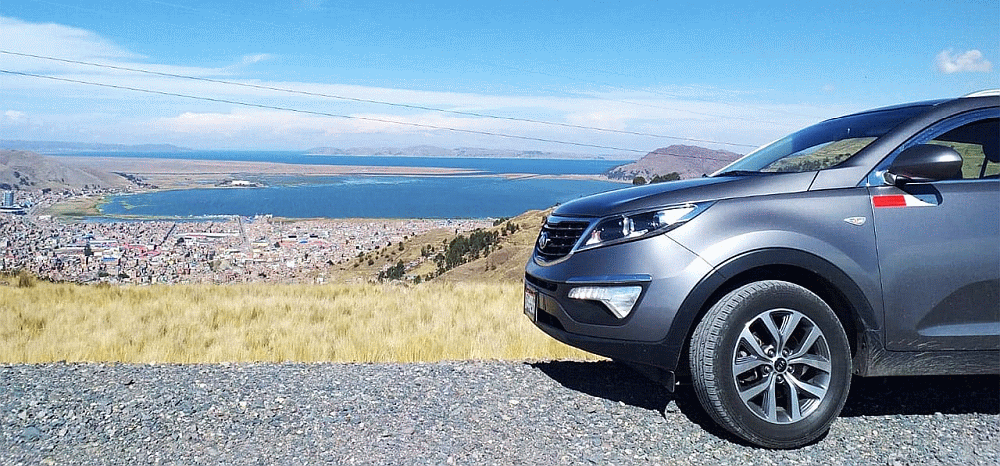
Cusco Private Transport
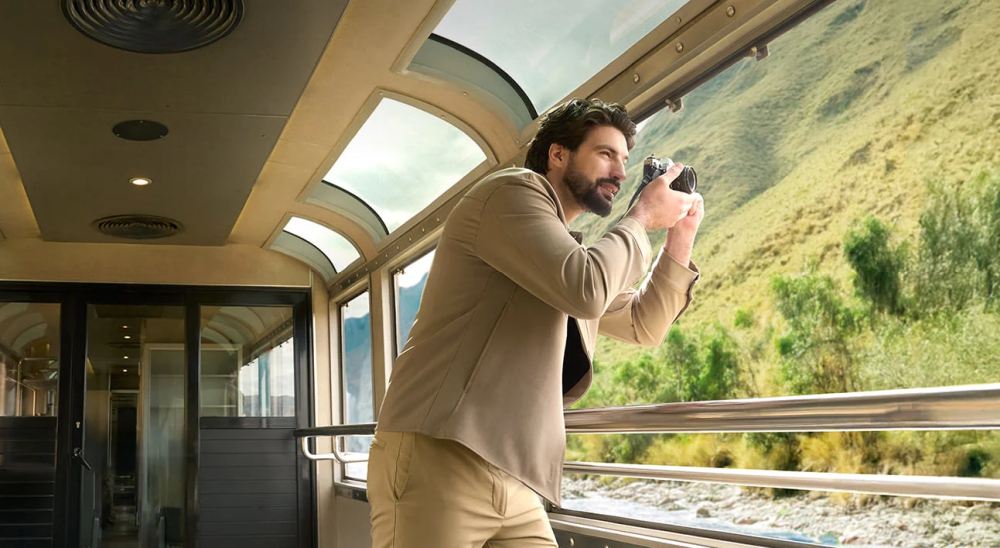
Inca Rail - trains to Machu Picchu

Inka Transfer & Tours
Quick Lama Airport Shuttle
Inka Express Bus
Runas Expeditions
Transfers Peru
Don Peru Tours, Cusco
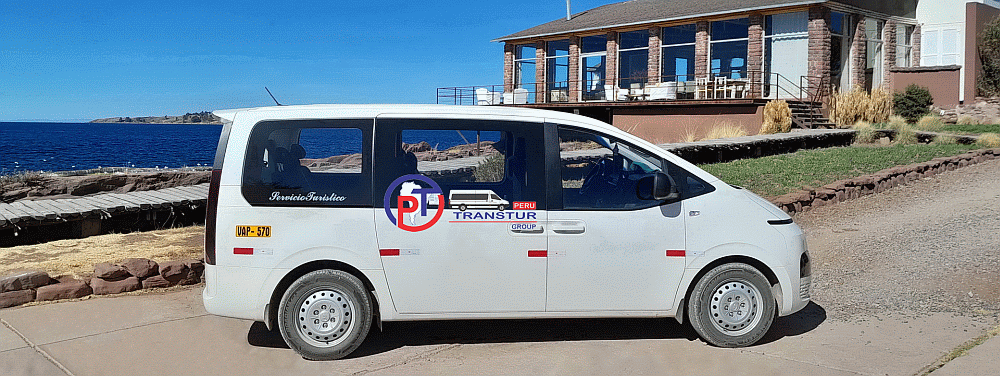
Peru Transtur
Getting Around Peru:
Shuttles, Buses, Trains, Taxis & Private Drivers
Peru is vast, varied, and not always straightforward to move around.
From Lima’s sprawl to Cusco’s high altitude, from Lake Titicaca to la selva (the Peruvian Amazon), your transport choices will shape your experience more than you might expect.
This guide explains how to get around Peru — by bus, shuttle, train, taxi, private driver, or airport transfer — with realistic travel times, costs, and practical context.
Transport in Peru at a Glance
Most people combine several transport options during a trip:
Long-distance buses for intercity travel
Trains for Machu Picchu and a few scenic routes
Shuttles & private drivers for day trips and flexibility
Taxis for cities and short hops
Flights to save time on long distances or reach the Amazon
Where you are — coast, Andes, or jungle — makes a real difference.
Buses in Peru (Long-Distance & Tourist Buses)
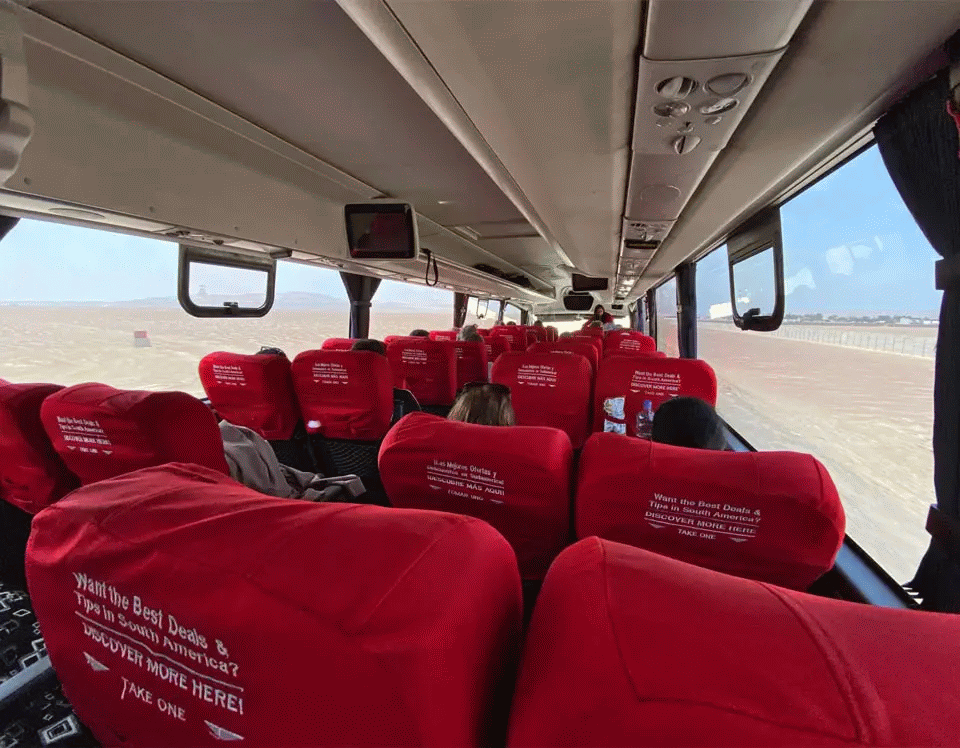
Buses are the backbone of transport in Peru. On many routes, they’re cheaper, safer, and more practical than flying once you factor in airport time.
What you’ll usually find:
Modern overnight buses with reclining seats (semi-cama / cama)
Assigned seating
Luggage stored underneath (keep valuables with you)
Typical costs:
Lima → Cusco: US$30–70 | ~20–24 hours
Cusco → Puno: US$15–30 | ~6–8 hours
Arequipa → Puno: US$15–25 | ~6 hours
Safety note: Stick to established bus companies and avoid unregistered street buses, especially at night.
Shuttles & Shared Transport (Popular Routes)
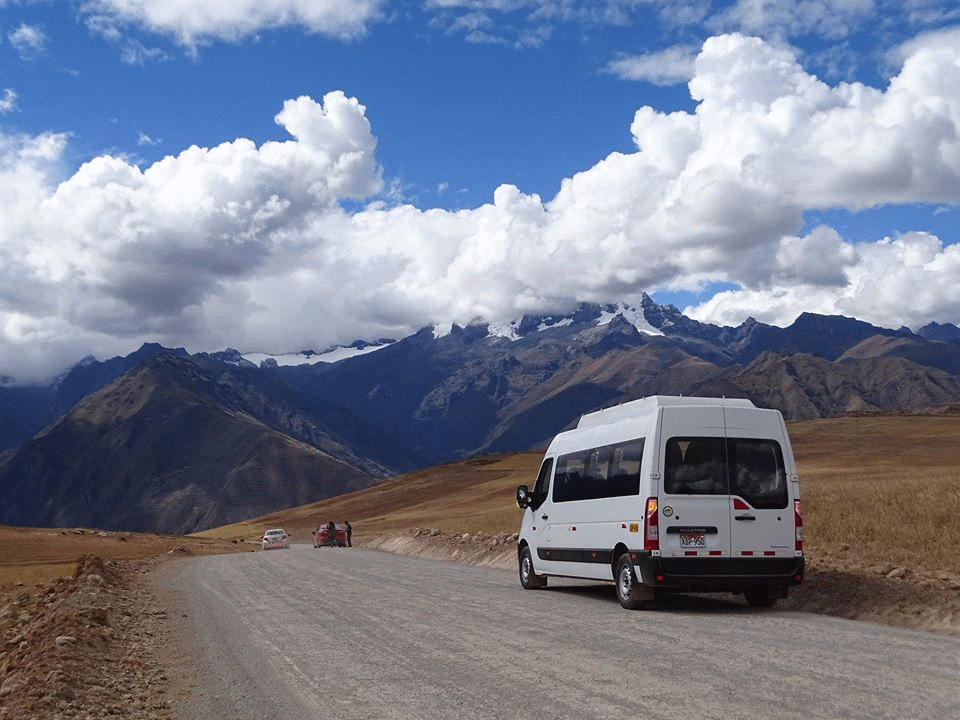
Shuttles are common around Cusco and the Sacred Valley, especially when you want flexibility and stops along the way.
Common shuttle routes:
Cusco → Ollantaytambo: 1.5–2 hrs | US$10–20
Cusco → Pisac / Sacred Valley villages
Cusco → Hidroeléctrica: budget access to Machu Picchu (long day)
Shuttles often include hotel pickup and sit neatly between public buses and private drivers.
Trains in Peru (Machu Picchu & Beyond)
Trains are limited in Peru, but essential on certain routes.
Cusco / Ollantaytambo → Machu Picchu
There is no public road to Machu Picchu town (Aguas Calientes).
Key train routes:
Ollantaytambo → Aguas Calientes: ~1.5 hours
Poroy / Cusco → Aguas Calientes: seasonal
Prices:
Budget to premium: US$60–150+ one way
Booking ahead is strongly recommended in high season.
Inca Rail -incarail.com
Private Drivers in Peru (Flexible & Time-Saving)
Private drivers are common — and often good value — outside major cities.
They’re especially useful for:
Sacred Valley day trips
Cusco → Ollantaytambo → Maras / Moray
Puno → Bolivia border crossings
Remote hotels or very early starts
Typical costs:
Sacred Valley full day: US$80–150 per vehicle
Cusco → Ollantaytambo private transfer: US$50–80
Locally, you’ll hear “conductor privado” or “servicio particular”.
Taxis in Peru (Cities & Short Distances)
Taxis are everywhere — and usually not metered.
What to know:
Agree on the price before getting in (“¿Cuánto cuesta?”)
Ride-hailing apps are common in Lima and Cusco
Cash is preferred (small bills help)
Rough prices:
Lima airport → Miraflores: US$15–25
Cusco city rides: US$3–6
Airport Transfers (Lima, Cusco & Regional Airports)
Pre-booked airport transfers are a popular option after long flights, especially in Lima and Cusco.
Why you might choose one:
Fixed price
No negotiation
Easier late-night arrivals
Expect to pay slightly more than a taxi, with less hassle.
High Altitude Travel in Peru (Cusco, Puno, Lake Titicaca)
Altitude affects transport decisions more than many people expect.
Key elevations:
Cusco: 3,400 m
Puno / Lake Titicaca: 3,800+ m
Practical tips:
Avoid rushing long journeys on your first day
Consider flights or shorter bus legs where possible
Drink water, take it slow, and try mate de coca
Altitude sickness (soroche) isn’t rare — build buffer days into your plans.
Lake Titicaca & Tacquile Island Transport
Getting to Puno
Cusco → Puno (bus): 6–8 hours
Juliaca airport → Puno: ~1 hour by taxi or shuttle
Puno → Lake Titicaca → Tacquile Island
Access is by boat only.
Options:
Group boat tours (half or full day)
Private boats arranged through local operators
Travel time:
Puno → Tacquile: ~3 hours each way by boat
Overnight stays on Tacquile are simple but rewarding — transport is slower here, and that’s part of the experience.
All Ways Travel: cultural exchange experiences on Taquile Island and Lago Titicaca - titicacaperu.com
La Selva: Transport in the Peruvian Amazon
Getting into the jungle is part of the journey.
Main Amazon gateways:
Iquitos: fly in or arrive by long river journey
Puerto Maldonado: fly from Cusco or Lima
What to expect:
Flights save days of travel
Boats are essential once you arrive
Schedules change with river levels
In la selva, transport is slower, weather-dependent, and less predictable — plan with flexibility.
Cross-Border Transport: Peru to Bolivia (Puno Focus)
The Peru–Bolivia crossing near Lake Titicaca is one of South America’s most common overland borders.
Puno → Copacabana → La Paz
Your options:
Tourist buses
Shared shuttles
Private drivers
Taxi + local bus combinations
Travel time:
Puno → Copacabana: ~3–4 hours
Puno → La Paz: ~6–8 hours total
Border tips:
Exit Peru, walk the border, enter Bolivia
Keep your passport handy
Some nationalities need Bolivian visas — check in advance
The route is well-used and generally calm, though delays do happen.
Safety & Practical Notes
Night buses are common — choose reputable operators
Keep valuables on your person
Road conditions vary widely outside cities
Allow extra time in the Andes and the jungle
Peru rewards patience more than rushing.
Getting around Peru isn’t difficult — it’s layered.
Combine buses, shuttles, trains, taxis, private drivers, and flights, and you can reach everywhere from Lima to Cusco, Machu Picchu, Ollantaytambo, Puno, Lake Titicaca, and deep into la selva.
Plan loosely, move thoughtfully, and let the journey be part of the experience.
N.B. Prices shown are indicative and reflect typical costs in Peru as in March 2026.
Popular Destinations, Tours and Shuttle Services - Peru
-
![Maras, Peru - Cusco Airport Transport]()
Maras, Peru
-
![Titicaca Travel, Peru]()
Titicaca Travel
-
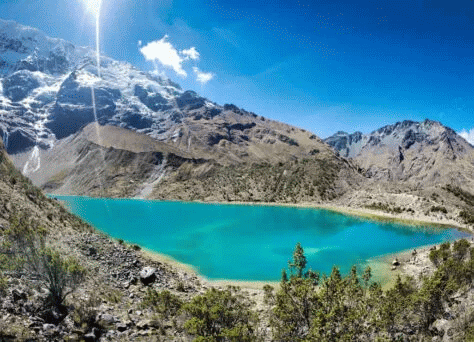
![Humantay Lake, Cusco, Peru - Taxidatum]()
Humantay Lake, Cusco
-
![Peru Hop]()
Discover the REAL Peru!
-
![Perou Voyage Tours Arequipa Peru]()
Arequipa
-
![Peru Bucket List]()
Small Group Tours of Peru
-
![TreXperience Peru]()
Inca Trail Tours
-
![Alpaca Expeditions]()
Cusco Day Trips, and much more

Peru Key Visitor Destinations / Atracciones principales en Perú
Machu Picchu: The iconic Incan citadel set high in the Andes Mountains, renowned for its archaeological significance and breathtaking views.
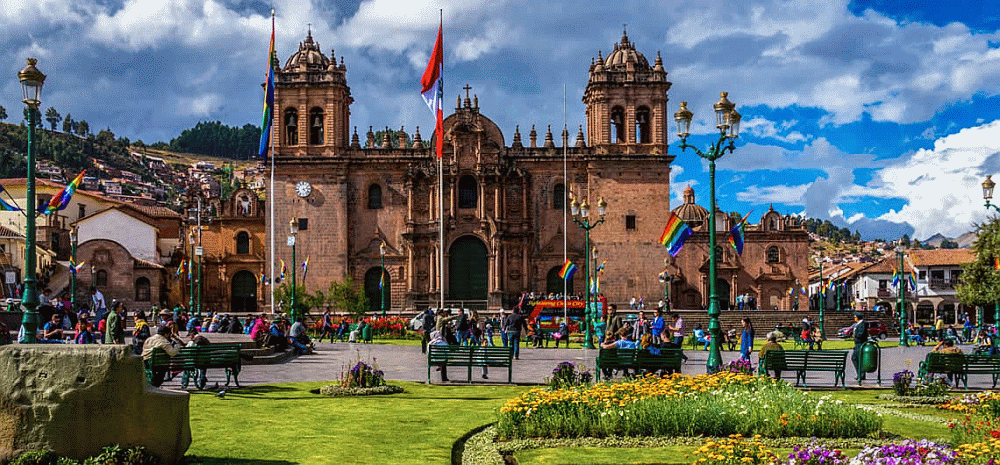
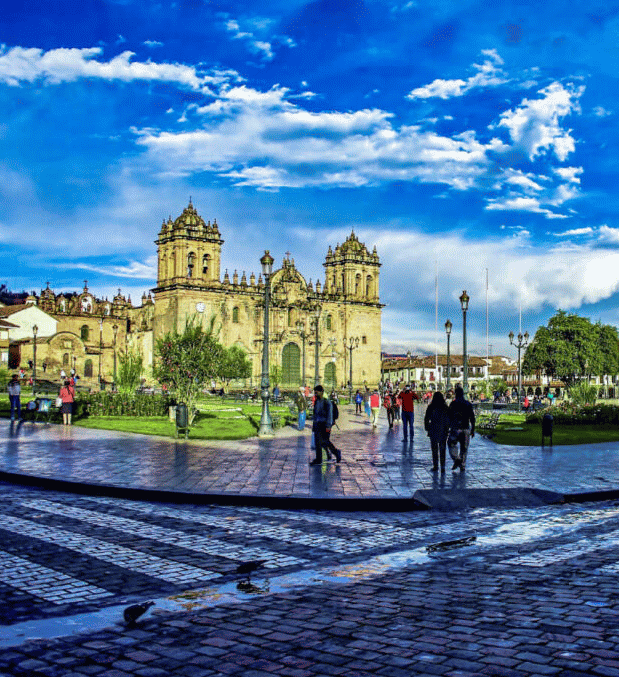
Cusco: The historic capital of the Inca Empire, known for its rich cultural heritage and colonial architecture.
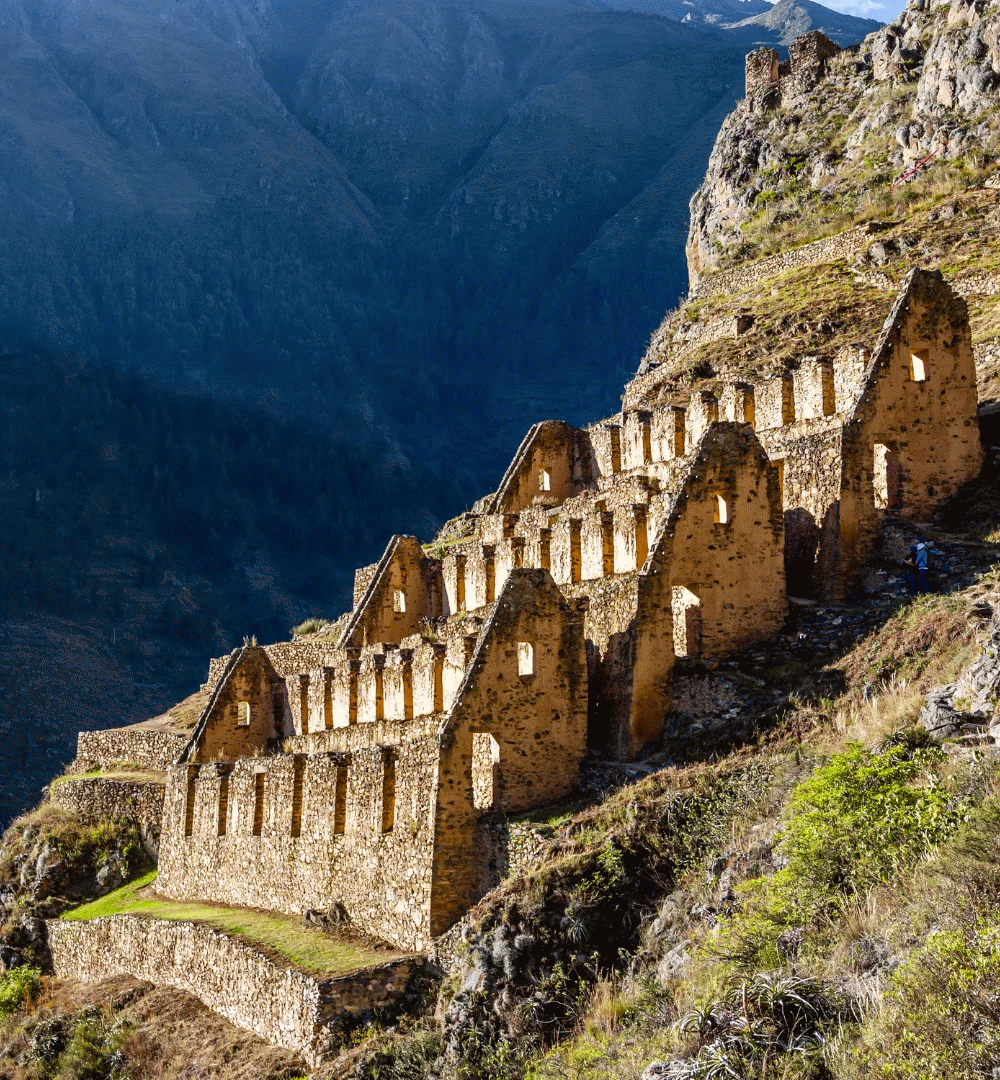
The Sacred Valley: A region filled with traditional villages, Inca ruins, and vibrant markets.
Lake Titicaca: The world's highest navigable lake, famous for its floating reed islands and indigenous cultures.
Nazca Lines: Mysterious ancient geoglyphs best viewed from the air.
The Amazon Rainforest: Dense jungle with diverse wildlife and eco-tourism opportunities.
Colca Canyon: One of the deepest canyons globally, ideal for trekking and spotting Andean condors.
Spanish:
Machu Picchu: La icónica ciudadela inca situada en lo alto de los Andes, conocida por su importancia arqueológica y vistas impresionantes.
Cusco: La capital histórica del Imperio Inca, famosa por su rica herencia cultural y arquitectura colonial.
El Valle Sagrado: Una región con pueblos tradicionales, ruinas incas y mercados vibrantes.
Lago Titicaca: El lago navegable más alto del mundo, famoso por sus islas flotantes de totora y culturas indígenas.
Las Líneas de Nazca: Misteriosos geoglifos antiguos, mejor observados desde el aire.
La Selva Amazónica: Densa jungla con diversa fauna y oportunidades de eco-turismo.
El Cañón del Colca: Uno de los cañones más profundos del mundo, ideal para el trekking y avistar cóndores andinos.
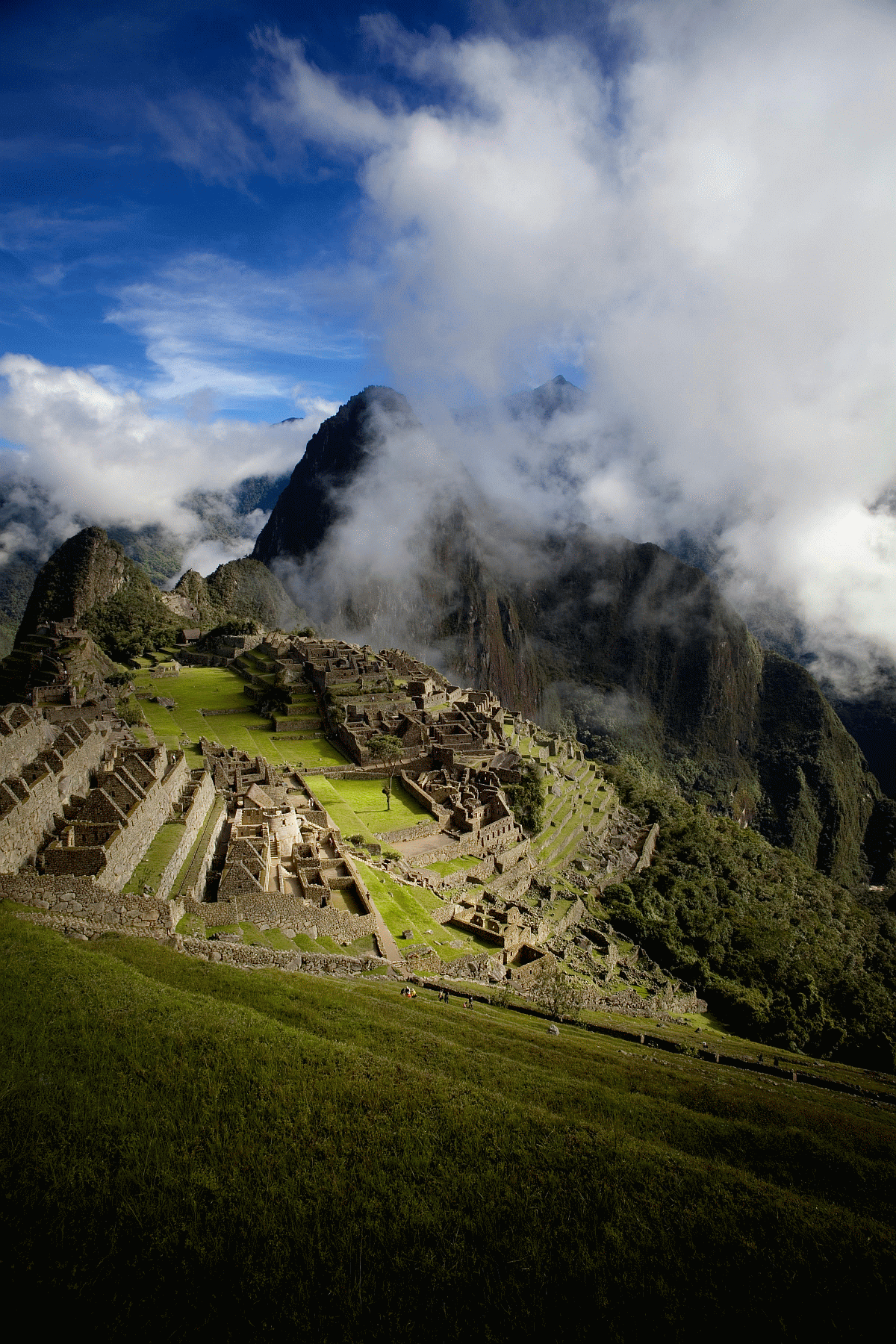
The Lost City of The Incas - Peru 1979
By May 1979, my South American travels had taken me to Peru and its iconic visitor attraction - Machu Picchu aka The Lost City of The Incas.
Not content with just taking a bus up the zig zag road to the entrance to Machu Picchu, I decided to climb the mountain - in the dark!
What follows is the entry I wrote in my diary that day.
Viernes 18 de Mayo, 1979 - Machu Picchu
At 5:10 am I began walking to Machu Picchu, starting off along the railway line from Aguas Calientes.
I went with the Californian & a Swiss guy. There was enough light from the stars & half moon coming through the patchy clouds, but our problem was passing through two very dark railway tunnels.
We managed by setting fire to some toilet paper & using my box of matches. Around us we could distinguish the towering shapes against the sky. They were incredibly huge & abrupt from our position close to the Urubamba River.
We ascended a hill in the dark, following a steep track. It was becoming lighter and lighter. The track crossed the road several times, but it was quicker than taking the zig-zag graded road.
About 6:30 am I began to see terraces & rocks on the side of the ridge - this was Machu Picchu.
…
ShuttlesA2B - visit Georgia

Bohemian Valparaíso - ShuttlesA2B (Chile)