

Essential Guide to Mexico City - Shuttles & Sightseeing
Navigate Your Journey with Confidence and Style
Experiencing Mexico City
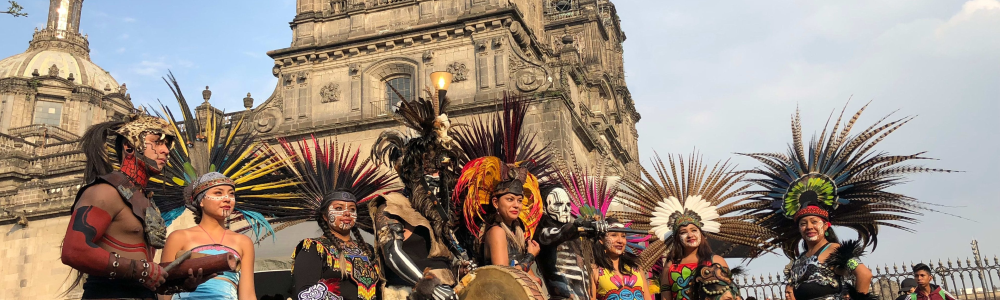
El Día de los Muertos — the Day of the Dead — is an occasion of immense joy, happiness, and, above all, fun, a truth that feels surprising to those encountering it from outside Mexico.
By chance and good fortune, my arrival in Mexico City coincided with the time when the city comes alive, swept up in the excitement of the Day of the Dead. To an outsider, the idea can seem strange, even morbid. The dead? That’s something to celebrate?
In Mexico, it’s the opposite. The Day of the Dead is to be celebrated. It’s a time for joy — a time when loved ones who have passed are not only remembered, but welcomed back. They return. There is a sense of reconnection, of direct contact. What, one might ask, is not to celebrate?
I experienced Mexico City at its most colourful, its most alive, in an atmosphere that radiated joy. And to crown it all, I found myself immersed in the packed crowds of Coyoacán Plaza, where the celebrations were intense, exuberant, and shared by young and old alike.
There is, of course, a degree of commercialism attached to the Day of the Dead. Merchandise is everywhere, and people posing for photos in elaborate costumes (disfraces) often accept tips. But this doesn’t detract from the occasion — it’s part of it, part of the fun, part and parcel of the celebration. This is Mexico.
And yet, Mexico City itself became my true discovery.
Visiting CDMX brought me a quiet, personal joy. I loved the city. It reached inside me. Being there made me feel alive — even in my reflective moments: lingering in a multi-level bookshop café on Avenida Álvaro Obregón, or sitting quietly by the fountain in a small park in Roma Norte.
Mexico City gave me art. It taught me much — not least about Frida Kahlo, her life, and her love with her husband Diego Rivera. Their home in Coyoacán — La Casa Azul — left a deep impression on me. This sense of awe continued at the National Palace, standing before Diego Rivera’s vast murals, and later at the nearby home of the exiled Russian Marxist leader Leon Trotsky, who lived with Diego and Frida for a time after arriving in Mexico in 1937.
Roma Norte, along with its nearby bohemian colonias of Condesa and Roma Sur, became my home patch during the weeks I spent in CDMX. I slipped into a daily rhythm: visiting what had become my favourite cafés, wandering the streets, exploring local markets, sampling pizzerias, simply being in the city.
From there, I ventured across town to experience the architectural marvel that is the Museo Soumaya. The building itself is a work of art — its flowing curves clad in some 16,000 hexagonal tiles. At the top, I found myself surrounded by Rodin’s sculptures, an unexpected and memorable encounter.
No visit to Mexico City is complete without dedicating a day at the vast Museo Nacional de Antropología. This extraordinary museum transports you into Mexico’s deep past — into the worlds of the Aztecs, the Zapotecs, the Maya. I allowed myself to travel back in my imagination, to feel their presence, to know of them.
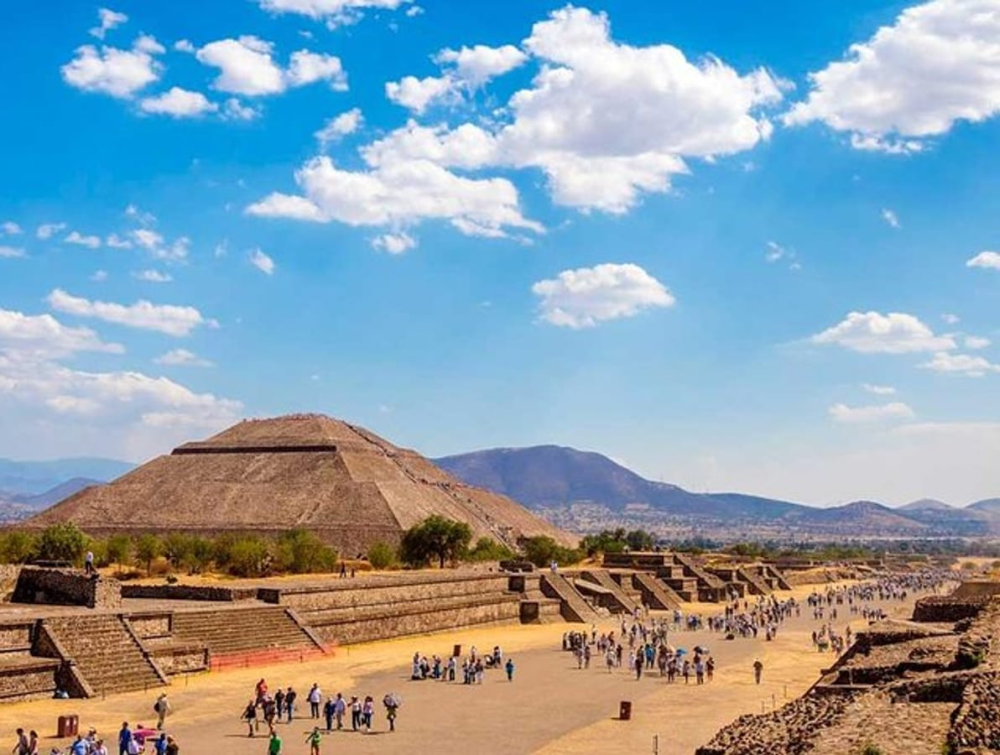
Just beyond the city lies Teotihuacán, the great pre-Aztec metropolis. Sitting at the summit of the Pyramid of the Sun, I felt the energy of the place — something powerful and difficult to put into words. It moves through you. It is real.
And so I leave you here — future visitor to Mexico City — with this simple invitation: be drawn to this magical city and discover CDMX for yourself. Have your own journey. But don’t miss Mexico City, and please, do stay a while.
There is so much to this city.
¡disfruta! ✈️
Lindsey
Mexico - Mexico City | CDMX — explore shuttles, airport transfers, private drivers, metro, tours & sightseeing - Featured partners:
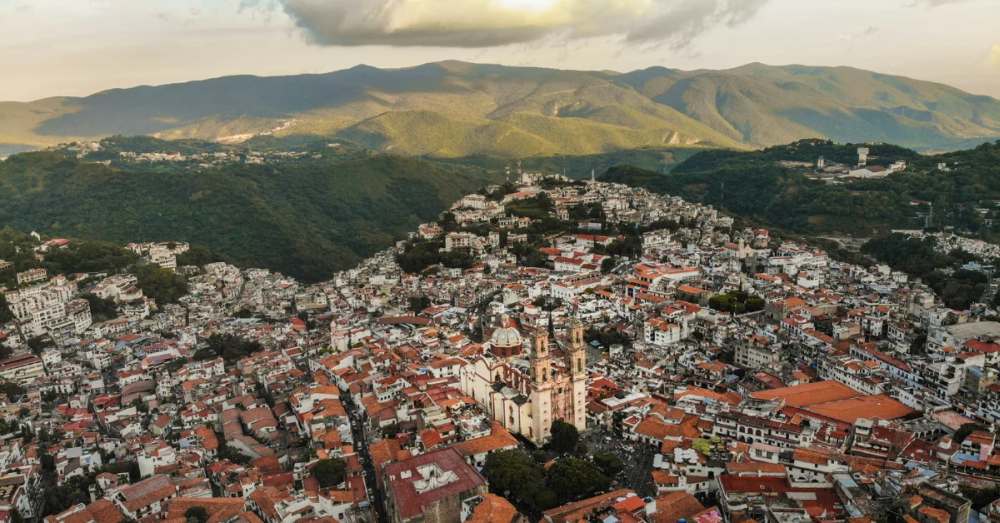
Tours México City - Teotihuacán, Xochimilco
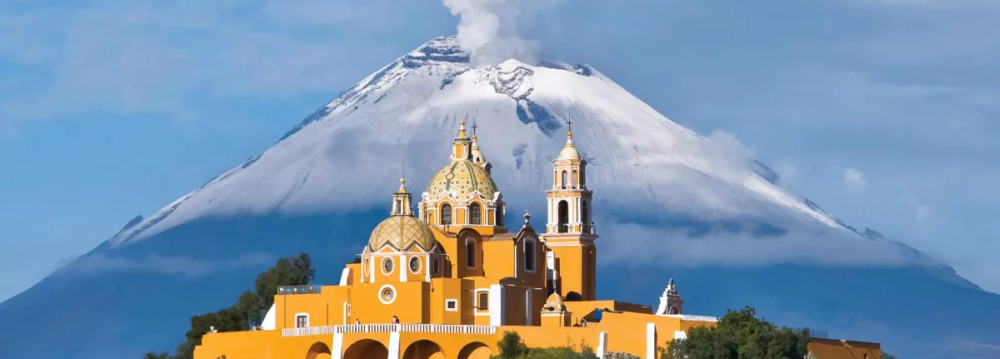
Travis Adventures - unique, authentic adventures in Mexico City and its surroundings
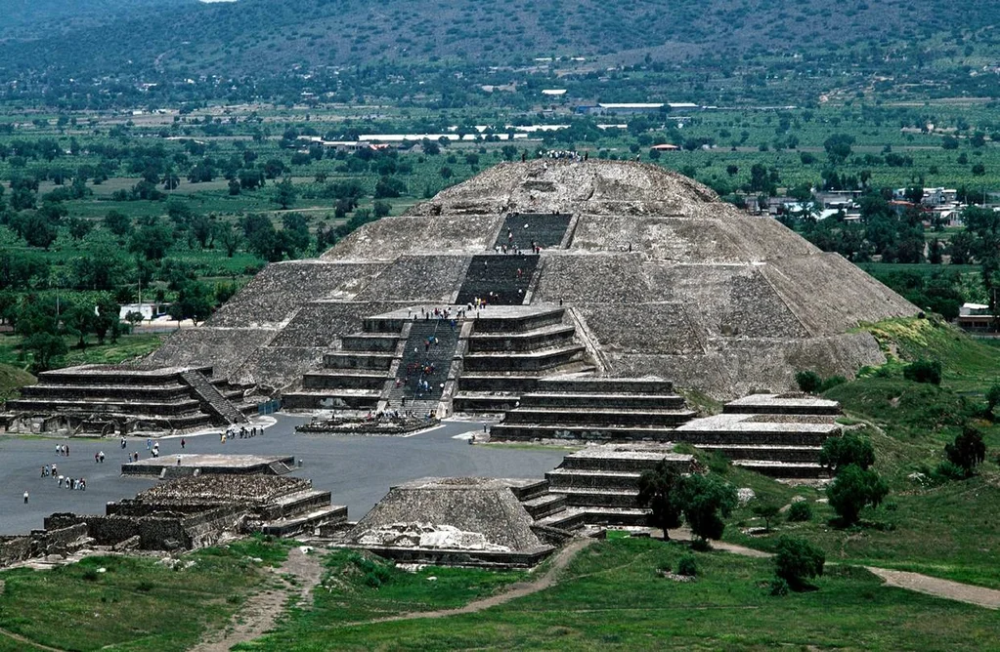
VIP Transportmex - visit Teotihuacán, Xochimilco's canals, bohemian neighborhoods of Mexico City
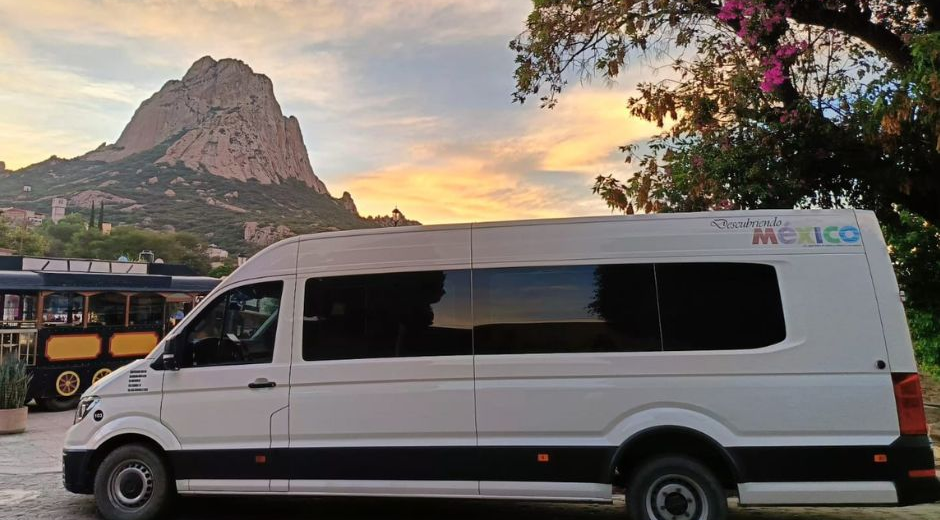
mytransfer.com.mx - live the journey you dream of - Mexico City

Mobilux - renta de camionetas con chofer

Safe and Confidence© - car rental with driver in Mexico City
Mexico City Private Tours - art and architecture tours

Journeys Beyond the Surface - private, customised tours of Mexico City & Oaxaca
ShuttlesA2B.com helps travellers connect directly with trusted local transport providers in Mexico City.
We don’t take bookings and we don’t clip the ticket. There are no commissions, no mark-ups, and no middlepeople — just a straightforward way to find and contact private drivers, shuttle services, and tour operators directly.
Travel smarter around Mexico City and beyond, or showcase your transport service to travellers from around the world.
📩 shuttlesa2b@gmail.com
Explore Mexico City | CDMX -sightseeing, tours and transport: Featured Plus
-
![Stazondriver - Private Airport Transfers & Tours CDMX - google map]()
airport transfers & private driver - Ciudad de México, CDMX, Mexico
-
![servicioscoyoacan.com.mx - Teotihuacan Pyramids Private Tour From Mexico City]()
Teotihuacan Pyramids private tour from Mexico City
-
![Transporti, Transporte privado en la CDMX]()
Mexico City private transport in auto, minivan or camioneta
-
![independent tour guide: Maricela Muñoz]()
independent tour guide: Maricela Muñoz
-
![mexicotourfreelance.com.mx]()
Cuidad de Mexico private tours
-
![Urban Day Trips - Teotihuacan & Authentic Mexico]()
Urban Day Trips - Teotihuacan & Authentic Mexico



Getting Around Mexico City (CDMX)
Mexico City is vast, energetic, and surprisingly navigable once you understand your options. From the historic centre to leafy Coyoacán, world‑class museums to ancient pyramids, getting around CDMX is less intimidating than it first appears.
This guide focuses on how travellers actually move around Mexico City — safely, affordably, and efficiently — using transport options locals rely on every day.
Mexico City Transport Overview
Mexico City offers multiple ways to get around, each suited to different distances, budgets, and comfort levels:
Metro (Subway) – fast, cheap, extensive
Metrobus – reliable bus lanes on major corridors
Uber & ride‑hailing – safe, convenient, predictable
Airport transfers & shuttles – stress‑free arrival
Taxis – usable, but best booked via apps or hotels
Most visitors combine Metro + Uber for daily travel.
Arriving at Mexico City International Airport (MEX)
Mexico City International Airport (Benito Juárez – MEX) has two terminals:
Terminal 1 – most international and domestic flights
Terminal 2 – mainly Aeroméxico
Getting from MEX Airport to the City
Popular transfer options:
Uber – Pick‑up zones are clearly signed outside terminals
Authorized airport taxis – Pay at official booths inside the terminal
Private airport shuttles – Pre‑booked transfers to hotels or apartments
Typical Airport Transfer Times & Prices
MEX → Centro Histórico: 25–45 minutes | MX$200–350 (Uber)
MEX → Roma / Condesa: 30–60 minutes | MX$250–400
MEX → Polanco: 30–50 minutes | MX$300–450
MEX → Coyoacán: 45–75 minutes | MX$350–500
Travel time varies heavily with traffic — peak hours matter.
Arrival Tips
Avoid accepting rides from unsolicited drivers
Use Uber or official taxi counters only
Screenshot your accommodation address
Expect luggage screening before exiting customs
Using the Mexico City Metro
The Mexico City Metro is one of the largest subway systems in the world and often the fastest way to cross the city.
Why Use the Metro
Extremely affordable
Frequent trains
Extensive coverage
Avoids traffic congestion
Metro Tickets & Cost
Single ride: MX$5
Payment: Rechargeable mobility card (Tarjeta de Movilidad Integrada)
Cards sold at stations and machines
Metro Safety & Practical Tips
Generally safe during daytime and early evening
Expect crowds during rush hours (7–9am, 5–7pm)
Keep valuables zipped and in front of you
Women‑only carriages available during peak times
Where the Metro Can Take You
Centro Histórico – Zócalo, Palacio de Bellas Artes
Chapultepec Park – Museo Nacional de Antropología
Polanco – Museo Soumaya (short walk from stations)
Coyoacán – via Line 3 + short Uber/taxi
Metrobus: A Useful Alternative
The Metrobus runs in dedicated lanes along major avenues.
Faster than regular buses
Same mobility card as the Metro
Useful for north–south routes
Popular Metrobus corridors include Paseo de la Reforma and Insurgentes.
Getting Around with Uber in Mexico City
Uber is widely used by locals and travellers alike and is one of the easiest ways to move around CDMX.
Why Uber Works Well in CDMX
Transparent pricing
GPS navigation
Cashless payment
Strong safety record
Typical Uber Travel Times
Roma → Polanco: 20–35 minutes
Centro Histórico → Coyoacán: 30–50 minutes
Roma → Museo Soumaya: 20–30 minutes
Uber is especially practical at night, after long museum days, or when travelling with bags.
Visiting Major Attractions from CDMX
Museo Nacional de Antropología
Metro: Line 7 to Auditorio + walk
Uber: 15–30 minutes from Roma/Condesa
Museo Soumaya (Polanco)
Metro: Line 7 to Polanco + walk
Uber: 20–30 minutes from Centro
Coyoacán & La Casa Azul (Frida Kahlo Museum)
Metro: Line 3 to Coyoacán + short Uber
Uber: 30–50 minutes from central areas
Teotihuacán Pyramids
Bus: From Terminal Norte (1–1.5 hrs)
Guided tour or shuttle: Common, efficient option
Day Trips & Places Near Mexico City
Mexico City is well‑positioned for nearby excursions:
Teotihuacán – ancient pyramids
Xochimilco – canals and trajineras
Tepoztlán – mountain town & pyramid hike
Puebla – colonial city (bus or train)
Most travellers use buses or guided transfers for day trips.
Using a Local SIM Card in Mexico City
A local SIM makes navigating CDMX significantly easier.
Why a SIM Helps
Google Maps navigation
Ordering Uber on the street
Translation apps
Ride tracking
Where to Buy
Airport kiosks
OXXO convenience stores
Telcel shops (most common)
Affordable prepaid plans include generous data allowances.
Travelling beyond Mexico City?
The Mexico Shuttles page on ShuttlesA2B connects you with trusted local drivers and shuttle services across the country, from airport pickups to long-distance routes.
It also highlights cross-border transport from the USA into Mexico, plus overland connections to Belize and Guatemala — making regional travel feel easy, natural and connected..
Final Tips for Getting Around CDMX
Combine Metro for speed + Uber for comfort
Plan trips outside peak traffic when possible
Use Google Maps — very reliable in CDMX
Don’t underestimate distance — CDMX is huge
Mexico City rewards travellers who move confidently. With the right transport mix, the city quickly feels manageable, navigable, and welcoming.


Hotel Milán, Av. Álvaro Obregón No. 94 Col. Roma C.P. 06700 Ciudad de México

Colima 71 - Casa de Arte - Hotel, Colima 71, Col. Roma Norte, Mexico City, Mexico

Globopuerto - adventure hot-air balloon flights over Teotihuacán pyramids

city guide to Buenos Aires
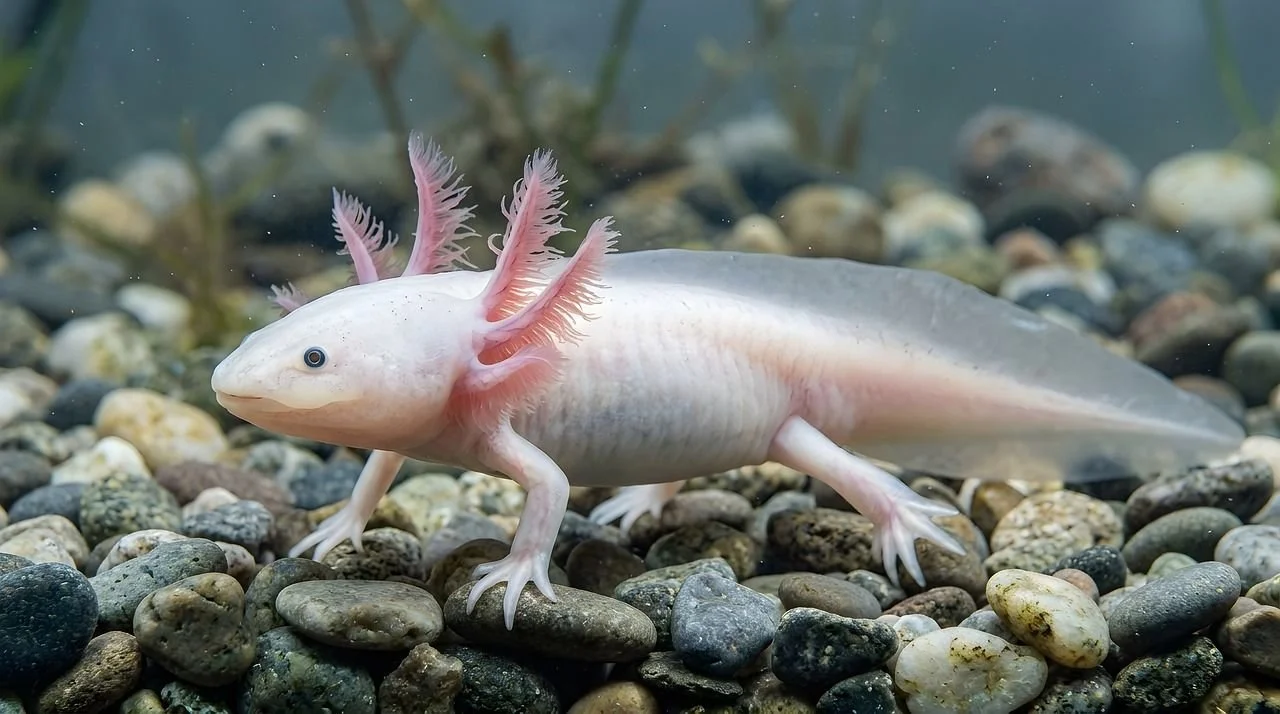
Axolotl
The axolotl is one of those rare creatures that seems to blur the line between reality and myth.
With its soft, perpetual smile, feathery external gills, and ability to regenerate entire limbs, the Axolotl has captured the imagination of scientists, artists, and curious observers around the world.
A Creature That Refuses to Grow Up
Unlike most amphibians, the axolotl never undergoes full metamorphosis. While frogs and salamanders typically transition from water-dwelling larvae into land-based adults, the axolotl retains its juvenile features for life—a phenomenon known as neoteny.
It keeps its gills, remains aquatic, and yet reaches sexual maturity in this larval state. This unusual life strategy gives the axolotl its distinctive appearance and contributes to its almost otherworldly charm.
A Master of Regeneration
What truly sets the axolotl apart is its extraordinary regenerative ability. It can regrow not only limbs, but also parts of its heart, spinal cord, and even sections of its brain without scarring.
This has made the species a focal point of research in Regenerative medicine, with scientists hoping to unlock clues that could one day transform human healing.
A Fragile Home
In the wild, axolotls are found in just one place: the ancient lake system of Xochimilco in Mexico City.
Once part of a vast network of lakes, Xochimilco has been reduced to a series of canals due to urban expansion.
This habitat is now under significant pressure. Pollution, invasive fish species like tilapia and carp, and ongoing development have pushed wild axolotl populations to the brink.
While millions exist in laboratories and aquariums worldwide, truly wild axolotls are critically endangered and rarely seen in their natural environment.
Scarcity in the Wild
The paradox of the axolotl is striking: it is one of the most widely studied amphibians on Earth, yet one of the rarest in the wild.
Conservation efforts are underway, including habitat restoration and captive breeding programs, but the species’ survival in its natural ecosystem remains uncertain.
Its plight highlights a broader issue—the vulnerability of unique species in rapidly changing environments.
The axolotl is not just an isolated case; it is a symbol of what can be lost when ecosystems are pushed beyond their limits.
Why We’re So Fascinated
Part of the axolotl’s appeal lies in its appearance. Its wide-set eyes and gentle expression give it an almost cartoon-like quality, making it feel approachable and oddly familiar. But the fascination goes deeper than looks.
There’s something profoundly intriguing about an animal that can regenerate itself, resist the usual rules of development, and persist in a single, shrinking habitat.
The axolotl challenges our understanding of biology and hints at possibilities that seem almost science fiction.
It has also found its way into popular culture, appearing in games, animations, and even as a kind of internet icon.
This blend of scientific significance and visual charm has helped it become one of the most beloved unusual animals in the world.
A Living Wonder at Risk
The axolotl reminds us that nature still holds mysteries that science is only beginning to understand. Yet it also serves as a quiet warning. Even the most extraordinary creatures are not immune to environmental decline.
Protecting the axolotl means preserving not just a species, but a unique evolutionary story—one that continues to inspire curiosity, wonder, and a sense of connection to the natural world.