

Essential Guide to Costa Rica Shuttles:
Navigate Your Journey with Confidence and Style
Discover Costa Rica
Nestled between the Pacific Ocean and the Caribbean Sea, Costa Rica is one of Central America’s most celebrated destinations.
Known for its extraordinary biodiversity, lush rainforests, volcanoes, cloud forests and golden beaches, this small country protects nearly a quarter of its land in national parks and reserves.
From the misty trails of Monteverde to the wildlife-rich shores of Manuel Antonio and the volcanic landscapes around La Fortuna, Costa Rica offers adventure, relaxation and nature at every turn.
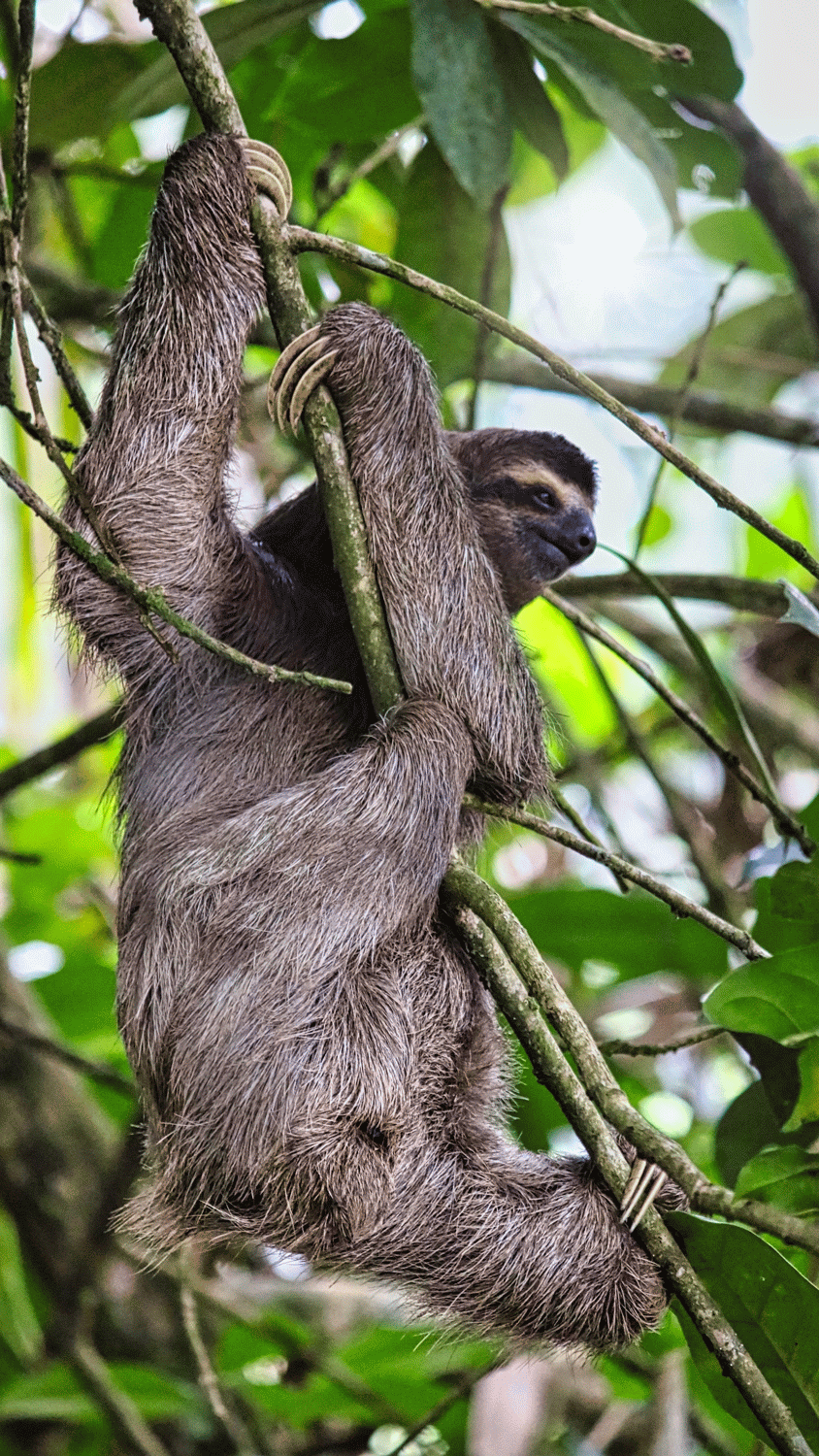
Surf, zip-line, hike, spot sloths and toucans — or simply embrace the country’s laid-back “pura vida” lifestyle.
Safe, welcoming and easy to explore, Costa Rica is a destination where nature and adventure come together effortlessly.
Costa Rica — explore shuttles, airport transfers, private drivers, boat trips, tours & sightseeing - Featured partners:

Caribe Shuttle

Jacamar Naturalist Tours

Ride CR

Tropical Tours Shuttles

Liberia Shuttle & Tours

LIR Transfers - Liberia Airport

Fayla Tours, Guanacaste

Monteverde (Your Destiny CR)
Getting Around Costa Rica
Transport, Shuttles, and Practical Travel Tips
Costa Rica is compact, biodiverse, and well set up for independent travel. In one trip, you can move between Pacific surf beaches, Caribbean coastline, volcanic highlands, cloud forests, and wildlife-rich national parks.
This guide explains how transport works in Costa Rica — buses, shared shuttles, private drivers, domestic flights, airport transfers, and cross-border travel — with realistic travel times, costs, and context.
Transport Options in Costa Rica
Buses in Costa Rica
Buses connect nearly every town and region.
Frequent services on major routes
Comfortable long-distance coaches on popular corridors
Central bus terminals in all major cities
Typical cost:
USD $2–10 depending on distance (roughly $1–2 per hour of travel)
Buses are practical for travel between San José, La Fortuna, Monteverde, Manuel Antonio, and Puerto Viejo de Talamanca.
They are affordable but may require transfers and can be slower on rural routes.
Shuttles
Shared shuttles are extremely popular in Costa Rica.
Operate between major tourist destinations
Hotel pickup and drop-off
Air-conditioned minivans
Ideal for visitors without a rental car
Common routes include:
San José ↔ La Fortuna
San José ↔ Manuel Antonio / Quepos
Liberia ↔ Tamarindo
La Fortuna ↔ Monteverde
Manuel Antonio ↔ Uvita
Typical cost:
USD $45–70 per person depending on distance
Shuttles are one of the easiest ways to travel between beaches, volcano regions, and airports.
Private Drivers & Transfers
Private transfers are widely available and competitively priced for couples or small groups.
Flexible departure times
Direct, no extra stops
Good option for families or surf travellers
Typical cost:
USD $180–350 per vehicle depending on route
Private drivers are common for airport pickups and longer routes such as San José → Uvita or Liberia → La Fortuna.
Domestic Flights
Flights make sense for longer distances or remote regions.
Main domestic carriers operate from:
Juan Santamaría International Airport (SJO)
Daniel Oduber Quirós International Airport (LIR)
Popular short flights:
San José ↔ Tamarindo (~50 minutes)
San José ↔ Puerto Jiménez (~50 minutes)
San José ↔ Quepos (~25 minutes)
Typical cost:
USD $80–150 one way
Flights reduce long road journeys, especially to the Osa Peninsula.
Getting Around Costa Rica’s Main Hubs
San José
Central transport hub
Multiple bus terminals (different companies serve different regions)
Uber and taxis widely available
Main gateway airport (SJO)
SJO → La Fortuna:
3–4 hours by shuttle or private transfer
Liberia (Guanacaste)
Gateway to Pacific beaches
Close to Tamarindo, Playa Flamingo, and Papagayo
Popular arrival airport (LIR)
LIR → Tamarindo:
1–1.5 hours
Popular Routes: Travel Times & Costs
San José → La Fortuna
Bus: 4–5 hours | $6–10
Shuttle: ~3.5–4 hours | $50–60
Private transfer: ~3 hours | $200–250
San José → Manuel Antonio
Bus: 3.5–4.5 hours | $8–12
Shuttle: ~3–4 hours | $55–65
La Fortuna → Monteverde
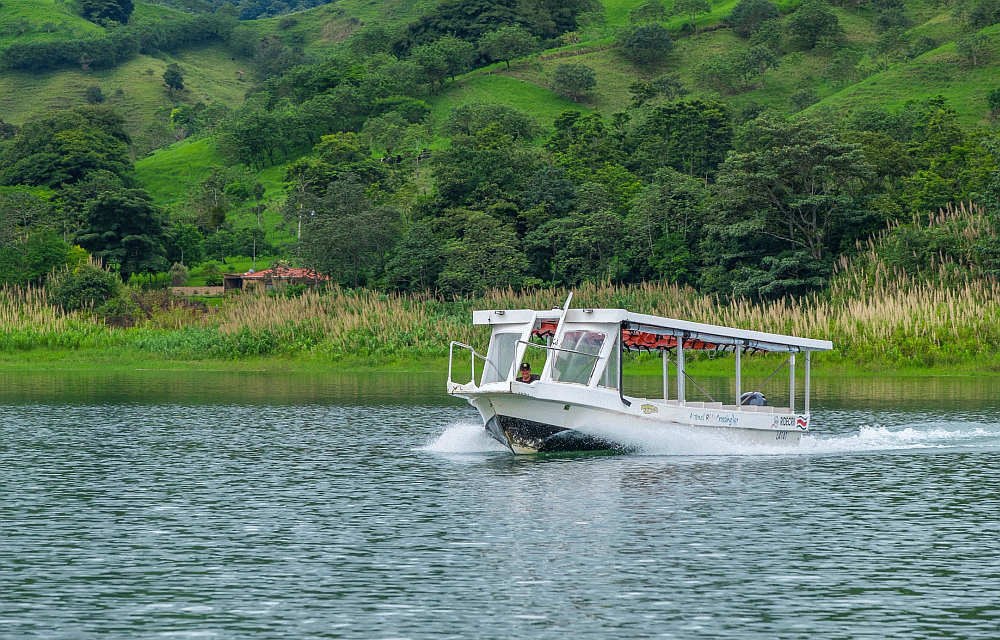
Jeep-Boat-Jeep transfer: ~3–4 hours | $30–40
Shuttle via road: ~4–5 hours
Liberia → Tamarindo
Shuttle: ~1–1.5 hours | $45–60
Private transfer: ~$150–200
Manuel Antonio → Uvita
Shuttle: ~1–1.5 hours | $40–50
Caribbean Coast Access
San José → Puerto Viejo de Talamanca
Bus: ~4.5–5 hours | $10–15
Shuttle: ~4.5 hours | $55–65
Roads are paved and generally reliable, though heavy rain can slow travel during green season (May–November).
Cross-Border Transport
Costa Rica → Nicaragua
Main crossing: Peñas Blancas
Common route: Liberia → Granada or San Juan del Sur
Shuttle transfers operate daily
Total travel time: ~4–6 hours depending on queues
Border formalities handled on foot
Costa Rica → Panama
Main crossing: Paso Canoas (Pacific side)
Alternative: Sixaola–Guabito (Caribbean side)
Common routes:
San José → Boquete
Puerto Viejo → Bocas del Toro
Travel time: 6–8+ hours depending on route
Shuttles coordinate both sides of the border and are popular with travellers continuing through Central America.
Why Transport Planning Matters in Costa Rica
Mountain roads and winding terrain increase travel times
Distances look short on a map but take longer than expected
Airport choice (SJO vs LIR) significantly affects itinerary flow
Choosing the right mix of shuttle, bus, flight, or private driver can reduce travel fatigue and maximise time in nature.
Top Places to Visit in Costa Rica
San José – culture, museums, central gateway
La Fortuna – Arenal Volcano, hot springs
Monteverde – cloud forest reserves
Manuel Antonio – beaches and wildlife
Tamarindo – surf and sunsets
Puerto Viejo – Caribbean vibe
Uvita – Marino Ballena National Park
With buses, shared shuttles, private transfers, domestic flights, and cross-border options, Costa Rica is easy to navigate with a little advance planning.
Distances are manageable, tourist routes are well established, and transport is designed around the country’s most visited natural regions.
Prices shown are indicative and reflect typical costs in Costa Rica as at March 2026.
Summary - Getting Around Costa Rica -
Español:
Costa Rica es un destino compacto y bien conectado, donde los viajeros pueden desplazarse fácilmente entre playas del Pacífico y el Caribe, volcanes, selvas tropicales y bosques nubosos utilizando autobuses, shuttles compartidos, traslados privados y vuelos domésticos. Las rutas turísticas más populares conectan San José y Liberia con lugares como La Fortuna, Monteverde, Manuel Antonio, Tamarindo, Puerto Viejo y Uvita, con opciones cómodas y accesibles para distintos presupuestos. También existen servicios organizados para cruzar las fronteras hacia Nicaragua y Panamá, lo que facilita continuar el viaje por Centroamérica.
English Translation:
Costa Rica is a compact and well-connected destination where travellers can easily move between Pacific and Caribbean beaches, volcanoes, rainforests, and cloud forests using buses, shared shuttles, private transfers, and domestic flights. The most popular tourist routes connect San José and Liberia with destinations such as La Fortuna, Monteverde, Manuel Antonio, Tamarindo, Puerto Viejo, and Uvita, offering comfortable and affordable options for different budgets. Organized services are also available for border crossings into Nicaragua and Panama, making it easy to continue travelling through Central America.
Popular Destinations and Shuttle Services - Costa Rica
-
![Capuchin monkey at Manuel Antonio National Park, Costa Rica]()
SJO and LIB Airport, Costa Rica
-
![Sloth Travel Costa Rica]()
Travel across Costa Rica
-
![Transfer CR]()
Transfers Anywhere Costa Rica
-
![Travesía Costa Rica]()
Explore Costa Rica
-
![Caribe Fun Tours, Costa Rica]()
Caribe Fun Tours
-
![Monteverde to Arenal (La Fortuna) montetours.com Costa Rica]()
Monteverde to La Fortuna via Lake Arenal





Coffee in Costa Rica:
History, Regions, Terroir & Specialty Coffee Culture
Costa Rica is one of the world’s most respected coffee-producing countries.
Known for its high-quality Arabica beans, volcanic soils, and innovative processing methods, Costa Rican coffee plays a major role in the global specialty coffee industry.
From historic highland regions to modern third wave cafés, coffee in Costa Rica reflects both tradition and innovation.
History of Coffee in Costa Rica
Coffee was introduced to Costa Rica in the late 18th century and quickly became the backbone of the national economy.
After gaining independence in 1821, the government actively promoted coffee farming by distributing plants to small landowners.
This approach helped establish a coffee industry dominated by family farms rather than large plantations.
By the mid-1800s, coffee had become Costa Rica’s main export, funding infrastructure, education, and economic development.
Unlike many producing countries, Costa Rica built a reputation on quality early on — a philosophy reinforced in 1989 when the country banned the cultivation of Robusta coffee, committing entirely to Arabica production.
Today, Costa Rica remains a global benchmark for specialty coffee quality and traceability.
Coffee Regions of Costa Rica and Their Terroir
Costa Rica’s diverse geography creates distinct coffee terroirs shaped by altitude, climate, rainfall, and volcanic soils.
Coffee is grown mainly along the central mountain range, producing clear regional flavor differences.
Tarrazú Coffee Region
Tarrazú is Costa Rica’s most famous coffee region.
High altitudes and cool temperatures slow cherry development, producing dense beans with bright acidity, citrus notes, and excellent structure.
Tarrazú coffee is highly sought after in the specialty market.
Central Valley Coffee
One of the oldest coffee-growing areas, the Central Valley features fertile volcanic soil and moderate elevations.
Coffees from this region are balanced and approachable, often with chocolate, nutty, and mild fruit flavors.
West Valley Coffee
The West Valley is known for innovation and micro-mills.
Coffees grown near Poás Volcano frequently showcase floral aromas, stone fruit acidity, and tropical sweetness.
This region is closely associated with honey-processed coffee.
Tres Ríos Coffee
Often referred to as the “Bordeaux of Costa Rican coffee,” Tres Ríos produces refined coffees with elegant acidity and smooth balance.
Its reputation dates back to the 19th century.
Orosi Valley Coffee
Orosi is a smaller and lesser-known region producing smooth, well-balanced coffees with gentle acidity.
It benefits from consistent rainfall and rich soils.
Brunca Coffee Region
Located in southern Costa Rica, Brunca includes Pérez Zeledón and Coto Brus.
This region produces a wide range of profiles and has gained recognition for specialty and organic coffee.
Guanacaste and Turrialba
These regions produce smaller volumes.
Guanacaste has a drier climate and growing cooperative production, while Turrialba holds historical importance in Costa Rican coffee history.
Coffee Varietals and Processing Methods in Costa Rica
Costa Rica grows exclusively Arabica coffee varietals.
The most common include Caturra, Catuai, Bourbon, and Villa Sarchi.
In recent years, high-end micro-lots featuring Gesha and other rare varietals have gained international attention.
Traditionally known for washed coffee, Costa Rica has become a global leader in innovative processing methods:
Washed coffee for clean, bright flavor profiles
Honey processed coffee, pioneered in Costa Rica, offering increased sweetness and body
Natural processed coffee, producing fruit-forward and complex cups
These processing styles allow farmers to highlight terroir while meeting specialty coffee demand.
Cafés in Costa Rica and Third Wave Coffee
Third wave specialty coffee has grown rapidly across Costa Rica, particularly in San José and other urban centers.
Modern cafés emphasize single-origin coffee, direct trade sourcing, manual brewing methods, and barista education.
Costa Rica’s café culture blends tradition with innovation.
The traditional chorreador (cloth-filter drip coffee) remains popular alongside espresso, pour-over, and specialty brewing techniques.
Coffee tourism has expanded as well, with visitors exploring micro-mills, cupping labs, and farm-to-cup experiences throughout the country.
Costa Rica Coffee Exports and Global Markets
Although Costa Rica produces a relatively small percentage of the world’s coffee, it is a major exporter of high-quality specialty beans.
Most coffee is exported as green, unroasted coffee.
Key export markets include:
United States
European Union (Germany, Belgium, Italy)
Japan and South Korea
Costa Rica is also leading sustainability initiatives, including traceable and deforestation-free coffee that meets strict international regulations.
Coffee Farm Labor and Harvesting Practices
Coffee cherries in Costa Rica are primarily hand-picked.
Selective harvesting ensures only ripe cherries are collected, which is essential for producing high-quality specialty coffee.
The steep terrain of many coffee regions makes mechanical harvesting impractical.
The industry relies heavily on seasonal labor during the harvest, with many workers coming from neighboring Nicaragua.
Harvesting remains labor-intensive, and labor availability has become one of the biggest challenges facing Costa Rican coffee producers.
Why Costa Rican Coffee Is World-Renowned
Costa Rican coffee is defined by:
Volcanic soils and high altitudes
Diverse microclimates and terroirs
Strict quality standards and Arabica-only production
Innovation in processing and specialty coffee culture
From historic estates to modern third wave cafés, Costa Rica continues to produce coffee that is respected by roasters, baristas, and coffee lovers worldwide.
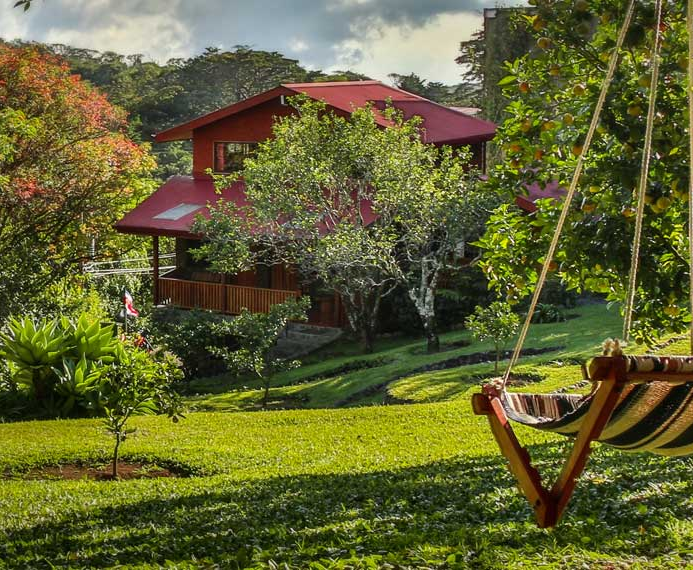
Arco Iris Lodge, Monteverde, Costa Rica - stay in forest cabins, central location
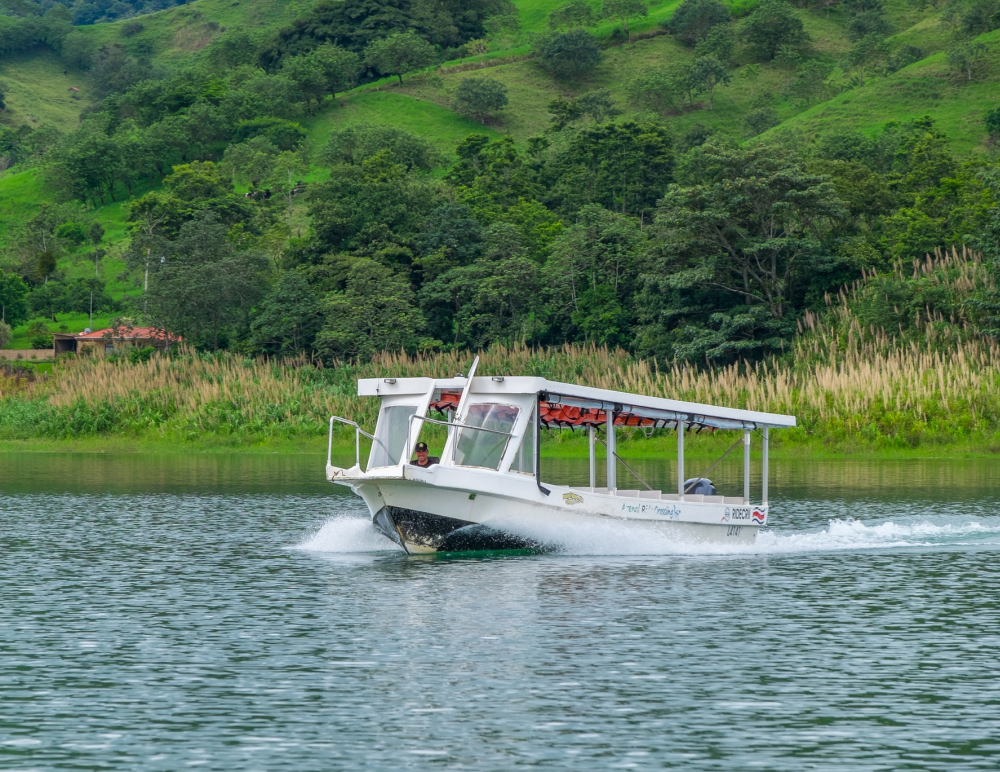
Monte Tours - shuttle transfer - Monteverde to La Fortuna via. boat trip to cross Lake Arenal
ShuttlesA2B - El Salvador

ShuttlesA2B - Panama