
Essential Guide to Trinidad and Tobago: Shuttles & Sightseeing
Navigate Your Journey with Confidence and Style
Getting Around Trinidad and Tobago
Trinidad and Tobago may be a twin-island nation, but each island offers a very different travel experience. Trinidad is lively, urban, and culturally rich, while Tobago is smaller, greener, and relaxed. With the right transport choices, getting around both islands is straightforward and flexible — whether you’re chasing beaches, rainforests, festivals, or ferry sunsets.
Shared and Private Shuttles
For travel between key areas in Trinidad — such as Port of Spain, Piarco Airport, San Fernando, Chaguanas, or Maracas Beach — shared and private shuttles are among the most convenient options.
Shared shuttles are ideal for travellers looking for comfort at a lower cost. They are usually pre-arranged, air-conditioned, and operate door-to-door, removing the need to navigate busy local transport with luggage.
Private shuttles or drivers provide full flexibility. Travellers can set their own schedule, make stops for food, beaches, viewpoints, or markets, and move at a relaxed pace. This option suits couples, families, small groups, or anyone short on time.
Advantages of a private shuttle:
Door-to-door convenience
Air-conditioned vehicles
Local, English-speaking drivers
Flexible routes and stops
Advantages of a shared shuttle:
More budget-friendly
Pre-booked and reliable
Safer and easier than public transport
Private Drivers and Transfers
Hiring a private driver is one of the easiest ways to explore Trinidad or Tobago, especially for visitors unfamiliar with local road conditions or traffic patterns.
Airport transfers are widely available from Piarco International Airport (POS) in Trinidad and A.N.R. Robinson International Airport (TAB) in Tobago. These are especially useful for late-night arrivals or direct transfers to hotels, beaches, or guesthouses.
Private drivers are commonly used for:
Island tours
Beach hopping
Festival and event transport (especially during Carnival)
Day trips to waterfalls, cocoa estates, or nature reserves
Public Transport: Maxi Taxis and Buses
Trinidad and Tobago has an extensive local transport network, though it can be confusing for first-time visitors.
Maxi taxis are shared minibuses that run fixed routes between towns and cities. They are inexpensive and frequent, but can be crowded and don’t operate on strict schedules. They work best for short daytime trips when travelling light.
Public buses run longer routes across Trinidad and Tobago and are extremely affordable, but they are slower and less practical for visitors on tight schedules.
For comfort, safety, and efficiency, many travellers use public transport sparingly and rely on private transfers for longer journeys.
Ferries Between Trinidad and Tobago
Travel between the two islands is simple and popular.
The inter-island ferry connects Port of Spain (Trinidad) with Scarborough (Tobago). There are both:
Fast ferries (around 2.5–3 hours)
Conventional ferries (around 5–6 hours)
Ferries are affordable and scenic, but tickets should be booked in advance during peak periods, public holidays, and Carnival season.
Flights Between the Islands
Flying is the fastest way to travel between Trinidad and Tobago.
Domestic flights operate frequently between Port of Spain (POS) and Tobago (TAB), with a flight time of around 25 minutes. Flights run throughout the day and are popular with business travellers and visitors on short stays.
Flights to Trinidad and Tobago
Trinidad and Tobago is well connected to the Caribbean, North America, and parts of Europe.
Piarco International Airport (POS) in Trinidad is the main international gateway, with direct flights from:
The United States
Canada
The United Kingdom
Other Caribbean islands
Tobago receives international flights seasonally, particularly from the UK, and year-round connections via Trinidad.
Trinidad and Tobago’s Relationship with Venezuela
Venezuela lies just a few kilometres off Trinidad’s western coast, and the two countries share deep historical, cultural, and economic ties.
While informal boat crossings once occurred in the past, there are currently no regular commercial ferries or passenger services between Venezuela and Trinidad. Travel between the two countries is now limited to air routes and subject to immigration regulations.
Travellers should ensure they meet visa and entry requirements and rely only on official transport providers.
Top Places to Visit in Trinidad and Tobago
Port of Spain (Trinidad)
The cultural heart of the country and home to Carnival. Visit the Queen’s Park Savannah, the Magnificent Seven colonial mansions, and bustling local markets.
Maracas Bay and the North Coast
One of Trinidad’s most famous beaches, known for dramatic scenery and the iconic bake-and-shark. Easily reached by private driver from Port of Spain.
Pitch Lake (La Brea)
The world’s largest natural asphalt lake — a unique geological attraction located in southwest Trinidad. Best visited with a guide or organised transport.
Tobago’s Beaches
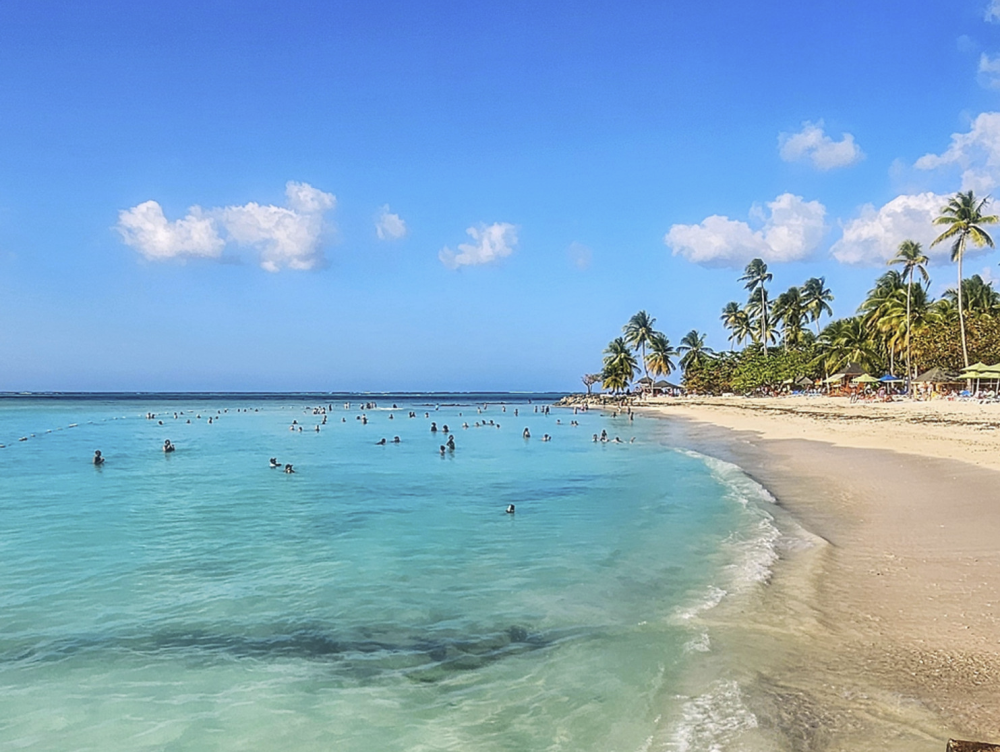
Tobago is renowned for its calm, clear waters and laid-back atmosphere. Highlights include Pigeon Point, Store Bay, and Englishman’s Bay.
Main Ridge Forest Reserve (Tobago)
One of the oldest protected rainforests in the Western Hemisphere. Ideal for hiking, birdwatching, and nature tours with a local guide.
Trinidad and Tobago — explore shuttles, airport transfers, private drivers, and tours. Featured partners:

Mr. Kenneth Potts Taxi and Tours, Tobago
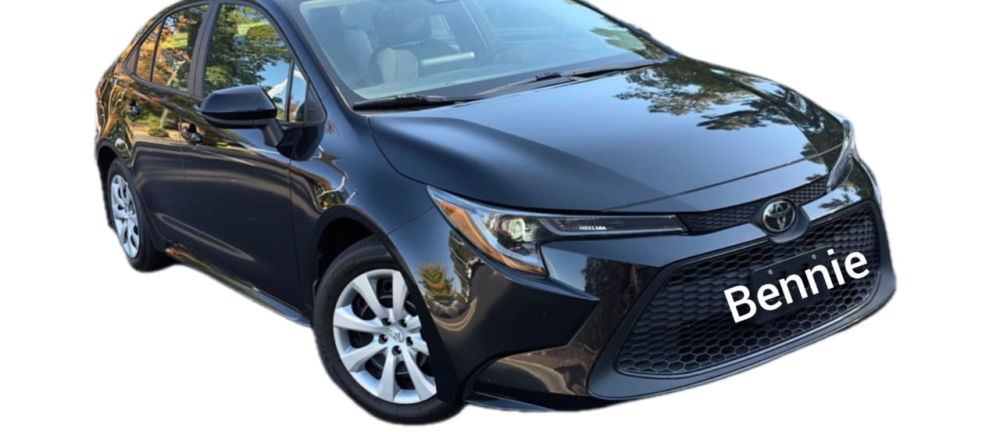
Bennie’s Empire Maxi & Taxi Services - maxi taxi and shuttle services across both islands

Los Exploradores TT - adventure and nature-focused tours

In Joy Tours Trinidad and Tobago - airport transfers, group shuttle services, and executive chauffeur transport
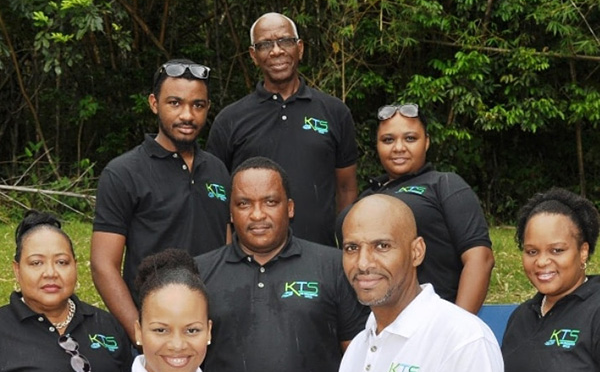
KIAK Transportation Services - authorized Piarco International Airport taxi service

Nanan's Caroni Bird Sanctuary Tours
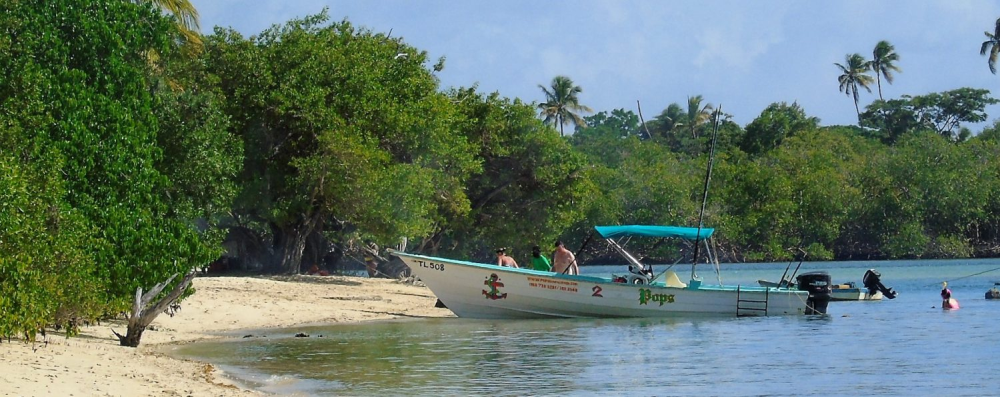
Pops Tours Tobago - fishing charters and boat tours

Island Experiences - private airport transfers Trinidad & Tobago

‘Members Only’ Maxi Taxi Service - 24-hour airport shuttles, sightseeing trips, and customised transport across Trinidad

R&R Transport Tours and Rentals - 24/7 airport shuttle and taxi service, group transfers
ShuttlesA2B is not a booking site. We help travellers connect directly with trusted local shuttle, transfer, and tour operators — with no agents or commissions.
If you’re planning a trip to Trinidad and Tobago and would like help finding a reliable private driver, feel free to email us at shuttlesa2b@gmail.com and we’ll point you in the right direction.
Popular Destinations, Trinidad and Tobago sightseeing, tours and transport: Featured Plus
-
![Tobago - from beach hopping to turtle watching]()
Tobago - from beach hopping to turtle watching
-
![https://www.xandatours.com/island-tours]()
authentic local experiences - Tobago
-
![Trinidad and Tobago Sightseeing Tours]()
guided sightseeing and cultural tours in Trinidad
-
![Tobago Tours]()
Buccoo Reef – glass bottom boat with beach stay
-
![Maracas Beach - Versatile Taxi Service]()
top-rated local taxi/transfer service in Port of Spain
-
![Tobago Island Tours]()
unique experiences - Tobago






The Cultural Mosaic of Trinidad and Tobago
Trinidad and Tobago has a rich and layered history shaped by Indigenous, European, African, Asian, and Middle Eastern influences.
Originally inhabited by Indigenous peoples such as the Kalinago and Arawak, the islands were later colonised by Spain, France, and eventually Britain.
Trinidad became British in 1797, while Tobago changed colonial hands many times before also becoming British in the early 1800s.
After the abolition of slavery, indentured workers were brought from India and other parts of the world, adding new cultural layers.
Trinidad and Tobago gained independence from Britain in 1962 and became a republic in 1976.
Today, it is known for its cultural diversity, energy sector, Carnival, and strong regional identity within the Caribbean.
Languages and Ethnic Groups
English is the official language of Trinidad and Tobago and is widely spoken across both islands.
Trinidadian and Tobagonian English-based Creole is commonly used in everyday conversation, reflecting local culture and identity.
The population is ethnically diverse, with major groups including people of African and Indian descent, as well as mixed heritage communities.
There are also smaller populations with European, Chinese, Middle Eastern, and Indigenous ancestry.
This diversity is reflected in the country’s religions, food, music, festivals, and traditions — making Trinidad and Tobago one of the most culturally vibrant nations in the Caribbean.
ShuttlesA2B - Exploring Aruba
Travel Jamaica - ShuttlesA2B