
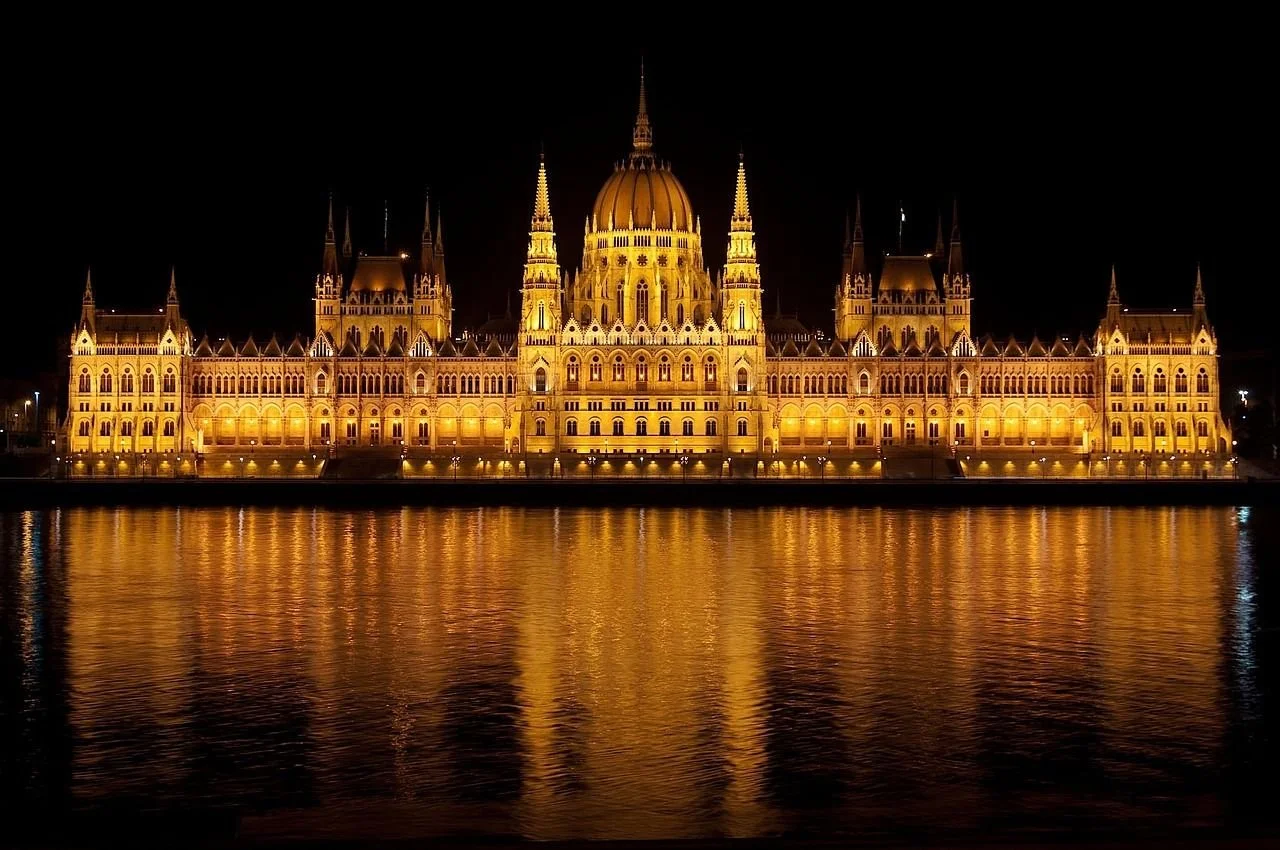
Essential Guide to Hungary Shuttles, Transfers and Tours
Navigate Your Journey with Confidence and Style
Visit Hungary
Welcome to Hungary, where the Danube glides through grand cities and quiet river bends, thermal waters rise from deep beneath the earth, and centuries of history echo through castles, basilicas, and cobbled old towns.
Wander along Budapest’s golden-lit boulevards, soak in steaming mineral baths, and wake to the aroma of paprika, fresh bread, and morning mist drifting over the plains.
Each region tells its own story — shaped by Magyar horsemen, Ottoman baths, Habsburg elegance, and a cultural spirit both proud and poetic — inviting you to explore, savour, and slow your pace.
More than a destination, Hungary is an experience of layered heritage and natural beauty: shimmering lakes, rolling vineyards, medieval fortresses, and a rhythm of life that lingers long after you leave its rivers and hills.
Hungarian Translation (Magyar fordítás)
Üdvözöljük Magyarországon, ahol a Duna méltóságteljesen kanyarog nagyvárosok és csendes folyókanyarulatok között, a termálvizek a föld mélyéből törnek fel, és évszázadok történelme visszhangzik várak, bazilikák és macskaköves óvárosok falai között.
Sétáljon Budapest aranyfényű sugárútjain, merüljön el a gőzölgő gyógyfürdőkben, és ébredjen a paprika, a friss kenyér és a síkság felett lebegő reggeli pára illatára.
Minden régió a maga történetét meséli — a magyar lovasok öröksége, az oszmán fürdők világa, a Habsburg‑kori elegancia és egy büszke, költői kulturális szellem formálta —, és arra hívja, hogy fedezze fel, ízlelje meg és lassítson.
Magyarország több mint egy úti cél: rétegzett örökség és természetes szépség élménye — csillogó tavak, lankás szőlőhegyek, középkori erődök és egy életritmus, amely sokáig elkíséri, miután elhagyta folyóit és dombjait.
Hungary — explore shuttles, airport transfers, private drivers, river cruises, tours & sightseeing - Featured partners:

miniBUD airport shuttle services - Budapest

Airport Transfer Budapest - door-to-door private shuttles to any destination in Hungary

Budapest Airport to City (BATC) - prices are "all inclusive" and fixed

Budapest Airport Transfer - private transfers with meet and greet service
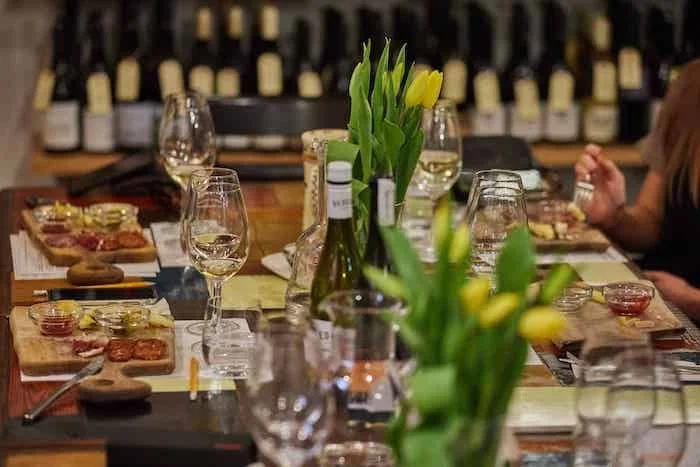
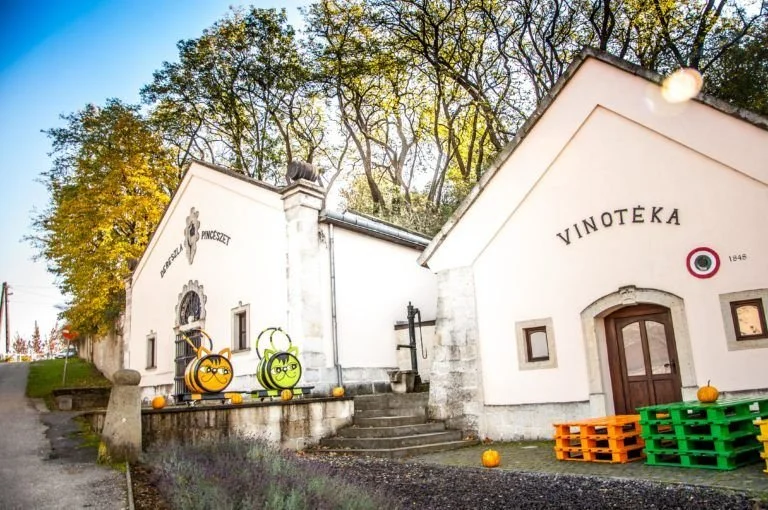
Taste Hungary - Hungarian food and wine tours
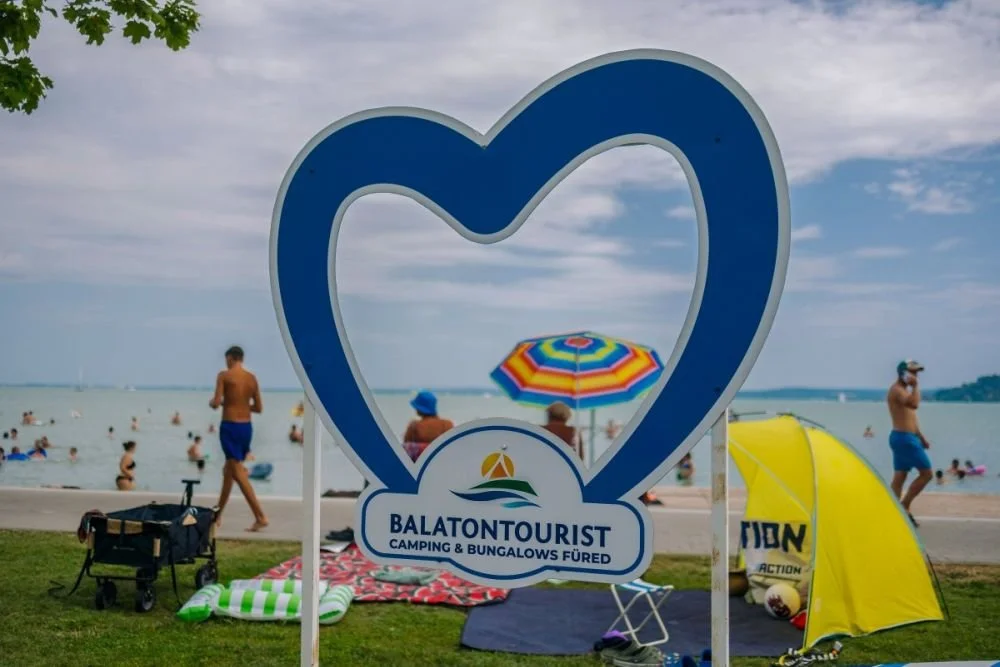
Balatontourist - Lake Balaton camping and bungalows
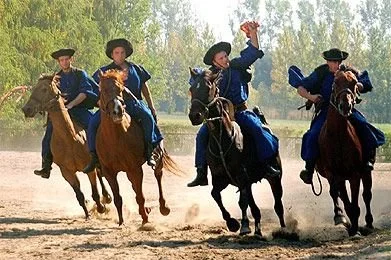
EUrama Tours - experience the traditions of Hungary’s Great Plain or ‘puszta’
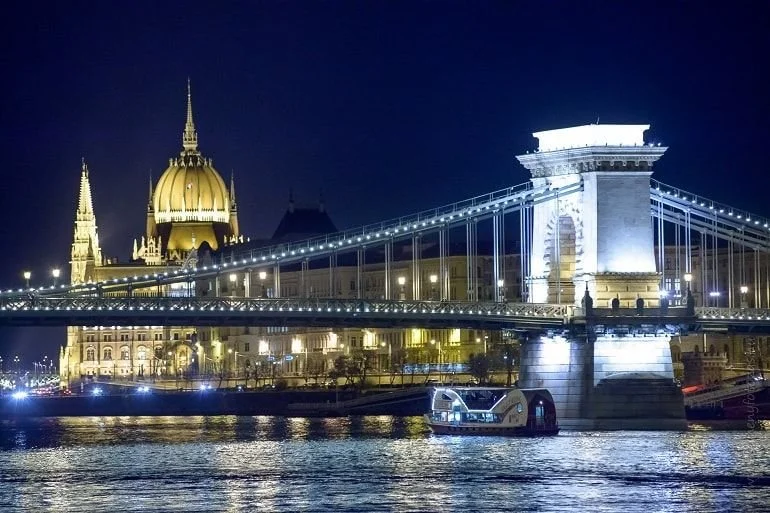
Silverline Cruises - day/night Danube cruises
Getting Around Hungary
Transport, Shuttles, and Practical Travel Tips
Hungary sits at the heart of Central Europe — compact, culturally rich, and remarkably easy to explore. In a single trip, travellers can move between grand imperial boulevards, thermal bath towns, wine regions, medieval fortresses, and the shimmering shores of Lake Balaton.
This guide explains how transport works in Hungary — trains, buses, ferries, car hire, private drivers, airport transfers, and regional connections — with realistic travel times, costs, and context for exploring both Budapest and the country’s quieter countryside.
Transport Options in Hungary
Car Hire (Recommended for Countryside Travel)
For travellers exploring beyond Budapest, renting a car offers the most flexibility.
Essential for rural villages, wine regions, and national parks
Ideal for Lake Balaton, Tokaj, and the Bükk Mountains
Allows easy access to castles, thermal spas, and scenic backroads
Typical cost: 14,000–28,000 HUF per day (approx. €35–70; higher in peak summer)
Roads are generally excellent, and distances are short — most major destinations are 1–2 hours from Budapest.
Trains in Hungary
Hungary has an extensive and reliable rail network operated by MÁV-START.
Frequent trains between major cities
Comfortable InterCity (IC) services
Affordable fares
Good for day trips from Budapest
Typical cost: 2,000–6,000 HUF (€5–15) depending on distance
Main routes:
Budapest ↔ Debrecen
Budapest ↔ Szeged
Budapest ↔ Pécs
Budapest ↔ Győr
Budapest ↔ Miskolc
Trains are the backbone of public transport and ideal for most travellers.
Buses in Hungary
Buses complement the rail network and reach smaller towns and villages.
Operated by regional companies (e.g., Volánbusz)
Reliable and frequent
Useful where trains don’t run
Typical cost: 1,000–4,000 HUF (€3–10)
Buses are practical for routes such as:
Budapest → Esztergom
Budapest → Eger
Balaton villages → nearby towns
Private Drivers & Transfers
Private transfers are widely available, especially from Budapest Airport and major tourist hubs.
Door-to-door convenience
Ideal for groups or travellers with luggage
Useful for wine regions and rural areas
Typical cost: 25,000–80,000 HUF (€60–200) depending on distance
Popular for:
Budapest Airport → City Centre
Budapest → Lake Balaton resorts
Budapest → Eger wine region
Domestic Flights
Hungary is compact, so domestic flights are limited.
Main airport:
Budapest Ferenc Liszt International Airport
Most travellers rely on trains or cars for internal travel.
Flight time to Vienna or Prague (international short hops): ~1 hour.
Ferries & Boats
Hungary is landlocked, but ferries operate on Lake Balaton and the Danube.
Lake Balaton Ferries
Operated between Tihany ↔ Szántód
Crossings: ~8 minutes
Useful for connecting north and south shores
Danube Boats
Scenic cruises in Budapest
Seasonal services to Szentendre, Visegrád, and Esztergom
Typical cost: 1,500–5,000 HUF (€4–12)
Getting Around Hungary’s Main Areas
Budapest
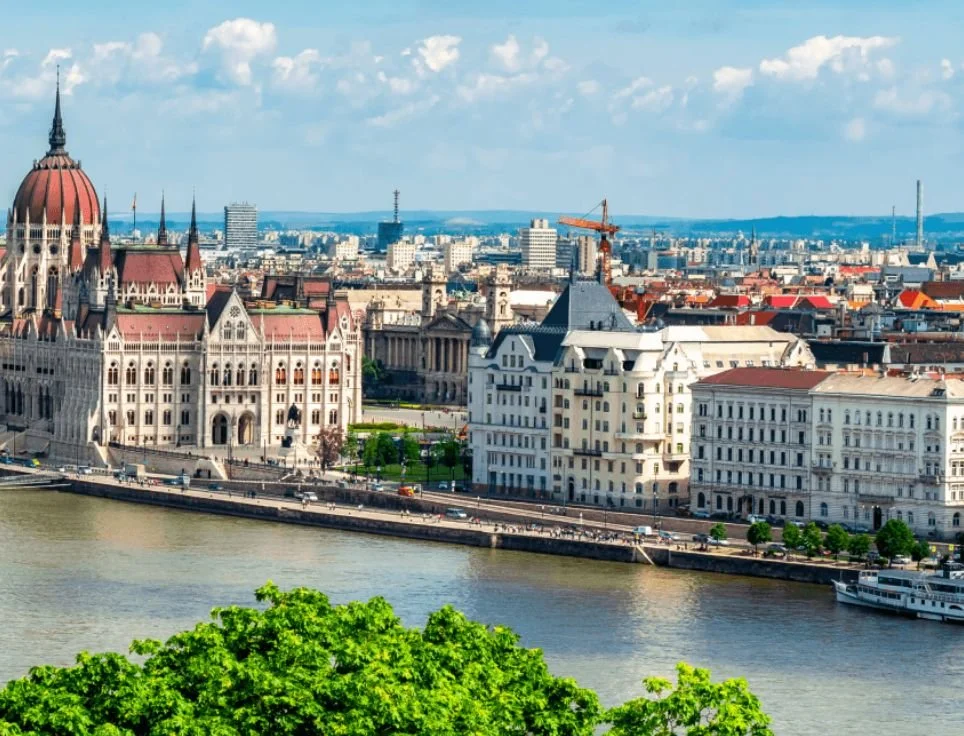
Hungary’s capital blends thermal baths, grand architecture, and a lively café culture.
Excellent public transport (metro, trams, buses)
Walkable historic districts
Reliable taxis and ride-hailing
Budapest Airport → City Centre: 35–45 minutes | 10,000–15,000 HUF (€25–35) by taxi
Nearby highlights:
Buda Castle
Parliament
Széchenyi Thermal Bath
Danube riverfront
Lake Balaton (The Hungarian Sea)
Central Europe’s largest lake — ideal for summer holidays.
Key towns:
Siófok (south shore, lively)
Balatonfüred (north shore, elegant)
Tihany (historic peninsula)
Closest airport: Budapest (1–1.5 hours by car)
Best explored by car, train, or ferry.
Eger (Northern Hungary)
Baroque charm, thermal baths, and the famous “Bull’s Blood” wine.
Walkable old town
Trains from Budapest (~2 hours)
Buses to nearby villages and wineries
Nearby:
Eger Castle
Szépasszony Valley wine cellars
Bükk National Park
Pécs (Southern Hungary)
Mediterranean atmosphere with Roman, Ottoman, and Hungarian heritage.
Trains from Budapest (~2.5 hours)
Walkable city centre
Good base for exploring Villány wine region
Szeged (Southeast)
Known for sunshine, Art Nouveau architecture, and paprika traditions.
Direct trains from Budapest (~2 hours)
Walkable centre
Local buses available
Danube Bend (North of Budapest)
One of Hungary’s most scenic regions.
Key towns:
Szentendre
Visegrád
Esztergom
Transport options:
Train
Bus
Seasonal riverboats
Perfect for day trips.
Popular Routes: Travel Times & Costs
Budapest → Lake Balaton
Car: ~1–1.5 hours
Train: ~1.5–2 hours
Private transfer: 35,000–60,000 HUF (€85–150)
Budapest → Eger
Train: ~2 hours
Bus: ~2 hours
Car: ~1.5 hours
Budapest → Pécs
Train: ~2.5 hours
Car: ~2 hours
Budapest → Danube Bend
Train: 30–60 minutes
Boat (seasonal): 1–2.5 hours
Rural Hungary: Villages, Vineyards & National Parks
Beyond the cities, Hungary reveals a quieter, traditional side.
Highlights include:
Tokaj wine region
Hortobágy National Park (UNESCO)
Bükk & Mátra Mountains
Őrség National Park
Expect:
Slower travel pace
Charming villages
Folk traditions
Scenic landscapes
A car is strongly recommended for exploring these areas.
Top Places to Visit in Hungary
Budapest – Architecture, thermal baths, culture
Lake Balaton – Beaches, sailing, summer resorts
Eger – Wine, history, thermal spas
Pécs – Mediterranean charm
Szeged – Sunshine and Art Nouveau
Danube Bend – Castles and river scenery
Tokaj – World-famous sweet wines
Practical Notes for Travellers
Summer (July–August) is peak season at Lake Balaton
Spring and autumn are ideal for city breaks and wine regions
English is widely spoken in Budapest and tourist areas
Rural regions are quieter and more traditional
Trains are reliable; car hire is best for countryside exploration
Hungary rewards travellers who combine cities, lakes, wine regions, and countryside. With a mix of trains, buses, ferries, private transfers, and (when needed) a rental car, it’s easy to navigate — yet still full of surprises and local character.
Popular Destinations, Hungary tours and transport: Featured Plus
-
![Quality Tours Hungary]()
explore Balaton, wine regions, countryside
-
![https://www.humtour.com/]()
countryside specialists - hidden Hungary: cycling discovery & living traditions in Őrség
-
![Kovacs Nimrod Winery, Eger]()
Boutique Eger winery producing small‑batch, terroir‑focused wines
-
![Eurama Budapest]()
Budapest sightseeing tours and private transport services
-
![Behind Budapest]()
personalised Budapest and countryside trips

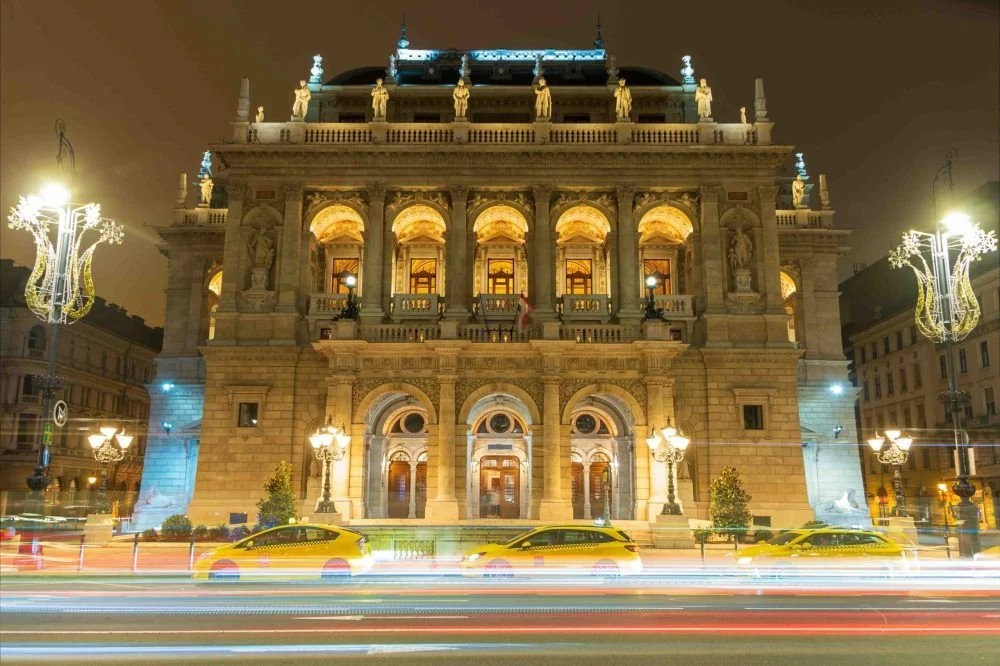
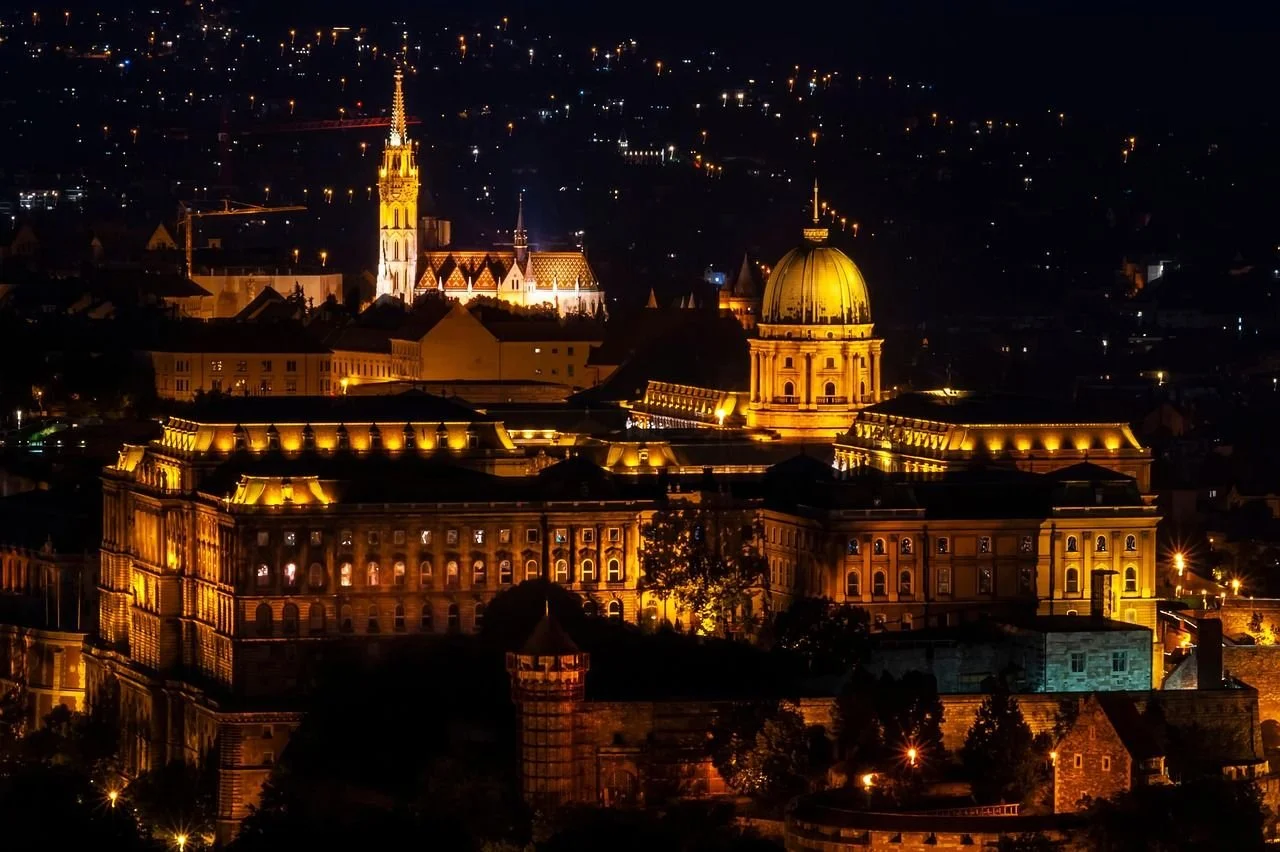
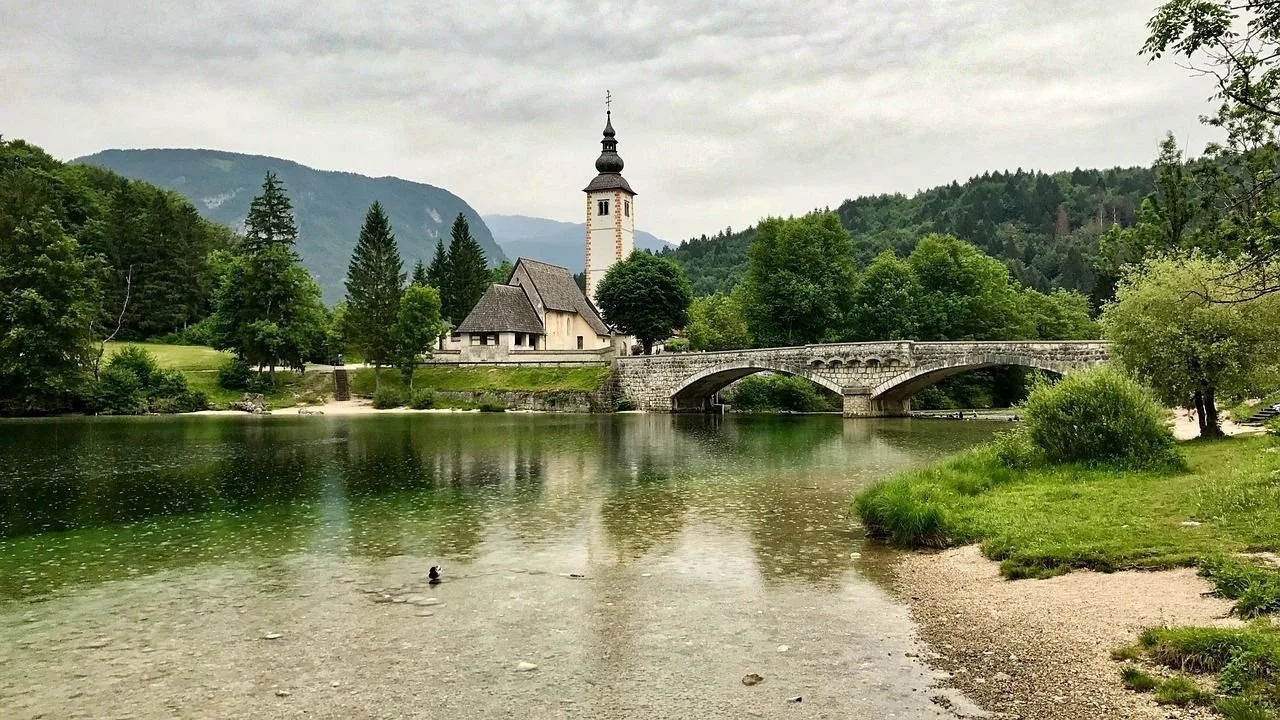
ShuttlesA2B Slovenia
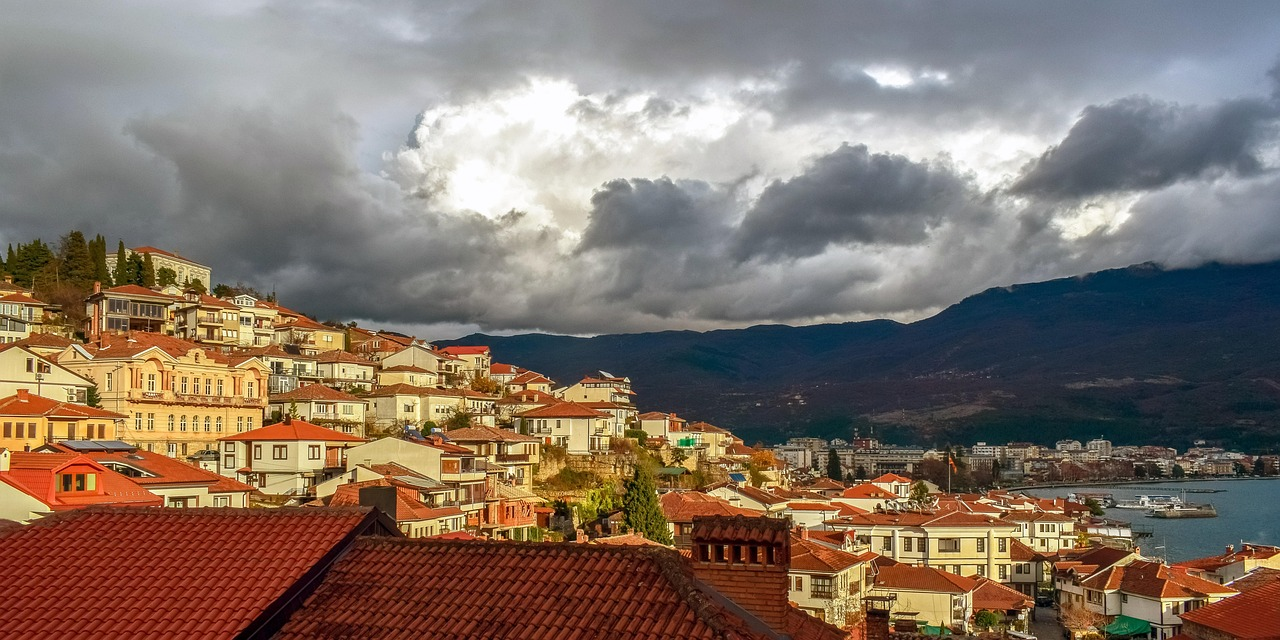
ShuttlesA2B North Macedonia
Hungary at a Turning Point: Can It Rebuild Trust with Europe?
BUDAPEST — For years, Hungary has been the European Union’s most complicated partner: a country deeply woven into the bloc’s economy yet increasingly estranged from its political core.
That dynamic shifted sharply in 2026, when a change of government signalled the end of an era and raised a question that has hovered over Brussels for more than a decade: is Hungary ready to repair its relationship with Europe?
The answer matters far beyond Budapest. Hungary sits at the crossroads of Central Europe, a manufacturing hub, an energy corridor, and a NATO member whose political direction influences the region’s balance.
After years of confrontation with EU institutions, the political transition has created a rare moment of possibility — and uncertainty.
A New Government, A New Tone
The 2026 national elections brought a significant shift in Hungary’s political landscape. While official results should always be verified through trusted sources, international reporting has widely described the outcome as the first major change in leadership in more than a decade.
The new government inherits a strained relationship with Brussels. Billions in EU cohesion funds remain frozen over rule‑of‑law concerns. Diplomatic ties with key partners — Germany, France, Poland, the Netherlands — have cooled. And Hungary’s foreign‑policy stance, particularly its approach to Russia, has often placed it at odds with the rest of the bloc.
Yet the tone in Budapest has changed. Ministers speak more openly about re‑engagement. European officials, long frustrated, are cautiously listening.
Years of Tension Don’t Disappear Overnight
The road to this moment was long. Under the previous government, Hungary clashed repeatedly with EU institutions over:
judicial independence
media concentration
public‑procurement transparency
the use of EU funds
foreign‑policy alignment
These disputes were not abstract. They shaped Hungary’s access to money, markets, and influence. They also reshaped how European leaders viewed a country once seen as a model of post‑communist integration.
Rebuilding trust will require more than new rhetoric. Brussels wants to see structural reforms, not symbolic gestures.
Europe Is Watching — Closely
In Brussels, the reaction to Hungary’s political shift has been a mix of relief and restraint. EU officials know that expectations must be managed. But they also know that the stakes are high.
Hungary is not a peripheral member. It is a manufacturing powerhouse, a key link in Europe’s automotive supply chain, and a strategic player in energy transit routes. A cooperative Hungary strengthens the EU at a time when geopolitical pressures — from Russia’s war in Ukraine to global economic fragmentation — demand unity.
European diplomats say privately that they are ready to “turn the page,” but only if Budapest demonstrates credible change.
What a Reset Would Look Like
Analysts outline several steps that could rebuild confidence:
Judicial reforms that meet EU standards
Transparent public spending to unlock frozen funds
Closer alignment with EU foreign policy, especially on Russia
Re‑establishing diplomatic channels with key European capitals
None of these steps require Hungary to abandon its national interests. But they do require predictability — something EU partners say has been missing.
A Moment of Possibility
For the first time in years, Hungary and the EU appear to be moving toward each other rather than drifting apart. The political transition has created space for dialogue, and both sides have reasons to seize it.
Whether this becomes a genuine turning point will depend on decisions made in the coming months. Trust, once lost, is slow to rebuild. But Hungary’s new government has an opening — and Europe, weary of confrontation, has an incentive to meet it halfway.
For now, the question remains open. But after years of stalemate, even the possibility of a reset feels significant.