

Essential Guide to Jamaica Shuttles:
Navigate Your Journey with Confidence and Style
Jamaica — explore shuttles, airport transfers, private drivers, boat trips, tours & sightseeing - Featured partners:
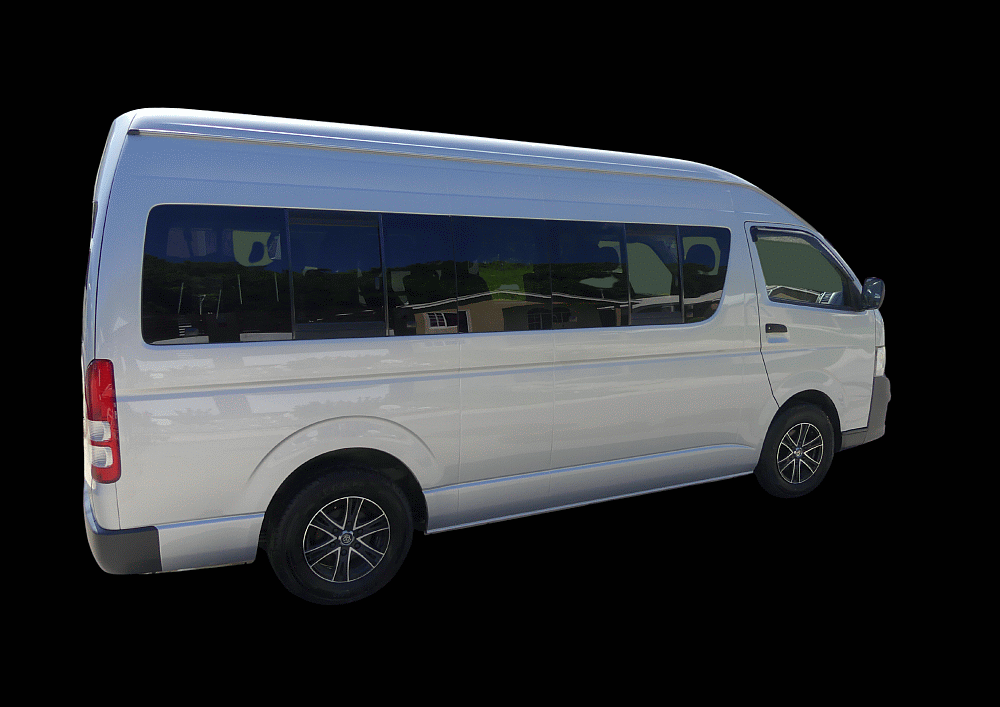
Best Jamaica Tours, Montego Bay

Easy Vibes Exclusive Tours
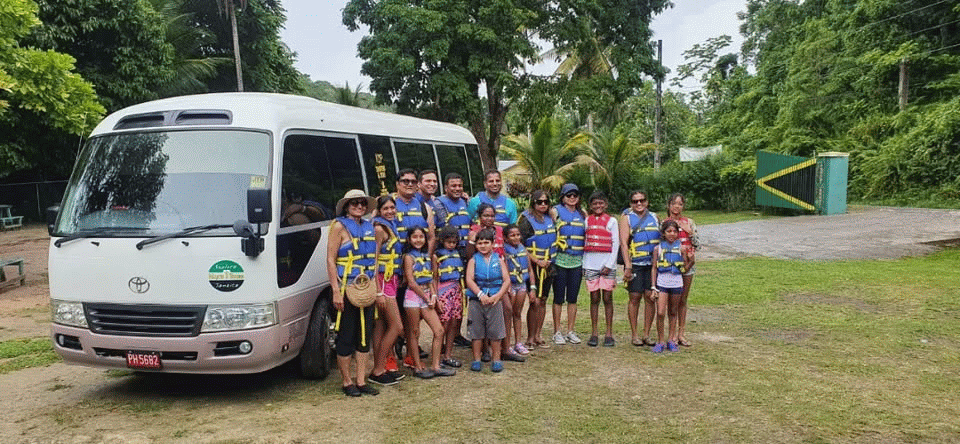
Major One Tours, Jamaica

Rocky's Taxi and Tour Service, Jamaica

Tag Jamaica - airport transfers and customized adventures

Wright Choice Tours and Transfers

Gregory Transfer and Tours
Uneek Tours & Transfers - Negril, Jamaica
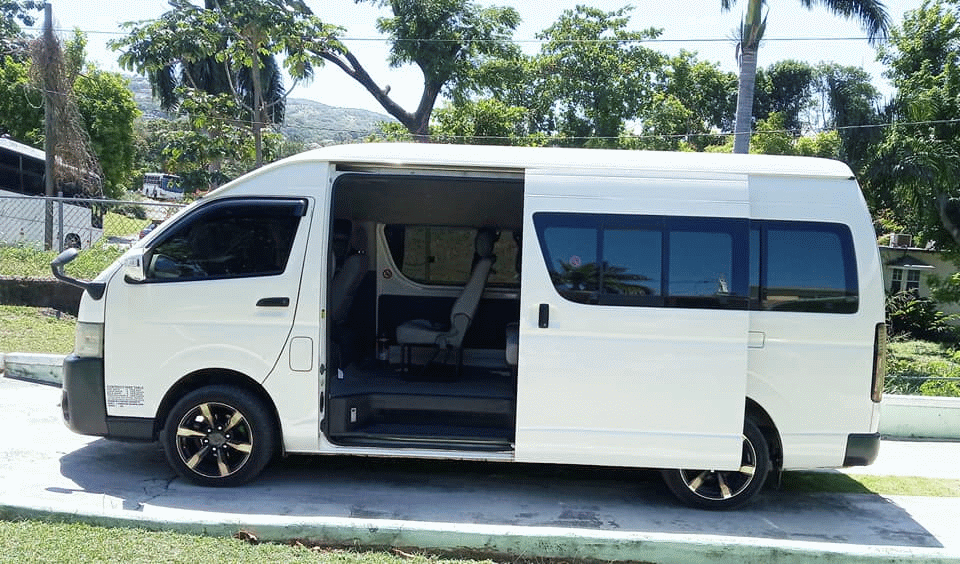
Next Level Tours, Montego Bay
Getting Around Jamaica
Transport, Shuttles, and Practical Travel Tips
Jamaica is compact but geographically varied, with mountains, coastal highways, resort towns, and rural interior roads shaping how visitors move around the island.
Most international travellers arrive via one of two main airports — Sangster International Airport in Montego Bay or Norman Manley International Airport in Kingston.
This guide explains how transport works in Jamaica — airport transfers, private drivers, route taxis, buses, and domestic flights — with realistic travel times and costs between major destinations.
Transport Options in Jamaica
Airport Transfers & Private Drivers
Pre-booked transfers are the most common and convenient option for visitors.
Direct, door-to-door service
Fixed pricing
Ideal for resort areas and longer distances
Air-conditioned vehicles
Typical cost:
USD $25–120 depending on distance and vehicle type
Transfers are widely used for routes such as Montego Bay Airport → Negril, Ocho Rios, or Montego Bay hotels.
Route Taxis (Shared Taxis)
Route taxis operate on fixed local routes.
Shared with local passengers
Pay per seat
Short-distance travel between towns
Typical cost:
USD $2–10 depending on distance
They are economical but less suited to travellers with luggage.
Public Buses
Public buses and minibuses connect towns across the island.
Cheapest transport option
Frequent between major towns
Less predictable schedules in rural areas
Typical cost:
USD $1–8 depending on route
More suitable for budget travellers familiar with local systems.
Private Taxis
Licensed taxis operate in tourist areas and cities.
Available at airports and hotels
Metered in Kingston, fixed fares common elsewhere
Convenient for short distances
Always confirm fare before departure if not metered.
Domestic Flights
Domestic flights reduce long road journeys across mountainous terrain.
Main route:
Montego Bay ↔ Kingston: ~30 minutes
Useful for business travel or time-sensitive itineraries.
Getting Around Jamaica’s Main Areas
Montego Bay
Main tourist gateway
Sangster International Airport nearby
Resorts concentrated along the north coast
Montego Bay Airport → Negril:
1.5–2 hours | USD $60–90 private transfer
Montego Bay Airport → Ocho Rios:
1.5–2 hours | USD $70–100
Negril
Laid-back beach destination
Famous for Seven Mile Beach
Best reached via private transfer from Montego Bay
Road access only (no airport).
Ocho Rios
Popular cruise and resort town
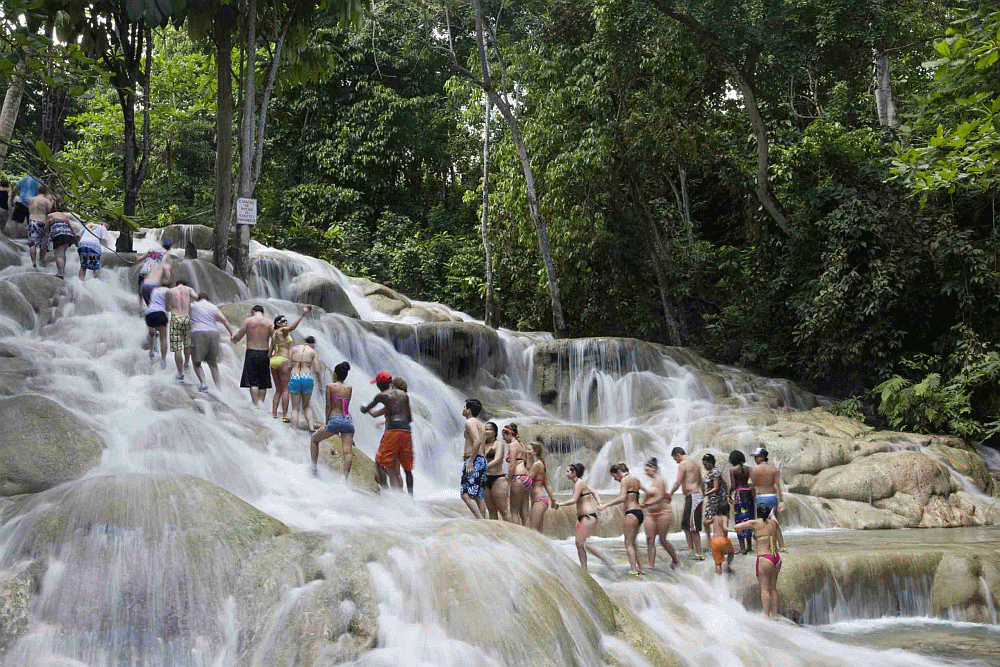
Access to waterfalls and rainforest excursions
1.5–2 hours from Montego Bay
Kingston
Capital city and cultural centre
Arrival airport: Norman Manley International
More business and local travel than resort-based tourism
Kingston Airport → New Kingston:
30–40 minutes | USD $25–40
Popular Routes: Travel Times & Costs
Montego Bay → Negril
Private transfer: 1.5–2 hours | USD $60–90
Route taxi combination: longer and less direct
Montego Bay → Ocho Rios
Private transfer: 1.5–2 hours | USD $70–100
Montego Bay → Kingston
Road transfer: 3.5–4.5 hours | USD $150–250
Domestic flight: ~30 minutes
Ocho Rios → Kingston
Road transfer: 2.5–3 hours
Travel times can vary due to mountain roads and traffic near Kingston.
Road Conditions & Driving
Driving is on the left-hand side
Major highways are modern and well maintained
Interior mountain roads can be winding
Night driving in rural areas requires caution
Self-drive rental is possible but many visitors prefer private transfers due to unfamiliar road layouts.
Why Visit Jamaica?
White sand beaches and warm Caribbean waters
Lush mountains and waterfalls
Distinctive cuisine and rum culture
Reggae music and cultural heritage
Reggae — popularised globally by artists such as Bob Marley — remains central to Jamaica’s identity and visitor experience.
Top Places to Visit in Jamaica
Montego Bay – resorts and beaches
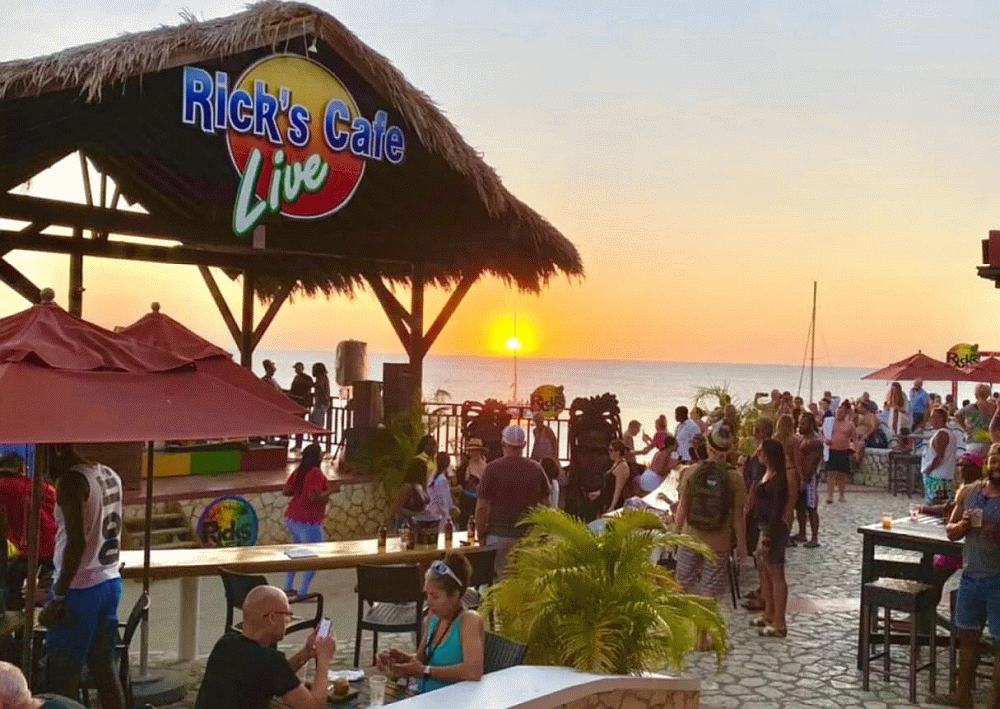
Negril – relaxed coastline and sunsets
Ocho Rios – waterfalls and excursions
Kingston – music history and culture
Blue Mountains – hiking and coffee estates
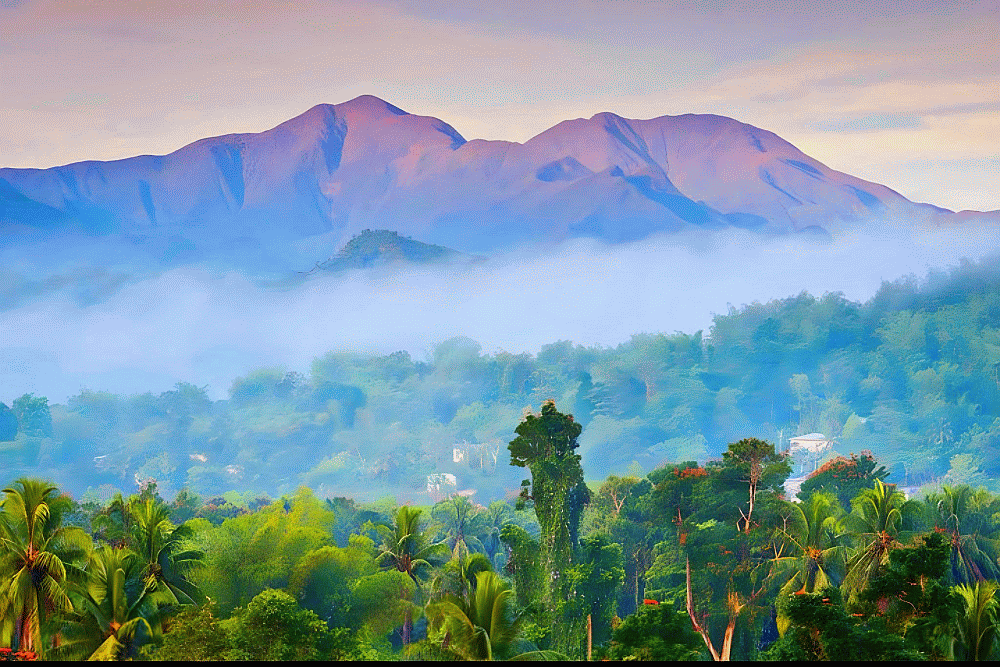
The Blue Mountains offer cooler temperatures and panoramic views, contrasting with the island’s coastal resorts.
With a combination of airport transfers, private drivers, taxis, buses, and limited domestic flights, Jamaica offers practical ways to move between resort towns, cities, and rural attractions.
Distances are moderate, but travel times reflect mountainous terrain and coastal roads. Pre-booking key transfer legs — particularly airport arrivals — ensures a smoother and more predictable journey.
N.B. Prices shown are indicative and reflect typical visitor costs in Jamaica as at February 2026.
Popular Destinations, Jamaica sightseeing, tours and transport - Featured Plus
-
![Groovy Tours from Montego Bay]()
Groovy Tours from Montego Bay
-
![dolphin encounter Jamaica with Island Luxe Tours]()
Dolphin Cove, Ocho Rios, Jamaica
-
![©2025 Marvyn's Paradise Tours]()
Exclusive Private Transfer Services
-
![LivUp Jamaica Tours]()
Jamaica Airport Transfers
-
![Liberty Tours Jamaica]()
Cruise Shore Excursions
-
![Know Jamaica Tours]()
creating unforgettable experiences




The Story Behind Reggae Music: The Heartbeat of Jamaica
If you're planning a trip to Jamaica, you’ll hear one word over and over again: reggae.
You’ll hear it floating from beach bars, playing softly in taxi radios, pulsing through street dances at night. But reggae isn’t just background music for your vacation. It’s the heartbeat of the island.
Reggae was born in Jamaica in the late 1960s. Before it, there was ska and rocksteady, both energetic styles that reflected a young nation finding its identity after independence in 1962. Over time, the sound slowed down. The bass became deeper. The rhythm became steadier. And reggae emerged.
One of the most influential figures in reggae history is Bob Marley. His music carried messages of unity, resistance, and hope, helping take reggae from Kingston to the world. Songs like “One Love” and “Redemption Song” introduced millions of people to Jamaica’s voice.
But reggae is more than one artist.
It grew from the streets of Kingston, especially communities like Trench Town, where music became a way to speak about everyday life. Many reggae songs reflect social struggles, faith, and pride in African heritage. The music is deeply connected to the Rastafari movement, which influenced its spiritual themes and call for justice.
What makes reggae unique is its rhythm. The guitar and piano emphasize the offbeat, while the bass line carries the melody. It’s steady and grounded. You don’t just hear reggae. You feel it.
For visitors, reggae isn’t something you only learn about in a museum. It’s something you experience. You might visit the Bob Marley Museum in Kingston, once his home. You might stumble upon live music in Montego Bay or Ocho Rios. You might find yourself swaying to a song at sunset without even realizing it.
Reggae shaped global music. It influenced hip hop, pop, and even rock in places far from the Caribbean. In fact, in 2018, reggae was recognized by UNESCO as an Intangible Cultural Heritage of Humanity, highlighting its global impact.
But nowhere does it feel the same as it does here.
In Jamaica, reggae isn’t a performance for tourists. It’s part of daily life. It’s history. It’s identity. It’s pride.
So when you hear that steady bass line during your holiday, know that you’re not just listening to music. You’re hearing the story of Jamaica itself.
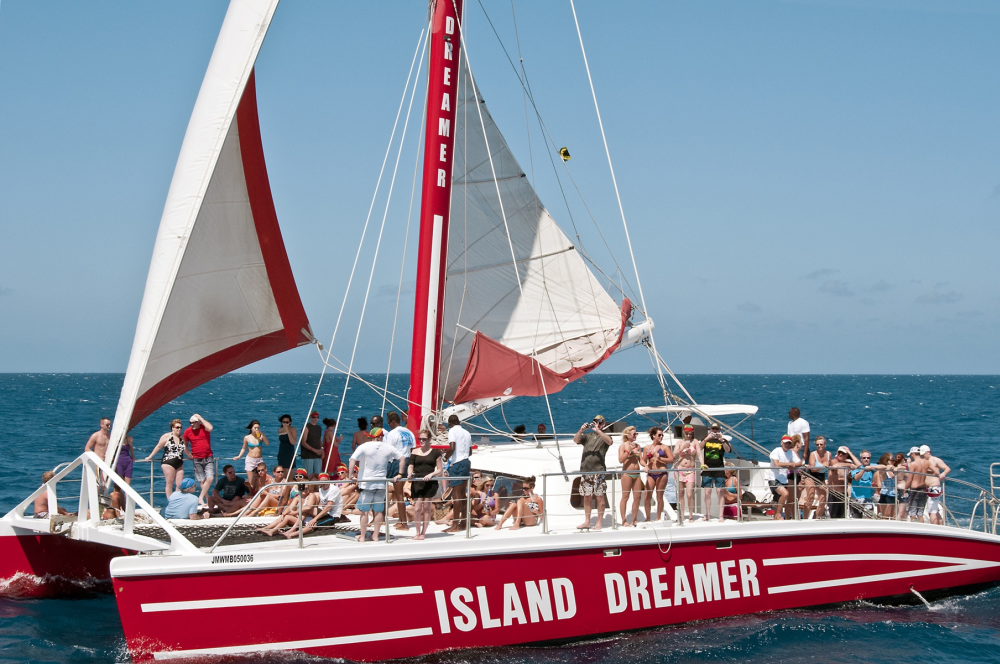
Dreamer Catamarans, Montego Bay, Jamaica - sailing & snorkelling adventures
ShuttlesA2B - explore Puerto Rico