
Essential Guide to Domican Republic - Shuttles & Sightseeing:
Navigate Your Journey with Confidence and Style
Dominican Republic — explore shuttles, airport transfers, private drivers, tours & sightseeing - Featured partners:
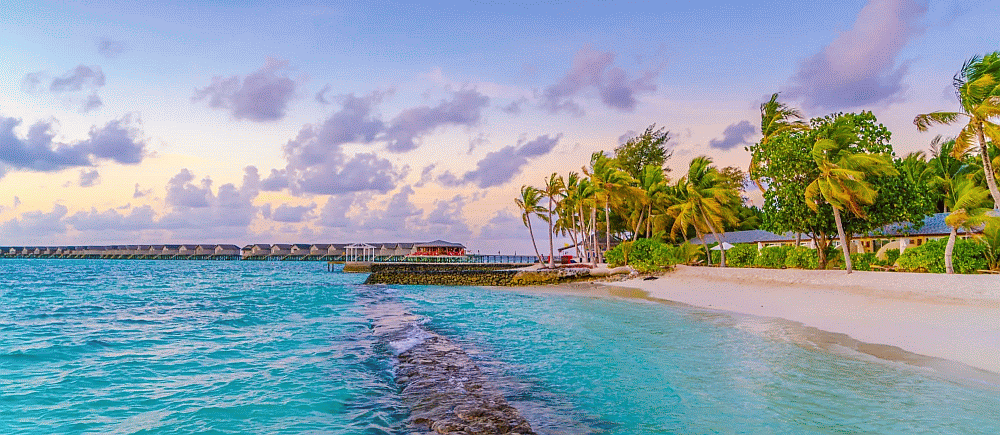
Punta Cana Airport Transfers

Jr Luxury DR
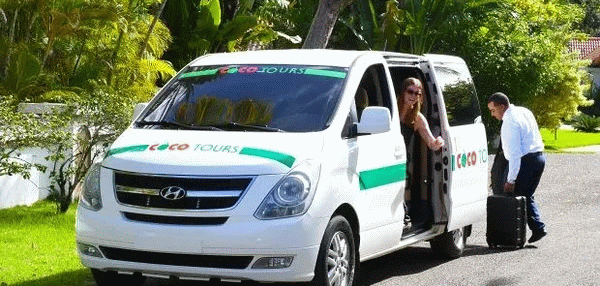
Coco Tours

Notable Services Transfers
A&R transfers Punta Cana

Punta Cana Transfers
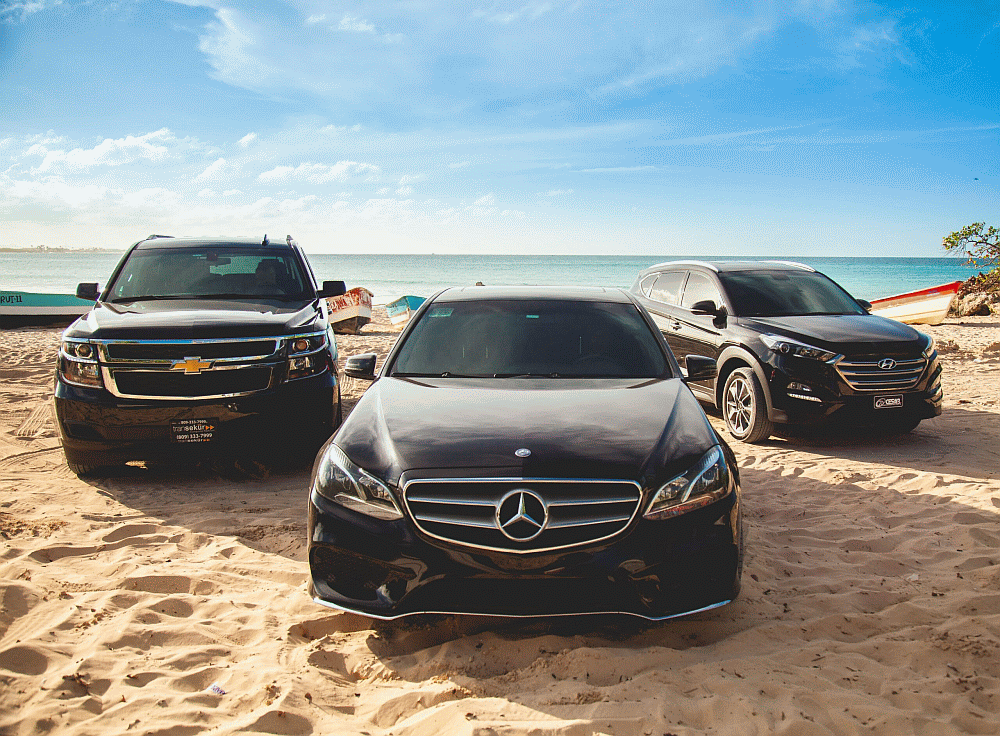
CJ Transfer
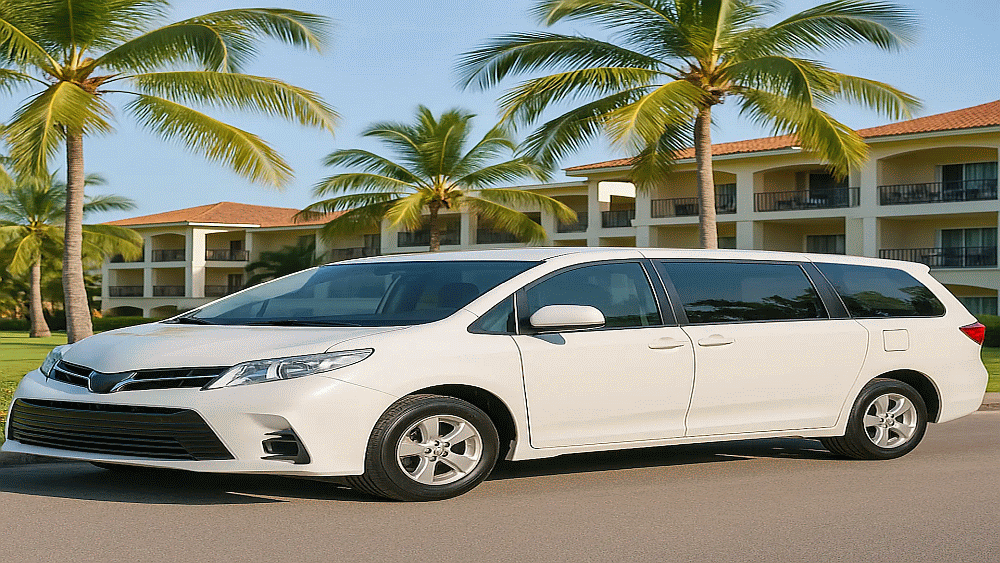
Top Punta Cana Transfers
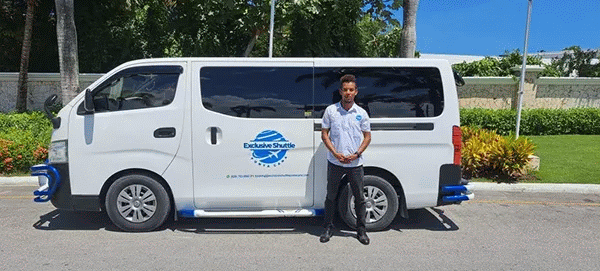
Exclusive Transfers Punta Cana
Getting Around the Dominican Republic
The Dominican Republic is larger and more diverse than many travellers expect. From colonial streets in the capital to surf beaches on the north coast and all-inclusive resorts in Punta Cana, distances can add up quickly.
Whether the goal is a beach escape, a mountain retreat, or a cross-border adventure to Haiti, here’s how to travel smoothly and confidently across the country.
Shared and Private Shuttles
For travel between popular destinations such as Santo Domingo, Punta Cana, Puerto Plata, Cabarete, or Las Terrenas, shared and private shuttles are among the most convenient options.
Shared shuttles are ideal for travellers seeking comfort and reliability without the cost of a private vehicle. They are pre-booked, air-conditioned, and typically offer hotel pick-up and drop-off. This eliminates the need to navigate bus terminals or negotiate fares. You’ll share the ride with a small group of fellow travellers, keeping costs manageable.
Private shuttles or drivers provide full flexibility. Depart when you choose, stop for lunch or photos, and travel at your own pace. This option works particularly well for families, small groups, or travellers connecting between airports and beach resorts.
Advantages of a private shuttle:
Door-to-door convenience
Comfortable, air-conditioned vehicles
Flexible departure times
Direct transfers with no waiting
Advantages of a shared shuttle:
Budget-friendly
Easy to book in advance
More comfortable and straightforward than public transport
Private Drivers and Airport Transfers
Hiring a private driver is one of the easiest ways to explore the Dominican Republic beyond resort areas. Roads between coastal regions and the central mountains can be winding, and signage is not always clear.
Airport transfers are widely available from:
Las Américas International Airport (SDQ)
Punta Cana International Airport (PUJ)
Gregorio Luperón International Airport (POP)
Pre-arranged transfers are especially useful for late-night arrivals or direct resort drop-offs. Most hotels and tour operators can coordinate reliable airport pick-ups.
Public Buses and Guaguas
Public transport in the Dominican Republic is affordable and widely used by locals.
Long-distance buses are operated by companies such as:
Caribe Tours
Expreso Bávaro
These buses are air-conditioned, relatively comfortable, and connect major cities across the country.
For shorter distances, guaguas (shared minibuses) run frequently between towns. They are inexpensive and efficient but can be crowded and may not follow strict schedules. They’re best used during daylight hours and when travelling light.
Motoconchos (motorcycle taxis) operate in cities and small towns for very short trips. While cheap and fast, they’re best for confident travellers and short distances only.
Cross-Border Travel to Haiti
The Dominican Republic shares the island of Hispaniola with Haiti. Overland border crossings are possible at points such as Dajabón and Jimaní.
However, cross-border travel requires careful planning, up-to-date visa checks, and awareness of current security conditions. Many travellers opt to fly rather than travel overland. Rental cars typically require special permission for cross-border use.
Top Places to Visit in the Dominican Republic
Santo Domingo (Zona Colonial)
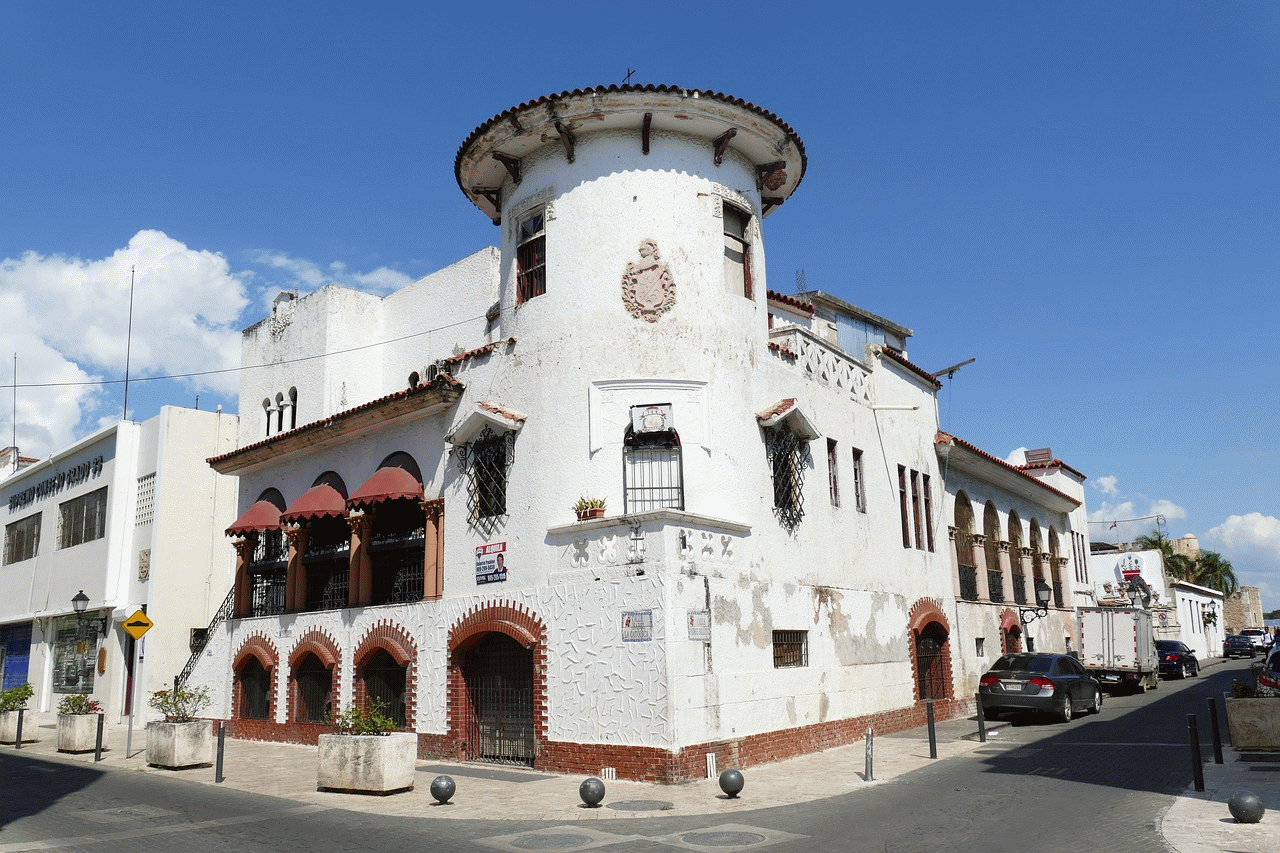
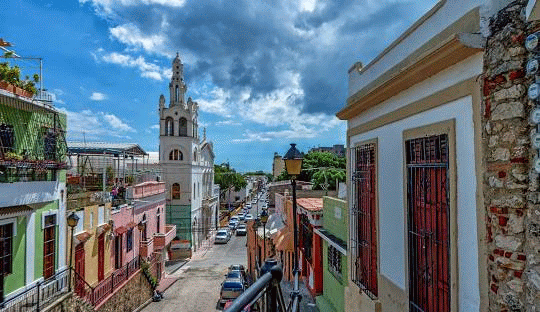
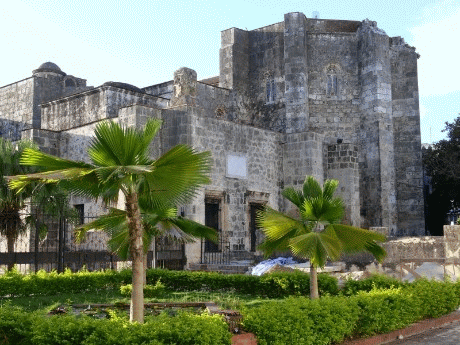
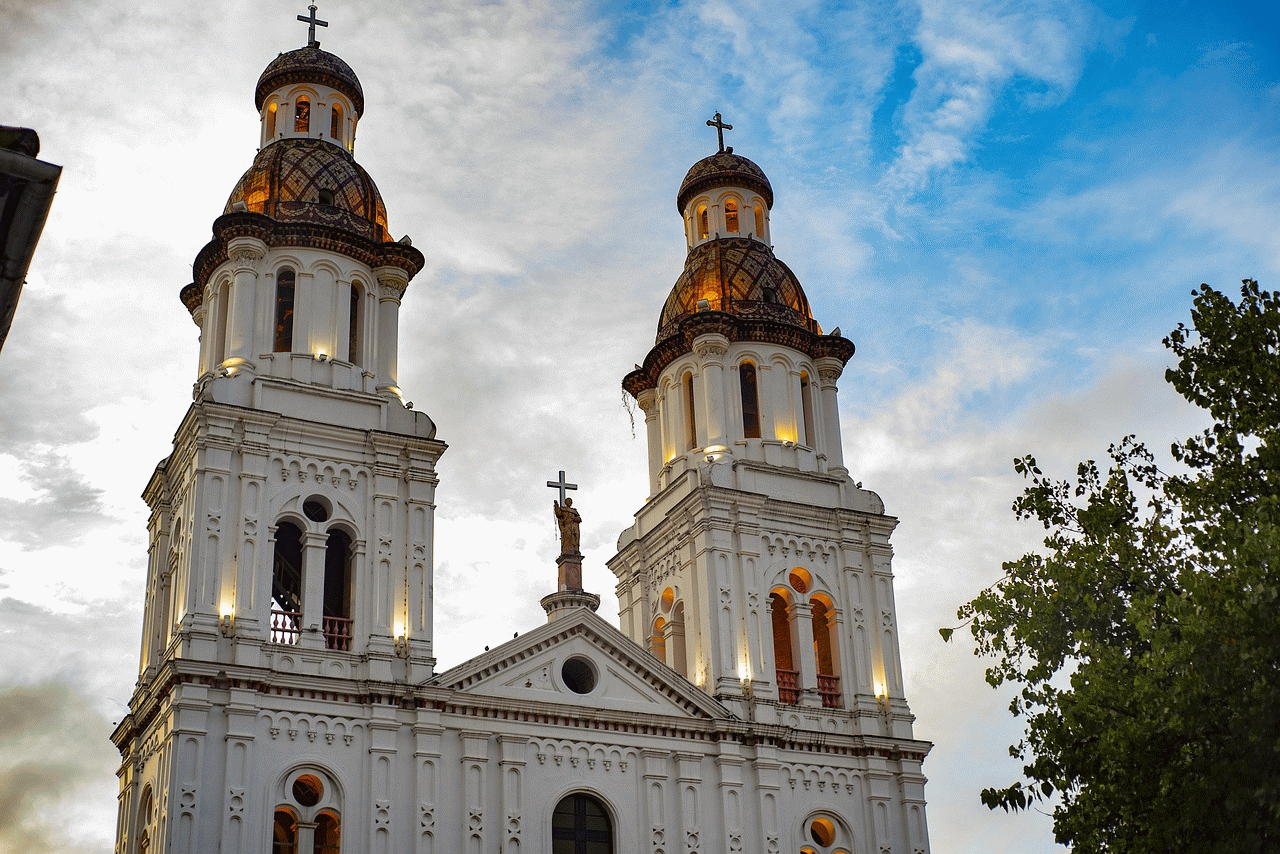
The oldest European city in the Americas, the Colonial Zone is a UNESCO-listed district filled with cobblestone streets, churches, and plazas. Highlights include the Alcázar de Colón and the Catedral Primada de América.
Punta Cana
Known for its white-sand beaches and all-inclusive resorts, Punta Cana is ideal for travellers seeking relaxation, snorkelling trips, and easy airport access.
Puerto Plata
A classic north-coast destination with a mix of beaches and history. Take the cable car up Mount Isabel de Torres for panoramic views over the Atlantic.
Cabarete
A laid-back beach town famous for windsurfing and kitesurfing. Cabarete attracts an international crowd and has a lively beachfront restaurant scene.
Samaná Peninsula
Home to waterfalls, secluded beaches, and seasonal whale watching. El Limón Waterfall and Cayo Levantado are standout attractions.
Jarabacoa
Often called the “Dominican Alps,” Jarabacoa offers rafting, hiking, and cooler mountain air — a refreshing contrast to the coast.
Final Travel Tips
Distances are longer than they appear on the map — allow buffer time.
Book airport transfers in advance during high season.
Carry small cash (Dominican pesos) for local buses and short rides.
Use reputable transport companies for long-distance travel.
With the right transport choice, exploring the Dominican Republic is straightforward and rewarding — whether you’re moving between surf beaches, colonial cities, or all-inclusive resorts.
Popular Destinations, Tours and Shuttle Services - Dominican Republic: Featured Plus
-
![Sunset Caribbean]()
The best of the Caribbean
-
![DomRep Tours]()
tours, day trips and activities
-
![JackCana Tours - Punta Cana]()
Private Tours
-
![Bedi Tour]()
Saona Island Catamarán and Speed Boat
-
![Carolina Tours & Transfer]()
unforgettable tours in Puerto Plata


What draws people to the Dominican Republic?
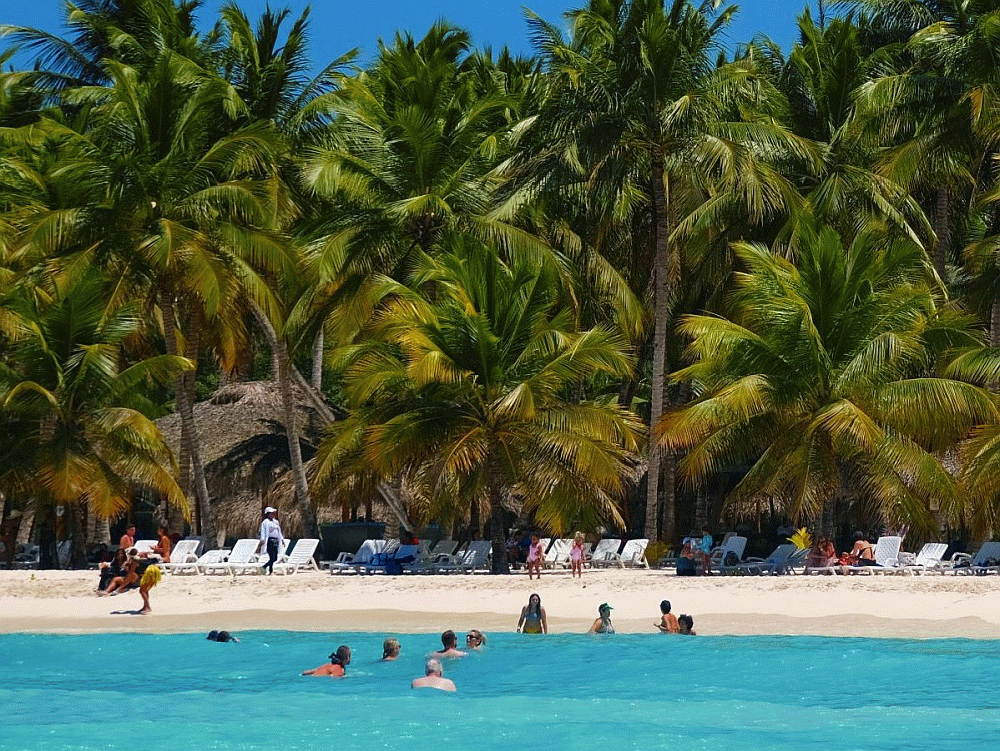
What draws visitors to the Dominican Republic is its irresistible mix of natural beauty, vibrant culture, and easygoing warmth.
From the white-sand beaches of Punta Cana to the cobblestone streets of Santo Domingo, the island pulses with rhythm and color.
Visitors come for the sun and stay for the people—the music, the food, and the feeling that every day holds a new adventure.
Spanish:
Lo que atrae a los visitantes a la República Dominicana es su mezcla irresistible de belleza natural, cultura vibrante y calidez contagiosa.
Desde las playas de arena blanca de Punta Cana hasta las calles adoquinadas de Santo Domingo, la isla late con ritmo y color.
Los viajeros llegan por el sol y se quedan por su gente: la música, la gastronomía y la sensación de que cada día trae una nueva aventura.
The Island Where the Caribbean Met Pirates
Long before all-inclusive resorts and catamaran day trips, the waters surrounding the Dominican Republic were part of one of the most dangerous trade corridors in the world.
This was the age of sail — when gold, silver, sugar, and rum moved between Europe and the Americas, and the Caribbean became a battleground of empires. And right at the heart of it sat Hispaniola.
A Strategic Prize in the Spanish Empire
The island of Hispaniola — today divided between the Dominican Republic and Haiti — was Spain’s first major base in the Americas after Christopher Columbus arrived in 1492.
From here, treasure fleets sailed back to Europe laden with wealth from the New World. That made these waters irresistible to rivals.
English, French, and Dutch privateers — essentially state-sponsored pirates — targeted Spanish ships throughout the 16th and 17th centuries. The northern and eastern coasts of what is now the Dominican Republic were ideal ambush territory: hidden coves, shallow reefs, and long stretches of undeveloped shoreline.
Saona and the Southern Coast
Today, Isla Saona is famous for its turquoise shallows and palm-fringed beaches. Catamarans drift lazily across the water, and day-trippers wade through natural pools.
Centuries ago, however, these same waters were part of contested maritime routes. The southeastern coastline — stretching from present-day La Romana toward Santo Domingo — lay along strategic sailing lines between the Spanish Main and Europe.
Treasure ships often hugged the coastline for navigation and protection, making them vulnerable to attack.
Santo Domingo: The Colonial Stronghold
The city of Santo Domingo was Spain’s first permanent European settlement in the Americas and the administrative heart of its early empire.
Its stone fortifications still stand in the Colonial Zone, including the imposing Fortaleza Ozama, built in the early 1500s to defend against seaborne threats.
These defences weren’t symbolic — they were necessary. Pirate raids and foreign invasions were a real and recurring danger.
The Golden Age of Piracy
By the late 1600s, piracy in the Caribbean had reached its peak.
While neighbouring islands such as Tortuga (off the coast of modern Haiti) became infamous pirate strongholds, the Dominican coastline remained deeply entwined in this maritime world of smuggling, privateering, and naval conflict.
Ships sailing past Hispaniola risked storms, reefs — and ambush.
From Pirate Waters to Paradise
Today, the same coastline once feared by treasure fleets is known for snorkelling, sailing, and quiet beaches.
Visitors explore:
The historic streets of Santo Domingo’s Colonial Zone
Boat trips to Isla Saona
Secluded beaches along the southern and northern coasts
The contrast is striking. Where cannons once guarded harbour entrances, cafés now spill onto cobblestone streets. Where lookout posts once scanned the horizon for hostile sails, tourists now watch for dolphins.
Why This Story Matters
The Dominican Republic is often marketed as a resort destination — but its coastline carries centuries of layered history.
Understanding its pirate-era past adds depth to the experience. The calm turquoise waters tell only part of the story.
Beneath them lies a maritime crossroads that shaped the Caribbean — a place where empire, rebellion, ambition, and survival once collided.