
Essential Guide to Panama Shuttles & Sightseeing:
Navigate Your Journey with Confidence and Style
Discover Panama
Panama is where Central and South America meet — a vibrant crossroads of cultures, landscapes, and oceans.
Best known for the legendary Panama Canal, the country offers far more than this engineering marvel.
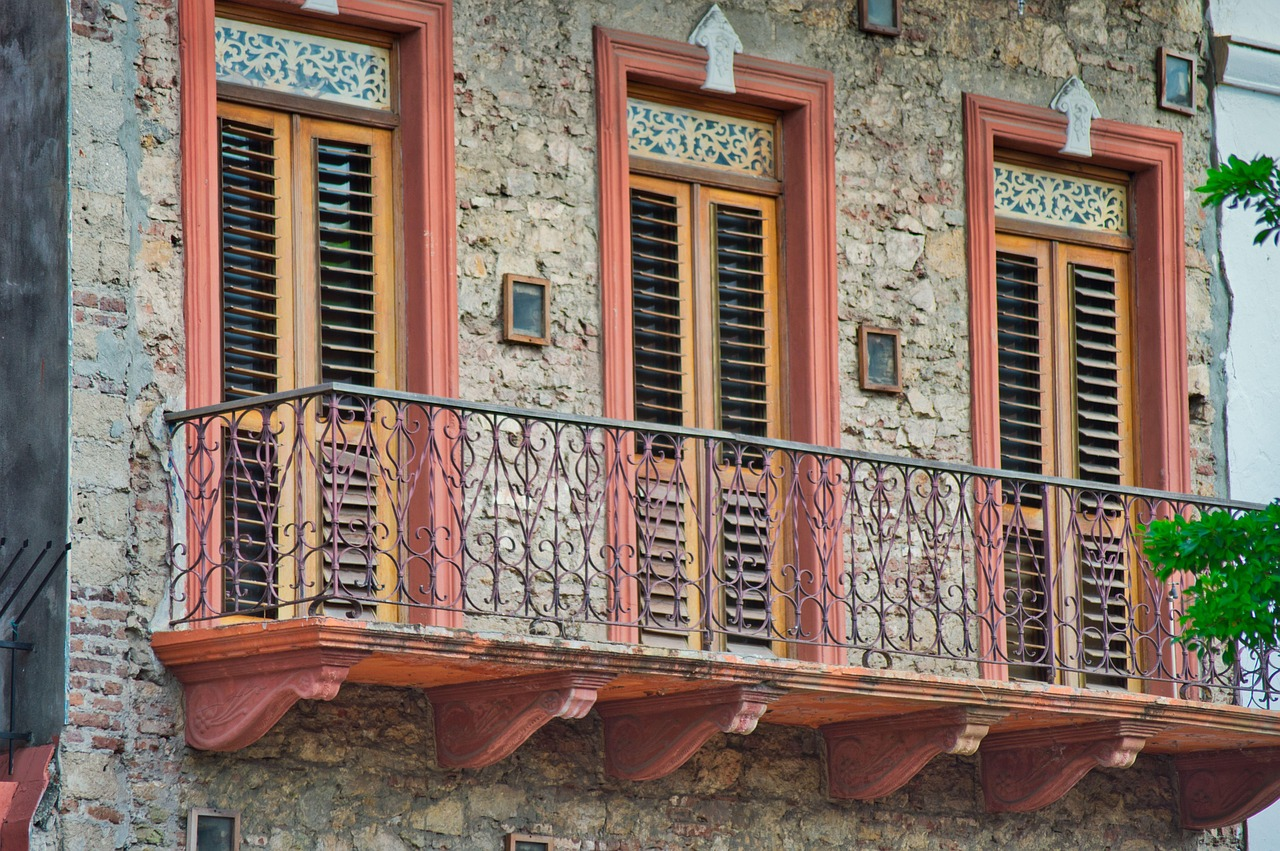
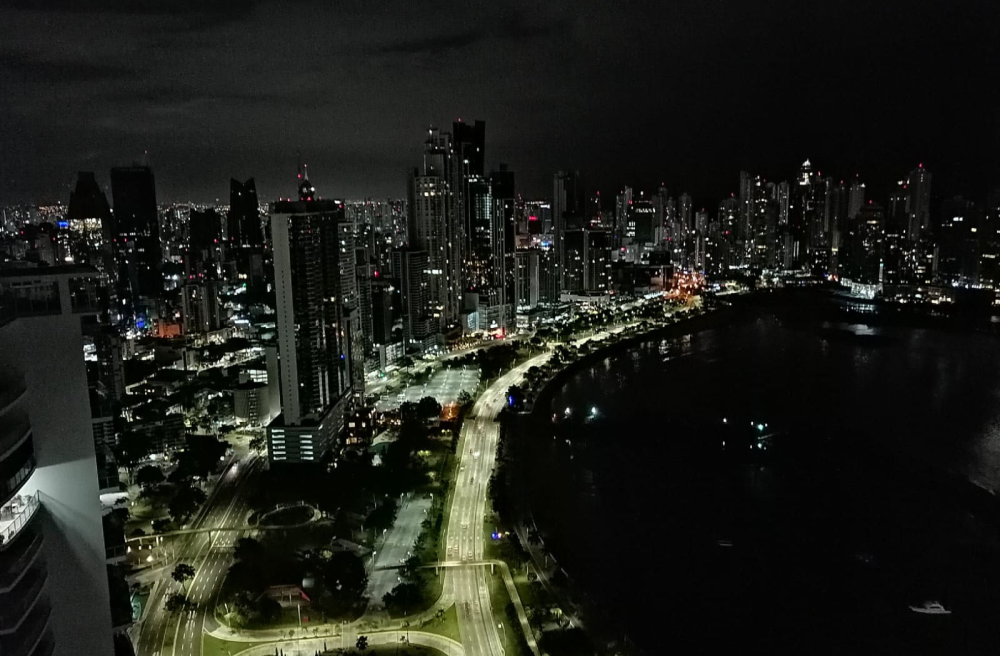
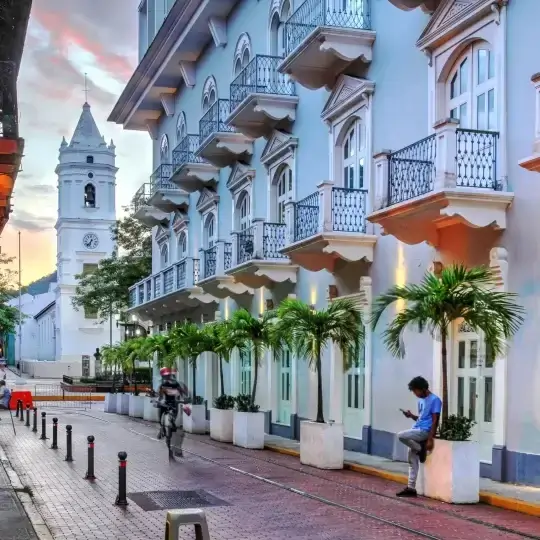
In the capital, Panama City, modern skyscrapers rise beside the beautifully restored colonial streets of Casco Viejo.
Beyond the city, travellers can explore lush rainforests, coffee-growing highlands around Boquete, and tropical Caribbean islands such as Bocas del Toro and the idyllic San Blas Islands.
Compact and diverse, Panama offers an easy mix of culture, wildlife, beaches, and adventure
Panama — explore shuttles, airport transfers, private drivers, tours & sightseeing - Featured partners:

Caribe Shuttle - Bocas Del Toro to Puerto Viejo / Cahuita (shuttle bus and boat)

Shuttle Beach Break - Playa Venao, Bocas del Toro, Boquete, Santa Catalina

PTY Transfers - Panama Airport Taxi
Amber Moon Panama Taxi Service
Panama Taxitours - airport shuttle service
Getting Around Panama:
Transport, Shuttles, and Practical Travel Tips
Panama is compact, tropical, and geographically strategic. In one trip, travellers can move between modern Panama City, colonial towns like Casco Viejo, Caribbean islands in Bocas del Toro, Pacific surf beaches, cloud forests in Boquete, and even cross the iconic Panama Canal.
This guide explains how transport works in Panama — buses, shuttles, taxis, private drivers, domestic flights, ferries, and cross-border travel — with realistic travel times, costs, and context.
Transport Options in Panama
Buses in Panama
Buses are the backbone of long-distance travel.
Modern, air-conditioned coaches operate on major routes
Smaller regional buses serve rural areas
Panama City’s main hub is the Albrook Bus Terminal
Typical cost: USD $1–2 per hour of travel
The Pan-American Highway connects most major destinations efficiently, including David, Santiago, and the Costa Rica border.
City buses in Panama City are modern “MetroBus” vehicles using a prepaid card system.
Shuttles
Shared tourist shuttles operate between popular destinations.
Common between Panama City, Boquete, Bocas del Toro, and Santa Catalina
Often offer hotel pickup and drop-off
Convenient for beach and mountain routes
Cost: USD $30–60 depending on distance
Shuttles are especially popular for travellers heading to Boquete or connecting to Caribbean boat departures.
Private Drivers & Taxis
Private drivers are widely available and reasonably priced.
Flexible schedules and direct routes
Useful for airport transfers and day trips
Ideal for small groups
Typical cost: USD $80–150 per day or per long-distance route
Taxis are inexpensive in most cities. In Panama City, ride-share services like Uber are widely used and often preferred by visitors.
Domestic Flights
Flights are useful for reaching more remote regions.
Panama City (Albrook Airport) connects to:
Bocas del Toro (~1 hour)
David (~1 hour)
San Blas (small aircraft)
Cost: USD $80–150 one way
Flights significantly reduce long overland travel times, especially to Bocas del Toro.
Ferries & Boats
Boat transport is essential for some destinations.
Bocas del Toro islands
San Blas (Guna Yala)
Pearl Islands (from Panama City)
Costs vary from USD $10–60 depending on route and distance.
Getting Around Panama’s Main Cities
Panama City
Modern skyline meets colonial history.
Metro system (two lines) covers key districts
Uber widely available
MetroBus network connects major neighbourhoods
Tocumen International Airport → City centre: 25–40 minutes | USD $25–35 taxi
Casco Viejo is compact and walkable.
David
Gateway to western Panama.
Regional bus hub
Taxis inexpensive
Access point for Boquete and Costa Rica
Bocas del Toro (Town)
Small and walkable.
Water taxis connect nearby islands
Bicycles popular
No cars on some islands
Popular Routes: Travel Times & Costs
Panama City → Boquete
Bus (via David): 6.5–8 hours | USD $15–20
Shuttle: ~6–7 hours | USD $40–60
Flight to David + transfer: ~3 hours total
Panama City → Bocas del Toro
Bus: 10–11 hours overnight | USD $25–35
Flight: ~1 hour | USD $100–150
Panama City → San Blas (Guna Yala)
4x4 transfer + boat: 3–4 hours total | USD $50–70 one way
Road access requires 4WD due to mountainous terrain.
Panama City → Santa Catalina
Bus: 6–7 hours | USD $15–20
Shuttle: ~5–6 hours | USD $40–60
Santa Catalina is the gateway to Coiba National Park.
Crossing the Panama Canal
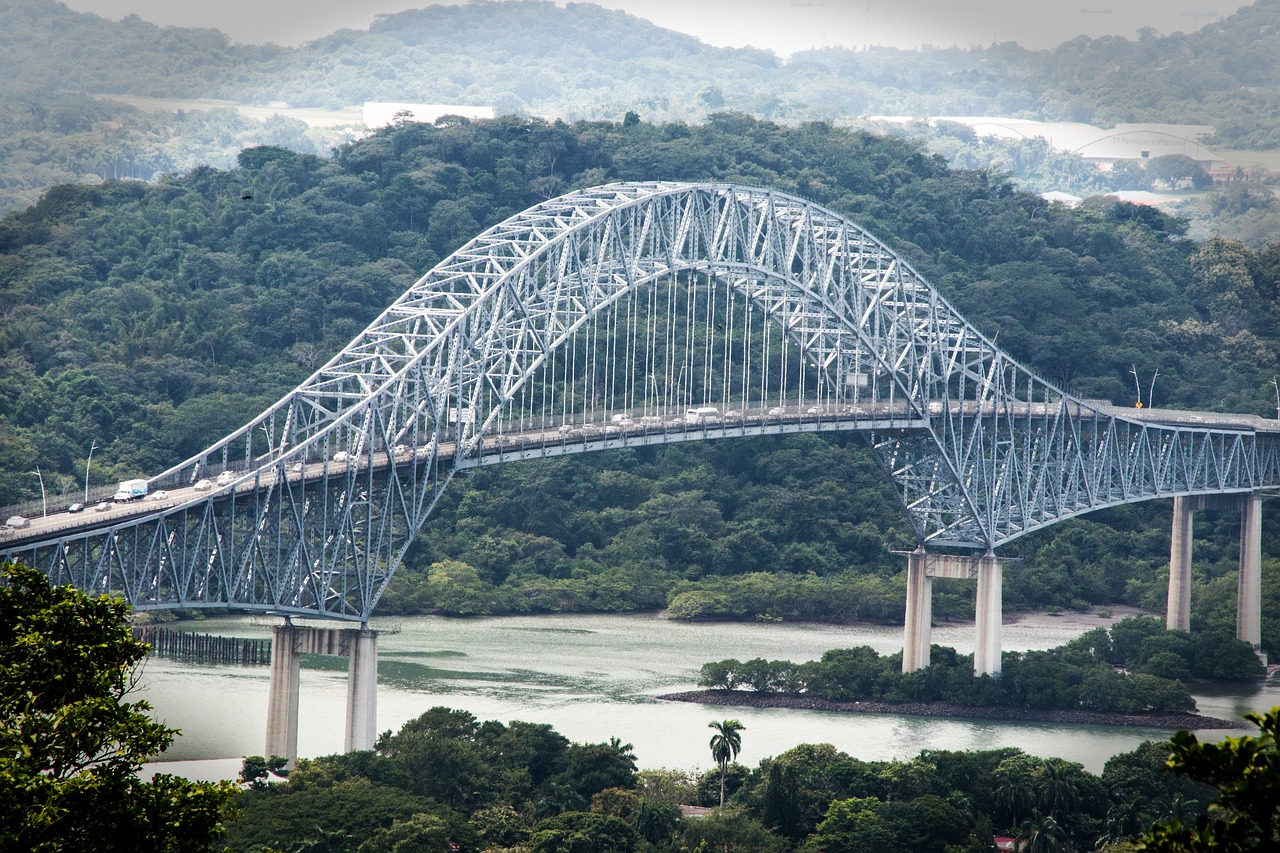
The Panama Canal is central to the country’s identity.
Visitors can:
Tour Miraflores Visitor Centre
Take partial or full canal transit tours by boat
View ships passing through the locks
Canal transit tours typically cost USD $120–180.
Cross-Border Travel
Panama → Costa Rica
Main crossing: Paso Canoas
Regular buses from David
Total Panama City → Costa Rica travel time: ~10–12 hours
Straightforward land border crossing
Panama → Colombia
There is no road connection due to the Darién Gap.
Options:
Fly Panama City → Cartagena/Medellín
Sailboat via San Blas (multi-day trip)
The Darién Gap remains dense jungle with no overland route.
Sail between Panama and Colombia with Wild Card San Blas Sailing
Reaching the Islands
Bocas del Toro
Reached by:
Flight from Panama City
Overnight bus + boat transfer
Island hopping is done via small water taxis (~USD $3–10 per ride).
San Blas (Guna Yala)
Accessed by:
4WD vehicle from Panama City
Boat transfers between islands
Tourism is community-managed by the Guna people.
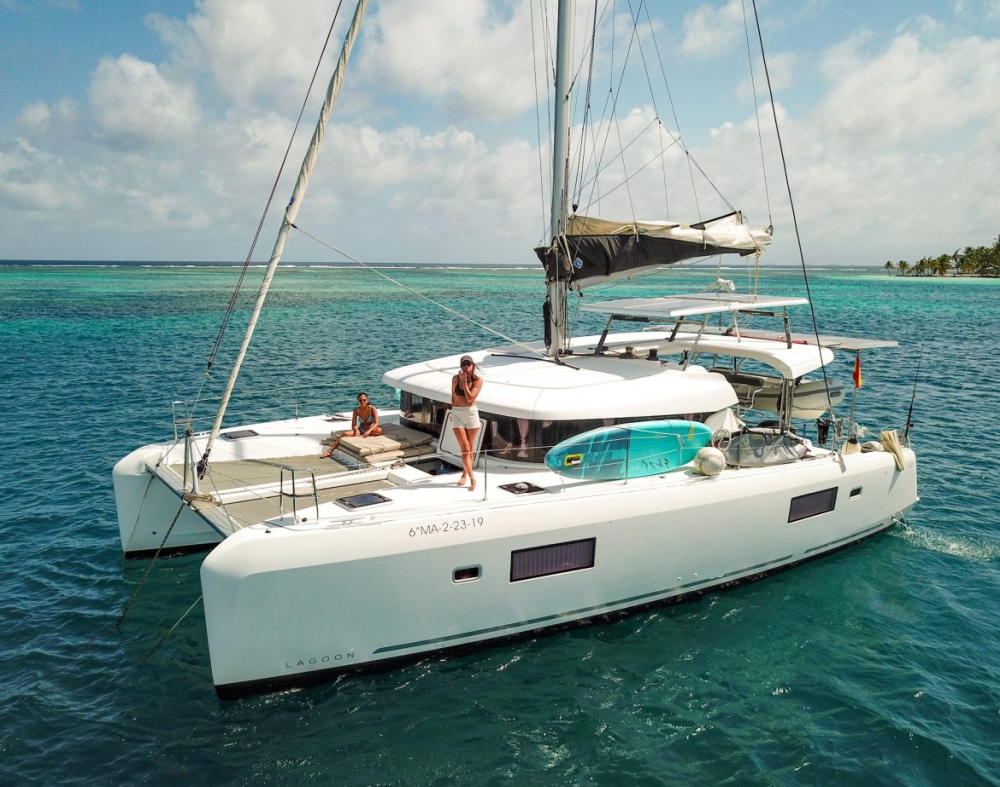
San Blas Catamaran - catamaran sailing in the San Blas
Top Places to Visit in Panama
Panama City – skyline, Casco Viejo, Panama Canal
Boquete – cloud forests, coffee farms, hiking
Bocas del Toro – Caribbean islands and beaches
San Blas – remote island experiences
Santa Catalina – surfing and Coiba diving
El Valle de Antón – volcanic crater town
Pearl Islands – Pacific island escape
Panama offers a straightforward mix of buses, shuttles, domestic flights, taxis, boats, and private transfers.
Distances are manageable, infrastructure is reliable, and the country’s position between Central and South America makes it a natural transit hub for overland travellers.
Planning a few key legs in advance — particularly island routes and peak-season transfers — makes travel smooth and flexible.
N.B. Prices shown are indicative and reflect typical costs in Panama as at March 2026.
Popular Destinations, Tours and Shuttle Services - Panama - Featured Plus
-
![https://shuttlepanama.com/]()
Panama Shuttle - city tour & Panama Canal
-
![Venao Tours, Panama]()
Panama City to Venao, Venao to Bocas del Toro
-
![https://panamayourway.com/]()
Monkey Island, Panama City and Panama Canal
-
![Conozca Panama Tours | Panama City]()
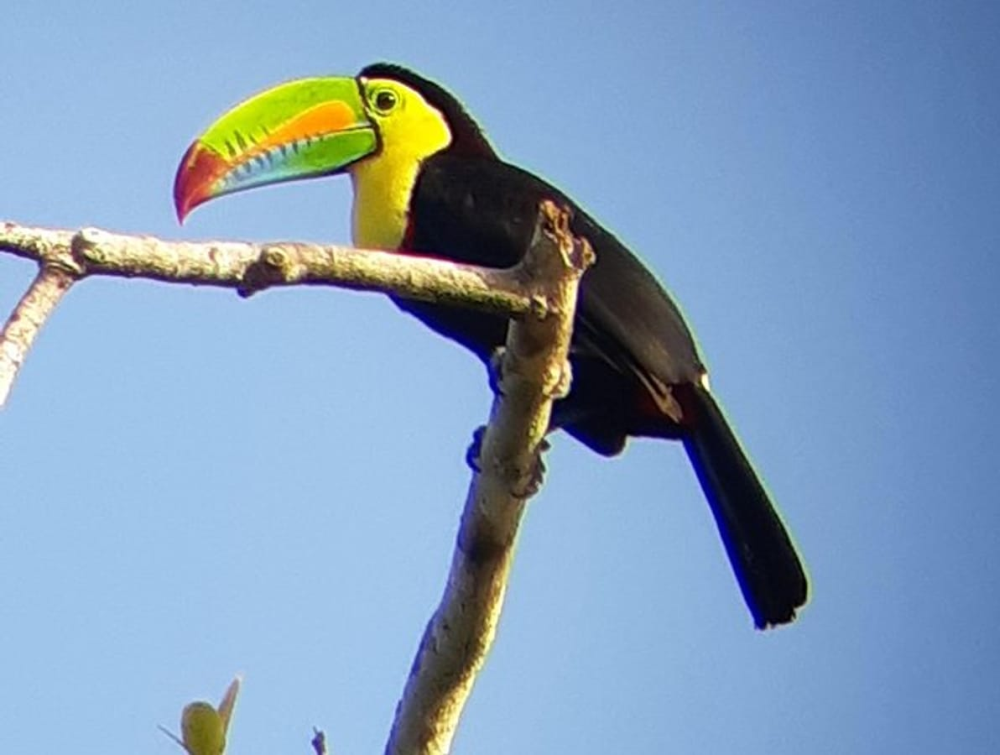
sloths & toucans | panama canal tour .. and more
-
![https://discoverpanama365.com/#]()
Panama - unforgettable experiences
-
![https://sanblascatamaran.com/]()
catamaran charters - San Blas


Popular Destinations, Tours and Shuttle Services - Panama
-
![https://shuttlepanama.com/]()
Panama Shuttle - city tour & Panama Canal
-
![Venao Tours, Panama]()
Panama City to Venao, Venao to Bocas del Toro
-
![https://panamayourway.com/]()
Monkey Island, Panama City and Panama Canal
-
![Conozca Panama Tours | Panama City]()
sloths & toucans | panama canal tour .. and more
-
![https://discoverpanama365.com/#]()
Panama - unforgettable experiences
-
![https://sanblascatamaran.com/]()
catamaran charters - San Blas
Why Is Panama One of the Best Retirement Destinations in Central America?
Panama consistently ranks as one of the best places to retire in Latin America — and for good reason.
With its attractive Pensionado Visa program, modern healthcare, use of the U.S. dollar, and diverse climate options, retirement in Panama offers both financial advantages and lifestyle appeal.
For travellers who fall in love with Central America and begin considering a longer stay, Panama often stands out as the most practical and comfortable retirement option in the region.
The Panama Pensionado Visa: A Retirement Program Designed for Foreigners
One of the main reasons people retire in Panama is the Pensionado Visa Program, one of the most generous retirement residency schemes in the world.
To qualify, applicants typically need to demonstrate a lifetime pension income (commonly around USD $1,000 per month, though requirements can change). Once approved, retirees receive:
Permanent residency in Panama
Discounts on healthcare services
Discounts at restaurants, cinemas and entertainment venues
Reduced utility costs
Travel discounts within Panama
Import tax exemptions for household goods
No tax on foreign-sourced income
Unlike many countries that make residency difficult, Panama actively encourages foreign retirees to relocate.
Cost of Living in Panama for Retirees
The cost of living in Panama is one of the biggest draws for expats. While Panama City offers first-world amenities, overall expenses are often lower than in the United States, Canada, Australia and much of Europe.
Costs vary depending on location:
Panama City
Modern high-rise apartments, private hospitals, international restaurants and shopping malls. Urban living at a lower cost than many Western capitals.
Boquete (Chiriquí Highlands)
A favourite among expats, Boquete offers cooler mountain weather and a strong English-speaking community.
Coronado and Pacific Beach Towns
Ideal for retirees seeking coastal living with established expat infrastructure.
Bocas del Toro
Caribbean island lifestyle with a relaxed, tropical atmosphere.
In many areas, retirees find that dining out, fresh produce, domestic help and private healthcare are significantly more affordable than back home.
Healthcare in Panama: Modern and Accessible
Healthcare in Panama is another major reason retirees choose the country.
Panama offers both public and private healthcare systems. Private hospitals in Panama City are modern, well-equipped and often staffed by U.S.-trained doctors. English-speaking medical professionals are common in expat areas.
Medical care is generally far more affordable than in North America, making private insurance and out-of-pocket payments realistic options for retirees.
Financial Stability and the U.S. Dollar
Panama’s economy is one of the most stable in Central America. The country uses the U.S. dollar as legal tender, which eliminates currency exchange risk for American retirees and adds financial predictability for others.
Panama is also known for its international banking sector, making it relatively easy to manage overseas finances.
Climate Options: Beach, City or Highlands
One of the unique advantages of retiring in Panama is climate variety.
Tropical beach weather along the Pacific and Caribbean coasts
Cooler, spring-like temperatures in the Chiriquí Highlands
Cosmopolitan city living in Panama City
This geographic diversity allows retirees to choose the environment that best suits their comfort level.
Expat Life in Panama
Panama has one of the most established expat communities in Central America. Popular retirement hubs include:
Boquete
Coronado
Panama City
Bocas del Toro
These communities offer social clubs, volunteer groups, English-speaking services and support networks that make relocation easier.
At the same time, retirees who prefer a more immersive cultural experience can live in predominantly Panamanian neighbourhoods.
Taxes and Foreign Income
Panama operates under a territorial tax system, meaning foreign-earned income is generally not taxed within Panama. For retirees living off overseas pensions or investments, this can be a significant advantage (professional tax advice is always recommended).
Lifestyle Benefits of Retirement in Panama
Beyond the financial considerations, many retirees choose Panama for the lifestyle:
Access to both Pacific and Caribbean beaches
Rainforests and national parks
Outdoor activities such as hiking, fishing and birdwatching
A vibrant food scene blending Latin American and international cuisine
Easy international travel via Tocumen International Airport
For travellers who first visit Panama as tourists, retirement can feel like an extension of the adventure — with added stability and comfort.
Is Panama Right for Your Retirement?
Retiring in Panama is ideal for those who:
Want warm weather year-round
Seek a lower cost of living without sacrificing infrastructure
Value financial stability
Appreciate both nature and modern conveniences
Are comfortable adapting to a new culture
Panama offers a rare combination of affordability, accessibility and quality of life that few countries in the region can match.
Final Thoughts: Why So Many Expats Retire in Panama
From the Pensionado Visa to the use of the U.S. dollar, from modern hospitals to mountain towns and beach communities, Panama continues to attract retirees from around the world.
For many, retirement in Panama isn’t just about stretching a pension — it’s about upgrading lifestyle, gaining freedom and living in one of the most strategically located and stable countries in Central America.

Diamond Club, Panamá
ShuttlesA2B - Ecuador
ShuttlesA2B - Colombia

Wild Card San Blas Sailboat - Panama to Cartagena, Colombia - by sea