
Essential Guide to Türkiye- Shuttles, Transfers and Tours:
Navigate Your Journey with Confidence and Style
Visit Türkiye
Türkiye (Turkey) is a country where continents, cultures, and centuries converge.
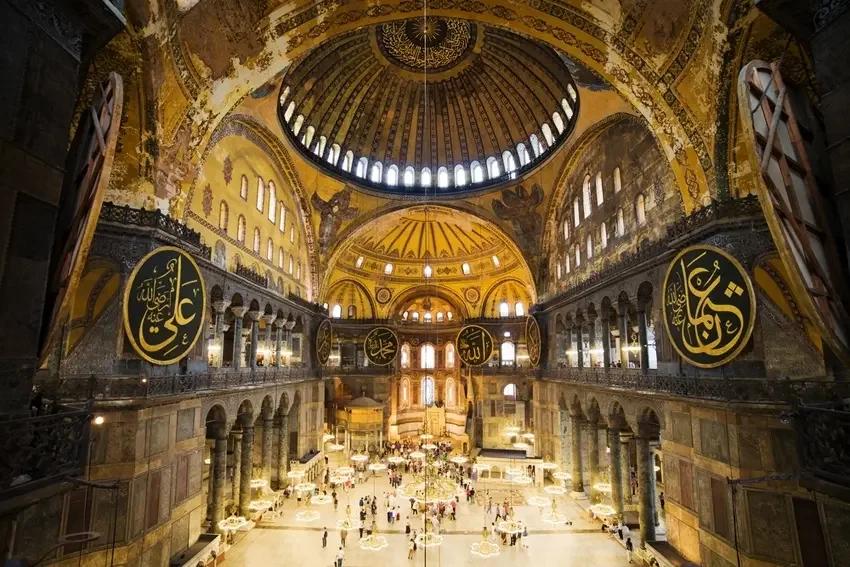
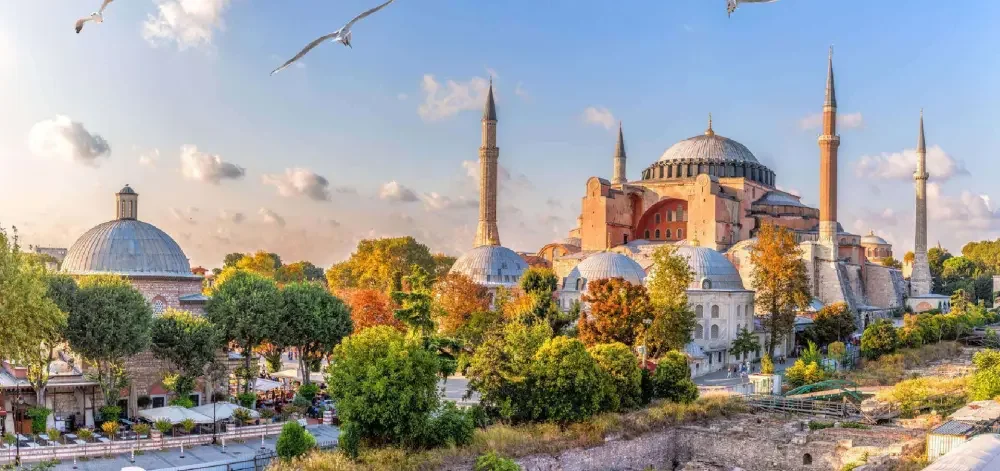
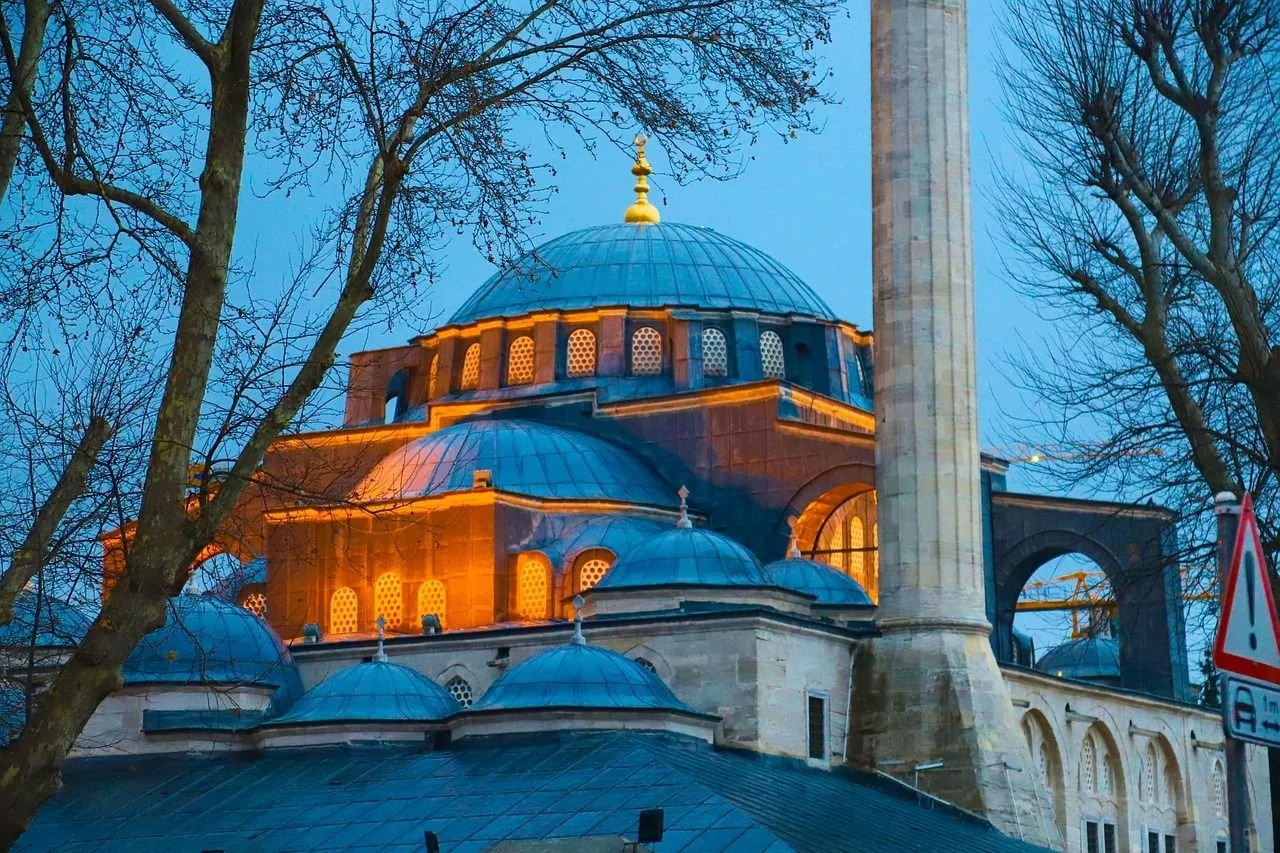
Visitors are drawn to Istanbul’s skyline of domes and minarets, where Byzantine and Ottoman landmarks sit beside lively bazaars and cafés.
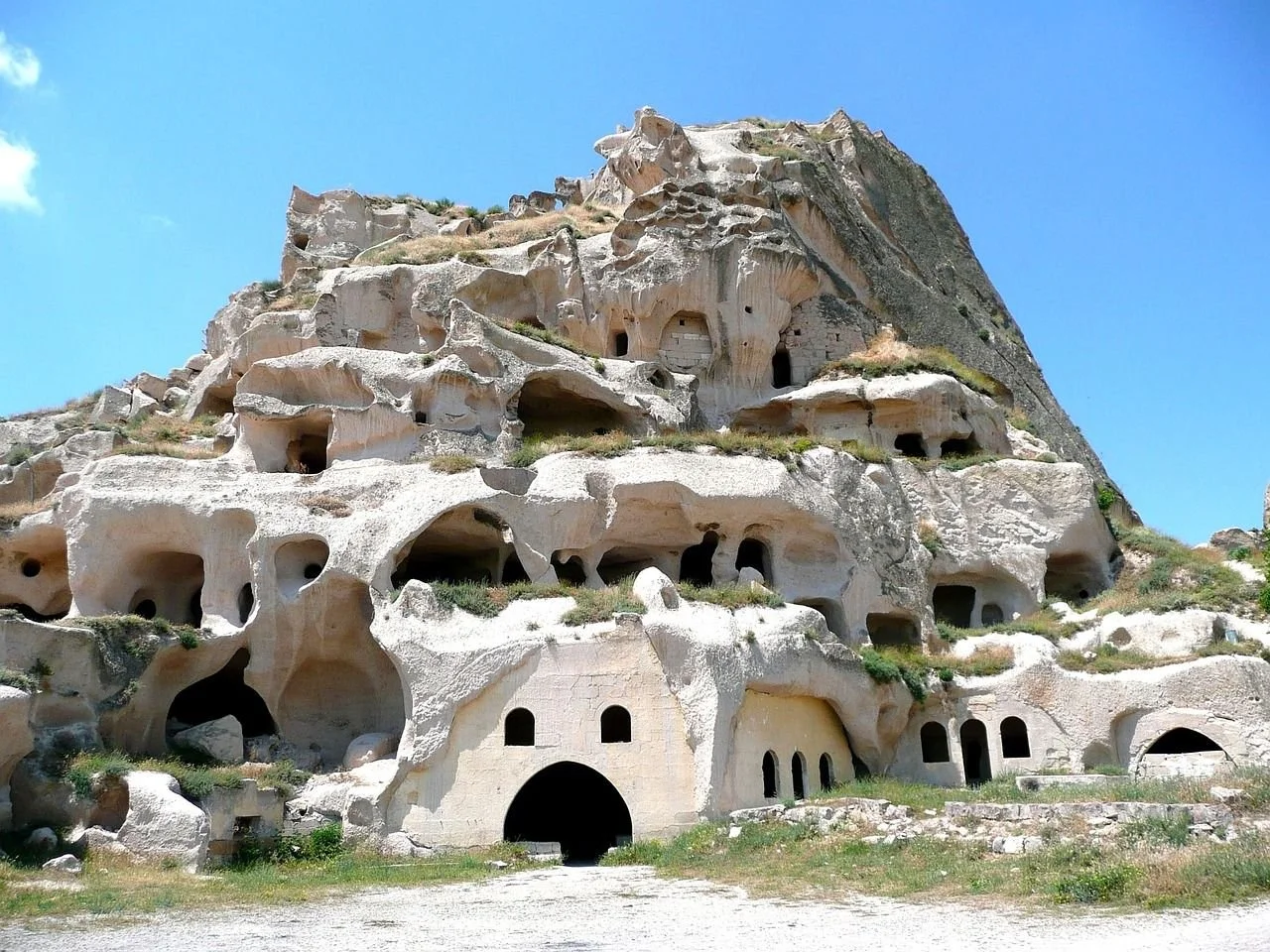
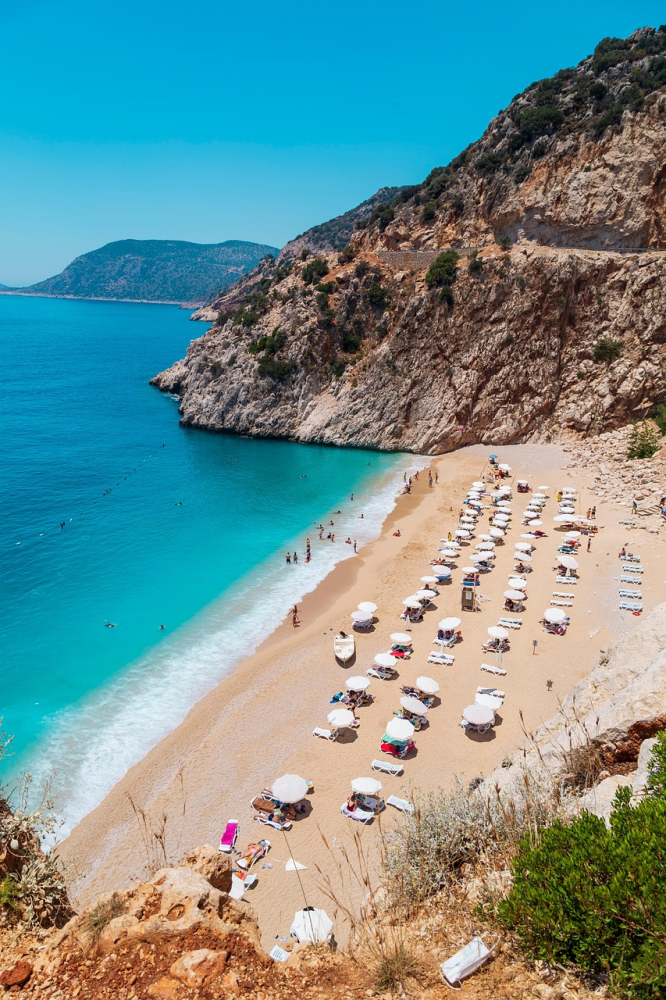
Cappadocia’s surreal rock formations and hot-air balloon sunrises feel otherworldly, while the Turquoise Coast offers clear seas, ancient ruins, and relaxed seaside towns.
History lovers can walk through Ephesus, Troy, and Pergamon, tracing layers of civilisation from Greek and Roman to Seljuk and Ottoman.
Food is a highlight in itself: fragrant meze, fresh bread, grilled vegetables, and strong coffee shared with warm hospitality.
From mountain villages to Mediterranean beaches, Türkiye rewards travellers with depth, beauty, and unforgettable variety.
Turkish
Türkiye, kıtaların, kültürlerin ve yüzyılların buluştuğu bir ülkedir.
Ziyaretçiler, Bizans ve Osmanlı mirasının canlı çarşılar ve kafelerle yan yana durduğu, kubbeler ve minarelerle bezeli İstanbul siluetine hayran kalır.
Kapadokya’nın sıra dışı kaya oluşumları ve gün doğumunda yapılan sıcak hava balonu turları adeta masalsıdır.
Turkuaz Kıyılar, berrak denizi, antik kalıntıları ve sakin sahil kasabalarıyla öne çıkar.
Tarih meraklıları Efes, Truva ve Bergama’da Antik Yunan’dan Roma, Selçuklu ve Osmanlı dönemlerine uzanan uygarlık katmanlarını keşfeder.
Mis kokulu mezeler, taze ekmek, ızgara sebzeler ve güçlü Türk kahvesi eşliğinde sunulan sıcak misafirperverlik unutulmazdır.
Dağ köylerinden Akdeniz plajlarına kadar Türkiye, derinlik, güzellik ve benzersiz bir çeşitlilik sunar.
Türkiye — explore shuttles, airport transfers, private drivers, tours & sightseeing - Featured partners:

Istanbul Shuttle Port
Istanbul Airport Shuttle
Istanbul Limousine

Car rental with driver - Vohey Tourism
Shuttle Kas - safe and comfortable transfer service from Dalaman Airport to Kaş.
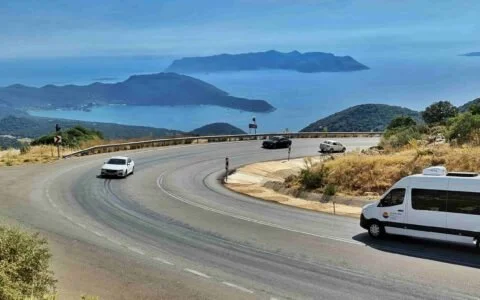
Kaş Özgür Turizm | Kaş Özgür Tourism Shuttle Transfer – Shared and Private Transfers from Dalaman

Gorgeous Turkey Tours - specialising in Cappadocia Tours and travel experiences across the Cappadocia region
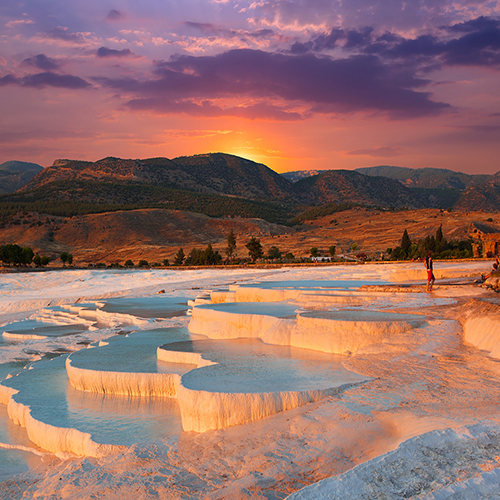
Venere Travel, Goreme - customized private excursions in Cappadocia and across Turkey
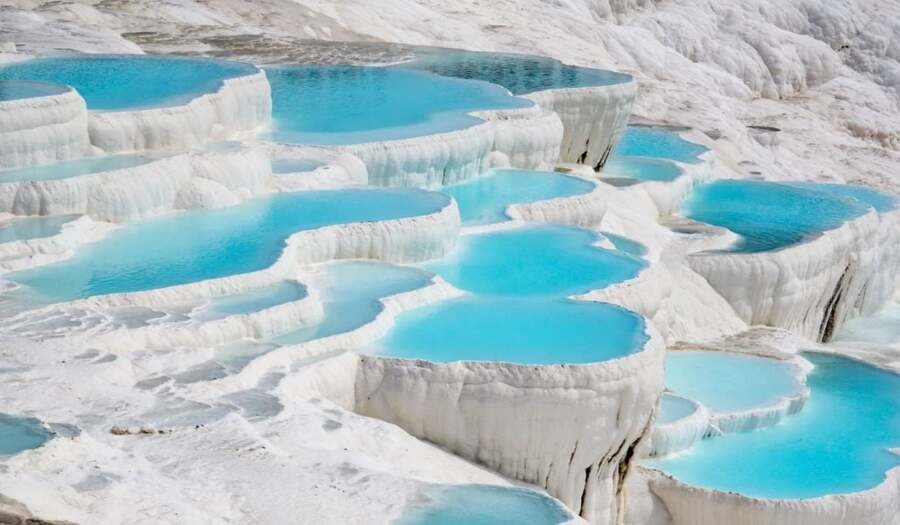
visit Pamukkale with Antalya Flughafen Transfer - Antalya Airport Transfer

Belek Shuttle Transfer - available 24/7 at Antalya Airport
Getting Around Türkiye
Transport, Trains, Buses, Flights, and Practical Travel Tips
Türkiye is a large, diverse country linking Europe and Asia. In a single journey travellers can move from the historic streets of Istanbul to the fairy-chimney valleys of Cappadocia, the Mediterranean coast, the ancient ruins of Ephesus, and the landscapes of eastern Anatolia.
This guide explains how transport works in Türkiye — buses, trains, domestic flights, taxis, private drivers, airport transfers, and ferries — with realistic travel times, costs, and practical context for visitors.
Transport Options in Türkiye
Buses in Türkiye
Long-distance buses are the backbone of intercity travel.
Extensive national network covering almost every city
Modern coaches with reclining seats and air-conditioning
Most major cities have an otogar (central bus terminal)
Many companies provide onboard service, including tea, coffee, and snacks.
Typical cost:
USD $5–10 per hour of travel
Buses are a reliable way to travel between Istanbul, Ankara, Izmir, Antalya, Pamukkale, and Cappadocia.
Trains
Türkiye’s rail network includes both conventional trains and modern high-speed services.
High-speed trains connect major western cities
Comfortable seating and modern stations
Advance booking recommended on popular routes
Popular routes:
Istanbul → Ankara: ~4.5 hours
Ankara → Konya: ~1 hour 50 minutes
Ankara → Eskişehir: ~1.5 hours
Typical cost:
USD $10–40 depending on route and class
Rail travel is comfortable and often faster than buses on major corridors.
Domestic Flights
Flights are often the easiest way to cover long distances.
Frequent services between major cities
Several budget airlines operate nationwide
Useful for reaching eastern Türkiye or the Mediterranean coast
Examples:
Istanbul ↔ Cappadocia (Nevşehir or Kayseri): ~1 hour 20 minutes
Istanbul ↔ Antalya: ~1 hour 15 minutes
Istanbul ↔ Izmir: ~1 hour
Typical cost:
USD $40–120 depending on season and booking time
Flying can save an entire day compared with long overland journeys.
Private Drivers & Taxis
Private drivers are widely available in tourist regions.
Flexible schedules and direct routes
Popular for sightseeing days
Common in Cappadocia, the Aegean coast, and archaeological areas
Typical cost:
USD $80–180 per day depending on region.
Taxis are widely used in cities and are generally metered.
Ferries
Ferries play an important role in coastal and urban transport.
Regular services across the Bosphorus in Istanbul
Ferries between European and Asian sides of the city
Routes along the Sea of Marmara and Aegean coast
Ferries offer one of the most scenic ways to travel in Istanbul.
Getting Around Türkiye’s Main Cities
Istanbul
Türkiye’s largest city has a complex but efficient public transport network.
Metro, trams, and buses connect most districts
Ferries cross the Bosphorus between Europe and Asia
Taxis and ride-hailing services are widely used
Istanbul Airport → Sultanahmet (Old City):
45–60 minutes | USD $25–40 by taxi
The historic centre is compact and walkable.
Ankara
The capital city has a modern transport system.
Metro and buses cover most districts
Taxis are inexpensive and widely available
Main rail hub for high-speed trains
Izmir
A relaxed coastal city with easy transport.
Metro and suburban rail
Ferries across Izmir Bay
Good base for visiting nearby archaeological sites
Popular Routes: Travel Times & Costs
Istanbul → Cappadocia
Flight: ~1 hour 20 minutes | USD $60–120
Bus: 10–12 hours | USD $30–45
Flying is the most common option.
Istanbul → Ankara
High-speed train: ~4.5 hours | USD $15–35
Bus: ~6 hours | USD $20–30
The train is comfortable and efficient.
Izmir → Pamukkale
Bus: 3–4 hours | USD $12–20
Private driver: ~3 hours | USD $120–160
Pamukkale is an easy excursion from the Aegean coast.
Antalya → Cappadocia
Bus: ~9 hours | USD $25–40
Flight (via Istanbul or Ankara): ~3–4 hours total travel time
Reaching Cappadocia
Cappadocia is one of Türkiye’s most visited regions.
Access points:
Kayseri Airport – about 1 hour from Göreme
Nevşehir Airport – about 40 minutes from Göreme
Shuttles and private transfers connect flights with hotels.
Cross-Border Transport
Türkiye shares land borders with several countries and is an important overland travel hub.
Türkiye → Greece
Ferry routes from the Turkish coast to several Greek islands
Common departures from Bodrum, Marmaris, and Çeşme
Travel time:
30 minutes to 1.5 hours depending on route.
Türkiye → Georgia
Main crossing: Sarp border near the Black Sea
Buses operate between Trabzon, Batumi, and Tbilisi
Türkiye → Bulgaria
Regular buses connect Istanbul with Sofia and other Bulgarian cities
Travel time: ~7–9 hours
Top Places to Visit in Türkiye
Istanbul – mosques, bazaars, palaces, and Bosphorus views
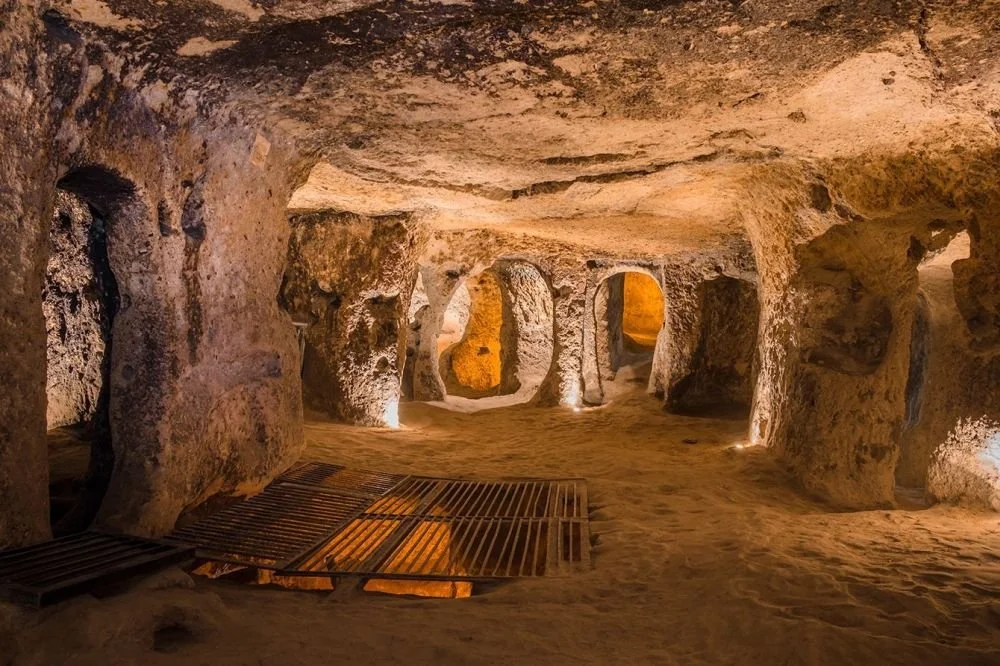
Cappadocia – fairy chimneys, cave churches, and hot-air balloons
Pamukkale – white travertine terraces and Roman ruins
Ephesus – one of the best-preserved ancient cities in the Mediterranean
Antalya – beaches, old town, and gateway to the Turkish Riviera
Izmir – lively coastal city near major archaeological sites
With an extensive bus network, high-speed trains, frequent domestic flights, ferries, taxis, and private drivers, Türkiye is well connected and relatively easy to explore.
Distances can be large, but modern transport options make it practical to combine cities, coastlines, and historic sites in a single trip.
Prices shown are approximate and current as of March 2026.
Popular Destinations, Türkiye tours and transport: Featured Plus
-
![Istanbul Shuttle Line]()
city transfers and intercity transfers
-
![Saw Travel Agency]()
discover and enjoy Türkiye with our special tours
-
![Chauffeur and Beyond]()
bespoke transportation services
-
![Turkey by Locals]()
Turkey tours packages with expert local guides
-
![hereketravel.com Hereke Travel, Turkey]()
Cappadocia Tours



Why Is It Called Türkiye?
Names, Identity, and Global Branding
In 2022, the country long known in English as Turkey asked the international community to recognise its official name as Türkiye. The request was formally accepted by the United Nations, meaning that international organisations now use the Turkish spelling in official documents.
The change was supported by the government of President Recep Tayyip Erdoğan, who said the new spelling better represents the country’s language, culture, and identity.
In Turkish, the country has always been called Türkiye Cumhuriyeti — the Republic of Türkiye. The word Türkiye combines “Türk” (referring to the Turkic peoples) with a suffix meaning “land of,” so the name literally means “Land of the Turks.”
The roots of the word Turk go back more than a millennium and appear in early Central Asian empires such as the Göktürk Khaganate. The modern republic itself was founded in 1923 by Mustafa Kemal Atatürk after the collapse of the Ottoman Empire.
Another reason for the change was practical: in English the word turkey refers to a bird and can also be slang for something unsuccessful. Officials argued that Türkiye presents a clearer and more dignified international identity.
In practice, both spellings are still widely understood. Many English-language media outlets continue to use Turkey, while government branding, exports, and tourism campaigns increasingly use Türkiye.
Country Name Changes Around the World
Türkiye’s update is part of a wider pattern. Countries occasionally change their international names to reflect political change, independence, or cultural identity.
Examples include:
Sri Lanka – formerly Ceylon
Myanmar – formerly Burma
Iran – formerly known internationally as Persia
Thailand – formerly Siam
Eswatini – formerly Swaziland
North Macedonia – formerly Republic of Macedonia
Democratic Republic of the Congo – formerly Zaire
These changes are often tied to independence movements, political reforms, or efforts to restore indigenous names.
The Debate in New Zealand
Name discussions are still happening in some countries today. In New Zealand, there has been ongoing debate about whether the country should adopt the Māori name Aotearoa.
Aotearoa, often translated as “Land of the Long White Cloud,” has long been used by the Indigenous Māori people. In recent decades the name has appeared increasingly in government communications, media, and everyday speech.
Some political groups, including the Māori Party, have suggested the country could eventually adopt Aotearoa or the dual name Aotearoa New Zealand. Supporters say this would better reflect the country’s Indigenous heritage and cultural identity.
For now, however, New Zealand remains the official international name, and public opinion remains divided.
Together these examples show how country names are more than labels. They reflect history, identity, language, and how nations present themselves to the world. The shift to Türkiye is part of this ongoing global story.
ShuttlesA2B - Explore Jordan
Visit Egypt - ShuttlesA2B