
Essential Guide to Angola- Shuttles, Transfers and Tours
Navigate Your Journey with Confidence and Style
Visit Angola
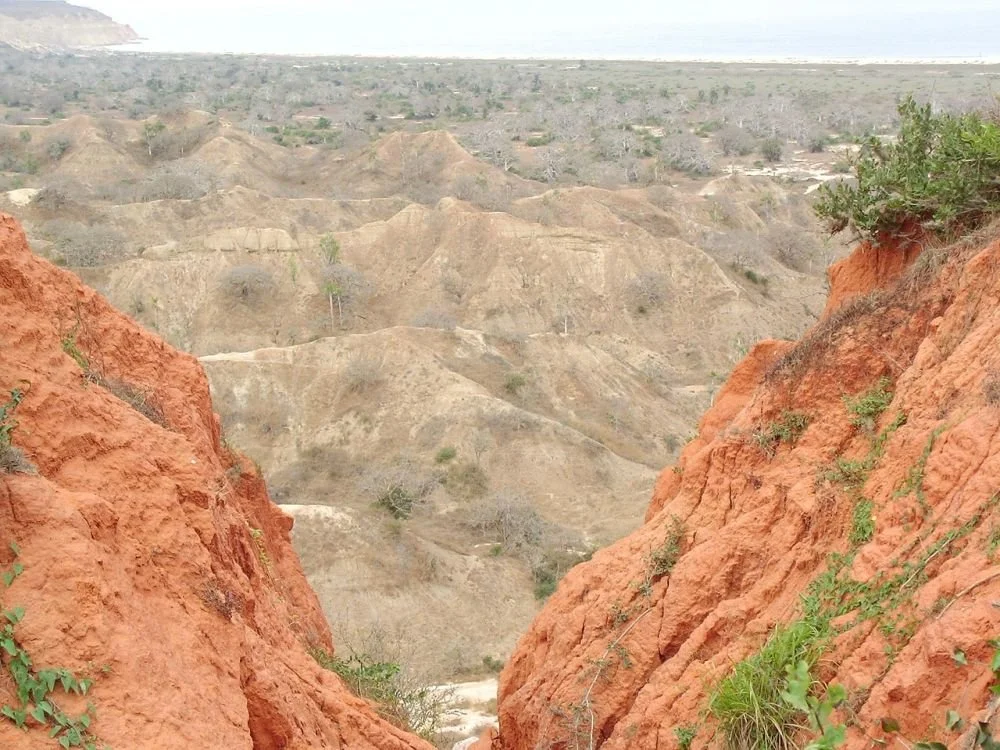
Welcome to Angola, where the Atlantic shimmers in deep sapphire tones, red‑earth plateaus stretch toward a limitless sky, and rhythms of kizomba, semba, and ancestral memory pulse through daily life.
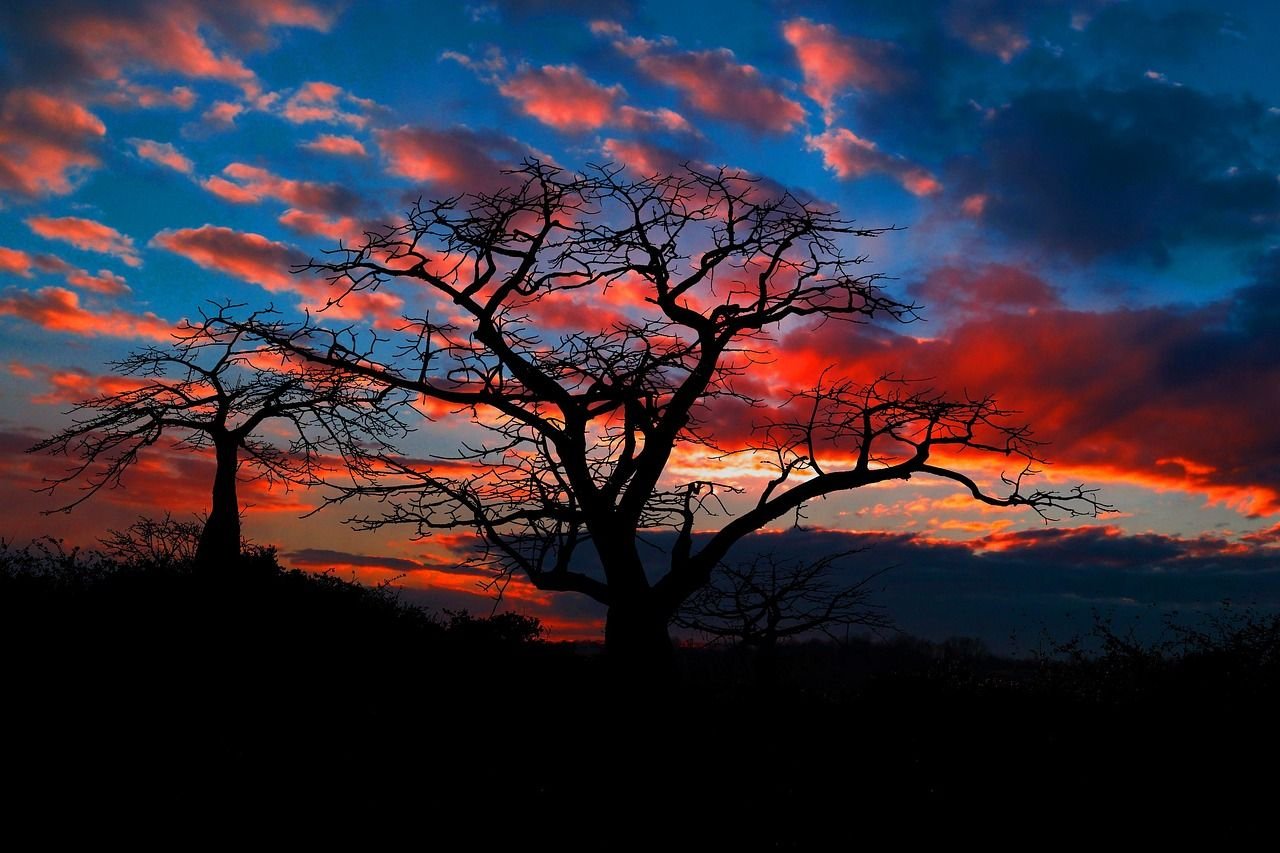
Journey from the sweeping dunes of the Namib to the lush river valleys of the interior, wander beneath baobab silhouettes at sunset, and breathe in the warm scent of earth, sea, and tropical rain carried on the coastal breeze.
Every region tells its own story — shaped by ancient kingdoms, Portuguese influence, resilient traditions, and a cultural pride that runs deep — inviting you to explore, taste, and connect.
More than a destination, Angola is an experience of raw beauty and living heritage: dramatic landscapes, vibrant cities, timeless villages, and a spirit of endurance and creativity that stays with you long after you leave its shores.
Translation to Portuguese:
Visite Angola
Bem‑vindo a Angola, onde o Atlântico brilha em tons profundos de safira, os planaltos de terra vermelha estendem‑se até um céu sem limites, e os ritmos da kizomba, do semba e da memória ancestral pulsam no quotidiano.
Viaje pelas dunas imensas do Namibe até aos vales verdejantes do interior, caminhe sob as silhuetas dos embondeiros ao pôr do sol e respire o aroma quente da terra, do mar e da chuva tropical levada pela brisa costeira.
Cada região conta a sua própria história — moldada por antigos reinos, pela influência portuguesa, por tradições resilientes e por um orgulho cultural profundamente enraizado — convidando‑o a explorar, saborear e conectar‑se.
Mais do que um destino, Angola é uma experiência de beleza pura e património vivo: paisagens dramáticas, cidades vibrantes, aldeias intemporais e um espírito de resistência e criatividade que permanece consigo muito depois de deixar estas terras.
Angola — explore taxis, taxi apps, airport transfers, rental cars with chauffeur, tours & sightseeing - Featured partners:

Kubinga: Angola’s on‑demand taxis, deliveries, and mobility services

Eco-tur -airport pickups, city transport, and guided excursions.
Tours & Expeditions Angola - tours, safaris, and transport around Angola

Morvic táxi - serviços de táxi personal - Luanda

Costa Phoebe - luxury chauffeur, airport transfer, car hire, and private transport services in Angola

UGO - Angolan ride-hailing platform offering taxis, airport transfers, and private transport services
Getting Around Angola
Transport, Shuttles, and Practical Travel Tips
Angola is one of Africa’s most diverse and visually striking countries — a land of Atlantic coastlines, red‑earth plateaus, cascading waterfalls, and cultures shaped by ancient kingdoms and modern resilience.
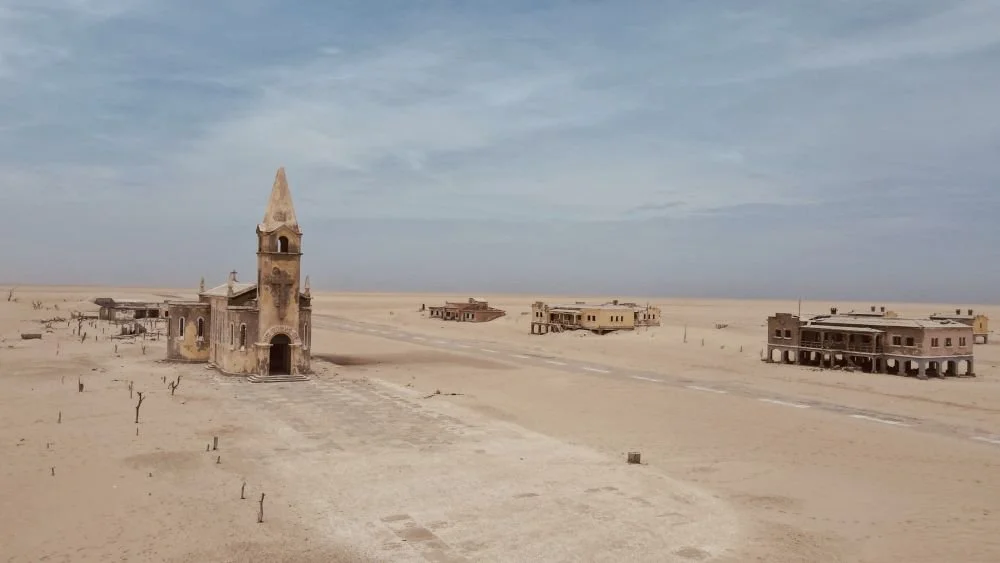
In a single journey, travellers can move between Luanda’s energetic waterfront, the lunar landscapes of Namibe, the lush highlands of Huambo, and the dramatic gorges of Kwanza Sul.
This guide explains how transport works in Angola — domestic flights, intercity buses, private drivers, car hire, rail lines, and local transport — with realistic travel times, costs, and context for exploring both the coast and the vast interior.
Transport Options in Angola
Car Hire (Highly Recommended)
For most visitors, renting a car (often with a driver) is the simplest way to explore Angola.
Essential for remote natural attractions
Ideal for Namibe Desert, Kalandula Falls, and national parks
Offers flexibility for rural roads and scenic plateaus
Typical cost: US$60–120 per day (higher for 4x4 vehicles, which are strongly recommended)
Road quality varies: major highways are improving, but rural routes can be rough, unpaved, or slow after rain.
Intercity Buses
Buses connect major cities and provincial capitals.
Operated by companies such as Macon and SGO
Reliable on main corridors
Limited frequency in remote provinces
Typical cost: US$10–40 depending on distance
Buses are practical for routes like Luanda → Benguela → Lubango, but less convenient for national parks or rural attractions.
Trains
Angola has three historic east–west railway lines, rebuilt in recent years.
Main routes:
Luanda Railway: Luanda ↔ Malanje
Benguela Railway: Lobito ↔ Huambo ↔ Luena ↔ Luau
Moçâmedes Railway: Namibe ↔ Lubango ↔ Menongue
Typical cost: US$5–25
Trains are comfortable and scenic but not frequent; schedules vary by region.
Private Drivers & Transfers
Private transfers are widely used by travellers and locals.
Flexible schedules
Safer for long distances
Ideal for airport pickups and remote destinations
Typical cost: US$80–250 depending on distance
Popular for Luanda Airport → Talatona, Luanda → Kissama National Park, and Lubango → Namibe Desert.
Domestic Flights
Given Angola’s size, flying is often the fastest way to move between regions.
Main airports:
Luanda (Quatro de Fevereiro Airport) – international hub
Lubango (Mukanka Airport) – gateway to Namibe & Serra da Leba
Huambo (Albano Machado Airport) – central highlands
Cabinda Airport – northern exclave
Flights connect major cities and remote provinces.
Flight time Luanda → Lubango: ~1 hour 40 minutes
Ferries & Boats
Angola has limited passenger ferry services, mostly local river or lagoon crossings. Coastal and river transport is used mainly in:
Soyo region
Cabinda
Kwanza River areas
Not a primary mode for tourists.
Getting Around Angola’s Main Areas
Luanda (Capital & Coast)
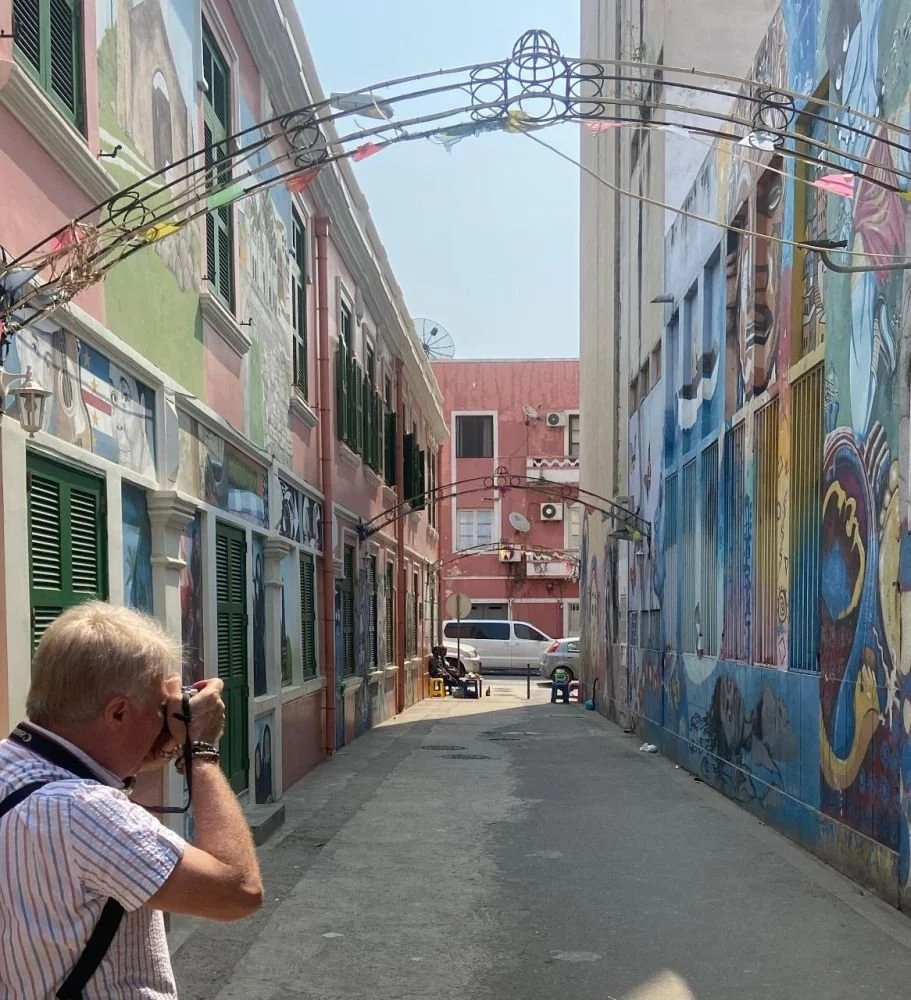
A vibrant mix of colonial architecture, modern towers, and Atlantic beaches.
Marginal promenade is walkable
Taxis and ride‑hailing apps available
Traffic can be heavy during peak hours
Luanda Airport → City Centre: 20–40 minutes | US$15–30 by taxi
Nearby highlights:
Ilha do Cabo
Fortress of São Miguel
Miradouro da Lua
Benguela & Lobito (Central Coast)
Relaxed coastal cities with colonial charm and long beaches.
Easy to explore by taxi or hired car
Benguela ↔ Lobito: 30 minutes
Good base for Catumbela and central coast
Closest airport: Catumbela Airport
Lubango & Serra da Leba (Southwest Highlands)
Cooler climate, dramatic escarpments, and iconic viewpoints.
Best explored by car
Taxis available in town
Roads to Serra da Leba are paved but winding
Nearby:
Christ the King statue
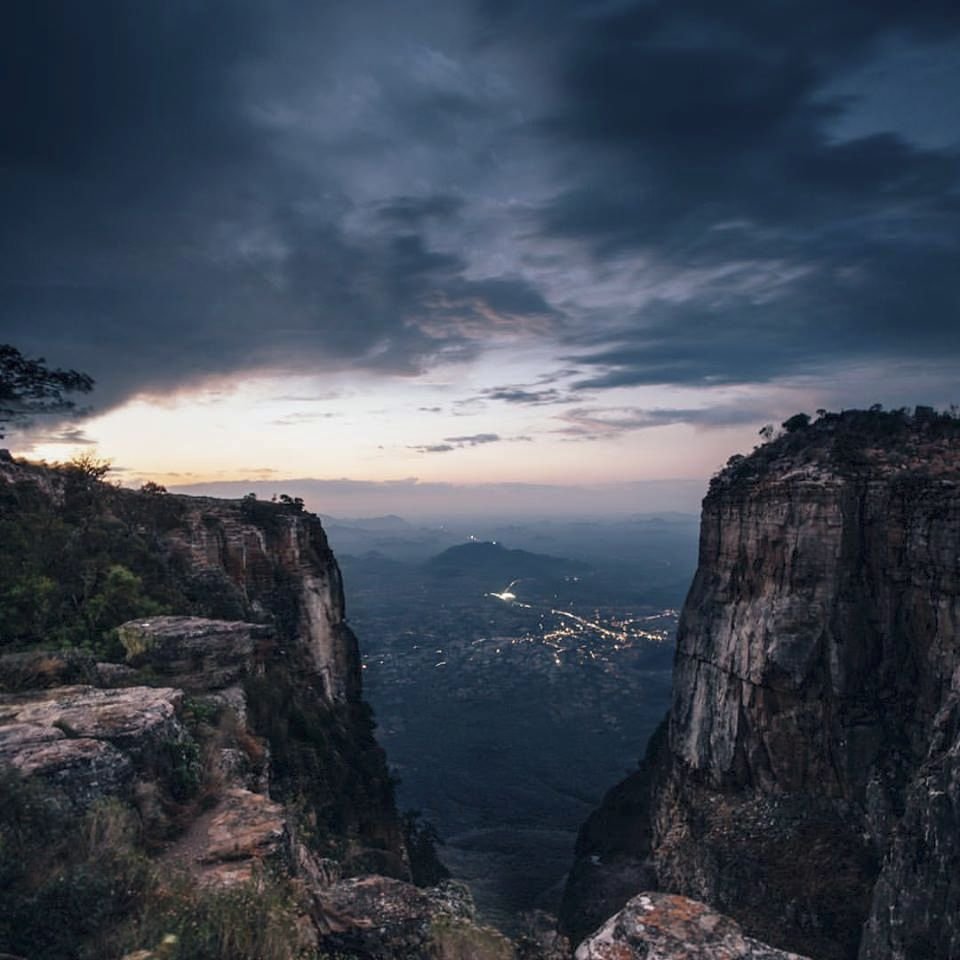
Tundavala Gap
Serra da Leba Pass
Namibe & Iona National Park (Southwest Desert)
Otherworldly desert landscapes meeting the Atlantic.
Car essential (preferably 4x4)
Limited public transport
Popular for desert tours and coastal drives
Key areas:
Namibe Desert
Iona National Park
Tombwa
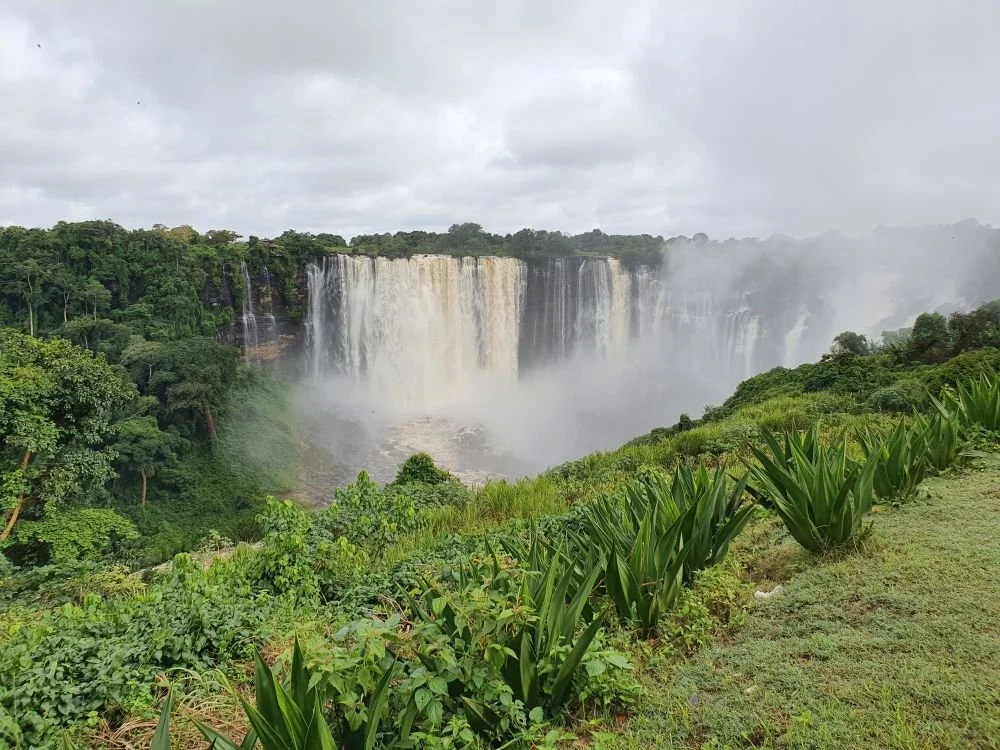
Kalandula Falls & Malanje Province
One of Africa’s largest waterfalls.
Best reached by private driver or rental car
Luanda → Kalandula: ~5–6 hours
Rural roads vary in condition
Nearby:
Pedras Negras de Pungo Andongo
Cangandala National Park
Cabinda (Northern Exclave)
Separated from mainland Angola by the DRC.
Flights from Luanda
Taxis and private drivers available
Known for beaches and Mayombe forest
Popular Routes: Travel Times & Costs
Luanda → Benguela
Car: ~7–8 hours
Bus: 8–10 hours
Flight: 1 hour
Luanda → Lubango
Car: ~12–14 hours
Bus: 14–16 hours
Flight: 1 hour 40 minutes
Lubango → Namibe
Car: ~2–3 hours
Private driver: US$60–120
Luanda → Kalandula Falls
Car: ~5–6 hours
Private driver: US$150–250
Benguela → Huambo
Car: ~3–4 hours
Bus: 4–5 hours
Inland Angola: Waterfalls, Plateaus & Ancient Kingdoms
Beyond the coast, Angola reveals a landscape shaped by centuries of culture and geology.
Inland highlights include:
Kalandula Falls – one of Africa’s most powerful waterfalls
Tundavala Gap – dramatic escarpment views
Bié Plateau – rolling highlands
Historic sites of the Kongo and Ovimbundu kingdoms
Travelling inland often requires:
A 4x4 vehicle
Longer travel times
Flexible planning
A car or private driver is strongly recommended.
Top Places to Visit in Angola
Luanda – Culture, food, and Atlantic coastline
Benguela & Lobito – Beaches and colonial charm
Lubango – Highlands and Serra da Leba
Namibe & Iona – Desert landscapes
Kalandula Falls – Iconic waterfall
Cabinda – Forests and quiet beaches
Tundavala Gap – One of Angola’s best viewpoints
Practical Notes for Travellers
Dry season (May–October) is ideal for travel
Roads can be slow after rain
Portuguese is the main language; English is limited outside Luanda
Fuel stations are common on major routes but sparse in remote areas
A 4x4 is recommended for national parks and rural provinces
Angola rewards travellers who combine coast, culture, and wilderness.
With a mix of flights, intercity buses, private drivers, and (most importantly) a reliable vehicle, the country is entirely navigable — yet still feels wild, vast, and deeply authentic.
Prices shown are approximate and current as of May 2026.
Popular Destinations, Angola tours and transport: Featured Plus
-
![Pure and Authentic Tourism, Luanda - Angola]()
private transport, excursions, and guided travel experiences
-
![LeluTour Angola]()
tours and travel services in Luanda and beyond
-
![Angola Travel and Tours]()
guided tours of Luanda, day trips to Kalandula Falls, and more
-
![T'LEVA LDA taxi service Angola]()
ride-hailing and taxi service operating primarily in Luanda
-
![Limo Vip Services]()
luxury chauffeur, airport transfer, and private transport services in Luanda


A Short History of Angola
Angola’s history stretches back thousands of years, shaped by powerful kingdoms, Atlantic trade, colonial rule, and a long struggle for independence.
Before Europeans arrived, the region was home to sophisticated societies such as the Kingdom of Kongo in the north, the Ndongo and Matamba kingdoms in the central plateau, and the Ovimbundu trading states in the highlands.
These kingdoms developed complex political systems, regional trade networks, and rich cultural traditions that still influence Angola today.
In the late 15th century, Portuguese explorers reached the coast, establishing Luanda in 1576.
Over the next centuries, Angola became a major hub of the Atlantic slave trade, with millions of people taken to the Americas.
Portuguese control expanded slowly inland, often through alliances and conflicts with local rulers, including the famous resistance led by Queen Nzinga Mbande of Ndongo and Matamba in the 1600s.
By the late 19th and early 20th centuries, Portugal consolidated Angola as a colony, developing plantations, mining, and forced‑labour systems.
Growing nationalist movements in the mid‑20th century led to the War of Independence, and Angola finally became a sovereign nation on 11 November 1975.
Independence was followed by a long and devastating civil war (1975–2002), driven by Cold War rivalries and internal divisions.
The conflict ended in 2002, opening a new era of reconstruction, economic growth, and cultural renewal.
Today, Angola is a country of remarkable resilience — a place where ancient kingdoms, colonial history, and modern aspirations meet, shaping one of Africa’s most dynamic and diverse nations.

Coffea arabica and its origins in Ethiopia (ShuttlesA2B)