Essential Guide to Corsica- Shuttles, Transfers and Tours:
Navigate Your Journey with Confidence and Style
France - Corsica — ferries, shuttle services, taxis, private drivers and tours -Featured partners:

Taxi Costa Transport, Monticello, Corsica
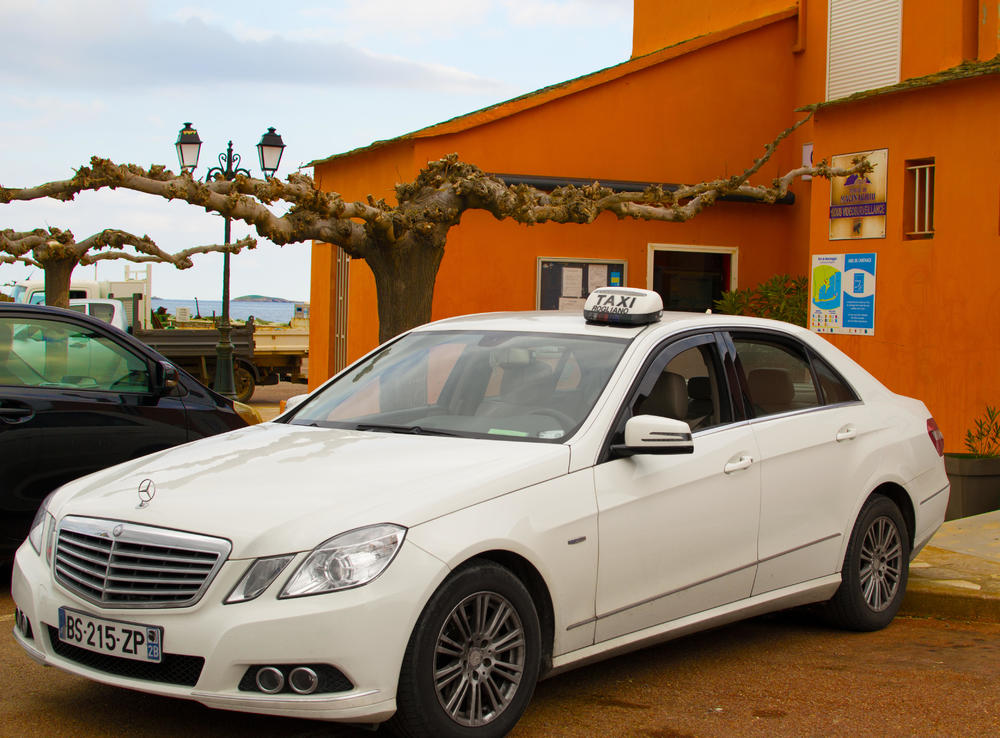
Transport Scaniglia, Macinaggio, Upper Corsica
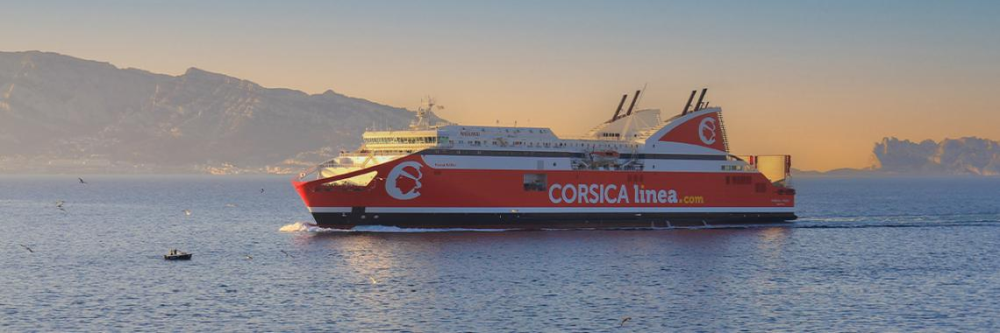
Corsica Linia - ferry entre Marseille et la Corse

Eline Transport – private driver service VTC across Corsica

Bonifacio Taxi - services de taxi professionnels à Bonifacio et dans toute la Corse
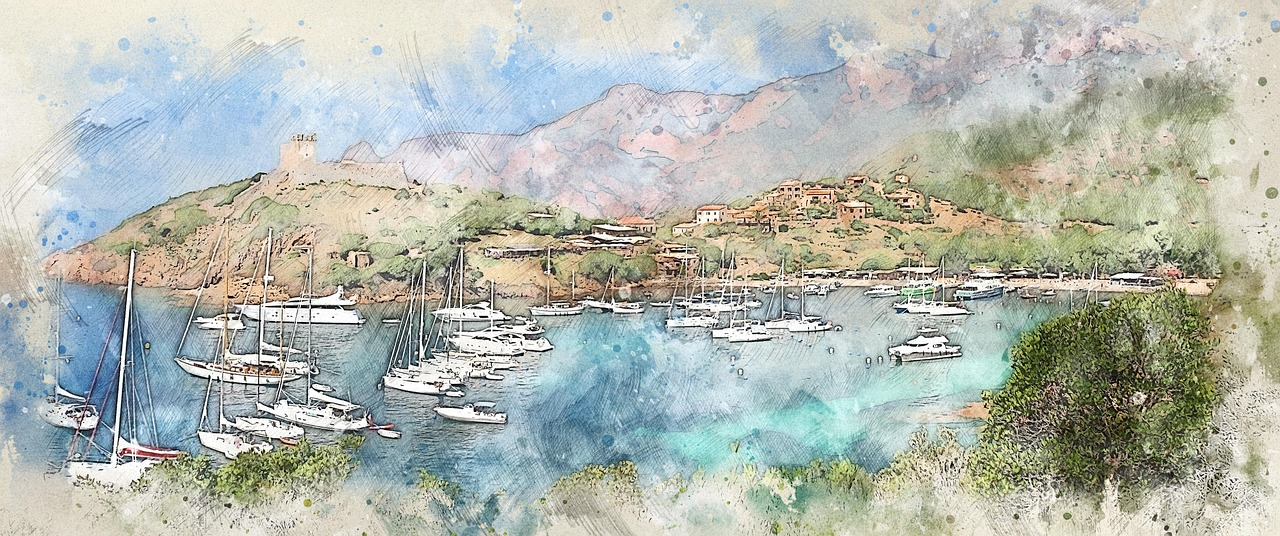
Corsica, a French island in the Mediterranean with a fiercely independent spirit, blends dramatic landscapes with a strong cultural identity.
Often called l’Île de Beauté (the Island of Beauty), it offers an exceptional mix of mountains, beaches, and historic towns within a compact area.
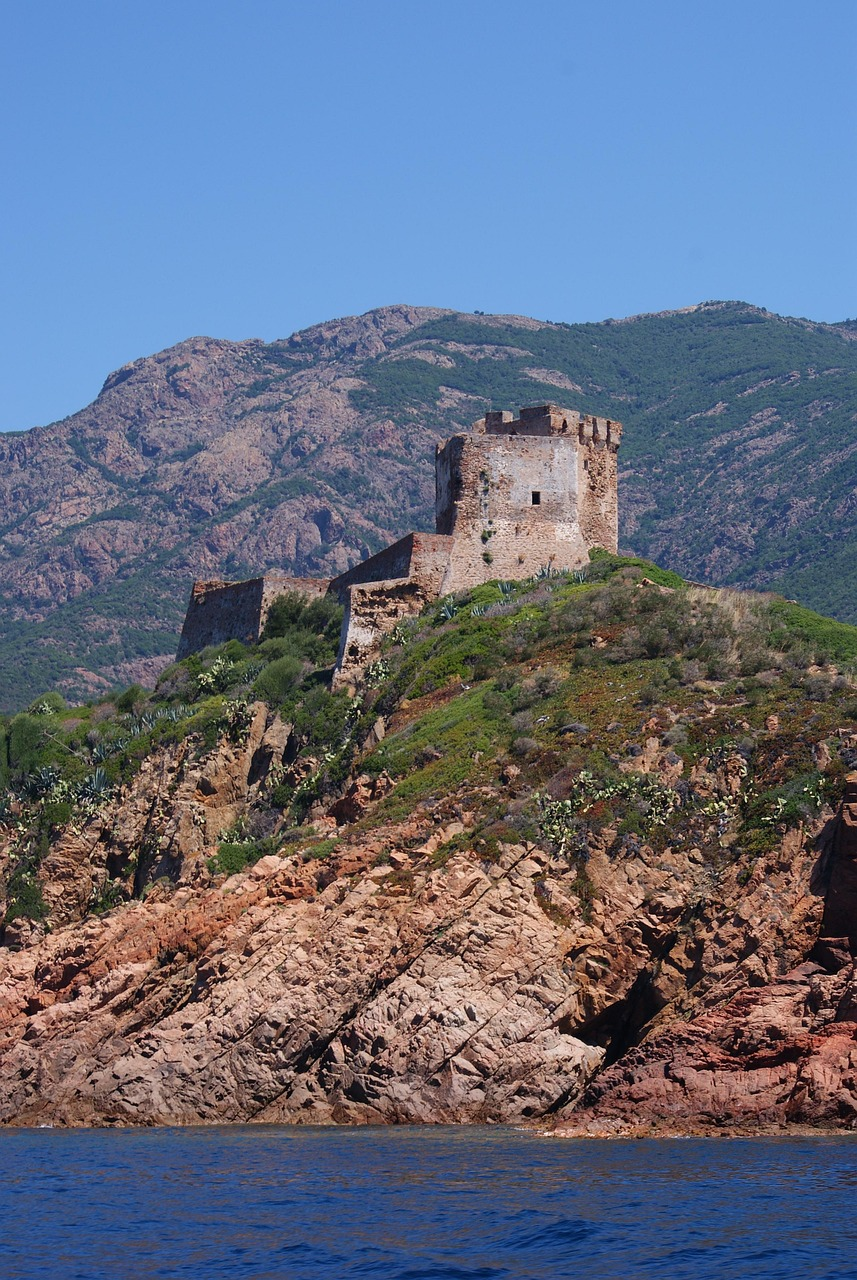
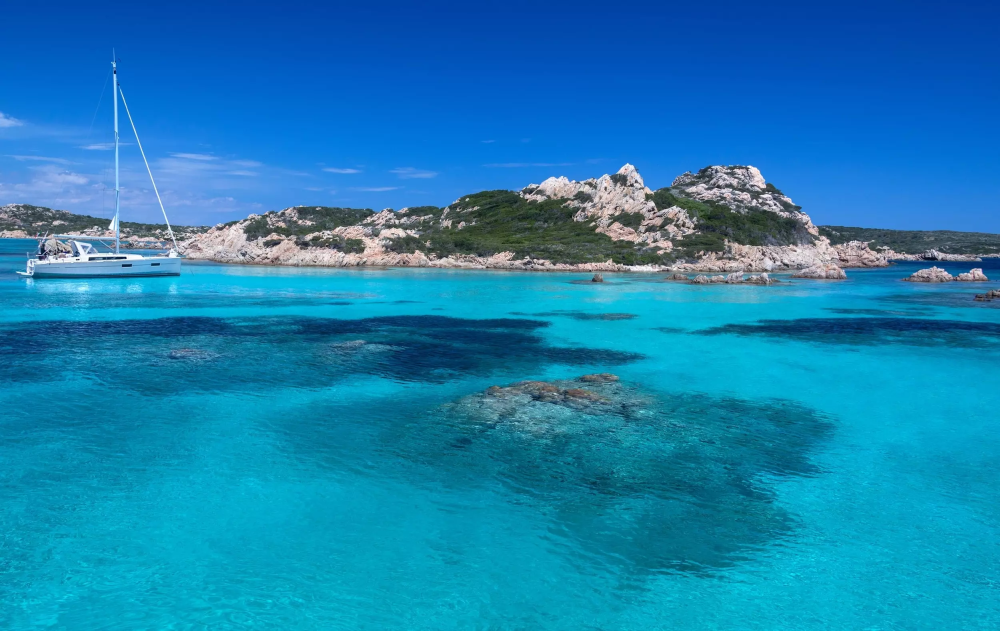
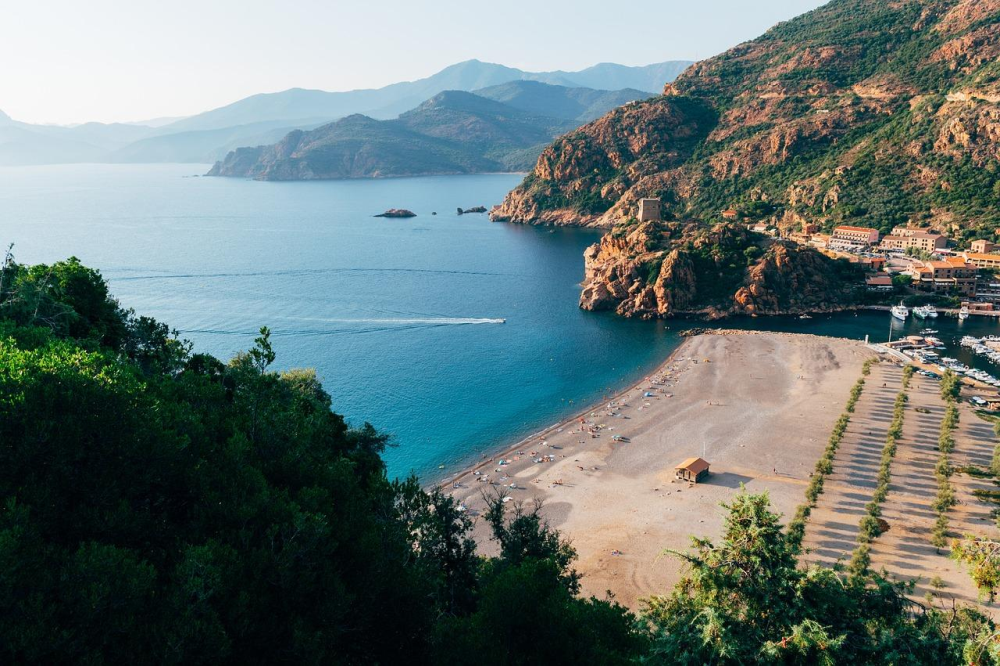
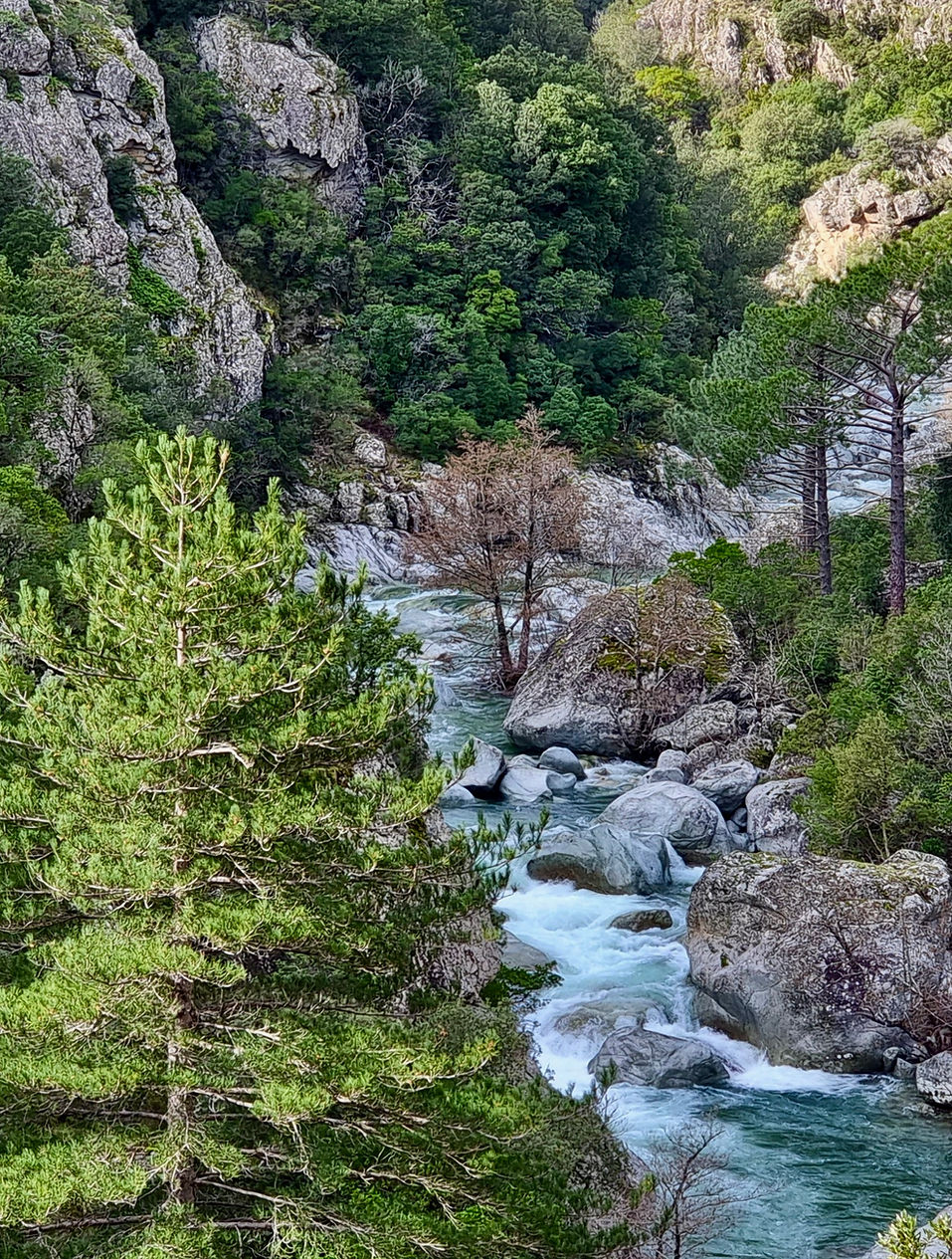
The coastline ranges from long white-sand beaches in the south, such as Palombaggia and Santa Giulia, to rugged cliffs and hidden coves in the west and north. Inland, the island rises quickly into forested mountains, chestnut groves, and deep gorges, making Corsica a paradise for hikers. The famous GR20, one of Europe’s toughest long-distance trails, crosses the island from north to south.
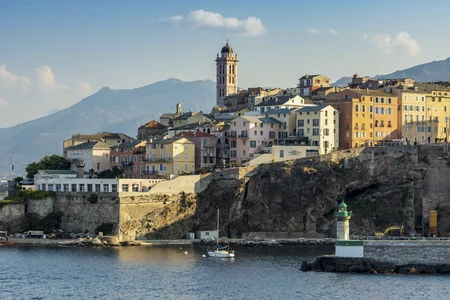
Corsican towns reflect layers of history shaped by Genoese, French, and Italian influences. Ajaccio, Napoleon Bonaparte’s birthplace, combines relaxed beaches with museums and cafés, while Bastia offers a lively old port and strong local character. Hilltop villages provide panoramic views and a slower pace of life.
Corsican cuisine is distinctive, featuring local cheeses like brocciu, cured meats, chestnuts, seafood, and regional wines. Despite being part of France, the island retains its own language, traditions, and music, giving it a character unlike anywhere else in the country.
For visitors, Corsica appeals equally to beach lovers, outdoor enthusiasts, and travellers seeking authenticity, nature, and a strong sense of place.
Corsican:
A Corsica, isula francese in u Mediterraniu cù un spiritu forte è indipendente, riunisce paisaghji spettaculari è una identità culturale marcata.
Spessu chjamata l’Isula di a Bellezza, offre una cumbinazione eccezziunale di muntagne, spiagge è cità storiche, tutte in un spaziu relativamente chjucu.
A costa varia trà lunghe spiagge di rena bianca in u sudu, cum’è Palombaggia è Santa Giulia, è scuglieri salvatichi cù calette piattate in l’ovest è in u nordu. À l’internu, l’isula s’alza prestu in muntagne boscose, castagneti è gole prufonde, facendu di a Corsica un veru paradisu per l’amatori di a marchja. U famosu GR20, unu di i sentieri di longa distanza i più difficiuli d’Europa, traversa l’isula da nordu à sudu.
E cità corsiche riflettenu strati di storia marcati da influenze genuvese, francese è taliane. Aiacciu, cità nativa di Napulione Bonaparte, unisce spiagge rilassanti cù musei è caffè, mentre Bastia prupone un vechju portu animatu è un caratteru lucale assai forte. I paesi arrampicati in muntagna offrenu viste panoramiche è un ritimu di vita più tranquillu.
A cucina corsa hè distinta, cù furmagli lucali cum’è u brocciu, salumi, castagne, frutti di mare è vini regiunali. Malgradu ch’ella sia parte di a Francia, l’isula cunserva a so lingua, e so tradizione è a so musica, dendu li una personalità unica.
Per i visitadori, a Corsica seduce à tempu l’amatori di a spiaggia, l’appassiunati di a natura è quelli chì cercanu autenticità, paisaghji salvatichi è un veru sensu di locu.
Popular Destinations, Corsica tours and transport: Featured Plus
-
![Corsica VTC - https://corsica-vtc.com/]()
Corsica VTC - Transport VTC - Corse du Sud
-
![https://corse-nautic-escape.com/]()
sail in the heart of the most beautiful places in the south of Corsica
-
![https://corsica-excursions.com/]()
Corsica Xcursions, votre compagnon de route pour visiter la Corse!
-
![https://www.authentictour.net/en]()
discover a unique experience in Corsica
-
![corsicatours.com]()
the soul of Corsica is revealed on your trip with Corsicatours
Getting around Corsica is part of the adventure, and there are a few good options depending on how you like to travel.
If you want maximum flexibility, hiring a car is the most common choice. Corsica’s most beautiful spots are often inland or tucked along winding coastal roads, and a car lets you explore at your own pace. Just be aware that roads can be narrow and slow, especially in the mountains.
Trains run mainly along the north and west of the island, linking places like Bastia, Ajaccio, Calvi and Corte. The routes are scenic and relaxed, but the network is limited, so trains work best if you’re visiting a few main towns rather than remote beaches or villages.
Local buses exist, but services can be infrequent and seasonal. They’re useful in towns and for short hops, but not ideal if you’re on a tight schedule.
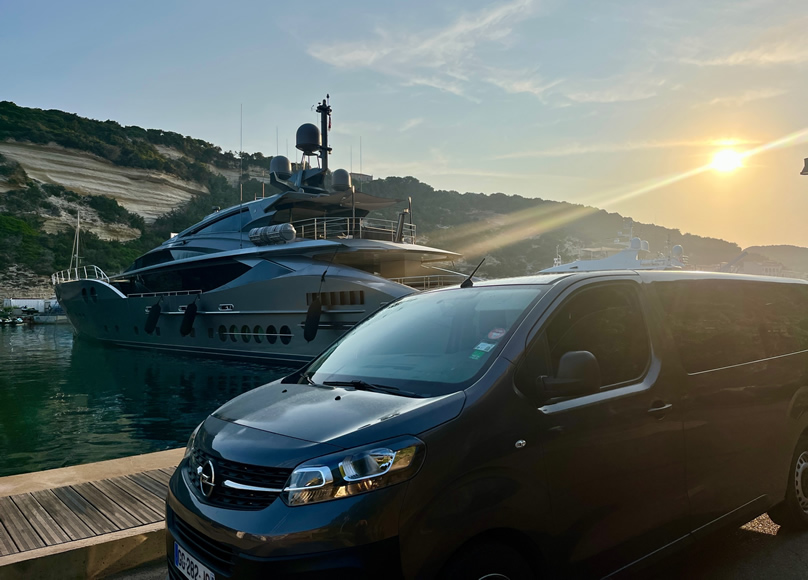
For visitors who don’t want to drive, VTC services (Véhicules de Transport avec Chauffeur) are an excellent option and increasingly popular in Corsica. VTCs are private cars with a driver, booked in advance, with a fixed price agreed before the trip. They’re ideal for airport transfers, port pickups, hotel-to-hotel journeys, or day trips with a local driver who knows the roads well. This is especially appealing in mountainous areas or busy summer periods, when driving and parking can be stressful.
Taxis are available in towns, but numbers are limited and street hailing is unreliable, so pre-booking is essential.
In short, Corsica suits a mix of transport styles—but for comfort, local insight, and hassle-free travel, VTC services are one of the easiest and most visitor-friendly ways to get around the island.
French:
Se déplacer en Corse fait partie du voyage, et plusieurs options s’offrent à vous selon votre style de voyage.
Si vous recherchez une liberté totale, la location de voiture reste le choix le plus courant. De nombreux sites emblématiques de Corse se trouvent à l’intérieur des terres ou le long de routes côtières sinueuses, et une voiture permet d’explorer à son propre rythme. Il faut toutefois garder à l’esprit que les routes peuvent être étroites et lentes, surtout en zone montagneuse.
Les trains desservent principalement le nord et l’ouest de l’île, reliant notamment Bastia, Ajaccio, Calvi et Corte. Les trajets sont très pittoresques et agréables, mais le réseau est limité. Le train convient surtout si vous restez dans les grandes villes ou sur des itinéraires précis.
Les bus locaux existent, mais les fréquences peuvent être faibles et très saisonnières. Ils sont pratiques en ville ou pour de courts trajets, mais moins adaptés si vous avez un planning serré.
Pour les visiteurs qui préfèrent ne pas conduire, les services VTC (Véhicules de Transport avec Chauffeur) constituent une excellente solution et sont de plus en plus populaires en Corse. Les VTC sont des voitures privées avec chauffeur, réservées à l’avance, avec un tarif fixé à l’avance. Ils sont particulièrement adaptés pour les transferts depuis et vers les aéroports, les ports, les trajets entre hôtels, ou encore pour des excursions à la journée avec un chauffeur local connaissant parfaitement les routes. C’est une option très appréciée dans les zones montagneuses ou en haute saison, lorsque la conduite et le stationnement peuvent devenir contraignants.
Les taxis sont présents dans les villes, mais leur nombre est limité et il est rare de pouvoir en héler un dans la rue. La réservation à l’avance est donc fortement recommandée.
En résumé, la Corse se découvre bien en combinant plusieurs modes de transport. Mais pour le confort, la tranquillité et une expérience sans stress, les services VTC figurent parmi les options les plus simples et les plus agréables pour les visiteurs.