
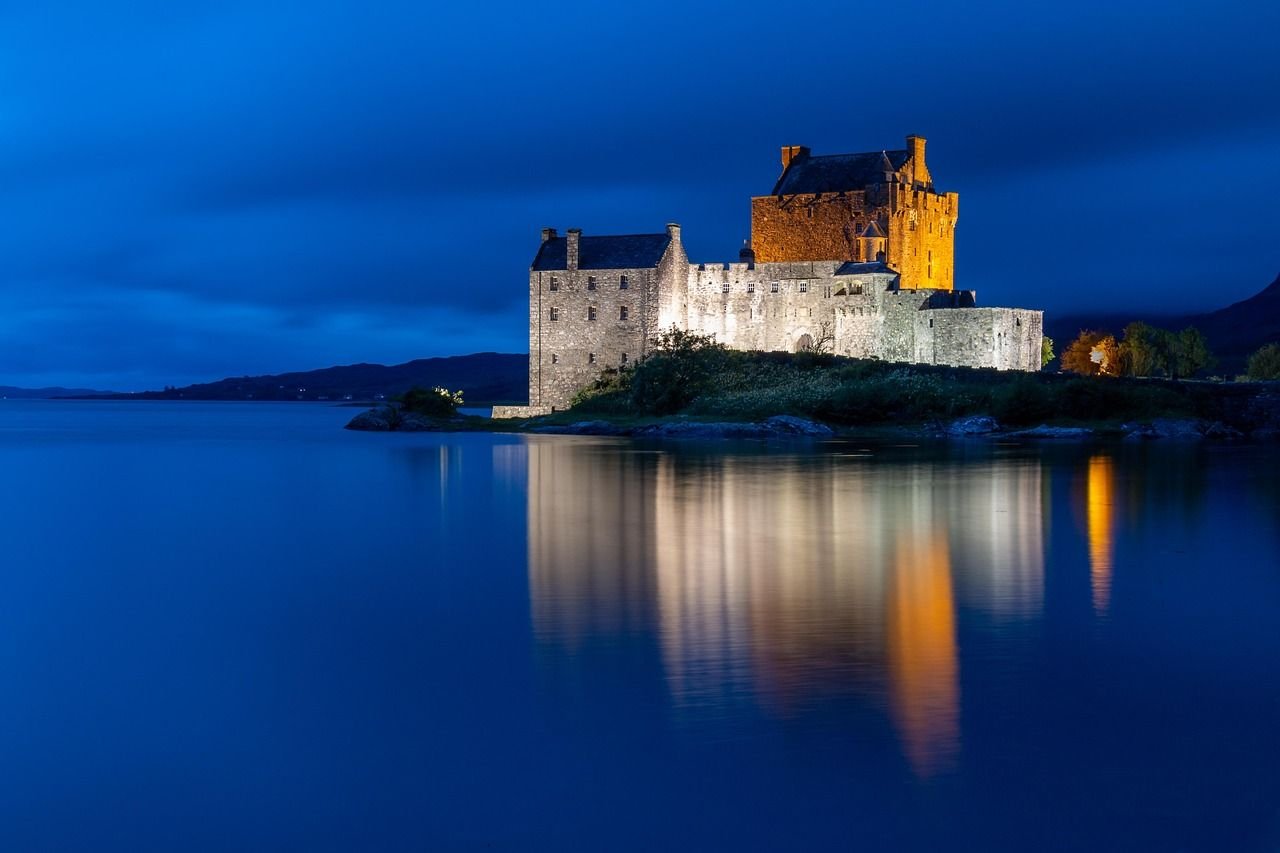
Essential Guide to United Kingdom Shuttles & Sightseeing:
Navigate Your Journey with Confidence and Style
Welcome to the United Kingdom, a nation where historic cities, rolling countryside, and vibrant cultural traditions come together.
From iconic landmarks to charming villages and world‑class museums, the UK offers a rich blend of heritage and modern experiences for every traveller.
United Kingdom — explore shuttles, airport transfers, private drivers, tours & sightseeing - Featured partners:

Heathrow Shuttle - door to door private transfers to and from London Heathrow Airport

Just Airports London - London-based professional chauffeur company
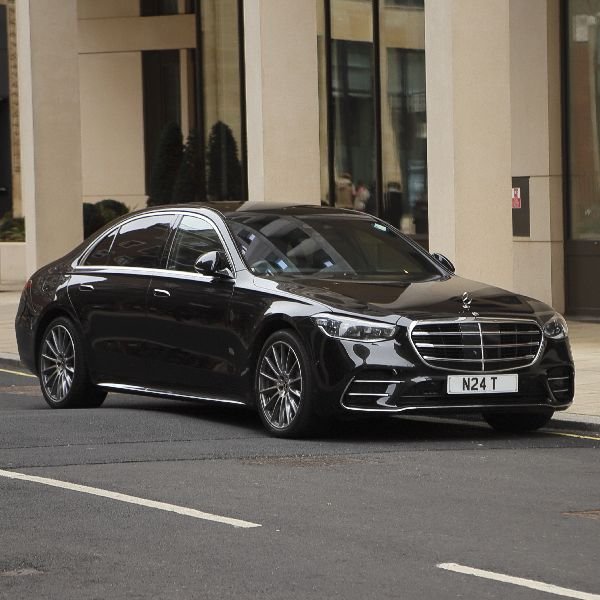
Transfers.London

London Heathrow Transfers - private chauffeur for hire, luxury airport transfers, and chauffeur-driven Mercedes services
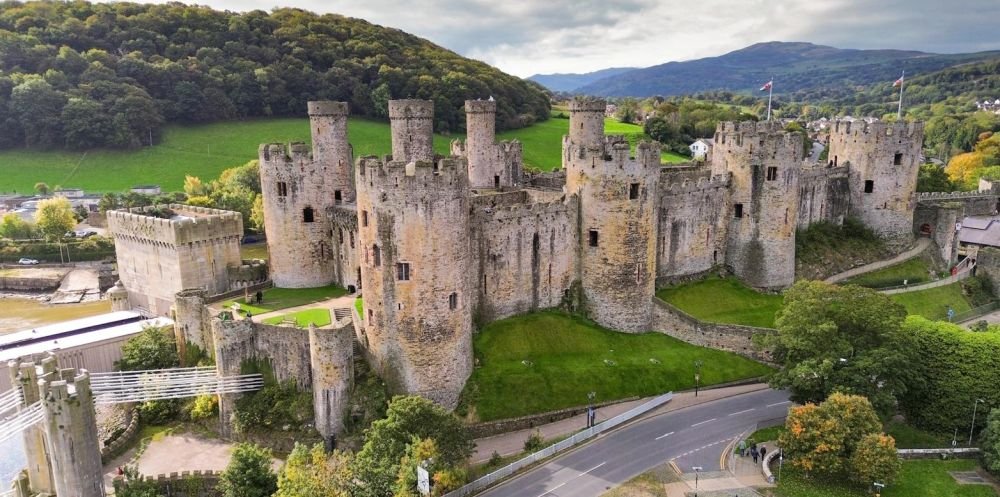
Mountain Goat Tours - the Lake District, England

Windermere Lake Cruises - Lake District adventure

Oxford Alumni Tours - college walkingtour led by University Alumni
Anderson Tours - day tours from London
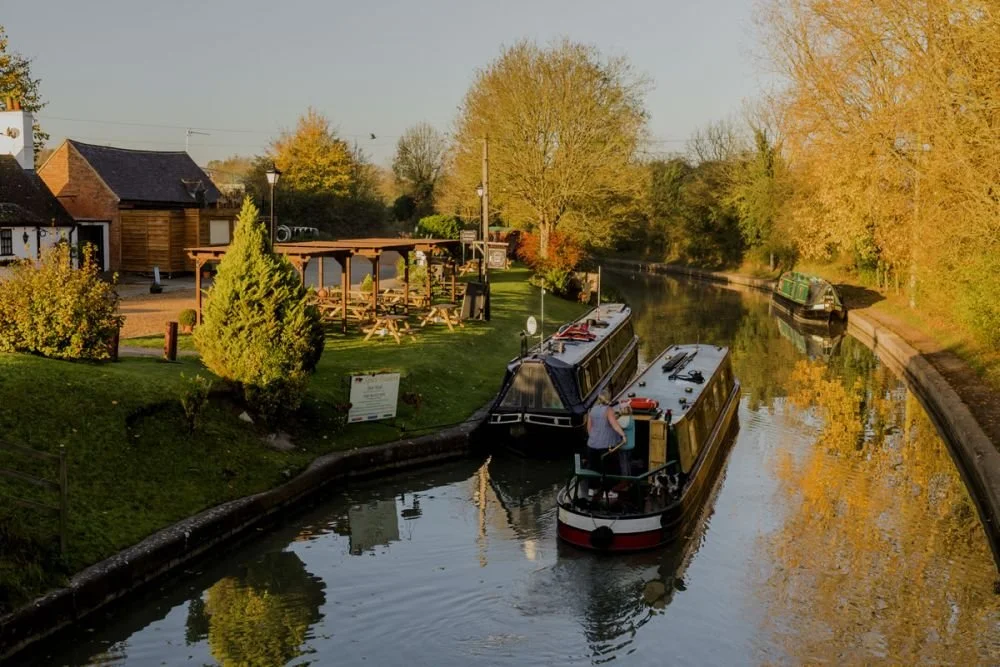
Great British Boating - canal‑boat holidays across Britain’s inland waterways

Londoncitytransfer UK - Heathrow, Gatwick, Stansted, Luton Taxis
Getting Around the United Kingdom
Transport, Trains, Shuttles & Practical Travel Tips
The United Kingdom is compact, well connected, and rich in history and variety. In a single trip, travellers can move easily between major cities, university towns, national parks, and coastal regions.
From London in the south to Edinburgh in the north, with stops in Manchester, Liverpool, Oxford and Cambridge, the country is straightforward to explore using a mix of trains, buses, and occasional flights.
This guide explains how transport works across the UK — with realistic travel times, costs, and when each option makes sense.
Transport Options in the United Kingdom
Trains (National Rail)
The rail network is the backbone of travel in the UK and, in most cases, the easiest way to move between cities.
• Fast intercity services
• Frequent departures
• Direct access to city centres
• Seat reservations available and worth considering
Typical cost:
£30–£150 depending on distance and how early you book
Popular routes:
London → Manchester: ~2h 10m
London → Edinburgh: ~4h 30m
London → Oxford: ~1h
For most city-to-city travel, trains are the best option.
Regional Trains
Regional services connect smaller towns and rural areas.
• Slower but reliable
• Turn up and go on many routes
• No reservation needed in most cases
Typical cost:
£10–£40
Useful for reaching places like:
Cotswolds
Bath
York
Canterbury
Lake District
Buses & Coaches
Buses and long-distance coaches are a cheaper alternative to trains.
• Extensive national coverage
• Slower journey times
• Good for budget travel
Typical cost:
£5–£30
Best used for:
• Smaller towns without rail access
• Coastal routes
• Travellers prioritising price over speed
Shuttles & Airport Transfers
Transfers are widely available, especially around major airports.
Key airports include:
Heathrow Airport
Gatwick Airport
Manchester Airport
Cost:
£20–£100 depending on distance and service
Trains are often just as fast — and sometimes faster — than road transfers.
Private Drivers
Private drivers make sense when public transport becomes limiting.
• Day trips from London
• Rural itineraries
• Multi-stop journeys
Typical cost:
£250–£600 per day
Common uses include:
• Stonehenge with Bath
• Exploring the Cotswolds
• Touring the Scottish Highlands
Domestic Flights
Flights are mainly useful for longer distances or reaching Northern Ireland.
• London → Edinburgh: ~1h 20m
• London → Belfast: ~1h 15m
Typical cost:
£40–£120
On mainland routes, trains are often more convenient once airport time is factored in.
Getting Around the UK’s Main Regions & Cities
London & Southeast England
London
• Extensive Underground, bus, and rail network
• Easy to get around without a car
• Walking works well in central areas
Heathrow → Central London:
~30–45 minutes by train
Oxford & Cambridge
• Around 1 hour from London
• Easy day trips
• Compact and best explored on foot
Canterbury
• Around 1 hour from London
• Direct rail access
• Small, historic centre
Southwest England
Bath
• ~1h 30m from London by train
• Everything within walking distance
Cotswolds
• Rail access to main towns, but not villages
• Best explored by car or guided tour
Northern England
Manchester & Liverpool
• ~2–2.5 hours from London
• Frequent train services
• Good local transport
York
• ~2 hours from London
• One of the easiest historic cities to explore on foot
Lake District
• Train access via Oxenholme or Windermere
• Car recommended for flexibility
Scotland
Edinburgh
• Compact and easy to navigate
• Good bus and tram network
Scottish Highlands
• Limited public transport
• Best explored by car or organised tour
Train London → Edinburgh: ~4h 30m
Wales
Cardiff
• ~2 hours from London
• Compact and easy to get around
Snowdonia (Eryri National Park)
• Limited rail access
• Car or tour recommended
Northern Ireland
Belfast
• Best reached by air
• Simple transport within the city
Ferry connections link Northern Ireland with Scotland and northern England.
Popular Routes: Travel Times & Costs
London → Manchester
• Train: ~2h 10m | £30–£120
London → Edinburgh
• Train: ~4h 30m | £40–£150
London → Oxford
• Train: ~1h | £10–£40
London → Bath
• Train: ~1h 30m | £20–£60
London → York
• Train: ~2h | £25–£80
Manchester → Liverpool
• Train: ~40m | £5–£20
London → Belfast
• Flight: ~1h 15m | £40–£120
Ferries & Coastal Travel
Ferries are part of everyday transport in some parts of the UK.
They operate:
• Between mainland Britain and Northern Ireland
• From Scotland to island communities
• To places such as the Isle of Wight
They’re often scenic, but in many cases essential rather than optional.
Driving in the United Kingdom
Car rental is useful in specific regions rather than everywhere.
Recommended for:
• Cotswolds
• Lake District
• Scottish Highlands
• Wales and coastal areas
Not recommended for:
• Central London
• Major cities with good public transport
• Travellers uncomfortable driving on the left
Top Places to Visit in the United Kingdom
• London – capital and transport hub
• Edinburgh – historic and cultural centre
• Manchester – modern city with strong identity
• Liverpool – maritime history and music heritage
• Oxford – university city
• Cambridge – colleges and river setting
• Bath – Georgian architecture and Roman history
• York – medieval streets and walls
• Cotswolds – rural villages
• Lake District – national park landscapes
• Scottish Highlands – remote scenery
• Cardiff – Welsh capital
• Snowdonia – mountain landscapes
• Belfast – gateway to Northern Ireland
• Stonehenge – prehistoric site
• Isle of Wight – coastal escape
The UK’s transport system is extensive and generally easy to use. Trains handle most intercity travel, regional services fill in the gaps, and buses, ferries, and occasional flights cover everything else.
With a bit of planning — and the right mix of transport — travelling around the United Kingdom is straightforward and flexible.
N.B. Prices shown are indicative and reflect typical costs in the United Kingdom as at April 2026.
Popular Destinations, Tours and Shuttle Services - United Kingdom - Featured Plus
-
![My London Transfer]()
punctual, fixed-fare airport taxi transfers across London
-
![https://capitaltransfercars.co.uk/]()
airport transfer services to and from Edinburgh airport
-
![Prestige Transfer Edinburgh]()
transfer services and tours throughout Scotland.
-
![https://scotminicabs.com/airport-transfer/]()
dedicated meet-and-greet service at Edinburgh Airport
-
![https://celine-minicab.co.uk/]()
airport transfers in London and beyond





Stonehenge:
Ancient Mysteries on the Salisbury Plain
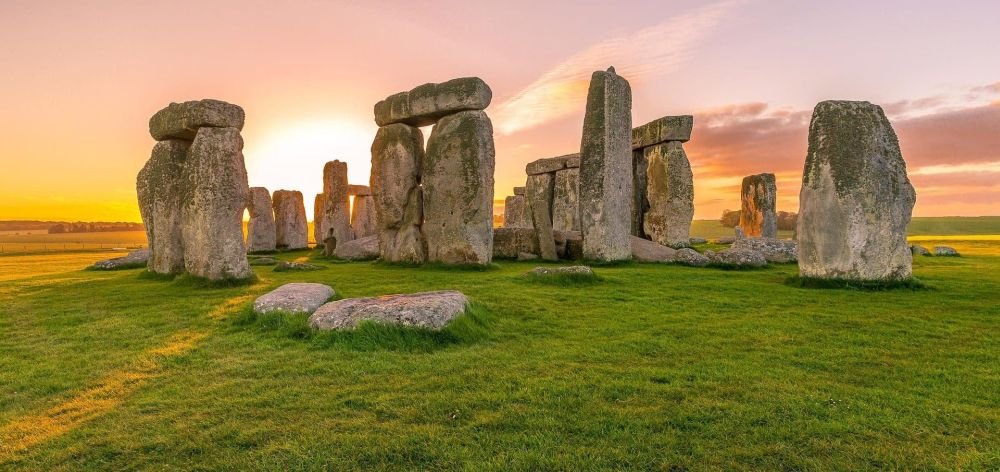
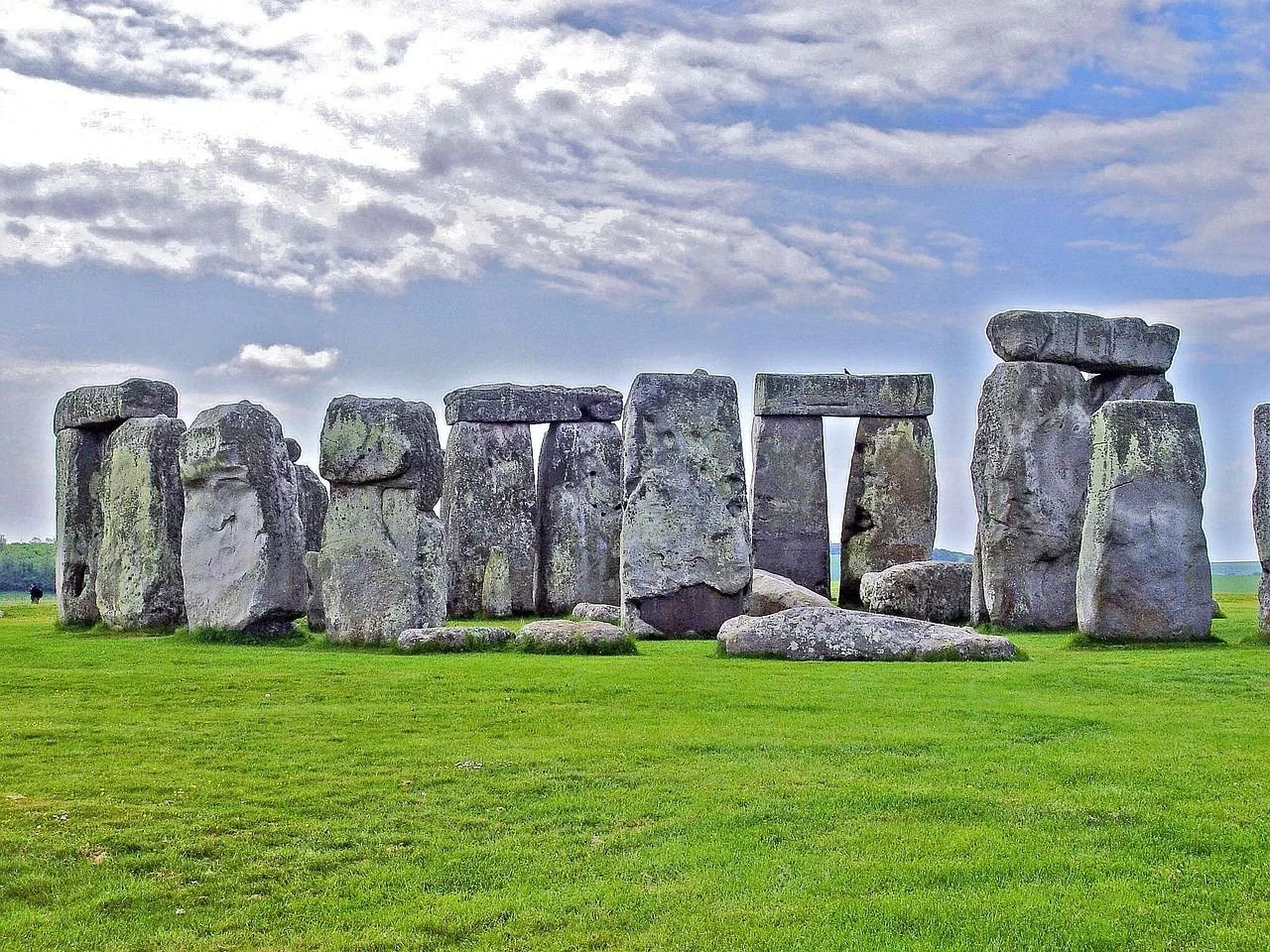
Stonehenge rises from the open Salisbury Plain as a striking circle of massive stones, a prehistoric monument that has intrigued visitors for thousands of years.
More than 4,500 years old, it remains one of the world’s most recognisable archaeological sites, celebrated for both its engineering achievements and its enduring mysteries.
A Monument Older Than Recorded History
Constructed in several phases between 3000 and 1500 BCE, Stonehenge predates the pyramids and many of the earliest civilisations.
Some of its stones weigh over 25 tonnes and were transported from quarries as far as 240 kilometres away.
How Neolithic builders achieved this without wheels, metal tools, or modern machinery continues to puzzle researchers.
Mysteries That Continue to Inspire Curiosity
How was it built?
The logistics behind moving and raising the stones remain one of archaeology’s great challenges. Theories suggest wooden sledges, rollers, waterways, and coordinated human effort, but no single explanation has been universally accepted.
Why was it created?
Stonehenge’s purpose is still debated. It may have served as:
• A ceremonial or ritual centre
• A burial ground for important individuals
• A solar and lunar observatory
• A gathering place for seasonal events
Its alignment with the summer solstice sunrise and winter solstice sunset suggests a deliberate connection to celestial cycles.
What did it mean to its builders?
Stonehenge was likely part of a wider sacred landscape, linked to nearby sites such as Durrington Walls. It may have symbolised life, death, renewal, or community identity—concepts that still resonate with modern visitors.
Why Visitors Are Drawn to Stonehenge
A sense of wonder
Standing before the towering stones, visitors often feel a powerful connection to ancient humanity.
The scale and precision of the monument evoke admiration for the people who built it.
A unique atmosphere
The surrounding plains, shifting weather, and open horizon create a setting that feels both peaceful and mysterious. Many travellers describe the experience as contemplative or even spiritual.
Cultural and historical significance
As a UNESCO World Heritage Site and a symbol of Britain’s ancient past, Stonehenge features prominently in literature, art, and popular culture. Its iconic silhouette is instantly recognisable around the world.
Solstice gatherings
Twice a year, thousands gather to witness the sun align with the stones. These events blend ancient tradition with modern celebration, adding to Stonehenge’s cultural appeal.
A Timeless Encounter With Britain’s Past
Stonehenge remains compelling precisely because it does not reveal all its secrets. Its origins, purpose, and meaning continue to inspire debate, imagination, and exploration.
For visitors, it offers a rare opportunity to stand in the presence of deep history and to reflect on the ingenuity and beliefs of the people who shaped this extraordinary monument.

ShuttlesA2B - explore Sicily