
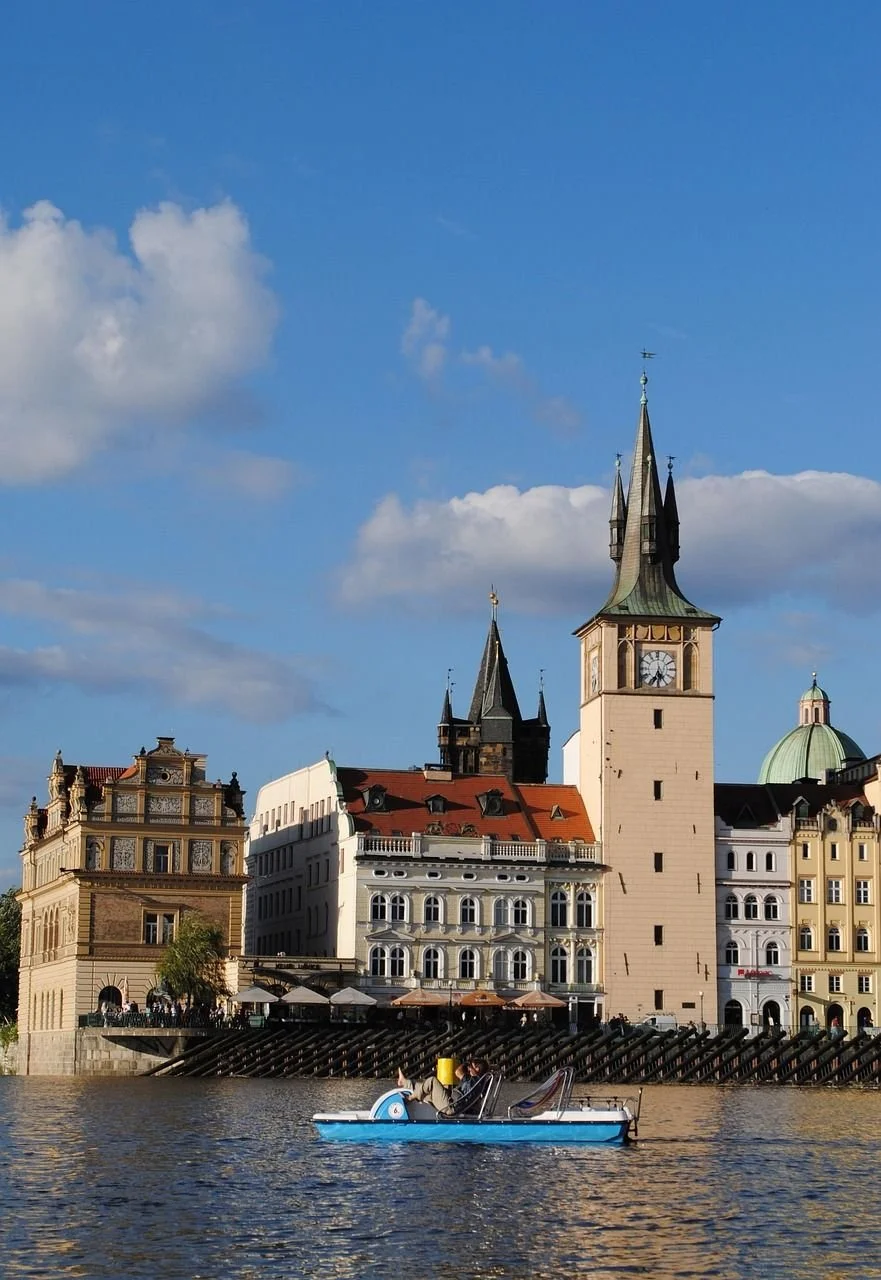
Essential Guide to Moldova- Shuttles, Transfers and Tours
Navigate Your Journey with Confidence and Style
Visit Moldova
Welcome to Moldova, where rolling vineyards stretch toward quiet horizons, forested hills cradle centuries‑old monasteries, and life moves to the gentle rhythm of tradition, hospitality, and the seasons.
Wander through the vast underground wine cellars of Cricova and Mileștii Mici, trace the ancient echoes of Orheiul Vechi carved into limestone cliffs, and wake to the scent of orchards, wildflowers, and fresh country air drifting across open fields.
Each corner of the country tells its own story — shaped by Dacian roots, medieval fortresses, monastic silence, and a culture that blends Romanian warmth with Slavic influences — inviting you to explore, taste, and linger.
More than a destination, Moldova is an experience of authenticity and calm: sunlit vineyards, rustic villages, serene landscapes, and a welcoming spirit that stays with you long after you leave its winding country roads.
Bine ați venit în Moldova
Bine ați venit în Moldova, unde podgoriile se întind spre orizonturi liniștite, dealurile împădurite adăpostesc mănăstiri vechi de secole, iar viața curge în ritmul blând al tradiției, ospitalității și anotimpurilor.
Rătăciți prin uriașele crame subterane de la Cricova și Mileștii Mici, descoperiți ecourile străvechi ale Orheiului Vechi sculptat în stâncă și treziți‑vă cu parfumul livezilor, al florilor de câmp și al aerului curat de țară purtat peste câmpii.
Fiecare colț al țării își spune propria poveste — modelată de rădăcini dacice, fortărețe medievale, liniștea monahală și o cultură ce îmbină căldura românească cu influențe slave — invitându‑vă să explorați, să gustați și să vă opriți o clipă.
Mai mult decât o destinație, Moldova este o experiență de autenticitate și liniște: podgorii scăldate în soare, sate rustice, peisaje senine și un spirit primitor care rămâne cu voi mult timp după ce ați părăsit drumurile sale șerpuite.
Moldova — explore shuttles, airport transfers, private drivers, boat trips, tours & sightseeing - Featured partners:
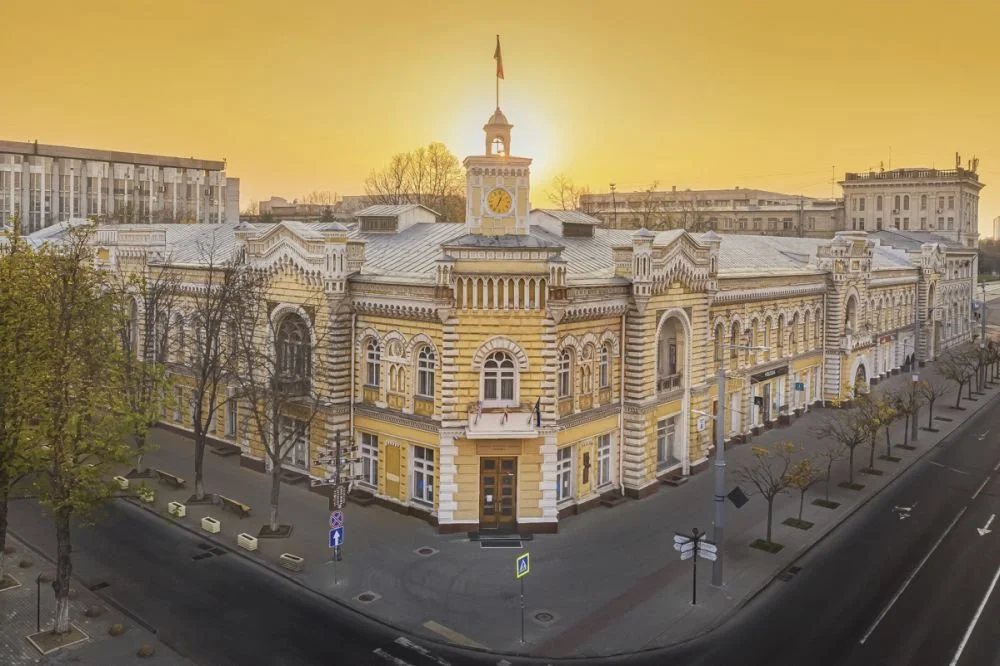
74 Fast Transfer - Elite chauffeurs Chișinău
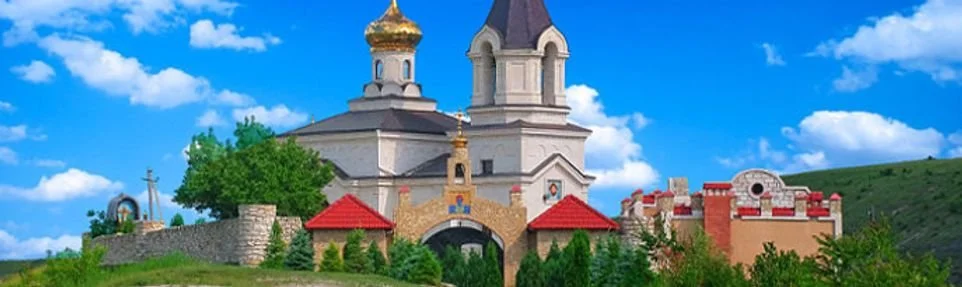
Chisinau-Kishinev - private guided tours across Moldova, Transnistria, and nearby regions
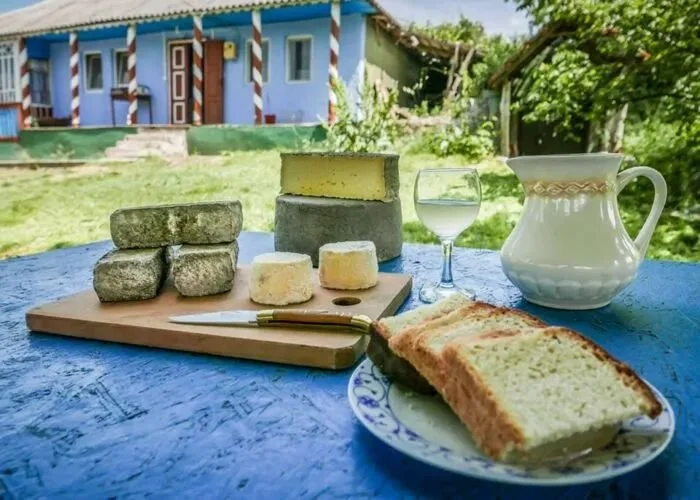
Visit Moldova - Moldova tours, wineries, culture, nature, local experiences

Winetours Moldova - wine‑focused tours, winery transfers, sommelier‑guided experiences
Transfer Taxi - private Moldova–Ukraine–Europe taxi transfers
Getting Around Moldova
Transport, Shuttles, and Practical Travel Tips
Moldova is one of Europe’s most underrated destinations — peaceful, rural, and shaped by vineyards, monasteries, and gentle rolling landscapes. In a single trip, travellers can move between vast underground wine cellars, dramatic limestone ridges, Soviet‑era cityscapes, and quiet villages where traditions remain strong.
This guide explains how transport works in Moldova — buses, trains, taxis, car hire, private drivers, airport transfers, and cross‑border routes — with realistic travel times, costs, and context for exploring both Chișinău and the country’s quieter countryside.
Transport Options in Moldova
Car Hire (Recommended for Rural Travel)
For most visitors, renting a car is the simplest way to explore Moldova beyond Chișinău.
Essential for Orheiul Vechi, rural monasteries, and wine estates
Ideal for visiting multiple wineries in one day
Gives flexibility for countryside villages and scenic backroads
Typical cost: €25–50 per day (higher for automatics)
Roads are generally good on main routes, but rural lanes can be narrow or unpaved.
Buses in Moldova
Buses and minibuses (rutiera) connect nearly every town and village.
Frequent departures from Chișinău’s main bus stations
Very affordable
Slower but reliable for intercity travel
Typical cost: €1–6 depending on distance
Useful for routes such as Chișinău → Orhei, Chișinău → Soroca, and Chișinău → Tiraspol.
Trains
Moldova’s rail network is limited but comfortable on main routes.
Main routes:
Chișinău ↔ Bender / Tiraspol
Chișinău ↔ Ungheni (for Romania border)
Chișinău ↔ Odesa (seasonal / political conditions vary)
Typical cost: €2–10
Trains are pleasant but slower than buses and do not reach many rural attractions.
Private Drivers & Transfers
Private transfers are widely available and popular for winery tours and rural monasteries.
Flexible schedules
Ideal for groups
Convenient for airport pickups and multi‑stop itineraries
Typical cost: €25–60 for short routes €60–120 for full‑day drivers
Common for Chișinău → Cricova, Chișinău → Orheiul Vechi, and Chișinău → Purcari.
Domestic Flights
Moldova is compact and has no domestic flights. All travel is by road or rail.
The main airport is:
Chișinău International Airport (KIV)
Flights connect to major European hubs such as Bucharest, Vienna, Istanbul, and Warsaw.
Cross‑Border Travel
Moldova is landlocked and connected by road and rail to:
Romania (Iași, Galați, Huși)
Ukraine (Odesa region — availability varies)
Border crossings are generally smooth, but delays can occur at peak times.
Getting Around Moldova’s Main Areas
Chișinău (Capital)
A leafy, relaxed city with parks, cafés, and Soviet‑era architecture.
Walkable central area
Trolleybuses and buses cover most districts
Taxis and ride‑hailing apps are inexpensive
Airport → City Centre: 20–30 minutes | €7–12 by taxi
Nearby highlights:
Cricova Winery (~20 minutes)
Mileștii Mici (~25 minutes)
Orheiul Vechi (~1 hour)
Orheiul Vechi (Central Moldova)
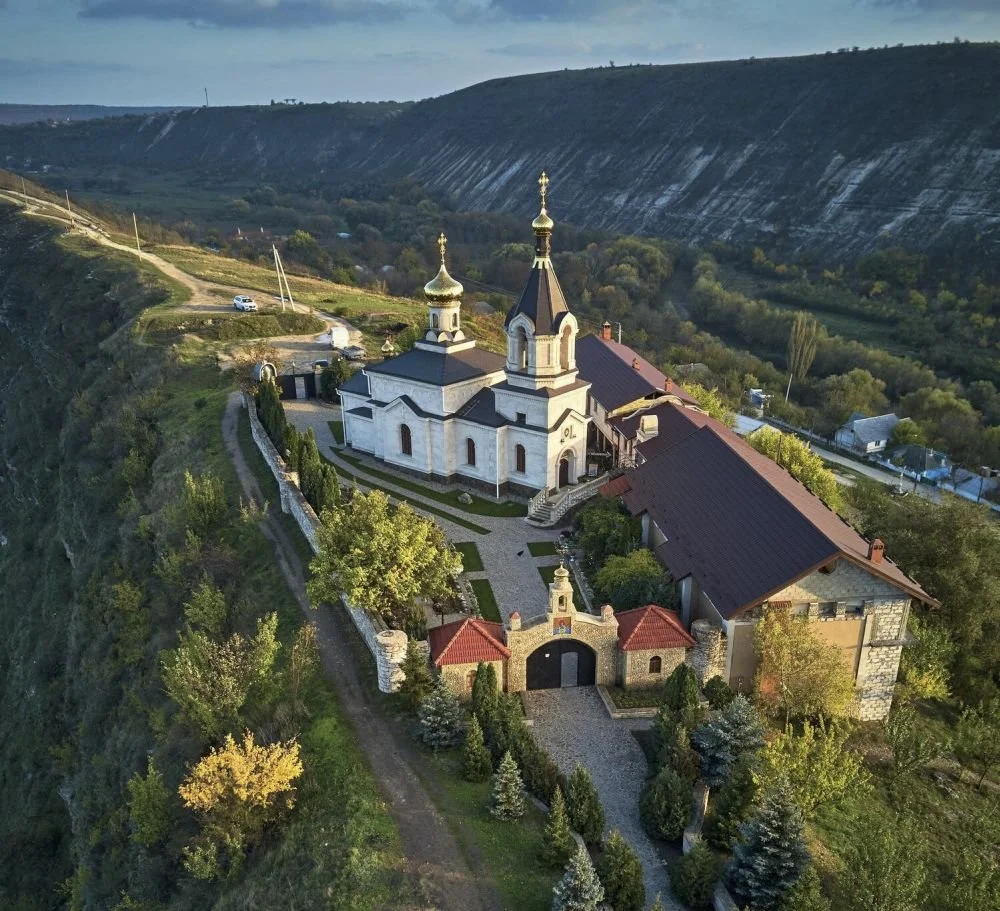
Moldova’s most iconic landscape — limestone cliffs, cave monasteries, and rural villages.
Best reached by car or private driver
Limited public transport
Ideal for half‑day or full‑day trips
Closest city: Chișinău (~1 hour)
Wine Regions (Cricova, Mileștii Mici, Purcari)
Moldova’s wine estates are world‑famous for their underground cellars.
Cricova & Mileștii Mici: near Chișinău
Purcari: southeast, near the Dniester River
Best explored by car or private transfer.
Tiraspol & Transnistria
A Soviet‑style city with a unique political status.
Reachable by bus, train, or private driver
Passport required for entry
Day trips from Chișinău are common
Chișinău → Tiraspol: 1.5–2 hours
Soroca (North)
Known for its medieval fortress on the Dniester River.
Best reached by bus or car
Scenic countryside route
Chișinău → Soroca: 2–2.5 hours
Codru Forest & Central Hills
Moldova’s green heart — forests, monasteries, and quiet villages.
Car essential
Great for hiking and rural guesthouses
Popular Routes: Travel Times & Costs
Chișinău → Orheiul Vechi
Car: ~1 hour
Bus: ~1.5 hours
Private driver: €30–50
Chișinău → Cricova
Car: ~20 minutes
Taxi: €7–12
Chișinău → Purcari
Car: ~2–2.5 hours
Private driver: €70–120
Chișinău → Tiraspol
Car: ~1.5 hours
Bus: ~2 hours
Train: ~2 hours
Chișinău → Soroca
Car: ~2–2.5 hours
Bus: ~3 hours
Inland Moldova: Monasteries, Forests & Rural Life
Beyond the cities, Moldova reveals its quiet, traditional character.
Highlights include:
Orheiul Vechi cave monastery
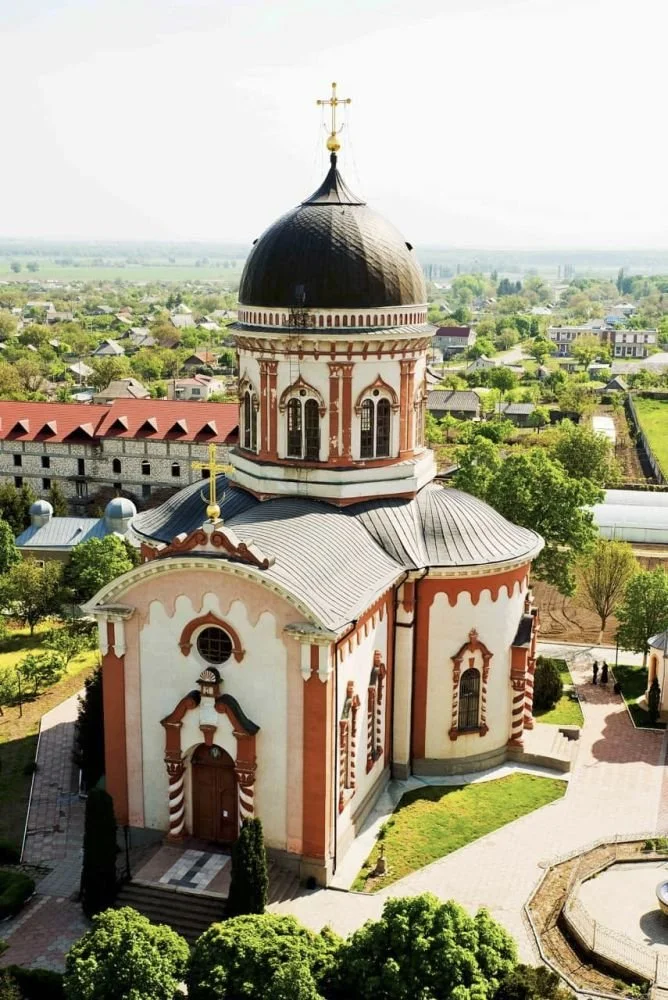
Căpriana Monastery
Țîpova Monastery overlooking the Dniester
Codru Forest Reserve
Expect:
Slow travel pace
Scenic countryside
Traditional food and wine
Warm hospitality
A car or private driver is strongly recommended for exploring these areas.
Top Places to Visit in Moldova
Chișinău – Parks, cafés, museums
Cricova & Mileștii Mici – Legendary wine cellars
Orheiul Vechi – Iconic landscapes and cave monasteries
Purcari – Premium wine region
Tiraspol – Soviet‑style architecture
Soroca – Fortress on the Dniester
Codru Forest – Nature and monasteries
Practical Notes for Travellers
Moldova is safe and welcoming
English is spoken in tourist areas; Romanian and Russian are widely used
Spring and autumn are ideal for wine tourism
Rural areas are very traditional
Public transport is cheap but slow
Renting a car gives the most flexibility
Moldova rewards travellers who combine wine, culture, and countryside. With a mix of buses, trains, taxis, private transfers, and (ideally) a rental car, the country is easy to explore — yet still feels peaceful, authentic, and pleasantly undiscovered.
Popular Destinations, Moldova tours and transport: Featured Plus
-
![https://chisinau-iasi.md/ - Etno Lines]()
passenger transport Chișinău - Iași Airport
-
![VIP Transfer Chisinau]()
airport shuttle service - Chisinau
-
![Трансфер Под Заказ, Eminescu , Ialoveni, Moldova]()
premium passenger transport services across Europe and Asia
-
![https://pmr-tours.com/ - PMR-TOURS (Tours in Transdniestria)]()
PMR-TOURS (Tours in Transdniestria)
-
![Moldova Tours - moldovatours.md]()
Moldova Tours - airport transfers, private tours, rural tourism, wine routes
-
![Taxi Lion, Orhei, Moldova]()
Taxi Lion - city rides, tours, airport transfers
Moldova Today: A Small Country at the Crossroads of a Changing Europe
Modern‑day Moldova sits at a delicate intersection of geography, identity, and geopolitics.
Landlocked between Romania and Ukraine, it is a country shaped by vineyards and villages, but also by the shifting pressures of a region transformed by war, migration, and competing spheres of influence.
Since Russia’s full‑scale invasion of Ukraine in 2022, Moldova’s position has become more exposed — and more important — than at any time since independence in 1991.
A Country Between Worlds
Moldova’s geography has always been both a blessing and a burden. To the west lies Romania, a member of the EU and NATO, with which Moldova shares deep linguistic and cultural ties. To the east lies Ukraine, whose ongoing war has placed Moldova directly beside one of Europe’s most volatile front lines.
This location has created a dual reality:
Moldova is physically close to conflict, with missile debris occasionally landing on its territory during the war in Ukraine (according to Moldovan authorities).
At the same time, it is politically moving closer to Europe, having been granted EU candidate status in 2022.
The tension between these two forces — instability to the east, integration to the west — defines Moldova’s modern era.
The Shadow of Transnistria
Complicating Moldova’s security landscape is Transnistria, a breakaway region on the eastern bank of the Dniester River. It is internationally recognized as part of Moldova, but has been de facto controlled by separatist authorities since the early 1990s, with a small contingent of Russian troops still present.
While the situation has remained largely frozen for decades, the war in Ukraine has made it more sensitive:
Transnistria borders Ukraine’s Odesa region
Supply routes have been disrupted
Political rhetoric from separatist authorities has fluctuated
Despite this, both sides have avoided escalation, and Moldova continues to pursue a diplomatic, non‑military approach.
A European Future — and the Challenges It Brings
Moldova’s government has made EU integration its central strategic goal. This direction is supported by many Moldovans, especially younger generations and urban residents, though opinions vary across regions.
EU candidate status has brought:
Increased financial support
Reforms in justice, governance, and energy
A stronger international profile
But it has also brought challenges:
Disinformation campaigns
Economic pressure
Political polarization
Moldova’s leaders often describe the country as being in a “battle for its future,” balancing reforms at home with external pressures.
Energy Vulnerability and Economic Strain
For decades, Moldova relied heavily on Russian gas. The war in Ukraine forced a rapid shift:
Moldova diversified its energy sources
New connections with Romania were strengthened
Prices and supply stability remain ongoing concerns
Economically, Moldova faces the same pressures as many small states near conflict zones: inflation, migration, and the need to modernize infrastructure.
A Society Defined by Resilience
Despite these challenges, Moldova has shown remarkable stability. When hundreds of thousands of Ukrainian refugees crossed the border in 2022, Moldovans opened their homes, schools, and community centres. International observers frequently noted the country’s generosity relative to its size and resources.
Culturally, Moldova continues to evolve:
Chișinău is becoming more outward‑looking
The wine industry is booming
Tourism is slowly rising
Civil society is increasingly active
This blend of tradition and transformation gives Moldova a quiet but distinct identity.
Looking Ahead
Moldova’s future will depend on three interconnected factors:
The trajectory of the war in Ukraine
Its progress toward EU membership
Its ability to maintain internal stability and economic resilience
None of these paths are simple, and none can be predicted with certainty. But Moldova’s story today is not only about vulnerability — it is also about agency. A small country at a crossroads, navigating one of Europe’s most complex geopolitical landscapes with determination, caution, and a growing sense of its own place in the world.
Romania (ShuttlesA2B)
Hungary (ShuttlesA2B)