Essential Guide to Slovenia - Shuttles, Transfers and Tours:
Navigate Your Journey with Confidence and Style
Slovenia — explore shuttles, airport transfers, private drivers, taxis, tours & sightseeing - Featured partners:
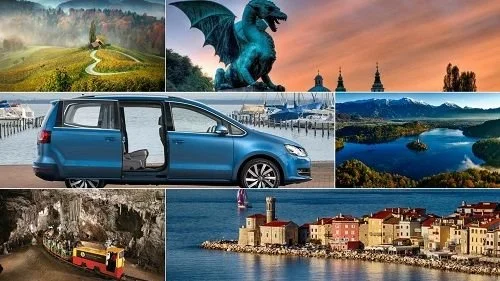
Airtrail Slovenia airport taxi, private transfers & tours Ljubljana
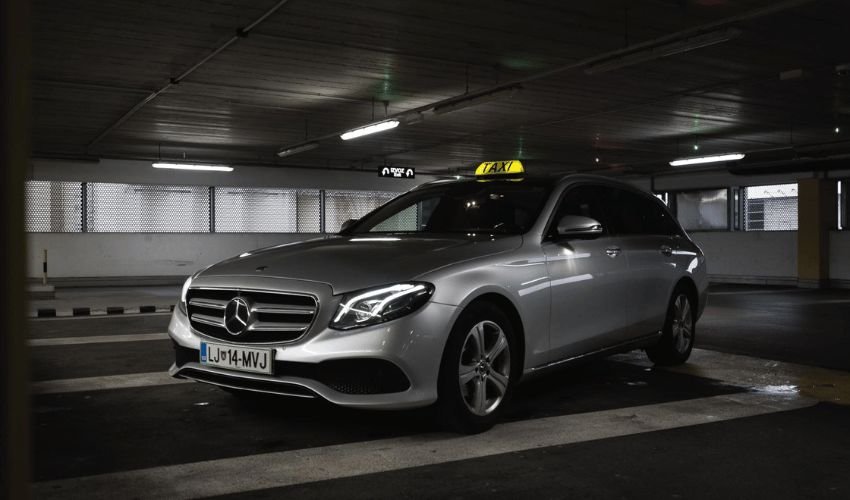
taxi-airport-ljubljana.com
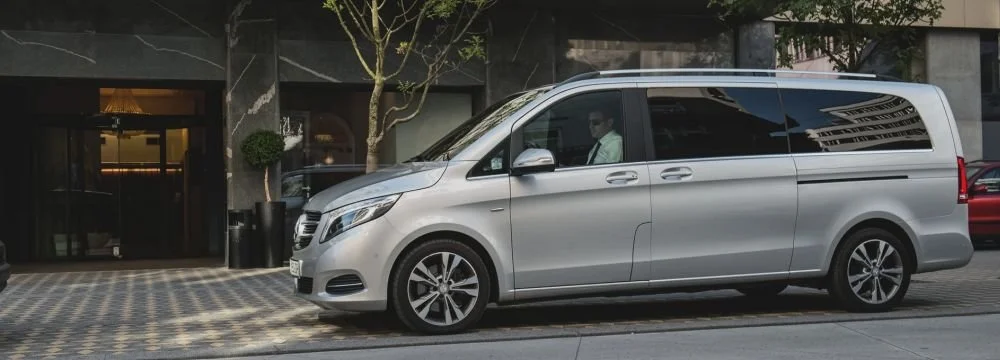
Bespoke Ljubljana Airport Transfers and Chauffer Services
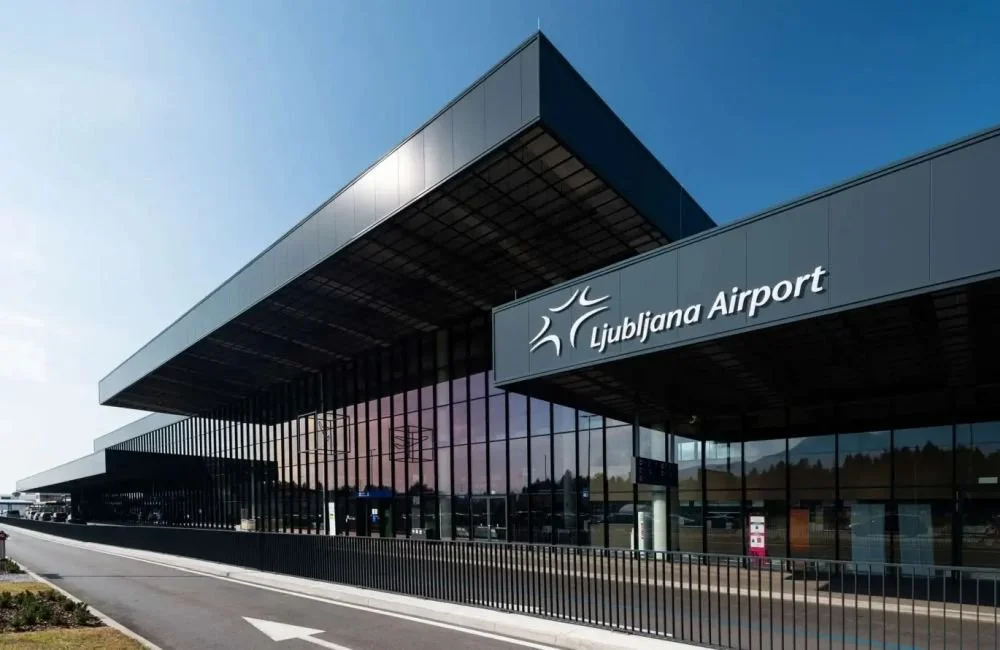
Ljubljana Airport Taxi – Private Transfers 24/7
Airport Pickup Trieste
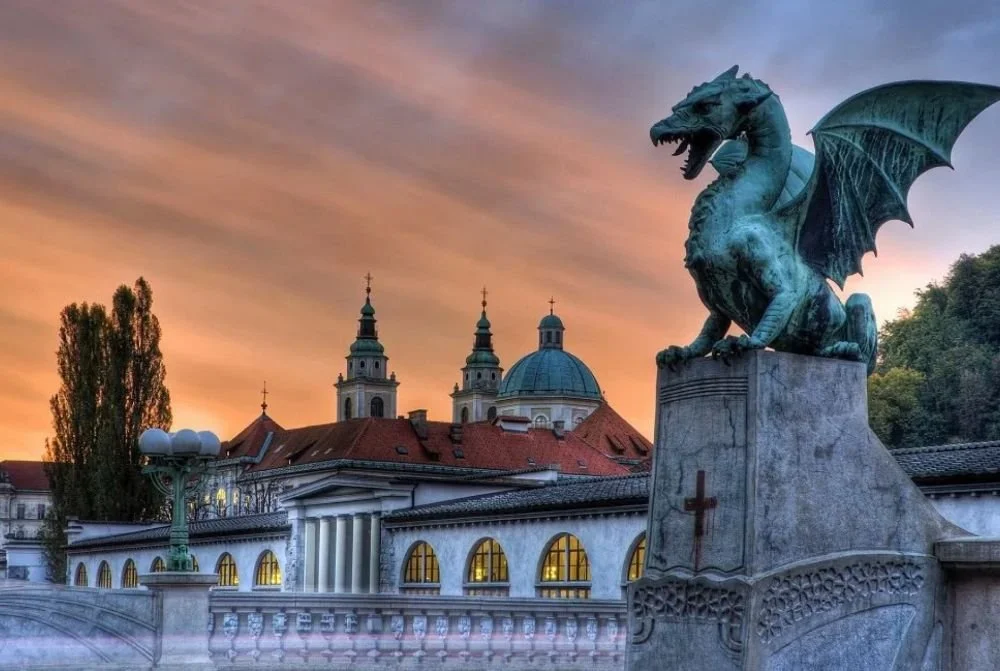
taxi-ljubljana.si Ljubljana Slovenia
AMAURY NCC Rental with Driver - Trieste
Getting Around Slovenia
Shuttles, Buses, Trains, Taxis & Private Drivers
Slovenia is compact, scenic, and refreshingly easy to navigate.
From the elegant streets of Ljubljana to the lakes of Lake Bled and Lake Bohinj, from Alpine valleys to Adriatic coastlines, distances are short — but your choice of transport still shapes your experience.
This guide explains how to get around Slovenia — by bus, shuttle, train, taxi, private driver, or rental car — with realistic travel times, costs, and practical context.
Transport in Slovenia at a Glance
Most travellers combine a few simple options:
Buses for reliable intercity travel
Trains for scenic but limited routes
Shuttles & private drivers for flexibility and day trips
Taxis & ride-hailing in cities
Rental cars for maximum freedom (very popular)
Slovenia is small — you can cross much of the country in 2–3 hours — which makes overland travel straightforward and efficient.
Buses in Slovenia (Intercity & Regional)
Buses are the backbone of public transport in Slovenia and often the best option for visitors.
What you’ll usually find:
Clean, modern coaches
Frequent departures between major destinations
Central bus stations in most towns
Typical travel times & costs:
Ljubljana → Lake Bled: ~1–1.5 hrs | €5–10
Ljubljana → Piran: ~2.5–3 hrs | €10–15
Ljubljana → Bovec: ~2.5–3 hrs | €10–15
Buses often reach places trains don’t — especially alpine valleys and smaller towns.
Trains in Slovenia (Scenic but Limited)
Slovenia’s train network is smaller than its bus system, but it offers some beautiful journeys.
Popular routes:
Ljubljana → Maribor: ~2 hours
Ljubljana → Koper: ~2.5 hours
Jesenice → Nova Gorica (Soča Valley line): one of Europe’s most scenic rail routes
Prices:
Typically €5–15 depending on distance
Trains are comfortable but slower and less frequent than buses — best chosen for scenery rather than speed.
Shuttles & Shared Transport (Tourist Routes)
Shuttles are extremely popular in Slovenia, especially for visitors without a car.
Common uses:
Ljubljana ↔ Lake Bled / Lake Bohinj
Airport transfers
Day trips to caves, castles, and alpine areas
Typical costs:
Ljubljana → Lake Bled shuttle: €20–40
Day tours (e.g. Bled + Bohinj): €60–100
Many include hotel pickup, making them a convenient middle ground between buses and private drivers.
Private Drivers in Slovenia (Flexible & Comfortable)
Private transfers are widely available and relatively affordable due to short distances.
They’re ideal for:
Custom day trips (e.g. lakes + valleys)
Airport transfers
Reaching remote accommodations
Multi-stop scenic routes
Typical costs:
Ljubljana → Lake Bled: €60–100 per vehicle
Full-day private driver: €150–300
This is a great option if you want flexibility without driving.
Rental Cars in Slovenia (Best for Freedom)
Renting a car is one of the most popular ways to explore Slovenia.
Why it works well:
Short driving distances
Excellent road conditions
Easy navigation
Access to remote alpine and rural areas
Typical costs:
€30–70 per day
Highlights accessible by car:
Triglav National Park
Soča Valley
Wine regions in eastern Slovenia
Scenic mountain passes like Vršič Pass
Parking is generally straightforward outside Ljubljana.
Taxis & Ride-Hailing (Cities & Short Trips)
Taxis are readily available in Ljubljana and other towns.
What to expect:
Metered fares (in most cases)
Ride-hailing apps operate in Ljubljana
Cash and card usually accepted
Typical prices:
Ljubljana city ride: €5–10
Ljubljana airport → city: €20–30
Taxis are reliable but rarely needed for long distances due to the country’s size.
Airports & Transfers
Slovenia’s main international gateway is:
Ljubljana Jože Pučnik Airport
Transfer options:
Shuttle vans (shared or private)
Taxis
Rental cars
Travel time:
Airport → Ljubljana: ~20–30 minutes
Pre-booked transfers are common and convenient, especially for late arrivals.
Day Trips & Key Routes
Thanks to Slovenia’s size, many highlights are easy day trips.
Popular routes:
Ljubljana → Lake Bled → Lake Bohinj
Ljubljana → Postojna Cave → Predjama Castle
Ljubljana → Piran (Adriatic coast)
Travel times are short, making Slovenia ideal for slow, flexible itineraries.
Cross-Border Travel (Italy, Austria, Croatia)
Slovenia is well connected to neighbouring countries:
Ljubljana → Trieste: ~1–1.5 hrs
Ljubljana → Vienna: ~4–5 hrs
Ljubljana → Zagreb: ~2–2.5 hrs
Options include:
Trains
Buses
Private transfers
Borders are typically seamless within the Schengen Area (though always carry ID).
Practical Tips for Getting Around Slovenia
Distances are short — don’t overpack your itinerary
Buses are often more useful than trains
Book shuttles ahead in peak summer
Driving is easy, but mountain roads can be winding
Weather can affect alpine travel in winter
The Bottom Line
Getting around Slovenia is simple, efficient, and enjoyable.
Combine buses, trains, shuttles, taxis, private drivers, and rental cars, and you can comfortably explore everything from Ljubljana to Lake Bled, the Soča Valley, the Adriatic coast, and deep into the Julian Alps.
Slovenia rewards curiosity and flexibility — and here, the journey is rarely long, but often beautiful.
N.B. Prices shown are indicative and reflect typical costs in Slovenia as of March 2026.
Popular Destinations, Slovenia tours and transport: Featured Plus
-
![wizi.hr - Wizi is a taxi company that combines the latest innovations with premium transportation service]()
Wizi, Slovenia, Croatia, North Macedonia
-
![triestetransfertour.com]()
Rental with driver
-
![Tour to Postojna Cave from Trieste]()
Tour to Postojna Cave from Trieste
-
![Vaipaz Travel Slovenia]()
self-guided cycling tours
-
![triestetrips.com Trieste Trips]()
Trieste Tours & Shore Excursions
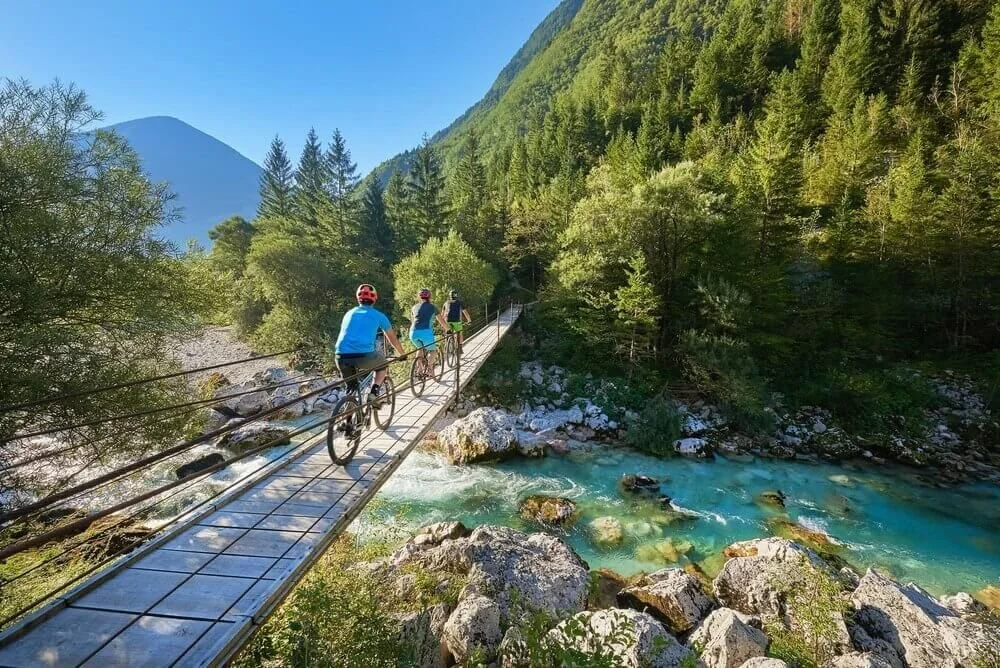
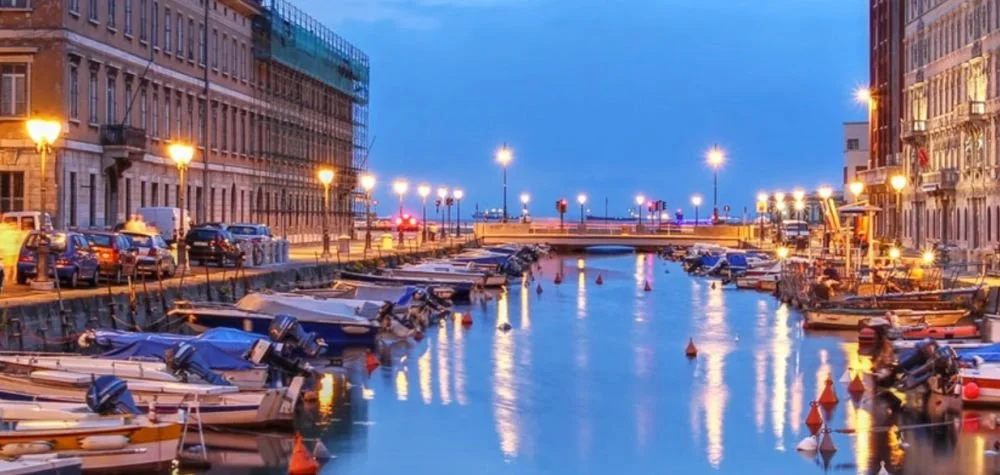
Top Visitor Destinations and Attractions in Slovenia
Slovenia may be small, but it packs in an extraordinary range of landscapes — from Alpine peaks to turquoise rivers and a charming slice of Adriatic coast.
Here are the standout destinations and experiences:
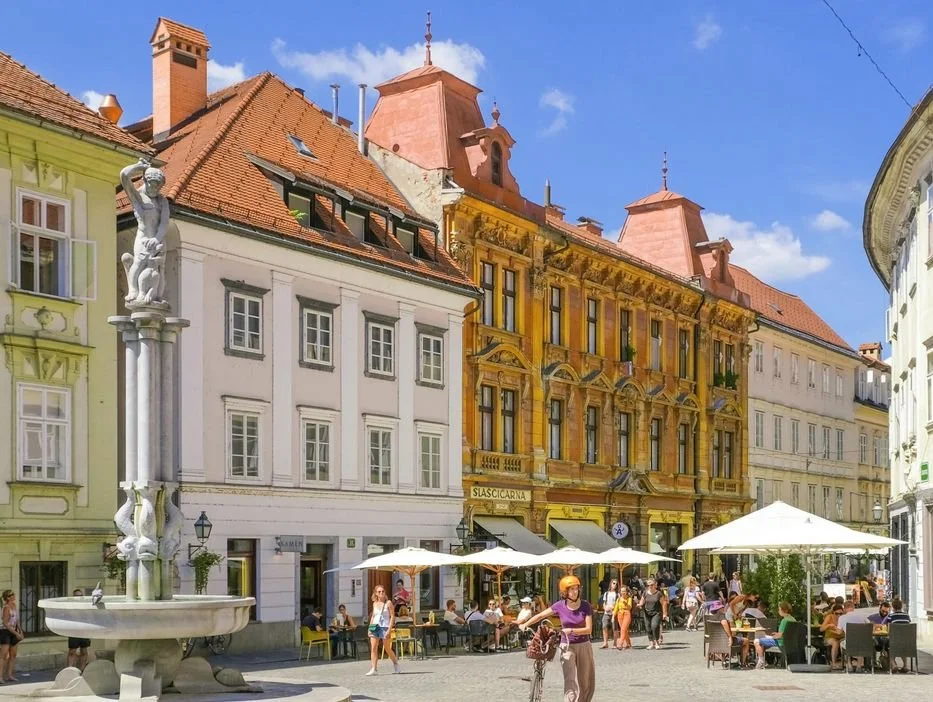
Ljubljana (Charming Capital)
Ljubljana is one of Europe’s most relaxed and liveable capitals.
Riverside cafés and leafy promenades
Ljubljana Castle views over the old town
A vibrant cultural and food scene
It’s compact, walkable, and an ideal base.
Lake Bled (Iconic Slovenia)
Lake Bled is Slovenia’s postcard image.
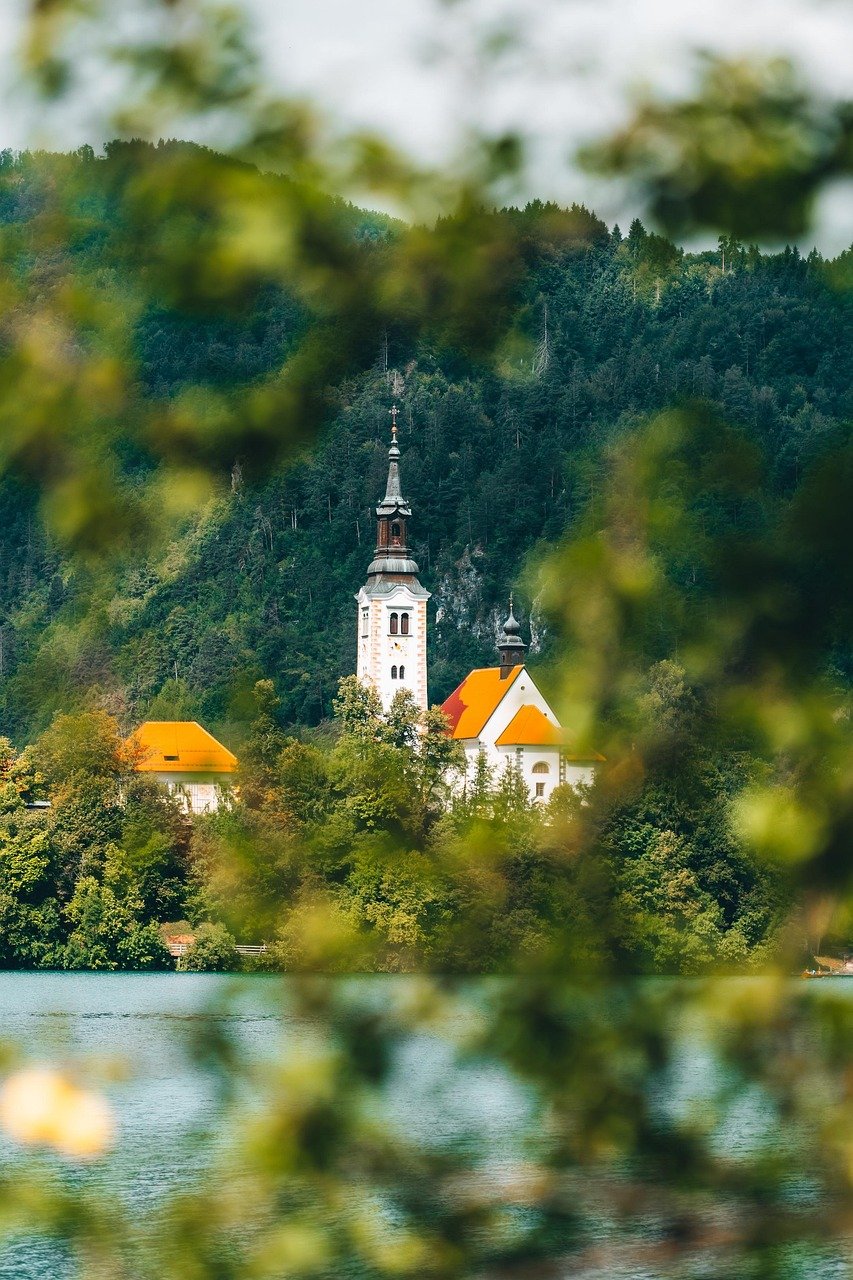
Island church reached by traditional wooden boats
Cliff-top Bled Castle
Swimming, rowing, and scenic walks
Best visited early or late in the day to avoid crowds.
Lake Bohinj & Triglav National Park (Alpine Wilderness)
Lake Bohinj sits inside Triglav National Park, offering a quieter, more natural alternative to Bled.
Hiking, kayaking, and crystal-clear water
Access to Slovenia’s highest peak, Mount Triglav
Waterfalls, gorges, and alpine meadows
Ideal for nature lovers.
Soča Valley (Emerald River & Adventure)
The Soča Valley is famous for its vivid turquoise river.
White-water rafting and kayaking
Hiking and WWI historical sites
Alpine scenery around Bovec
One of Europe’s most beautiful river landscapes.
Postojna Cave & Predjama Castle (Karst Wonders)
Slovenia’s karst region is world-renowned.
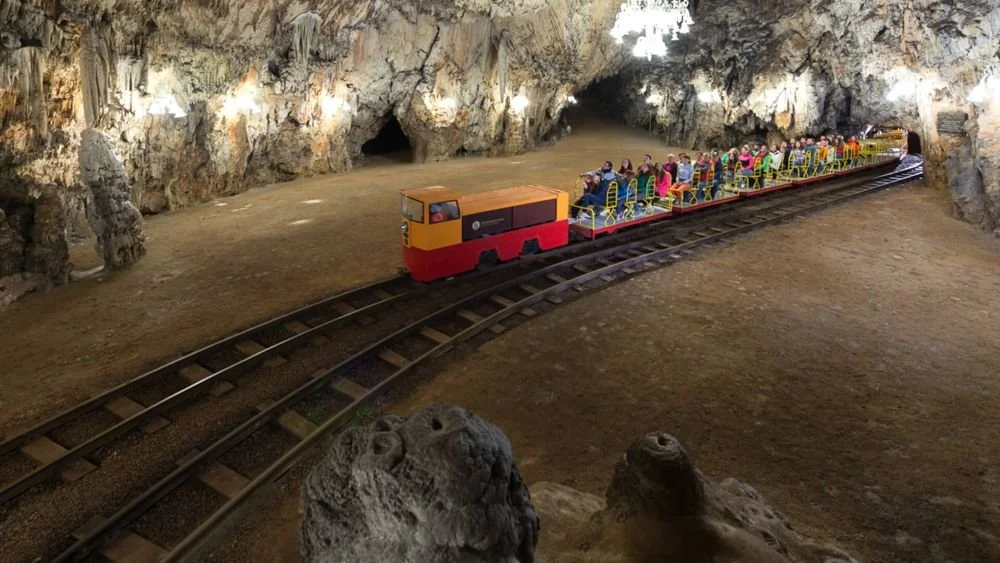
Postojna Cave — vast underground chambers explored by train
Predjama Castle — a dramatic fortress built into a cliff
An easy and popular day trip from Ljubljana.
Piran & the Adriatic Coast (Mediterranean Flair)
Piran brings Venetian-style charm to Slovenia’s short coastline.
Tartini Square and narrow medieval streets
Sea views, seafood, and sunsets
Easy access to Koper and Portorož
A completely different side of the country.
Maribor & Eastern Slovenia (Wine & Culture)
Maribor is Slovenia’s second city, set along the Drava River.
Home to one of the world’s oldest grapevines
Gateway to rolling wine regions
A slower, less-visited cultural experience
Ptuj (Slovenia’s Oldest Town)
Ptuj is rich in history and atmosphere.
Medieval streets and castle views
Traditional festivals, including Kurentovanje
A peaceful alternative to larger cities
The Julian Alps & Vršič Pass (Scenic Drives)
The Julian Alps offer dramatic mountain scenery.
Panoramic drives over Vršič Pass
Hiking trails, viewpoints, and alpine huts
Access to lakes, rivers, and valleys
Perfect for road trips and outdoor adventures.
The Big Picture
Slovenia’s highlights are close together but remarkably diverse.
In just a few days, you can move from the café culture of Ljubljana to Lake Bled, into the mountains of Triglav National Park, across the Soča Valley, and down to the Adriatic coast at Piran.
It’s this compact variety — Alpine, Mediterranean, and Central European — that makes Slovenia such a rewarding destination.
The Olms of Postojna: Slovenia’s “Human Fish” and Their Legends
Deep within the vast chambers of Postojna Cave lives one of Europe’s most unusual creatures — the mysterious olm.
What Is an Olm?
The Olm is a blind, cave-dwelling amphibian found only in the underground waters of the Dinaric karst region, including Slovenia.
Often called the “human fish” (človeška ribica in Slovene), it has:
Pale, almost translucent skin
No functional eyes (it lives in complete darkness)
External feathery gills
A snake-like body
It can grow up to 30 cm long and is extraordinarily long-lived — some are thought to live over 70–100 years.
Even more remarkable: olms can survive years without food, slowing their metabolism to an extreme degree.
A Creature of Darkness
Olms are perfectly adapted to cave life:
They detect movement and prey through vibration and chemical signals
They thrive in cold, oxygen-poor underground rivers
They rarely leave the water
Because they are so sensitive to environmental change, they are also considered indicators of water purity in karst ecosystems.
The Dragon Legend
Before science understood the olm, people living around Inner Carniola had a very different explanation.
After heavy rains, strange pale creatures would sometimes be washed out of caves and springs.
Locals believed:
These were baby dragons
The caves were the lairs of a great dragon deep underground
Floods forced the young creatures to the surface
This belief wasn’t unusual — caves across Europe were often associated with dragons and mythical beasts. In Slovenia, the olm became living “evidence” of those legends.
Even today, the connection lingers. The dragon is a symbol of Ljubljana, and the idea of hidden subterranean creatures is part of local folklore.
Olms in Postojna Today
At Postojna Cave, visitors can actually see olms in a dedicated underground habitat.
In 2016, the cave gained global attention when a group of olms successfully hatched — a rare event that allowed scientists and visitors to observe their early life stages.
They remain:
Protected and carefully monitored
Extremely sensitive to light and disturbance
A symbol of Slovenia’s unique natural heritage
A Living Fossil
The olm is often described as a “living fossil”, having changed very little over millions of years.
It represents a hidden world beneath Slovenia — one of underground rivers, silent darkness, and ancient life.
The Takeaway
The olms of Postojna Cave are more than just a biological curiosity.
They sit at the intersection of science and myth — a real animal that once inspired dragon legends, and still feels almost otherworldly today.
In a country defined by its landscapes above ground, the olm reminds you that Slovenia’s most mysterious stories may lie beneath your feet.
Getting Around Italy (ShuttlesA2B)
ShuttlesA2B - Czechia