
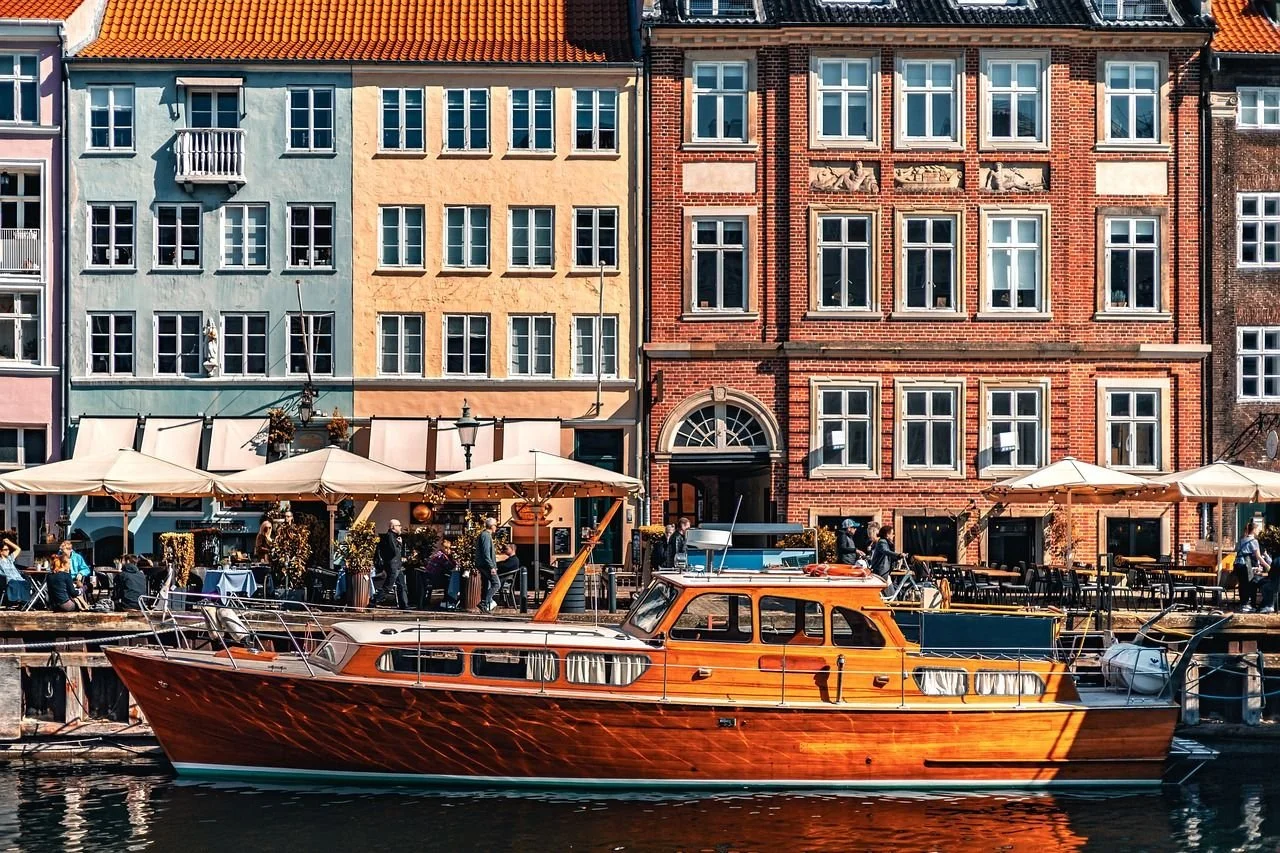
Essential Guide to Denmark Shuttles & Sightseeing:
Navigate Your Journey with Confidence and Style
Visit Denmark (Danmark)
Welcome to Denmark, where history is woven into cobblestone streets, landscapes shift from windswept coasts to quiet forests, and daily life unfolds with warmth, simplicity, and timeless tradition.
Wander through medieval castles, cycle along peaceful canals, and wake to the scent of freshly baked bread in a sunlit square.
Each region tells its own story — shaped by seafaring heritage, design, nature, and community — inviting you to explore, savour, and slow down.
More than a destination, Denmark is an experience of hygge: comfort, flavour, elegance, and a deep sense of belonging that stays with you long after you return home.
Velkommen til Danmark, hvor historien lever i brostensbelagte gader, landskaberne skifter fra vindblæste kyster til stille skove, og hverdagen udfolder sig med varme, enkelhed og tidløse traditioner.
Gå gennem middelalderlige slotte, cykl langs rolige kanaler, og vågn til duften af friskbagt brød på en solbeskinnet plads.
Hver region fortæller sin egen historie — formet af søfart, design, natur og fællesskab — og inviterer dig til at udforske, nyde og sænke tempoet.
Mere end en destination er Danmark en oplevelse af hygge: komfort, smag, elegance og en dyb følelse af tilhørsforhold, der følger dig længe efter, du er kommet hjem.
Denmark — explore taxis, ferries, airport transfers, attractions, tours & sightseeing - Featured partners:

Taxa 4x35 – Copenhagen taxi cooperative
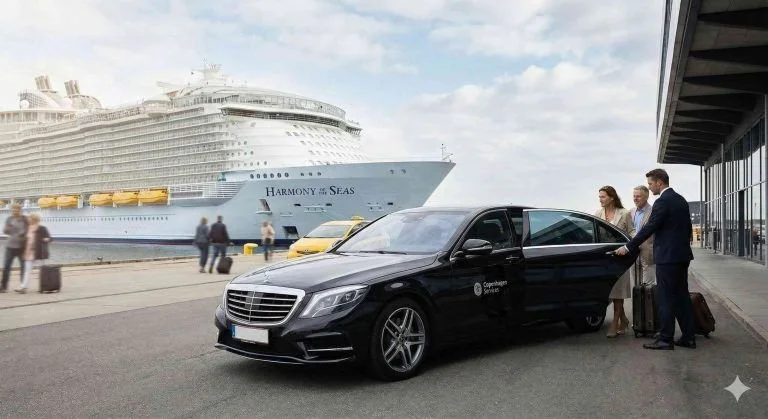
Copenhagen Services - airport transfers, business travel, eco-friendly transport
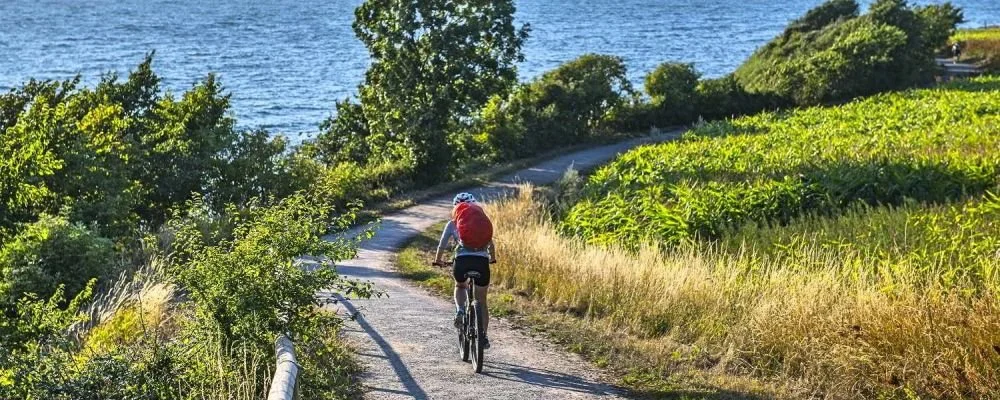
Visit Bornholm - cycling holidays on Bornholm island
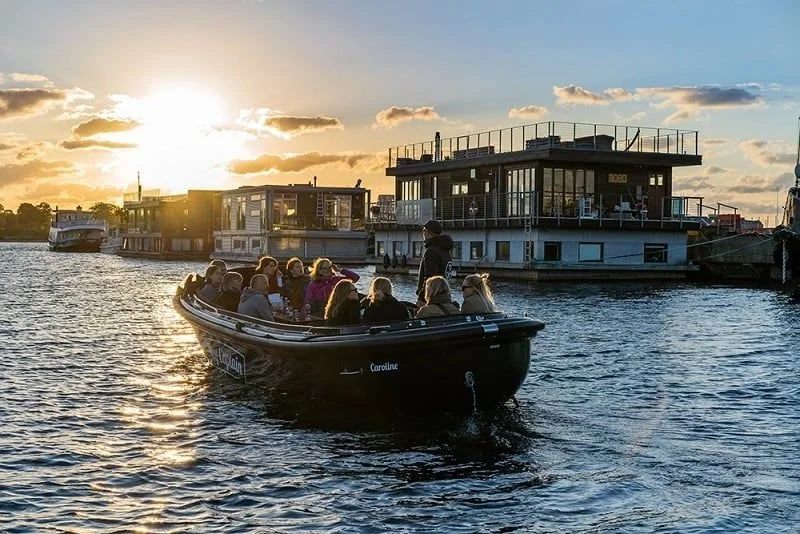
Hey Captain canal tour

Oresundslinjen - discover Helsingør and Helsingborg
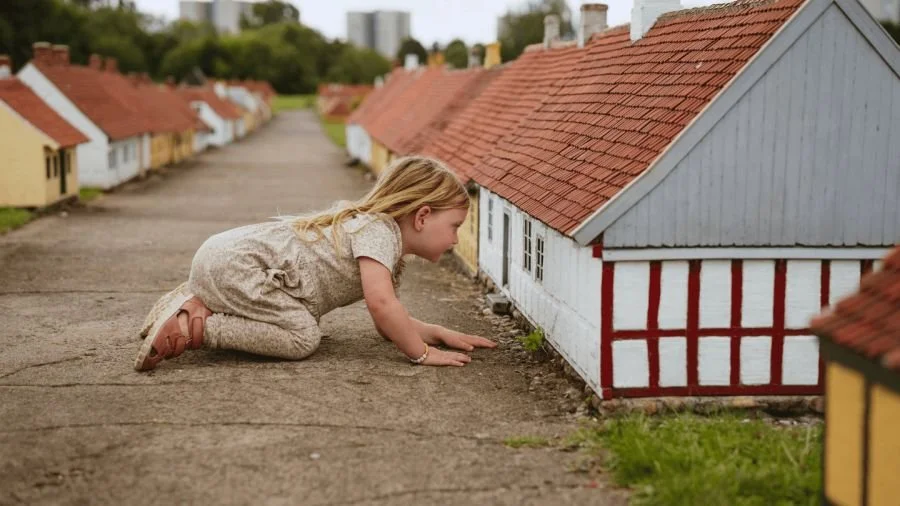
Historical Mini Town - Fredericia

Whale safari - Middelfart
FlixBus - 400,000 bus routes across the globe
LEGO® House, 7190 Billund, Denmark
Getting Around Denmark
Transport, Trains, Cycling & Practical Travel Tips
Denmark is compact, efficient, and exceptionally easy to navigate. In a single trip, travellers can move between vibrant design-focused cities, Viking heritage sites, windswept North Sea beaches, charming islands, and rolling countryside — all within relatively short travel times.
From the cultural energy of Copenhagen to the historic streets of Aarhus, the fairy-tale atmosphere of Odense, and the coastal beauty of Skagen — Denmark’s transport network makes multi-stop itineraries simple and highly efficient.
This guide explains how transport works in Denmark — trains, regional transport, buses, ferries, cycling, taxis, car rental, and domestic flights — with realistic travel times, costs, and route context.
Transport Options in Denmark
Trains (DSB National Rail)
Denmark’s train network is modern, punctual, and the backbone of intercity travel.
• Clean, comfortable, and reliable
• Reserved seating available on longer routes
• Free Wi-Fi on many services
• Operated by DSB
Typical cost:
DKK 150–500 (€20–€70) depending on distance and booking time
Popular routes:
Copenhagen → Aarhus: ~3 hours
Copenhagen → Odense: ~1h 15m
Aarhus → Aalborg: ~1h 30m
Trains are the best option for travelling between major cities.
Regional Trains & Local Rail
Regional trains connect smaller towns and coastal areas.
• Frequent and well integrated
• No reservations required
• Easy transfers from main lines
Typical cost:
DKK 50–250 (€7–€35)
Essential for reaching:
Roskilde
Elsinore
Aalborg
Fredericia
Buses
Buses complement the rail network, especially in rural and island regions.
• Extensive national coverage
• Reliable and punctual
• Integrated ticketing with trains in many areas
Typical cost:
DKK 20–150 (€3–€20)
Useful for:
• Rural Jutland
• Smaller islands
• Coastal routes not served by rail
Cycling
Denmark is one of the most bike-friendly countries in the world.
• Dedicated cycling lanes everywhere
• Flat terrain makes riding easy
• Bikes allowed on many trains (small fee)
Typical rental cost:
DKK 100–200 (€15–€30) per day
In cities like Copenhagen, cycling is often the fastest way to get around.
Metro & Urban Transport
Copenhagen has an excellent public transport system.
• Driverless metro running 24/7
• S-trains connect suburbs and nearby towns
• Integrated ticketing system (zones)
Airport → City Centre:
~15 minutes by metro
Ferries
With hundreds of islands, ferries are an essential part of Danish travel.
• Frequent and reliable
• Passenger and car ferries available
• Scenic coastal journeys
Typical cost:
DKK 50–300 (€7–€40)
Common routes:
Mainland ↔ Danish islands
Short coastal crossings
Connections to Bornholm
Car Rental
Driving is easy and roads are excellent.
Recommended for:
• Rural Jutland
• Exploring remote coastal areas
• Flexible itineraries
Not necessary for:
• Copenhagen
• Major city-to-city travel
Typical cost:
DKK 300–800 (€40–€110) per day
Taxis & Ride Services
• Widely available in cities
• Clean but relatively expensive
Typical cost:
DKK 150–300 (€20–€40) for short trips
Domestic Flights
Denmark is small, so flights are rarely necessary.
• Useful for long distances (e.g. Copenhagen ↔ Aalborg)
• Also for reaching Bornholm
Typical cost:
DKK 400–1,000 (€55–€135) one way
Getting Around Denmark’s Main Regions & Cities
Copenhagen & Zealand
Copenhagen
• Metro, buses, harbour buses, cycling
• Extremely walkable city centre
• Direct train and metro from airport
Roskilde
• ~25 minutes by train from Copenhagen
• Easy day trip
Elsinore (Helsingør)
• ~45 minutes by train
• Ferry connection to Sweden
Funen (Fyn)
Odense
• ~1h 15m from Copenhagen by train
• Walkable centre
• Good cycling infrastructure
Jutland
Aarhus
• ~3 hours from Copenhagen
• Light rail, buses, cycling
• Compact and easy to navigate
Aalborg
• ~1h 30m from Aarhus
• Small, walkable centre
Skagen
• Remote northern destination
• Reach via train + regional connections
Bornholm
• Island in the Baltic Sea
• Accessible by ferry or flight
• Best explored by bike or car
Popular Routes: Travel Times & Costs
Copenhagen → Aarhus
• Train: ~3h | DKK 250–500
Copenhagen → Odense
• Train: ~1h 15m | DKK 150–300
Aarhus → Aalborg
• Train: ~1h 30m | DKK 150–300
Copenhagen → Elsinore
• Train: ~45m | DKK 80–150
Copenhagen → Roskilde
• Train: ~25m | DKK 50–100
Copenhagen → Bornholm
• Flight or train + ferry: 2–4 hours total
Ferries & Coastal Travel
Ferries operate:
• Between Danish islands
• To Bornholm
• Between Denmark and Sweden
They are efficient, comfortable, and often scenic — a highlight rather than just transport.
Driving in Denmark
Driving is straightforward and safe.
• Well-maintained roads
• Clear signage
• Bridges connect major islands (tolls may apply, e.g. Storebælt Bridge)
Not recommended for:
• Central Copenhagen (parking limited and expensive)
Top Places to Visit in Denmark
• Copenhagen – design, food, cycling culture
• Aarhus – modern culture and museums
• Odense – fairy-tale heritage
• Roskilde – Viking history
• Elsinore – Kronborg Castle (Hamlet)
• Aalborg – northern charm
• Skagen – where two seas meet
• Bornholm – island landscapes and beaches
Denmark’s transport system is one of Europe’s most efficient and user-friendly. Trains connect major cities quickly, buses and ferries fill regional gaps, and cycling offers a uniquely Danish way to explore.
With minimal distances, excellent infrastructure, and seamless integration between transport types, travelling around Denmark is simple, flexible, and enjoyable.
N.B. Prices shown are indicative and reflect typical costs in Denmark as at April 2026.
Popular Destinations, Tours and Visitor Attractions - Denmark - Featured Plus
-
Dantaxi - Local drivers across Denmark; operates in Copenhagen, Aarhus, Aalborg, Odense
-
![https://goboat.dk/en/goboat-cruise]()
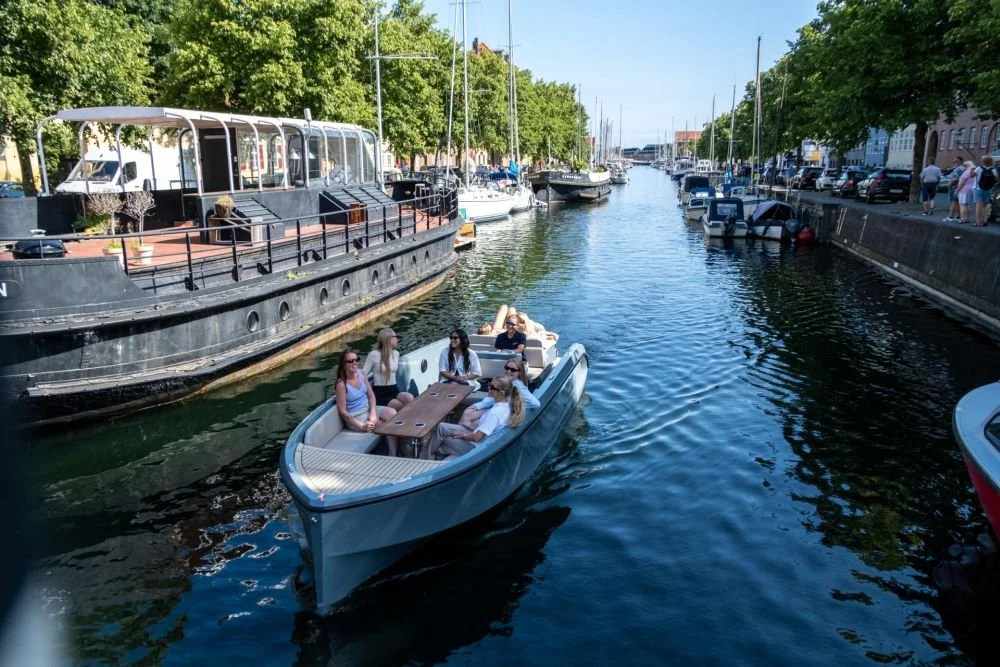
experience Copenhagen Harbor by luxury electric boats
-
![Lost With a Local - authentic experience of Copenhagen]()
small‑group walking tours, pastry tours, neighbourhood tours
-
![https://hcandersenshus.dk/en/rundvisning/]()
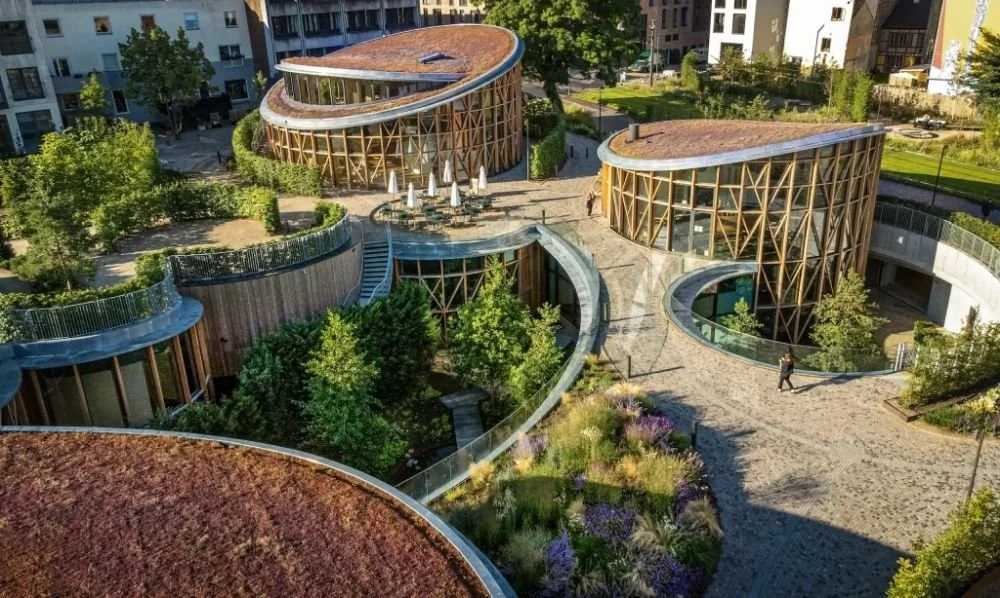
experience essential themes in H.C. Andersen’s fairy tale
Copenhagen’s Christiania
The Story of Europe’s Most Famous “Free Town”
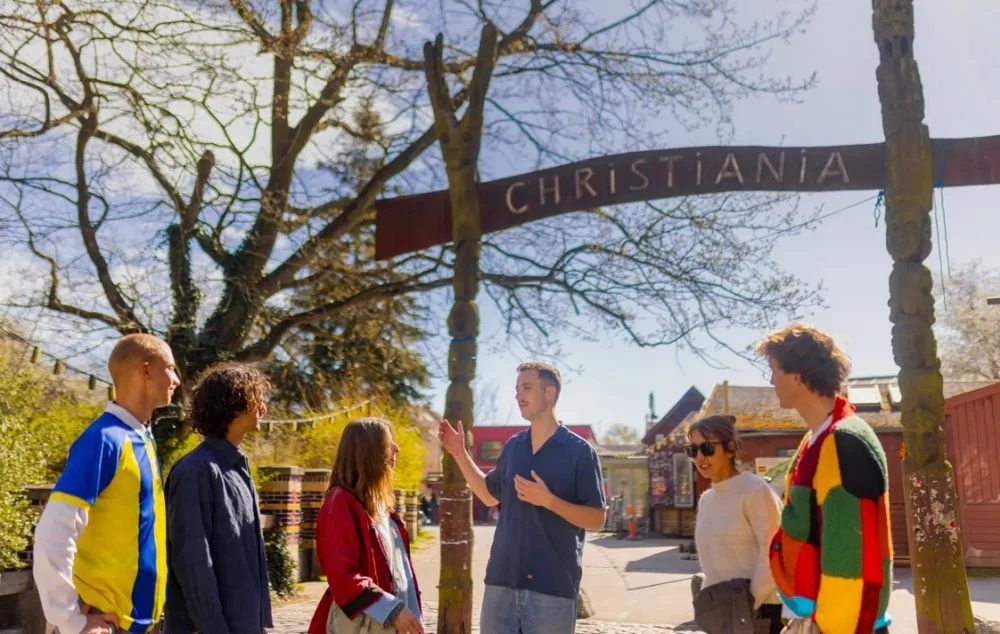
Tucked within the canals of Copenhagen, the self-proclaimed Freetown Christiania is one of Europe’s most unusual and debated neighbourhoods. Part commune, part cultural experiment, part tourist attraction—Christiania has spent more than 50 years challenging ideas about freedom, community, and urban living.
How Christiania Began
Christiania’s story starts in 1971, when a group of locals—hippies, artists, activists, and families—cut a hole in the fence of an abandoned military barracks and moved in.
Denmark, like much of Europe at the time, was experiencing social upheaval. There was a housing shortage, a rise in youth counterculture, and a growing desire to live outside traditional structures. Christiania emerged as a response to all three.
The settlers declared the area a “free town”, envisioning a self-governing society built on:
collective ownership
shared responsibility
creativity and freedom
minimal interference from the state
What began as a spontaneous occupation quickly evolved into one of the world’s most famous social experiments.
Why It Exists
At its core, Christiania was—and still is—about alternative living.
The founders rejected:
private property norms
rigid urban planning
conventional economic systems
Instead, they built a community where homes were often self-designed, decisions were made collectively, and daily life prioritised cooperation over competition.
It was also a practical solution: early residents included homeless individuals and young people priced out of Copenhagen, giving Christiania a strong social purpose from the outset.
Who Lives There Today
Today, around 1,000 residents call Christiania home.
The community is diverse, but broadly includes:
long-term “Christianites” from the original generations
artists, musicians, and craftspeople
families raising children in a communal environment
sustainability-focused residents drawn to its eco ethos
While outsiders often imagine a purely “hippie enclave,” modern Christiania is more layered—part village, part cooperative, part cultural hub.
What Draws Visitors
Christiania is one of Copenhagen’s most visited attractions—and for good reason.
Visitors are drawn by:
colourful, handmade architecture
lakes, greenery, and car-free pathways
galleries, workshops, and live music venues
a strong sense of independence and creativity
It feels distinctly different from the polished Scandinavian design seen elsewhere in the city—more organic, improvised, and rebellious.
The Controversial Chapter: Pusher Street
No story of Christiania is complete without mentioning Pusher Street—once known for open cannabis trade.
For decades, authorities tolerated a degree of illegal activity, but this also attracted organised crime and violence over time.
In a major shift, residents themselves began dismantling the street in 2024, symbolically ending the open drug market and reclaiming the area.
This marked a turning point: a move back toward the community’s original ideals.
Has Christiania Changed?
Yes—and no.
What’s changed:
Greater cooperation with the Danish government
Legal recognition and partial ownership through a foundation (since 2012)
Efforts to reduce crime and improve safety
Increased tourism and global visibility
What remains the same:
Strong community identity
Alternative housing and architecture
A focus on creativity, sustainability, and shared living
A sense of being “outside” mainstream society
Christiania today is less anarchic than in the 1970s—but still unmistakably different.
Why Christiania Matters to Denmark
Christiania holds a unique place in Danish society.
It represents:
freedom of expression in one of the world’s most liberal countries
a testing ground for alternative urban living
a symbol of Denmark’s tolerance—even toward ideas that challenge the norm
At times controversial, it has also been deeply valued as a cultural counterpoint to Denmark’s highly structured, orderly society.
For many Danes, Christiania is both:
a source of national debate
and a point of quiet pride
Why Visit Christiania
For travellers, Christiania offers something rare in modern Europe: a place that still feels experimental.
It’s not just a neighbourhood—it’s a living idea.
Walk its paths and you’ll find:
handmade homes beside historic ramparts
art, music, and community life unfolding daily
a space that continues to evolve rather than fossilise
In a city known for design perfection, Christiania is intentionally imperfect—and that’s exactly its appeal.
Final Thoughts
Christiania began as a rebellion.
Today, it endures as a conversation—about how we live, who owns space, and what freedom really means.
And for anyone visiting Copenhagen, it remains one of the most fascinating places to experience that conversation firsthand.
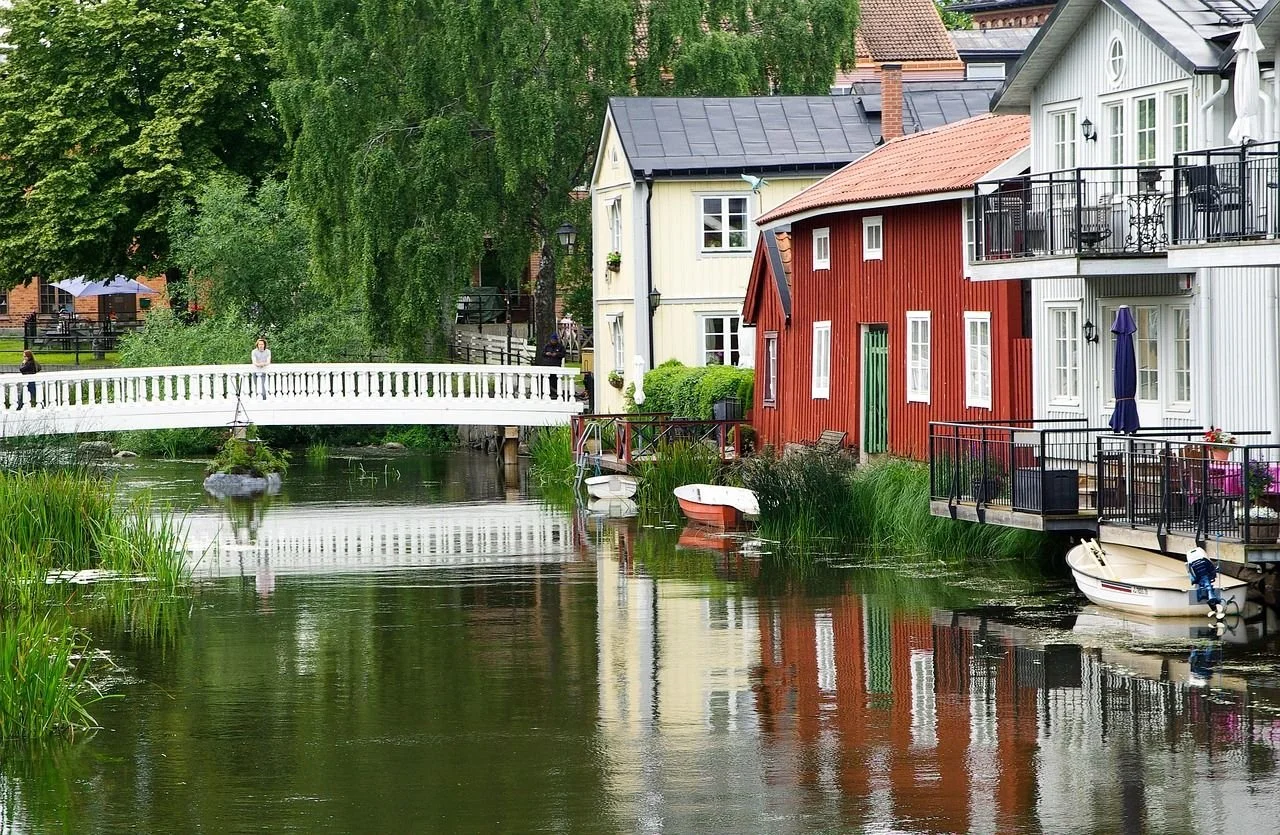
English Language in Sweden Education, and a Quiet National Advantage (ShuttlesA2B Sweden)