
Essential Guide to Buenos Aires - Shuttles & Sightseeing
Navigate Your Journey with Confidence and Style
Argentina - Buenos Aires — explore shuttles, airport transfers, private drivers, subte, tours & sightseeing - Featured partners:
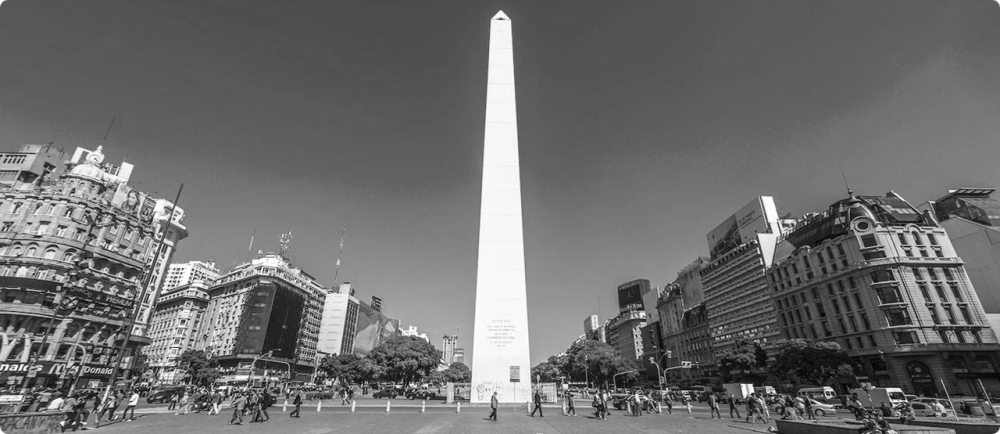
Airport Transfers Buenos Aires - 24/7 door-to-door service
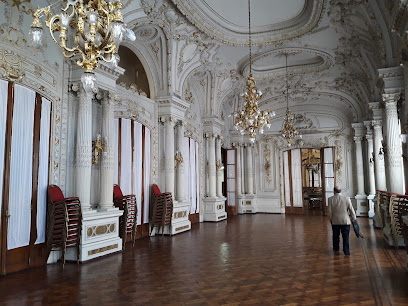
Buenos Aires Airport Shuttle, Florida, Cdad. Autónoma de Buenos Aires, Argentina

Van al Aeropuerto - Buenos Aires - arrivals & departures
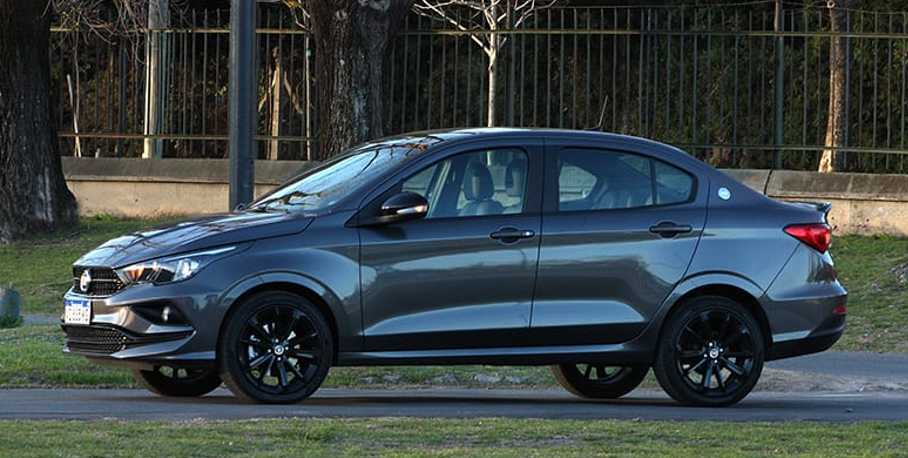
Traer - transfers to and from Ezeiza International Airport, Buenos Aires, Argentina
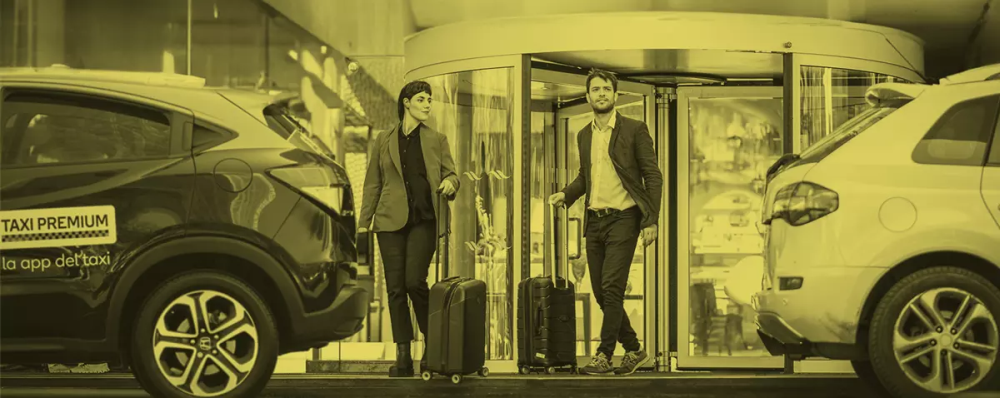
Taxi Premium - traslado hacia el aeropuerto de Ezeiza
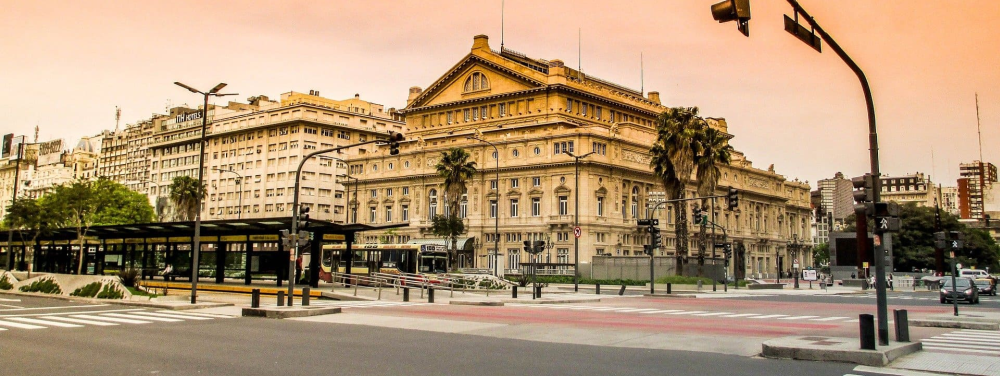
Buenos Aires Transfers - Ezeiza Ministro Pistarini Airport & Aeroparque Jorge Newbery airport private transfers
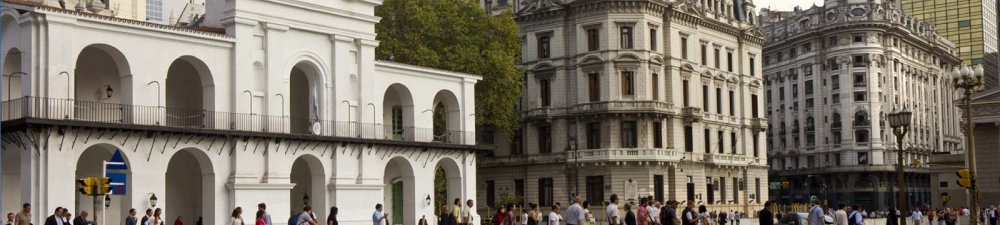
CiceroneBA - private tours in Buenos Aires
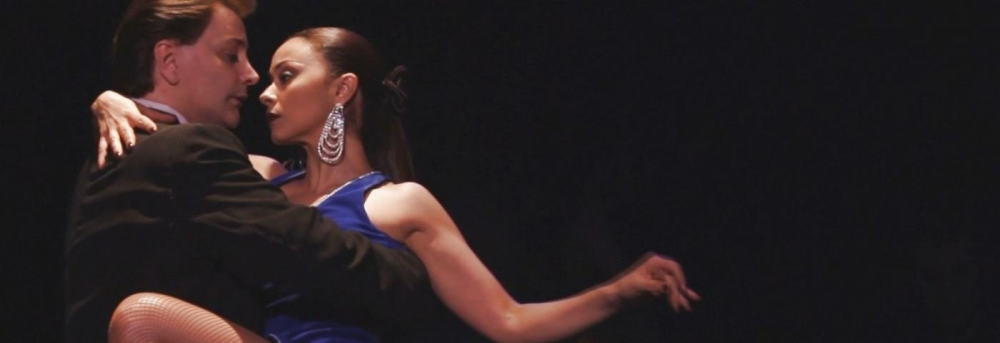
argentina4u - Esquina Homero Manzi tango show Buenos Aires
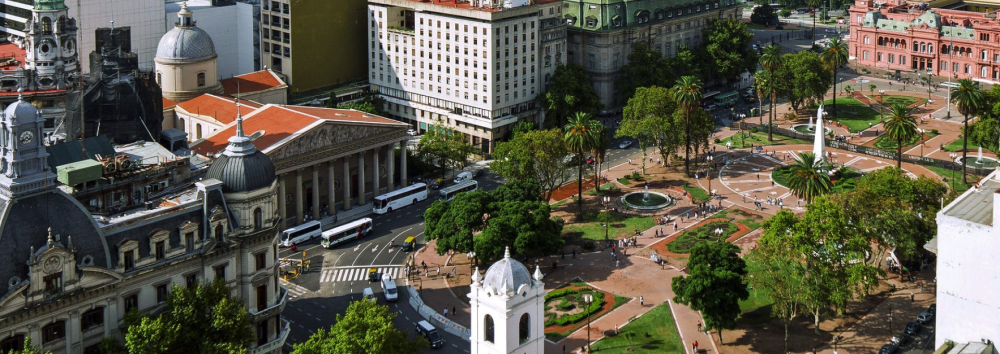
Cultour Buenos Aires - bespoke tours of Buenos Aires, Argentina
Getting Around Buenos Aires — Transport, Barrios & Daily Life
Buenos Aires is a city you move through, not just look at. You’ll walk, ride el subte, hop a colectivo, grab a taxi late at night, and slowly start thinking like a porteño instead of following a map.
This is how getting around Buenos Aires actually works — calmly, practically, and without fuss.
Airport to City — Airport Shuttles & Transfers (Traslados)
Buenos Aires has two airports:
Ezeiza (EZE) — international arrivals, about 30–40 km from the city
Aeroparque (AEP) — domestic and regional flights, much closer to the centre
Transport Options from the Airport
Airport shuttles & airport transfers (traslados): Pre-booked shuttles and private drivers are reliable, especially after long flights or late arrivals.
Taxis / Remises: Official airport taxis operate on fixed or semi-fixed fares. From EZE to central Buenos Aires, costs are higher than city taxis but predictable.
Ride-hailing (Uber, Cabify, DiDi): Widely used, clear pricing in-app, and often easier if Spanish is limited.
For early flights or heavy luggage, airport transfers or private drivers are usually the least stressful option.
El Subte — Moving Around Buenos Aires Like a Porteño
The subte (Buenos Aires metro) is fast, affordable, and practical for everyday movement.
What You Need
A SUBE card — used for the subte, buses, and trains
Buy it at kioscos or subte stations and top it up as needed.
How It Works
Tap your SUBE card at the gate to enter
Lines are identified by letters (A, B, D, etc.)
Stations connect neighbourhoods like Palermo, Recoleta, Centro, San Telmo, and Microcentro
Practical Tips
Rush hour (weekday mornings and early evenings) can be crowded
Keep bags in front of you on busy trains
Stations are well signposted once you’re inside
Buses (Colectivos) — The City at Street Level
Buenos Aires buses run everywhere, all day and night.
You signal the bus with your hand to stop it
Pay with your SUBE card when boarding
Routes are extensive but not always intuitive at first
Navigation apps help, but once you get the rhythm, colectivos become second nature — very porteño, very practical.
Taxis & Private Drivers
Taxis: Metered, plentiful, and easy to hail in most areas. Ride-hailing apps offer price visibility and convenience.
Private drivers: Useful for airport transfers, late-night returns, or when you want door-to-door ease without thinking.
Costs are reasonable by international standards, especially with current exchange rates.
Day Trip by Boat — Colonia del Sacramento (Uruguay)
From the port near Puerto Madero, ferries cross the Río de la Plata to Colonia del Sacramento.
Travel time: around 1 hour 15 minutes
Passport required (you clear immigration both ways)
Ideal for a relaxed day wandering cobblestone streets, cafés, and the historic old town
It’s an easy escape that feels worlds away, then you’re back in Buenos Aires by evening.
Neighbourhoods You’ll Move Through
Recoleta
Elegant streets, cafés, and green spaces.
Visit La Recoleta Cemetery for Evita’s tomb and the famously resident cats. Walking works best here.
San Telmo
Cobblestones, antiques, tango, and old bars.
Slow movement suits San Telmo — walk, pause, sit.
La Boca
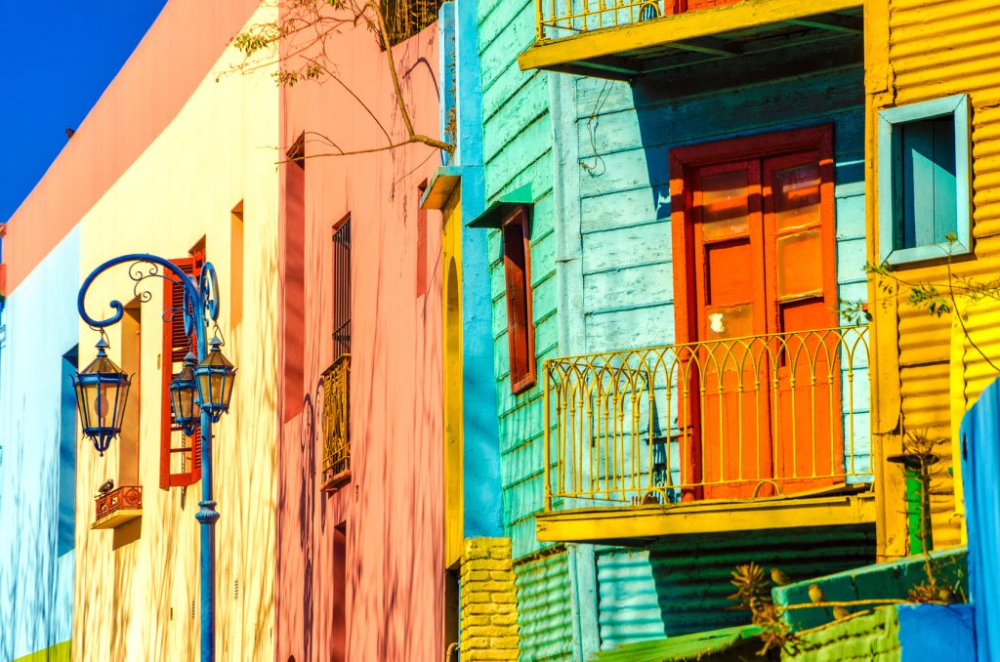
Bright houses along Caminito and deep football culture.
Reach it by taxi or colectivo. Nearby is La Bombonera, Boca Juniors’ iconic stadium.
Palermo
Large, leafy, and social. Divided into Palermo Soho, Hollywood, and Chico.
Well connected by subte and buses, and easy to explore on foot.
Tango, Cafés & Street Life
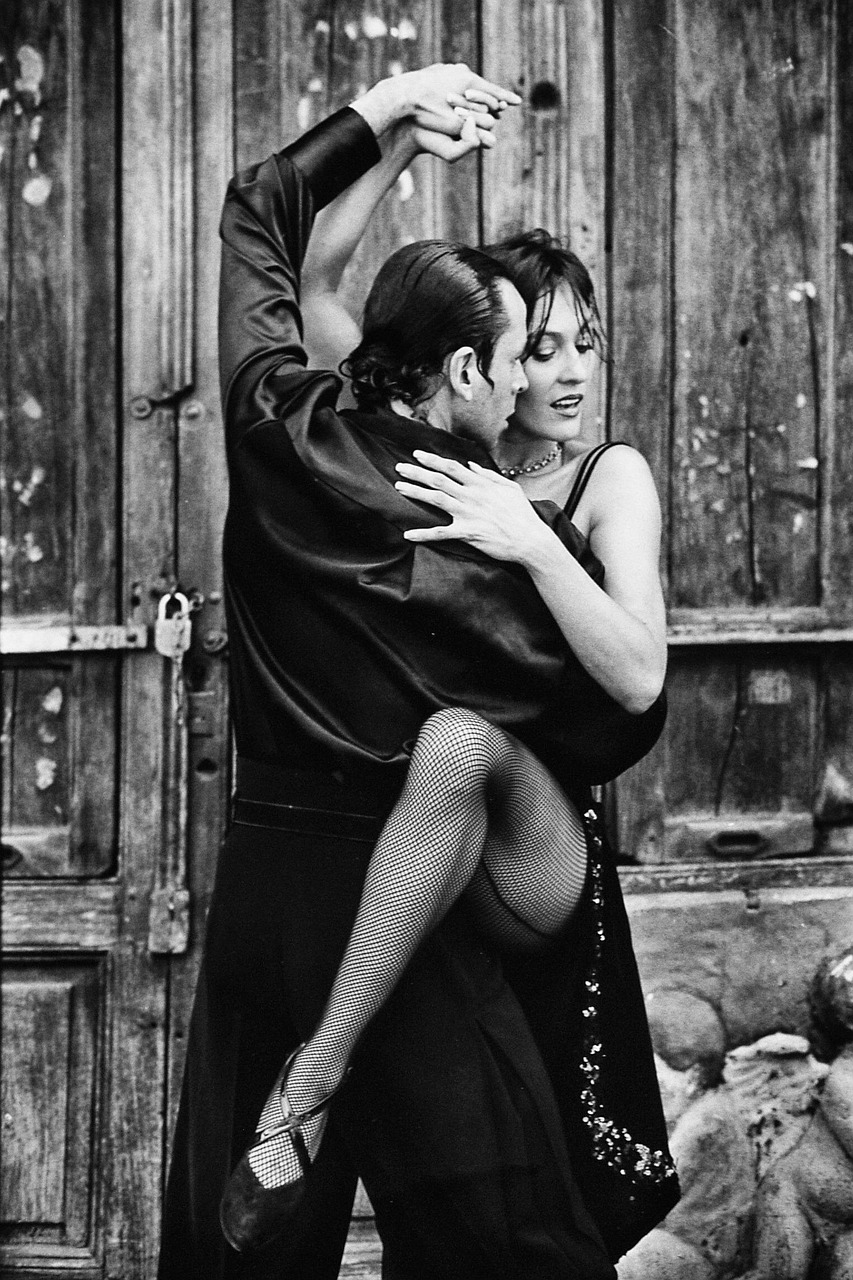
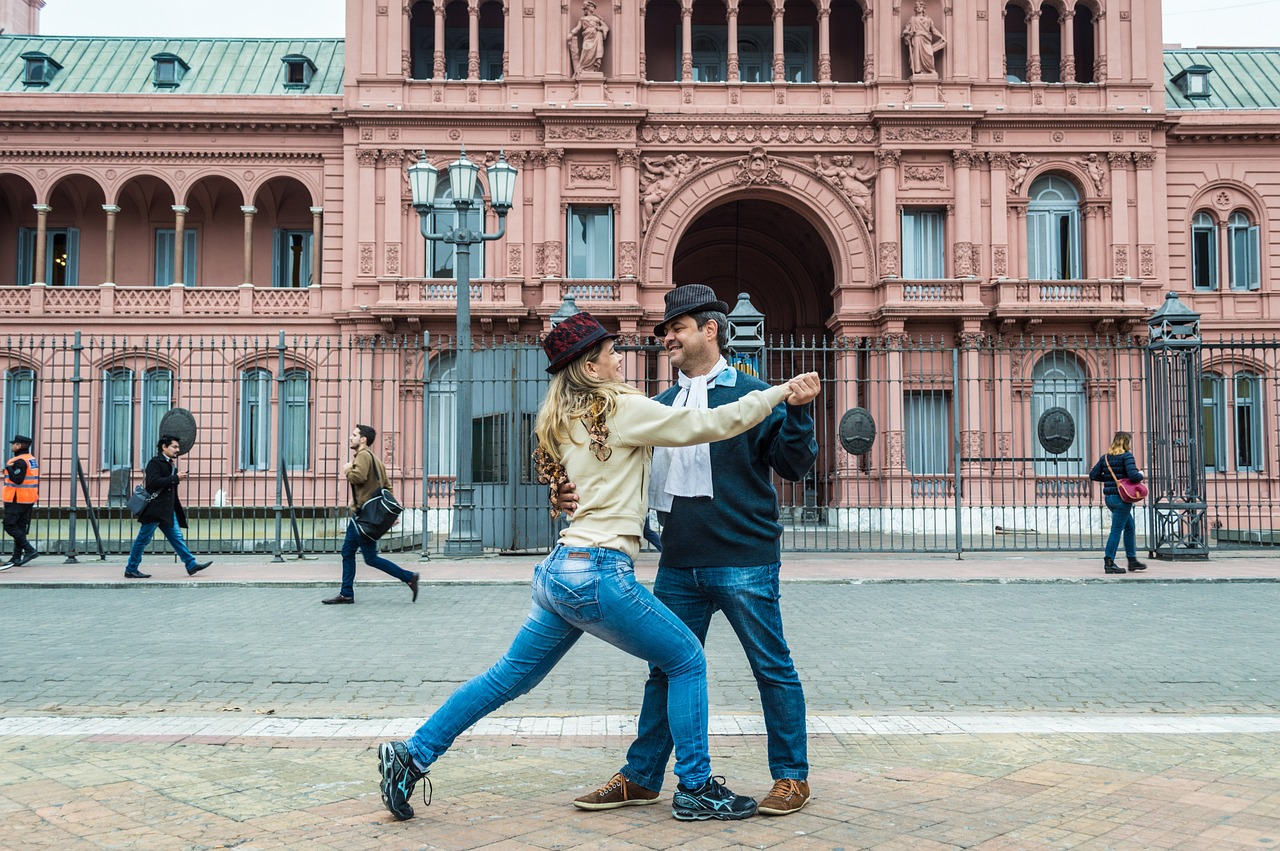
Tango appears where you least expect it — a street corner, a small plaza, a late-night milonga.
For something polished, there are traditional cena y tango shows with dinner.
Historic cafés invite you to sit, order a cortado, and watch Buenos Aires move at its own pace.
Food & Everyday Rituals
Empanadas: Quick, warm, everywhere
Mate: The shared herbal tea you’ll see passed hand to hand
Parrillas: Steak, grilled slowly, taken seriously
Eating and drinking are unhurried here — transport follows the same rhythm.
Exchange Rate Snapshot
As a general reference:
1 USD ≈ 1,440–1,450 Argentine pesos (ARS)
Rates fluctuate, and official and informal rates may differ.
Move around Buenos Aires using the subte for distance, buses for texture, taxis when it makes sense, and your feet whenever possible.
Before long, the city stops feeling big — and starts feeling familiar.
N.B. Prices shown are indicative and reflect typical costs in Argentina as at February 2026.
Popular Destinations, Buenos Aires, Argentina -sightseeing, tours and transport: Featured Plus
-
![https://taxi-a-ezeiza.com.ar/]()
transfers to Ezeiza International Airport and Aeroparque Jorge Newbery
-
![https://www.sohotransfers.com.ar/]()
Transfers - aeropuerto Ezeiza and Puerto Cruceros
-
![https://www.turismoentaxi.com/]()
serviços privativos com motoristas e guias bilíngües
-
![https://signaturetours.com.ar/home/en]()
Buenos Aires Tours and Day Trips
-
![https://cultourbuenosaires.com/ Cultour Buenos Aires, Argentina]()
discover the soul of Buenos Aires with local guides
-
![https://www.toursbuenosaires.com/home]()
authentic Argentina travel experience

Evita
Eva Perón isn’t just a historical figure in Argentina — she’s a presence.
Even decades after her death, Evita still hovers over Buenos Aires in a way that feels emotional rather than academic, personal rather than political.
A meteoric rise
Born into poverty in rural Argentina, Eva Duarte arrived in Buenos Aires as a teenager with little more than ambition and nerve. When she met Juan Domingo Perón in the 1940s, Argentina was in the middle of enormous social change. Evita became the voice, the face, and the emotional engine of Peronism — a movement that promised dignity to those long excluded from power.
Her rise was breathtakingly fast. In just a few years she went from radio actress to First Lady, but she refused the traditional, decorative role. Instead, she positioned herself as a direct conduit between the government and los descamisados — the “shirtless ones,” Argentina’s working poor.
Power through empathy
Evita’s influence didn’t come from holding office. It came from connection. She spoke in a language people understood — emotional, urgent, unapologetic. She visited factories and hospitals, handed out aid, intervened personally in cases of injustice, and built a vast charitable network through the Eva Perón Foundation.
For many Argentines, she wasn’t a symbol of the state; she was the state, but one that listened.
That intimacy is key to understanding her enduring power. Supporters saw her as a protector and advocate. Critics saw her as manipulative or authoritarian. Both sides, then and now, agree on one thing: she was impossible to ignore.
A short life, amplified
Evita died of cancer in 1952 at just 33 years old. The shock froze her image in time — young, glamorous, defiant. Her death triggered mass mourning on a scale Argentina had never seen. Millions lined the streets. The grief was raw, almost religious.
What followed only deepened the myth. Her body was hidden, moved across continents, and returned years later. Her image was banned, then resurrected. Few political figures anywhere have such a dramatic posthumous story.
She didn’t fade away. She transformed into legend.
Evita today: memory, myth, and emotion
In modern Argentina, Evita still divides opinion — but she also unites emotion. You’ll hear her name spoken with tenderness, anger, pride, nostalgia. Rarely indifference.
In Buenos Aires, her presence is everywhere if you know where to look:
The Eva Perón Museum, housed in a former shelter linked to her foundation
Her grave at Recoleta Cemetery, often surrounded by flowers and notes
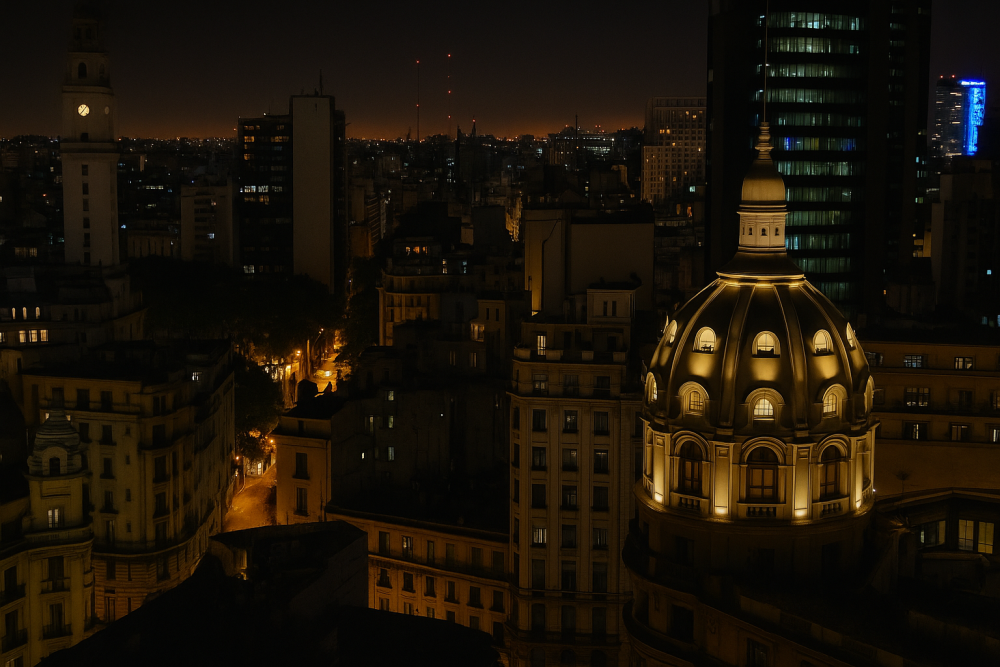
The massive illuminated portrait on the Ministry of Social Development building, watching over the city at night
Murals, slogans, songs, and street conversations that keep her alive in everyday culture
Visitors are often surprised by how visceral the reaction is. This isn’t distant history. Taxi drivers, guides, grandparents — everyone has an Evita story, or at least a strong opinion.
Why she still draws people to Buenos Aires
People come to Buenos Aires for tango, architecture, steak, and cafés. But many leave remembering Evita.
She represents something larger than politics: the idea that one person, coming from nothing, can force a country to confront inequality, loyalty, love, and power — all at once. Her story is theatrical, tragic, and human. It feels made for Buenos Aires itself: dramatic, contradictory, emotional.
To walk the city with Evita in mind is to understand Argentina a little better — its passions, its divisions, its refusal to be neutral.
Evita endures because she touched something elemental. Not just votes or policies, but hearts. And in Argentina, that kind of connection never really dies.

ShuttlesA2B - Mexico City | CDMX - City Guide