

Essential Guide to Guatemala Shuttles:
Navigate Your Journey with Confidence and Style
Guatemala - Intro
Guatemala is one of Central America’s most compelling and culturally rich countries — a place where ancient Maya civilisation, Spanish colonial heritage, and living Indigenous traditions exist side by side.
From the cobbled streets and pastel facades of Antigua Guatemala to the volcanic shores of Lago de Atitlán, from the vast jungle temples of Tikal to the limestone pools of Semuc Champey, the country packs extraordinary diversity into a relatively small area.
Guatemala is mountainous, colourful, and deeply traditional. Indigenous communities maintain distinct languages, textiles, and customs, particularly in the western highlands. Travel here is not always polished or predictable — roads can be winding, journeys long — but that’s part of its appeal.
For travellers willing to embrace a little adventure, Guatemala offers dramatic landscapes, powerful history, and some of the most memorable experiences in the region.
Guatemala — explore shuttles, airport transfers, private drivers, boat trips, tours & sightseeing - Featured partners:

A La Carta Tours, Antigua & Lake Atitlan, Guatemala

Adrenalina Tours, Guatemala
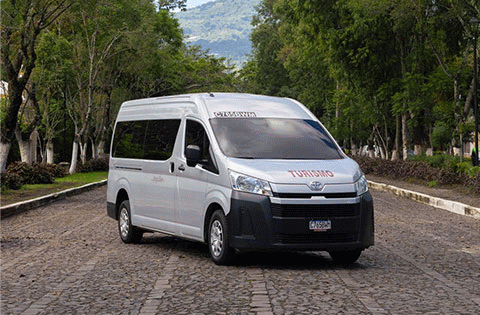
Antigua Tours / Shuttles - Guatemala

Quetzal Shuttle, Guatemala
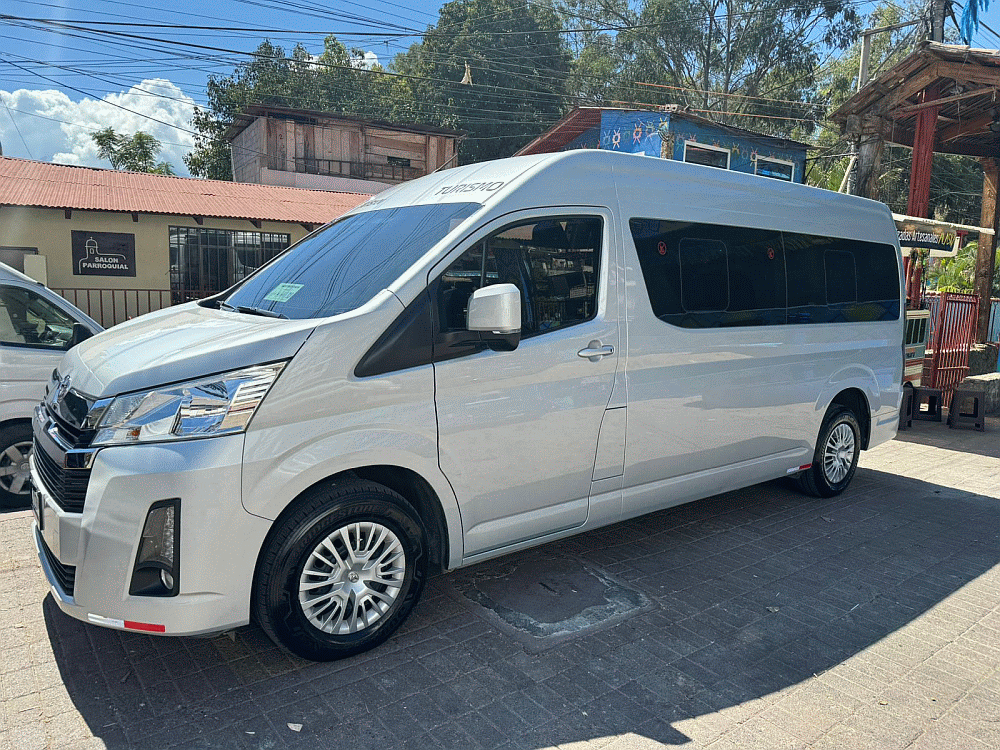
Atitrans, Antigua Guatemala and Panajachel
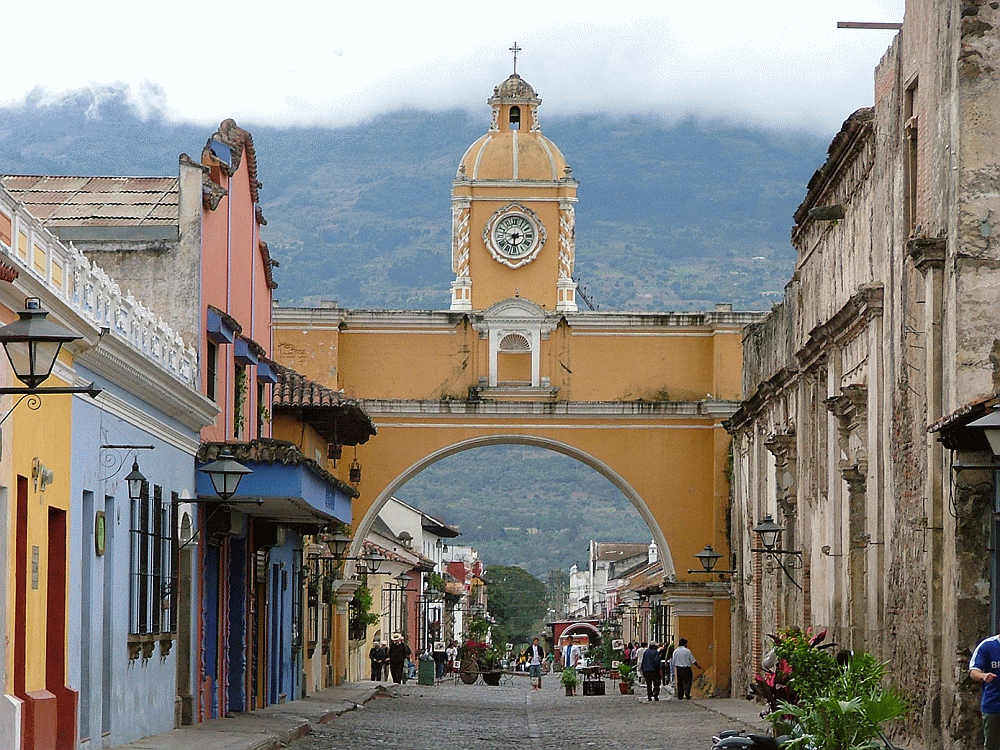
Guatemala Transportation

NEWay Tours, Guatemala

Airport transfers from La Aurora International Airport in Guatemala
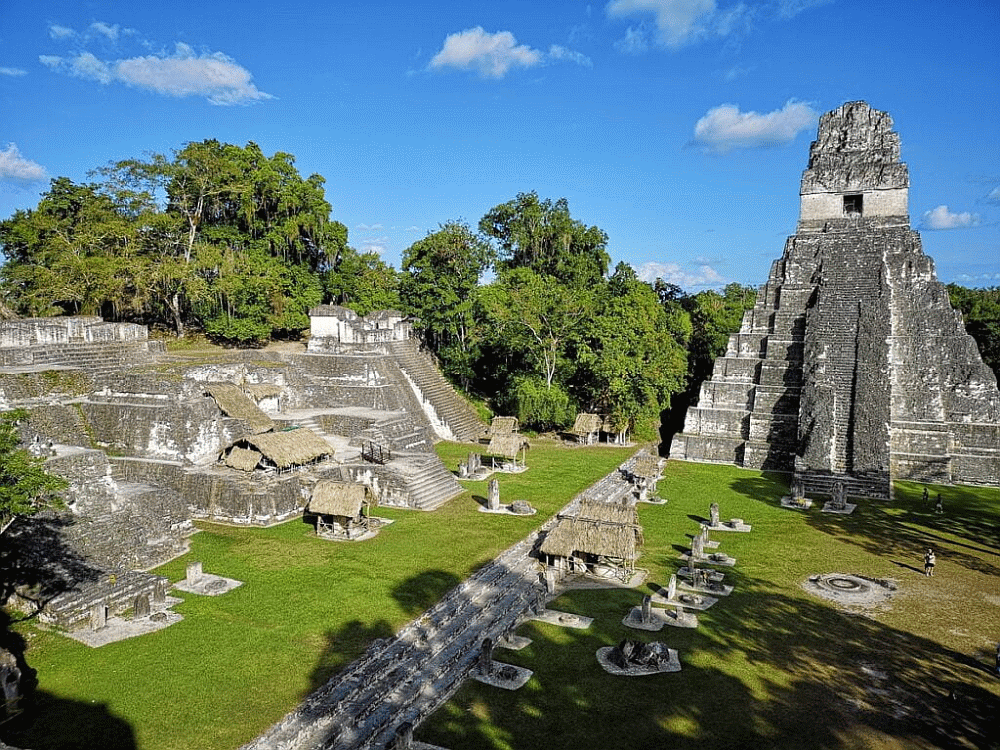
San Ignacio Shuttle Service, Belize City to Tikal
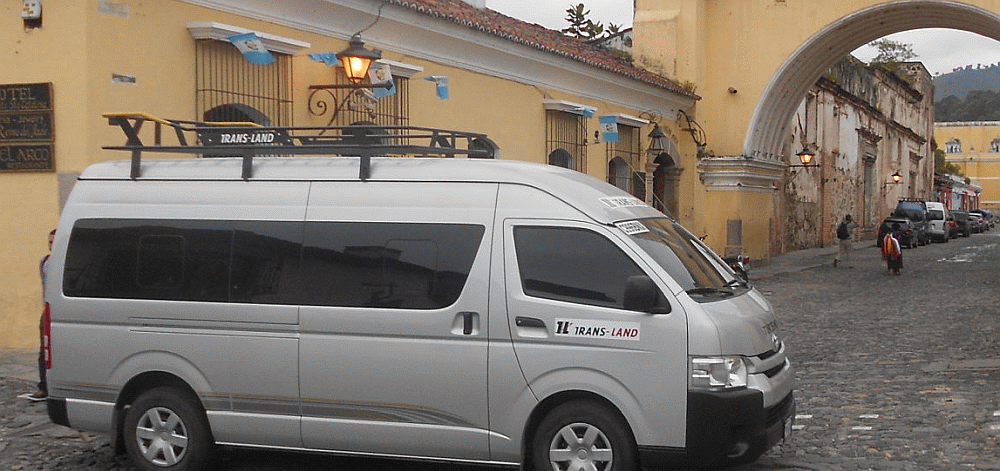
Trans-Land Shuttle Service, Guatemala

Taxi Flores Tikal
Getting Around Guatemala
Transport, Shuttles, and Practical Travel Tips
Guatemala is compact, dramatic, and deeply rewarding — from colonial highland cities and volcanic lakes to dense jungle and ancient Maya ruins. Distances are not vast, but road conditions, winding mountain routes, and border formalities can stretch travel times.
In a single trip, travellers can move between the cobbled streets of Antigua Guatemala, the deep blue waters of Lago de Atitlán, the markets of Chichicastenango, the jungle around Flores, and the limestone pools of Semuc Champey.
This guide explains how transport works in Guatemala — buses, shuttles, boats, private drivers, flights, and cross-border travel — with realistic travel times and costs.
Transport Options in Guatemala
Chicken Buses (Local Buses)
Guatemala’s iconic repurposed US school buses — known as “chicken buses” — connect nearly every town.
Extremely inexpensive
Frequent departures on major routes
Can be crowded and slow
Luggage stored on roof
Typical cost:
USD $1–2 per hour of travel
They’re practical for short distances and daytime travel, especially between Antigua, Guatemala City, Panajachel, and Chichicastenango.
Tourist Shuttles
Shared minibuses are the backbone of traveller transport.
Hotel pickup and drop-off common
Direct routes between tourist hubs
Safer and simpler than navigating bus changes
Particularly useful for long cross-country journeys
Typical cost:
USD $25–60 depending on distance
Most visitors use shuttles for longer legs such as Antigua → Lanquín or Panajachel → Flores.
Private Drivers
Private transport is easy to arrange in Antigua, Panajachel, and Flores.
Flexible departure times
Faster than shuttles
Ideal for families or small groups
Useful for rural areas like Semuc Champey
Typical cost:
USD $120–250 per route depending on distance
For 3–4 people, this can be surprisingly good value.
Domestic Flights
For long north–south journeys, flying saves significant time.
Guatemala City ↔ Flores: ~1 hour
Driving this route can take 8–10 hours.
Flights are the easiest way to reach Tikal if you’re short on time.
Getting Around Key Destinations
Antigua Guatemala
Compact and walkable
Taxis and tuk-tuks for short rides
Main departure hub for shuttles
Antigua → Guatemala City Airport:
1–1.5 hours depending on traffic | USD $25–40 shuttle
Antigua is the easiest base for arranging onward transport throughout the country.
Lago de Atitlán (via Panajachel)
Panajachel is the main gateway town.
Antigua → Panajachel:
2.5–3.5 hours | USD $25–40 shuttle
Getting Around the Lake
Transport between lake villages is by small public boats (lanchas).
Common stops include:
San Pedro
San Marcos
Santiago Atitlán
Boat rides: 10–40 minutes | USD $3–8
There are no roads linking most lakeside villages — boats are essential.
Chichicastenango (Chichi)
Famous for its Thursday and Sunday indigenous markets.
Panajachel → Chichicastenango:
1.5–2 hours | USD $15–25 shuttle
Often visited as a day trip from Antigua or Lake Atitlán.
Flores & Tikal
Flores is the gateway to the Maya world of Petén.
Guatemala City → Flores
Flight: ~1 hour
Bus: 8–10 hours (overnight options available)
Flores → Tikal
1–1.5 hours by shuttle | USD $15–25
Early departures (4–5am) are common for sunrise tours.
Tikal is remote jungle — pre-arranged transport is recommended.
Lanquín & Semuc Champey
One of Guatemala’s most beautiful — and logistically challenging — areas.
Antigua → Lanquín:
8–10 hours shuttle | USD $35–50
From Lanquín town to Semuc Champey:
4WD truck only
30–45 minutes over rough roads
Self-driving is not recommended unless experienced with rural terrain.
Popular Routes: Travel Times & Costs
Antigua → Lake Atitlán (Panajachel)
2.5–3.5 hours | USD $25–40
Antigua → Lanquín
8–10 hours | USD $35–50
Antigua → Flores
8–10 hours bus | USD $40–60
Flight: ~1 hour | USD $80–150
Flores → Lanquín
7–9 hours shuttle | USD $40–55
Panajachel → Lanquín
8–9 hours | USD $35–50
Roads are mountainous and winding — distances may look short on a map but take time.
Cross-Border Travel
Guatemala connects easily with Mexico, Belize, El Salvador, and Honduras — though procedures vary.
Guatemala ↔ Mexico
Popular crossings:
El Ceibo (near Flores) for Palenque
La Mesilla for San Cristóbal de las Casas
To Palenque
Flores → El Ceibo → Palenque
~5–6 hours total
To San Cristóbal de las Casas
Lake Atitlán or Antigua → La Mesilla
8–10+ hours
Border tips:
Exit/entry fees occasionally apply
Carry small USD or quetzales
Photocopies of passport useful
Shuttles usually coordinate both sides
Guatemala ↔ Belize
Most common crossing:
Melchor de Mencos ↔ Benque Viejo del Carmen
Flores → San Ignacio
~2–3 hours total
Belize entry is typically straightforward. Expect occasional exit tax from Guatemala.
Guatemala ↔ El Salvador
Most-used crossing:
Pedro de Alvarado
Antigua → Santa Ana
4–5 hours
Straightforward process; CA-4 agreement (Guatemala, El Salvador, Honduras, Nicaragua) allows movement without repeated passport stamps for many nationalities — but always confirm current rules.
Guatemala ↔ Honduras
Common route for Copán Ruinas.
Antigua → Copán Ruinas
6–7 hours
Well-established shuttle routes operate daily.
Practical Transport Advice
Start early — afternoon rain can affect rural roads
Build buffer time before international flights
Avoid overnight chicken buses
Keep valuables secure
Bring snacks and water for long routes
Road conditions in the highlands are generally decent; rural jungle and Verapaz routes are rougher.
Top Places to Visit in Guatemala
Antigua Guatemala – colonial architecture and volcano views
Lake Atitlán – dramatic scenery and indigenous villages
Chichicastenango – vibrant traditional market
Flores – charming island town
Tikal – monumental Maya ruins in deep jungle
Lanquín & Semuc Champey – turquoise pools and caves
Guatemala rewards flexibility. With a mix of shuttles, local buses, private drivers, flights, and boats, it’s entirely possible to travel independently between volcanoes, lakes, jungle, and borders.
Travel days can be long, but distances are manageable — and the landscapes between destinations are part of the experience.
Prices shown are approximate and current as of April 2026.
Popular Destinations and Shuttle Services - Guatemala: Featured Plus
-
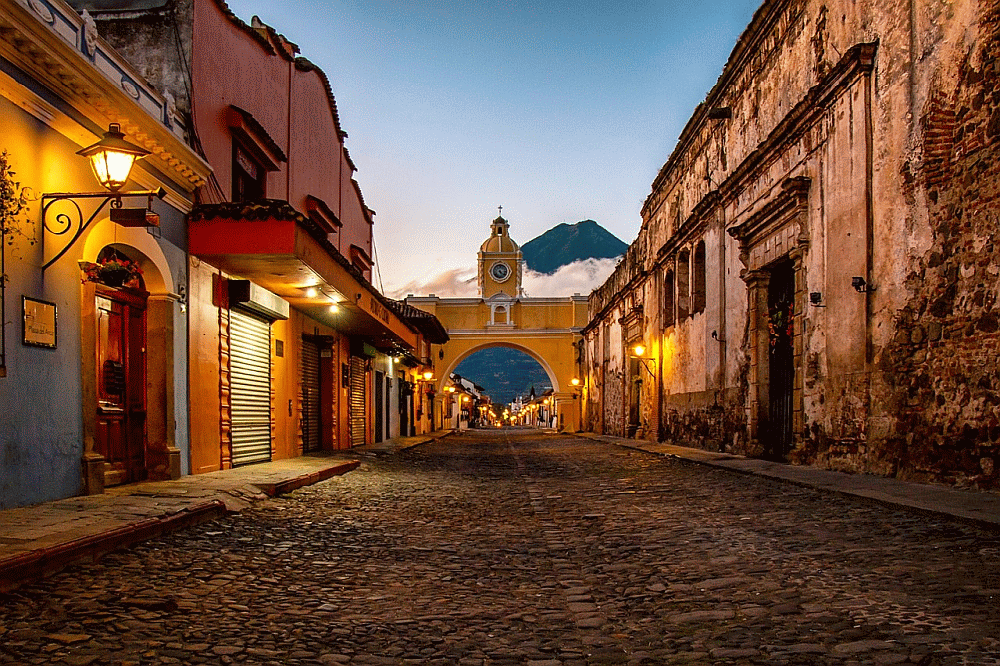
![Antigua Guatemala copyright Pixabay]()
Antigua
-
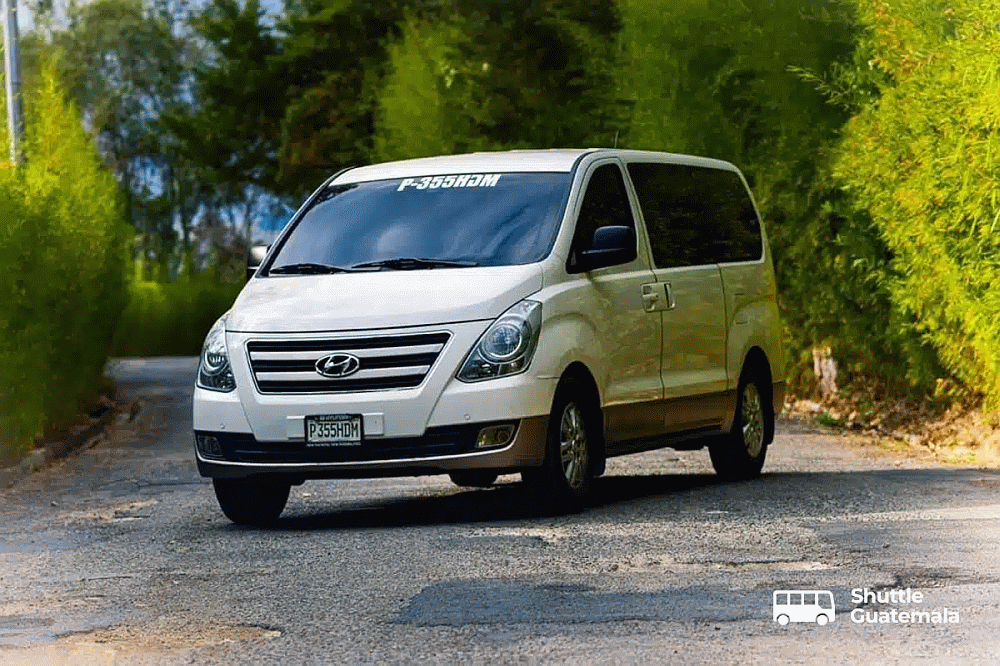
![Shuttle Guatemala shuttleguatemala.travel]()
Panajachel, Lago Atitlan
-
![Chico Maya, Viajes, tours y mas, Guatemala]()
Chico Maya, Viajes, tours y más, Guatemala
-
![Antigua]()
Antigua, Sacatepéquez
-
![Tikal Go, Flores, Guatemala]()
Flores to Tikal
-
![Coban Travels Guatemala]()
ofrecemos shuttles, tours y transporte privado





Belize Sea Shuttle - water taxi Corozal to Caye Caulker

Globopuerto - adventure hot-air balloon flights over Teotihuacán pyramids
ShuttlesA2B - Belize
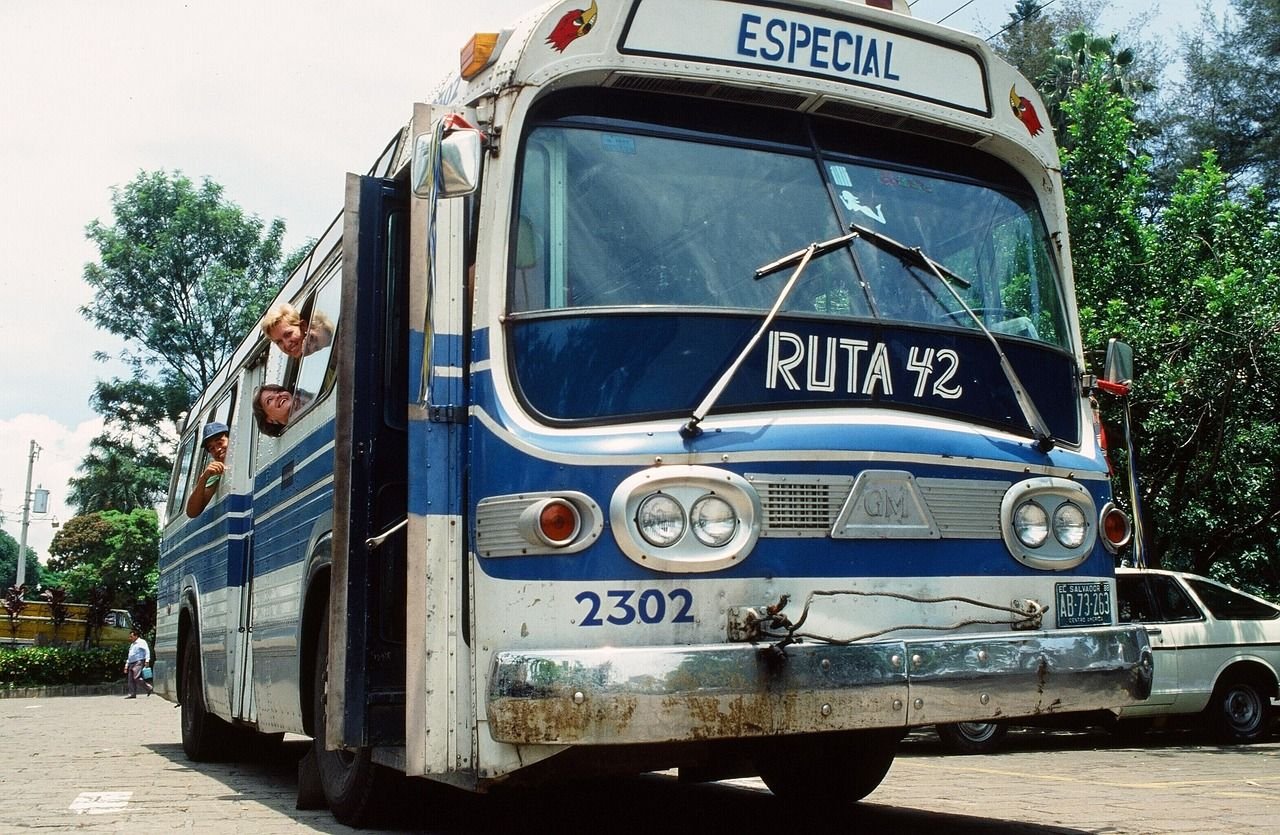
ShuttlesA2B - El Salvador
El Ceibal - Guatemala 1979
In January 1979 I made my way through the Guatemalan jungle to the Mayan ruins of El Ceibal. This was one of the first moments on my journey when I felt the past come alive around me. The excerpt below comes straight from my diary entry written that morning.
Sabado 13 Enero 1979 El Ceibal —» Sayache
Alone among the ruins
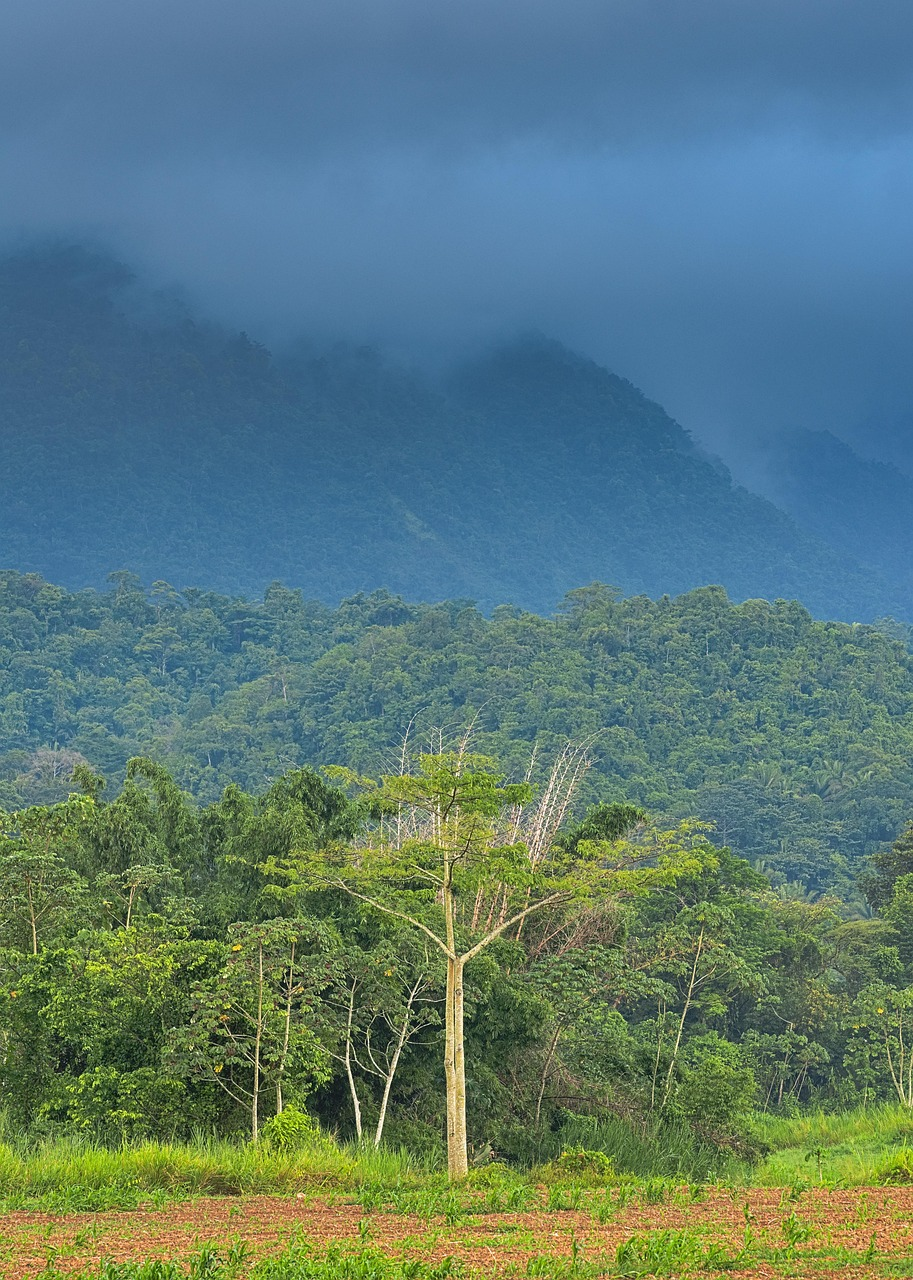
Early in the morning the man at the house led me away through the trees and across his paddock of maize and through a jungle track up a hill, in the direction of las ruinas del Ceibal. I gave him a quetzal for his hospitality and walked off into the Gautemalan jungle, alone and happy.
Followed only by the mosquitos I carefully walked through the trees and vines making sure not to go off the narrow track. I came eventually to a wider track of road size proportions, chose to go in one direction & walked for some time in the mud.
Finally it happened ! It was a tremendous sense of achievement and discovery. A large green mound appeared on my left and then unfolded the view of a stone temple and magnificent carved stone stela.
It was as if I had discovered the ruins myself for the first time, and having journeyed for so far by river & walked through jungle just added so much to that sense of discovery.
I was excited. Here I was alone amidst some incredible structures that had been lost to the jungle by an intelligent civilisation centuries & centuries ago.
I headed for the most outstanding temple, which had been cleaned of growth and the jungle had been cleared away as well. Climbed to the top and put down my pack against the temple. I then went on a discovery mission with just my camera, climbing up a few other overgrown temples and standing awestruck in front of beautifully carved and preserved stellae.
It was almost a religious experience when I contemplated the people who lived here and built these temples.