
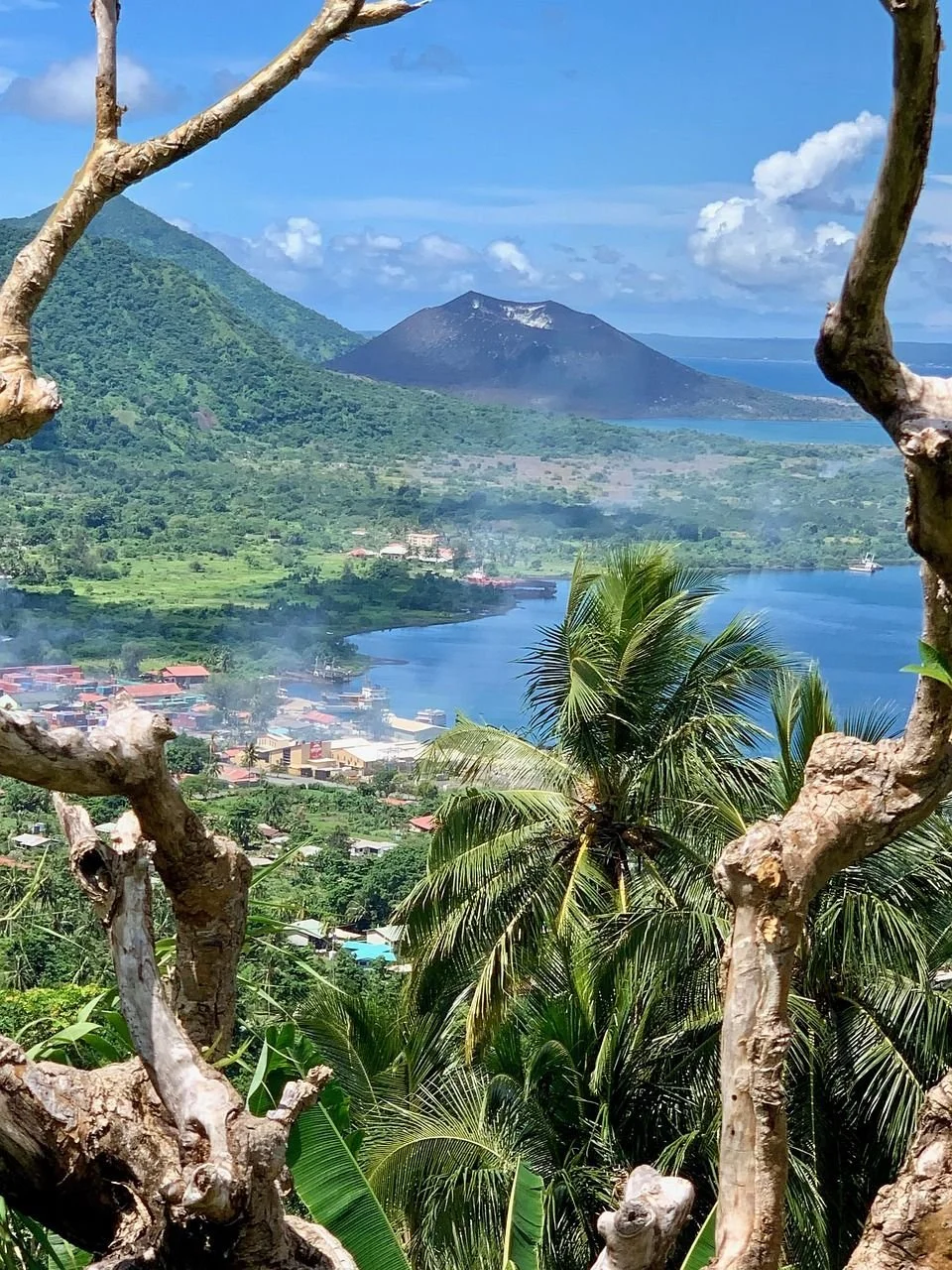
Essential Guide to Papua New Guinea Shuttles & Sightseeing:
Navigate Your Journey with Confidence and Style
Visit Papua New Guinea
Papua New Guinea is one of the world’s most culturally rich and geographically dramatic nations, a place where ancient traditions, dense rainforests, volcanic highlands, and island chains all converge to create extraordinary diversity.
Home to more than 800 languages and hundreds of distinct cultural groups, PNG is a country where identity is deeply tied to land, clan, and story.
Its capital, Port Moresby, sits at the crossroads of this complexity—an urban centre shaped by migration, modernisation, and the enduring strength of traditional ties.
From the Sepik River to the Highlands, from the Coral Sea to the Bismarck Archipelago, Papua New Guinea remains a nation defined not by a single narrative but by a mosaic of voices, landscapes, and ways of life found nowhere else on Earth.
Papua New Guinea — explore cruises, airport transfers, private drivers, tours & sightseeing - Featured partners:

ODESH - registered taxis and chauffeurs in Port Moresby
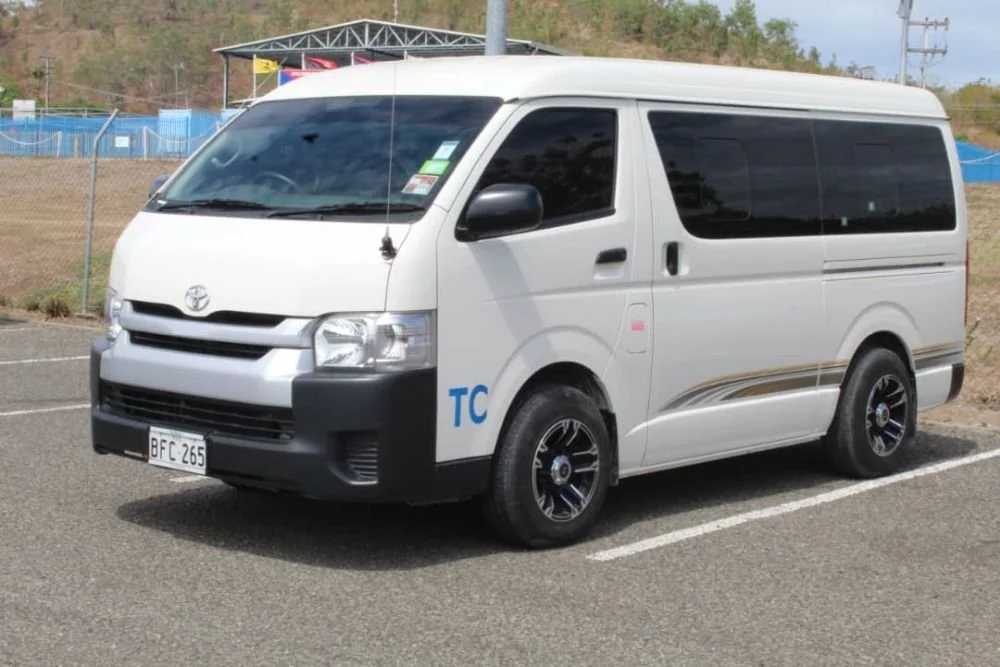
Trans Connection - Port Moresby Airport Transfers
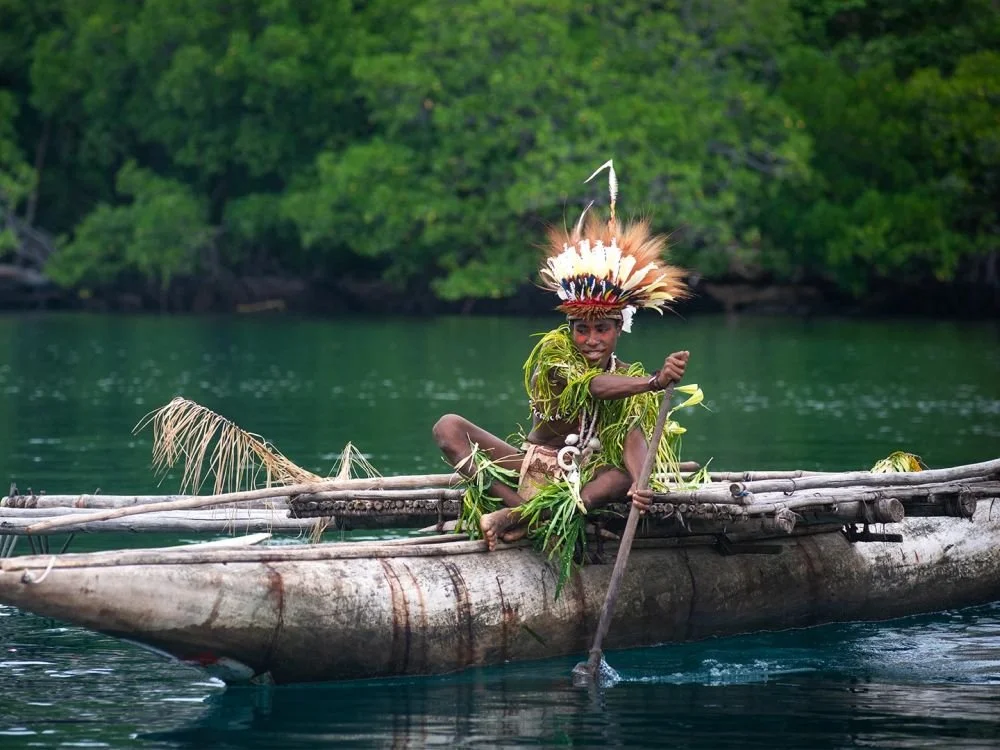
Coral Expeditions - Papua New Guinea expedition cruises

Awatu's Transportation Service - tours and private drivers around Port Moresby POM
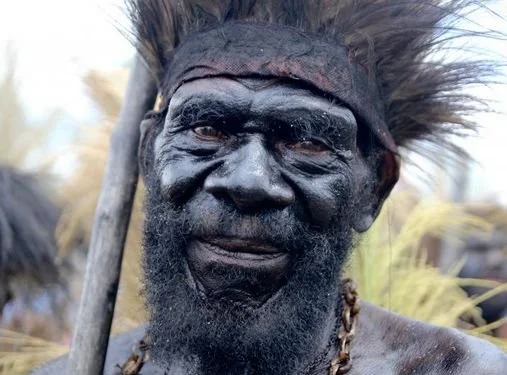
South Sea Horizons - Kokoda Track specialists
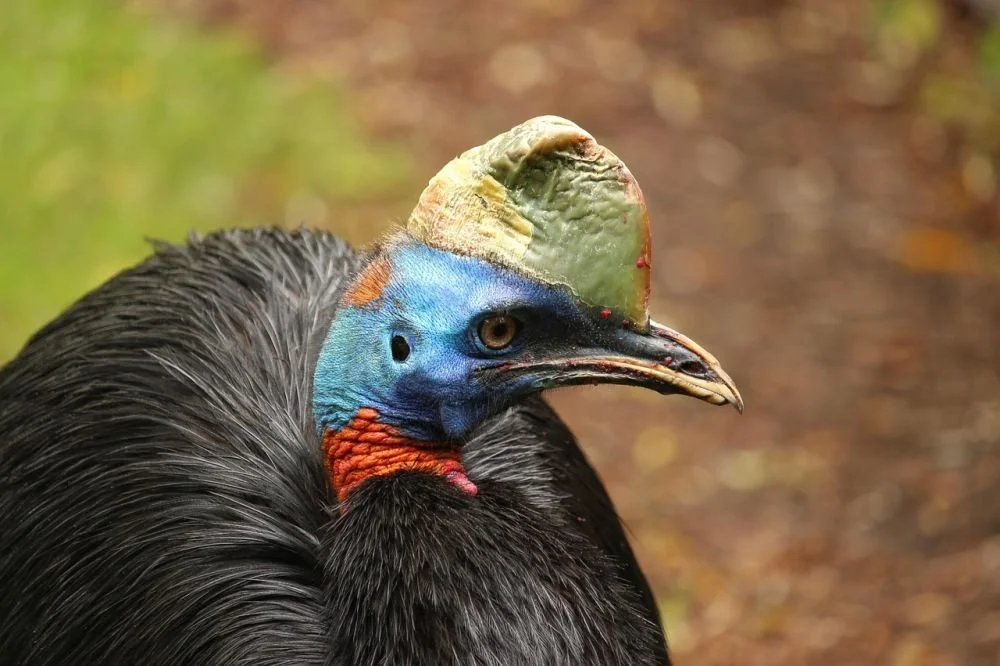
Sunrise Adventure Cruises - PNG expedition cruises
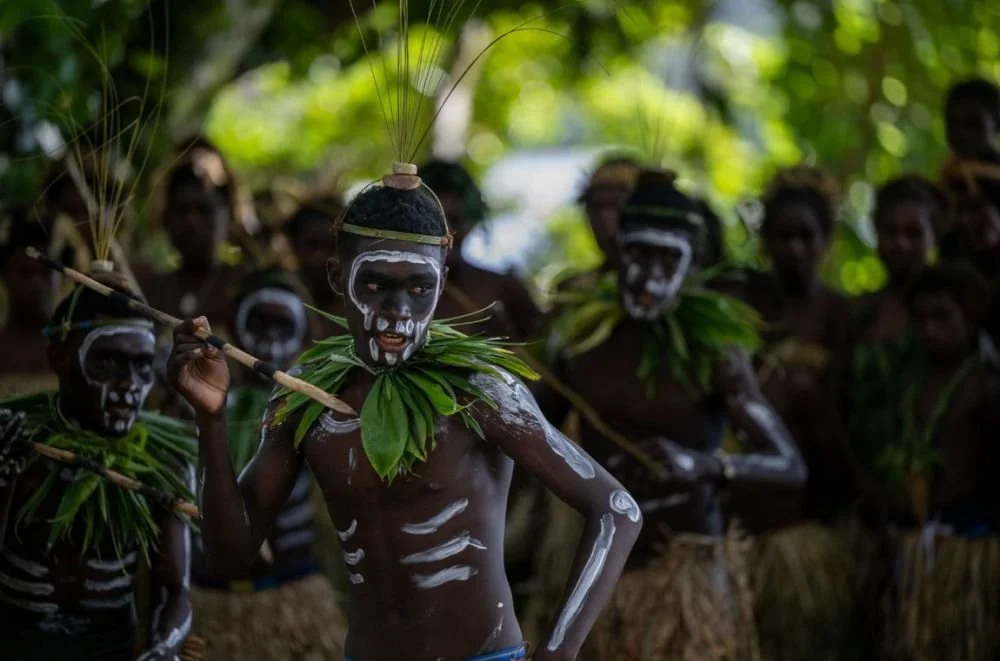
Heritage Expeditions - New Guinea cruises
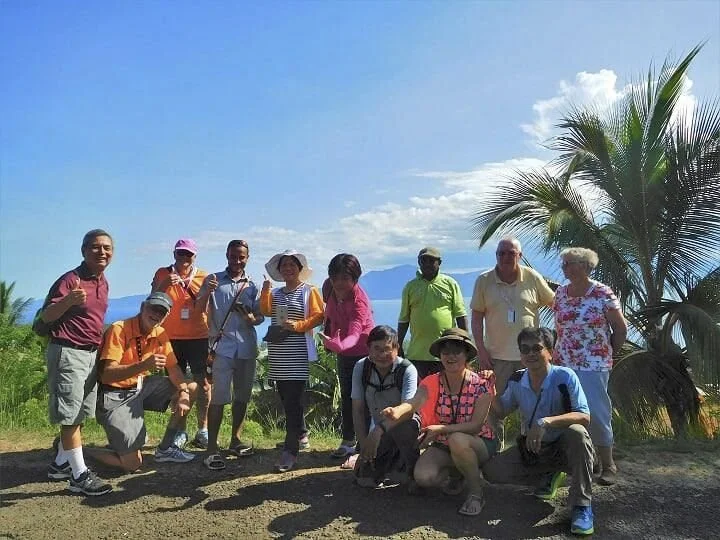
Aioni Tours - cultural and village life tour at Milne Bay
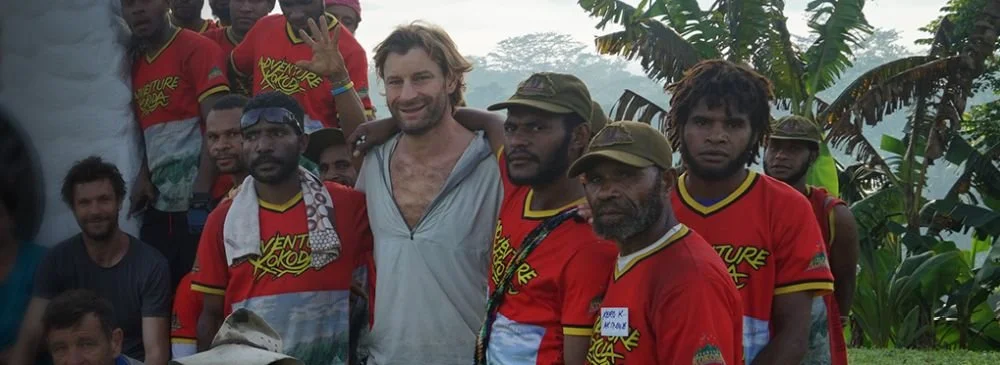
Adventure Kokoda - guided treks of the Kokoda Trail
Getting Around Papua New Guinea
Transport, Shuttles, and Practical Travel Tips
Papua New Guinea is raw, diverse, and far less connected than many destinations.
In a single trip, travellers can move between rugged highlands, dense rainforest, traditional villages, and coral-rich island provinces—but getting between them requires planning, patience, and flexibility.
This guide explains how transport works in Papua New Guinea — flights, boats, buses, PMVs (public motor vehicles), taxis, and private drivers — with realistic travel times, costs, and context for both the mainland and outer islands.
Transport Options in Papua New Guinea
Domestic Flights
Flights are the backbone of travel in Papua New Guinea.
Many regions are not connected by reliable roads
Mountainous terrain makes overland travel slow or impossible
Small aircraft service remote airstrips
Key routes:
Port Moresby ↔ Lae: ~1 hour
Port Moresby ↔ Mount Hagen: ~1–1.5 hours
Port Moresby ↔ Madang: ~1.5 hours
Typical cost:
USD $150–400 one way
Flights are often the only practical option for travelling between provinces.
PMVs (Public Motor Vehicles)
PMVs are the main form of local transport.
Converted minibuses or open-back trucks
Operate on fixed but informal routes
Depart when full
Typical cost:
USD $2–10 depending on distance
They are widely used by locals but can be crowded and unpredictable. Visitors should use them cautiously and preferably with local guidance.
Buses & Road Travel
Road networks are limited and fragmented.
The Highlands Highway connects Lae to Mount Hagen
Some regional roads exist but are often rough
Travel times can be long due to terrain and conditions
Example:
Lae → Mount Hagen: 8–12+ hours (variable)
Buses exist on major routes but are basic and not always reliable.
Private Drivers & Hotel Transfers
Private transport is the safest and most comfortable option.
Arranged through hotels or tour operators
Common in major centres
Used for airport transfers and day trips
Typical cost:
USD $80–200 per day or per route
Most visitors rely on organised transfers rather than independent travel.
Taxis
Available in larger towns.
Found in Port Moresby, Lae, and Madang
Usually arranged through hotels
Not typically hailed on the street
Short trips:
USD $10–25
Security considerations mean taxis should be pre-arranged where possible.
Boats & Ferries
Coastal and island travel often depends on boats.
Small boats connect nearby islands
Larger ferries operate between some coastal towns
Schedules can be irregular and weather-dependent
Common routes:
Madang → nearby islands
New Britain and New Ireland inter-island routes
Costs vary widely depending on distance and vessel type.
Getting Around Major Centres
Port Moresby
Main international gateway
Spread-out city with limited public transport
Hotel transfers and private drivers recommended
Airport → city:
20–30 minutes | USD $15–30
Lae
Industrial hub and gateway to the Highlands
Starting point for the Highlands Highway
Limited but functional transport options
Mount Hagen
Key centre in the Highlands
Access point for cultural festivals and trekking
Travel largely arranged through lodges or guides
Madang
Coastal town with nearby islands
More relaxed pace
Boats and local transport widely used
Popular Routes: Travel Times & Costs
Port Moresby → Mount Hagen
Flight: ~1–1.5 hours | USD $200–350
Road travel is not practical.
Lae → Mount Hagen
Road (Highlands Highway):
8–12+ hours | USD $20–50 (PMV)
Private vehicle recommended for comfort and safety.
Port Moresby → Madang
Flight: ~1.5 hours | USD $200–350
Madang → Island Resorts
Boat transfers arranged by lodges
Travel time: 30 minutes – 2 hours
Reaching Remote Areas
Much of Papua New Guinea is rural and isolated.
Many villages are accessible only by small plane or boat
Trekking routes (such as the Kokoda Track) require organised tours
Infrastructure is minimal outside main towns
Travel is often arranged as part of guided experiences rather than independently.
Inter-Island Travel
Papua New Guinea includes hundreds of islands.
Flights connect major island centres (e.g. New Britain, New Ireland)
Boats link smaller islands and coastal communities
Travel times vary greatly depending on distance and weather.
Safety & Practical Considerations
Transport infrastructure is limited
Schedules are flexible rather than fixed
Weather can disrupt flights and boats
Security is an important consideration in urban areas
Most travellers move around with:
Pre-arranged transfers
Local guides
Hotel-organised transport
Top Places to Visit in Papua New Guinea
Port Moresby – gateway and cultural introduction
Mount Hagen – Highlands culture and festivals
Madang – islands, diving, and coastline
New Britain – volcanoes and WWII history
Sepik River – traditional villages and art
Kokoda Track – trekking and history
With a mix of flights, PMVs, private drivers, taxis, and boats, Papua New Guinea is navigable—but not in a conventional sense. Distances may look short on a map, yet terrain and infrastructure make travel slow and sometimes unpredictable.
Planning key routes in advance, allowing extra time, and relying on local knowledge makes the journey far smoother—and far more rewarding.
N.B. Prices shown are indicative and reflect typical costs in Papua New Guinea as at early 2026.
Popular Destinations, Tours and Shuttle Services - Papua New Guinea - Featured Plus
-
![Safe Rider Transport POM]()
24-hour service in Port Moresby
-
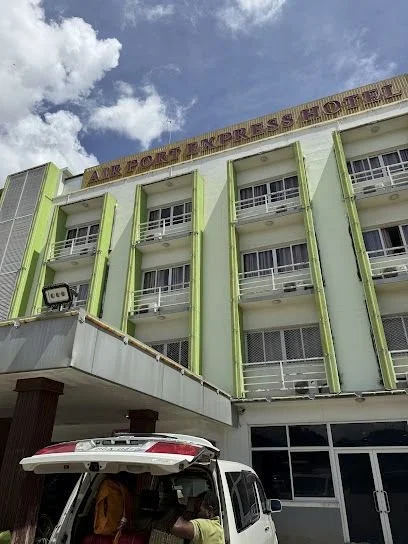
![Airport Express Hotel]()
free airport shuttle to and from Port Moresby Airport
-
![Trans Connection, Papua New Guinea]()
city and airport transfers in Port Moresby


Why Visit Papua New Guinea
Papua New Guinea is one of the least conventional destinations in the world.
People don’t come here for polished resorts or easy travel—they come for something far rarer: authenticity, cultural depth, and landscapes that still feel largely untouched.
It’s a place where hundreds of distinct cultures coexist, where traditions remain part of everyday life, and where nature dominates everything.
What Draws Travellers
Cultural Diversity Unlike Anywhere Else
Papua New Guinea is home to over 800 languages—more than any other country on Earth.
Tribal traditions are still actively practised
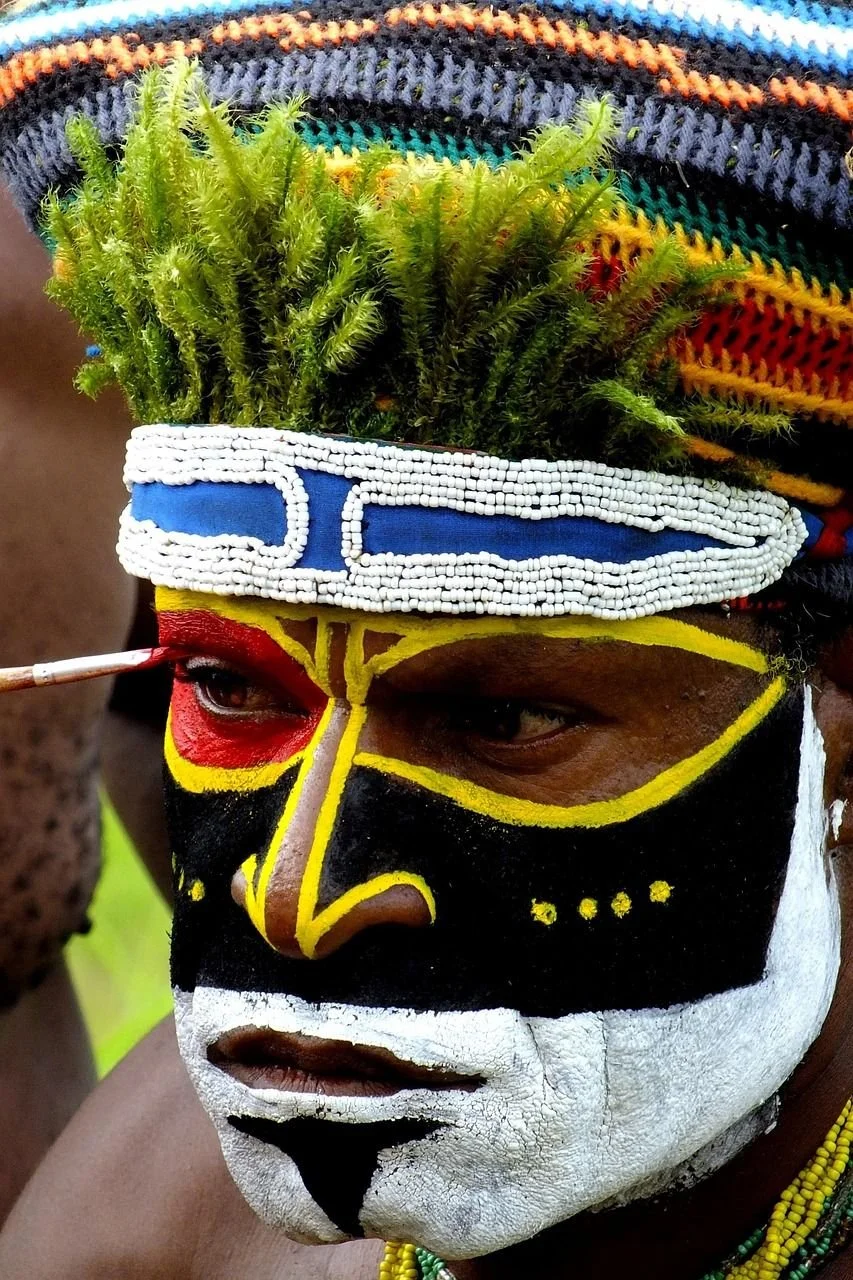
Ceremonial dress, sing-sings (festivals), and rituals remain intact
Village life offers genuine cultural interaction, not staged tourism
Events like the Mount Hagen Cultural Show bring together tribes from across the Highlands in an extraordinary display of identity and tradition.
Raw, Untouched Landscapes
The country’s geography is dramatic and largely undeveloped.
Mountain ranges cut through the interior
Dense rainforest covers much of the land
Remote rivers and valleys remain difficult to access
This is not curated nature—it’s wild, expansive, and often challenging to reach.
World-Class Diving and Marine Life
Papua New Guinea sits within the Coral Triangle, one of the richest marine ecosystems on Earth.
Pristine coral reefs
WWII wreck diving
Exceptional biodiversity
Areas around Kimbe Bay and Milne Bay are considered among the best dive destinations globally.
The Kokoda Track
The Kokoda Track is both a physical challenge and a deeply significant historical journey.
Multi-day jungle trek through rugged terrain
Sites from the WWII Kokoda Campaign
Guided by local communities
For many Australians, it carries strong historical and emotional meaning.
Traditional River and Village Life
Regions like the Sepik River offer rare access to traditional lifestyles.
Spirit houses and wood carving traditions
River-based transport and living
Communities largely unchanged by modern development
Highlights of Papua New Guinea
Highlands festivals and tribal culture
Diving in Kimbe Bay and Milne Bay
Trekking the Kokoda Track
Exploring the Sepik River
Volcanoes and coastline in New Britain
Remote island provinces and untouched beaches
Cruises to Papua New Guinea
Cruising is one of the easiest ways to experience Papua New Guinea, particularly given the country’s limited infrastructure.
Expedition Cruises
Small-ship expedition cruises focus on culture and remote access.
Visit isolated villages and islands
Guided shore excursions
Strong focus on anthropology, history, and nature
Operators such as Ponant and Silversea Cruises run itineraries through Papua New Guinea and the wider Melanesian region.
Mainstream Cruises
Larger cruise lines occasionally include Papua New Guinea as part of South Pacific itineraries.
Departures often from Brisbane or Sydney
Stops may include Alotau, Rabaul, or Conflict Islands
Short cultural visits rather than in-depth exploration
These cruises offer a more accessible introduction to the country.
How to Get to Papua New Guinea
By Air
The main international gateway is Jacksons International Airport in Port Moresby.
From Australia:
Direct flights from Brisbane, Cairns, and Sydney
Flight time: ~3–4 hours
Airlines include:
Air Niugini
Qantas (codeshare routes)
From Other Regions
Connections are available via:
Singapore
Manila
Bali
Though most travellers arrive via Australia.
By Sea
Cruise ships regularly visit coastal destinations.
No regular international passenger ferries
Sea access is almost exclusively via cruise itineraries or private vessels
Is Papua New Guinea Right for You?
Papua New Guinea rewards travellers who are:
Curious about culture and human diversity
Comfortable with unpredictability
Interested in remote, less-visited destinations
It’s not a place for fast travel or rigid itineraries. But for those willing to adapt, it offers experiences that are increasingly rare in today’s world—genuine, unfiltered, and deeply memorable.
The World’s Most Linguistically Diverse Nation: Why Papua New Guinea Speaks 800+ Languages
Papua New Guinea is often described as one of the most culturally rich places on Earth, but its most astonishing feature isn’t visible in its landscapes or ceremonies—it’s spoken. With over 800 languages across a population of just nine million, PNG holds the title of the most linguistically diverse nation in the world. No other country comes close. And the reasons behind this extraordinary phenomenon reveal a story of geography, identity, and resilience that continues to shape life from remote villages to the streets of Port Moresby (POM).
A Landscape That Divides—and Protects
Papua New Guinea’s linguistic diversity begins with its terrain. The country’s geography is famously fragmented: razor‑sharp mountain ranges, deep valleys, dense rainforest, and island chains that stretch across the Bismarck Sea. For thousands of years, these natural barriers limited movement and contact between communities.
Where other nations developed large, centralised language groups, PNG evolved in the opposite direction. Small, self‑sufficient communities—sometimes only a few hundred people—developed their own languages, shaped by local stories, landforms, and clan histories.
In many parts of Papua New Guinea, a neighbouring village might be only a few kilometres away, yet speak a completely different language. This micro‑diversity is one of the most distinctive features of PNG’s cultural landscape.
Clan Identity and the Power of Language
Language in Papua New Guinea is not simply a tool for communication; it is a marker of identity, belonging, and lineage. Clan structures remain central to social organisation, and language is one of the strongest expressions of clan identity.
A language is tied to land, ancestors, and obligations. Losing a language can feel like losing a piece of the clan itself. This deep cultural value has helped preserve linguistic diversity even as the world around PNG modernised.
In many communities, oral tradition is the primary means of transmitting knowledge. Stories, songs, genealogies, and customary law are encoded in language. When a language disappears, so does a worldview—one that may exist nowhere else on Earth.
Tok Pisin: The Bridge That Connects a Mosaic
With so many languages, how does Papua New Guinea function as a nation? The answer lies in Tok Pisin, a creole language that emerged from early trade and colonial contact. Today, Tok Pisin is spoken widely across the country and serves as a unifying lingua franca, especially in urban centres like Port Moresby.
In POM, it’s common to hear Tok Pisin used in workplaces, markets, schools, and government offices. English and Hiri Motu also play important roles, but Tok Pisin is the language that most Papua New Guineans share. It allows people from different linguistic backgrounds to communicate while still preserving their own mother tongues at home.
Urbanisation and the Future of PNG’s Languages
Port Moresby is now a linguistic crossroads. As people migrate from rural areas to the capital, languages that were once geographically isolated now coexist in the same neighbourhoods. This creates both opportunities and challenges.
On one hand, urbanisation can lead to language loss as younger generations shift toward Tok Pisin or English. On the other, it has sparked new interest in documenting and revitalising endangered languages. Universities, cultural organisations, and community groups in POM are increasingly involved in recording oral histories and teaching traditional languages to younger speakers.
PNG’s linguistic future will depend on how these forces balance—modernisation on one side, cultural preservation on the other.
Why Papua New Guinea’s Linguistic Diversity Matters
The world is losing languages at an alarming rate, but Papua New Guinea remains a stronghold of linguistic resilience. Each language represents a unique way of understanding the world: different ecological knowledge, different spiritual beliefs, different social structures.
For researchers, PNG is a living laboratory of human communication. For Papua New Guineans, it is a source of pride and identity. And for the world, it is a reminder that cultural diversity is not just something to observe—it is something to protect.
A Nation of Voices
Papua New Guinea’s 800+ languages are not relics of the past; they are living, evolving expressions of community. From remote highland valleys to the busy streets of Port Moresby, language remains one of the strongest threads connecting Papua New Guinea’s people to their history, their land, and each other.
In a globalised world where languages disappear every year, PNG stands as a rare exception—a place where linguistic diversity is not only surviving but thriving.