
Essential Guide to Sardinia - Shuttles, Transfers and Tours
Navigate Your Journey with Confidence and Style
Italy - Sardinia
Welcome to Sardinia (Sardegna), where the Mediterranean glows in shades of turquoise and emerald, ancient stone towers rise from wild landscapes, and life moves to the rhythm of wind, sea, and tradition. Wander along white-sand coves, trace the mysteries of prehistoric nuraghi, and wake to the scent of myrtle and sea salt carried on a coastal breeze.
Each corner of the island tells its own story — shaped by Nuragic civilisation, Phoenician traders, Roman roads, and fiercely proud local culture — inviting you to explore, taste, and linger. More than a destination, Sardinia is an experience of elemental beauty and authenticity: crystalline waters, rugged mountains, timeless villages, and a spirit of independence that stays with you long after you leave its shores.
Benvenuti in Sardegna, dove il Mediterraneo brilla di sfumature turchesi e smeraldo, antiche torri di pietra emergono da paesaggi selvaggi e la vita scorre al ritmo del vento, del mare e della tradizione. Passeggiate lungo calette di sabbia bianca, scoprite il mistero dei nuraghi preistorici e svegliatevi con il profumo del mirto e della salsedine portato dalla brezza marina.
Ogni angolo dell’isola racconta la propria storia — plasmata dalla civiltà nuragica, dai mercanti fenici, dalle strade romane e da una cultura locale fieramente orgogliosa — invitandovi a esplorare, assaporare e soffermarvi. Più che una destinazione, la Sardegna è un’esperienza di bellezza primordiale e autenticità: acque cristalline, montagne aspre, borghi senza tempo e uno spirito di indipendenza che vi accompagna a lungo, anche dopo aver lasciato le sue coste.
Sardinia (Sardegna) — explore shuttles, airport transfers, private drivers, boat trips, tours & sightseeing - Featured partners:
Sardinia GTravel - Servizio Transfer in Sardegna
airport transfer shuttle Cagliari with Secrets of Sardinia
Transfer in Sardinia, Cagliari, Sardegna, Italy
Just Sardinia
Transfers Sardinia
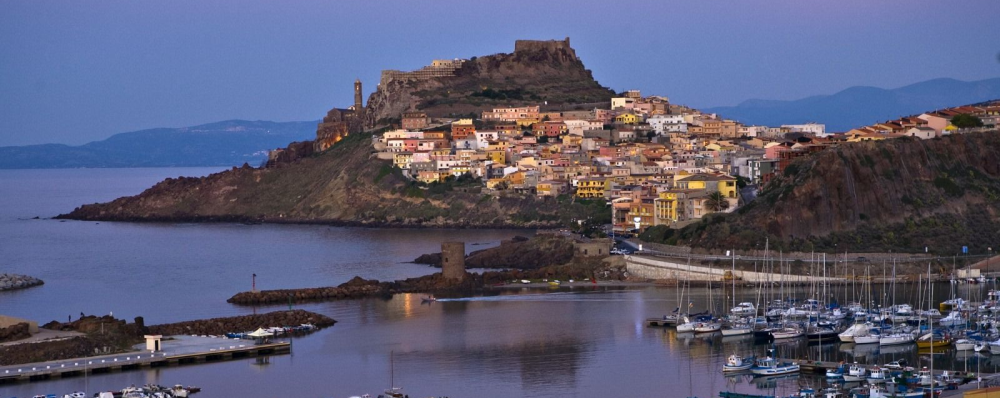
Explore the beauty of Sardinia with 4S Sardinia Shuttle Service in Sassari!

NCCeTAXI private driver service Sassari
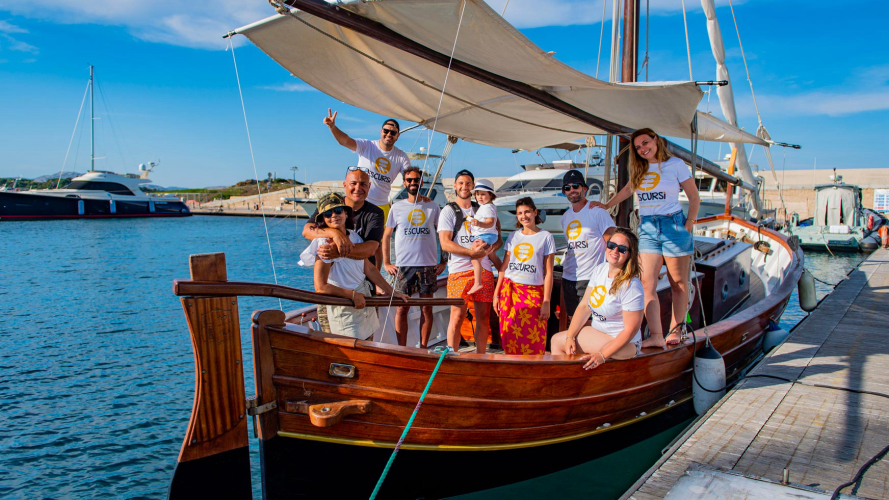
Excursi - excursions and activities in Sardinia
Getting Around Sardinia (Sardegna)
Transport, Shuttles, and Practical Travel Tips
Sardinia (Sardegna) is Italy’s second-largest island — rugged, beautiful, and gloriously distinct from mainland Italy. In a single trip, travellers can move between turquoise coves, ancient Nuragic stone towers, Spanish-influenced old towns, and some of the Mediterranean’s most exclusive coastal resorts.
This guide explains how transport works in Sardinia — buses, trains, ferries, car hire, private drivers, airport transfers, and seasonal coastal routes — with realistic travel times, costs, and context for exploring both the coastline and the island’s quieter interior.
Transport Options in Sardinia
Car Hire (Highly Recommended)
For most visitors, renting a car is the simplest way to explore Sardinia.
• Essential for reaching hidden beaches
• Ideal for Golfo di Orosei, Chia, and inland villages
• Gives flexibility for coastal drives and archaeological sites
Typical cost:
€35–80 per day (higher in peak summer)
Sardinia’s roads are generally good, but distances take longer than they appear due to mountainous terrain.
Buses in Sardinia
Buses connect most towns and cities.
• Operated primarily by ARST (regional service)
• Reliable between larger towns
• Limited frequency in rural areas and on Sundays
Typical cost:
€3–15 depending on distance
Buses are practical for routes such as Cagliari → Oristano → Sassari, but less convenient for remote beaches.
Trains
The train network connects major towns but does not reach many coastal areas.
Main routes:
• Cagliari ↔ Oristano ↔ Sassari
• Sassari ↔ Alghero
Typical cost:
€7–20
Trains are comfortable and affordable but not comprehensive.
Private Drivers & Transfers
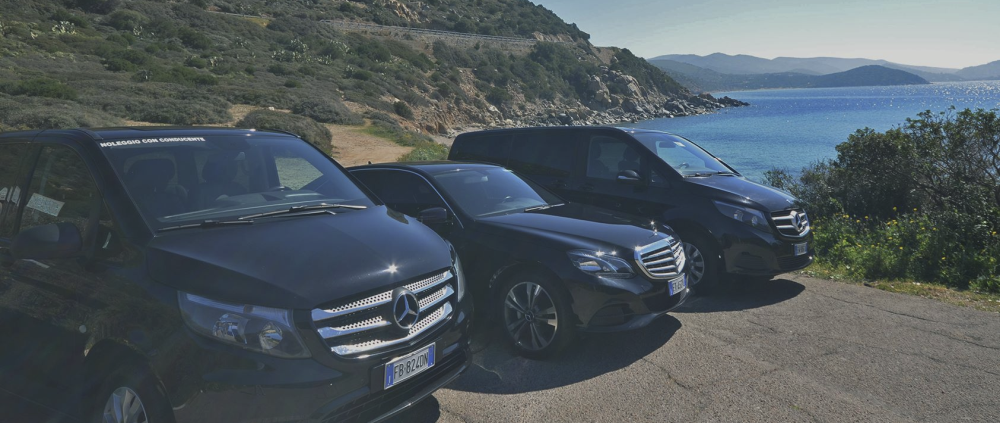
Private transfers are widely available from airports and tourist hubs.
• Flexible schedules
• Useful for airport pickups
• Ideal for groups or direct resort transfers
Typical cost:
€80–200 depending on distance
Popular for Olbia Airport → Costa Smeralda resorts.
Domestic Flights
Sardinia has three main airports:
• Cagliari Elmas Airport (south)
• Olbia Costa Smeralda Airport (northeast)
• Alghero–Fertilia Airport (northwest)
Flights connect to Rome, Milan, and major European cities.
Flight time to Rome: ~1 hour
Ferries to Sardinia
Sardinia is well connected to mainland Italy and France by ferry.
Major ports:
• Olbia
• Porto Torres
• Cagliari
Routes from:
• Genoa
• Livorno
• Rome (Civitavecchia)
• Marseille
Overnight ferries are common and practical for travellers with vehicles.
Getting Around Sardinia’s Main Areas
Cagliari (South)
The capital city blends beaches and history.
• Walkable historic Castello district
• Local buses connect Poetto Beach
• Taxis are easy and affordable
Cagliari Airport → City Centre:
15–20 minutes | €20–30 by taxi
Nearby highlights:
• Cagliari
• Poetto Beach
• Su Nuraxi di Barumini (UNESCO site, ~1 hour inland)
Costa Smeralda (Northeast)
Glamorous, polished, and intensely beautiful.
Centred around:
• Costa Smeralda
• Porto Cervo
• Baia Sardinia
Closest airport:
Olbia (15–40 minutes depending on resort)
Best explored by car or private transfer.
Golfo di Orosei (East Coast)
Wild cliffs and luminous water.
Key access towns:
• Cala Gonone
• Orosei
Famous for boat-access beaches:
• Cala Luna
• Cala Mariolu
Nearest airport: Olbia (~1.5–2 hours by car)
• Golfo di Orosei
Alghero (Northwest)
Catalan heritage meets Mediterranean charm.
• Walkable old town
• Direct train to Sassari
• Good base for northwestern beaches
• Alghero
Nearby:
• Neptune’s Grotto
• Porto Conte Natural Park
Chia & Teulada (Far South)
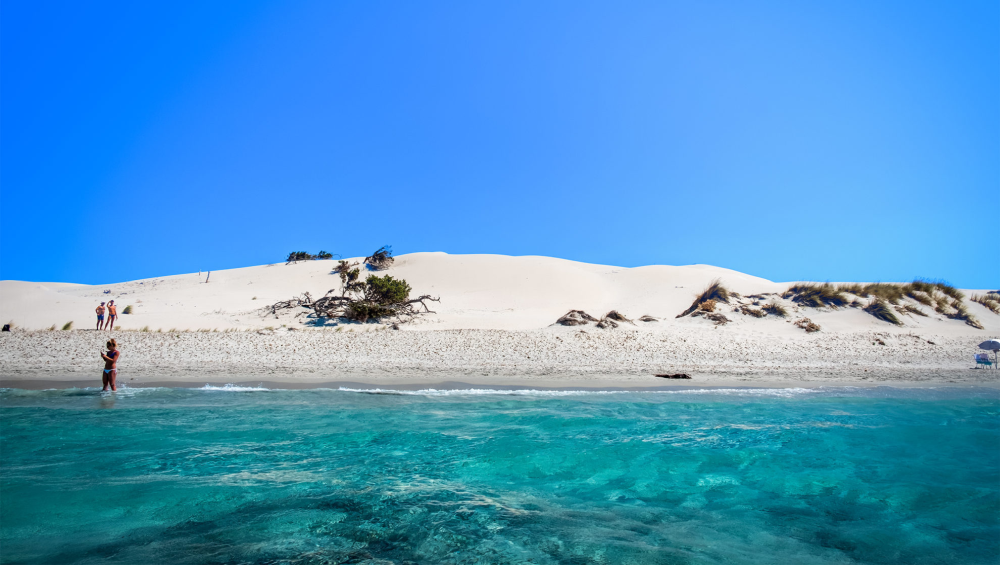
Some of Sardinia’s most spectacular dunes and turquoise water.
• Car essential
• Limited public transport
• Peaceful and less developed than Costa Smeralda
• Chia
• Teulada
La Maddalena Archipelago
Protected islands north of Costa Smeralda.
• Ferry from Palau (15–20 minutes)
• Ideal for boat excursions
• Crystal-clear swimming coves
• La Maddalena
Popular Routes: Travel Times & Costs
Cagliari → Costa Smeralda
• Car: ~3–3.5 hours
• Bus + transfer: 4–5 hours
• Private driver: €250–350
Olbia → Golfo di Orosei
• Car: ~1.5–2 hours
• Bus: ~2.5 hours
Cagliari → Alghero
• Car: ~2.5–3 hours
• Train: ~3.5 hours
Olbia → La Maddalena
• Car to Palau: ~45 minutes
• Ferry: ~20 minutes | ~€10–15
Inland Sardinia: The Nuragic Legacy
Beyond the beaches, Sardinia reveals one of Europe’s oldest civilisations.
The island is dotted with Bronze Age stone towers called “nuraghi,” the most famous being:
• Su Nuraxi di Barumini
Inland regions such as Barbagia offer:
• Mountain landscapes
• Shepherd culture
• Traditional festivals
• Slower travel pace
A car is strongly recommended for exploring these areas.
Top Places to Visit in Sardinia
• Cagliari – History, food, beaches
• Costa Smeralda – Glamour and emerald waters
• Golfo di Orosei – Dramatic coastline and boat trips
• Alghero – Catalan charm
• Chia – Southern dunes
• La Maddalena – Island-hopping paradise
• Su Nuraxi di Barumini – UNESCO archaeology
Practical Notes for Travellers
• July–August is peak season; book car hire early
• Shoulder seasons (May–June, September–October) offer ideal weather
• English is widely spoken in tourist areas
• Rural areas are quieter and more traditional
Sardinia rewards travellers who combine coast and culture. With a mix of ferries, flights, regional buses, trains, private transfers, and (most importantly) a rental car, it’s entirely manageable — yet still feels wild and undiscovered in places.
N.B. Prices shown are indicative and reflect typical costs in Sardinia as at February 2026.
Popular Destinations, Sardinia tours and transport: Featured Plus
-
![TransferSardiniaService]()
Transfer Sardinia Service
-
![Taxi Sassari]()
transfer service
-
![sarda trips, Cagliari]()
discover the hidden wonders along the enchanting coasts of the Gulf of Cagliari
-
![https://www.sardinianaturalparktours.com/]()
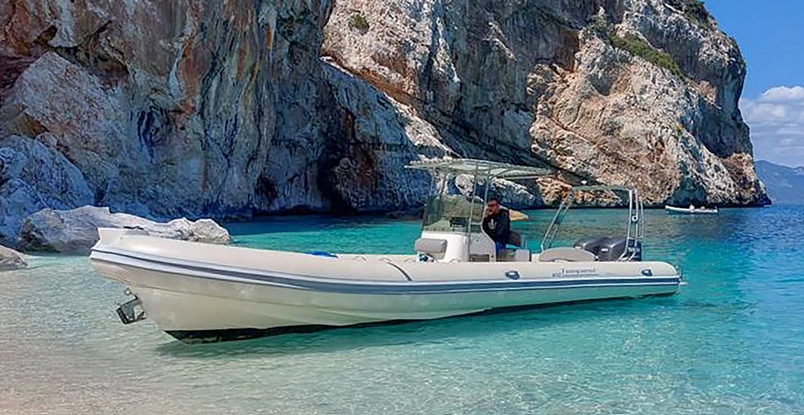
guided boat tours in Sardinia

The Mythology Behind the Name Sardinia — With Archaeological Sites You Can Visit Today
Names carry memory — and in the case of Sardinia (Sardegna in Italian), that memory stretches back thousands of years into myth, legend, and the archaeological remains that still shape the island’s landscape.
Exploring these ancient sites adds tangible depth to the stories behind the name and allows visitors to step directly into Sardinia’s deep past.
Sardus Pater: The Hero Who Named the Island
One of the most enduring legends connects Sardinia to Sardus, often referred to as Sardus Pater (“Father Sardus”). Ancient writers such as Pausanias described him as a heroic leader from North Africa who settled the island and gave it his name.
Whether historical or symbolic, the legend reflects how Sardinians — and later Romans — understood the island’s origins: not as a remote outpost, but as a homeland founded by a powerful ancestral figure.
Today, the island’s prehistoric monuments give physical presence to this sense of ancient identity.
Su Nuraxi di Barumini — The Heart of Nuragic Sardinia
The most iconic archaeological site on the island is Su Nuraxi di Barumini, a UNESCO-listed complex of megalithic towers, defensive walls, and courtyard houses built during the Bronze Age (around 1600–1200 BCE).
This vast settlement centres on a towering nuraghe — a conical stone structure unique to Sardinia. Visitors can walk through narrow passages, climb internal stairways, and explore the surrounding village. Standing inside these massive stone chambers, it becomes easier to imagine the world that gave rise to myths like that of Sardus Pater.
Serra Orrios — Village Life and Sacred Temples
Near Dorgali in central Sardinia lies Serra Orrios, one of the most evocative Nuragic village complexes on the island. The site contains dozens of circular huts arranged around courtyards, along with two rectangular “megaron” temples.
Here, the everyday and the sacred coexist. Walking through the remains of homes and sanctuaries offers insight into community life — gatherings, rituals, and shared traditions — long before classical mythology recorded Sardinia’s name.
S'Arcu 'e Is Forros — Metallurgy and Mediterranean Connections
In eastern Sardinia, S’Arcu ’e Is Forros reveals another dimension of Nuragic civilisation. This site combines residential structures with a large sanctuary and evidence of advanced metalworking.
Artefacts discovered here demonstrate that Sardinia was not isolated. Instead, it was connected to wider Mediterranean trade networks. These links lend weight to theories that the island’s name may be tied to the mysterious Shardana, one of the so-called Sea Peoples mentioned in Egyptian records.
Nuraghe Losa — Monumental Stone Architecture
Nuraghe Losa, rising from the central plains, is one of the best-preserved nuraghi on the island. Its carefully fitted basalt blocks and complex interior chambers showcase the architectural sophistication of Bronze Age Sardinia.
Climbing to the upper levels, visitors gain sweeping views of the surrounding countryside — a reminder of how these towers once functioned as both community hubs and watchpoints.
Tiscali — A Hidden Mountain Settlement
Deep within the Supramonte mountains lies Tiscali, one of Sardinia’s most atmospheric archaeological sites. Hidden inside a vast sinkhole, the remains of a Nuragic village blend seamlessly into the rocky landscape.
Reaching Tiscali requires a hike, but the journey adds to its mystique. The setting — concealed, dramatic, and shaped by nature — reinforces the powerful connection between landscape and legend that defines Sardinia’s identity.
Tharros — Phoenician and Roman Layers
On the Sinis Peninsula, the ruins of Tharros reveal a later chapter in Sardinia’s story. Founded by the Phoenicians and later developed by the Romans, the site includes temples, baths, roads, and sea-facing fortifications.
Here, visitors can see how the island evolved from Nuragic stronghold to Mediterranean trading hub. The Phoenicians and Romans adopted and preserved the name Sardinia, helping to anchor it permanently in recorded history.
Necropolis of Is Loccis-Santus — Prehistoric Beliefs in Stone
Even older than the nuraghi are Sardinia’s Domus de Janas (“Houses of the Fairies”) — rock-cut tombs carved into stone cliffs. The Necropolis of Is Loccis-Santus preserves several of these prehistoric burial chambers.
These tombs reflect spiritual beliefs and funerary rituals dating back thousands of years. They add another layer to the island’s mythic aura — suggesting that Sardinia’s identity was shaped as much by reverence for ancestors as by heroic legends.
Where Myth Meets Stone
To explore Sardinia’s archaeological sites is to experience the island’s name as something more than a word. Whether its origin lies in the legend of Sardus, in the warrior Shardana, or in ancient linguistic roots, the landscape itself preserves the memory of a civilisation that predates Rome and even classical Greece.
The nuraghi rise from hillsides. Hidden villages cling to mountains. Phoenician ports overlook the sea. Together, they form a living archive — one that invites modern travellers to step into the deep mythology of Sardinia and see how story and stone continue to shape the island today.
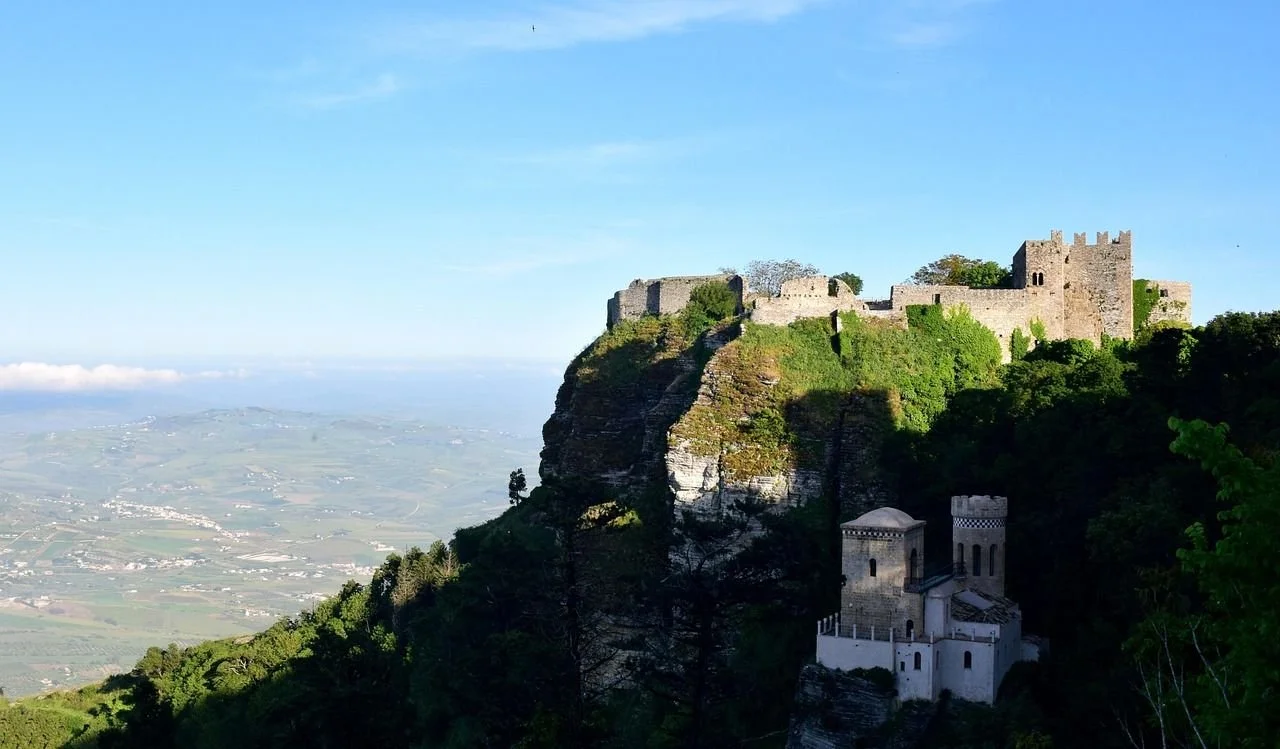
ShuttlesA2B - getting around Sicily
ShuttlesA2B - explore Italy