
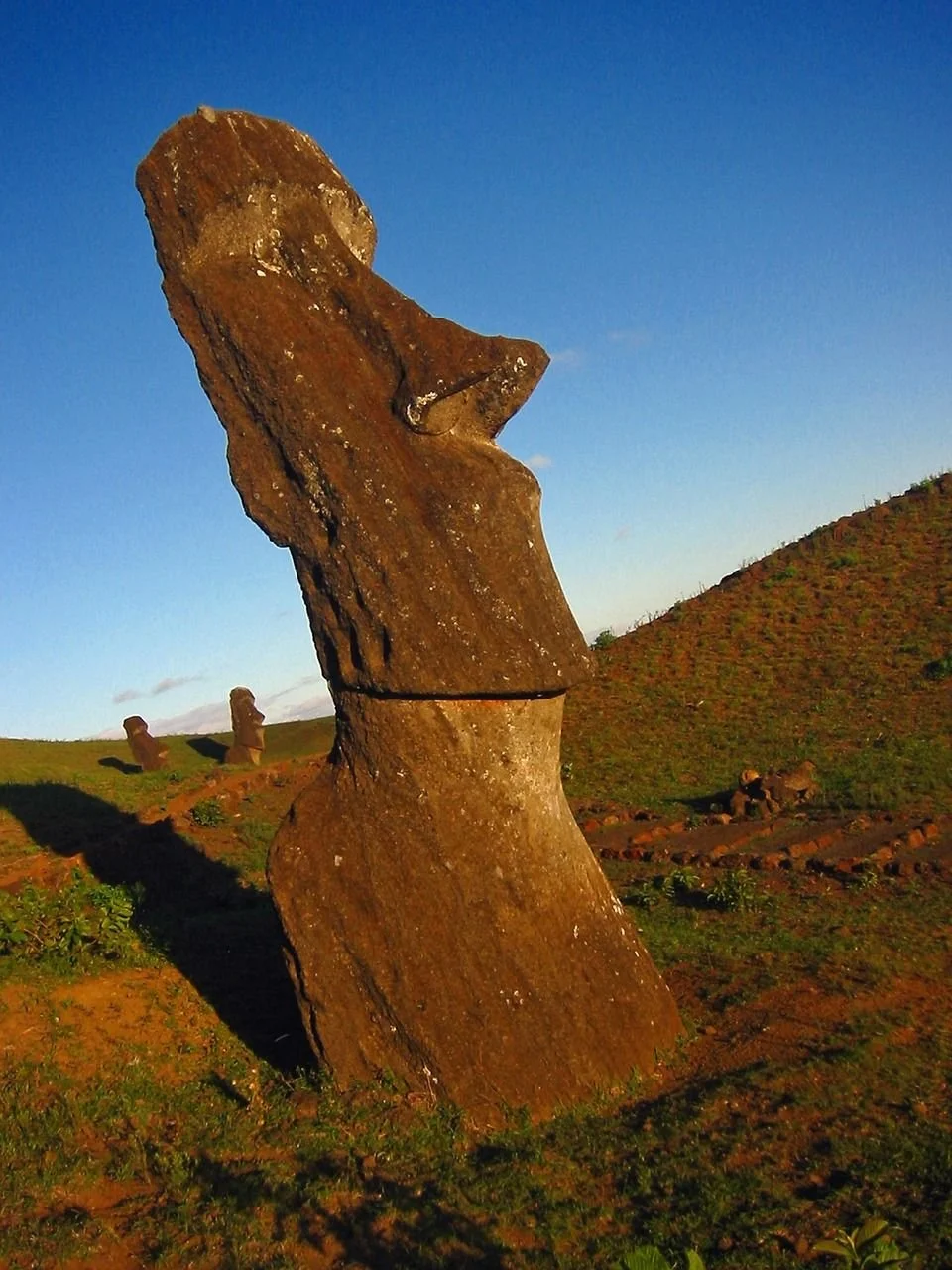
Essential Guide to Getting Around Easter Island (Rapa Nui):
Navigate Your Journey with Confidence and Style
Chile - Easter Island (Rapa Nui) — Explore airport transfers, private drivers, taxis, e‑bikes, cycling, horse riding & guided tours
- Featured partners:
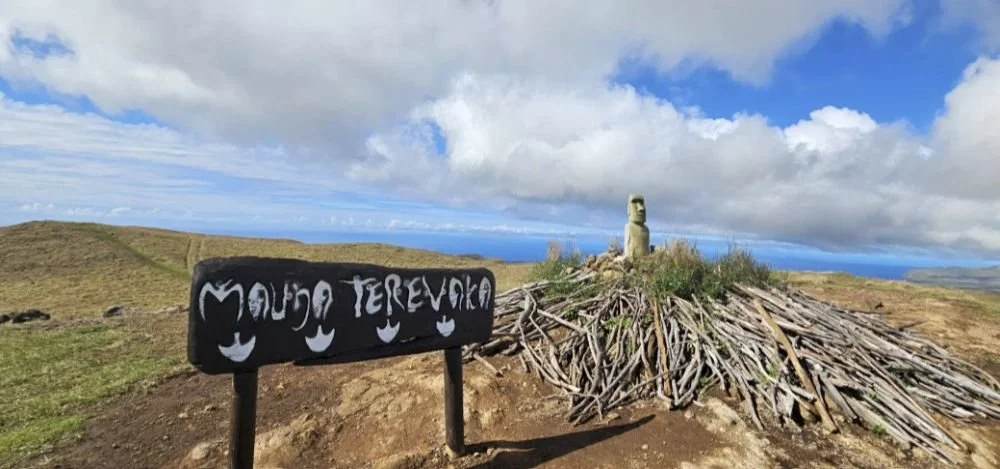
Taxi Rapa Nui, Hanga Roa, Easter Island - safe, affordable driver
Servicio de taxis, small local operator +56 9 3373 6917
Kapua Tours, Hanga Roa, Easter Island - unique experiences in Rapa Nui with personalized tours
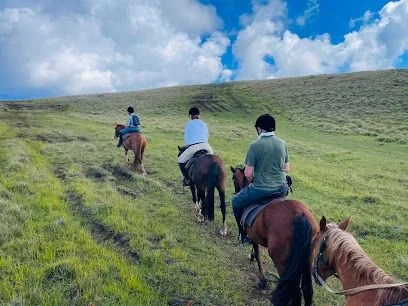
Cabalgatas Tata Tuki - horse riding
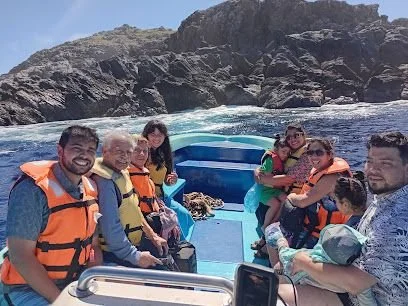
MoanaNui boat tours
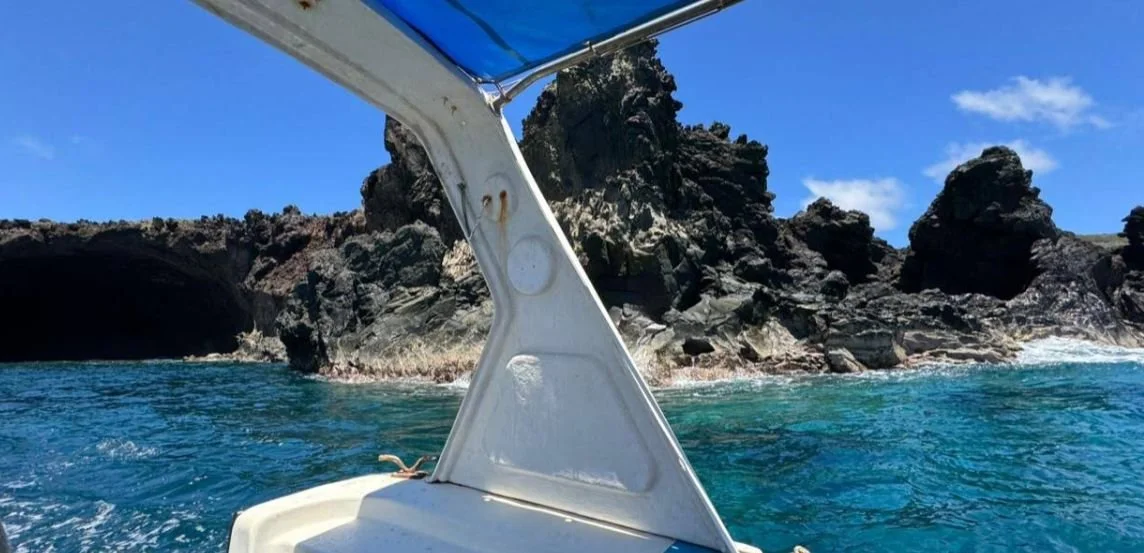
Glass Boat Rapa Nui - view the ocean through the glass
Exploring Easter Island (Rapa Nui)
How to Get Around, Visit the Moai, and Reach One of the World’s Most Remote Islands
Rising alone from the vast Pacific Ocean, Easter Island — known locally as Rapa Nui — is one of the most extraordinary archaeological landscapes on Earth.
Nearly 900 monumental stone statues, known as moai, stand across the island’s windswept hills and coastal platforms, remnants of a complex Polynesian civilisation that flourished between the 13th and 16th centuries.
Despite its fame, Easter Island is surprisingly small — roughly 24 km long and 12 km wide — which means that travellers can explore much of it in a few days.
The key is understanding both how to reach the island and how best to move around once you arrive.
How to Get to Easter Island
Because of its extreme isolation, access to Easter Island is limited to just a few flight routes.
From Chile (the main gateway)
Most visitors reach the island via flights from Santiago to Mataveri International Airport.
Typical details:
flight time: about 5.5 hours
distance: around 3,700 km across the Pacific
several flights per week
This route is operated primarily by LATAM Airlines.
For most international travellers — whether coming from Europe, North America, Australia or Asia — the journey is:
Home country → Santiago → Easter Island
From Tahiti (historically and occasionally seasonal)
There have historically been connections between Easter Island and Papeete in Tahiti.
These flights were once operated by LATAM as part of a Santiago–Easter Island–Tahiti route, but service has varied in recent years and may be seasonal or suspended depending on demand.
When operating, this route allows travellers to combine Polynesia with Easter Island in one trip.
From the USA
Travellers from the United States usually fly:
Los Angeles → Santiago → Easter Island
The gateway airport is Los Angeles International Airport.
From Australia and New Zealand
For travellers from Oceania the most common routing is:
Sydney or Auckland → Santiago → Easter Island
Departure cities typically include:
Sydney
Auckland
Although geographically closer to Polynesia, Easter Island is politically part of Chile, so almost all air routes connect through South America.
Arrival and Base Town
Flights land at Mataveri International Airport, located next to the island’s only town, Hanga Roa.
Hanga Roa contains:
hotels and guesthouses
restaurants and cafés
tour agencies
vehicle and bicycle rentals
small supermarkets
Nearly every traveller uses Hanga Roa as their base for exploring the island.
Getting Around Easter Island
Public transport does not exist on Easter Island, but the island’s small size means travellers have several easy options.
Rental Car (Most Popular)
Renting a small vehicle is the most practical way to explore the island.
Advantages:
reach remote archaeological sites
visit sunrise and sunset viewpoints
travel at your own pace
A coastal road circles the island, linking major sites such as:
Ahu Tongariki
Rano Raraku
Anakena Beach
Driving the entire island loop takes about three hours without stops.
Guided Tours
Guided tours are excellent for travellers who want deeper cultural insight.
Local guides explain:
the religious meaning of the moai
how statues were carved and transported
the rise and collapse of ancient Rapa Nui society
the later Birdman cult tradition
Many tours cover the island’s highlights in half-day or full-day circuits.
Walking and Hiking
Easter Island is surprisingly rewarding for walking and hiking, especially across its volcanic landscapes and grassy hills.
Some of the best routes include:
Rano Kau Volcano Trail
The dramatic crater of Rano Kau offers spectacular hiking along its rim with views over the Pacific and the ceremonial village of Orongo.
Coastal Trails near Hanga Roa
Clifftop paths lead north from town toward the moai complex at Ahu Tahai, one of the island’s best sunset viewpoints.
Northern Coast Routes
Some remote stretches of the island feature wild landscapes with grazing horses and very few visitors.
Because the island is exposed and windy, hikers should carry water, sun protection, and sturdy shoes.
Horse Riding
One of the most memorable ways to explore Easter Island is on horseback.
Horses roam freely across much of the island, and riding tours follow old Polynesian pathways through landscapes that vehicles cannot easily reach.
Horseback excursions typically visit:
remote moai platforms
volcanic hills
hidden coastal caves
open grasslands where wild horses graze
Riding also offers access to parts of the island where few tourists go, giving a sense of how the ancient Rapa Nui may have experienced their environment.
The Main Moai Sites
Nearly all major archaeological areas lie within Rapa Nui National Park.
Visitors must purchase a park ticket, which grants access to the principal sites.
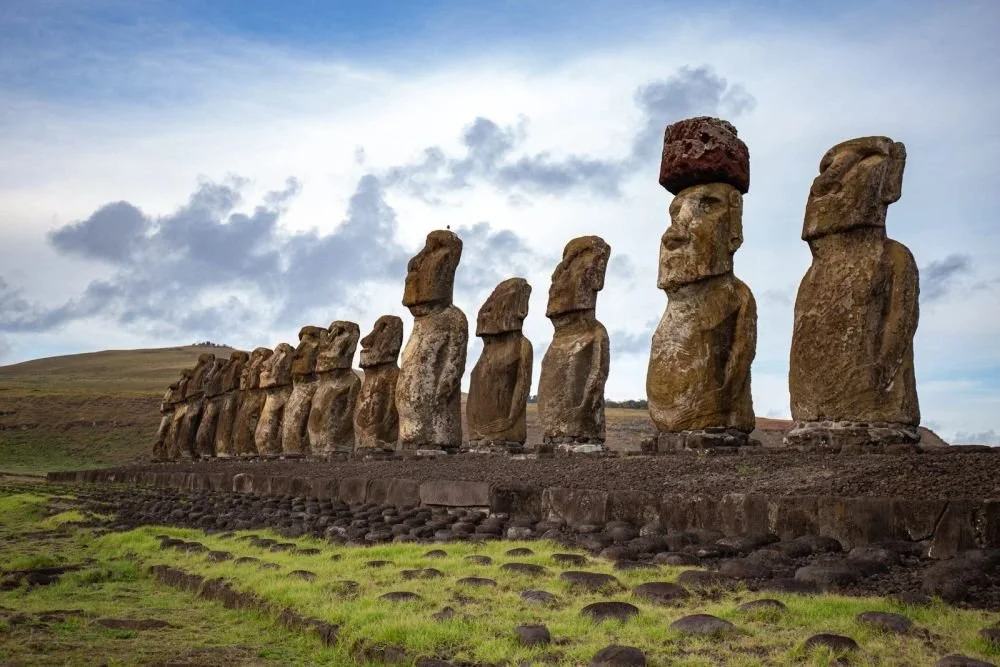
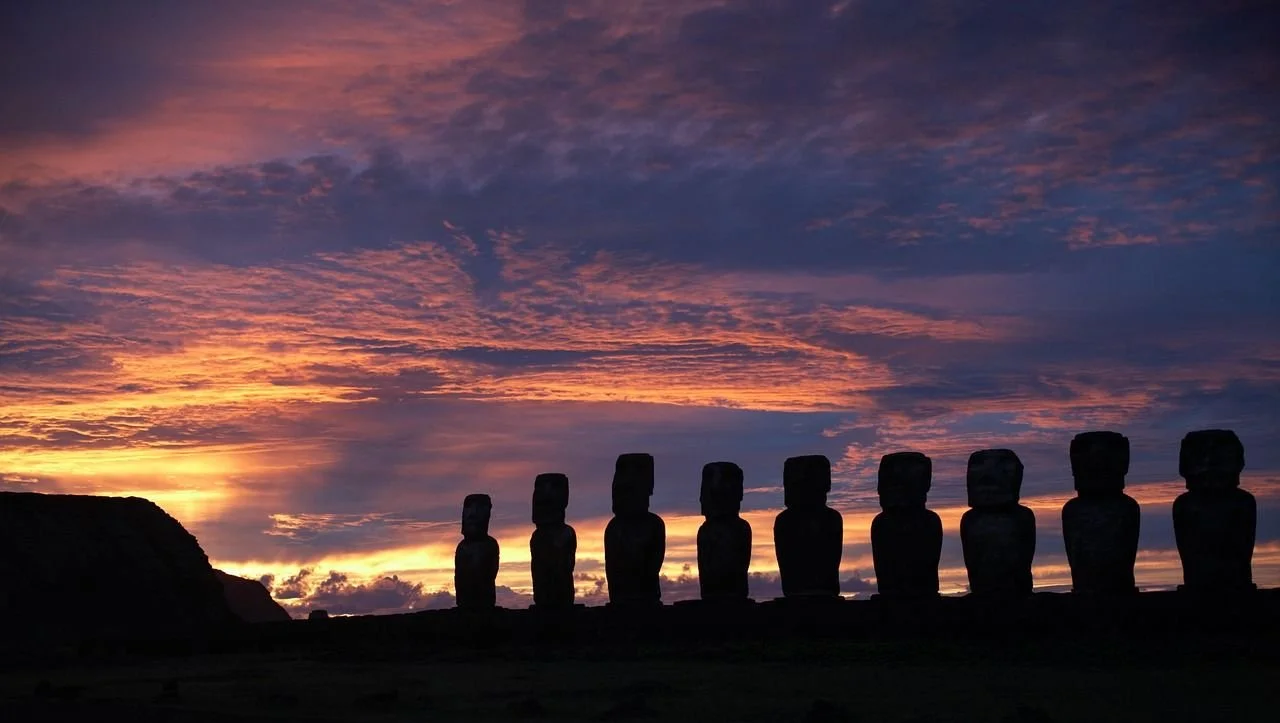
Ahu Tongariki – The Iconic Moai
Ahu Tongariki is the island’s largest ceremonial platform.
Highlights:
15 restored statues
dramatic Pacific Ocean backdrop
famous sunrise photography location
Rano Raraku – The Moai Quarry
Most statues were carved from volcanic rock at Rano Raraku.
Here visitors see hundreds of moai in various stages of completion — some half-buried, others still attached to the rock face.
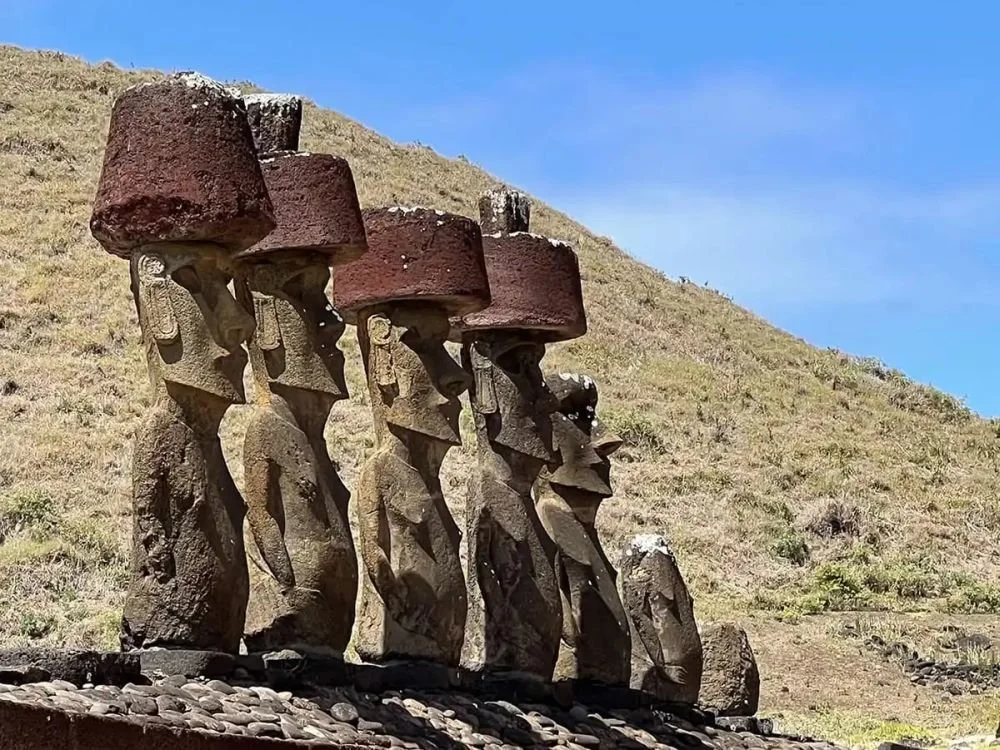
Anakena – Beach and Moai
Anakena Beach combines archaeology with tropical scenery.
Palm trees, white sand, and the restored moai at Ahu Nau Nau make this one of the island’s most beautiful locations.
Orongo – The Birdman Village
Perched on cliffs above the sea, Orongo was the centre of the Birdman ritual, a later cultural tradition that replaced moai worship.
Nearby, the crater lake of Rano Kau creates one of the island’s most dramatic landscapes.
Practical Tips
Start early. Sunrise at Ahu Tongariki is unforgettable.
Respect the archaeology. Visitors must not climb on the ceremonial platforms.
Expect strong winds. Much of the island is open grassland.
Allow time to explore slowly. Easter Island is not just about the statues — its volcanic craters, ocean cliffs, and Polynesian culture are just as memorable.
Key insight: Easter Island’s moai are not isolated monuments but part of a wider cultural landscape.
By combining driving, walking, and even horse riding, travellers can see how the statues connect villages, quarries, and ceremonial sites across the island.
Getting Around Easter Island - Featured Plus
-
![https://en.rapanuitravel.com/contacto]()
Airport transfers, private drivers, guided tours
-
![Transportes Anakena, Hanga Roa]()
offering taxi‑style rides and transfers
-
![Oceanic Rent a Car]()
fleet of high-quality vehicles and personalized service
-
![Aroha Tours, Rapa Nui]()
private tours, hikes & excursions on Rapa Nui
-
![adventureterevaka.com - horseback ride to Mount Terevaka, Vaitea, Hanga Roa, Chile]()
horseback ride to Mount Terevaka, Vaitea, Hanga Roa, Chile
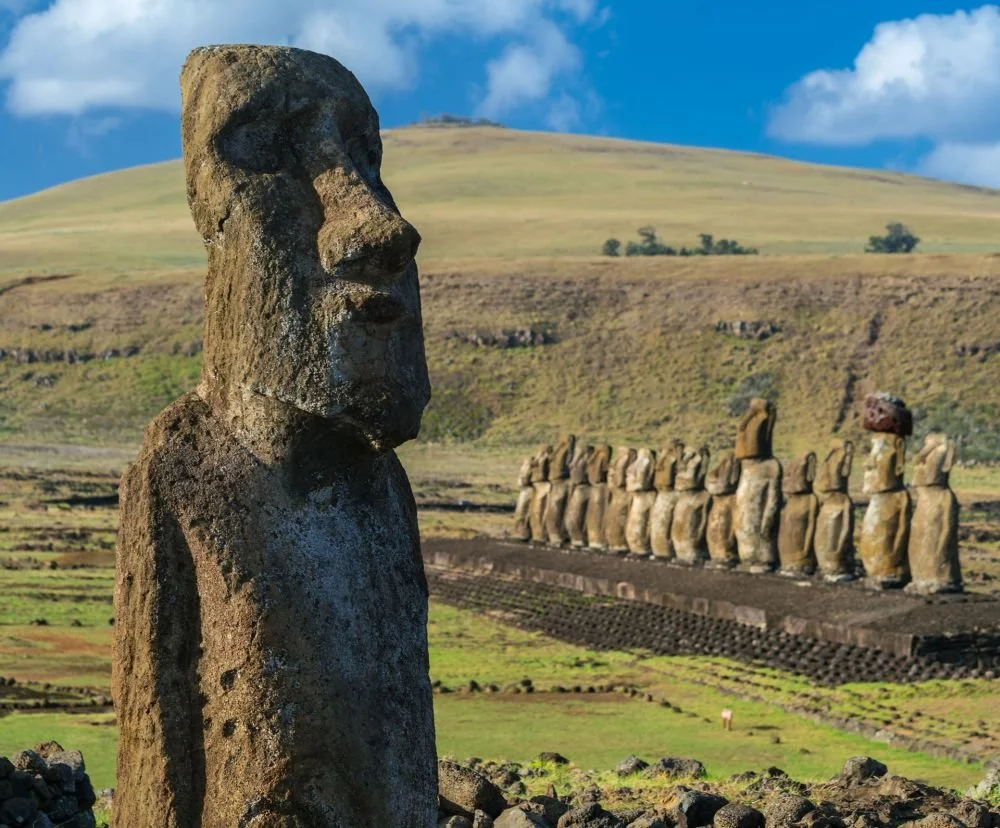


What draws people to Easter Island?
People are drawn to Easter Island for its profound sense of mystery and isolation, set deep in the Pacific Ocean more than 3,500 kilometres from mainland Chile.
From the towering moai that stand watch over windswept shores to the volcanic craters, lava fields, and wild coastal trails, Easter Island offers experiences that feel ancient, elemental, and unlike anywhere else on Earth.
Travellers come for its Polynesian culture, its open‑air archaeological sites, and the freedom to explore by e‑bike, on foot, by horse, or with local guides who share the island’s stories and traditions.
What truly captivates visitors, though, is Rapa Nui’s blend of myth, landscape, and living culture — a rare invitation to step into a world shaped by both nature and ancestral ingenuity.
The Moai Mysteries: Aliens, Lost Civilisations, and the Strangest Theories About Easter Island
In the middle of the vast Pacific Ocean lies one of the world’s most isolated inhabited islands: Easter Island — known to its Indigenous Polynesian people as Rapa Nui.
Across this remote volcanic landscape stand nearly 1,000 giant stone statues, the famous moai. Some weigh more than 80 tonnes and stand up to 10 metres tall, staring solemnly inland as if guarding the island’s secrets.
Archaeologists believe the statues were carved by the Rapa Nui people between about 1250 and 1500 CE.
But the scale of the statues — and the mystery of how they were moved across the island — has inspired generations of strange, imaginative, and sometimes outrageous theories.
Below are some of the most entertaining.
The Ancient Alien Theory
Perhaps the most famous theory was popularised by the television series Ancient Aliens.
The argument runs like this:
The statues are extremely large and heavy
The island is remote and had limited natural resources
Moving the statues would have required coordination and engineering
From these observations, some enthusiasts conclude that extraterrestrials must have helped build them.
According to versions of the theory:
Aliens taught the islanders advanced engineering techniques
The statues were markers for alien navigation routes across the Pacific
The island itself may have been an ancient landing site
The theory is imaginative and entertaining, but archaeologists have found no evidence of extraterrestrial involvement.
The Lost Advanced Civilisation Theory
Another popular idea claims the moai were built by a highly advanced civilisation that existed long before the Polynesians arrived.
Supporters of this theory point to:
The scale of the statues
The precision of some stonework
The ceremonial stone platforms known as ahu
They suggest that an unknown civilisation — sometimes linked to the mythical Pacific continents of Mu or Lemuria — created the statues and then disappeared.
Later settlers, according to the theory, simply inherited the ruins.
Again, while the story is dramatic, archaeology on Rapa Nui has uncovered clear evidence that the statues were carved by the island’s Polynesian inhabitants.
The Walking Statues Legend
One of the most fascinating explanations comes from Rapa Nui oral tradition.
According to local stories, the statues walked across the island using a spiritual force known as mana.
Priests were said to command the statues, causing them to move from the quarry to their ceremonial platforms.
For a long time, outsiders dismissed the story as myth.
However, modern experiments have revealed something remarkable.
Researchers discovered that by attaching ropes and rocking the statues side-to-side, groups of people can actually make them move upright in a walking motion.
The ancient story that the statues “walked” may therefore be a poetic description of a genuine transport technique.
The South American Contact Theory
In the twentieth century the Norwegian explorer Thor Heyerdahl proposed that the island may have been influenced by ancient South American cultures.
His argument was based partly on ocean currents and similarities between some stone monuments in the Andes.
To demonstrate that ancient voyages across the Pacific were possible, Heyerdahl sailed a traditional raft from Peru in the famous expedition known as the Kon-Tiki.
The voyage succeeded, showing that long-distance travel across the Pacific could be achieved using simple vessels.
Modern genetic studies, however, indicate that the people of Rapa Nui are overwhelmingly of Polynesian origin, although there may have been limited contact with South America.
The Archaeological Explanation
Current archaeological evidence provides a much clearer picture.
The moai were most likely:
Carved from volcanic tuff in the quarry at Rano Raraku
Transported across the island using coordinated labour and engineering techniques
Installed on ceremonial stone platforms called ahu
The statues represent deified ancestors, intended to watch over and protect the island’s communities.
Interestingly, most moai face inland rather than out to sea, symbolically observing the villages they were meant to guard.
Why the Mysteries Persist
Despite decades of archaeological research, the statues still provoke wonder.
Part of the fascination comes from the setting. Easter Island lies more than 3,500 kilometres from mainland South America, making it one of the most isolated inhabited places on Earth.
Standing alone beside a line of towering moai, with nothing but wind and ocean surrounding you, it is easy to understand why people imagine lost civilisations, supernatural forces, or visitors from distant worlds.
The real story — that a small Polynesian society carved and transported nearly a thousand giant statues using ingenuity, organisation, and belief — is, in its own way, just as extraordinary.