

Essential Guide to Las Islas Canarias Shuttles & Sightseeing
Navigate Your Journey with Confidence and Style
On This Page
Visit Las Islas Canarias
The Canary Islands — Las Islas Canarias — lie in the Atlantic Ocean off the northwest coast of Africa, yet they belong to Spain.
Known for their year-round mild climate, dramatic volcanic landscapes, and beautiful beaches, the islands offer a remarkable diversity of scenery within a relatively small area.
From the lunar slopes of Mount Teide in Tenerife to the lush forests of La Gomera and the golden dunes of Gran Canaria, the Canaries combine natural beauty with a relaxed island culture shaped by Spanish, African, and Atlantic influences.
Visita las Islas Canarias
Las Islas Canarias se encuentran en el océano Atlántico, frente a la costa noroeste de África, aunque forman parte de España.
Conocidas por su clima suave durante todo el año, sus paisajes volcánicos espectaculares y sus hermosas playas, las islas ofrecen una notable diversidad de escenarios en un espacio relativamente pequeño.
Desde las laderas casi lunares del Teide en Tenerife hasta los frondosos bosques de La Gomera y las dunas doradas de Gran Canaria, las Canarias combinan belleza natural con una cultura isleña relajada influida por tradiciones españolas, africanas y atlánticas.
las Islas Canarias — explore shuttles, airport transfers, private drivers, boat trips, tours & sightseeing - Featured partners:

Taxi Aventura Tenerife - aventuras personalizadas y privadas, partiendo de Santa Cruz de Tenerife

Shuttle Spain - shuttle transfer services in Spain & Portugal

Shuttle Tenerife
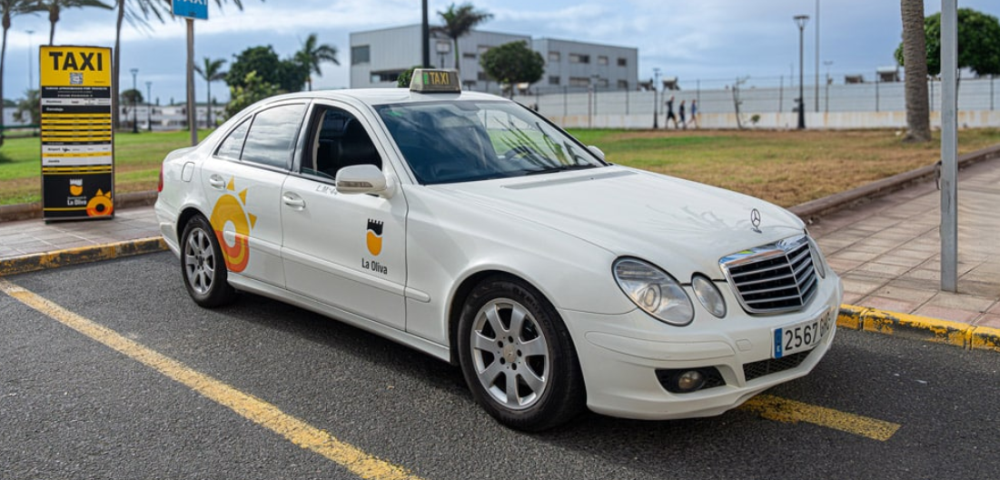
Taxis Corralejo

Private Tour Tenerife - private sunset experience and stargazing in Tenerife

Club Canary - luxury private boat trips in Lanzarote, Canary Islands
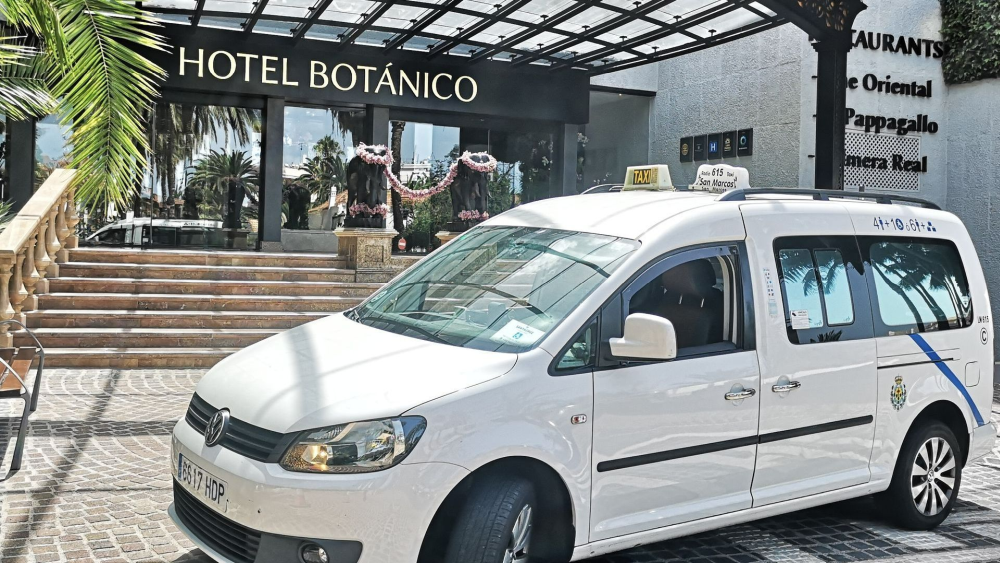
Taxis Tenerife - airport transfers, Santa Cruz de Tenerife

airport shuttle Tenerife South Airport

Excursions Gran Canaria - Las Palmas

KuadriCar - taxi Aeropuerto Gran Canaria (LPA)
Getting Around Las Islas Canarias
Transport, Ferries, Flights, and Practical Travel Tips
The Canary Islands (Las Islas Canarias) are a Spanish archipelago in the Atlantic Ocean, belonging to Spain but located just off the northwest coast of Africa.
Although the islands are spread across the ocean, travel between them is straightforward thanks to reliable ferries, domestic flights, modern highways, and good public transport on the larger islands.
This guide explains how transport works in the Canary Islands — buses, ferries, domestic flights, taxis, car rentals, and airport transfers — with realistic travel times, costs, and practical tips for moving between islands and exploring each destination.
Transport Options in the Canary Islands
Buses (Guaguas)
Buses — locally called guaguas — operate across most islands and connect towns, airports, and tourist areas.
Reliable and frequent on larger islands
Modern, comfortable coaches
Affordable and widely used by locals and visitors
Typical cost:
€2–10 depending on distance
They are especially useful for travelling between resorts, beaches, and towns on Tenerife, Gran Canaria, Lanzarote, and Fuerteventura.
Ferries Between Islands
Ferries are one of the main ways to travel between the islands.
Major operators include services linking:
Tenerife
Gran Canaria
La Gomera
La Palma
Lanzarote
Fuerteventura
Typical travel times:
Tenerife → La Gomera: ~50 minutes
Gran Canaria → Tenerife: ~1.5 hours (fast ferry)
Lanzarote → Fuerteventura: ~30 minutes
Typical cost:
€30–70 depending on route
Many ferries also carry vehicles, making them popular for travellers renting cars.
Domestic Flights
Flights connect the islands quickly and operate several times daily.
Air travel is common for longer island crossings.
Typical routes:
Tenerife ↔ Gran Canaria: ~30 minutes
Tenerife ↔ La Palma: ~35 minutes
Gran Canaria ↔ Lanzarote: ~45 minutes
Typical cost:
€40–120 depending on season and availability
Flights operate from airports on the major islands, including Tenerife South Airport, Gran Canaria Airport, and Lanzarote Airport.
Car Rental
Hiring a car is one of the most popular ways to explore the islands.
Modern roads and well-maintained highways
Flexible access to beaches, volcanoes, and mountain villages
Particularly useful on larger islands
Typical cost:
€25–60 per day
Driving is straightforward and distances are relatively short.
Taxis
Taxis are easy to find in resorts, towns, and airports.
Metered fares
Reliable airport transfers
Useful for short trips or evenings out
Typical cost:
€10–30 within most towns and resort areas.
Getting Around the Main Islands
Tenerife
The largest island offers the widest range of transport.
Extensive bus network
Two major airports
Well-developed highways
The island is home to Mount Teide, Spain’s highest mountain and the centre of Teide National Park.
Tenerife South Airport → Costa Adeje
~20 minutes | €25–30 taxi
Gran Canaria
A circular highway makes driving around the island easy.
Frequent buses between Las Palmas de Gran Canaria and southern resorts
Good airport connections
Gran Canaria Airport → Maspalomas
~30 minutes | €35–40 taxi
Lanzarote
Compact and easy to explore.
Car rental highly recommended
Buses connect main towns
The island’s volcanic landscapes include Timanfaya National Park.
Fuerteventura
Known for long beaches and open landscapes.
Rental cars common
Buses connect main towns and resorts
Airport → Corralejo
~40 minutes | €40–50 taxi
Popular Inter-Island Routes: Travel Times
Tenerife → La Gomera
Ferry: ~50 minutes
Gran Canaria → Tenerife
Ferry: ~1.5 hours
Flight: ~30 minutes
Lanzarote → Fuerteventura
Ferry: ~30 minutes
Tenerife → La Palma
Flight: ~35 minutes
Ferry: ~2.5–3 hours
Why Explore Multiple Canary Islands?
Each island has its own character.
Tenerife – volcanic landscapes and lively resorts
Gran Canaria – beaches, dunes, and vibrant city life
Lanzarote – dramatic lava fields and unique architecture
Fuerteventura – long Atlantic beaches and windsurfing
La Palma – lush forests and stargazing
La Gomera – ancient forests and quiet hiking trails
The islands are close enough that combining two or three in one trip is easy.
With ferries, domestic flights, buses, rental cars, and taxis all readily available, travelling around Las Islas Canarias is straightforward and flexible. Distances are short, transport is reliable, and moving between volcanic landscapes, beaches, mountain villages, and national parks is part of the experience.
Prices shown are indicative and reflect typical costs in the Canary Islands as at early 2026.
Popular Destinations, Las Islas Canarias -sightseeing, tours and transport: Featured Plus
-
![https://www.taxigrancanaria.com/en/]()
transfers from Gran Canaria Airport
-
![https://www.canaryshuttle.com/es/]()
shared, private or premier shuttles - Canary Island airport-hotel bus / transfer
-
![https://canaryislandtransfer.com/]()
discover captivating destinations in the Canary Islands
-
![https://navieranortour.com/]()
Majorero glasss botttom boat tour
-
![TOURS TENERIFE - www.tourstenerife.com]()
private Tenerife shore excursions
-
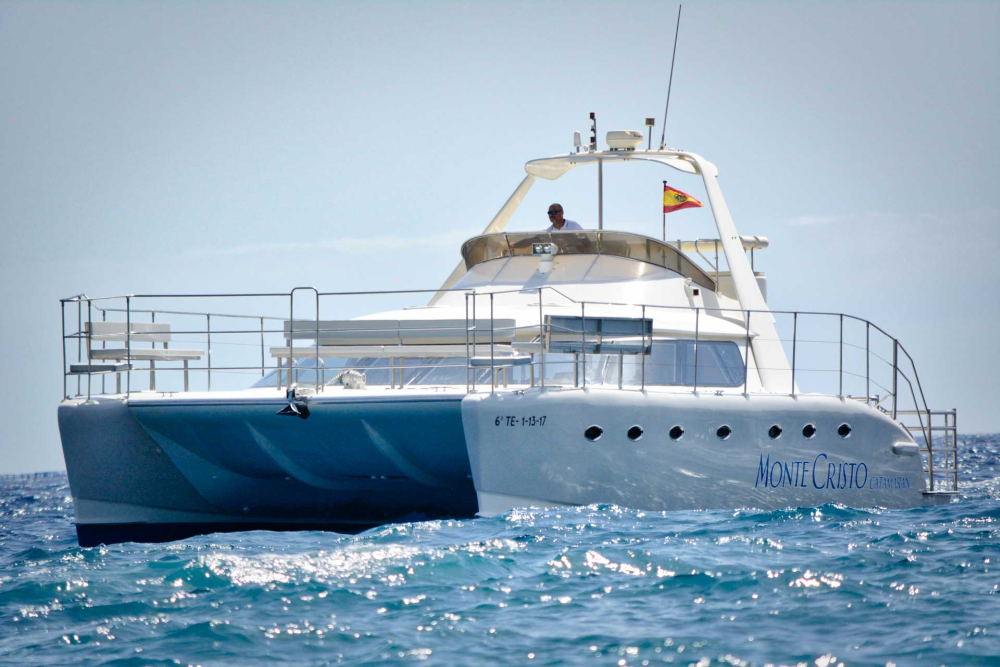
![https://montecristocatamaran.com/]()
whale and dolphin watching, Puerto Colon, Tenerife

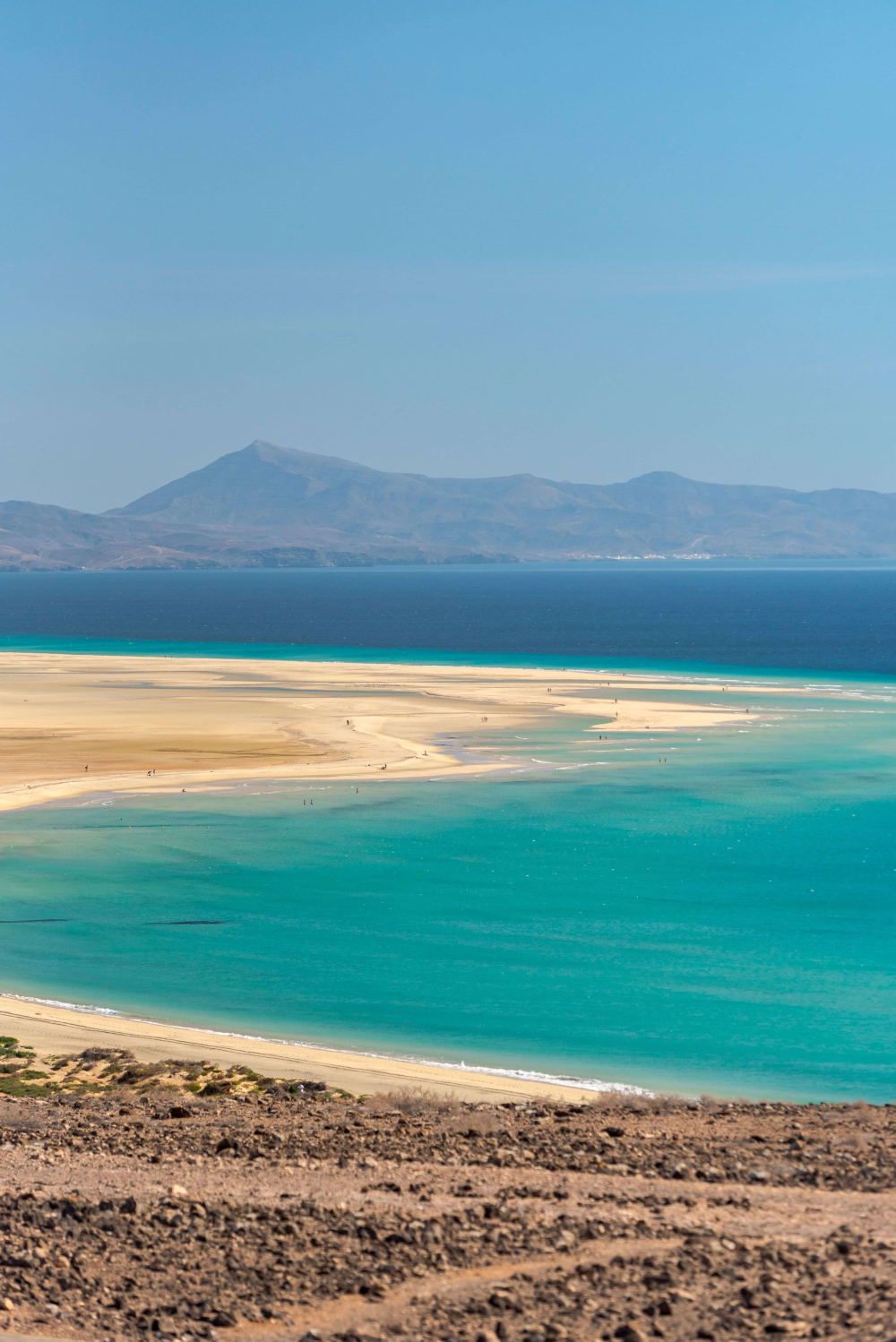

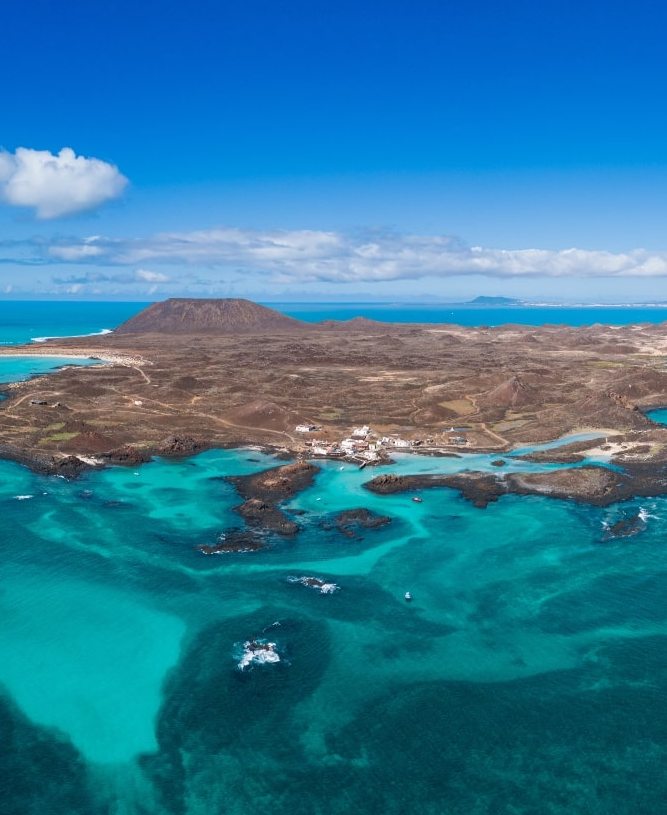
The Canary Islands Are Capping Tourism — Here’s What That Actually Means for Travellers
Over the past year, headlines about tourism limits in the Canary Islands have started to surface, often framed dramatically: caps, restrictions, protests, pressure. For travellers planning a trip, it can raise an obvious question — should I be worried?
The short answer: no.
The longer answer is more interesting — and actually good news for visitors who care about quality travel experiences.
Why the Canary Islands Are Talking About Tourism Limits
The Canary Islands receive millions of visitors each year, with certain areas — particularly parts of Tenerife, Gran Canaria, and Lanzarote — feeling the strain of success.
Local governments have begun discussing measures such as:
Limiting new hotel developments
Regulating short-term holiday rentals
Protecting natural areas and infrastructure
Encouraging tourism beyond peak zones and seasons
This isn’t about stopping visitors. It’s about managing growth, especially in places where housing, water use, and transport are under pressure.
Are Visitor Numbers Being Cut?
For most travellers, nothing is changing at the border.
Flights continue as normal
Ferries are operating as usual
Hotels and resorts remain open
There are no tourist quotas for entry
What is changing is how future development is handled — not whether people can visit.
If you’re booking a holiday, island-hopping, or planning a longer stay, you’re unlikely to notice any restrictions at all.
What This Means on the Ground
Where travellers may notice a difference is in how tourism is being shaped, not whether it’s allowed.
You may see:
More emphasis on sustainable transport and infrastructure
Greater protection of beaches, parks, and volcanic landscapes
Stricter rules around holiday rentals in some towns
A push to spread visitors beyond the busiest resorts
For visitors, this often translates to better-maintained public spaces and a calmer travel experience over time.
Why This Is Actually Good News for Travellers
Tourism management tends to benefit people who travel thoughtfully.
It encourages:
Fewer overcrowded hotspots
More investment in transport and services
Better experiences in lesser-known areas
Longer stays rather than rushed trips
Repeat visitors to the Canary Islands have already noticed a shift toward slower travel, island-hopping, and exploring beyond the obvious resort zones.
Smaller Islands Are Gaining Attention
While Tenerife and Gran Canaria remain the busiest, interest is growing in islands such as:
La Gomera
El Hierro
La Palma
These islands offer quieter landscapes, strong local character, and excellent hiking and nature experiences. They’re also well connected by ferries and short flights, making them easy to combine with a larger island.
What Travellers Should Do Differently (If Anything)
You don’t need to change your plans — but a few small choices can make your trip smoother:
Travel outside peak school holiday periods if possible
Consider staying in more than one area or island
Book transport in advance during busy seasons
Use shuttles or ferries rather than driving everywhere
These aren’t restrictions — they’re simply practical ways to enjoy the islands at their best.
The Bottom Line
The Canary Islands are not “closing” or limiting visitors. They’re doing what many popular destinations are now doing: trying to balance tourism with livability.
For travellers, this usually means better planning, better infrastructure, and better long-term experiences — not fewer opportunities to visit.
If anything, it’s a sign that the Canary Islands are thinking ahead, ensuring they remain a place people want to return to, not just pass through once.