
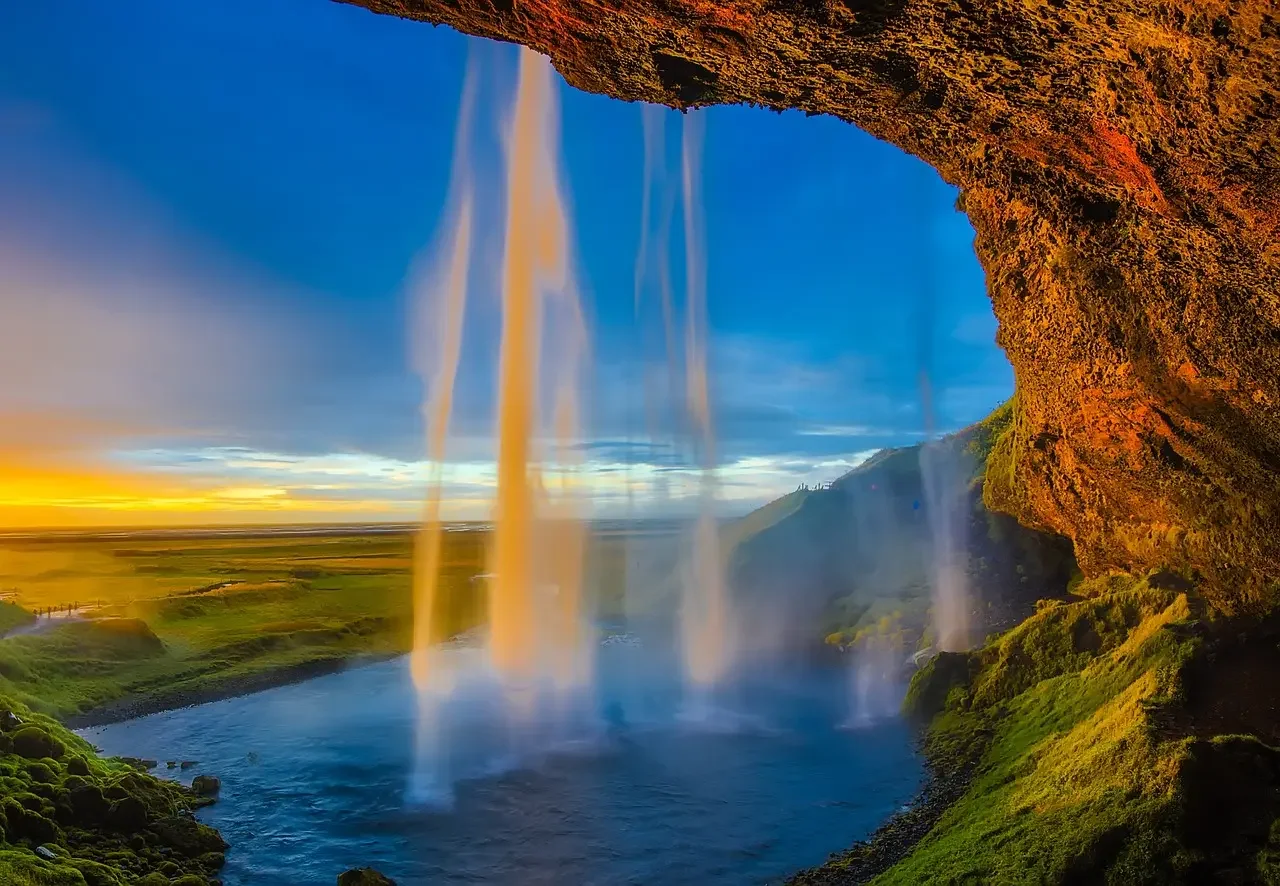
Essential Guide to Iceland- Shuttles, Transfers and Tours:
Navigate Your Journey with Confidence and Style
Iceland is a land of elemental beauty, where fire and ice coexist in dramatic balance.
For visitors, it offers an experience unlike anywhere else in Europe: raw, open landscapes shaped by volcanoes, glaciers, and the restless North Atlantic.
Most journeys begin in Reykjavík, a compact and creative capital known for its colourful houses, lively café culture, and striking Hallgrímskirkja church. From here, travellers fan out to explore the countryside, often by rental car, as distances are manageable and scenery is constantly changing.
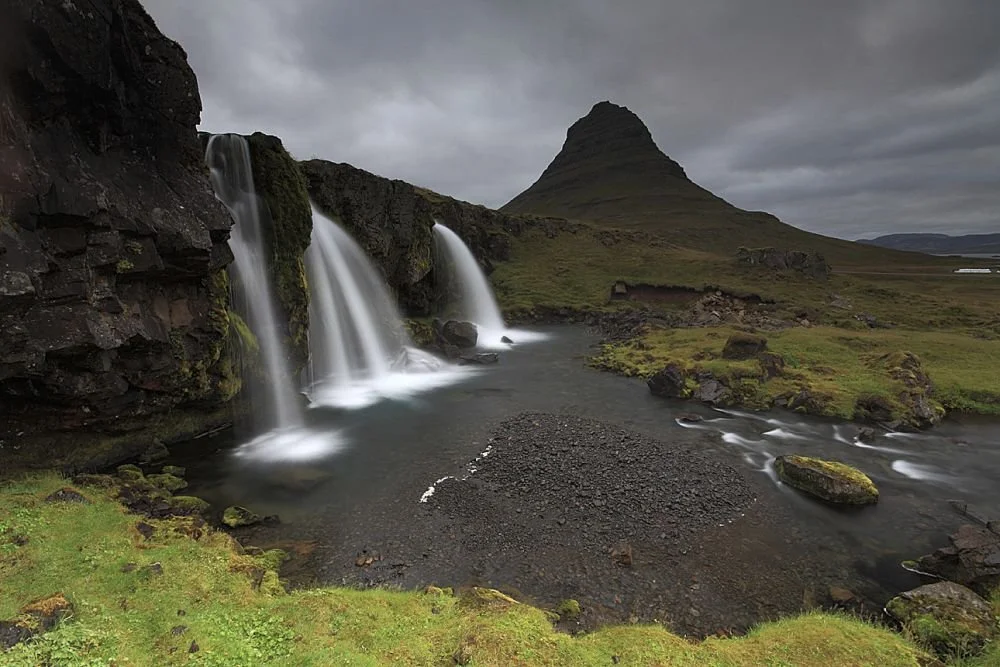
The famous Golden Circle showcases Iceland’s natural highlights in a single day: the erupting geysers at Haukadalur, the powerful Gullfoss waterfall, and Þingvellir National Park, where the Eurasian and North American tectonic plates visibly diverge. Beyond this well-trodden route, the south coast delivers black-sand beaches at Reynisfjara, thundering waterfalls such as Seljalandsfoss and Skógafoss, and views of vast glaciers like Vatnajökull.
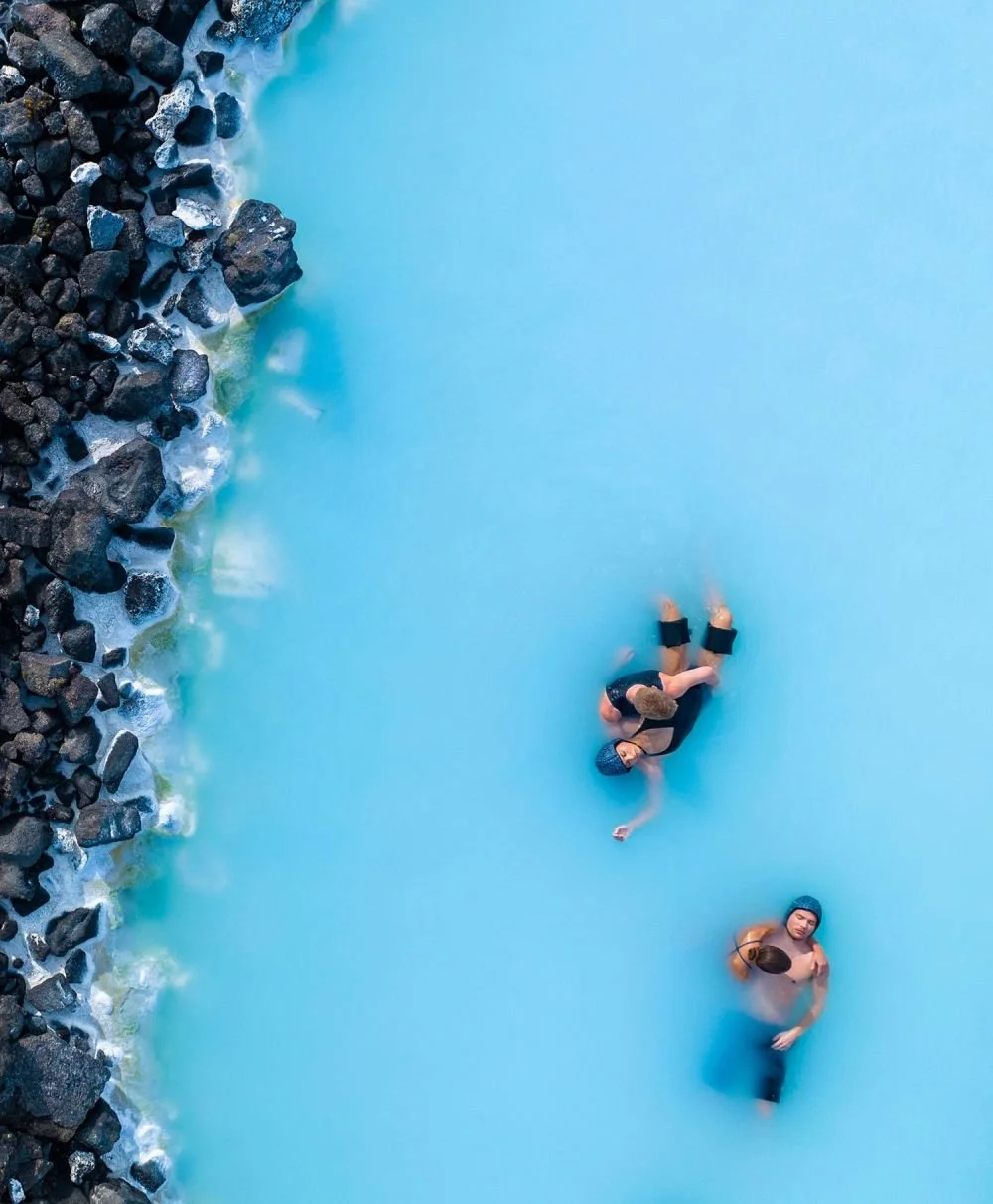
Iceland’s appeal lies not only in its landscapes but also in how closely nature is woven into daily life. Geothermal energy heats homes and fills outdoor hot pools, making a soak in a steaming lagoon—whether the iconic Blue Lagoon or a quiet local pool—a quintessential experience. Wildlife encounters add another dimension, from whale watching in northern waters to puffins nesting on sea cliffs in summer.
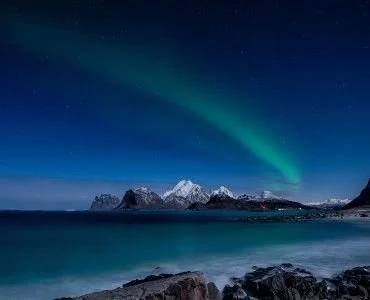
Seasonality shapes every visit. Summer brings long daylight hours, green highlands, and access to remote interior roads. Winter offers snow-covered vistas, ice caves, and the chance to witness the aurora borealis dancing across dark skies. Weather is famously changeable, encouraging flexibility and a sense of adventure.
Ultimately, Iceland attracts travellers seeking space, silence, and spectacle. It is a destination that rewards curiosity and patience, leaving visitors with a profound sense of nature’s power—and their own small place within it.
Iceland — explore shuttles, airport transfers, private drivers, tours & sightseeing - Featured partners:
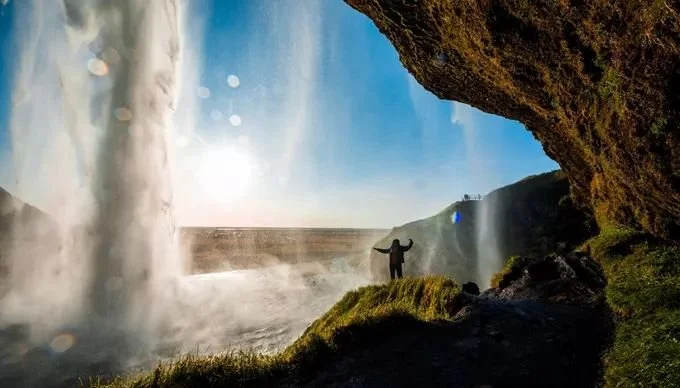
Adventures.com - Iceland
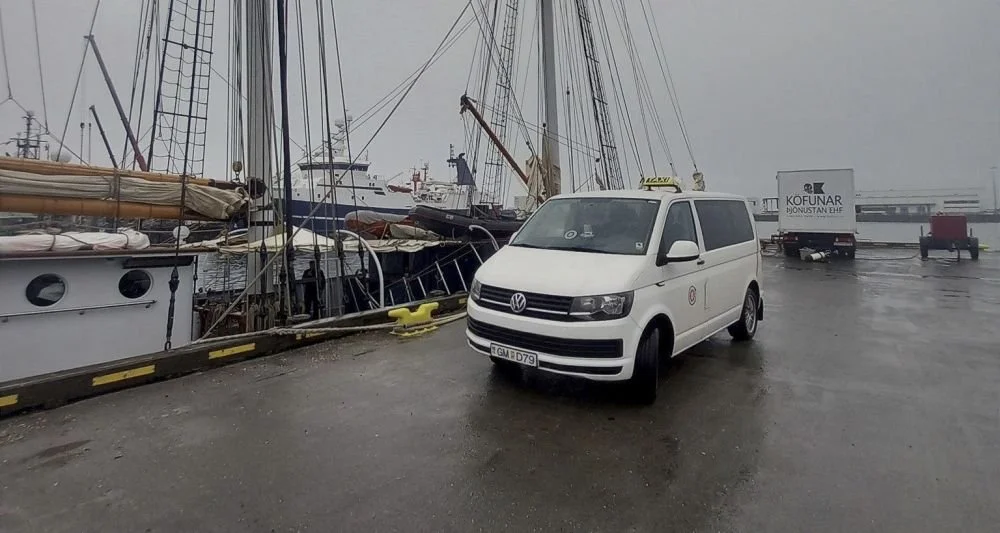
Flyshuttle.is
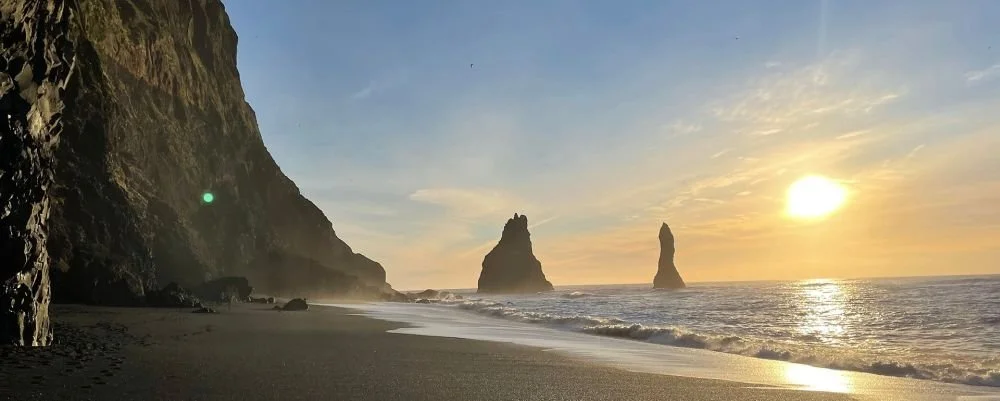
Reykjavik Private Tours
Drive Reykjavik

Lilja Tours - customized multiday tours
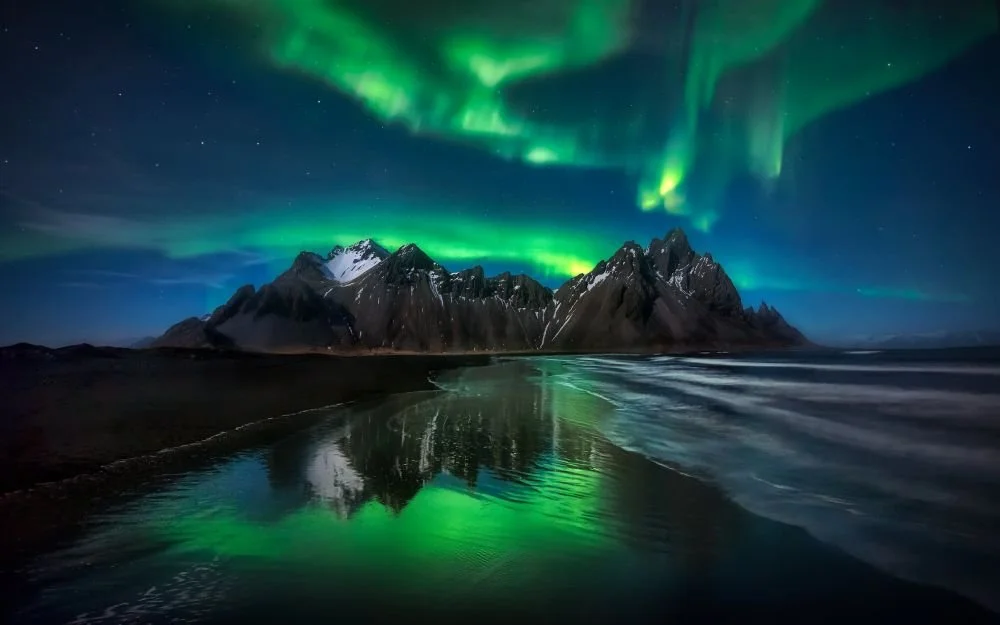
Snæland Travel - experience Iceland as a true fairy tale
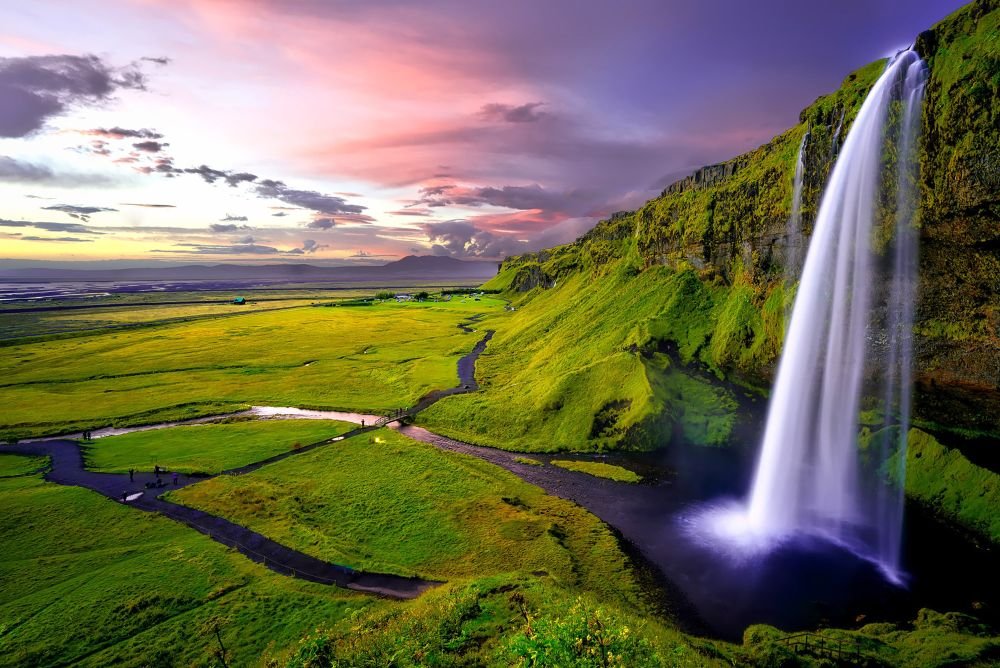
Iceland Everywhere Tours
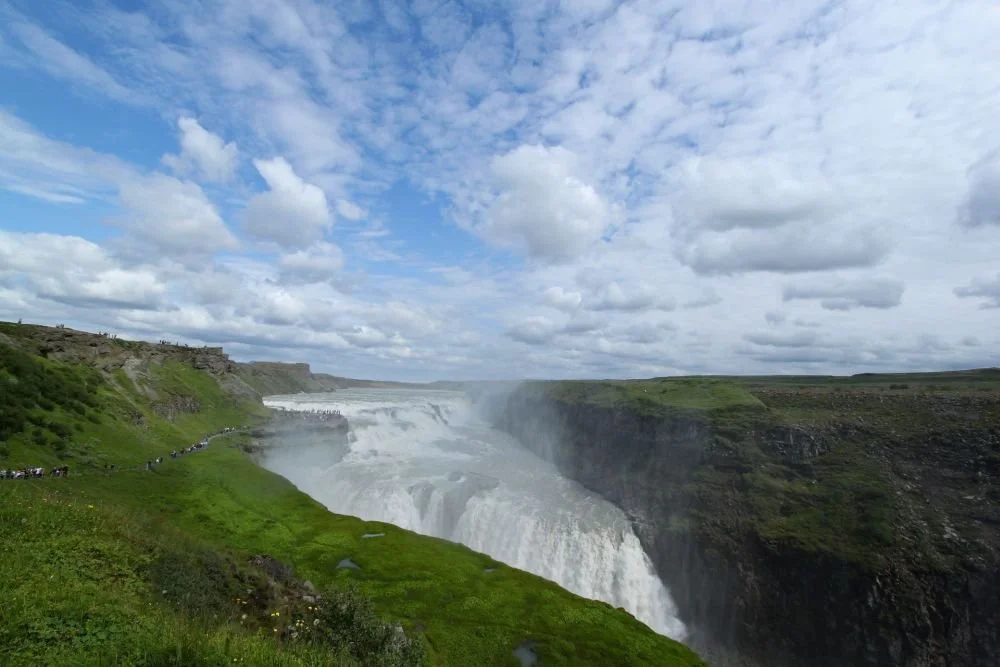
Local Driver Guide in Iceland
Getting Around Iceland
Iceland is compact in size but shaped by weather, distance, and terrain. Once you understand that, moving around becomes straightforward.
You’ll combine rental cars with occasional domestic flights, use tours and shuttles for remote sights, and rely on buses where routes exist. Transport is reliable but often seasonal, especially outside summer.
How transport works in Iceland
Distances aren’t huge, but conditions can slow everything down — wind, snow, gravel roads, and limited daylight in winter all play a role.
You’ll mostly use:
Rental cars for flexibility and access to major sights
Domestic flights for longer routes (especially to the north and east)
Buses for budget travel (mainly in summer)
Guided tours for highland and glacier regions
Ferries for islands
Private transfers for airport routes and remote stays
English is widely spoken. A few useful Icelandic words: vegur (road), lokað (closed), veður (weather).
Airport transfers in Iceland
Keflavík International Airport → Reykjavík
Iceland’s main international gateway is about 45–50 minutes from the capital.
KEF → Reykjavík
Airport shuttle buses (e.g. Flybus)
45–60 min
ISK 3,500–5,000
Private airport transfers
45–60 min
ISK 20,000–35,000 per vehicle
Taxis
Similar to private transfers, sometimes higher
After long flights, pre-booked transfers are the easiest option, especially in winter.
Driving in Iceland (self-drive)
Driving is the most popular and practical way to explore.
Roads are generally excellent on the Ring Road (Route 1)
Many rural roads are gravel
F-roads (mountain roads) require 4WD and are summer-only
Weather changes quickly — always check conditions
Key route:
The Ring Road (Route 1) circles the island
~1,300 km total
7–10 days recommended
Driving tips:
Headlights must be on at all times
Sheep roam freely in rural areas
Fuel stations can be far apart — don’t let the tank run low
Buses in Iceland
Buses exist but are limited compared to mainland Europe.
Best in summer (June–September)
Connect Reykjavík with major towns and attractions
Highland routes (to interior regions) are seasonal
Typical routes:
Reykjavík → Akureyri
6–7 hours | ISK 10,000–15,000
Reykjavík → Vík
~3 hours | ISK 6,000–9,000
Buses are reliable but not ideal for tight itineraries.
Domestic flights
Flights save significant time, especially in winter.
Main hub: Reykjavík Domestic Airport
Common routes:
Reykjavík → Akureyri
~45 min
Reykjavík → Egilsstaðir
~1 hour
Flights are frequent, but weather delays can occur.
The Golden Circle
The most popular short route from Reykjavík.
Includes:
Þingvellir National Park
Geysir Geothermal Area
Gullfoss Waterfall
Transport options:
Self-drive (best flexibility)
Day tours (6–8 hours total)
Private drivers for customised pacing
South Coast & glaciers
One of Iceland’s most accessible and dramatic regions.
Key stops:
Seljalandsfoss
Skógafoss
Reynisfjara
Jökulsárlón Glacier Lagoon
Getting around:
Self-drive via Ring Road
Multi-day guided tours
Limited bus services
Allow at least 2–3 days to explore properly.
North Iceland & remote regions
The north feels quieter and more remote.
Highlights:
Akureyri (main hub)
Lake Mývatn
Dettifoss
Access:
Domestic flights (fastest)
Long-distance buses
Self-drive (6–7 hours from Reykjavík)
Highlands (interior Iceland)
Wild, remote, and only accessible in summer.
Roads open roughly June–September
4WD required
River crossings common
Access options:
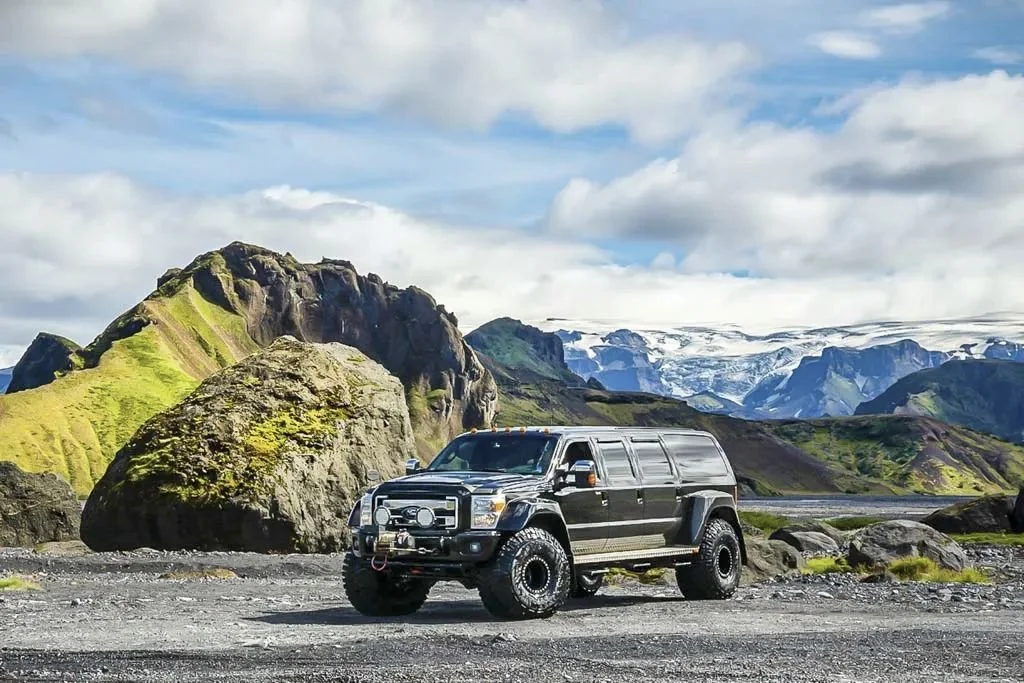
Super jeep tours
Guided highland buses
Experienced self-drive only
Conditions can change quickly — always check forecasts.
Ferries
Ferries connect offshore islands.
Main route:
Ferry to Vestmannaeyjar (Westman Islands)
~35–45 minutes from the south coast
Weather can affect sailings.
Taxis & private drivers
Taxis are available but expensive
No Uber (rideshare is limited)
Private drivers are useful for:
Airport transfers
Luxury travel
Flexible sightseeing
Always confirm pricing in advance.
Practical travel tips
Weather is the biggest variable — check forecasts daily
Daylight varies dramatically (near 24 hours in summer, very short in winter)
Book early in peak season (June–August)
Allow buffer time — delays are normal in remote areas
Iceland rewards flexibility more than strict schedules. Match your transport to the terrain, respect the weather, and give yourself time — the journey is often as memorable as the destination.
Prices shown are approximate and current as of March 2026.
Popular Destinations, Iceland tours and transport: Featured Plus
-
![Reykjavik Excursions]()
tailor-made Iceland private tours
-
![Airport Taxi Iceland]()
your premier choice for travel services in Iceland
-
![carbuddy.is/northern-lights-options/]()
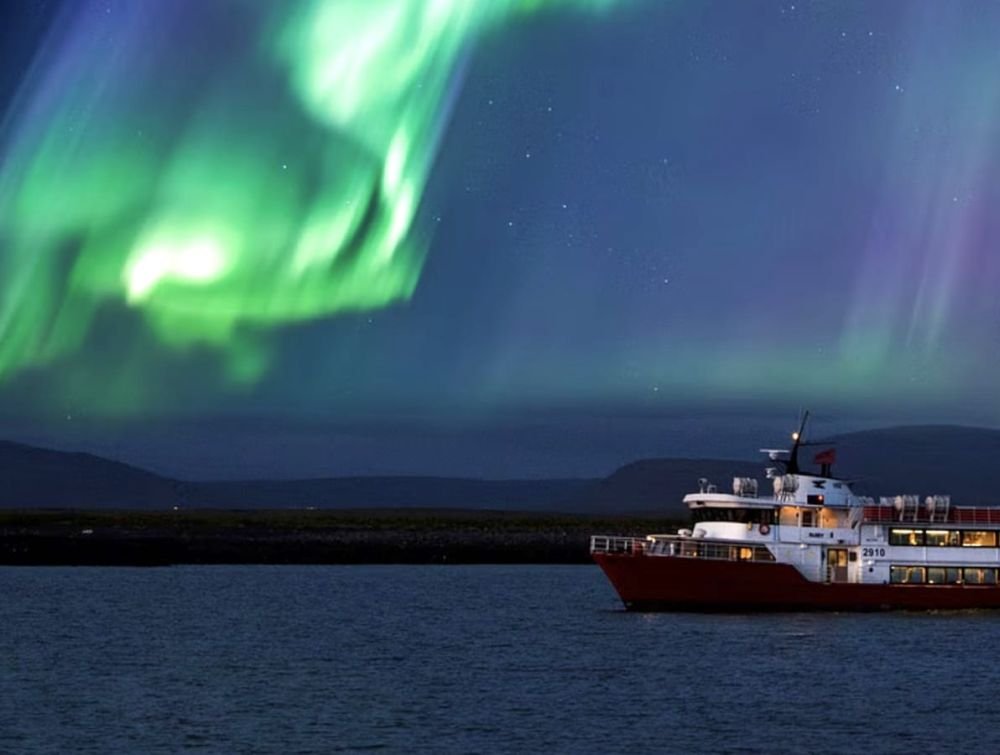
Reykjavík northern lights & city cruise
-
![NorthTrip.is]()
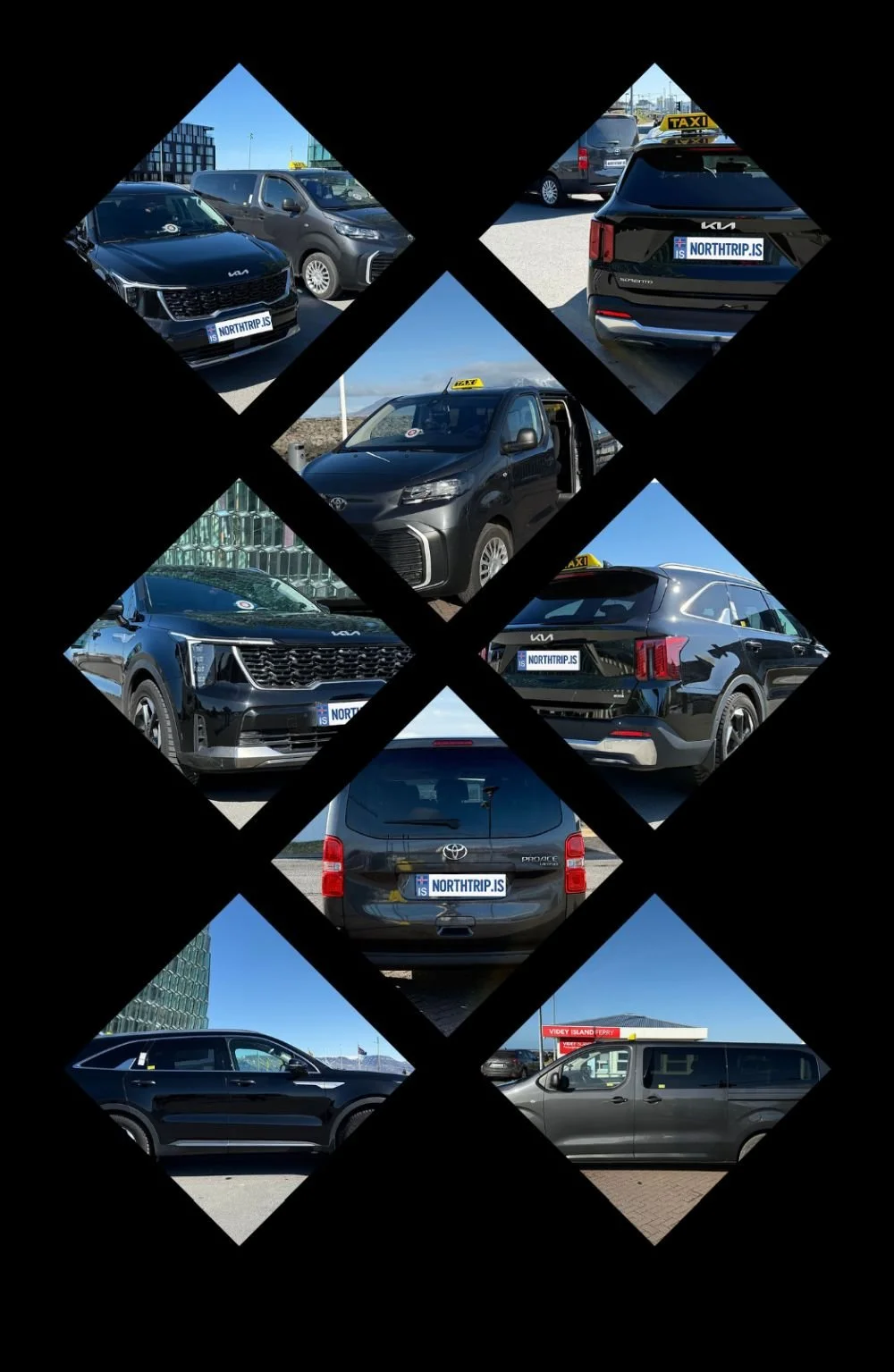
airport transfer and custom rides
-
![Try Iceland]()
amazing Iceland tours by super jeep
-
![Hidden Iceland]()
discover the true beauty of Iceland’s landscapes


Visit Chile (ShuttlesA2B)
ShuttlesA2B - Greeenland