
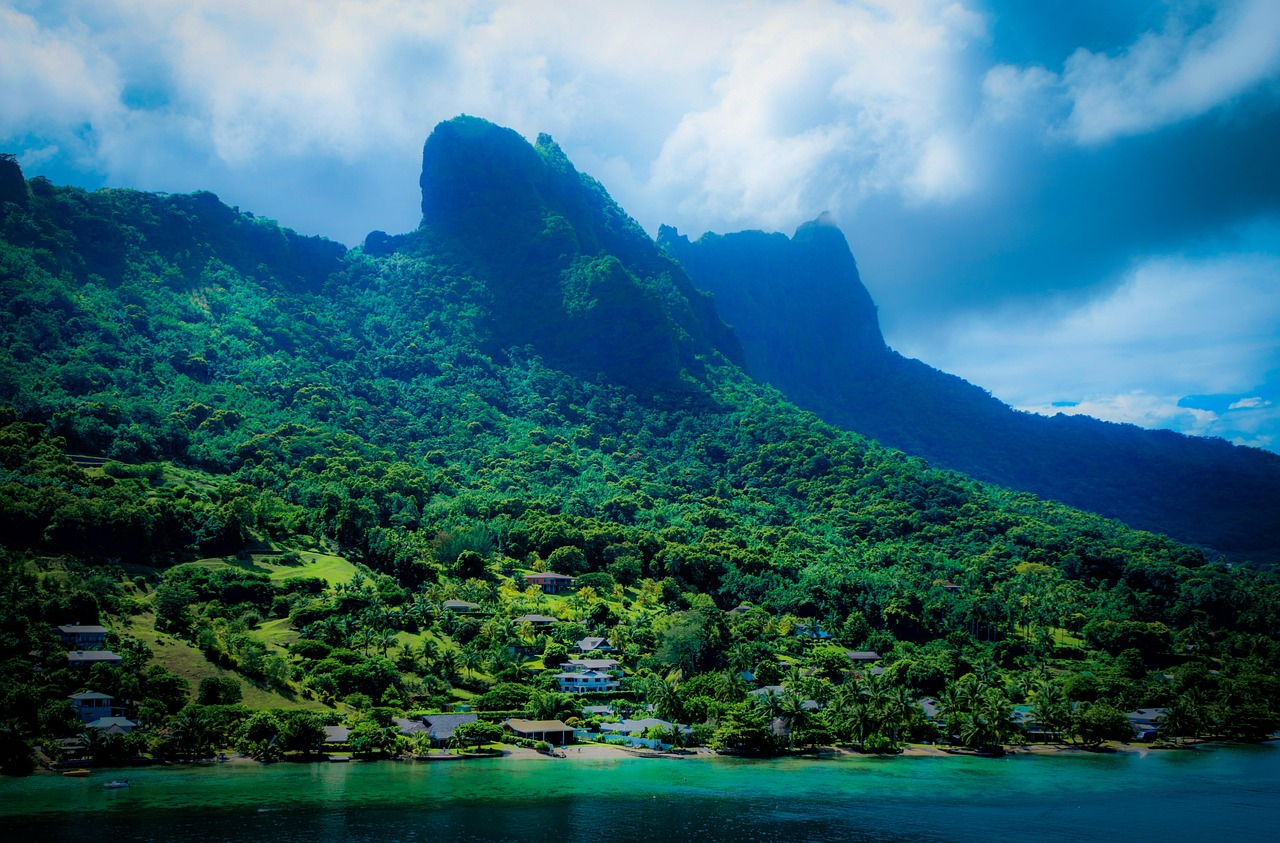
Essential Guide to French Polynesia - Shuttles, Transfers and Tours:
Navigate Your Journey with Confidence and Style
French Polynesia (Tahiti, Bora Bora, Moorea) — explore cruises, ferries, shuttles, taxis, private drivers and tours - Featured partners:
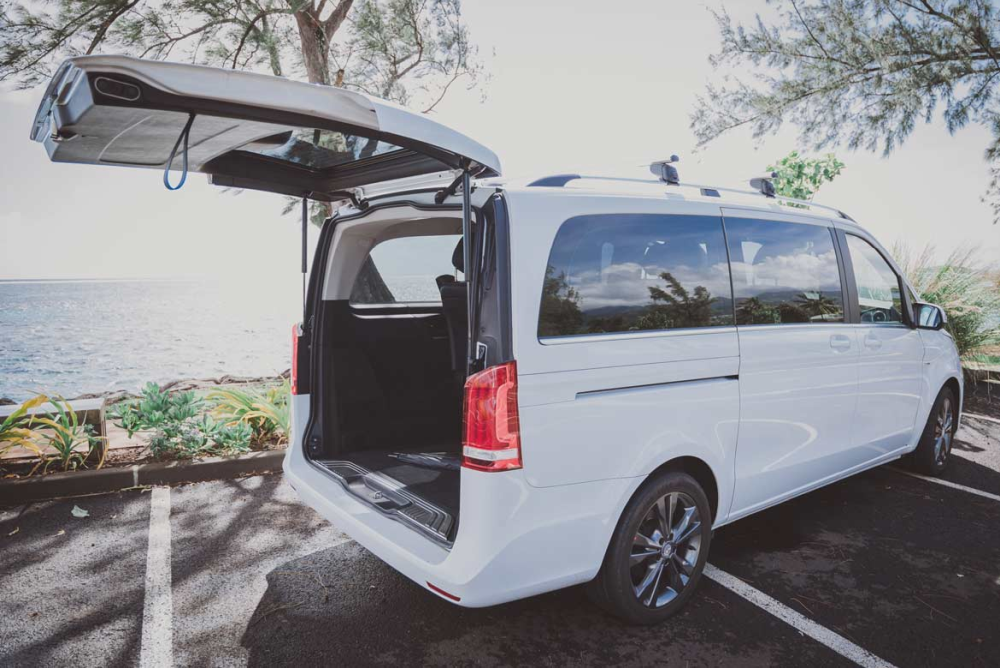
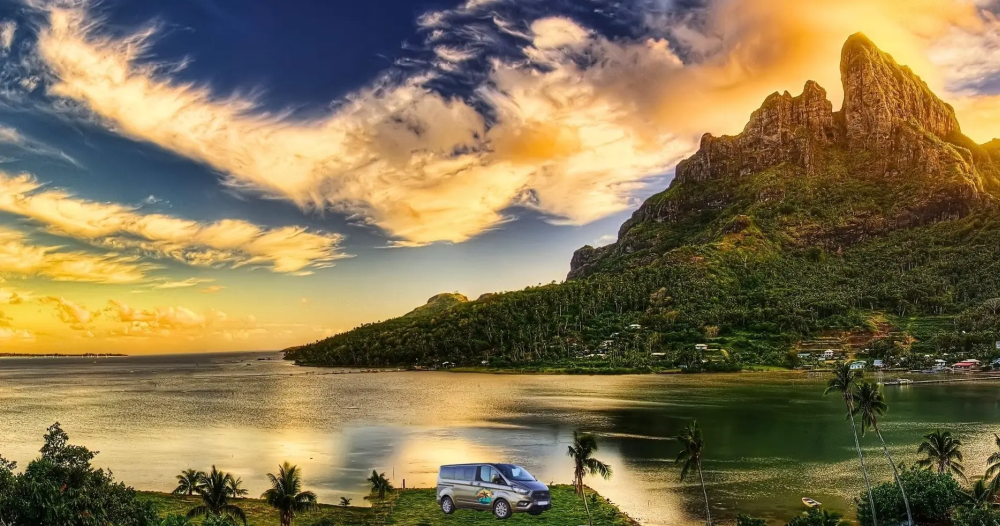
shared and private transfer services, Papeete
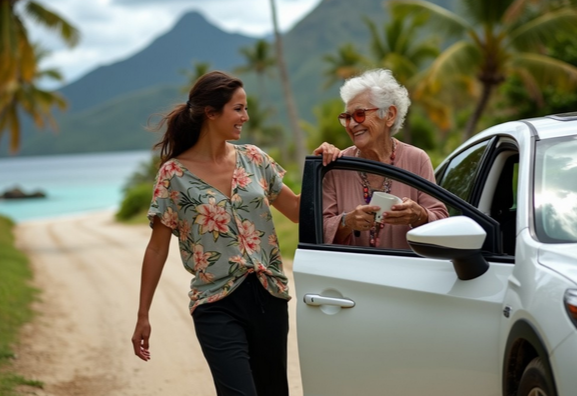
Drivy Tahiti - group transportation with Drivy and his friends
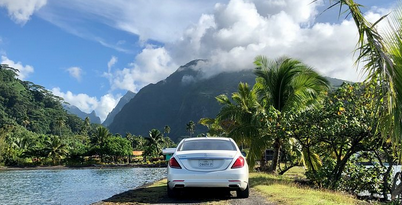
Tahiti Limousine - all the comfort of a unique service
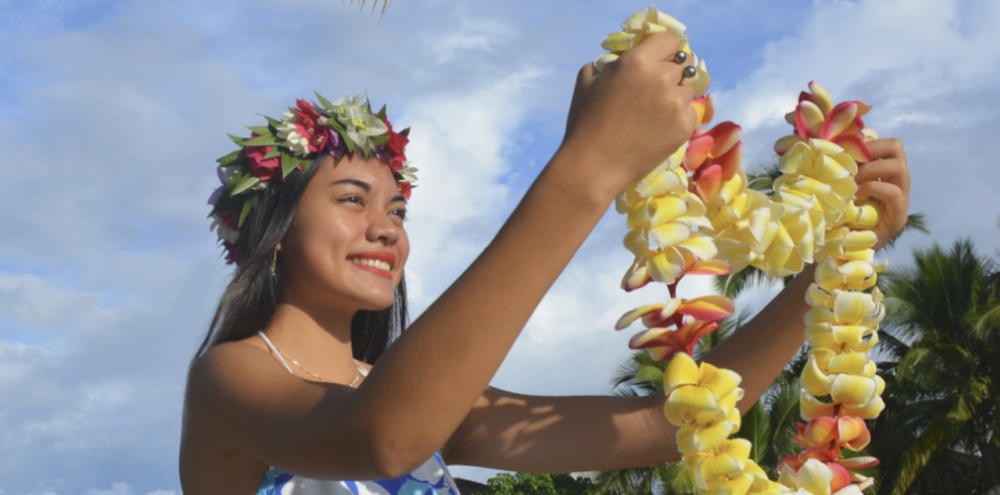
Paradise Tours Tahiti - our specialty is transfers - no group is too big or small.
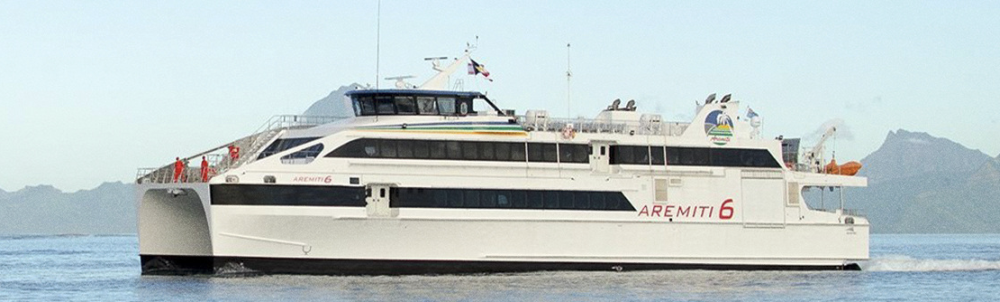
fast ferry crossing between Tahiti and Moorea
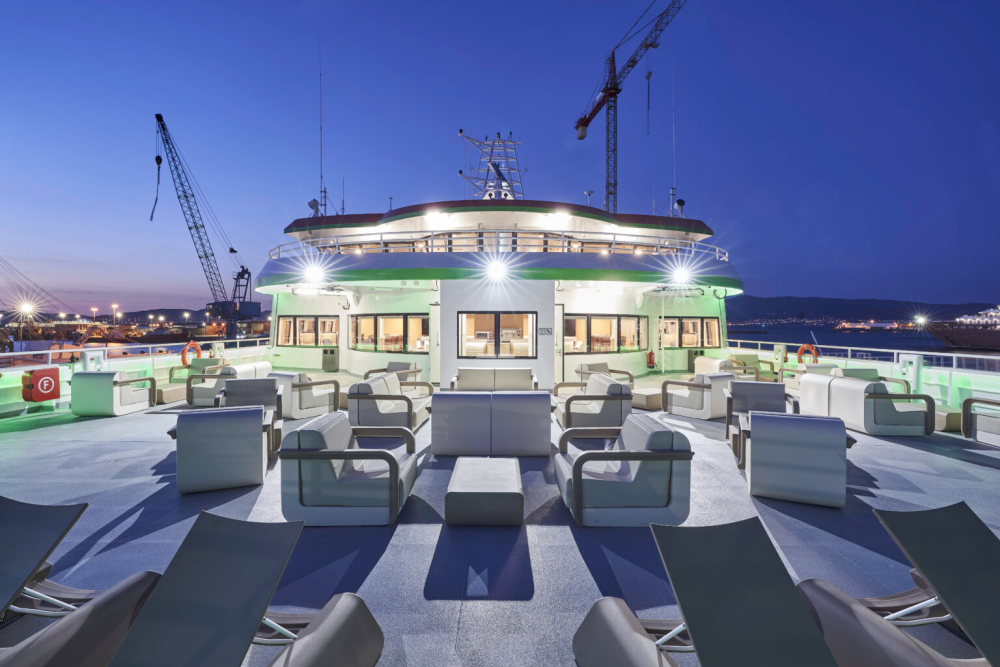
Vaeara’i - regular ferry crossings between Tahiti and Moorea
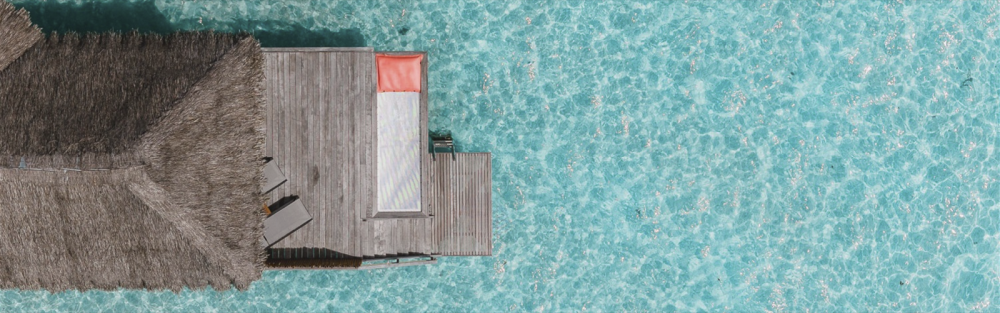
Bora Bora’s overwater bungalows - Pearl Resorts
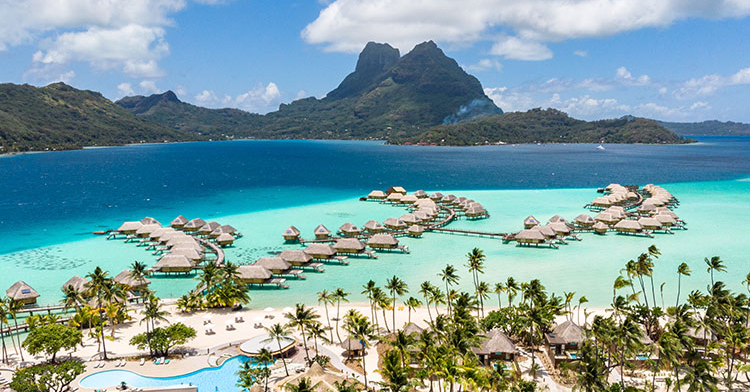
discover Bora Bora and its majestic lagoon
Getting Around French Polynesia
Transport, Inter-Island Flights, Ferries & Practical Travel Tips
French Polynesia is vast — larger than Europe in ocean area — yet made up of small, scattered islands grouped into five main archipelagos. Travelling here is less about highways and buses, and more about inter-island flights, ferries, boats, and organised transfers.
From the lagoons of Bora Bora to the peaks of Moorea and the cultural heart of Tahiti, planning transport in advance makes all the difference.
This guide explains how transport works across French Polynesia — including realistic travel times, costs, and practical advice for moving between islands.
Transport Options in French Polynesia
Inter-Island Flights
Flying is the primary way to travel between islands.
Main departure hub:
Papeete (on Tahiti)
Common routes:
Papeete ↔ Bora Bora
Papeete ↔ Moorea
Papeete ↔ Rangiroa
Papeete ↔ Huahine
Flight time:
15–60 minutes depending on destination
Typical cost:
USD $120–400 one way (lower with multi-island air passes)
Flights are frequent to Society Islands and less frequent to remote Tuamotu and Marquesas islands. Booking ahead is strongly recommended in peak season.
Ferries & Fast Boats
Ferries are available between certain nearby islands.
Most popular route:
Tahiti ↔ Moorea
Travel time:
30–45 minutes
Typical cost:
USD $15–30 one way (passenger)
Ferries are reliable, scenic, and often preferred for Moorea day trips or short stays.
There are no public ferries to Bora Bora — flights are required.
Resort Boat Transfers
Many lagoon resorts (especially in Bora Bora and Moorea) operate their own boat transfers from the airport.
Typical cost:
USD $50–150 per person return (varies by resort)
These are usually pre-arranged and timed to meet incoming flights.
Rental Cars & Scooters
On larger islands, rental cars provide flexibility.
Best islands for car rental:
Tahiti
Moorea
Bora Bora (limited roads)
Huahine
Typical cost:
USD $70–120 per day
Scooters and bicycles are also popular on smaller islands with ring roads.
Taxis & Local Transport
Taxis are available but expensive, particularly on Tahiti and Bora Bora.
Airport → Papeete town:
15–20 minutes | USD $25–40
Public buses operate on Tahiti (known locally as “Le Truck” in the past, now modern coaches), but services are infrequent and not ideal for tight schedules.
On outer islands, public transport is extremely limited or non-existent.
Getting Around the Main Islands
Tahiti
Tahiti is the largest and most populated island.
Transport options:
Rental cars (recommended for exploring beyond Papeete)
Taxis
Limited bus network
Papeete Airport → Papeete centre:
15–20 minutes
Driving around the island (full loop):
3–4 hours without stops
Moorea
Moorea is one of the easiest islands to explore independently.
Transport options:
Ferry from Tahiti
Rental cars and scooters
Lagoon tour boats
Island loop drive:
1.5–2 hours
Moorea is ideal for travellers who want flexibility without domestic flights.
Bora Bora
Bora Bora is compact but unique.
Transport options:
Flight from Tahiti (50 minutes)
Boat transfers to lagoon resorts
Limited taxis
Bicycle rental
The main island has a single coastal road, easily cycled or driven in under an hour.
Tuamotu Atolls (e.g., Rangiroa)
Transport is minimal.
Flights connect to Tahiti
Small guesthouse transfers by boat
Walking and cycling common
Distances are small, but infrastructure is basic.
Popular Routes: Travel Times & Costs
Tahiti → Moorea
Ferry: 30–45 minutes | USD $15–30
Tahiti → Bora Bora
Flight: 45–50 minutes | USD $200–400
Tahiti → Huahine
Flight: ~40 minutes
Tahiti → Rangiroa
Flight: ~1 hour
Bora Bora airport → Lagoon resort
Boat: 15–25 minutes
Reaching French Polynesia
International arrivals land at Faa’a International Airport in Papeete (Tahiti).
Direct flights operate from:
Los Angeles
Paris (via Los Angeles)
Auckland
Tokyo
Flight time from Los Angeles:
~8 hours
Travel Planning Tips for French Polynesia
Book inter-island flights early, especially July–October.
Consider an island air pass if visiting multiple islands.
Factor in resort boat transfer costs when budgeting.
Sundays have limited transport services.
Weather disruptions are rare but possible during cyclone season (November–April).
Distances look short on a map, but the ocean between islands makes air travel essential.
Why Transport Planning Matters in French Polynesia
Unlike compact island nations, French Polynesia is widely dispersed. Efficient travel requires:
Coordinating flight times
Allowing buffer days between islands
Pre-arranging transfers
Budgeting for higher transport costs
The reward is access to:
Lagoon snorkelling in Bora Bora
Whale watching near Moorea
Diving in Rangiroa’s passes
Waterfalls and black-sand beaches on Tahiti
Top Places to Visit in French Polynesia
Tahiti – culture, markets, waterfalls
Moorea – mountains, lagoons, easy access
Bora Bora – iconic lagoon and overwater bungalows
Huahine – quieter Society Island charm
Rangiroa – world-class diving
Marquesas Islands – remote and dramatic landscapes
With a combination of inter-island flights, ferries, boat transfers, and rental vehicles, travelling around French Polynesia is straightforward — but requires advance planning.
The distances are oceanic, the infrastructure is limited, and costs are higher than many destinations — yet the scenery and lagoon experiences are unlike anywhere else in the world.
N.B. Prices shown are indicative and reflect typical costs in French Polynesia as at February 2026.
Popular Destinations, French Polynesia tours and transport: Featured Plus
-
![Unique Tahiti - authentic island tours]()
Unique Tahiti
-
![Private Tours Tahiti]()
private transfers and personalized tours across Tahiti
-
![Yota Tahiti Private Island Tours]()
explore Tahiti's hidden gems with our passionate guides!
-
![Bora Bora Magic Tour]()
Bora Bora - small-group tours
-
![https://etahititravel.com/]()
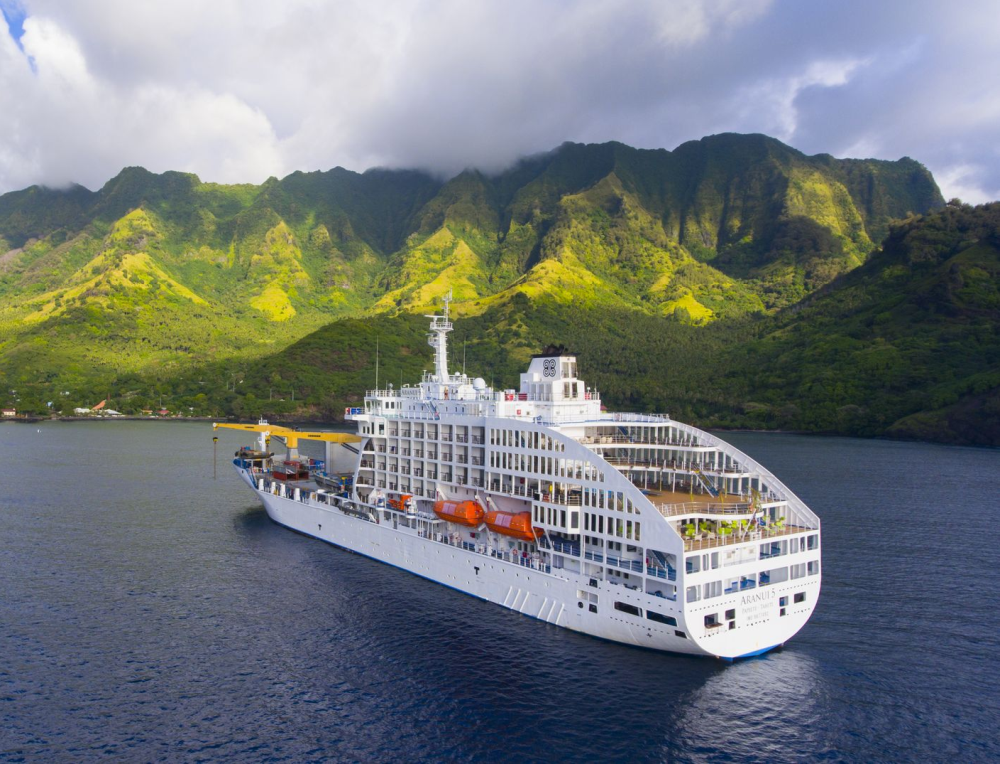
cruise Tahiti, Fakarava, Nuku Hiva, Ua Pou, Hiva Oa, Fatu Hiva, Ua Huka, Rangiroa & Bora Bora
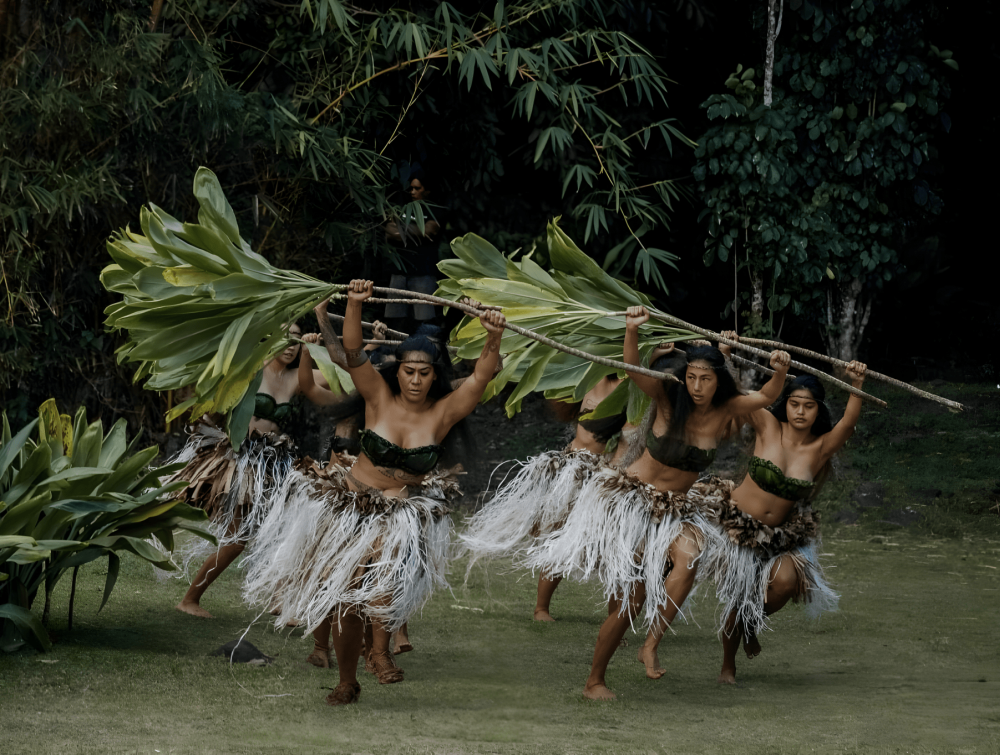
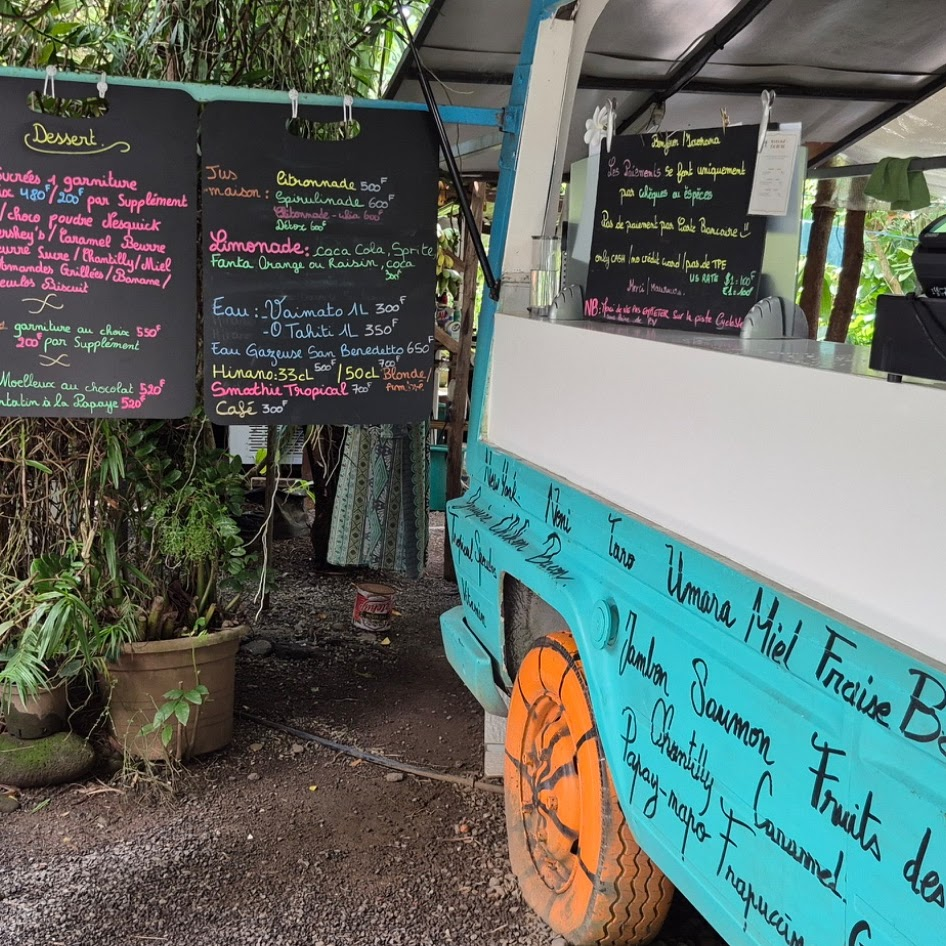
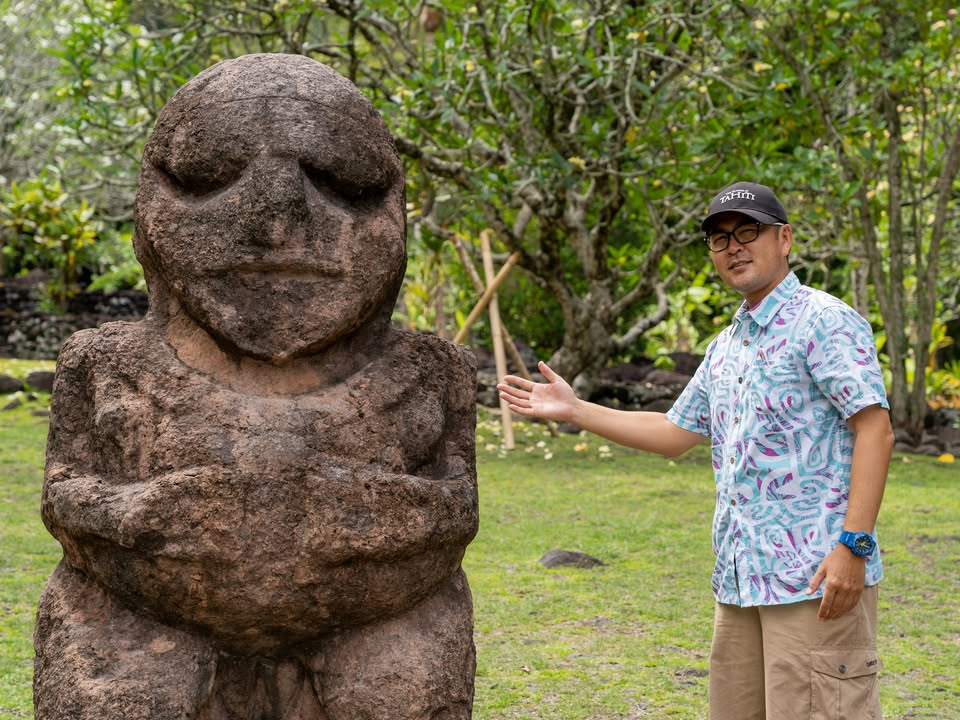
Paul Gauguin and the Invention of a South Pacific Dream
Few artists have shaped the Western imagination of the South Pacific as powerfully as Paul Gauguin. His paintings of Tahiti and the wider islands of French Polynesia — including time spent in the Tuamotus and the Marquesas — helped construct a visual mythology that continues to influence how travellers picture places like Bora Bora today.
His canvases did more than depict tropical landscapes. They invented a dream — one that still resonates in tourism imagery, travel writing, and popular fantasy.
Gauguin’s Break from Europe
In 1891, disillusioned with Parisian society and artistic convention, Gauguin sailed to Tahiti seeking what he described as a more “primitive” and authentic life. He imagined Polynesia as untouched by industrial modernity — a place of spiritual purity, sensuality, and vivid colour.
The reality was more complex. By the time he arrived, Tahiti had already undergone decades of French colonial rule, missionary influence, and social transformation. Yet Gauguin chose to emphasise what he perceived — or wished to perceive — as timeless and elemental.
This selective vision would become central to his legacy.
The Visual Language of Paradise
Gauguin’s Tahitian paintings are instantly recognisable:
Saturated pinks, oranges, and cobalt blues
Stylised, flattened forms
Monumental, contemplative female figures
Lush vegetation and volcanic backdrops
Spiritual and mythological symbolism
Works such as Where Do We Come From? What Are We? Where Are We Going? transformed Tahiti into a philosophical landscape — a setting for existential questions framed within tropical beauty.
Although he spent less time on Bora Bora itself, the broader Polynesian imagery he created — turquoise lagoons, mountainous silhouettes, sensuous calm — became visually transferable. Over time, Bora Bora emerged in global consciousness as the distilled embodiment of that paradise aesthetic.
Firing the Western Imagination
Gauguin’s paintings circulated widely in Europe after his death, particularly as modern art gained prominence in the early 20th century. For many viewers, these canvases provided their first sustained visual encounter with Polynesia.
They suggested:
A world of colour beyond European grey
A slower rhythm of life
A culture deeply connected to nature
A sensual freedom absent from industrial society
In doing so, Gauguin helped cement the idea of the South Pacific as an Edenic escape.
By the time commercial air travel expanded in the mid-20th century, the imagery was already embedded in Western imagination. Travel posters, resort branding, and honeymoon marketing would echo the palette and mood of his paintings — consciously or not.
Bora Bora as the Modern Echo
Today, Bora Bora is often marketed as:
A lagoon of impossible turquoise
A volcanic peak rising dramatically from the sea
A place of romance, privacy, and transcendence
That framing aligns closely with the emotional tone of Gauguin’s work — even if the paintings were not literal depictions of Bora Bora itself.
Luxury overwater bungalows and curated tropical aesthetics now replace the village scenes he painted, but the promise remains similar: escape from modern anxiety into elemental beauty.
Gauguin’s South Pacific is less about geography and more about longing — and Bora Bora has become one of the ultimate vessels for that longing.
The Contentious Legacy
Yet Gauguin’s portrayal is also deeply controversial.
Modern scholarship and Polynesian voices highlight several issues:
His depiction of Tahitian women through an exoticising, colonial lens
His romanticisation of a culture already altered by colonisation
His relationships with very young local women
His framing of Polynesia as “primitive” in contrast to “civilised” Europe
Many argue that his work reflects a colonial fantasy — projecting European desires onto a place and people with their own complex realities.
For contemporary visitors to French Polynesia, this raises important questions:
What expectations are we carrying?
How much of the “paradise” narrative is inherited from 19th-century art?
How do we separate artistic brilliance from problematic context?
Art, Tourism, and the Idea of Escape
It would be simplistic to say Gauguin alone created the modern image of Tahiti and Bora Bora. Explorers, missionaries, writers, Hollywood films, and travel marketing all played roles.
But his contribution was distinctive because it was emotional rather than descriptive.
He painted not what Tahiti objectively was, but what he felt it represented:
Escape from industrial Europe
Reconnection with nature
Spiritual depth
Sensual immediacy
Timelessness
That emotional template continues to animate tourism to French Polynesia.
Couples seeking seclusion in Bora Bora, artists searching for light, travellers longing for colour and space — many are responding, knowingly or not, to a dream first rendered in oil and pigment more than a century ago.
Seeing French Polynesia Today
Modern Tahiti and Bora Bora are:
Culturally dynamic
Politically connected to France
Economically shaped by tourism
Deeply rooted in Polynesian heritage
They are not frozen Edens. They are living societies balancing tradition, globalisation, and environmental stewardship.
Visiting today offers something Gauguin only partially captured: the strength and continuity of Polynesian culture beyond colonial framing.
Gauguin’s Enduring Influence
Gauguin died in the Marquesas Islands in 1903, far from the Paris art world he had abandoned. Yet his South Pacific vision endured.
His paintings:
Influenced modernist art movements
Shaped Western colour theory and symbolism
Embedded Polynesia into European artistic consciousness
Helped define the idea of the “tropical paradise”
For better or worse, when many people imagine French Polynesia — especially Bora Bora — they are often seeing it through colours he first intensified.
A Paradise Reconsidered
To engage thoughtfully with Gauguin’s legacy is not to reject it outright, nor to romanticise it uncritically.
It is to recognise that:
Art can create destinations in the imagination long before planes land there.
Beauty and distortion can coexist.
Tourism narratives often inherit artistic myths.
Bora Bora today is both more real and more complex than Gauguin’s dream. Yet the dream still flickers — in saturated sunsets, volcanic silhouettes, and the enduring desire to travel far from the familiar.
In that sense, Gauguin did not simply paint Tahiti.
He painted an idea of escape that continues to send travellers across oceans.
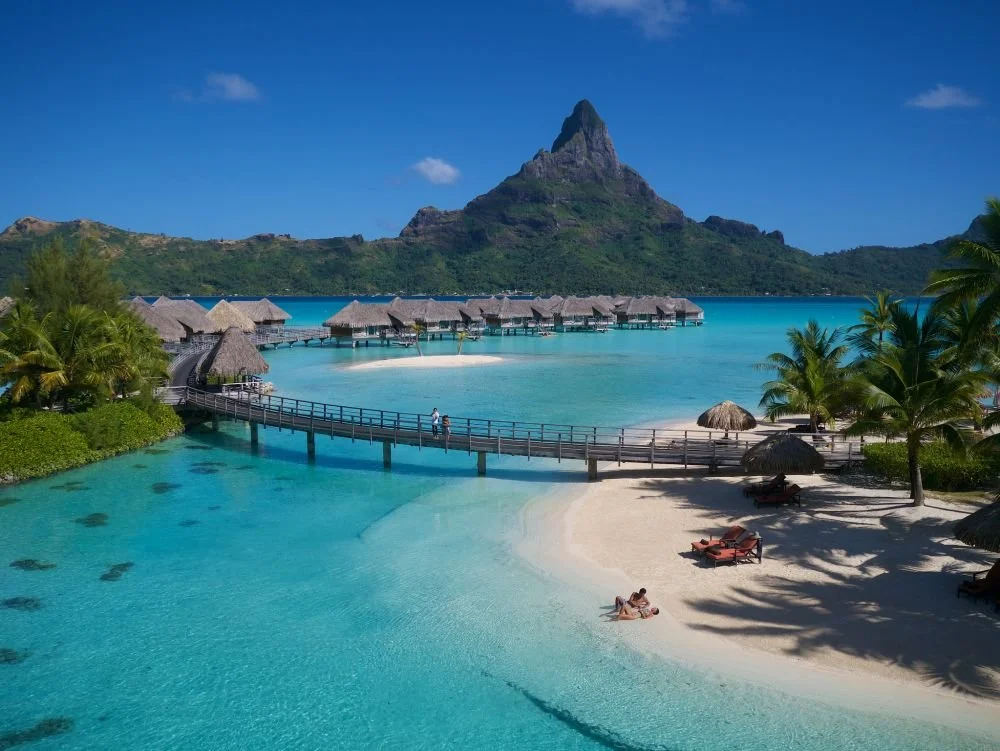
InterContinental Bora Bora Resort & Thalasso Spa