
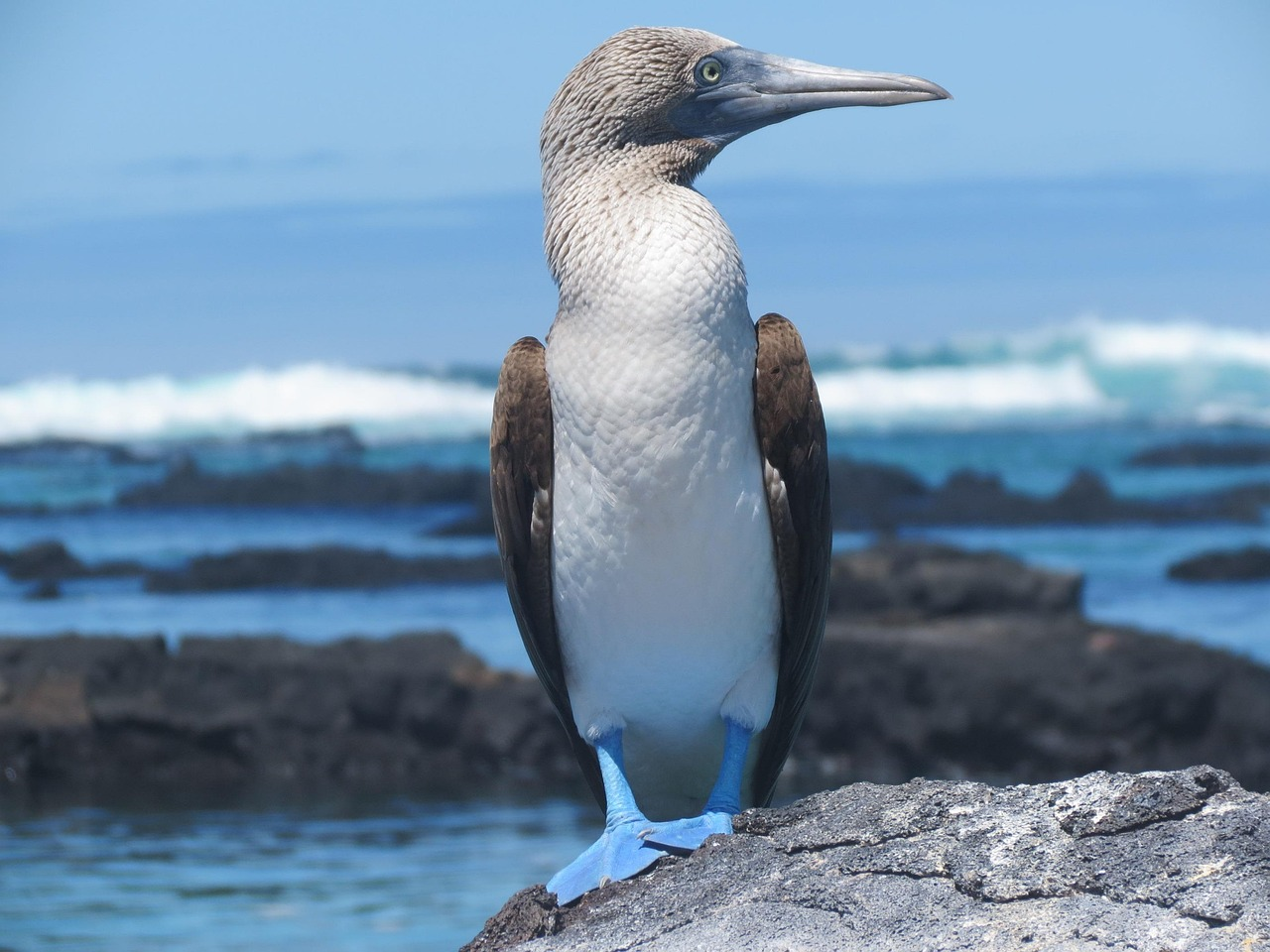
Essential Guide to Ecuador Shuttles & Sightseeing:
Navigate Your Journey with Confidence and Style
On This Page
Ecuador and the Galápagos Islands - Shuttles, Transfers & Sightseeing - Featured Partners
What draws people to Ecuador? ¿Qué atrae a la gente a Ecuador?
Teaching English in Ecuador, Retiring, and Life in the Expat Community
The Auca (Waorani): Life Before Contact, First Encounters, and Their World Today
Ecuador and the Galápagos Islands — explore shuttles, airport transfers, private drivers, tours & sightseeing - Featured partners:
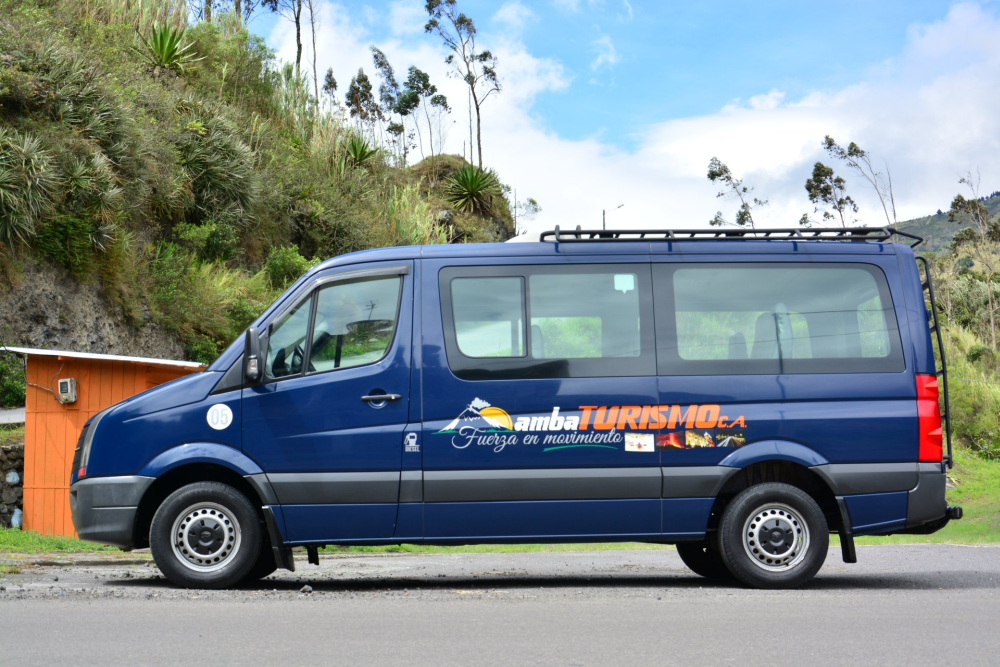
TransViator Ecuador - tourist transport in Ecuador with nationwide coverage
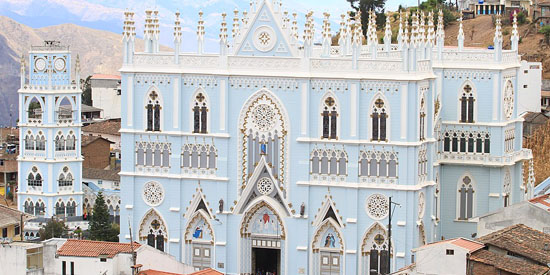
VanService - long-distance transfers & private shuttles

593 Transfer - Quito Airport

Quirutoa Transfers & Tourism Ecuador
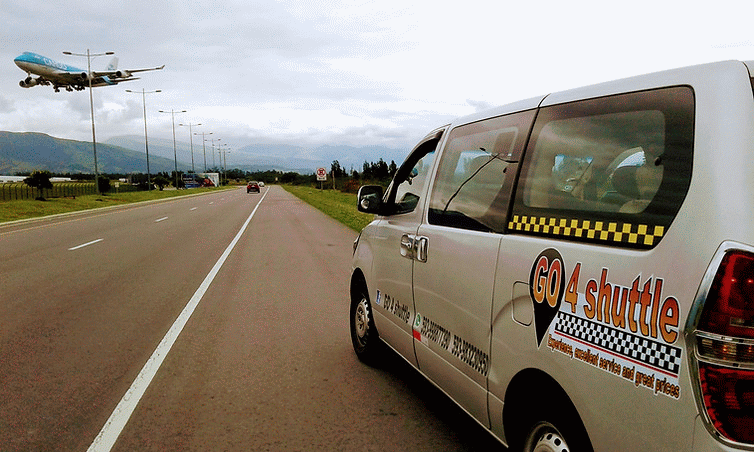
Go 4 Shuttle
Cuenca Best Tours

Andes Transit

Luis VIP Tours, Quito - Ambato

Quito Transfers

Servi Taxi Baños
Radio Taxi La Castellana, Loja, Ecuador
Mayte Tours, Tumbes, Peru
Getting Around Ecuador
Transport, Shuttles, and Practical Travel Tips
Ecuador is compact, diverse, and surprisingly well connected. In a single trip, travellers can move between high-altitude Andean cities, Pacific coastlines, the Amazon rainforest (la selva), and the extraordinary Las Islas Galápagos.
This guide explains how transport works in Ecuador — buses, shuttles, taxis, private drivers, airport transfers, and cross-border travel — with realistic travel times, costs, and context for both the mainland and the Galápagos.
Transport Options in Ecuador
Buses in Ecuador
Buses connect almost every town and city.
Frequent services on major routes
Options range from basic to modern long-distance coaches
All large cities have a terminal terrestre
Typical cost:
USD $1–2 per hour of travel
Buses are a practical way to travel between Quito, Guayaquil, Cuenca, Baños, and Otavalo, especially during the day.
Shuttles
Shared shuttles operate on popular traveller routes.
Common between tourist centres
Often offer hotel pickup and drop-off
Useful for routes with limited direct buses
Cost:
USD $20–60 depending on distance
Shuttles are widely used for airport transfers, intercity travel, and routes involving border crossings.
Private Drivers & Taxis
Private drivers are easy to arrange in most regions.
Flexible schedules and direct routes
Popular for day trips and rural areas
Available in Quito, Guayaquil, Cuenca, and tourist hubs
Typical cost:
USD $60–120 per day, or per route
Taxis are inexpensive in cities and usually the simplest option for short trips.
Domestic Flights
Flights make sense for longer distances.
Quito ↔ Guayaquil: ~45 minutes
Quito ↔ Cuenca: ~50 minutes
Flights are reliable and reduce long travel days through mountainous terrain.
Getting Around Ecuador’s Main Cities
Quito
Taxis and airport transfers are widely used
Metro and city buses cover much of the city
Historic centre is compact and walkable
Quito Airport → Old Town:
45–60 minutes | USD $25–35
Guayaquil
Large city with spread-out neighbourhoods
Taxis preferred for visitors
Primary departure point for Galápagos flights
Cuenca
Walkable historic centre
Affordable taxis
Popular base for longer stays
Popular Routes: Travel Times & Costs
Quito → Otavalo
Bus: 2–2.5 hours | USD $3–5
Private driver: ~2 hours | USD $60–80
Quito → Baños
Bus: 3.5–4 hours | USD $6–8
Shuttle: ~3.5 hours | USD $20–30
Quito → Cuenca
Bus: 8–9 hours | USD $25–35
Flight: ~50 minutes | USD $60–120
Guayaquil → Cuenca
Bus: 4–5 hours | USD $10–15
Flight: ~45 minutes
Reaching the Amazon (La Selva)
Access to Ecuador’s Amazon typically begins in the Andes.
Quito → Tena
Bus: ~5 hours | USD $10–15
Private driver: ~4 hours
Road conditions are generally good, though weather can affect travel times.
Cross-Border Transport
Ecuador → Colombia (via Rumichaca)
Common route: Quito → Popayán
Bus and shuttle services operate daily
Total travel time: ~12–14 hours
Border formalities are handled on foot between terminals on each side.
Ecuador → Peru
Main crossing: Huaquillas–Tumbes
Regular buses, shuttles, and taxis
Straightforward onward connections within Peru
Reaching the Galápagos Islands
The Galápagos Islands are reached by air from mainland Ecuador.
Flights depart from Quito or Guayaquil
Arrival airports: Baltra or San Cristóbal
Flight time: ~2 hours
Approximate cost:
USD $200–450 return (tourist fares)
Visitors also pay:
Galápagos Transit Control Card
National Park entry fee (paid on arrival)
Getting Around the Galápagos Islands
Travel between islands is by boat.
Inter-Island Transport
Speedboats connect:
Santa Cruz
San Cristóbal
Isabela
Travel time: 2–2.5 hours
Cost: ~USD $30–35 per leg
On the Islands
Walking and cycling
Licensed taxis (mainly pickup trucks)
Local buses on Santa Cruz
Transport is limited by design to protect the environment.
Why Visit the Galápagos?
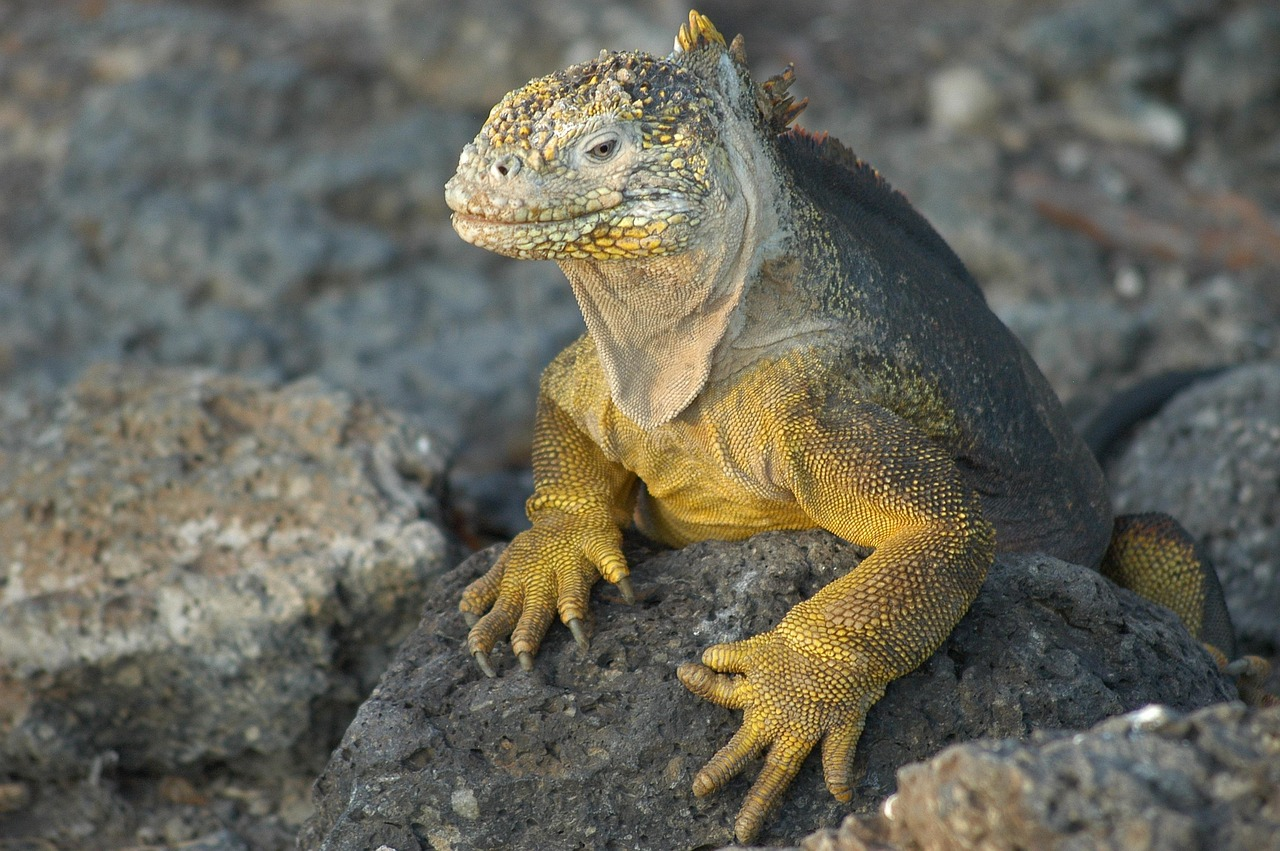
Endemic wildlife found nowhere else
Snorkelling with sea lions, turtles, and rays
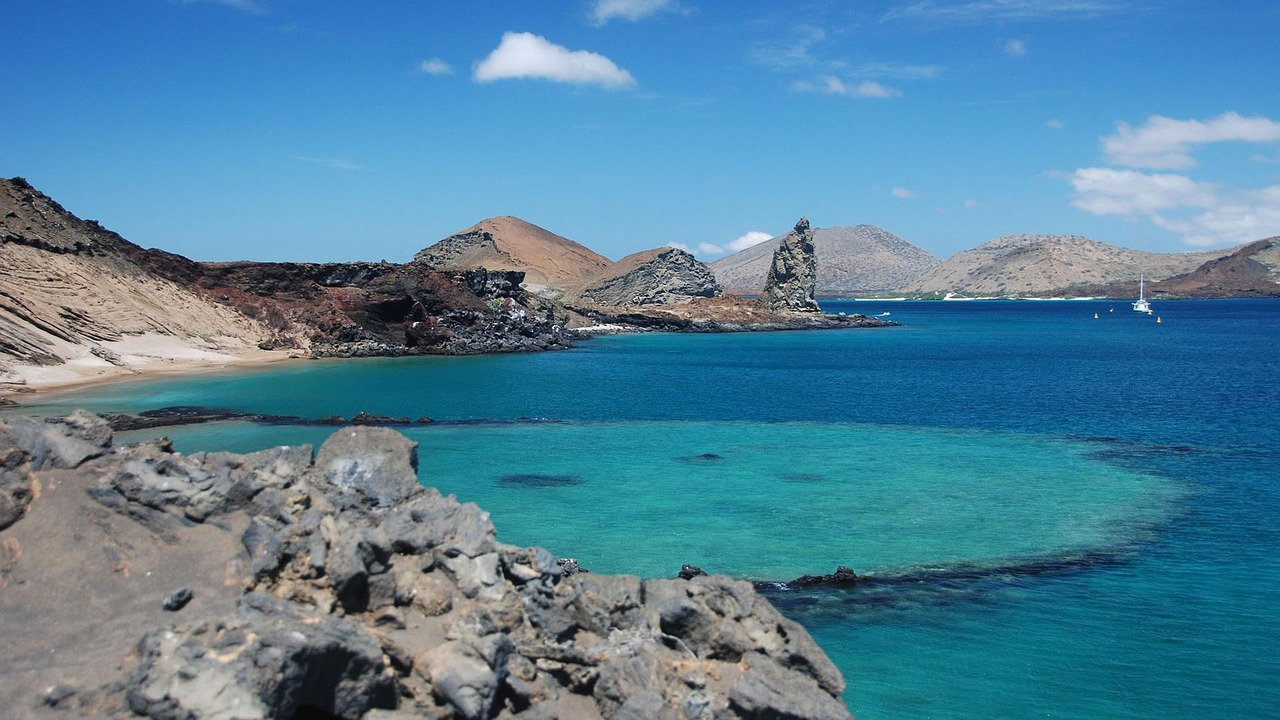
Volcanic landscapes and pristine waters
Carefully managed tourism focused on conservation
It’s one of the most distinctive travel experiences in the world.
Top Places to Visit in Ecuador
Quito – historic centre, museums, food
Cuenca – colonial architecture, relaxed pace
Baños – waterfalls, adventure, hot springs
Otavalo – markets and Andean culture
La Selva Amazónica – rainforest lodges and biodiversity
Las Islas Galápagos – wildlife and nature
With a combination of buses, shuttles, private drivers, taxis, flights, and boats, Ecuador offers practical ways to travel between cities, borders, rainforest, and islands.
Distances are short, routes are established, and planning a few key legs in advance makes the journey smooth and flexible.
N.B. Prices shown are indicative and reflect typical costs in Ecuador as at April 2026.
Popular Destinations, Tours and Shuttle Services - Ecuador & The Galápagos
-
![Think Galapagos - Beverley, England, UK]()
specialists for The Galapagos Islands, based in the UK
-
![Tourexpress & Transfers - Otavalo & Quito - Ecuador]()
Otavalo
-
![Rey Van Tours, Busetas Cuenca - Ecuador]()
Busetas Cuenca
-
![Toucan Express Transport Ecuador]()
Tourist transportation in Ecuador
-
![Traslados de llegada Ecuador]()
Traslados de llegada
-
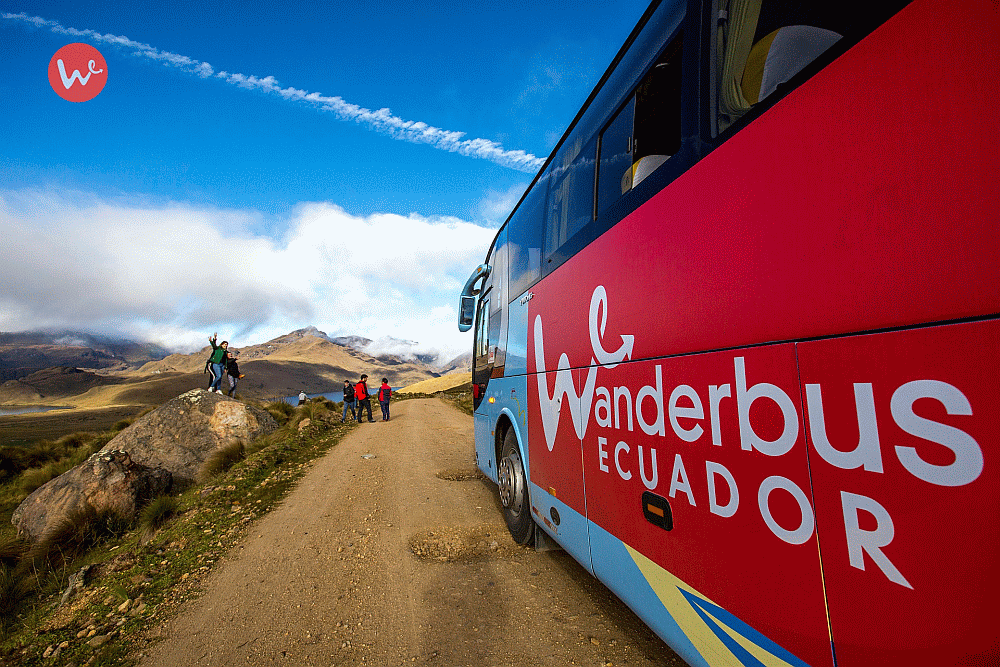
![Wanderbus Ecuador]()
Wanderbus Ecuador

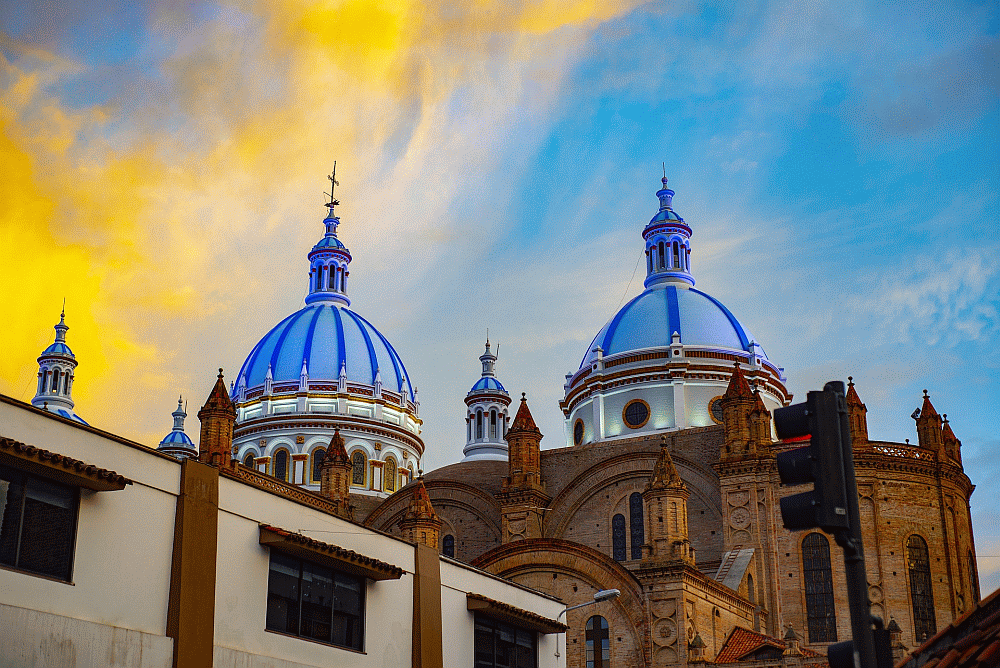
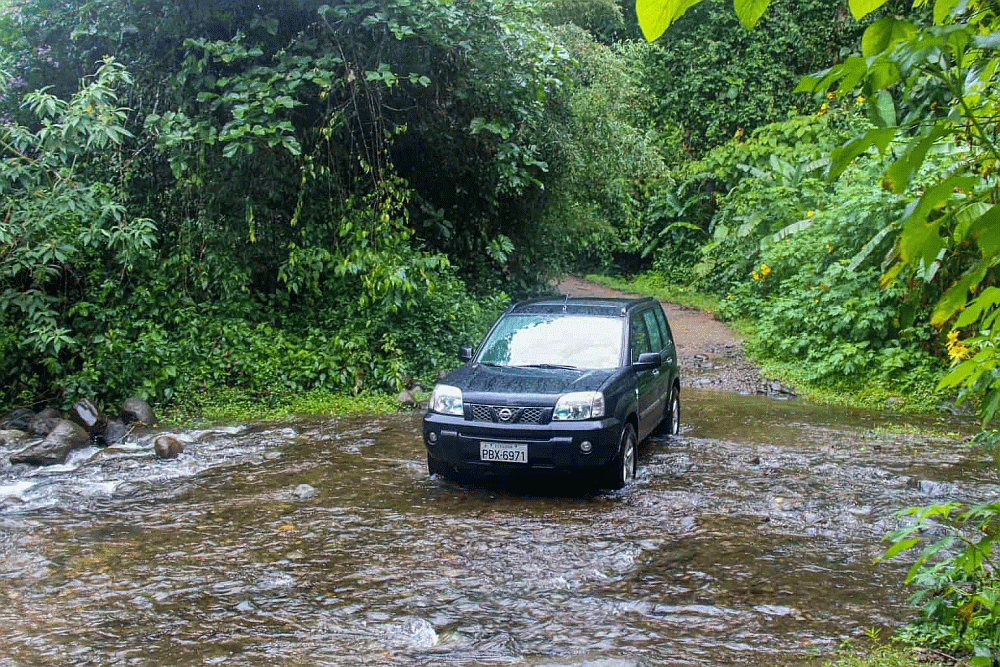
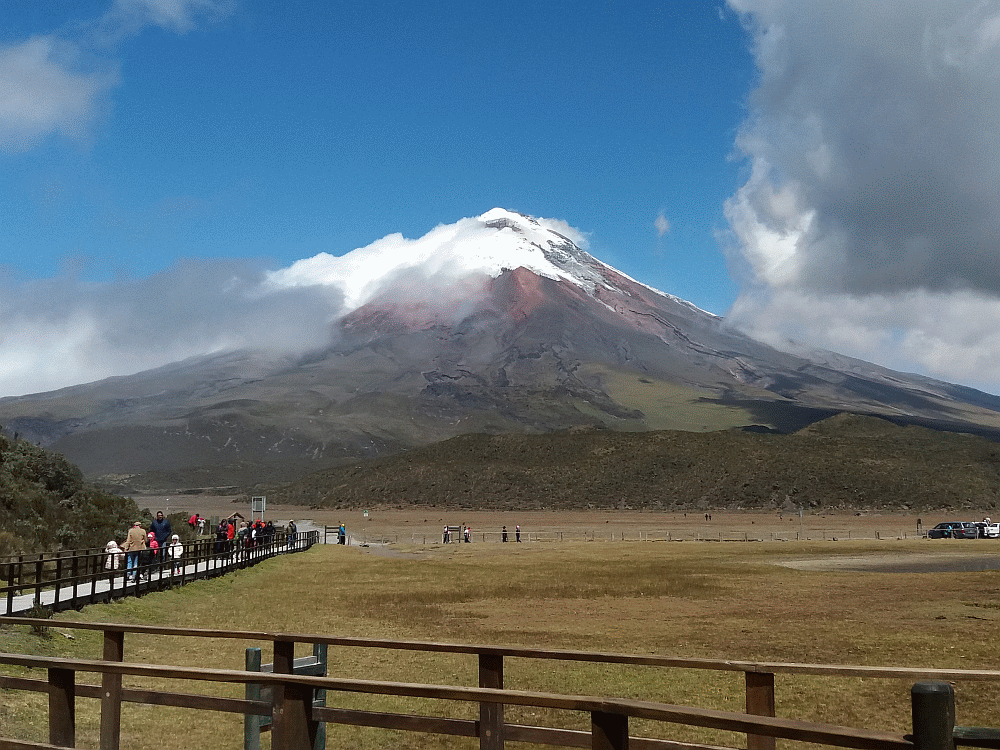
What draws people to Ecuador?
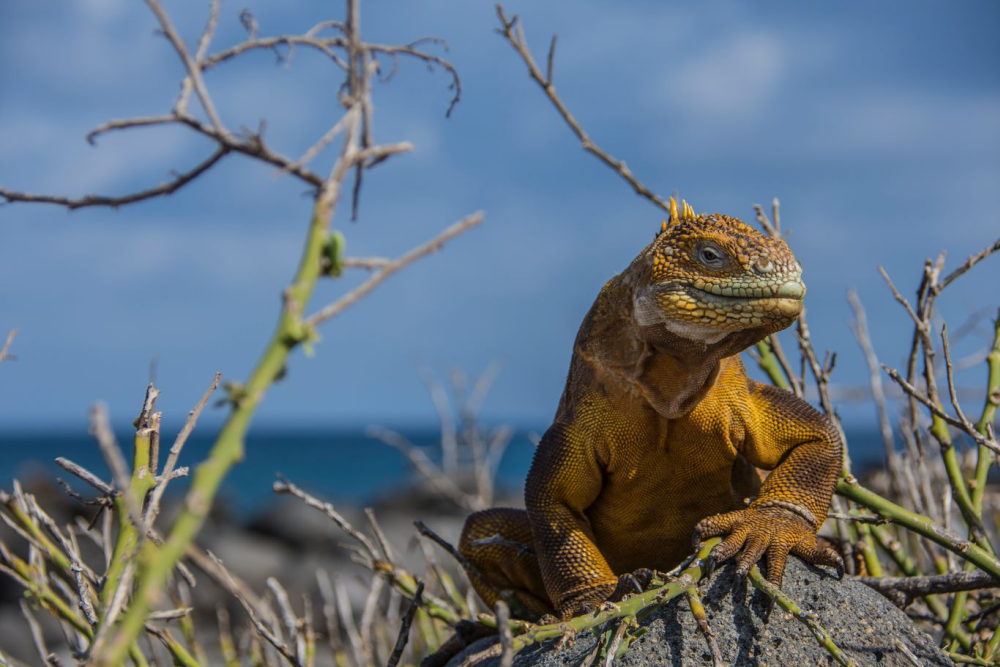
Ecuador attracts travellers with its extraordinary diversity packed into a country small enough to explore in a single trip.
From the snow-capped Andes and lush Amazon rainforest to the charming colonial cities of Quito and Cuenca, every region offers a new adventure.
The Galápagos Islands remain a dream destination for wildlife lovers, while the vibrant markets, friendly locals, and delicious Andean cuisine make everyday experiences unforgettable.
Ecuador’s mix of nature, culture, and warmth gives visitors a feeling of discovery and connection that few places can match.
Spanish
¿Qué atrae a la gente a Ecuador?
Ecuador atrae a los viajeros por su extraordinaria diversidad concentrada en un país lo bastante pequeño como para explorarlo en un solo viaje.
Desde los Andes nevados y la exuberante selva amazónica hasta las encantadoras ciudades coloniales de Quito y Cuenca, cada región ofrece una nueva aventura.
Las Islas Galápagos siguen siendo un destino soñado para los amantes de la naturaleza, mientras que los mercados coloridos, la amabilidad de su gente y la deliciosa cocina andina hacen que cada día sea inolvidable.
La combinación de naturaleza, cultura y calidez humana en Ecuador brinda a los visitantes una sensación de descubrimiento y conexión que pocos lugares pueden igualar.
Teaching English in Ecuador, Retiring, and Life in the Expat Community
Ecuador attracts more than short-term travellers. For years, it has drawn English teachers, retirees, and long-stay expats looking for a slower pace of life, manageable living costs, and a strong sense of local culture. While it’s not a one-size-fits-all destination, Ecuador offers practical pathways for those considering a longer stay.
This article looks at teaching English in Ecuador, along with a snapshot of the retiree and expat community, day-to-day life, and where people tend to settle.
Teaching English in Ecuador
Teaching English is one of the most common ways younger expats and long-term travellers stay in Ecuador.
Who Teaches English in Ecuador?
Recent graduates taking a gap year
Career teachers looking for international experience
Digital nomads combining online work with part-time teaching
Spanish learners wanting immersion
Most teachers work in Quito, Guayaquil, and Cuenca, with smaller schools in towns like Baños, Loja, and Otavalo.
Requirements & Qualifications
Requirements vary by employer, but commonly include:
Native or fluent English
Bachelor’s degree (often preferred, not always required)
TEFL/TESOL certificate (120 hours is standard)
Clean background check
Public schools, private language institutes, and universities each have different expectations.
Teaching Hours & Pay
Typical schedule: 20–25 classroom hours per week
Pay: USD $500–900 per month for in-country positions
Higher pay for universities or international schools
Salaries cover basic living costs but are not designed for saving. Many teachers supplement income with private lessons or online teaching.
Visas for Teachers
Many teachers start on a tourist visa
Longer stays usually require a temporary resident visa
Some schools assist with paperwork; others do not
Visa rules change periodically, so up-to-date advice is essential before committing.
Daily Life for English Teachers
Affordable public transport and taxis
Fresh food markets and low-cost meals
A social teaching community, especially in Quito and Cuenca
Spanish is helpful, especially outside classrooms
Life is generally social and community-driven rather than career-focused.
Retiring in Ecuador
Ecuador has long appealed to retirees, particularly from North America and Europe, due to climate variety and relatively low living costs.
Why Retirees Choose Ecuador
Mild weather in Andean cities
Lower cost of living compared to the US or Europe
Affordable healthcare options
Established expat communities
Cities like Cuenca, Quito, and Loja are especially popular.
Retirement Visas
Ecuador offers a pensioner visa (Visa de Jubilado), which typically requires:
Proof of a stable monthly pension income
Clean criminal background
Valid health insurance
The process is structured but paperwork-heavy.
Healthcare in Ecuador
Public and private healthcare available
Private clinics are widely used by expats
Costs are lower than in many Western countries
Major cities offer good standards of care
Many retirees combine private insurance with out-of-pocket payments.
The Expat Community in Ecuador
Ecuador’s expat scene is varied rather than concentrated in one place.
Where Expats Tend to Live
Cuenca – strong retiree presence, walkable, cultural
Quito – international, professional, diverse
Baños – younger crowd, outdoor lifestyle
Coastal towns – relaxed pace, seasonal communities
Most expats live alongside locals rather than in gated compounds.
Social Life & Integration
Language exchanges and community groups
Volunteer projects and cultural events
Facebook and WhatsApp groups remain key connectors
Spanish makes daily life smoother, but it’s possible to get by while learning.
Cost of Living Snapshot
Costs vary by location and lifestyle.
Rent (1-bed apartment): USD $400–800
Meals at local restaurants: USD $3–6
Utilities: relatively low
Transport: inexpensive and accessible
Luxury imports raise costs, while local products keep expenses down.
Challenges to Be Aware Of
Bureaucracy can be slow
Visas require patience
Infrastructure varies by region
Cultural differences take adjustment
These are part of everyday life rather than deal-breakers for most long-term residents.
Final Thought
Whether teaching English, retiring, or settling in as an expat, Ecuador offers a manageable, lived-in experience rather than a glossy expat fantasy. Those who thrive tend to be flexible, curious, and open to adapting — qualities that Ecuador tends to reward in return.
N.B. Prices shown are indicative and reflect typical costs in Ecuador as at May 2026.
Visiting the Auca - Ecuador 1979
In March 1979 I ventured into the Ecuadorian Amazonas to visit an Indian tribe - The Auca - who were still adjusting to having contact with the outside world.
A mishap on a flooded river almost turned to disaster.
This is my story, recorded in my travel diary that day.
The excerpt below captures the moment when the river turned against us.
Lunes 19 de Marzo 1979
Every so often we would lose control & be dragged out into the middle, & float back, ending up on the other side. Some of the branches were spiny and thorny & prickly, which posed another danger for us as we scraped under the branches. At the same time the rain was pouring down, & so we soaked from all directions.
The ultimate moment came when we were in the middle of the river attempting atempting to make some headway against a very strong torrent. The canoe began to turn around sideways against the flow & pivoted against some logs. Suddenly the water took control & swamped into the boat which quickly sank low into the river.
We hopped out & stood waist & chest high in the rapids, holding onto the boat & our luggage & maintaining a hold of the logs and branches to prevent everything & everyone from going downstream. Our aluminium bailing bowl raced away in the water but luckily our luggage stayed in the canoe.
We tied the front of the canoe to a log & branches and then began bailing the ship with our hands & Julio’s gumboots. Julio opened his pack & pulled out, amazingly, one dry packet of cigarettes, so I had to sit through a smoke session in the middle of ‘el rio’ as the torrent was racing all around us. This was certainly the turning point, which convinced Julio to return us to the village. We returned all the way, down-stream back to the Indians.
The Auca (Waorani): Life Before Contact, First Encounters, and Their World Today
The people historically called the Auca—a Quechua term meaning “outsider” or “enemy,” now considered derogatory—are the Waorani, one of the most isolated Indigenous groups of the western Amazon. For centuries they lived deep within the rainforest between the Napo and Curaray rivers in eastern Ecuador, moving in small family groups and maintaining a way of life shaped entirely by the forest around them. Their language, Wao Tededo, is unrelated to any other known language, reflecting their long isolation.
Before outside contact, Waorani society was built around kinship, mobility, and intimate ecological knowledge. Families lived in temporary longhouses, shifting location as hunting grounds were depleted or as social dynamics changed. They practiced small‑scale horticulture, gathered forest foods, and relied heavily on hunting. Their worldview divided the world into Wao (true people) and cowodi (outsiders), a distinction that shaped their defensive stance toward anyone beyond their kin networks.
Relations With Other Indigenous Groups
For generations, the Waorani were known for fiercely defending their territory. Their interactions with neighbouring groups were often hostile, shaped by long‑standing grievances, competition for resources, and the need to protect hunting grounds. Raids and counter‑raids were part of the regional pattern of conflict, and the Waorani developed a reputation for being formidable warriors. This reputation discouraged outsiders from entering their territory and helped preserve their isolation well into the twentieth century.
Early Encounters With Outsiders
The first recorded encounters with Europeans occurred in the late 1600s, but these interactions were brief and ended in violence. Later, during the rubber boom of the late nineteenth and early twentieth centuries, traders and explorers pushed deeper into the Amazon. These incursions often led to conflict, reinforcing Waorani mistrust of all outsiders. For the most part, the group remained uncontacted and avoided any sustained interaction with the outside world.
First Sustained Peaceful Contact
The turning point came in the 1950s, when missionaries began deliberate efforts to establish peaceful contact. After years of attempts, including dropping gifts from small aircraft, the first sustained peaceful encounter occurred in 1958. At that time, the Waorani population was small and scattered, living in dozens of family groups across a vast territory.
Missionaries encouraged families to settle in mission‑run communities, which dramatically altered Waorani life. Some groups accepted this shift, while others retreated deeper into the forest to avoid contact. The Ecuadorian government later created a reduced protected area for the Waorani, though pressures from oil exploration and logging continued to reshape their territory.
Diet and Hunting Practices
Traditional Waorani diet was diverse and deeply tied to the forest. It included:
Hunted game such as peccary, monkeys, and birds
Fish from rivers and streams
Forest fruits, palm hearts, and gathered plants
Small gardens of manioc, plantains, and other staples
Their hunting methods were highly skilled. The most iconic tool was the blowgun, often more than two metres long, used with darts tipped in curare, a plant‑derived paralytic poison. This allowed hunters to bring down monkeys and birds silently in the canopy. Spears were used for larger animals and for defence. Their knowledge of animal behaviour, plant properties, and forest navigation was extensive and passed down through generations.
The Waorani Today (2026)
Today, the Waorani population is around 4,000, with several subgroups still living in voluntary isolation. Most Waorani now live in permanent or semi‑permanent settlements, blending traditional practices with selective adoption of outside influences. Many communities continue to hunt, gather, and cultivate small gardens, though reduced territory has changed patterns of movement and resource use.
Some Waorani communities now participate in eco‑tourism, guiding visitors through their forests and sharing cultural knowledge. Others remain firmly opposed to outside contact, maintaining lifeways that closely resemble their pre‑contact traditions. Across the territory, Waorani leaders are active in land‑rights movements, resisting illegal logging and the expansion of oil operations.
Despite the pressures of the modern world, the Waorani continue to maintain a strong cultural identity, deep ecological knowledge, and a resilient connection to their ancestral lands.