
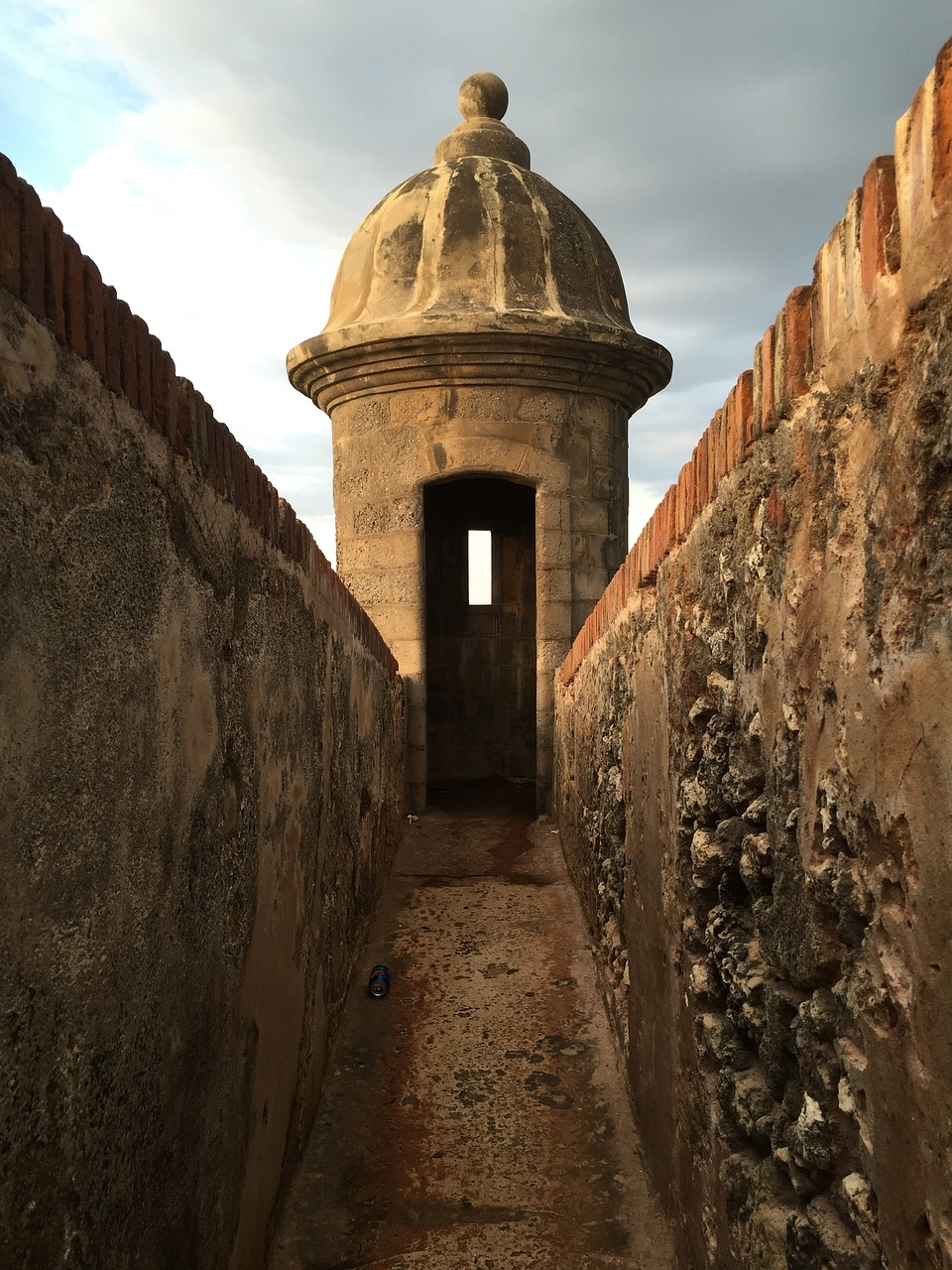
Essential Guide to Puerto Rico Shuttles & Sightseeing
Navigate Your Journey with Confidence and Style
Puerto Rico — explore shuttles, airport transfers, private drivers, tours & island sightseeing - Featured partners:

GO Puerto Rico Shuttle - San Juan port transfers, sightseeing tours etc.
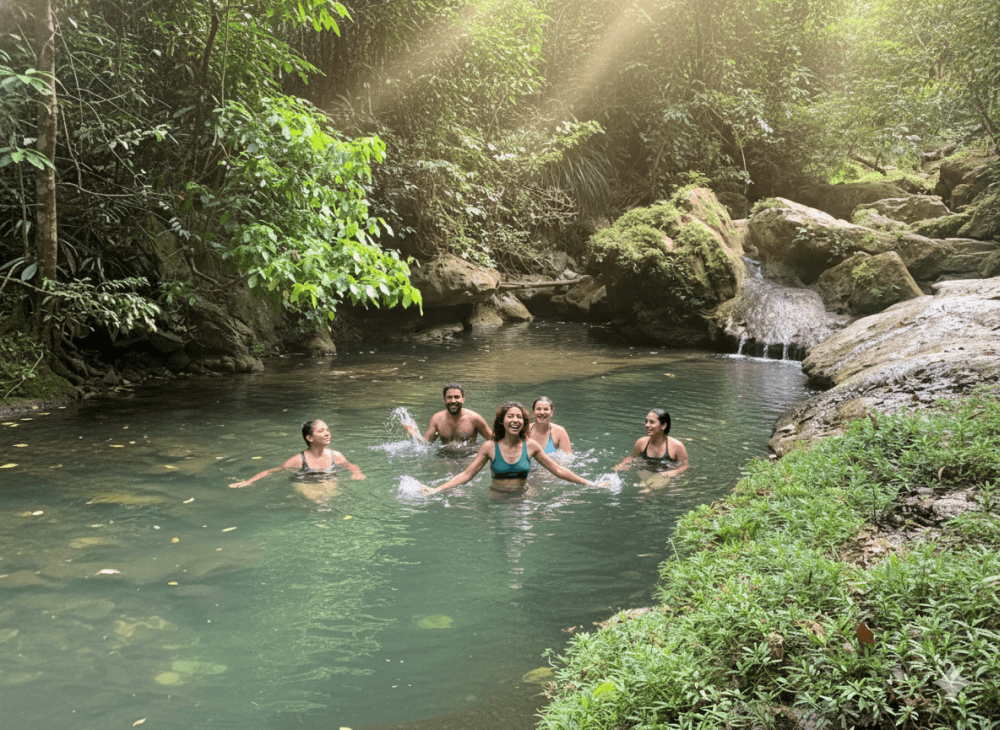
Tours by Rafael - private tours in Puerto Rico
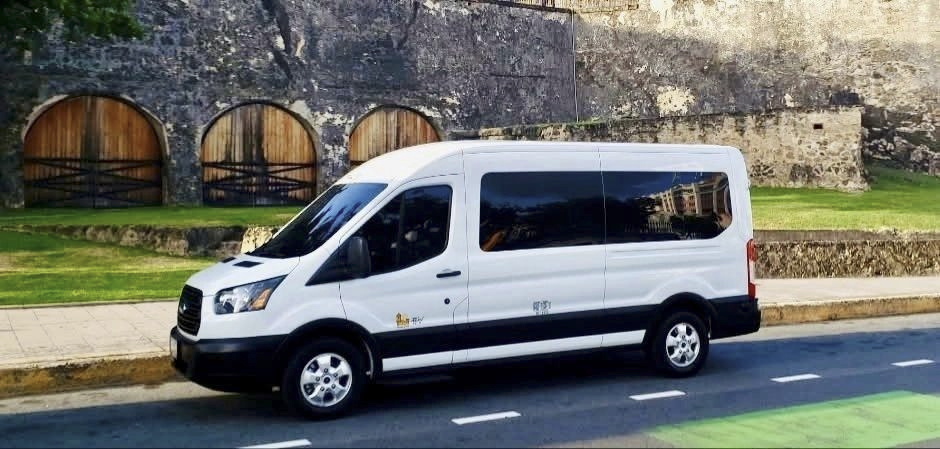
Wilbert Taxi Services, San Juan, Puerto Rico - professional transportation

San Juan Taxi - ride to airport, hotels, or popular tourist destinations
Eco Taxi Cab on San Juan Island
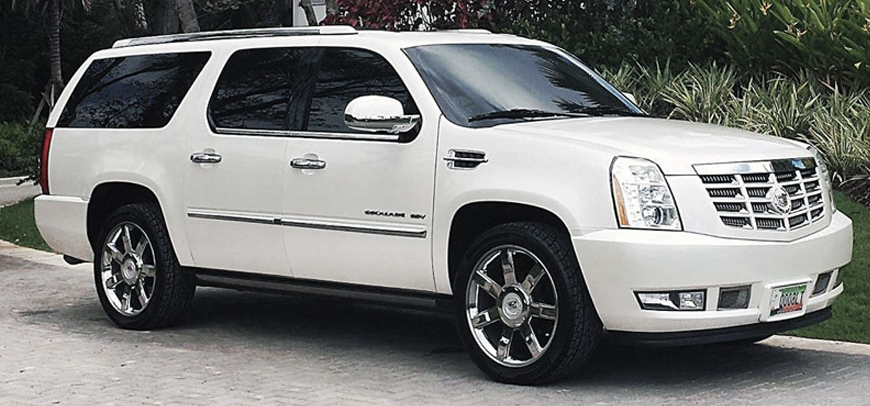
Elegant Steering - the finest corporate and personal transportation
Getting around Puerto Rico
Puerto Rico is compact, coastal, and surprisingly varied. Once you understand that most movement radiates out from San Juan, getting around is simple.
You’ll combine rental cars with short domestic flights, use ferries to reach offshore islands, and rely on taxis or rideshare within the metro area. Transport is straightforward — but outside the capital, flexibility matters.
How transport works in Puerto Rico
Distances aren’t huge — the island is about 160 km long — but public transport is limited outside San Juan.
You’ll mostly use:
Rental cars for exploring the island
Domestic flights to offshore islands
Ferries to Vieques & Culebra
Taxis & rideshare in San Juan
Private transfers for airport and resort travel
English is widely spoken, though you’ll hear Spanish terms like boleto (ticket), ida y vuelta (return), and terminal.
Airport transfers in Puerto Rico
Luis Muñoz Marín International Airport (SJU) → San Juan / Condado / Old San Juan
Puerto Rico’s main gateway is efficient and easy to navigate.
SJU → Old San Juan / Condado / Isla Verde
Taxi (fixed zones)
15–25 min
USD $20–30
Rideshare (Uber operates widely in metro San Juan)
Similar pricing
Private airport transfers
USD $60–120 depending on vehicle
Taxis operate on fixed airport rates by zone. Confirm pricing before departure.
If you're staying in Old San Juan, note that streets are narrow and cobbled — large vehicles may drop you just outside the historic core.
Rental cars
For most travellers, a rental car is the simplest way to explore beyond San Juan.
Best for:
West coast beaches (Rincón, Cabo Rojo)
El Yunque rainforest
Southern coast (Ponce)
Interior mountain towns
Driving is on the right. Roads are generally good, though rural areas can be narrow and winding. Parking in Old San Juan is limited and paid.
Ferries to Vieques & Culebra
Offshore islands require planning.
Ferry from Ceiba → Vieques / Culebra
30–45 minutes
USD $2–3 per person (passenger ferry)
Limited vehicle spaces (book early)
You must travel to Ceiba (about 1–1.5 hours from San Juan) to catch the ferry. Parking is available near the terminal.
Flights are faster and more reliable in peak periods.
Domestic flights
Small regional airlines operate short hops from San Juan or Ceiba to Vieques and Culebra.
20–30 minutes
USD $70–120 one way
These save time and avoid ferry queues, especially during weekends and holidays.
Buses & public transport
Public buses operate mainly within the San Juan metro area.
Autoridad Metropolitana de Autobuses (AMA)
Very low cost (around USD $0.75–1.50)
Limited coverage for tourists
Slower and less predictable than driving
There is also a short urban train line:
Tren Urbano
Connects parts of San Juan and Bayamón
Useful locally, but not for island-wide travel
For most visitors, public transport is not practical outside metro San Juan.
West Coast & Surf Towns (Rincón)
San Juan → Rincón
2.5–3 hours by car
No direct public bus option
Rental car strongly recommended. Roads are scenic but require attention at night.
El Yunque Rainforest
El Yunque National Forest
45–60 minutes from San Juan
Best accessed by rental car
Guided tours include transport from San Juan
Entry systems can change seasonally — book ahead where required.
Southern Puerto Rico (Ponce)
San Juan → Ponce
~1.5 hours by car
Scenic mountain or coastal routes
Public transport is limited; driving is easiest.
Taxis & Private Drivers
Taxis operate with fixed airport pricing and negotiated urban fares
Uber operates in San Juan and surrounding areas
Private drivers are useful for:
Airport transfers
Cruise port pickups
Group beach trips
Evening transport if you prefer not to drive
Confirm precio fijo before longer journeys.
Boats & Bioluminescent Bays
Puerto Rico is famous for its bioluminescent bays, including:
Mosquito Bay (Vieques)
Laguna Grande (Fajardo)
Tours include transport locally, but you’ll need your own transport to reach departure points on the main island.
Flights to Puerto Rico’s outer islands
There are limited connections to:
Culebra
Vieques
Small aircraft mean strict baggage limits.
Practical tips
Fuel stations are common but less frequent in rural areas
Book ferry tickets in advance during holidays
Weekend beach traffic can be heavy
Hurricane season (June–November) may affect ferries and flights
Puerto Rico rewards flexibility. Rent a car, allow time for island rhythms, and treat distances as coastal drives rather than commutes. With that mindset, the island unfolds easily — rainforest, surf coast, colonial streets, and quiet offshore beaches all within reach.
N.B. Prices shown are indicative and reflect typical costs in Puerto Rico as at 27 February 2026.
Popular Destinations, Puerto Rico sightseeing, tours and transport: Featured Plus
-
![https://prtaxitours.com/]()
family-owned taxi and guided tour team
-
![Taxi Bargain Puerto Rico]()
explore the rich culture, stunning landscapes, and vibrant communities of Puerto Rico
-
![Manny's Tours & Adventures]()
private excursions for groups of up to 14-18 passengers
-
![https://www.royaladventurespr.com/]()
Old San Juan Historical Tour
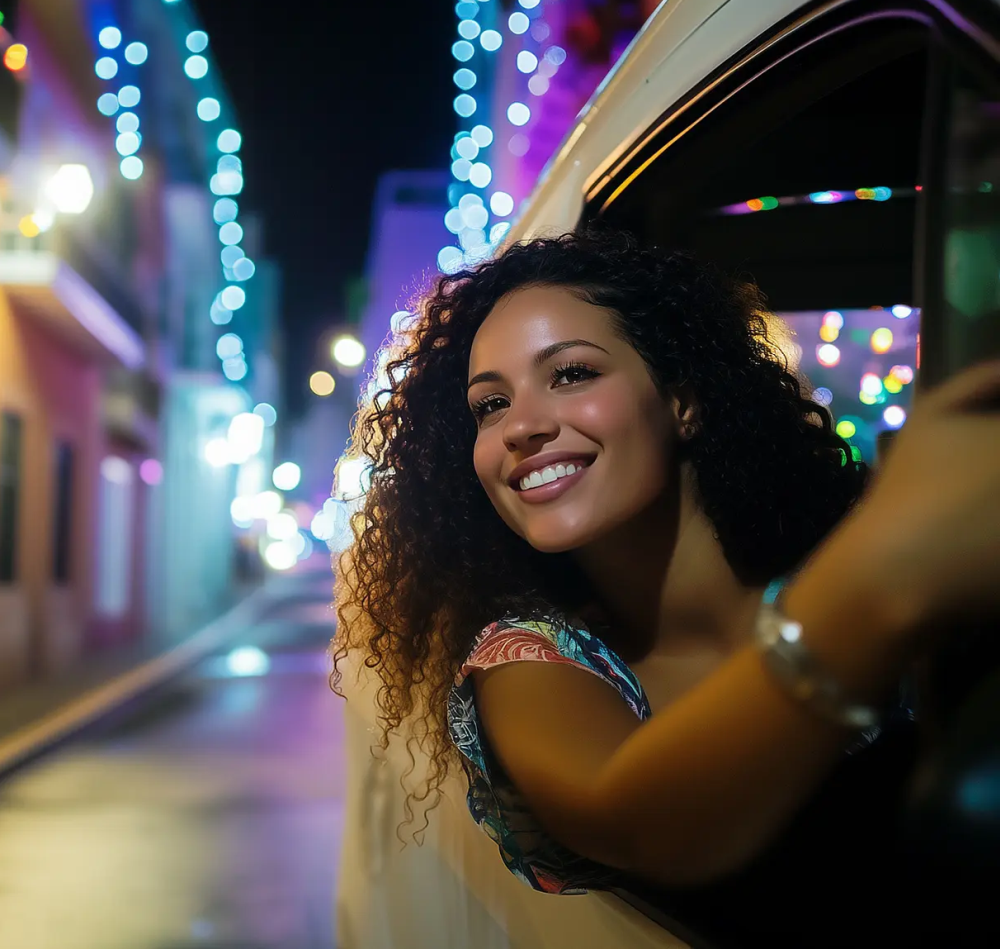
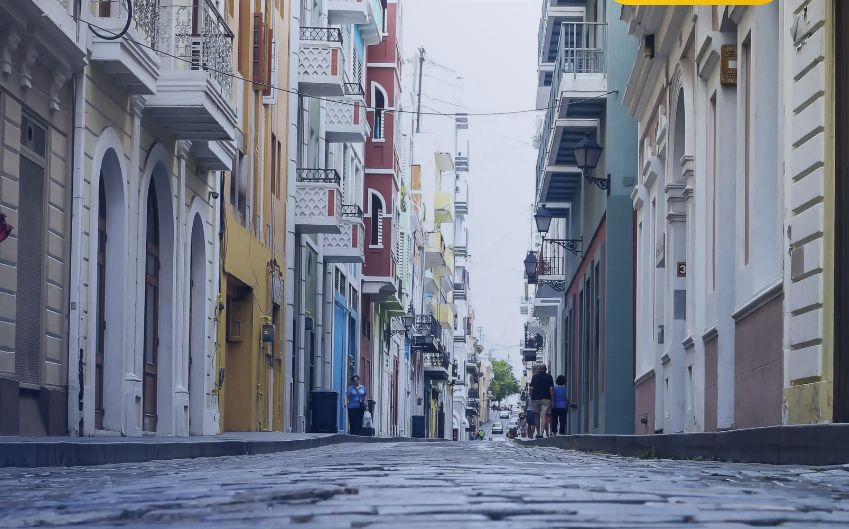

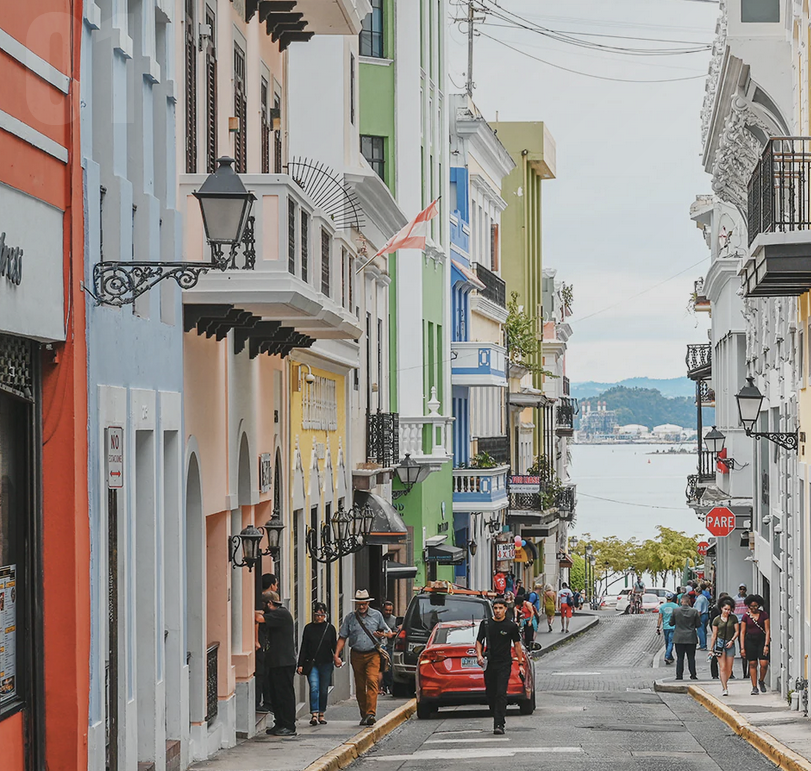
Where Cultures Meet:
The Making of Puerto Rico’s Diverse Identity
Puerto Rico’s history reflects centuries of cultural exchange. Originally inhabited by the Taíno people, the island was colonised by Spain in 1493 and remained under Spanish rule for over 400 years.
In 1898, following the Spanish–American War, Puerto Rico became a territory of the United States, a status it retains today, blending Caribbean traditions with Spanish and US influences.
Spanish and English are both official languages, with Spanish spoken in daily life and English widely understood, especially in tourism and business.
Puerto Rico’s population is ethnically diverse, shaped by Indigenous Taíno, African, and European (mainly Spanish) heritage, with many Puerto Ricans identifying as a rich mix of these backgrounds.
translated to Spanish:
La historia de Puerto Rico refleja siglos de intercambio cultural. Originalmente habitada por el pueblo taíno, la isla fue colonizada por España en 1493 y permaneció bajo dominio español durante más de 400 años.
En 1898, tras la Guerra Hispano‑Estadounidense, Puerto Rico se convirtió en un territorio de los Estados Unidos, un estatus que mantiene hasta hoy, combinando tradiciones caribeñas con influencias españolas y estadounidenses.
El español y el inglés son idiomas oficiales, aunque el español predomina en la vida cotidiana y el inglés es ampliamente comprendido, especialmente en el turismo y los negocios.
La población de Puerto Rico es étnicamente diversa, formada por herencias taína indígena, africana y europea (principalmente española), y muchos puertorriqueños se identifican como una mezcla rica de estos orígenes.
The Bioluminescent Bays of Puerto Rico:
Nature’s Nighttime Light Show
Imagine paddling quietly through still waters under a dark sky. With each stroke of your kayak, the lagoon beneath you erupts in shimmering blue-green light — as if the stars themselves have sunk into the sea. This enchanting spectacle is the hallmark of Puerto Rico’s famed bioluminescent bays, rare natural phenomena that draw travellers from around the world.
What Makes the Bays Glow?
The luminous effect is caused by tiny single-celled organisms called dinoflagellates. These microscopic plankton emit light through a chemical reaction when they are disturbed — whether by a paddle, a hand dragging through the water, or fish swimming nearby. The result is a radiant glow that feels almost otherworldly.
Bioluminescent bays are extremely rare worldwide, with only a handful of places where conditions — including warm, shallow waters, narrow channels, and healthy mangrove ecosystems — allow enough of these organisms to thrive and produce visible light. Puerto Rico is uniquely home to three of these extraordinary bays.
1. Mosquito Bay — Vieques (Brightest in the World)
Located on the small island of Vieques off Puerto Rico’s east coast, Mosquito Bay frequently tops lists of the world’s most luminous bioluminescent waters. It has been recognised as the brightest recorded bioluminescent bay, thanks to exceptionally high concentrations of the dinoflagellate Pyrodinium bahamense.
Surrounded by mangrove forests and largely free from artificial light pollution, Mosquito Bay offers an intense glow best appreciated on calm, moonless nights. Guided kayak tours are the primary way to experience it, as swimming is prohibited to help protect the delicate ecosystem.
2. Laguna Grande — Fajardo (Most Accessible)
Just about an hour’s drive from San Juan, Laguna Grande is the bio bay most visitors first encounter. Technically a lagoon connected to the sea through a narrow mangrove-lined channel, its sheltered waters host abundant dinoflagellates that light up with every splash.
Kayaking tours here typically begin at dusk, guiding visitors through winding mangrove tunnels before emerging into the glowing lagoon — a journey that often feels like passing through a hidden portal. As with Mosquito Bay, swimming is not permitted in order to preserve the fragile environment.
3. La Parguera — Lajas (Swimmable Glow)
Situated on Puerto Rico’s southwestern coast in the town of Lajas, La Parguera stands out as the only bioluminescent bay in Puerto Rico where swimming is allowed in designated areas.
Because this bay is more open to ocean waters and tidal flow, its glow can be subtler than that of Mosquito Bay or Laguna Grande. However, the experience of floating in the darkened water and watching your movements ignite streaks of light all around you remains unforgettable — especially when paired with La Parguera’s lively waterfront atmosphere.
When to Visit
Bioluminescence is typically most vivid on dark, calm nights — particularly around the new moon — when there is minimal natural or artificial light. Weather conditions, rainfall, and water movement can influence visibility, so planning around lunar cycles can enhance the experience.
A Fragile Wonder
Puerto Rico’s bioluminescent bays are more than tourist attractions — they are living ecosystems that depend on careful stewardship. Sunscreens, lotions, and chemical pollutants can harm the delicate dinoflagellates, and excessive light can diminish the glow. Responsible tourism practices help ensure that these rare natural light shows continue to inspire future generations.
Whether viewed by kayak, boat, or gentle swim, witnessing Puerto Rico’s glowing waters is a rare and humbling encounter with one of nature’s most magical phenomena.
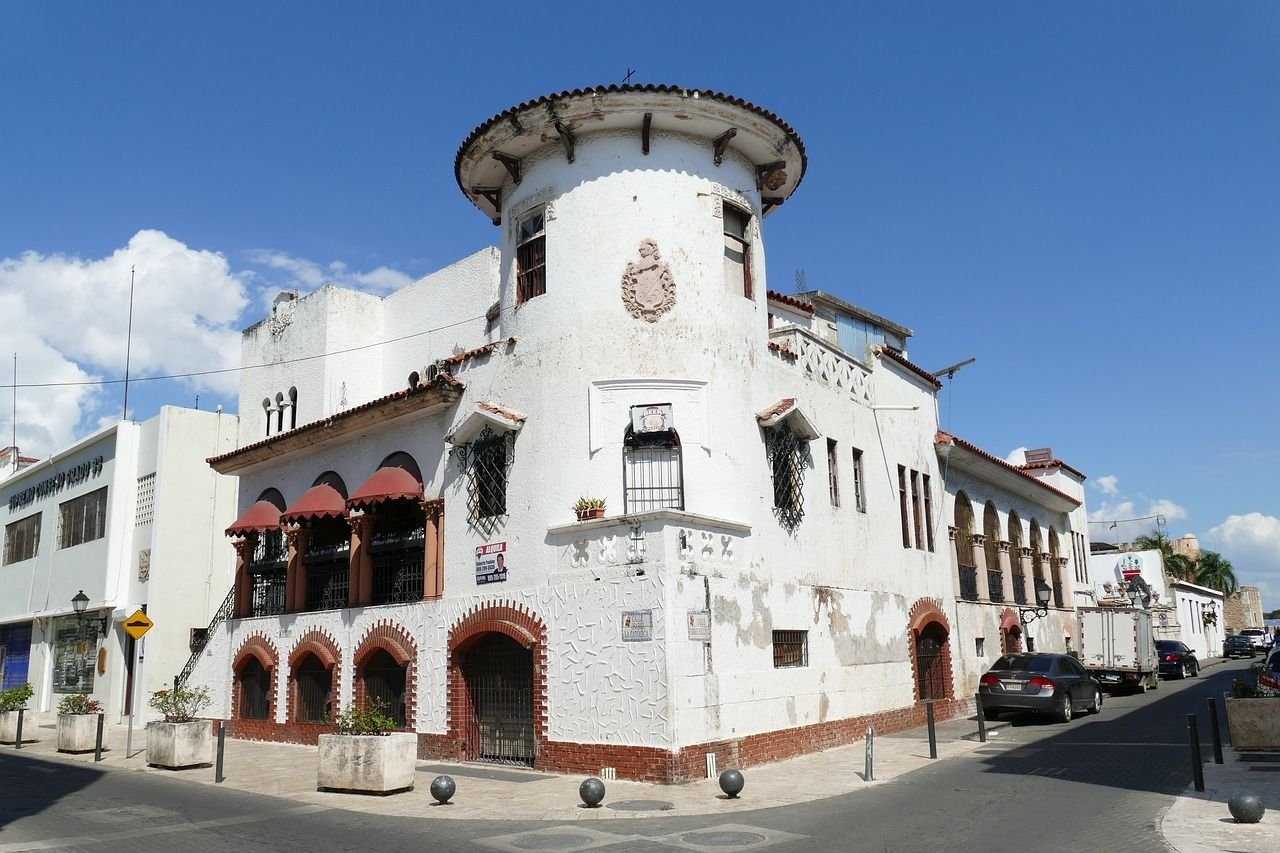
ShuttlesA2B - Getting Around the Dominican Republic
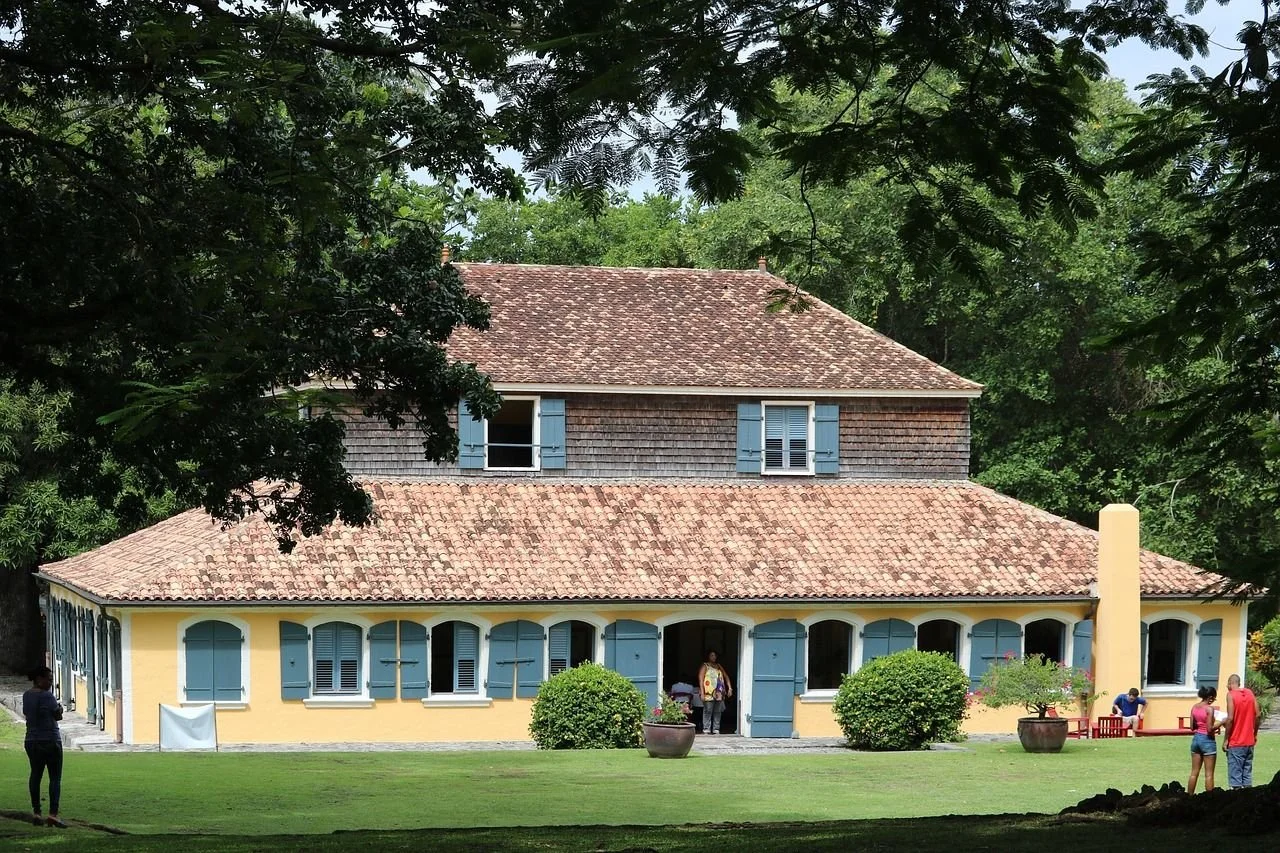
ShuttlesA2B - Martinique