

Essential Guide to Morocco Tours, Shuttles, and Transfers:
Navigate Your Journey with Confidence and Style
Morocco - Maroc — explore shuttles, airport transfers, private drivers, taxis, tours & sightseeing - Featured partners:

Taxi Airport Marrakech

Transfers Marrakech

Take Shuttle - Morocco

Morocco VIP Transfers, Rabat

Marassa Sky Tours - Transferts Aéroports & Gares, Rabat, Maroc

Casablanca Shuttle
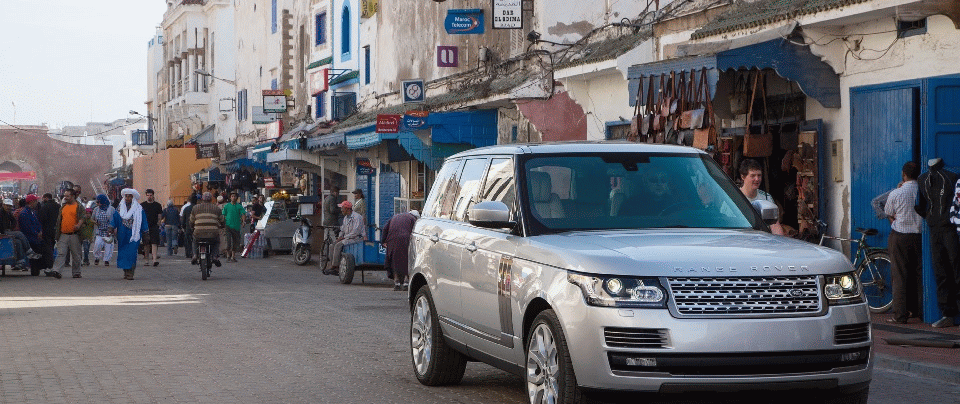
Tangier Taxi
Salah Excursions
Visit Morocco
Morocco rewards visitors with a rich blend of striking landscapes, deep history, and long-standing traditions of hospitality.
From Atlantic beaches to Saharan dunes, from imperial cities to mountain villages, the country feels both timeless and vividly alive.
The landscape shifts constantly. Along the Atlantic coast, cities like Essaouira and Casablanca balance ocean air with centuries of trade and cultural exchange.
Inland, the Atlas Mountains form a dramatic spine — snow-capped in winter, terraced with Berber villages, and crossed by winding passes that reveal valleys of almonds, olives, and red-earth kasbahs.
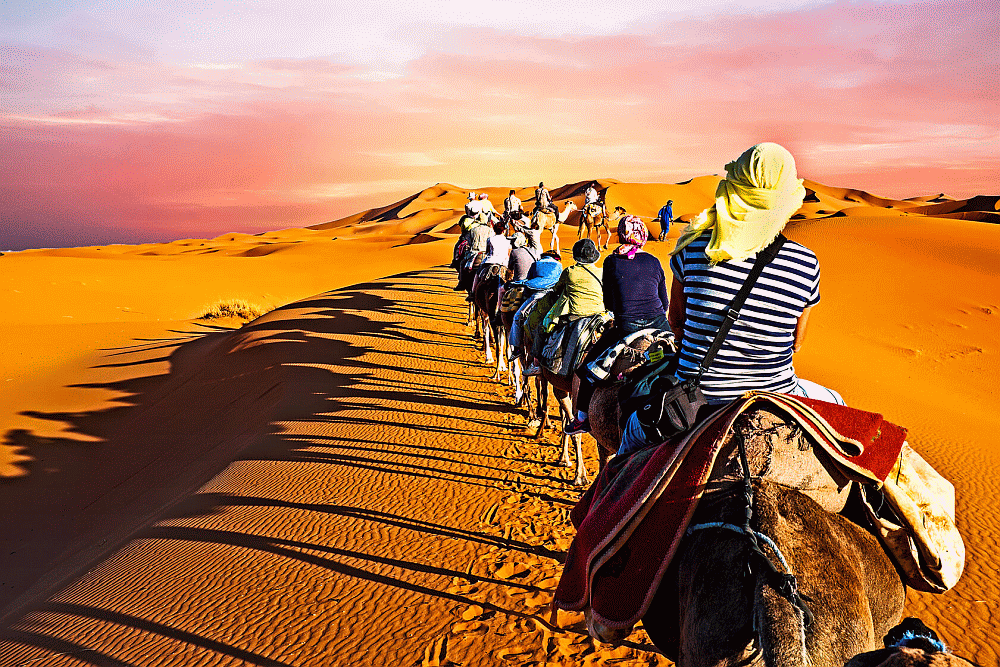
To the south and east, the Sahara begins: vast dunes at Merzouga and Erg Chebbi where silence, scale, and shifting light define the experience.
Morocco’s history is embedded in its cities and architecture.
Imperial centres such as Marrakech, Fes, Meknes, and Rabat reflect dynasties that shaped North Africa for over a millennium. In the medinas, narrow lanes lead past tiled courtyards, carved cedar doors, and ancient madrasas.
Fes feels scholarly and inward-looking, home to one of the world’s oldest universities; Marrakech is theatrical and sensory, anchored by Jemaa el-Fnaa’s nightly rhythm of food stalls, musicians, and storytellers.
Culture here is lived rather than performed. Arab, Amazigh (Berber), African, and Andalusian influences meet in language, music, dress, and daily rituals.
Hospitality is central — tea is poured with care, conversations unfold slowly, and guests are welcomed with genuine warmth.
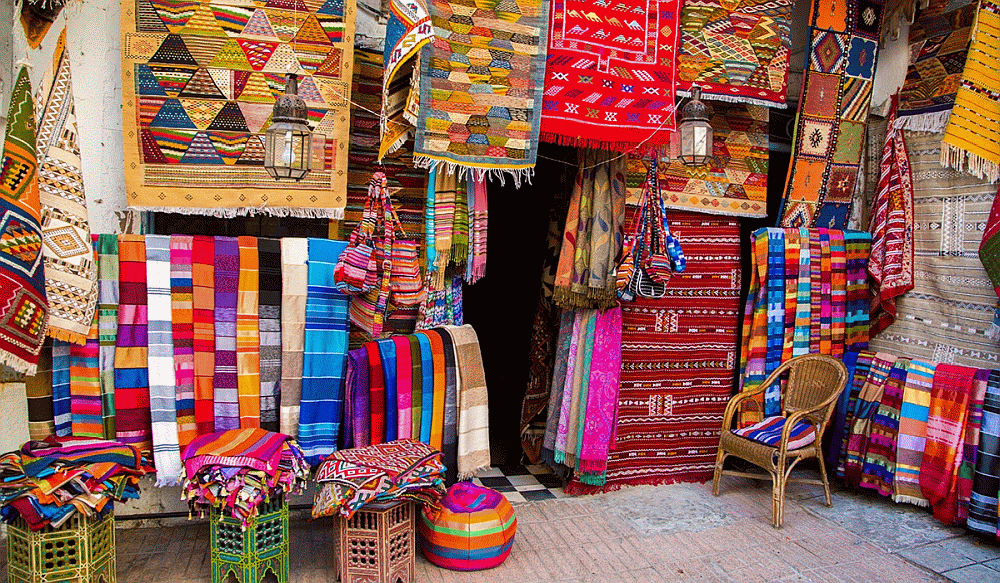
Traditional crafts remain visible in everyday life, from leather tanneries and metalwork to weaving and zellige tile-making passed down through generations.
Food is one of Morocco’s great pleasures.
Tagines simmer slowly with spices, vegetables, and meat; couscous anchors family meals; street food offers everything from grilled sardines to msemen pancakes.
Flavours are confident but balanced — cumin, saffron, preserved lemon, and fresh herbs used with restraint and skill.
Markets overflow with olives, dates, oranges, and mint, grounding the cuisine firmly in place.
Diverse, immersive, and deeply human, Morocco offers a journey that feels expansive yet personal — a country where landscapes, craftsmanship, and connection stay with you long after you leave.
Popular Destinations, Shuttle Services & Sightseeing - Morocco
-
![tourists riding camels in the Moroccan desert - Fez Morocco Guide]()
Fez Morocco Guide
-
![Tour in Rabat, Morocco]()
Guided tour of Rabat
-
![Take Shuttle - Casablanca]()
Morocco Shuttle Transportation Services
-
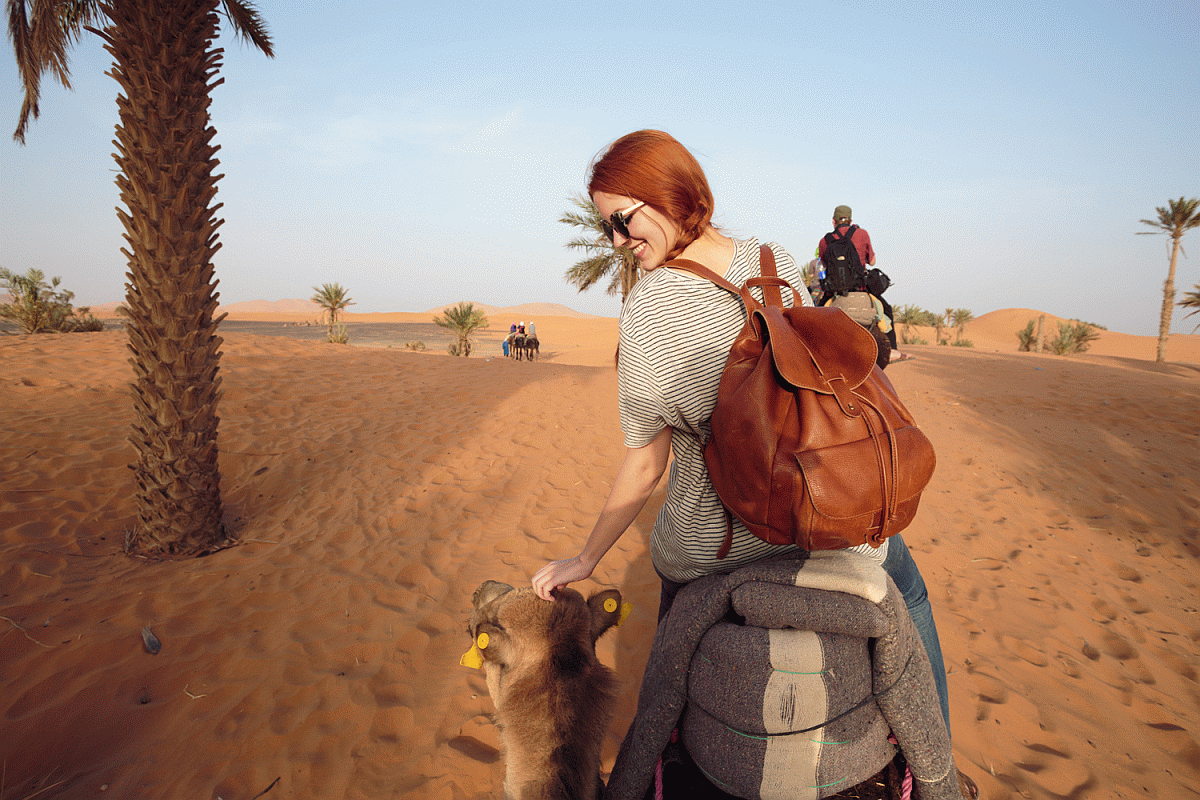
![Fes Morocco Travel: girl riding camel in the Moroccan desert]()
Morocco desert tours
-
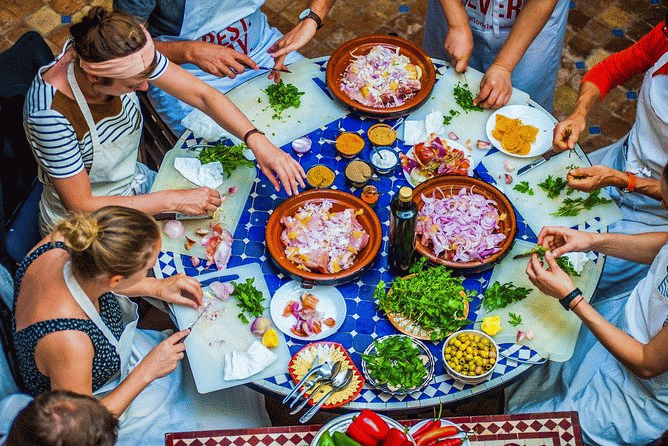
![Fez cooking class with Morocco Fez Tours]()
Fez cooking class
-
![Tours Janati, Meknes]()
Discover Morocco
-
![Morocco Colorful Tours]()
guided tours and excursions throughout Morocco
-
![Deep Morocco Tours]()
off-the-beaten-track experiences
-
![Authentic Morocco]()
Bespoke Morocco Holidays
-
![Morocco Joy Tours]()
Tailored Morocco Travel Packages




BLOG
Mint Tea:
The Heart of Moroccan Hospitality
One of the memories that has stayed with me most from Morocco isn’t a place or a view, but a pause. Sitting quietly while mint tea was prepared and poured — slowly, deliberately — with no sense of hurry and no expectation that the moment should lead anywhere. That small ceremony told me more about the country than any explanation ever could.
I came to understand that in Morocco, hospitality isn’t a performance or a service; it’s a shared social value. Being welcomed isn’t exceptional — it’s assumed. The offer of tea, time, and attention carries real meaning, and declining it outright can feel stranger than accepting. That first glass isn’t about thirst. It’s about acknowledgement: you’re here, and you matter.
Mint tea sits at the heart of this way of life. Green tea, fresh mint, sugar added by feel rather than measure, poured high to form a soft foam at the top of the glass. The act is unhurried. You wait. You watch. You accept. Conversation begins when it’s ready to begin — or it doesn’t, and that’s fine too. The ritual creates space rather than filling it.
I noticed that this rhythm extended far beyond tea. Conversations moved differently. Questions about family, health, and well-being came before anything practical. Silence wasn’t uncomfortable; it felt like part of listening. Time stretched in a way that allowed people to arrive fully, without being pulled toward the next task.
Hospitality also showed itself through community. I saw neighbours looking out for one another, especially during religious festivals or moments of need. Meals were shared from the centre, not divided into individual portions. Food was offered generously and without fuss, even when there was no excess. Feeding someone felt less like generosity and more like recognition.
The same values appeared in craft traditions. In workshops and markets, skills were passed from hand to hand rather than written down. Apprentices learned through observation, patience, and repetition. There was no sense of urgency — just continuity. Objects made this way — tiles, leather, metalwork, textiles — seemed to carry the time invested in them.
Religion, too, shaped everyday generosity. Giving wasn’t abstract or symbolic; it was practical and visible. Small acts — sharing food, offering help, supporting those nearby — were part of daily life. Hospitality became a way of living belief rather than talking about it.
When I think back to that first glass of mint tea, it feels like a distillation of all of this. It asked nothing of me except that I slow down and accept what was being offered. In a world increasingly shaped by urgency and transaction, Morocco showed me a different logic — one where time is given freely, presence is valued, and connection is treated as essential rather than optional.
- Lindsey, the traveller

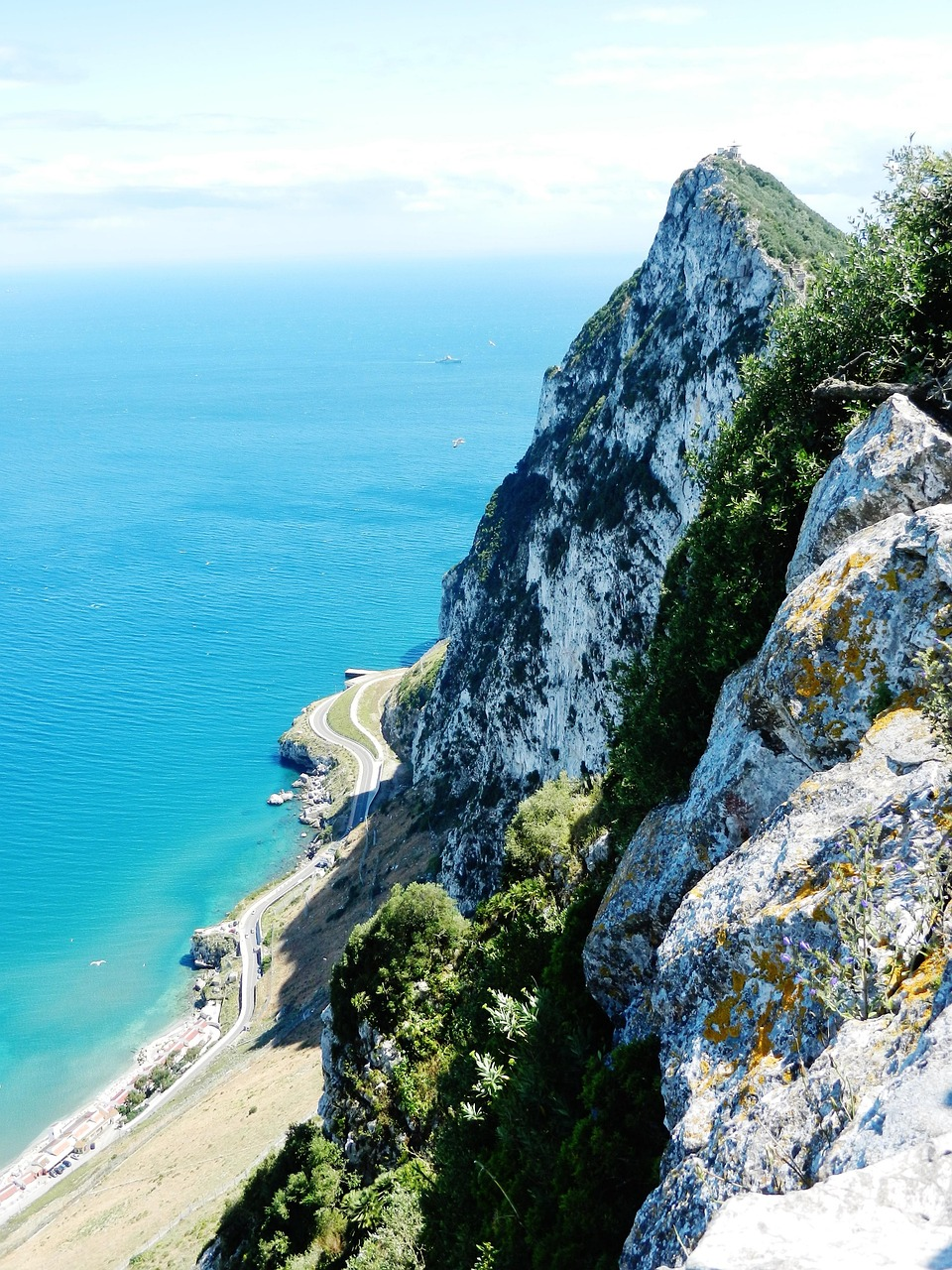
ShuttlesA2B -The Pillars of Hercules - Gibraltar
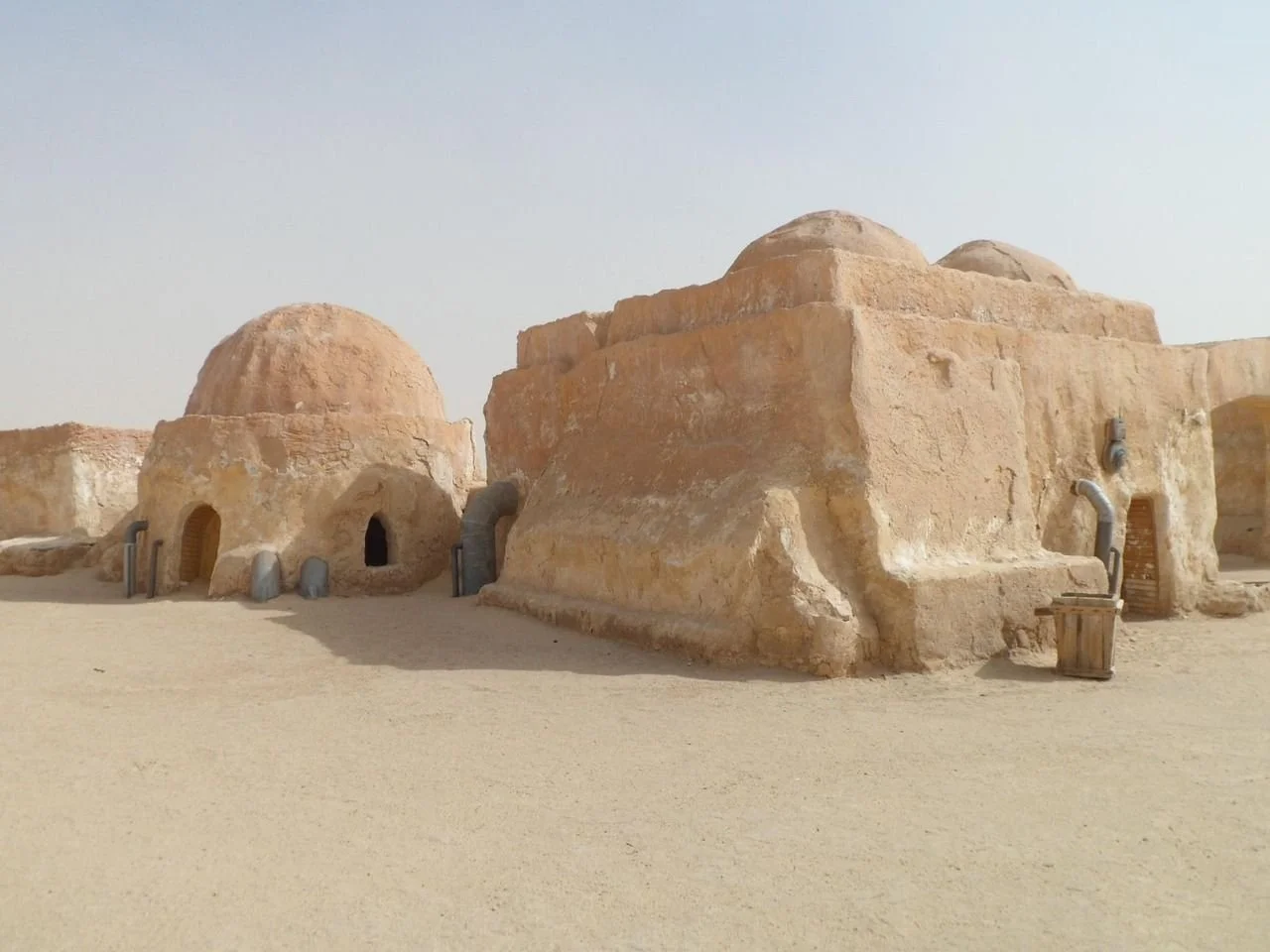
ShuttlesA2B - Tunisia