
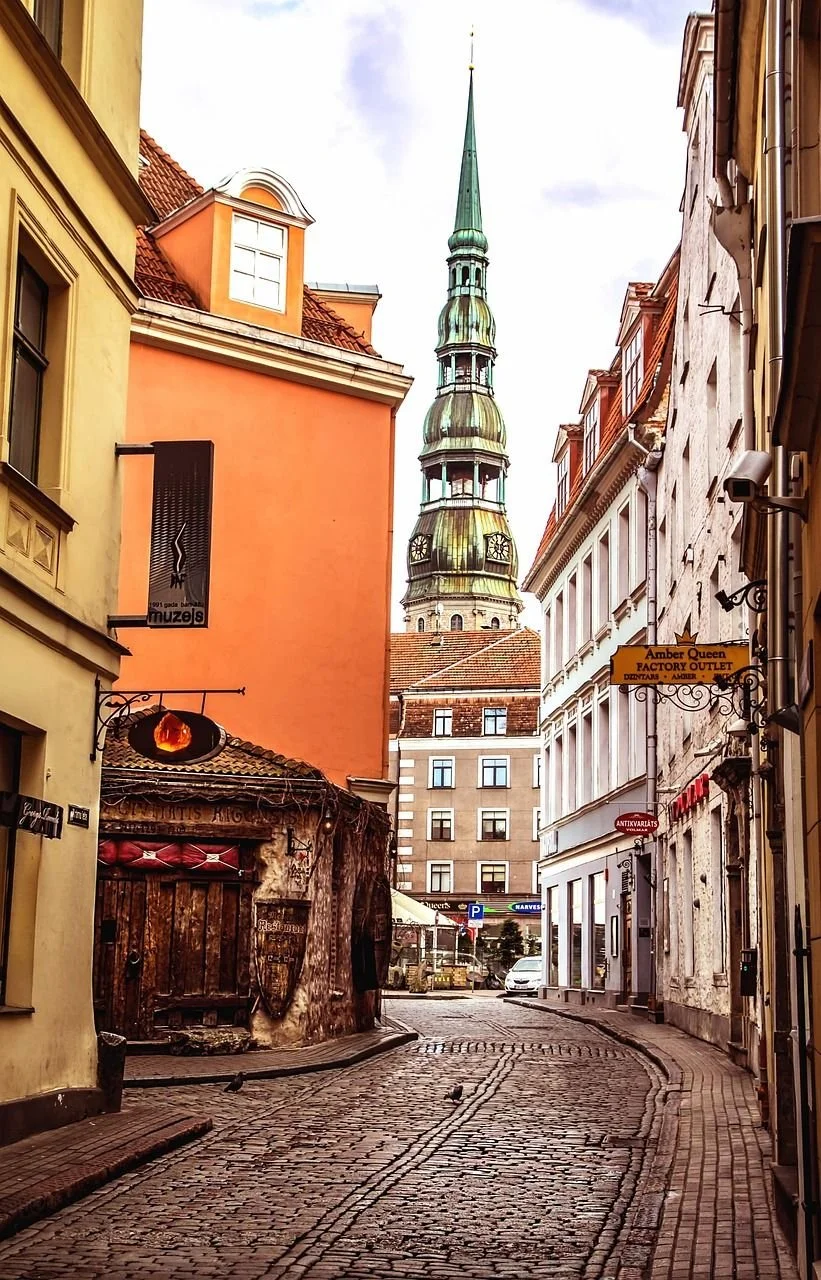
Essential Guide to Latvia Shuttles & Sightseeing:
Navigate Your Journey with Confidence and Style
Latvia — explore shuttles, airport transfers, private drivers, tours & sightseeing - Featured partners:
Hotel Transfer - Riga and Jurmala transportation service

AB Transfers -Riga Private Transfer services
Baltic Airport Transfers - servicing all major Estonian, Latvian and Lithuanian destinations
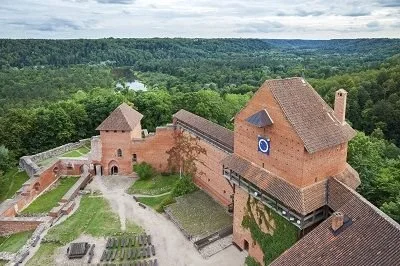
AroundLatvia - Riga Old Town Tours

dayout.lv - private excursions, tours & transfers
RigaTransfers24 - private transfers all around Latvia and Baltic States
Riga Sights -Walking Tours in Riga and Jūrmala
Getting Around Latvia
Transport, Trains, Buses & Practical Travel Tips
Latvia is compact, efficient, and easy to navigate. In a single trip, travellers can move between the lively capital of Riga, quiet Baltic beaches, dense forests, historic castles, and neighbouring Baltic countries.
This guide explains how transport works in Latvia — buses, trains, taxis, car hire, and cross-border travel — with realistic travel times, costs, and practical context.
Transport Options in Latvia
Buses in Latvia
Buses are the backbone of public transport.
Extensive network covering cities, towns, and rural areas
Frequent and reliable services
Modern coaches on main routes
Typical cost:
€5–15 depending on distance
Buses are often the easiest way to reach smaller towns, national parks, and coastal areas not directly served by rail.
Trains
Latvia’s rail network is centred on Riga.
Efficient suburban and regional routes
Comfortable and inexpensive
Best for major corridors
Popular routes:
Riga → Jūrmala: ~25 minutes
Riga → Sigulda: ~1–1.5 hours
Riga → Daugavpils: ~3–3.5 hours
Typical cost:
€2–10
Trains are ideal for day trips from Riga, especially to the coast and countryside.
Taxis & Ride Apps
Taxis are widely available, particularly in Riga.
Metered and regulated
Easy to find in cities
Ride apps such as Bolt are commonly used and often cheaper than street taxis.
Typical cost:
€5–15 for short urban trips
Car Rental
Hiring a car offers flexibility beyond main routes.
Useful for exploring rural Latvia and national parks
Roads are generally in good condition
Light traffic outside Riga
Typical cost:
€30–70 per day
Driving is straightforward, especially for travellers wanting to explore at their own pace.
Domestic Flights
Latvia is small, so domestic flights are not relevant.
Most travel is done by road or rail.
Getting Around Latvia’s Main Cities
Riga
Public transport includes trams, buses, and trolleybuses
Compact Old Town is walkable
Taxis and ride apps widely available
Airport → City Centre:
20–30 minutes | ~€10–20
Riga is easy to navigate and serves as the country’s main transport hub.
Jūrmala
Coastal resort area near Riga
Easily reached by train
Best explored on foot or by bicycle
Sigulda & Gauja National Park
Access via train or bus from Riga
Local taxis or walking for exploring
A popular destination for nature, castles, and hiking.
Popular Routes: Travel Times & Costs
Riga → Jūrmala
Train: ~25 minutes | €2–4
Taxi: ~20 minutes | €15–25
Riga → Sigulda
Train: ~1–1.5 hours | €3–6
Bus: similar timing and cost
Riga → Daugavpils
Train: ~3–3.5 hours | €7–10
Bus: ~4 hours
Riga → Liepāja
Bus: ~3–4 hours | €10–15
Coastal & Nature Travel
Latvia’s coastline and forests are highlights.
Baltic Coast
Jūrmala is the easiest access point from Riga
Further west, quieter beaches near Liepāja
Gauja National Park
Latvia’s premier nature destination
Accessible by train or bus from Riga
Ideal for hiking, cycling, and castle visits
Cross-Border Transport
Latvia is well connected to neighbouring countries.
Latvia → Estonia
Riga → Tallinn
Bus: ~4–4.5 hours | €15–25
Latvia → Lithuania
Riga → Vilnius
Bus: ~4 hours | €15–25
Latvia → Poland
Longer-distance buses via Lithuania
Rail connections improving but less direct
Bus travel between Baltic countries is frequent, comfortable, and widely used.
Why Travel Around Latvia?
Short distances make travel quick and easy
Reliable bus and rail systems
Affordable transport across all modes
Easy connections to Estonia and Lithuania
Blend of city life, beaches, forests, and history
Top Places to Visit in Latvia
Riga – architecture, food, and culture
Jūrmala – beaches and seaside relaxation
Sigulda – castles and outdoor adventures
Gauja National Park – forests and hiking
Liepāja – coastal atmosphere and history
With a combination of buses, trains, taxis, and car hire, Latvia offers simple and efficient ways to travel between cities, coastlines, and nature.
Distances are short, services are reliable, and planning just a few key legs in advance makes exploring Latvia smooth and flexible.
Prices are estimates and reflect rates as of April 2026.
Popular Destinations, Tours and Shuttle Services - Latvia - Featured Plus
-
![https://rigatours.lv/]()
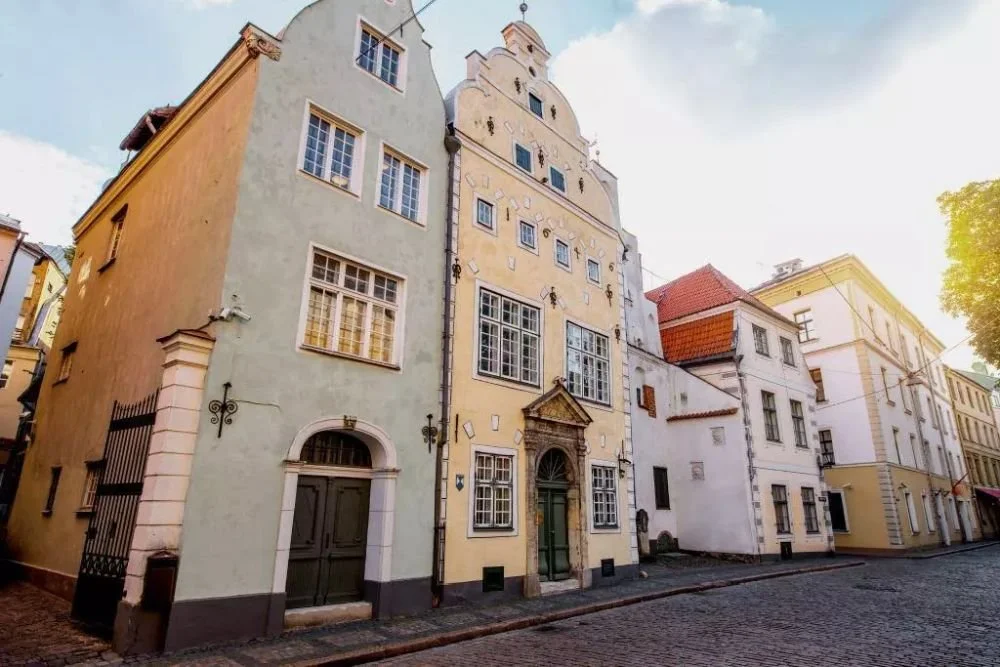
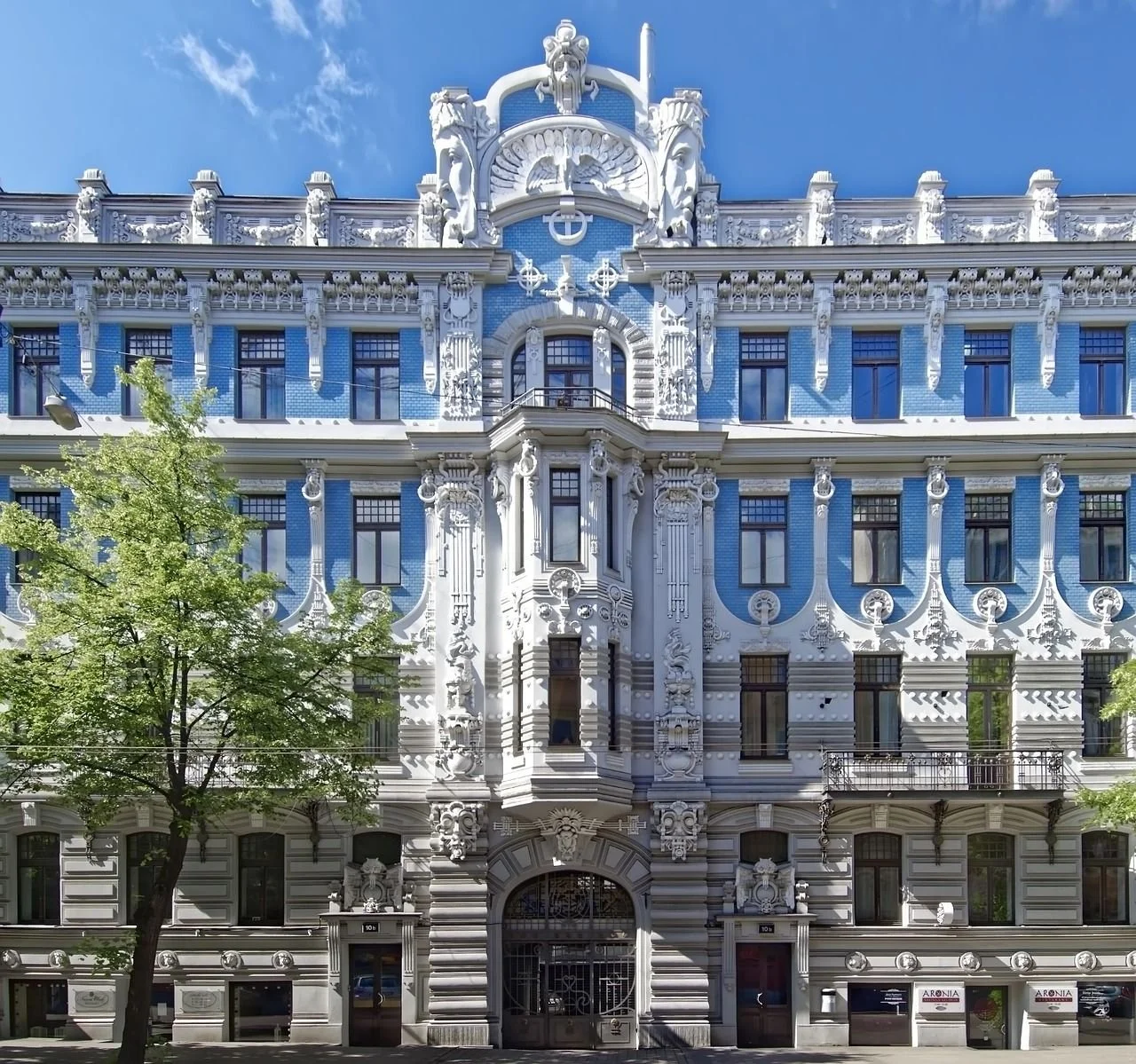
Explore Riga’s Art Nouveau district and historic Old Town
-
![Baltic Nature Adventures]()
discover misty forests, quiet lakes and rivers, winding trails
-
![https://www.bigi.lv/index.html]()
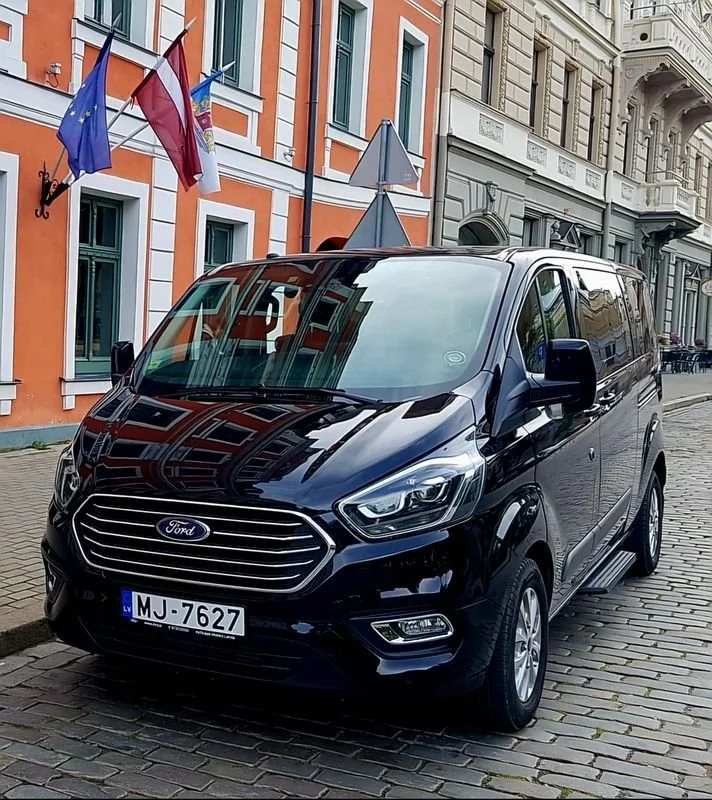
minivan & minibus rental services with driver
-
![guided tours - https://liepajasture.lv/en/]()
Liepāja - guided bus tours of Liepāja
-
![https://www.latvia.travel/en]()
explore Old Town Riga
-
![Rigabycanal - Boat Tours]()
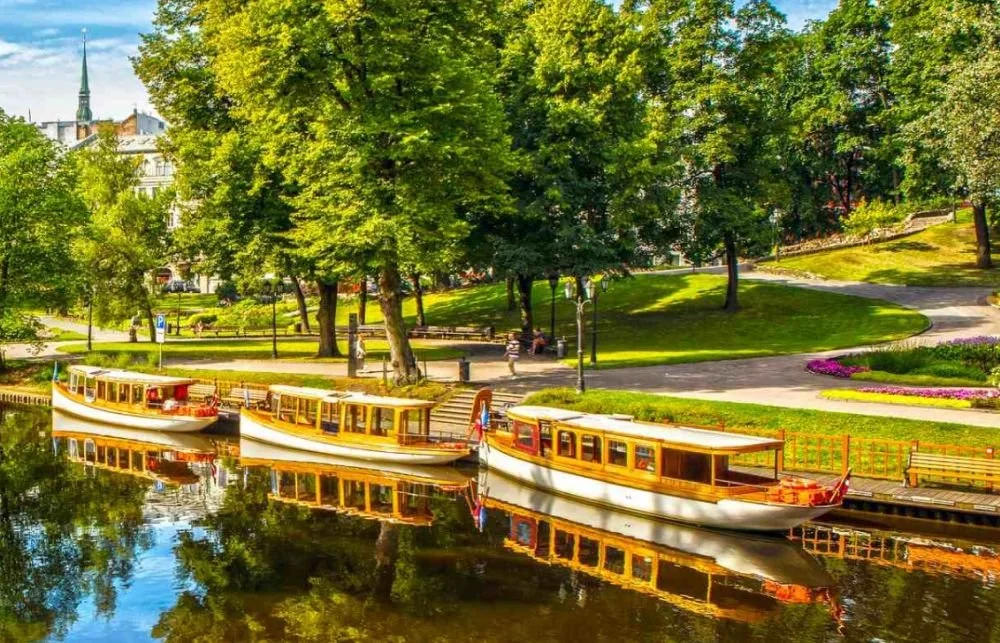
Riga City Canal and Daugava River - sightseeing by canal boat
A Country of Castles, Legends, and Living Traditions
Latvia is a place where folklore isn’t something tucked away in museums — it’s part of the landscape, the language, and the way people understand the world.
Travellers who look beyond the usual sights discover a country shaped by Baltic mythology, forest spirits, protective symbols, and rituals that have survived for thousands of years.
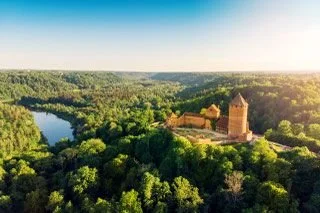
Medieval castles in Cēsis, Sigulda, and Bauska stand beside stories of ghosts, enchanted wells, and ancient deities who once governed the sun, the harvest, and the changing seasons.
Even today, many Latvians can tell you which hill is said to be sacred, which oak tree is believed to hold power, and why certain songs are sung only at night.
Across the countryside, Latvian folk beliefs appear in small, everyday ways — the use of traditional signs like Auseklis (the Morning Star) for protection, the habit of leaving offerings in the forest, or the belief that certain places carry a special energy.
These customs reach their peak during Jāņi, the midsummer celebration that blends pagan mythology with living tradition.
People weave oak‑leaf and flower wreaths, jump over bonfires for good luck, search for the mythical “fern flower,” and stay awake until sunrise to welcome the new season.
It’s one of Europe’s most ancient festivals, and it remains central to Latvia’s cultural identity.
What makes Latvia so intriguing is how naturally the old and the modern coexist.
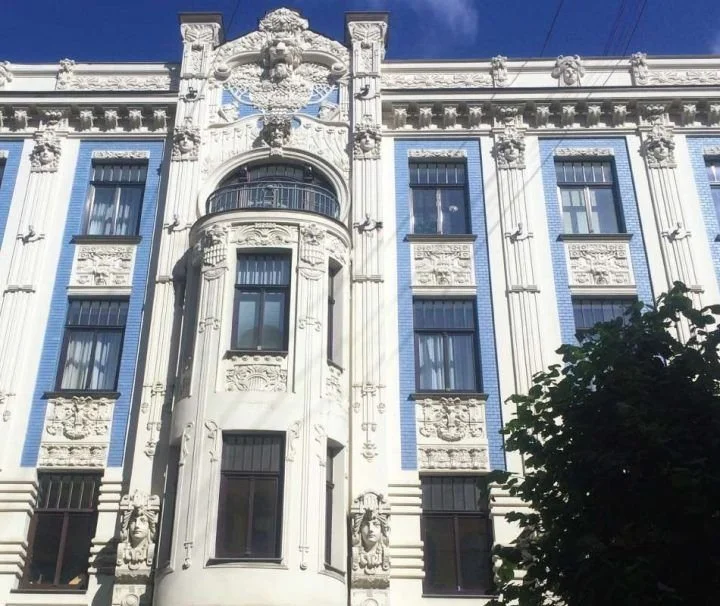
You can walk through Riga’s Art Nouveau streets in the morning and hear stories about Laima, the goddess of fate, by afternoon.
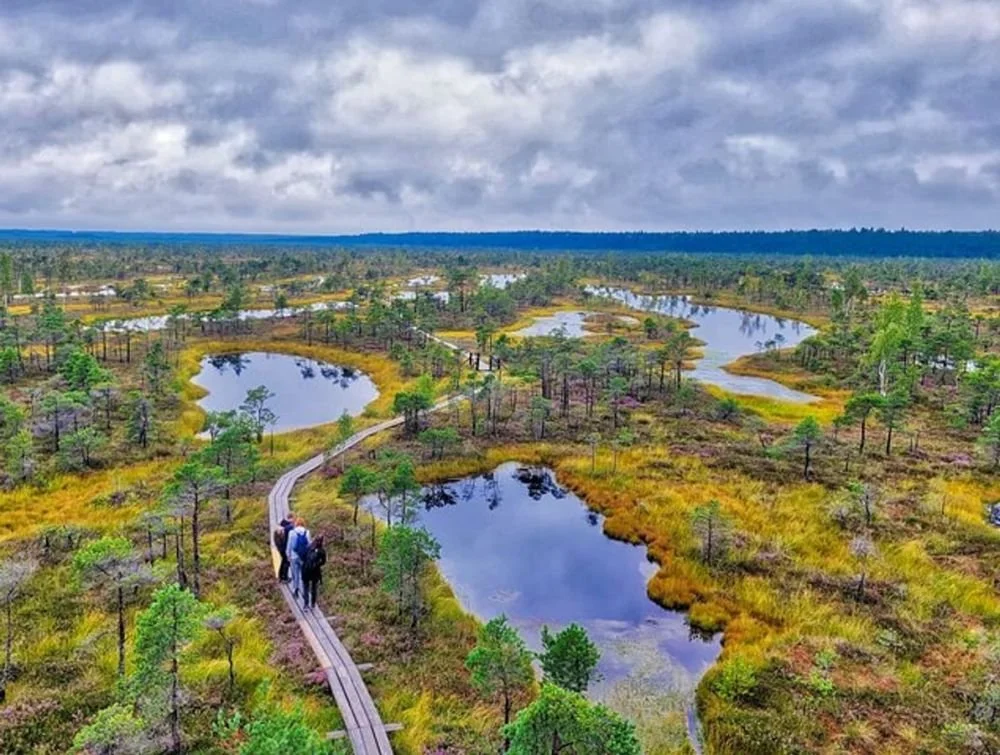
You can explore national parks filled with legends — from the sandstone caves of Gauja to the misty bogs of Kemeri — and feel why these landscapes inspired centuries of myths.
Latvia’s charm lies in this quiet sense of mystery: a country where nature is alive with meaning, where traditions are still practiced, and where the past feels close enough to touch.
Copenhagen’s Christiania (ShuttlesA2B - Denmark)