
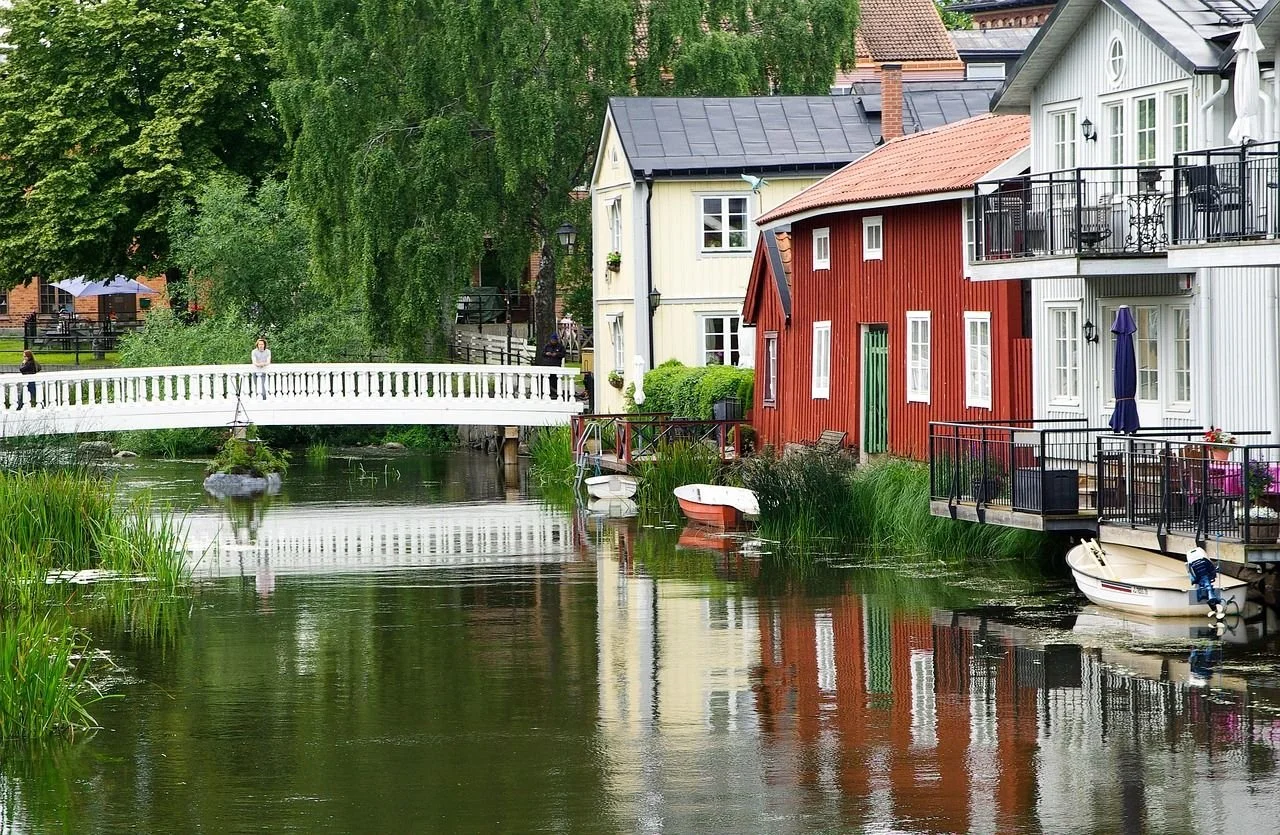
Essential Guide to Sweden- Shuttles, Transfers and Tours
Navigate Your Journey with Confidence and Style
Visit Sweden
Sweden is a country of striking contrasts, where serene forests and mirror‑like lakes meet innovative cities known for design, sustainability, and a relaxed, welcoming culture.
From the northern glow of the aurora borealis to the cobblestone charm of Stockholm’s old town, Sweden blends natural beauty with modern living in a way that feels both effortless and deeply rooted in tradition.
Besök Sverige
Sverige är ett land av starka kontraster, där stilla skogar och spegelblanka sjöar möter innovativa städer kända för design, hållbarhet och en avslappnad, välkomnande kultur.
Från norrskenets sken i norr till Gamla stans kullerstensgator i Stockholm förenar Sverige naturskönhet och modern livsstil på ett sätt som känns både naturligt och djupt förankrat i tradition.
Sweden (Sverige) — explore shuttles, airport transfers, private drivers, boat trips, tours & sightseeing - Featured partners:

Airport Transfers - Göteborg & Stockholm with surrounding cities - Taxitime
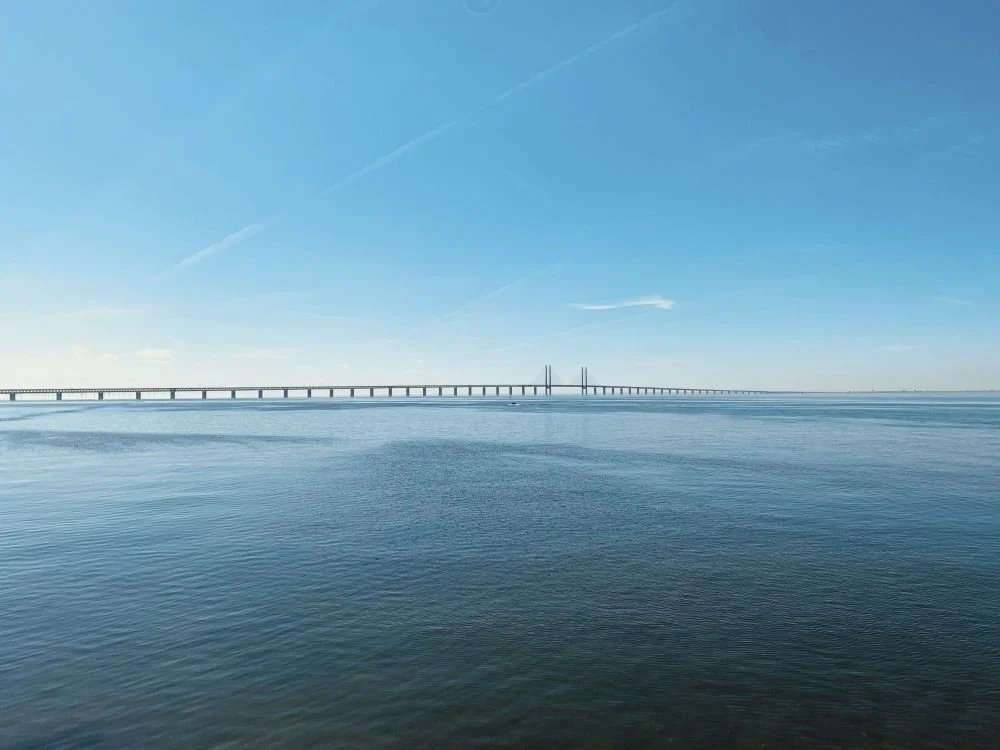
Airport Taxi Sverige - Malmö Airport & Copenhagen Airport

Styrsöbolaget - excursions to the gems of the Gothenburg archipelago

Arlanda Express Airport Shuttle Service -Stockholm Central to Stockholm Arlanda Airport (ARN)

Flygbussarna (Vy Flygbussarna) - city‑to‑city and local Stockholm routes

Wild Sweden - wildlife adventures
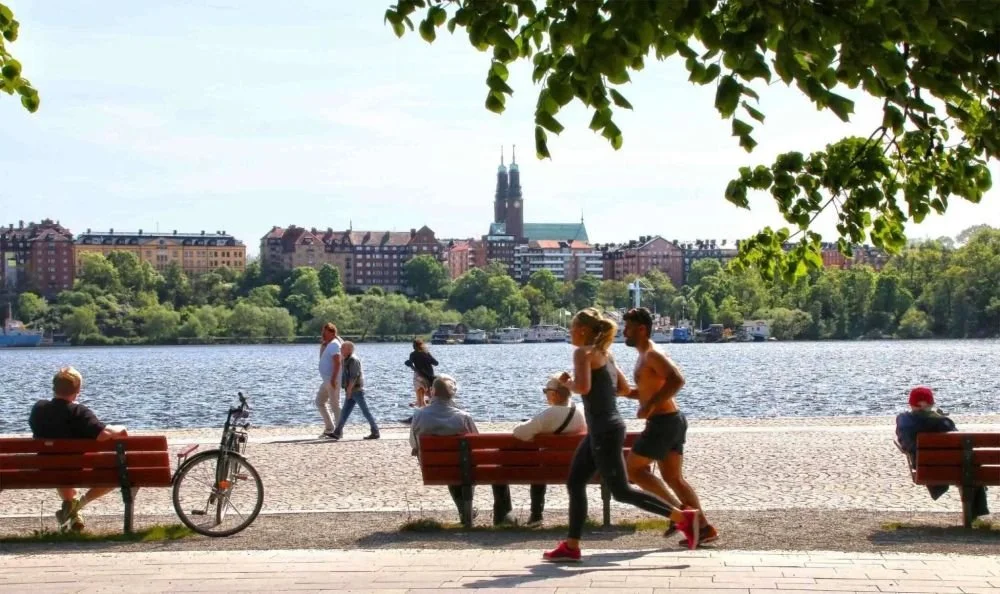
StockholMania Tours - discover Stockholm the way the locals truly live it
Tours of Stockholm - Food, bike, fika, Old Town tours
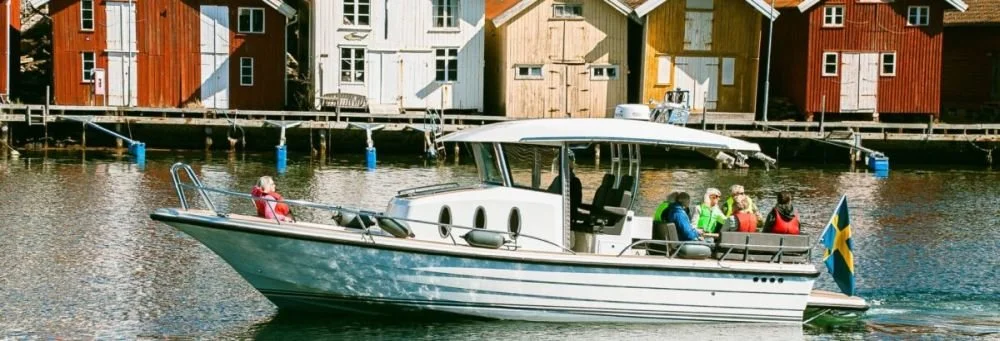
Skaftöguiden – on land and at sea in Bohuslän
Getting Around Sweden
Transport, Trains, Ferries, and Practical Travel Tips
Sweden is a vast, elegant country of forests, lakes, archipelagos, and design-forward cities. Distances can be long, but transport is exceptionally efficient, clean, and well-integrated. In a single trip, travellers can move between medieval old towns, Arctic wilderness, and cosmopolitan hubs with ease.
This guide explains how transport works in Sweden — trains, domestic flights, buses, ferries, car hire, and regional systems — with realistic travel times, costs, and practical context for exploring both cities and remote regions.
Transport Options in Sweden
Trains (Best Overall Option)
Sweden’s rail network is one of Europe’s most reliable and comfortable.
• Operated mainly by SJ (SJ)
• Fast, punctual, and environmentally friendly
• Connects all major cities and many regional towns
Main routes:
• Stockholm ↔ Gothenburg (~3 hours, high-speed)
• Stockholm ↔ Malmö (~4.5–5 hours)
• Stockholm ↔ Kiruna (overnight train ~15–17 hours)
Typical cost:
SEK 200–900 (€18–80) depending on distance and booking time
• Book early for cheaper fares
• Night trains are excellent for long distances (especially northbound)
Domestic Flights
Due to Sweden’s size, flying is common for long distances.
• Useful for travel to the Arctic north
• Frequent routes between major cities
Popular airlines:
• SAS
• Norwegian Air Shuttle
Typical cost:
SEK 600–1,800 (€55–165)
Flight times:
• Stockholm → Kiruna: ~1.5 hours
• Stockholm → Malmö: ~1 hour
Buses
Buses are modern, comfortable, and often cheaper than trains.
• Extensive national coverage
• Good for budget travellers and regional routes
Main operators:
• FlixBus
• Vy Bus4You
Typical cost:
SEK 100–500 (€9–45)
• Slower than trains but often very good value
• Strong Wi-Fi and onboard amenities common
Car Hire (Best for Rural Exploration)
Renting a car is ideal for exploring Sweden beyond the cities.
• Essential for countryside, national parks, and Lapland
• Excellent road conditions and low traffic outside cities
Typical cost:
SEK 500–1,200 per day (€45–110)
• Winter driving requires caution (snow/ice tyres standard)
• Distances are long — plan fuel stops in remote areas
Ferries & Archipelago Boats
Sweden’s coastline and islands are a highlight.
• Extensive ferry networks in coastal and lake regions
• Essential for island hopping
Key areas:
• Stockholm Archipelago (30,000+ islands)
• Gothenburg Archipelago
Operators include:
• Waxholmsbolaget
Typical cost:
SEK 50–200 (€5–18)
International ferries:
• Sweden ↔ Finland
• Sweden ↔ Estonia
• Sweden ↔ Denmark
Public Transport in Cities
Swedish cities have excellent local transport.
• Integrated systems (bus, tram, metro)
• Contactless payments widely accepted
Example:
• Stockholm Metro (“Tunnelbana”)
Typical cost:
SEK 39–45 (€3.50–4) per single trip
• Day passes offer good value
• Clean, safe, and easy to navigate
Getting Around Sweden’s Main Areas
Stockholm
Sweden’s capital is spread across islands but very easy to navigate.
• Efficient metro, buses, and ferries
• Walkable central districts
• Arlanda Airport well connected
Airport → City Centre:
20 minutes by train | SEK 320 (€28)
40 minutes by bus | SEK 120 (€11)
Nearby highlights:
• Gamla Stan
• Stockholm Archipelago
Gothenburg (West Coast)
A relaxed, cultural city with maritime character.
• Excellent tram network
• Gateway to west coast islands
• Gothenburg
Nearby:
• Gothenburg Archipelago
Malmö & Southern Sweden
Close to Denmark and continental Europe.
• Connected to Copenhagen by the Øresund Bridge
• Flat landscapes, beaches, and cycling routes
• Malmö
Malmö ↔ Copenhagen:
~35 minutes by train | SEK 150–250 (€14–23)
Swedish Lapland (Far North)
Remote, dramatic, and unforgettable.
• Best reached by flight or overnight train
• Car useful for exploring remote areas
Key destinations:
• Kiruna
• Abisko National Park
Experiences:
• Northern Lights
• Midnight sun
• Arctic wilderness
Dalarna & Central Sweden
Traditional Sweden of red cottages and forests.
• Best explored by car
• Some rail access from Stockholm
• Dalarna
Popular Routes: Travel Times & Costs
Stockholm → Gothenburg
• Train: ~3 hours | SEK 300–800
• Flight: ~1 hour
Stockholm → Malmö
• Train: ~4.5–5 hours | SEK 400–900
• Flight: ~1 hour
Stockholm → Kiruna
• Overnight train: ~15–17 hours | SEK 600–1,500
• Flight: ~1.5 hours
Malmö → Copenhagen
• Train: ~35 minutes | SEK 150–250
Stockholm → Archipelago
• Ferry: 30 minutes–2 hours | SEK 50–150
Top Places to Visit in Sweden
• Stockholm – Islands, history, design
• Gothenburg – Food and west coast charm
• Malmö – Gateway to Denmark
• Kiruna – Arctic adventure
• Abisko National Park – Northern Lights
• Dalarna – Traditional culture
• Stockholm Archipelago – Island-hopping paradise
Practical Notes for Travellers
• Sweden is largely cashless — cards accepted almost everywhere
• English is widely spoken
• Winter travel can be slow in the north due to weather
• Summer (June–August) offers long daylight hours
• Book trains early for best prices
Sweden rewards travellers who embrace its scale. With a seamless mix of high-speed trains, efficient public transport, scenic ferries, and well-maintained roads, getting around is easy — whether exploring stylish cities or venturing deep into the Arctic north.
N.B. Prices shown are indicative and reflect typical costs in Sweden as at March 2026.
Popular Destinations, Sweden tours and transport: Featured Plus
-
![https://lightsoverlapland.com/ - Lights over Lapland]()
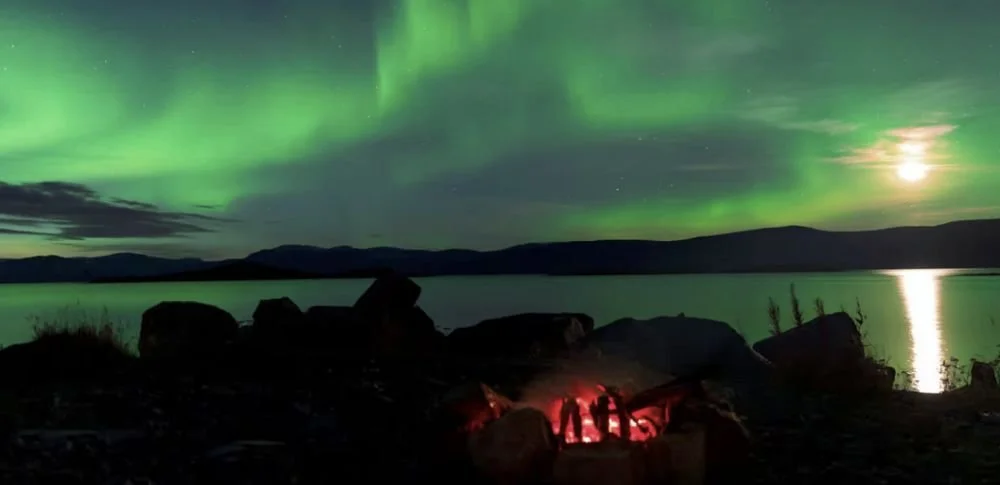
chase the magical northern lights in the Arctic wilderness
-
![Experience Sámi culture © Nutti Sámi Siida]()
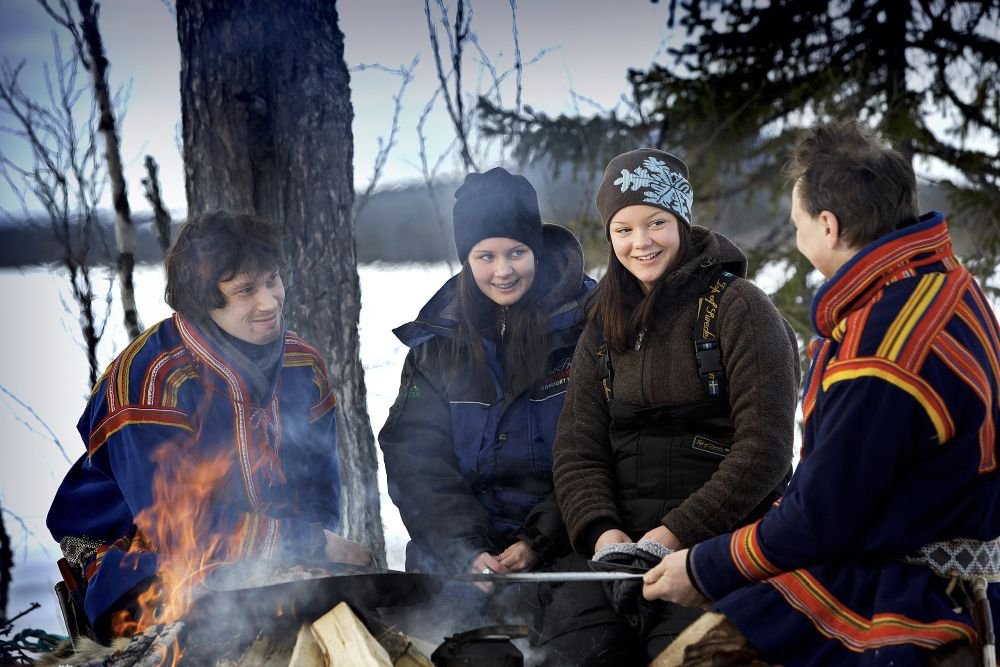
Experience Sámi culture
-
![Camilla Glover, Elite Tours Sweden]()
tailored and immersive tours
-
![Uddevalla Taxi]()
Book your taxi with Uddevalla’s largest taxi company
-
![https://luleatravel.com/ Luleå Travel AB, Kaserngatan 1, 97442 Luleå, Sweden]()
Multi‑day Lapland tours, Arctic Sweden Winter Holiday
-
![Kiruna Guidetur]()
classic winter tours in Kiruna, Sweden

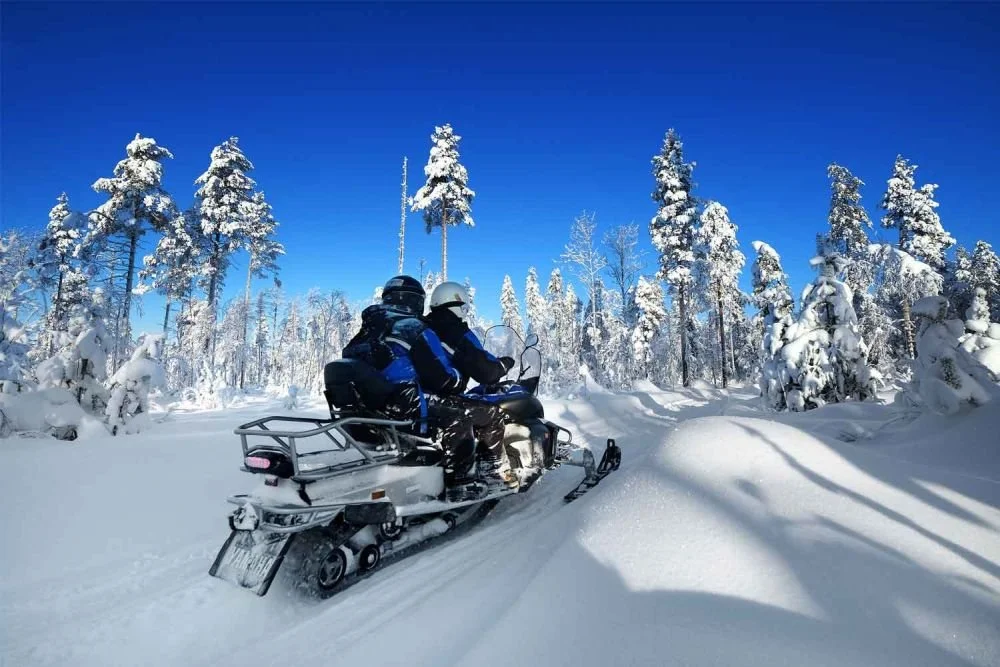

Top Destinations in Sweden
1. Stockholm
Built across 14 islands with water everywhere
Highlights: Gamla Stan (Old Town), Royal Palace, museums, archipelago
Ideal for: culture and scenery combined
Often the starting point for most Sweden itineraries.
2. Gothenburg
Sweden’s second city with a relaxed vibe
Known for seafood, canals, and café culture
Gateway to the west coast islands
Closer to Norway, making it perfect for cross-border trips.
3. Malmö
Connected to Denmark via the Øresund Bridge
Modern, multicultural, easy cycling city
Good base for exploring southern Scandinavia
4. Swedish Lapland
Arctic wilderness, Northern Lights, midnight sun
Key spots include Abisko National Park and Kiruna
Winter: dog sledding, ICEHOTEL
Summer: hiking and endless daylight
5. Stockholm Archipelago
Thousands of islands accessible by ferry
Quiet nature and traditional cabins
6. Gotland (Visby)
Medieval walled town (UNESCO-listed)
Beaches, history, and strong summer atmosphere
7. Bohuslän
Fishing villages, rocky coastline, kayaking
Popular with both Swedes and Norwegians
Adding Norway: Why It Works So Well
Sweden and Norway are natural travel partners:
Shared long land border
Excellent roads, trains, and ferries
Seamless travel under the Schengen Area (no routine passport checks)
This makes it one of Europe’s easiest multi-country trips.
Cross-Border Travel: Sweden to Norway
By Train (Best Scenic Option)
Popular routes:
Stockholm to Oslo (5–6 hours)
Gothenburg to Oslo (about 3.5 hours)
Comfortable, simple, and city-centre to city-centre.
By Car / Road Trip
Major highways: E6 and E18
Ideal for scenic travel and flexibility
Common for tourism and cross-border trips
By Bus
Budget-friendly options such as FlixBus and Vy
Slower than trains but reliable
Ferry Options
Routes between western Sweden and Norway
Useful when combining coastal travel
Border and Visa Information
Both Sweden and Norway are in the Schengen Area
Borders are usually open, but:
Carry your passport
Spot checks can occur, especially at land crossings
Best Sweden–Norway Itinerary Ideas
Classic Route
Stockholm to Oslo by train
Continue to Bergen for fjords
West Coast Explorer
Gothenburg
Travel along Bohuslän
Cross into Norway toward Oslo or the fjords
Arctic Adventure
Swedish Lapland
Cross into northern Norway (for example Tromsø)
Remote border crossings with dramatic landscapes
Unique Border Experience
Morokulien
A symbolic “peace border” you can walk across
Why Combine Sweden and Norway?
Sweden offers cities, culture, and generally lower costs
Norway offers dramatic fjords and mountain landscapes
Together, they provide a balanced Scandinavian experience
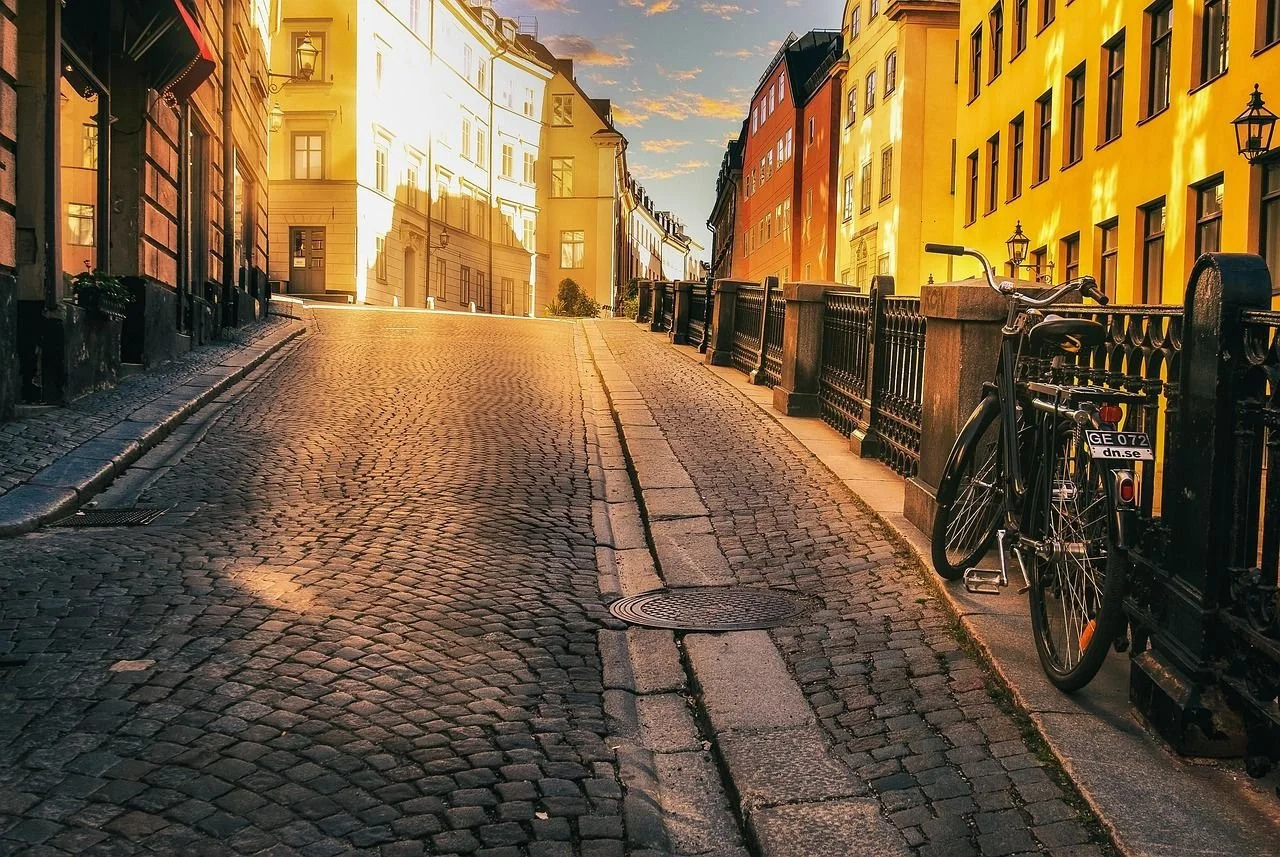
Why Swedes Speak Such Exceptional English
Language, Education, and a Quiet National Advantage
Visitors to Sweden often notice something striking within minutes of arrival: almost everyone speaks English — and not just competently, but fluently, confidently, and often with remarkable nuance.
It’s not unusual to hear a conversation in Stockholm or Gothenburg that could easily be mistaken for London or Sydney. For many travellers, the experience leads to a surprising conclusion: younger Swedes sometimes appear to speak “better” English than native speakers.
While that claim is subjective, the phenomenon behind it is very real — and deeply rooted in Sweden’s education system, media exposure, and cultural mindset.
English Starts Early — and Never Really Stops
In Sweden, English is introduced early in primary school and continues throughout a student’s education. By the time Swedish students reach their teenage years, English is no longer a “foreign” language — it’s a working language.
But the key difference lies in how it is taught.
Rather than focusing heavily on rote grammar and formal testing, Swedish education emphasises:
Practical communication
Listening and comprehension
Real-world usage
Students are encouraged to use English naturally — in discussion, media, and everyday contexts — rather than treating it as an academic subject to be memorised.
A Media Environment That Reinforces Learning
One of Sweden’s biggest advantages is exposure.
Unlike many countries that dub foreign content, Sweden subtitles English-language films and television. This means that from a young age, Swedes are constantly hearing authentic English — accents, slang, humour, and rhythm — while reading Swedish subtitles.
Over time, this creates:
Strong listening skills
Natural pronunciation
Cultural familiarity with English-speaking contexts
By adolescence, many Swedes have effectively undergone thousands of hours of informal language immersion — something classroom learning alone rarely achieves.
The Internet Generation — in English
Sweden is one of the world’s most digitally connected societies, and English dominates online spaces.
Young Swedes:
Watch YouTube and streaming content in English
Participate in global gaming communities
Engage on forums and social platforms in English
In many cases, English becomes the default language for entertainment, learning, and even social interaction beyond local circles.
This constant exposure builds fluency in a way that feels effortless and organic.
Why It Can Sound “Better” Than Native English
The perception that Swedes speak “better” English than native speakers often comes down to a few key factors:
1. Clarity and Precision
Swedish learners are taught structured, standard English. They tend to avoid slang, filler words, and regional quirks, making their speech sound clear and polished.
2. Neutral Accent
Many Swedes develop a mild or neutral accent that is easy to understand internationally.
3. Conscious Communication
Because English is learned deliberately, Swedes often speak more thoughtfully — choosing words carefully and avoiding ambiguity.
4. Grammar Awareness
Formal learning ensures strong grammatical foundations, sometimes stronger than those of native speakers who rely on intuition.
In contrast, native English speakers often use:
Slang and idioms
Regional accents
Informal or “incorrect” grammar
So while native speakers are naturally fluent, Swedish speakers can sometimes sound more precise.
A National Advantage in a Global Economy
Sweden’s high level of English proficiency is more than just impressive — it’s a strategic advantage.
It allows Swedish companies and professionals to operate seamlessly in global markets. International collaboration becomes easier, and barriers to trade, research, and innovation are reduced.
Global Swedish brands like:
IKEA
Spotify
Ericsson
…operate effortlessly across borders, supported by a workforce that can communicate fluently with partners and customers worldwide.
Cultural Openness and Confidence
There is also a cultural dimension.
Sweden has long been outward-looking, with strong ties to Europe and beyond. English is not seen as a threat to national identity, but as a tool — a bridge to the wider world.
Importantly:
Swedes are generally comfortable speaking English, even imperfectly
There is little stigma around making mistakes
Communication is prioritised over perfection
This confidence accelerates learning and fluency.
Does It Come at a Cost?
Some observers have raised concerns that such strong English adoption could overshadow the Swedish language itself, particularly among younger generations.
However, in practice:
Swedish remains dominant in daily life, government, and culture
Bilingualism is additive rather than replacing
The result is not language loss, but linguistic flexibility.
The Bigger Picture
Sweden demonstrates what happens when education, media, and culture align around language learning.
Rather than relying solely on classrooms, the country has created an environment where English is:
Heard daily
Used naturally
Reinforced socially
The outcome is a population that is not just bilingual, but highly effective communicators on a global stage.
For travellers, it makes Sweden one of the easiest countries in the world to navigate. For the country itself, it’s a quiet but powerful advantage — one that continues to support innovation, openness, and international success.

The Pillars of Hercules: Where the Ancient World Ended (ShuttlesA2B - Gibraltar)
ShuttlesA2B - explore Italy